Difference Between Caulking and Silicone: KK Cleaning and Restoration Explains Everything You Need to Know
Difference Between Caulking and Silicone: When it comes to sealing gaps, preventing leaks, and keeping moisture out of your home, caulking and silicone are two of the most commonly used materials. Yet, many homeowners in Toronto often wonder—what’s the real difference between them?
At KK Cleaning and Restoration, we’ve worked with both products extensively while performing bathroom restorations, tile repairs, and shower sealing. Understanding which one to use—and where—is essential for durability, appearance, and long-term maintenance.
In this detailed guide, we’ll explore everything you need to know about caulking vs. silicone—their uses, differences, pros and cons, lifespan, and when to call a professional for help.
1. Understanding the Basics: What Is Caulking?
Caulking is a flexible sealing material used to fill joints or gaps between building materials. It’s designed to prevent air, moisture, dust, or insects from entering crevices.
Caulk is made from different base materials such as:
- Acrylic latex caulk
- Vinyl caulk
- Butyl rubber caulk
- Silicone-enhanced latex caulk
Each type has its own use case. Acrylic latex caulk, for example, is often used for interior projects—like sealing gaps around baseboards, crown molding, windows, or door frames—because it’s paintable and easy to work with.
In general, caulking is ideal for dry areas or locations with minor movement.
At KK Cleaning and Restoration, we often use high-grade acrylic or hybrid caulks when sealing indoor joints that won’t be constantly exposed to moisture.
2. What Is Silicone Sealant?
Silicone sealant, commonly called silicone caulk, is made from silicone polymers that remain flexible and rubber-like even after curing. It’s the go-to choice for wet environments such as:
- Showers
- Bathtubs
- Kitchens
- Windows
- Exterior gaps
Unlike standard caulk, silicone forms a waterproof and mold-resistant seal, making it perfect for areas exposed to humidity, heat, and constant moisture.
At KK Cleaning and Restoration, silicone sealing is one of our most requested services in Toronto bathrooms and kitchens. We use 100% pure silicone or hybrid formulas designed for long-lasting adhesion and elasticity.
3. The Key Differences Between Caulking and Silicone
While both serve the purpose of sealing, they differ significantly in composition, durability, and application.
Here’s a detailed breakdown:
| Feature | Caulking | Silicone |
|---|---|---|
| Base Material | Acrylic, latex, or vinyl | Silicone polymer |
| Flexibility | Moderately flexible | Highly flexible and elastic |
| Water Resistance | Limited | Excellent – fully waterproof |
| Paintability | Can be painted | Cannot be painted easily |
| Curing Time | 1–2 hours (fast-drying) | 24–48 hours (full cure) |
| Lifespan | 5–10 years | 10–20 years |
| Adhesion Strength | Good on porous surfaces | Excellent on smooth or glassy surfaces |
| Typical Use | Dry indoor areas | Wet or humid areas like bathrooms & kitchens |
| Cost | Less expensive | More expensive |
| Mold Resistance | Moderate | Excellent with mildew-resistant additives |
Simply put: Caulk is for sealing dry joints, while silicone is for sealing wet, flexible, or high-moisture areas.
4. When to Use Caulking vs. Silicone
At KK Cleaning and Restoration, our technicians carefully assess each surface and use the right product for long-lasting results. Here’s a simplified guide:
Use Caulking When:
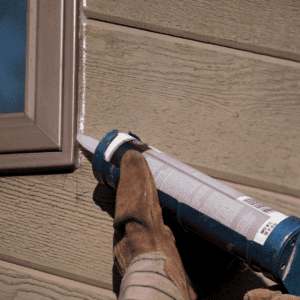
- You’re sealing around window or door frames.
- The area is paintable and visible.
- The joint is small and in a dry area.
- You want a smooth, easily sandable finish.
Use Silicone When:
- You’re sealing around bathtubs, sinks, or showers.
- The joint will be exposed to water or humidity.
- You need long-term flexibility and elasticity.
- You want a mold-resistant, waterproof seal.
5. The Importance of Choosing the Right Product
Using the wrong product can lead to leaks, mold, or early deterioration. For example:
- Using acrylic caulk in a shower can cause peeling and mildew growth within months.
- Applying silicone on paintable joints can lead to poor paint adhesion and visible marks.
That’s why KK Cleaning and Restoration always inspects the environment, the joint size, and the surrounding materials before sealing any surface. Our experts understand how different sealants behave under moisture and temperature.
6. Types of Caulking and Silicone Sealants
Let’s break down the major types of caulks and silicones available today:
Acrylic Latex Caulk
- Easy to apply and clean with water.
- Paintable.
- Ideal for trim, crown molding, and small interior gaps.
- Not suitable for wet areas.
Siliconized Acrylic Caulk
- Mix of acrylic and silicone.
- More flexible and water-resistant than pure acrylic.
- Good for kitchens and lightly moist areas.
Pure Silicone Sealant
- 100% silicone composition.
- Fully waterproof, flexible, and mold-resistant.
- Excellent for showers, tubs, and exterior use.
Neutral-Cure Silicone
- Emits less odor than acid-cure types.
- Adheres well to metal and masonry.
- Preferred for sensitive materials like marble or granite.
Hybrid Polymer Sealants
- Combine polyurethane and silicone traits.
- Superior adhesion, paintable, and weather-resistant.
- Often used in professional restoration and exterior sealing.
At KK Cleaning and Restoration, we use premium-grade silicone and hybrid sealants to ensure lasting results for our clients in Toronto.
7. The Role of Caulking and Silicone in Bathroom Restoration
Bathrooms are one of the most moisture-prone spaces in any home. Every joint, tile edge, and fixture connection is at risk of water penetration.
Here’s where proper caulking and silicone sealing play a crucial role:
- Prevents mold and mildew growth
- Stops water leaks behind tiles and walls
- Extends the lifespan of showers, tubs, and vanities
- Improves aesthetics with neat, clean lines
- Maintains waterproof integrity
At KK Cleaning and Restoration, our shower caulking and silicone services in Toronto are designed to ensure your bathroom stays watertight and spotless.
8. The Application Process: Step-by-Step
Here’s how professionals like KK Cleaning and Restoration handle sealing jobs for precision and durability:
Step 1: Inspection
We identify cracks, gaps, and areas of old caulking that need removal.
Step 2: Removal
We use specialized tools to remove damaged or moldy caulk without harming the surface.
Step 3: Cleaning
We thoroughly clean the joint using mild solvents to ensure proper adhesion.
Step 4: Application
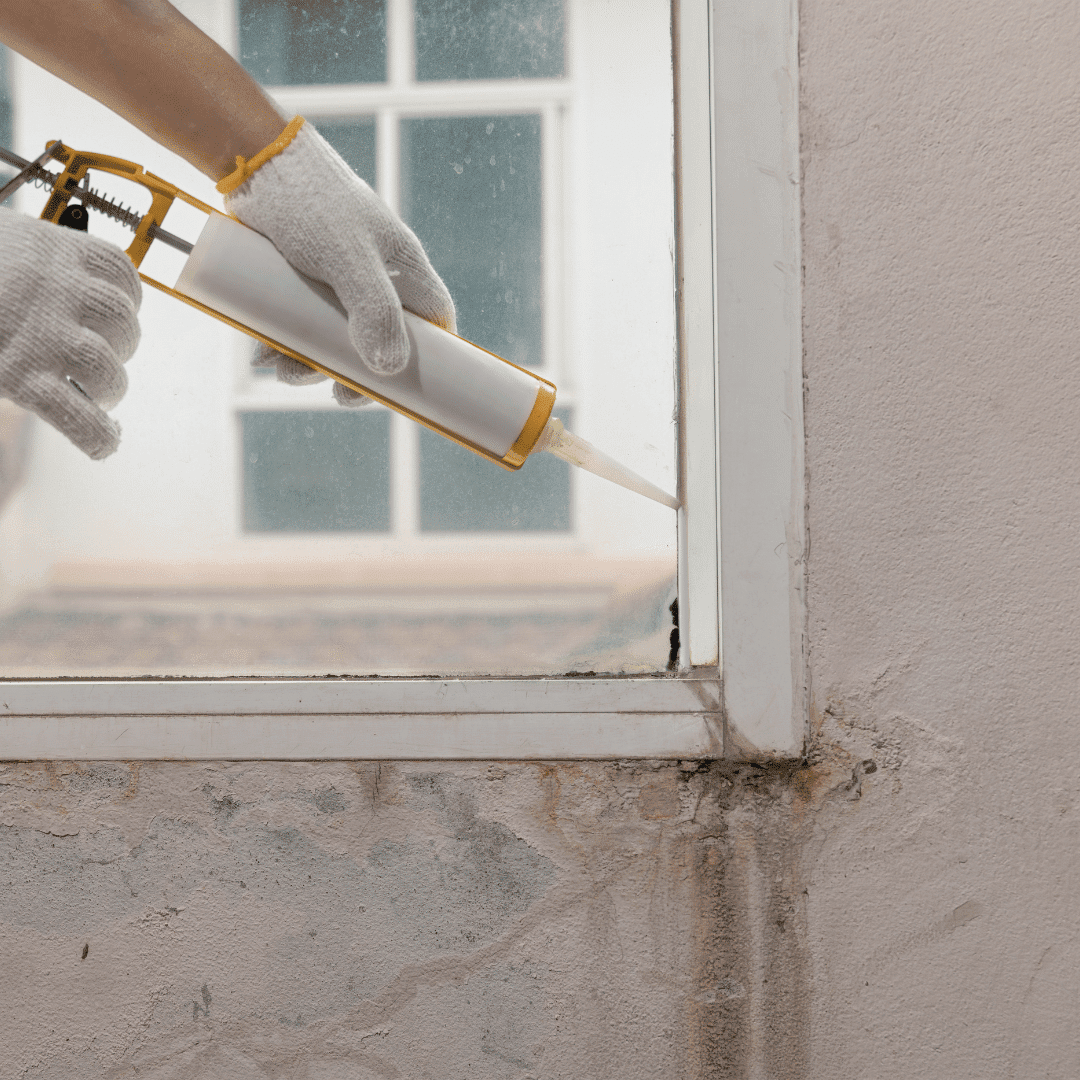
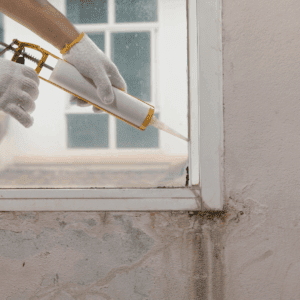
We apply high-quality caulk or silicone with even, consistent pressure using professional-grade guns.
Step 5: Smoothing and Finishing
We smooth out the bead for a perfect finish and let it cure for 24–48 hours.
Step 6: Inspection & Cleanup
Once dried, we inspect the seal for any imperfections and clean the area thoroughly.
This process ensures a flawless, watertight seal every time.
9. Common Mistakes Homeowners Make
Even DIY enthusiasts in Toronto often run into these issues:
- Using indoor caulk in showers or tubs
- Applying too thick or uneven lines
- Not removing old sealant before reapplying
- Painting over silicone (which causes peeling)
- Not allowing proper drying time
Avoid these pitfalls by trusting the experts at KK Cleaning and Restoration, who know how to match the right product to every surface and condition.
10. How Long Do Caulking and Silicone Last?
The lifespan depends on the product, exposure, and maintenance:
- Acrylic caulk: 5–10 years
- Siliconized caulk: 10–15 years
- Pure silicone: 15–20 years (or longer with proper care)
At KK Cleaning and Restoration, we use sealants rated for maximum durability and flexibility, ensuring your investment lasts.
11. Mold Resistance and Maintenance
Silicone sealants often include fungicidal additives that resist mold growth, making them ideal for humid environments like showers.
To maintain them:
- Wipe joints dry after each shower.
- Clean regularly with mild soap (no harsh chemicals).
- Avoid scraping or scrubbing cured silicone.
Routine maintenance helps you extend the life of your seals and keeps your bathroom fresh.
12. Why Silicone Is Preferred for Showers and Kitchens
Here’s why silicone outperforms caulk in wet environments:
- Fully waterproof
- Stays flexible even under heat or humidity
- Doesn’t shrink or crack with time
- Has built-in mildew resistance
- Bonds strongly to glass, metal, and ceramic
That’s why our Toronto shower restoration services always include silicone sealing for superior moisture protection.
13. Caulking and Silicone in Other Home Areas
While bathrooms and kitchens are most common, sealing is important throughout your home:
- Windows & doors: To prevent drafts and leaks.
- Baseboards: To hide gaps and improve aesthetics.
- Exterior siding: To prevent water penetration and insect intrusion.
- Countertops: To seal seams between walls and surfaces.
KK Cleaning and Restoration provides comprehensive sealing services for both residential and commercial properties in Toronto.
14. When Should You Replace Old Caulking or Silicone?
Here are warning signs it’s time for replacement:
- Discoloration or mold stains
- Cracked or peeling edges
- Gaps forming between tiles and joints
- Water leaks or damp patches nearby
- Sticky or deteriorated texture
If you notice any of these, contact KK Cleaning and Restoration for professional inspection and resealing.
15. Professional vs. DIY: Why Expertise Matters
Many homeowners attempt DIY sealing, but professional results are hard to achieve without experience.
Our technicians at KK Cleaning and Restoration use:
- Precision tools
- Commercial-grade products
- Surface-specific application techniques
- Long-lasting waterproof formulas
Professionals ensure that your sealing lasts years longer, maintains a clean appearance, and prevents hidden water damage.
16. Environmental Impact
Modern silicone and caulking materials are low-VOC and environmentally safe when properly applied.
At KK Cleaning and Restoration, we choose eco-friendly products that minimize odor and chemical exposure, ensuring safety for families, pets, and the planet.
17. How KK Cleaning and Restoration Ensures Quality
We combine craftsmanship with advanced materials. Our team:
- Uses brand-certified sealants
- Conducts thorough surface prep
- Tests all joints for adhesion
- Offers warranty-backed results
Our clients in Toronto trust us for reliable, clean, and durable sealing solutions every time.
18. Why Proper Sealing Saves You Money
Investing in professional caulking and silicone sealing prevents:
- Costly water damage repairs
- Mold remediation expenses
- Tile replacements
- Energy loss from air leaks
A small investment now saves thousands in potential repairs later.
19. Local Expertise in Toronto’s Climate
Toronto’s climate—cold winters and humid summers—puts sealants to the test.
We understand how temperature swings cause expansion and contraction, and we select products designed for Canadian weather conditions, ensuring year-round performance.
20. Conclusion: The KK Cleaning and Restoration Advantage
Understanding the difference between caulking and silicone helps you make informed decisions—but when in doubt, trust the professionals.
At KK Cleaning and Restoration, we bring years of expertise, precision, and passion to every job. From bathroom caulking to shower silicone sealing, our team delivers long-lasting, visually perfect results for homes and businesses across Toronto.
If your tiles, tub, or shower need resealing—don’t wait for leaks or mold to appear. Let KK Cleaning and Restoration help you restore beauty, cleanliness, and peace of mind.
Contact us now:
📞 Call us now at +16479163093
📧 Email: info@kkcleaningandrestoration.ca
🌐 Visit: https://kkcleaningandrestoration.ca/
FAQs – Difference Between Caulking and Silicone | KK Cleaning and Restoration, Toronto
1. What is the main difference between caulking and silicone?
Caulking is typically made from acrylic or latex and is ideal for sealing dry indoor joints, while silicone is made from silicone polymers and is perfect for waterproof, flexible sealing in wet environments like bathrooms and kitchens.
2. Which is better for bathrooms: caulk or silicone?
Silicone is better for bathrooms because it’s waterproof, flexible, and resistant to mold and mildew, making it ideal for showers, tubs, and sinks.
3. Can you use caulk instead of silicone in a shower?
No. Standard acrylic caulk cannot withstand constant moisture. It will crack and peel quickly. Always use 100% silicone for shower areas.
4. Is silicone the same as caulking?
Not exactly. Silicone is a type of caulking material, but not all caulks are silicone-based. Caulk can be made from acrylic, vinyl, or latex, while silicone is made from rubber-like polymers.
5. Can you paint over silicone?
No. Silicone cannot be painted because paint doesn’t adhere to it. If you need a paintable option, use acrylic or latex caulk instead.
6. Can you paint over caulking?
Yes. Acrylic or latex caulks are paintable, making them great for baseboards, window frames, and interior walls.
7. How long does silicone last?
High-quality silicone can last between 15 to 20 years, depending on environmental conditions and maintenance.
8. How long does caulk last?
Standard acrylic caulk typically lasts 5 to 10 years before needing replacement, especially in dry areas.
9. How long does silicone take to cure?
Silicone usually takes 24 to 48 hours to fully cure, depending on humidity and temperature.
10. How long does caulk take to dry?
Acrylic caulk dries within 30 minutes to a few hours, but full curing may take up to 24 hours.
11. Can I use silicone around windows?
Yes, silicone is great for exterior windows because it’s weather-resistant and handles temperature changes well.
12. Can I use caulk around a bathtub?
It’s not recommended. Use silicone instead, as caulk may soften or peel away when exposed to water and steam.
13. What happens if you use caulk in a wet area?
Caulk will deteriorate, lose adhesion, and allow moisture to seep through—causing mold growth or tile damage.
14. Which is more expensive: caulk or silicone?
Silicone is generally more expensive than acrylic caulk but offers superior performance and longer lifespan in wet environments.
15. Does silicone prevent mold?
Yes, most silicone sealants contain fungicides that prevent mold and mildew, making them ideal for humid spaces like showers.
16. Is silicone flexible after it dries?
Yes. Unlike caulk, silicone remains rubbery and flexible even after curing, allowing it to expand and contract with temperature changes.
17. What is the best sealant for kitchen sinks?
100% silicone sealant is the best choice because it’s waterproof and adheres well to metal, ceramic, and stone.
18. What is the best sealant for baseboards and trim?
Acrylic latex caulk works best for baseboards and trim because it’s easy to apply, paintable, and dries quickly.
19. Can you remove old silicone and apply new silicone?
Yes, but the old silicone must be completely removed first to ensure proper adhesion. Professionals like KK Cleaning and Restoration use specialized tools for safe removal.
20. How often should you replace bathroom silicone?
Typically every 10–15 years, or sooner if you notice discoloration, peeling, or mold buildup.
21. Can caulk be used outdoors?
Yes, but use exterior-grade acrylic or polyurethane caulk designed to handle temperature fluctuations and UV exposure.
22. Can silicone be used outdoors?
Absolutely. Silicone performs well outdoors due to its weather resistance and flexibility in extreme temperatures.
23. Is silicone stronger than caulking?
Yes. Silicone forms a stronger, longer-lasting, and more flexible bond compared to standard caulk.
24. Why does my silicone turn black or moldy?
Exposure to moisture and poor ventilation can lead to mold growth, especially if low-quality silicone was used. Regular cleaning helps prevent this.
25. Can I apply silicone over old caulk?
No. The new silicone will not bond properly to old caulk. Always remove existing material before applying fresh sealant.
26. How do professionals apply silicone neatly?
Professionals like KK Cleaning and Restoration use precise caulking guns, apply even pressure, and smooth the bead with specialized finishing tools.
27. Can silicone seal cracks in tiles?
Silicone can seal minor cracks temporarily, but for long-term repair, regrouting or professional restoration is recommended.
28. Is there paintable silicone available?
Some hybrid or siliconized acrylic sealants are paintable, but pure silicone cannot be painted.
29. Can you use caulk on countertops?
Yes, use siliconized acrylic caulk for countertop edges, especially where surfaces meet walls.
30. What is siliconized caulk?
It’s a hybrid of acrylic caulk and silicone, offering improved flexibility and water resistance while remaining paintable.
31. Why does caulk crack over time?
Caulk loses flexibility as it ages, especially when exposed to temperature changes or moisture, causing cracks.
32. What color silicone should I use?
Choose a silicone color that matches your grout, tiles, or fixtures for a seamless appearance. White and clear are the most common.
33. How do I clean silicone joints?
Wipe with a mild detergent and warm water regularly. Avoid harsh chemicals that can break down the silicone surface.
34. Does silicone stick to metal?
Yes, silicone adheres strongly to metal, glass, ceramic, and non-porous materials, making it highly versatile.
35. Why is my caulk not sticking?
Possible reasons include dirty surfaces, moisture, or using the wrong type of caulk for the material or environment.
36. Can I use silicone for tile sealing?
Yes, silicone is perfect for sealing tile joints, especially in bathrooms and kitchens where moisture is frequent.
37. How can I tell if I have caulk or silicone?
Caulk feels harder and is paintable once dry, while silicone remains rubbery, flexible, and non-paintable.
38. Does caulking or silicone smell?
Silicone emits a mild vinegar-like odor when curing, which disappears after 24–48 hours. Acrylic caulk has little to no odor.
39. What happens if I don’t reseal my shower?
Over time, water will seep behind tiles, leading to mold, damaged grout, and structural water damage—requiring costly repairs.
40. Why hire professionals for caulking and silicone work?
Professionals like KK Cleaning and Restoration ensure proper surface preparation, product selection, and application for durable, watertight, and flawless results that last for years.
Contact us now:
📞 Call us now at +16479163093
📧 Email: info@kkcleaningandrestoration.ca
🌐 Visit: https://kkcleaningandrestoration.ca/