Shower Mold Removal in Toronto: Complete 3000-Word Guide by KK Cleaning and Restoration
Shower Mold Removal in Toronto: Shower mold is one of the most persistent, unsightly, and dangerous problems homeowners and property managers face in Toronto. Due to the city’s humid summers, cold winters, and moisture-heavy indoor environments, shower areas become perfect breeding grounds for mold growth. When left untreated, mold can spread rapidly, damage walls, weaken your bathroom structure, create recurring moisture issues, and negatively impact your health. This makes professional mold removal not just a cosmetic fix but an essential step toward ensuring a healthy, clean home.
KK Cleaning and Restoration, a trusted Toronto name in water damage restoration and mold remediation, specializes in removing shower mold at the root, improving indoor air quality, and preventing future growth with long-term solutions.
This comprehensive guide provides everything you need to know about shower mold, its dangers, how it forms, how professionals remove it, and why KK Cleaning and Restoration is a top choice for mold remediation in Toronto households.
1. Understanding Shower Mold in Toronto Homes
Mold is a type of fungus that thrives in damp, dark, warm environments—exactly the conditions you find in most Toronto bathrooms. Steam from showers, poor ventilation, and daily moisture exposure make the bathroom an ideal habitat for mold growth.
Shower mold typically appears:
- On grout lines
- Between tiles
- Around caulking
- On the shower ceiling
- Inside corners
- Around faucets and fixtures
- Inside shower doors
- Behind walls if water damage is present
1.1 Why Shower Mold Is So Common in Toronto
Toronto’s unique climate and building conditions contribute to mold growth:
Humidity
Summers in Toronto are humid, and without adequate ventilation, bathroom moisture lingers and creates a perfect environment for mold spores.
Tightly Built Homes
Modern construction focuses on airtight design for energy efficiency. While beneficial, it also traps moisture indoors, increasing mold risk.
Cold Winters
Cold surfaces in the home meet warm shower steam, creating condensation that promotes mold formation.
Older Buildings
Many homes and condos in Toronto have outdated ventilation systems, aging grout and caulking, and worn waterproofing, all of which increase mold susceptibility.
2. Signs You Have Shower Mold
Recognizing early mold growth can help prevent bigger problems. Here are some common indicators:
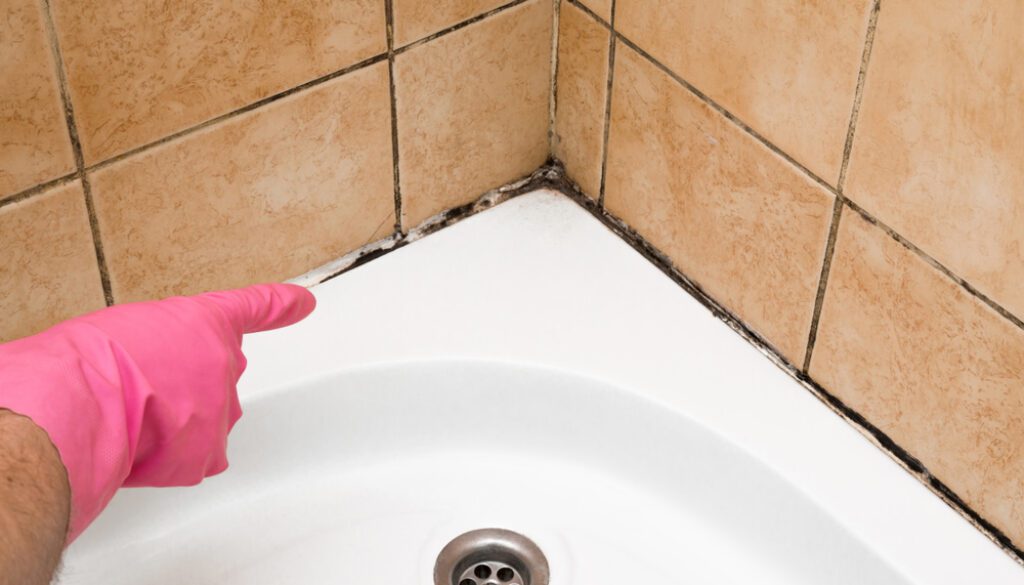
2.1 Visible Black or Dark Spots
The most obvious sign is black, green, or brown staining on grout, tiles, caulking, or walls.
2.2 Musty, Earthy Odor
Even if mold isn’t visible, a persistent damp smell indicates active mold behind walls or under tile surfaces.
2.3 Peeling or Cracked Caulking
Mold often grows within deteriorating caulking lines around the shower base and corners.
2.4 Discoloration and Stains
Yellowish or brown stains on walls or ceilings around your shower can indicate hidden mold.
2.5 Recurring Mold Even After Cleaning
If mold returns frequently, it suggests a deeper moisture issue or water damage beneath the surface.
2.6 Persistent Dampness
If your shower area never fully dries between uses, your bathroom may have ventilation problems that encourage mold growth.
3. Why Shower Mold Is Dangerous
Many homeowners think shower mold is just a cosmetic problem, but it can lead to several serious issues.
3.1 Health Risks
Mold exposure can cause:
- Allergies
- Respiratory irritation
- Skin rashes
- Coughing and wheezing
- Headaches
- Fatigue
- Aggravated asthma
Children, elderly individuals, and those with compromised immune systems are at greater risk.
3.2 Structural Damage
Mold can grow behind tiles, inside walls, and under the shower base. Over time, it can:
- Rot wood structures
- Weaken drywall
- Damage tiles
- Compromise waterproofing
- Cause expensive repairs
3.3 Long-Term Odor
Mold produces a distinct musty smell that can linger in the bathroom and spread to other parts of the home.
3.4 Lower Property Value
A home with mold issues can be harder to sell and may require professional cleaning and repairs before listing.
Professional mold removal ensures your bathroom is safe, clean, and free from future problems.
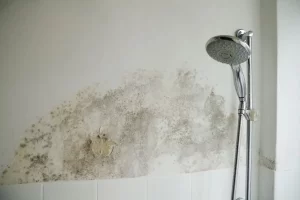
4. Causes of Shower Mold in Toronto Homes
Mold thrives when moisture, warmth, and organic material are present. Here are the most common causes:
4.1 Poor Ventilation
Bathrooms should have strong exhaust fans or windows to remove humidity. Many Toronto homes lack efficient systems.
4.2 Cracked or Missing Grout
Damaged grout absorbs water, allowing mold to develop underneath tiles.
4.3 Failed Caulking
Worn-out caulking traps moisture and harbors mold spores.
4.4 Leaking Plumbing Fixtures
Hidden shower leaks feed mold growth behind walls and under flooring.
4.5 Standing Water
Water that pools in corners or on shower ledges creates ideal mold-growing conditions.
4.6 Hard Water
Toronto’s moderately hard water leaves mineral deposits on tiles that support mold growth.
4.7 Dirty Shower Surfaces
Soap scum, body oils, and mineral buildup provide nutrients for mold.
4.8 High Humidity Levels
Steamy showers, daily use, and poor drying habits allow moisture to linger longer.
Understanding the root cause helps determine the best long-term solution.
5. Why Professional Shower Mold Removal Is Necessary
While many homeowners use DIY methods like bleach and store-bought cleaners, these do not remove mold at its root—they only treat the visible surface. Mold often grows:
- Behind walls
- Inside grout lines
- Under tiles
- In drywall
- Around plumbing fixtures
Only professional services can eliminate mold completely and prevent regrowth.
5.1 DIY Cleaning Doesn’t Kill Deep Mold
Bleach cannot reach mold hidden behind tiles or in porous materials.
5.2 Improper Cleaning Spreads Mold Spores
Disturbing mold without proper containment spreads spores throughout the home.
5.3 Professionals Use Specialized Tools
Experts use:
- HEPA filtration machines
- Mold-specific cleaning agents
- Professional-grade dehumidifiers
- Thermal imaging
- Moisture meters
5.4 Ensures Mold Doesn’t Return
Professionals fix the underlying moisture issue, ensuring long-term mold prevention.
5.5 Safe for You and Your Family
Mold removal involves protective equipment and containment strategies that keep your living environment safe.

6. The KK Cleaning and Restoration Shower Mold Removal Process
KK Cleaning and Restoration follows a proven multi-step process to ensure mold is safely removed and your bathroom is restored to a clean, healthy state.
6.1 Step 1: Inspection and Mold Assessment
The team performs a full inspection of your shower and surrounding areas using:
- Moisture detection equipment
- Thermal imaging
- Air quality testing (if needed)
- Visual inspection
They look for surface mold, hidden mold, water damage, and moisture patterns.
6.2 Step 2: Identifying the Moisture Source
Mold cannot grow without moisture. KK Cleaning and Restoration identifies whether the mold is caused by:
- Leaking pipes
- Damaged waterproofing
- Cracked tiles
- Failing grout
- Poor ventilation
- Shower base issues
Solving the root cause is essential.
6.3 Step 3: Containment
To prevent mold spores from spreading during removal, technicians set up:
- Plastic containment barriers
- Negative air pressure
- HEPA filtration
This ensures a safe, controlled environment.
6.4 Step 4: Mold Removal and Cleaning
KK Cleaning and Restoration uses a combination of methods depending on surface type:
Non-porous surfaces (tile, glass)
Professional cleaning agents effectively remove mold and biofilm.
Semi-porous surfaces (grout, caulking)
Technicians may:
- Remove and replace moldy grout
- Remove and reapply caulking
- Clean and seal surfaces
Porous surfaces (drywall, wood)
If mold has penetrated deeply, damaged materials are safely removed and replaced.
6.5 Step 5: Drying and Dehumidification
To prevent mold from returning, the area is dried using:
- Commercial air movers
- Industrial dehumidifiers
- Moisture monitoring equipment
This step ensures the bathroom is fully dried from within.
6.6 Step 6: Restoration and Prevention
After cleaning and drying, KK Cleaning and Restoration restores:
- Tiles
- Grout
- Caulking
- Wall sections
- Shower seals
Preventive treatments may include grout sealing, waterproof coatings, or ventilation upgrades.
6.7 Step 7: Final Air Quality Check
The team performs a final inspection, ensuring:
- Mold is completely removed
- Humidity is under control
- There are no hidden moisture pockets
Your shower is restored to a safe, clean, and mold-free environment.
7. Why Choose KK Cleaning and Restoration in Toronto
Toronto homeowners trust KK Cleaning and Restoration because of their professionalism, attention to detail, and thorough approach.
7.1 Certified Mold Removal Specialists
Their technicians are trained and certified in safe mold remediation procedures.
7.2 Advanced Technology
Using thermal imaging, HEPA systems, moisture meters, and industrial-grade equipment ensures accurate results.
7.3 Long-Term Prevention
They don’t just remove mold—they fix the moisture source to prevent mold from returning.
7.4 Safe and Eco-Friendly Cleaning
Mold is removed using safe, effective methods that protect your home and health.
7.5 Experience With Toronto Homes and Condos
They understand local building structures, common mold problems, and condo board requirements.
7.6 Fast Response
Mold spreads fast, so quick intervention makes a big difference.
7.7 Full Restoration Services
If mold has caused larger structural issues, the team can handle repairs, restoration, and waterproofing.
8. Mold in Toronto Condos: Special Considerations
Shower mold is extremely common in condos due to shared ventilation, tightly sealed units, and frequent moisture exposure.
8.1 Condo Boards Often Require Professional Reports
KK Cleaning and Restoration provides documentation and photos that many condo boards require.
8.2 Mold May Spread to Neighbouring Units
If mold spreads through plumbing lines or ventilation shafts, professional remediation is essential.
8.3 Limited Ventilation
Many condo bathrooms have fans that are too weak or not connected to the building’s ventilation system.
8.4 High Humidity Levels
Due to small living spaces, moisture spreads quickly in condos.
KK Cleaning and Restoration is experienced in handling condominium mold issues with minimal disruption.
9. Preventing Shower Mold After Removal
Prevention is key to keeping your shower mold-free long-term. Here are tips recommended by KK Cleaning and Restoration.
9.1 Improve Ventilation
Use a strong exhaust fan or open a window after showering.
9.2 Keep the Shower Dry
Wipe down surfaces after use to reduce moisture.
9.3 Seal Grout Annually
Sealing prevents water penetration and mold growth.
9.4 Replace Caulking Regularly
Caulking should be replaced every 1–2 years or sooner if damaged.
9.5 Fix Leaks Immediately
Small leaks can lead to major mold problems.
9.6 Use a Squeegee
Removing water from tiles greatly reduces mold risk.
9.7 Clean Regularly
Regular cleaning prevents soap scum and minerals from feeding mold.
10. Types of Mold Found in Toronto Bathrooms
Different types of mold grow in shower environments:
Stachybotrys (Black Mold)
Toxic mold that thrives on constantly wet materials.
Aspergillus
Common in damp environments and can cause respiratory issues.
Cladosporium
Often found on ceramic surfaces and around caulking.
Penicillium
Fast-spreading mold that grows on grout or damaged drywall.
Professionals can identify the mold type and recommend proper removal strategies.
11. Cost of Shower Mold Removal in Toronto
Costs vary based on:
- Extent of mold growth
- Whether the mold is surface-level or hidden
- Need for demolition or restoration
- Plumbing repairs
- Type of materials affected
KK Cleaning and Restoration provides transparent estimates, ensuring you know exactly what to expect.
12. Final Thoughts: Protect Your Home with Professional Shower Mold Removal
Shower mold is a serious issue that should never be ignored. It affects your health, damages your home, deteriorates bathroom materials, and becomes increasingly difficult to remove over time. Toronto’s climate and building conditions make showers especially vulnerable, which is why professional remediation is essential.
KK Cleaning and Restoration offers comprehensive shower mold removal, moisture detection, ventilation solutions, and long-term prevention strategies. Whether you’re dealing with early mold growth or severe hidden damage, their trained specialists ensure your bathroom becomes safe, clean, and mold-free.
Contact us now:
📞 Call us now at +16479163093
📧 Email: info@kkcleaningandrestoration.ca
🌐 Visit: https://kkcleaningandrestoration.ca/
FAQs on Shower Mold Removal in Toronto – KK Cleaning and Restoration
1. What causes mold to grow in my shower?
Mold forms due to moisture, poor ventilation, and organic buildup from soap and oils.
2. What are the first signs of shower mold?
Common signs include black or green spots, musty odors, discoloration, and darkened grout lines.
3. Is shower mold dangerous?
Yes. Mold exposure can cause allergies, respiratory issues, headaches, and skin irritation.
4. Can shower mold spread to other areas of my home?
Absolutely. Mold spores can travel through air, moisture, and ventilation systems.
5. Why is mold so common in Toronto bathrooms?
Toronto’s humidity, seasonal temperature changes, and older ventilation systems contribute to mold growth.
6. Can I remove shower mold myself?
Surface mold can sometimes be cleaned, but deeper mold requires professional removal.
7. Why does mold keep returning after I clean it?
Recurring mold indicates an underlying moisture problem that hasn’t been resolved.
8. How does KK Cleaning and Restoration remove shower mold?
They inspect, isolate, clean, sanitize, repair damaged materials, and fix moisture sources.
9. What tools do professionals use to detect mold?
Moisture meters, thermal imaging, humidity testing tools, HEPA vacuums, and containment barriers.
10. Is bleach effective for shower mold removal?
Bleach only cleans surface mold; it doesn’t kill mold inside grout, caulking, or drywall.
11. Is mold in my shower a sign of a leak?
Often, yes. Leaking pipes, cracked grout, or failing waterproofing can cause hidden mold growth.
12. Can mold grow behind shower tiles?
Yes. This is common and requires professional removal to prevent structural damage.
13. How does mold affect indoor air quality?
Mold releases spores that circulate through the air, leading to health problems.
14. How fast does shower mold spread?
Under moist conditions, mold can begin spreading within 24–48 hours.
15. What should I do if I see mold in my shower?
Stop using the shower, ventilate the area, and schedule a professional inspection.
16. Can mold damage shower tiles and grout?
Yes. Mold can weaken grout, loosen tiles, and break down caulking.
17. Does KK Cleaning and Restoration remove black mold?
Yes, they are trained and certified to safely remove black mold (Stachybotrys).
18. Is professional mold removal safe for children and pets?
Yes. Proper containment ensures safe and effective removal.
19. Can mold grow in caulking?
Yes. Caulk is porous and can trap moisture, making it a common mold hotspot.
20. How often should shower caulking be replaced?
Typically every 1–2 years, or sooner if damaged or mold-infested.
21. Why is mold appearing on my shower ceiling?
Poor ventilation allows moisture to rise and accumulate on the ceiling.
22. Can mold ruin my drywall?
Yes. Mold penetrates drywall and often requires complete replacement.
23. Is shower mold removal covered by insurance?
Coverage depends on the cause. Sudden leaks may be covered; gradual moisture may not.
24. Do Toronto condos require professional mold reports?
Yes. Many condo boards require professional inspection and remediation documentation.
25. How long does professional mold removal take?
Most shower mold jobs take a few hours to a full day, depending on the severity.
26. Will my bathroom be usable after mold removal?
Yes, once surfaces are cleaned, dried, and repaired.
27. How does KK Cleaning and Restoration prevent mold from returning?
They address moisture sources, repair damaged materials, and apply preventive treatments.
28. Can mold grow inside the shower drain?
Yes. Drains often accumulate organic matter that supports mold growth.
29. Why does grout crack and allow mold growth?
Aging grout, structural shifting, and moisture infiltration weaken it over time.
30. Can I paint over mold?
No. Mold will continue growing beneath the paint, causing peeling and staining.
31. Are natural remedies effective for shower mold?
They may help temporarily but don’t eliminate deep or hidden mold.
32. Is shower mold toxic?
Some molds are toxic; others cause allergies. Only professionals can identify the type.
33. Why does my shower smell musty?
Mold releases gases that create a strong, unpleasant odor.
34. How do I know if my ventilation fan is effective?
A proper fan removes humidity within 10–15 minutes after showering.
35. Should I run the bathroom fan after every shower?
Yes. Run it for at least 20–30 minutes to reduce moisture.
36. What materials are most affected by shower mold?
Grout, caulking, drywall, wood studs, tile backer boards, and porous surfaces.
37. Can mold grow in silicone caulking?
Yes. Silicone can absorb moisture over time.
38. How do professionals clean mold in grout lines?
They use antimicrobial agents, steam cleaning, deep scrubbing, and replacement when needed.
39. Can mold damage the shower base?
Yes, especially if the base is cracked or leaking.
40. Why is mold worse in winter?
Condensation from hot showers meets cold surfaces, increasing moisture.
41. Does mold affect plumbing systems?
Not directly, but plumbing leaks create ideal mold conditions.
42. Can mold behind walls cause structural issues?
Yes. Mold can weaken wood framing and drywall.
43. How can I prevent mold growth in my shower?
Improve ventilation, keep surfaces dry, seal grout, and clean regularly.
44. Does KK Cleaning and Restoration fix leaks causing mold?
Yes. They identify and repair moisture sources before mold removal.
45. Do I need to leave my home during mold removal?
Not for small shower mold jobs, thanks to proper containment systems.
46. How often should showers be deep-cleaned to prevent mold?
Once a week for maintenance, and a deeper cleaning monthly.
47. Why is mold growing on my shower door tracks?
Moisture, soap residue, and poor air circulation accumulate in track crevices.
48. Can I use a dehumidifier to reduce mold risk?
Yes. Dehumidifiers help keep moisture levels below mold-growth thresholds.
49. What makes KK Cleaning and Restoration different from other companies?
They offer thorough inspections, advanced remediation, long-term prevention, and reliable service.
50. How can I schedule shower mold removal?
You can call, email, or contact KK Cleaning and Restoration directly to book an inspection.
Contact us now:
📞 Call us now at +16479163093
📧 Email: info@kkcleaningandrestoration.ca
🌐 Visit: https://kkcleaningandrestoration.ca/