Travertine Grout Sealing in Toronto – Complete Expert Guide by KK Cleaning and Restoration
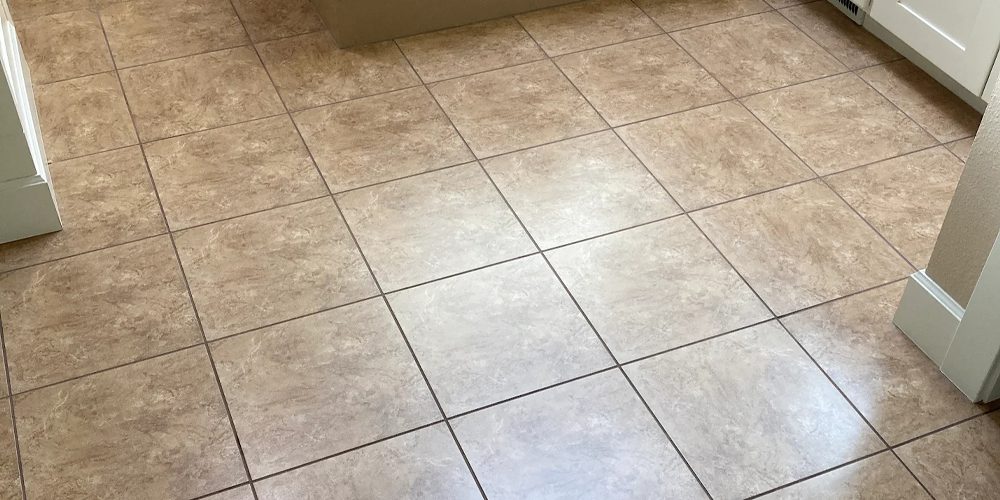
Travertine Grout Sealing in Toronto: Travertine is one of the most timeless and luxurious natural stones used in Toronto homes. From bathrooms and kitchens to hallways, fireplaces, and outdoor patios, its warm tones and classic texture elevate any space. Yet, despite its beauty and durability, travertine is one of the most porous stones used in residential installations. Because of this, the grout lines surrounding it, which are also highly absorbent, require ongoing maintenance—especially professional grout sealing.
In Toronto’s climate, where humidity, seasonal temperature changes, ice, water exposure, and everyday foot traffic affect stone surfaces, grout sealing is not just optional; it’s essential. Without professional protection, travertine grout will stain, weaken, crack, darken, and trap bacteria, causing early deterioration and costly repairs.
KK Cleaning and Restoration specializes in travertine grout sealing, restoration, cleaning, repair, and long-term protection. This comprehensive guide explains everything Toronto homeowners need to know about sealing travertine grout, why it matters, how the process works, and why professional care makes all the difference.
Understanding Travertine and Why It Requires Grout Sealing
Travertine is a form of limestone deposited by natural mineral springs. Its formation creates a stone that is:
- Porous
- Soft
- Naturally pitted
- Absorbent
- Susceptible to staining
- Chemically sensitive
This makes it an elegant material, but one that requires professional maintenance.
Why Travertine Needs Protection
Unlike porcelain or ceramic tiles, travertine absorbs:
- spills
- oils
- water
- cleaning agents
- dirt
- minerals
- soap residue
The grout surrounding it is even more vulnerable because cement-based grout absorbs moisture at an even faster rate.
If neither the stone nor its grout is sealed, everyday liquids can instantly penetrate and cause discoloration, mold, and weakening. Toronto’s wet winters and humid summers accelerate this process.
Grout Sealing Is the Primary Line of Defense
Travertine grout sealing:
- blocks stains
- prevents mold growth
- strengthens grout structure
- protects from moisture absorption
- preserves color
- extends lifespan
- maintains a polished appearance
Unsealed grout can deteriorate twice as fast as sealed grout, creating unnecessary repair costs.
Why Travertine Grout Fails Without Sealing
Grout is made of sand and cement—two materials that behave like a sponge when exposed to moisture. Travertine, too, has natural pores and holes. Without sealing, both materials absorb anything that touches them.
Common Issues Caused by Unsealed Travertine Grout
1. Staining
Even clean water can leave mineral stains over time. Juice, coffee, food, oils, and cosmetics penetrate within seconds.
2. Mold and Mildew Growth
Damp grout attracts mold. In bathrooms, showers, and kitchens, mold growth accelerates quickly.
3. Discoloration
Grout becomes dark, blotchy, or yellow. Once deep stains set in, cleaning may no longer restore original color.
4. Weakening of Grout Lines
Moisture breaks down the cement in the grout, causing it to crack or crumble.
5. Erosion and Surface Damage
Outdoor travertine is vulnerable to erosion due to freeze-thaw cycles.
6. Increased Porosity Over Time
Grout expands and becomes even more susceptible to water.
7. Permanent Odors
Absorbed bacteria can produce unpleasant smells.
8. Rapid Wear and Tear
Foot traffic, cleaning chemicals, and water degrade the grout quickly if unprotected.
Grout sealing actively prevents these issues, preserving your travertine’s lifespan and appearance.
Why Toronto Homes Need Travertine Grout Sealing
Toronto’s unique climate creates specific challenges for natural stone surfaces. Travertine grout sealing is especially important because the city’s weather and living conditions amplify wear.
1. High Humidity in Summer
Moisture promotes mold and mildew growth.
2. Cold Winters
Seasonal expansion and contraction weaken unsealed grout.
3. Salt Exposure (Interior and Exterior)
Salt from winter boots damages grout and stone finishes.
4. Heavy Indoor Traffic
Condos, homes, and commercial spaces experience constant foot traffic.
5. Frequent Use of Showers and Bathrooms
Travertine is popular in bathrooms, where moisture exposure is daily.
6. Older Homes
Many Toronto homes feature aging grout in need of restoration before sealing.
7. Hard Water
Minerals in water leave residue that stains unsealed grout.
Professional grout sealing provides a protective layer that withstands all these environmental factors.
The Difference Between Sealing Travertine and Sealing Ceramic Tile Grout
Homeowners sometimes assume grout sealing is the same for all surfaces. But sealing travertine grout is a specialized process because both the stone and grout are porous.
Travertine Needs a Stone-Safe Sealer
Travertine reacts to acids and chemicals. Using the wrong sealer can damage or discolor the stone.
Ceramic Tile Grout Sealing Is Simpler
Ceramic and porcelain tiles are dense and non-porous, so only the grout is sealed. Travertine needs careful protection around the stone interface.
Travertine Requires Professional Application
Unlike standard grout sealing, travertine requires:
- neutral pH cleaning
- gentle extraction methods
- stone-safe chemicals
- uneven pore filling
- multiple sealing coats
Professionals ensure flawless application without damaging the stone.
KK Cleaning and Restoration’s Travertine Grout Sealing Process
Our grout sealing process is meticulous, thorough, and designed to deliver long-lasting protection. Here’s what Toronto homeowners can expect.
1. Deep Cleaning the Travertine and Grout
Before sealing, both the grout and stone must be fully cleaned to remove:
- dirt
- soap scum
- oils
- mold
- mildew
- stains
- residue
- embedded debris
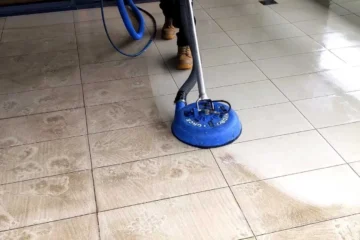
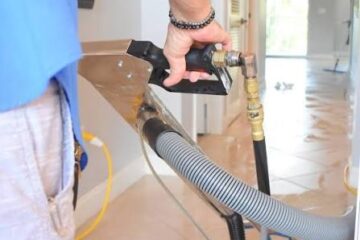
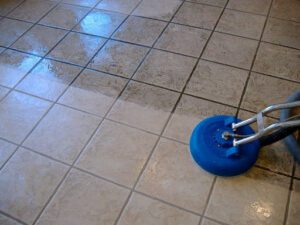
We use professional-grade equipment that agitates the grout and stone surface without damaging the travertine.
2. Inspecting for Damage
We check for:
- loose grout
- holes in the travertine
- cracks
- structural weaknesses
- moisture under tiles
If needed, repairs are completed before sealing.
3. Using Neutral pH Cleaners Only
Travertine is acid-sensitive. Natural stone can be etched by vinegar, bleach, or standard tile cleaners. We use stone-safe, neutral pH products.
4. Drying the Area Completely
Travertine and grout must be fully dry before sealing to ensure deep penetration.
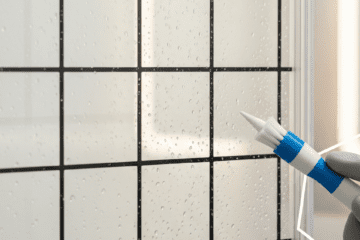
5. Applying Premium Penetrating Grout Sealers
Penetrating sealers absorb into grout pores instead of sitting on the surface.
Benefits:
- deep protection
- long-lasting durability
- stain resistance
- resistance to moisture absorption
We apply multiple coats where needed.
6. Buffing and Polishing (Optional)
If homeowners request additional shine, our team can lightly polish the travertine without affecting the seal.
7. Final Curing
Sealer requires a few hours to fully cure, but full protection normally develops within 24 hours.
Types of Travertine Grout Sealers Used by Professionals
There are several types of sealers used for travertine grout. KK Cleaning and Restoration selects the ideal product based on tile location, exposure, and homeowner preferences.
1. Penetrating Sealers
The most recommended for travertine grout.
They absorb into the grout to provide invisible protection.
2. Enhancing Sealers
They darken colors slightly while adding protection. Ideal for rustic or dramatic travertine finishes.
3. Solvent-Based Sealers
Stronger and longer lasting but require professional handling.
4. Water-Based Sealers
Eco-friendly and safer for indoor use, suitable for homes with children and pets.
5. Premium Natural Stone Sealers
Formulated specifically for porous stones like travertine.
Where Travertine Grout Sealing Is Most Needed in Toronto Homes
Travertine is used in numerous areas, each with its own sealing needs.
1. Bathrooms
Moisture exposure makes grout sealing essential.
2. Showers
Constant water exposure demands a premium sealer.
3. Floors
Especially high-traffic areas like foyers and hallways.
4. Kitchens
Prone to spills, oils, and food stains.
5. Backsplashes
Frequent contact with food splatter and steam.
6. Fireplace Surrounds
Smoke can stain porous grout.
7. Outdoor Patios
Exposure to rain, salt, and temperature changes requires specialized sealing.
8. Pool Areas
Sealing prevents moisture absorption and erosion.
Common Problems Solved by Travertine Grout Sealing
1. Stains from Oils and Liquids
Sealing prevents deep discoloration.
2. Mold and Mildew
Stops moisture from settling into grout pores.
3. Hard Water Marks
Protects from mineral deposits.
4. Weak Grout
Sealer strengthens the grout structure.
5. Color Loss
Prevents fading caused by cleaning chemicals and water.
6. Surface Erosion
Helps slow down natural wear over time.
7. Bacteria Growth
Reduces trapped dirt and germs.
Why Travertine Grout Sealing Protects Your Investment
Travertine is a premium material, and grout sealing helps maintain its value.
Benefits of Sealing for Homeowners
- Protects expensive stone surfaces
- Reduces maintenance costs
- Prevents water damage
- Extends tile and grout lifespan
- Enhances the stone’s natural beauty
- Prevents recurring stains
- Improves hygiene
- Makes cleaning easier
Improper maintenance reduces travertine’s longevity by years.
Why DIY Grout Sealing Often Fails
While DIY grout sealing kits exist, they rarely deliver professional-level results. Travertine requires knowledge that most homeowners don’t have.
Common DIY Issues
- using the wrong sealer
- sealing over dirty grout
- uneven absorption
- streaking and haze
- accidental stone etching
- lack of deep penetration
- missed grout lines
- insufficient curing time
- over-application or puddling
Professional sealing prevents these expensive mistakes.
How Often Should Travertine Grout Be Sealed?
The frequency depends on usage and environmental exposure.
Recommended Schedule
- Bathrooms: every 1–2 years
- Floors: every 2–3 years
- Showers: annually for best results
- Kitchens: every 1–2 years
- Outdoor areas: annually
High-traffic commercial spaces may require more frequent sealing.
Signs Your Travertine Grout Needs Resealing
Look for these warning signs:
- water no longer beads on the surface
- grout absorbs liquids immediately
- stains appear quickly
- grout looks dull or muddy
- discoloration around edges
- mold spots that reappear quickly
- rough, dry texture
- grout crumbling or cracking
- stone looks more porous than before
These signs indicate that your sealer has worn off.
Travertine Grout Sealing for Toronto Condos
Condos present unique challenges:
- limited ventilation
- high humidity
- frequent shower use
- small square footage increasing moisture exposure
Professional sealing is essential to prevent mold and water damage that can spread to neighboring units.
Commercial Travertine Grout Sealing Services
KK Cleaning and Restoration provides sealing for:
- hotels
- restaurants
- retail stores
- lobbies
- offices
- spas
- gyms
Commercial spaces require premium, high-performance sealers designed for heavy wear.
Travertine Grout Sealing and Repair Services
Many grout lines require repair before sealing.
We Provide:
- grout crack repair
- grout hole patching
- crumbling grout reinforcement
- grout color sealing
- mold treatment
- stain removal
- stone polishing
These services ensure the sealing process is effective and long-lasting.
How to Maintain Sealed Travertine Grout
1. Use pH-neutral cleaners
Avoid vinegar, bleach, or acidic products.
2. Clean spills immediately
Sealed grout is protected, but lingering liquids can still cause discoloration.
3. Avoid abrasive scrubbers
They can weaken the grout surface.
4. Use gentle soap-based solutions
Safe for natural stone.
5. Keep showers dry
Squeegeeing after use helps extend the life of the seal.
6. Avoid steam mops
They can degrade the sealer over time.
Proper maintenance can double the lifespan of your grout sealing.
Why Toronto Chooses KK Cleaning and Restoration for Travertine Grout Sealing
1. Expertise in Natural Stone Care
Travertine requires specialized knowledge that not all contractors possess.
2. Advanced Equipment
Professional-grade machines and tools ensure deep cleaning and flawless sealing.
3. Stone-Safe Products
Our sealers are designed specifically for porous natural stone.
4. Long-Lasting Protection
Our sealing lasts significantly longer than standard DIY products.
5. Skilled Technicians
Our team is trained in natural stone restoration and grout protection.
6. Transparent Pricing
Clear, fair quotes with no hidden fees.
7. Proven Results
Toronto homeowners trust us for quality, reliability, and excellence.
Final Thoughts: Protect Your Travertine Investment with Professional Grout Sealing
Travertine is an elegant, high-end natural stone, but without professional grout sealing, it becomes vulnerable to staining, water absorption, mold, and structural wear. Toronto’s climate and lifestyle contribute to grout deterioration faster than many homeowners realize.
KK Cleaning and Restoration provides comprehensive travertine grout sealing solutions that protect your stone, extend its lifespan, enhance its beauty, and prevent costly future repairs. Whether your travertine is installed in a bathroom, hallway, kitchen, shower, or outdoor patio, sealing is essential for long-lasting durability.
Contact us now:
📞 Call us now at +16479163093
📧 Email: info@kkcleaningandrestoration.ca
🌐 Visit: https://kkcleaningandrestoration.ca/
FAQs About Travertine Grout Sealing in Toronto – KK Cleaning and Restoration
1. What is travertine grout sealing?
Travertine grout sealing is the process of applying a protective sealant over grout lines surrounding travertine tiles to prevent moisture, staining, and dirt build-up.
2. Why is grout sealing important for travertine surfaces?
Travertine is porous, and without sealing, grout absorbs spills, moisture, oils, and bacteria, leading to damage and discoloration over time.
3. How often should travertine grout be sealed in Toronto’s climate?
Typically every 12–24 months, depending on traffic, moisture exposure, and cleaning habits.
4. Can unsealed grout damage travertine tile?
Yes. Moisture and grime can migrate into the stone, causing etching, staining, and structural wear.
5. What type of sealer is best for travertine grout?
A penetrating, breathable sealer is ideal because it protects the grout without altering the natural appearance of the stone.
6. How can I tell if my travertine grout needs sealing?
If grout darkens when wet, absorbs water quickly, or looks dull and dirty, it likely needs sealing.
7. Is sealing travertine grout different from sealing ceramic grout?
Yes. Travertine is a natural stone and requires more delicate handling and specialized sealers.
8. Does sealing grout make cleaning easier?
Absolutely. Sealed grout repels stains, oils, soap scum, and grime, making cleaning much faster and more effective.
9. Will sealing change the color of my travertine grout?
Most penetrating sealers do not change color, but some enhancing sealers can darken grout slightly. Professionals help you choose the right option.
10. Does travertine grout sealing prevent mold and mildew?
Sealing reduces moisture absorption, making it much harder for mold and mildew to grow.
11. How long does professional travertine grout sealing take?
Most jobs take 1–3 hours, depending on surface size and grout condition.
12. Can I walk on the surface immediately after sealing?
You should avoid foot traffic for at least 2–4 hours for proper curing.
13. How long does the sealer last on grout?
Typically one to two years, but heavy-use areas like showers may require more frequent sealing.
14. Can travertine grout sealing fix cracks or damage?
Sealing does not repair existing damage; cracks must be filled before sealing.
15. What areas commonly need travertine grout sealing?
Bathrooms, showers, kitchens, foyers, hallways, fireplaces, and outdoor entertainment areas.
16. Is sealing necessary for newly installed travertine tile?
Yes. New installations should always be sealed to protect both tile and grout.
17. Why does grout get dirty so quickly?
Grout is porous and absorbs moisture, dirt, oils, and soap residue—making it appear dirty faster than tile.
18. Does sealing protect against acid etching?
Sealing helps reduce staining but does not completely prevent acid etching from vinegar, lemon juice, or harsh cleaners.
19. What happens if travertine grout is never sealed?
Staining, mold, discoloration, cracking, and premature wear are common issues.
20. Do I need to reseal grout if it still looks clean?
Yes. Appearance isn’t always a reliable indicator—sealers can wear off even if grout looks clean.
21. Does sealing make grout waterproof?
It becomes water-resistant but not 100% waterproof. Regular sealing helps maintain maximum protection.
22. Can sealing protect grout in high-humidity bathrooms?
Definitely. It significantly reduces moisture absorption and mold risk.
23. What causes travertine grout to fail?
Age, moisture exposure, incorrect installation, harsh chemicals, and lack of sealing.
24. What’s the difference between topical and penetrating sealers?
Topical sealers sit on the surface, while penetrating sealers soak into grout for long-term protection.
25. Is travertine grout sealing safe for pets and children?
Yes. Professional-grade sealers are safe once cured.
26. Can sealing grout help extend the life of travertine tile?
Yes. It minimizes moisture damage and preserves structural integrity.
27. Will sealing prevent soap scum buildup?
It helps reduce buildup, especially in showers, making cleaning easier.
28. How soon after cleaning can grout be sealed?
Grout must be fully dry—typically 24 hours—before sealing.
29. Do you need to remove old sealer before applying a new one?
Not always. Penetrating sealers typically bond with existing layers. Topical sealers must be stripped first.
30. How do professionals apply travertine grout sealer?
Through brushes, applicator bottles, microfiber pads, or sprayers depending on surface type.
31. Does sealing help grout withstand Toronto winters?
Yes. It prevents freeze-thaw moisture damage in areas exposed to water.
32. Is sealing necessary for polished travertine floors?
Yes. Polished stone is still porous, and grout especially needs sealing.
33. Can sealing restore discolored grout?
Sealing preserves color but doesn’t restore it. Cleaning or color sealing may be required first.
34. Will sealing make travertine shiny?
Penetrating sealers won’t alter gloss levels. Enhancing sealers may create a richer tone.
35. How long will sealed grout repel stains?
With proper maintenance, sealed grout repels stains for 1–2 years or longer.
36. Why is professional sealing better than DIY?
Professionals use stronger, longer-lasting sealers and ensure full coverage without streaking or missed spots.
37. Can sealing grout stop efflorescence?
Sealing helps minimize moisture migration, reducing the risk of efflorescence.
38. Can sealed grout still get dirty?
It can, but dirt stays on the surface and is far easier to clean.
39. Why do showers require more frequent sealing?
Constant moisture exposure and soap residue wear down sealer more quickly.
40. Do I need to seal both grout and tile?
Travertine tile should also be sealed for optimal protection.
41. What cleaning products should I avoid after sealing?
Avoid acidic, abrasive, or bleach-based cleaners that can degrade sealer and damage travertine.
42. Are there eco-friendly grout sealers available?
Yes. Many modern sealers are water-based and low-VOC.
43. Can sealing protect outdoor travertine grout?
Yes. It adds protection from moisture, stains, and environmental contaminants.
44. What should I do before having grout sealed?
Ensure the surface is clean, dry, and free of soap residue, oils, and grime.
45. Is travertine naturally waterproof?
No. Travertine is highly porous and must be sealed to resist moisture.
46. Can grout sealing stop leaks in a shower?
No. It provides surface protection but does not replace proper waterproofing.
47. How does sealing prevent stains?
Sealers create a barrier that prevents liquids from absorbing into grout.
48. Can sealing fix loose tiles?
No. Loose tiles require repairs before sealing.
49. Should I seal grout before or after polishing travertine?
Always after polishing to avoid removing the sealer during the polishing process.
50. How long does the smell of sealer last?
Most water-based sealers have minimal odor that dissipates quickly.
51. Can sealing protect travertine grout from oils and grease?
Yes. Penetrating sealers repel oils, making them ideal for kitchen areas.
52. What does grout look like after sealing?
It retains its natural appearance unless you choose an enhancing sealer.
53. Can I shower the same day after sealing?
No. Allow at least 24 hours of curing time before exposing the area to water.
54. Why does grout appear darker after cleaning but lighten later?
Wet grout naturally darkens. Sealing ensures moisture does not penetrate deeply.
55. Can sealing extend the time between professional cleanings?
Yes. Properly sealed grout stays cleaner longer and requires less intensive maintenance.
56. Will sealing prevent scratches on travertine?
No. Sealing protects against stains, not scratches.
57. Can sealing protect grout in steam rooms?
Yes. Proper sealing helps minimize moisture penetration in high-humidity environments.
58. Does sealing grout help with odor control?
Yes. Preventing moisture absorption reduces odor-causing bacteria.
59. Is travertine grout sealing expensive?
The cost is reasonable compared to repairs required due to water damage or staining.
60. How do I schedule travertine grout sealing with KK Cleaning and Restoration?
You can call, email, or message the team to book a service or request a professional assessment.
Contact us now:
📞 Call us now at +16479163093
📧 Email: info@kkcleaningandrestoration.ca
🌐 Visit: https://kkcleaningandrestoration.ca/