Kitchen Floor Sealing in Toronto by KK Cleaning and Restoration
Introduction: Kitchen Floor Sealing in Toronto
Kitchen Floor Sealing in Toronto: The kitchen is one of the most heavily used spaces in any home or commercial property. It is where food is prepared, families gather, and daily routines unfold. Because of this constant activity, kitchen floors are exposed to moisture, spills, grease, foot traffic, and temperature changes. Without proper protection, even the most durable flooring materials can deteriorate, lose their appearance, and become difficult to maintain.
Kitchen floor sealing is an essential service that protects flooring surfaces, enhances appearance, improves hygiene, and extends the lifespan of the floor. KK Cleaning and Restoration provides professional kitchen floor sealing services across Toronto, delivering long-lasting results that combine durability, cleanliness, and visual appeal.
Understanding Kitchen Floor Sealing
Kitchen floor sealing involves applying a specialized protective coating to the surface of the floor after thorough cleaning and preparation. This sealant penetrates porous materials or forms a protective layer on non-porous surfaces, creating a barrier against moisture, stains, grease, and bacteria.
Sealing does not change the structure of the floor. Instead, it enhances and preserves the existing material, making it more resistant to daily wear while maintaining its natural beauty or finish.
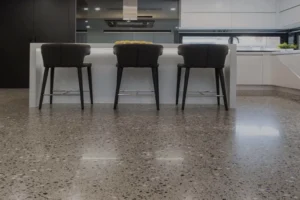
Why Kitchen Floors Need Professional Sealing
Kitchen floors face unique challenges compared to other areas of a property. Constant exposure to liquids, oils, food particles, and foot traffic can cause gradual damage that becomes costly if ignored.
Professional kitchen floor sealing addresses:
- Moisture penetration
- Oil and grease absorption
- Staining from food and liquids
- Surface wear and dullness
- Bacterial growth in porous materials
- Increased cleaning difficulty
Sealing provides a protective shield that prevents damage before it begins.
Types of Kitchen Floors That Benefit from Sealing
Kitchen floor sealing is suitable for a wide range of residential and commercial flooring materials commonly found in Toronto properties.
Tile Floors
Ceramic, porcelain, and natural stone tiles benefit from sealing to protect grout lines and surface pores.
Natural Stone Floors
Materials such as marble, granite, slate, and limestone are naturally porous and require sealing to prevent staining and etching.
Concrete Floors
Sealing concrete enhances durability, prevents dusting, and protects against moisture and grease penetration.
Grout Lines
Even when tiles are sealed, grout lines require separate sealing to maintain cleanliness and color consistency.
Each floor type requires a specific sealing approach to ensure optimal performance and longevity.
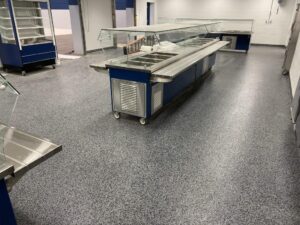
The Importance of Sealing in Toronto Kitchens
Toronto’s climate plays a significant role in floor wear. Seasonal changes bring fluctuating humidity, temperature variations, and increased moisture levels that affect indoor environments.
Kitchen floor sealing helps:
- Prevent moisture-related damage during humid months
- Reduce cracking and expansion from temperature changes
- Protect floors from winter-related water tracking
- Maintain consistent floor appearance year-round
Sealed floors adapt better to environmental changes and last longer.
The Professional Kitchen Floor Sealing Process
KK Cleaning and Restoration follows a meticulous, step-by-step process to ensure superior results for every kitchen floor.
Floor Inspection and Assessment
Each project begins with a detailed evaluation of the floor material, condition, existing sealants, and usage patterns.
Deep Cleaning and Preparation
Professional-grade cleaning removes grease, dirt, stains, and residues that interfere with sealant adhesion.
Surface Repair
Minor chips, cracks, or grout damage are addressed before sealing to ensure uniform protection.
Application of Sealant
A high-quality sealant is applied using appropriate techniques to ensure even coverage and proper penetration or bonding.
Curing and Final Inspection
The floor is allowed to cure, then inspected to confirm durability, appearance, and performance.
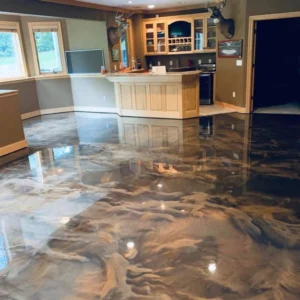
Benefits of Kitchen Floor Sealing
Sealing kitchen floors offers immediate and long-term advantages for homeowners and business owners alike.
Enhanced Durability
Sealed floors resist wear, scratches, and surface degradation.
Improved Hygiene
Sealants block bacteria, mold, and mildew from settling into porous surfaces.
Easier Cleaning
Spills and dirt remain on the surface, making routine cleaning faster and more effective.
Stain Resistance
Food, oils, and liquids are less likely to cause permanent discoloration.
Visual Enhancement
Sealing enhances color, texture, and finish, giving floors a refreshed appearance.
Kitchen Floor Sealing for Residential Properties
In homes, kitchens are high-traffic areas that must balance aesthetics and practicality. Sealing protects floors while maintaining the design and comfort of the space.
Homeowners benefit from:
- Reduced maintenance effort
- Cleaner and safer surfaces
- Long-lasting floor appearance
- Protection against everyday spills and messes
Kitchen floor sealing is an investment in both comfort and property value.
Kitchen Floor Sealing for Commercial Kitchens
Commercial kitchens experience extreme usage conditions, including constant foot traffic, heavy equipment, and frequent cleaning.
Sealing provides:
- Compliance with hygiene standards
- Enhanced slip resistance when paired with appropriate sealants
- Improved durability under heavy use
- Easier sanitation for staff
Restaurants, cafes, catering facilities, and food service spaces rely on sealed floors for safety and cleanliness.
Protecting Grout Lines in Kitchen Floors
Grout is often the most vulnerable part of a kitchen floor. Its porous nature makes it susceptible to staining, darkening, and bacterial growth.
Professional grout sealing:
- Prevents absorption of liquids and oils
- Maintains uniform grout color
- Reduces mold and mildew formation
- Extends the lifespan of tiled floors
Sealed grout keeps kitchens looking cleaner and more refined.
Preventing Long-Term Damage Through Sealing
Unsealed kitchen floors deteriorate gradually, often without immediate signs. Over time, moisture and contaminants penetrate the surface, causing hidden damage.
Sealing helps prevent:
- Cracking and surface erosion
- Permanent staining
- Mold beneath the surface
- Premature floor replacement
Proactive sealing protects floors before damage becomes costly.
Environmental Benefits of Floor Sealing
Sealing extends the life of existing floors, reducing the need for replacement materials and construction waste.
Environmental advantages include:
- Reduced landfill waste
- Lower material consumption
- Sustainable property maintenance
- Efficient use of existing resources
Kitchen floor sealing supports environmentally responsible property care.
Maintaining Sealed Kitchen Floors
Once sealed, kitchen floors are easier to maintain with simple care routines.
Recommended practices include:
- Promptly wiping spills
- Using non-abrasive cleaning products
- Avoiding harsh chemicals
- Maintaining proper ventilation
Proper care ensures sealants perform effectively for years.
When to Reseal Kitchen Floors
Over time, sealants gradually wear down due to traffic and cleaning. Signs that resealing may be needed include:
- Increased staining
- Dull or uneven appearance
- Water absorption
- Darkening grout lines
Professional evaluation helps determine the appropriate resealing schedule.
Preparing Properties for Sale or Rental
A clean, sealed kitchen floor significantly improves first impressions. Buyers and tenants associate sealed floors with cleanliness, care, and quality.
Sealing helps:
- Enhance visual appeal
- Increase perceived value
- Speed up transactions
- Reduce inspection concerns
It is a cost-effective way to elevate kitchen presentation.
Safety Considerations in Kitchen Floor Sealing
Safety is essential in kitchen environments. Professional sealing enhances safety by:
- Reducing moisture penetration
- Supporting slip-resistant treatments
- Preventing surface deterioration
This is especially important in households with children, seniors, or busy commercial kitchens.
Why Professional Kitchen Floor Sealing Matters
DIY sealing often leads to uneven coverage, improper product selection, or surface damage. Professional sealing ensures:
- Correct sealant choice
- Proper surface preparation
- Even application
- Long-lasting results
Expert service protects flooring investment and ensures optimal performance.
Why Toronto Chooses KK Cleaning and Restoration
KK Cleaning and Restoration is trusted across Toronto for professional kitchen floor sealing services that prioritize quality, durability, and attention to detail.
Clients value:
- Skilled technicians
- Premium-grade sealants
- Customized solutions
- Respect for property
- Consistent, professional results
Every kitchen floor is treated with care and precision.
Enhancing Kitchens Through Floor Sealing
Kitchen floor sealing is an essential service that protects one of the most important spaces in any property. By sealing floors professionally, homeowners and business owners enjoy cleaner surfaces, enhanced durability, and long-term savings.
KK Cleaning and Restoration delivers expert kitchen floor sealing services throughout Toronto, helping properties maintain beauty, hygiene, and performance where it matters most.
Contact us now:
 Call us now at +16479163093
 Email: info@kkcleaningandrestoration.ca
 Visit: https://kkcleaningandrestoration.ca/
Faqs on Kitchen Floor Sealing in Toronto by KK Cleaning and Restoration:-
1. What is kitchen floor sealing?
Kitchen floor sealing is the process of applying a protective coating to flooring surfaces to prevent moisture, stains, grease, and dirt from penetrating the material.
2. Why is kitchen floor sealing important?
Kitchens experience heavy traffic, spills, and grease. Sealing protects the floor, improves hygiene, and extends its lifespan.
3. Which kitchen floor materials need sealing?
Tile, natural stone, grout, concrete, and some porous porcelain floors benefit from sealing.
4. Do ceramic tile floors need sealing?
The tiles themselves often do not, but the grout lines absolutely require sealing to prevent staining and moisture absorption.
5. Is grout sealing included with kitchen floor sealing?
Yes, grout sealing is a critical part of protecting tiled kitchen floors.
6. Can natural stone kitchen floors be sealed?
Yes. Stone floors like marble, granite, slate, and limestone require sealing to prevent damage and staining.
7. How does sealing protect kitchen floors from stains?
Sealants create a barrier that prevents liquids, oils, and food from penetrating the surface.
8. Does sealing change the look of the floor?
Sealing may slightly enhance color and sheen but does not alter the original design.
9. Is kitchen floor sealing permanent?
No. Sealants wear down over time and require periodic reapplication.
10. How long does kitchen floor sealing last?
Longevity depends on usage, cleaning habits, and foot traffic, but professional sealants typically last several years.
11. Can sealed floors still be cleaned normally?
Yes. In fact, sealed floors are easier to clean and maintain.
12. Does sealing make floors slippery?
Professional sealants are selected to maintain safe traction, especially in kitchens.
13. Is kitchen floor sealing safe for families?
Yes. Once cured, sealed floors are safe for children and pets.
14. Can sealing help prevent mold and bacteria?
Yes. Sealed surfaces block moisture absorption, reducing microbial growth.
15. Is sealing recommended for commercial kitchens?
Absolutely. It improves hygiene, durability, and compliance with cleanliness standards.
16. How long does the sealing process take?
Most kitchen floors can be sealed within a day, depending on size and condition.
17. Can sealing be done while the property is occupied?
Yes. The process is minimally disruptive.
18. Is there an odor during sealing?
Some sealants may produce mild odors during application, which dissipate quickly.
19. How soon can the floor be used after sealing?
Light foot traffic is usually allowed after curing, as advised by professionals.
20. Does sealing protect against grease spills?
Yes. Sealants prevent grease from soaking into the floor or grout.
21. Can sealing prevent discoloration of grout?
Yes. Sealed grout resists darkening and staining.
22. Does sealing improve the appearance of old floors?
Yes. Sealing refreshes color, texture, and uniformity.
23. Is sealing better than replacing kitchen floors?
In many cases, sealing extends floor life and avoids costly replacement.
24. Can concrete kitchen floors be sealed?
Yes. Sealing concrete prevents dusting, moisture penetration, and staining.
25. Does sealing protect floors from water damage?
Yes. It significantly reduces moisture absorption.
26. Can sealing reduce maintenance time?
Yes. Spills and dirt stay on the surface, making cleaning faster.
27. Is professional sealing better than DIY sealing?
Yes. Professionals ensure correct product selection, preparation, and application.
28. What happens if kitchen floors are not sealed?
Unsealed floors absorb moisture, stain easily, and deteriorate faster.
29. Can sealing repair damaged floors?
Sealing protects floors but does not replace necessary repairs, which are addressed beforehand.
30. Does sealing improve indoor air quality?
Yes. By reducing mold growth, sealed floors support healthier air.
31. Can sealing help with pet-related messes?
Yes. Sealed floors resist stains and odors.
32. Is sealing suitable for open-concept kitchens?
Yes. It protects floors throughout shared living spaces.
33. Can sealing enhance resale value?
Yes. Clean, protected floors improve buyer perception.
34. How often should kitchen floors be resealed?
This varies based on use, but periodic inspection determines timing.
35. Does sealing prevent scratching?
Sealing improves resistance but does not make floors scratch-proof.
36. Can sealing be applied to heated floors?
Yes. Professionals select sealants compatible with heated systems.
37. Will sealing affect floor texture?
No. Texture remains consistent while being protected.
38. Is sealing environmentally responsible?
Yes. It extends floor life and reduces material waste.
39. Can sealing be customized for different floors?
Yes. Sealants are selected based on material and usage.
40. Does sealing protect against acidic spills?
Yes. Sealants help prevent etching from acidic substances.
41. Can sealing help with uneven grout color?
Yes. Sealing stabilizes grout appearance.
42. Is sealing required after deep cleaning?
Yes. Cleaning removes contaminants but sealing provides protection.
43. Can sealing reduce long-term repair costs?
Yes. Protected floors experience less damage over time.
44. Does sealing prevent moisture beneath tiles?
Yes. It reduces water penetration into grout lines.
45. Is sealing recommended for rental properties?
Yes. It reduces wear and simplifies maintenance.
46. Can sealing protect floors from heavy foot traffic?
Yes. Sealants improve durability under frequent use.
47. Does sealing affect floor warranties?
Professional sealing typically supports manufacturer guidelines.
48. Can sealing be applied to large kitchen areas?
Yes. Both small and large kitchens benefit equally.
49. Will sealed floors still require cleaning?
Yes, but cleaning is easier and more effective.
50. Can sealing protect against food spills?
Yes. Food stains are less likely to penetrate sealed surfaces.
51. Is sealing suitable for older kitchens?
Yes. It revitalizes aging floors.
52. Can sealing help prevent cracking?
Sealing reduces moisture-related stress that contributes to cracking.
53. Does sealing make floors glossy?
Finish level depends on sealant type and preference.
54. Is sealing recommended for restaurants?
Yes. It enhances sanitation and durability.
55. Can sealing help floors look newer longer?
Yes. It preserves appearance and color.
56. Does sealing eliminate odors?
It helps prevent odor absorption into porous surfaces.
57. Can sealing be combined with other services?
Yes. It pairs well with grout cleaning and restoration.
58. Is sealing effective against salt residue in winter?
Yes. It protects floors from moisture and residue tracking.
59. Does sealing prevent dirt buildup?
Yes. Dirt remains on the surface instead of embedding.
60. Can sealing improve safety in kitchens?
Yes. Maintained surfaces reduce deterioration-related hazards.
61. Will sealing damage existing finishes?
No. Professional sealing preserves finishes.
62. Can sealing be done on uneven floors?
Surface issues are assessed and addressed beforehand.
63. Does sealing protect against discoloration over time?
Yes. It slows fading and staining.
64. Is sealing suitable for high-end kitchens?
Yes. It preserves premium flooring materials.
65. Can sealing reduce cleaning chemical usage?
Yes. Less aggressive cleaning is needed.
66. Does sealing protect against water splashes near sinks?
Yes. Moisture resistance is significantly improved.
67. Can sealing improve daily kitchen comfort?
Yes. Cleaner floors enhance overall usability.
68. Is sealing a long-term investment?
Yes. It saves money by extending floor life.
69. Does sealing require special aftercare?
Only basic maintenance with gentle cleaners.
70. Why choose professional kitchen floor sealing?
Professional service ensures durable protection, uniform application, and long-lasting results.
Contact us now:
Call us now at +16479163093
Email: info@kkcleaningandrestoration.ca
Visit: https://kkcleaningandrestoration.ca/