Shower Wall Tile Restoration in Toronto – KK Cleaning and Restoration
Introduction: Shower Wall Tile Restoration in Toronto
Shower Wall Tile Restoration in Toronto: Bathrooms are among the most frequently used spaces in any home or commercial property. Over time, constant exposure to moisture, soap residue, hard water minerals, and daily wear can leave shower walls looking dull, stained, and deteriorated. If your once-bright tiles now appear discolored or your grout lines show signs of cracking and mold, professional shower wall tile restoration in Toronto can completely transform the space without the cost of full replacement.
KK Cleaning and Restoration specializes in restoring shower walls to their original beauty. With advanced equipment, proven restoration methods, and a deep understanding of tile and grout materials, their team delivers lasting results that enhance both appearance and hygiene. Whether your shower walls are ceramic, porcelain, marble, or natural stone, expert restoration brings back clarity, brightness, and structural integrity.
Why Shower Wall Tiles Deteriorate Over Time
Shower walls endure daily exposure to heat, steam, water, and cleaning products. Even with routine maintenance, several factors contribute to gradual deterioration.
Constant Moisture Exposure
Moisture is the primary cause of tile and grout damage in showers. When grout absorbs water repeatedly, it weakens and becomes vulnerable to staining and mold growth. Without proper sealing, water penetrates beneath the tile surface, potentially leading to hidden structural issues.
Soap Scum and Hard Water Deposits
Soap residue combines with mineral deposits from hard water, forming stubborn layers that dull tile surfaces. Over time, these deposits create cloudy streaks and uneven discoloration that regular scrubbing cannot remove effectively.
Mold and Mildew Growth
Warm, humid environments create ideal conditions for mold and mildew. Black or green spots along grout lines are not just cosmetic issues; they can also impact indoor air quality and overall hygiene.
Aging Grout and Caulking
As grout ages, it may crack or crumble. Caulking around edges can peel or separate, allowing water to seep into wall cavities. Professional shower wall tile restoration in Toronto addresses these concerns before they escalate into costly repairs.

What Is Shower Wall Tile Restoration?
Shower wall tile restoration is a comprehensive process that goes beyond simple cleaning. It involves deep cleaning, grout repair, mold removal, surface polishing, and protective sealing to restore tiles to their original condition.
Rather than replacing tile entirely, restoration focuses on revitalizing existing materials. This approach is more cost-effective and less disruptive while delivering dramatic visual improvement.
KK Cleaning and Restoration provides detailed assessments to determine the exact condition of your shower walls and develop a customized restoration plan.
The Professional Restoration Process
Step 1: Thorough Inspection
Every project begins with a detailed inspection of tile surfaces, grout lines, and caulking. Technicians assess:
- Extent of staining
- Mold presence
- Grout integrity
- Surface etching or mineral buildup
- Water damage risks
This evaluation ensures the correct restoration techniques are applied.
Step 2: Deep Cleaning and Mineral Removal
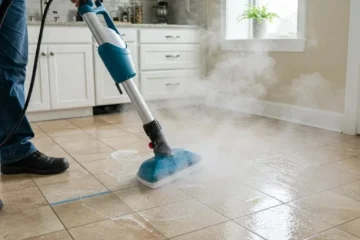
Specialized cleaning solutions break down soap scum, hard water deposits, and embedded grime. Unlike harsh DIY chemicals, professional-grade cleaners are formulated to protect tile surfaces while removing stubborn buildup.
High-powered equipment extracts contaminants from grout lines, leaving surfaces visibly brighter.
Step 3: Mold and Mildew Treatment
Mold spores are eliminated using targeted treatments designed to sanitize without damaging surrounding materials. This step is critical in shower wall tile restoration in Toronto due to the city’s seasonal humidity fluctuations.
Step 4: Grout Repair and Regrouting
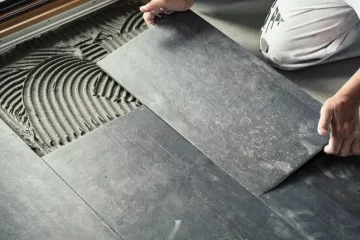
Cracked or deteriorated grout is removed and replaced with fresh, durable material. This strengthens the structure and improves the appearance of tile joints.
Step 5: Caulking Replacement
Old or damaged caulking is removed and replaced to prevent moisture penetration. Proper sealing at joints and corners ensures long-term protection.
Step 6: Sealing and Surface Protection
A professional-grade sealant is applied to grout lines and, when appropriate, tile surfaces. This protective barrier repels moisture and reduces future staining.
Benefits of Professional Shower Wall Tile Restoration
Cost Savings Compared to Replacement
Full tile replacement can be expensive and time-consuming. Restoration achieves impressive results at a fraction of the cost.
Improved Hygiene
Removing mold, mildew, and bacteria creates a healthier bathroom environment. Professional restoration enhances indoor air quality and cleanliness.
Enhanced Aesthetic Appeal
Bright, clean tiles instantly modernize your bathroom. Restored grout lines create a uniform and refreshed look.
Extended Lifespan
Sealing and repairing grout protects your investment, extending the life of your shower walls.
Common Signs You Need Restoration
If you notice any of the following, it may be time to consider shower wall tile restoration in Toronto:
- Persistent mold spots
- Yellowing or darkened grout
- Cracked grout lines
- Loose or hollow-sounding tiles
- Strong musty odors
Addressing these issues early prevents further deterioration.
Tile Types That Can Be Restored
Ceramic Tile
Ceramic tiles are durable but can lose shine due to soap buildup. Restoration removes residue and restores original gloss.
Porcelain Tile
Porcelain resists moisture but grout lines remain vulnerable. Professional cleaning enhances both tile and grout.
Natural Stone
Marble and travertine require specialized care. Gentle cleaning and polishing protect delicate surfaces while restoring elegance.
Why Choose a Local Toronto Specialist
Hiring a local provider ensures familiarity with regional environmental factors such as humidity changes and mineral-heavy water. Shower wall tile restoration in Toronto requires understanding how seasonal conditions affect grout and tile longevity.
KK Cleaning and Restoration delivers responsive service, personalized care, and consistent results tailored to Toronto homes and businesses.
Preventing Future Damage
After professional restoration, maintaining shower walls becomes easier with simple practices:
- Wipe down tiles after each use
- Use pH-neutral cleaners
- Ensure proper bathroom ventilation
- Reseal grout periodically
Routine care combined with professional service ensures long-lasting results.
The Health Impact of Mold in Showers
Mold growth in shower walls is more than an aesthetic concern. Spores can circulate in the air and trigger allergies or respiratory discomfort. Professional shower wall tile restoration in Toronto eliminates mold at its source, improving overall indoor air quality.
Sanitization and sealing reduce the likelihood of regrowth, making your bathroom safer and more comfortable.

Commercial Shower Restoration Services
Shower facilities in gyms, hotels, and rental properties experience heavy daily use. Regular restoration maintains hygiene standards and prevents costly structural damage.
Professional services minimize downtime while delivering noticeable improvements in cleanliness and presentation.
Eco-Friendly Restoration Methods
Modern restoration practices prioritize environmentally responsible solutions. Safe, biodegradable cleaners effectively remove stains without harsh chemical fumes.
Families with children and pets can feel confident choosing a service that values safety and sustainability.
The Long-Term Value of Restoration
Investing in shower wall tile restoration in Toronto protects property value and reduces the likelihood of expensive renovations. Maintaining clean, intact tile surfaces enhances buyer appeal and preserves the integrity of bathroom structures.
Preventative care is always more affordable than extensive repairs.
Restoring Confidence in Your Bathroom Space
Bathrooms should feel clean, relaxing, and inviting. Stained grout and dull tiles can diminish that sense of comfort. Professional restoration restores brightness and freshness, making daily routines more enjoyable.
With proper maintenance and periodic professional service, your shower walls can remain beautiful for years.
Why Experience Matters
Tile restoration requires expertise. Using incorrect cleaning agents or excessive pressure can damage surfaces permanently. Skilled technicians understand how to adjust methods based on tile material and condition.
Choosing experienced professionals ensures safe, effective results without risk to your investment.
A Commitment to Excellence
KK Cleaning and Restoration approaches every project with attention to detail and dedication to quality. From inspection to final sealing, each step is handled with care to ensure lasting improvement.
Homeowners and property managers seeking dependable shower wall tile restoration in Toronto benefit from tailored solutions designed to meet specific needs.
Final Thoughts
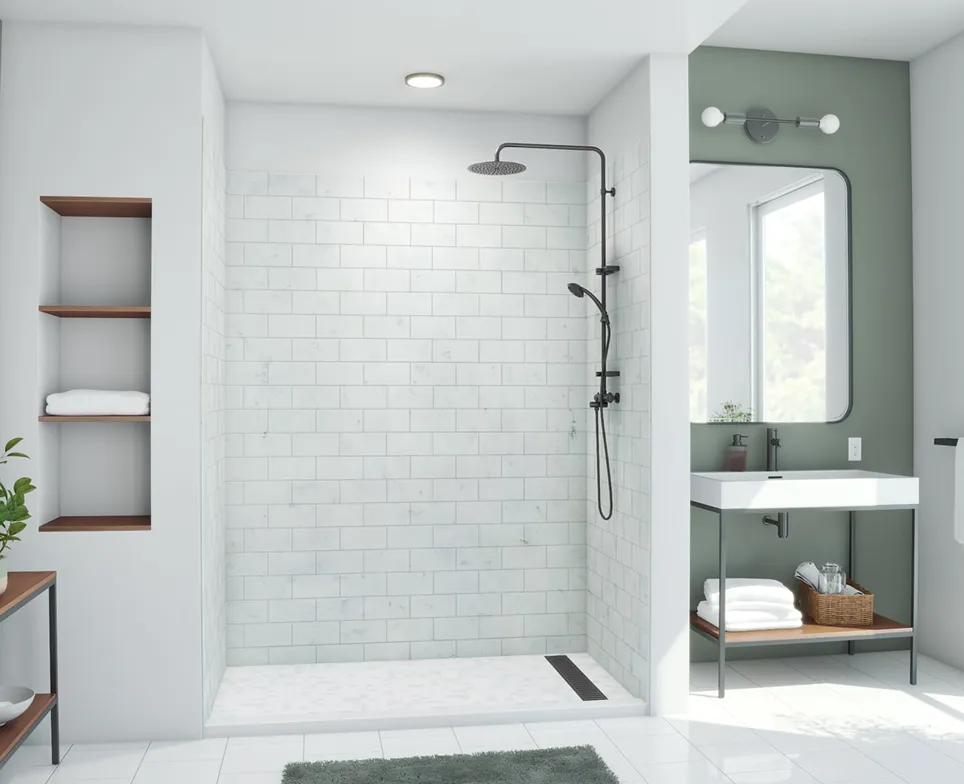
Shower walls endure daily stress from moisture, soap, and mineral deposits. Over time, this exposure leads to discoloration, mold growth, and structural weakening. Professional shower wall tile restoration in Toronto revitalizes these surfaces without the disruption of full renovation.
Through deep cleaning, grout repair, mold treatment, and protective sealing, KK Cleaning and Restoration transforms worn shower walls into clean, refreshed spaces. The result is a healthier, brighter, and longer-lasting bathroom environment.
Maintaining your shower walls is not just about appearance—it’s about protecting your home, improving hygiene, and preserving value. With expert restoration services, you can restore beauty and confidence to your bathroom while avoiding unnecessary replacement costs.
Contact us now:
 Call us now at +16479163093
 Email: info@kkcleaningandrestoration.ca
 Visit: https://kkcleaningandrestoration.ca/
Faqs on Shower Wall Tile Restoration in Toronto by KK cleaning and restoration:-
1. What is shower wall tile restoration?
Shower wall tile restoration is a professional process that revitalizes worn, stained, or damaged tiles and grout without replacing them. It includes deep cleaning, mold removal, grout repair, re-caulking, and sealing. The goal is to restore the original appearance and structural integrity of the tiled surface. This process addresses both cosmetic and functional issues. Restoration is often more cost-effective than full renovation. It extends the life of your shower walls significantly.
2. How do I know if my shower walls need restoration?
Common signs include persistent discoloration, mold growth, cracked grout, and peeling caulk. If regular cleaning no longer improves the appearance, restoration may be necessary. A musty odor can also indicate trapped moisture behind tiles. Loose or hollow-sounding tiles are another warning sign. Early intervention prevents larger structural issues. A professional inspection can confirm the extent of damage.
3. Is restoration better than replacing shower tiles?
In many cases, restoration is more practical and affordable than replacement. It avoids demolition, reduces labor costs, and minimizes disruption. Restoration can dramatically improve appearance without removing existing tile. Replacement is typically needed only if tiles are severely damaged or water has compromised the wall structure. Professional assessment determines the best option. For most surface-level issues, restoration delivers excellent results.
4. Can restoration remove mold completely?
Professional restoration removes visible mold and treats affected areas to eliminate spores. Specialized antimicrobial solutions are used to sanitize grout lines and tile surfaces. However, long-term mold prevention also depends on ventilation and moisture control. Restoration significantly reduces the risk of regrowth. Sealing grout after cleaning adds an extra layer of protection. Proper bathroom maintenance supports lasting results.
5. How long does shower wall tile restoration take?
The time required depends on the size of the shower and severity of damage. Most standard residential showers can be completed within a few hours. Extensive grout repairs may add additional time. Drying and sealing processes may require a short waiting period before use. Professionals provide clear timelines before starting. The process is typically completed within a single day.
6. Is professional tile restoration safe for natural stone?
Yes, when performed by trained specialists. Natural stone such as marble or travertine requires gentle, non-acidic cleaning solutions. Professionals use methods tailored to the specific material. Incorrect DIY cleaners can permanently damage stone surfaces. Restoration includes polishing and sealing when necessary. Proper care ensures stone tiles retain their natural beauty.
7. What causes grout to crack in showers?
Grout cracks may develop due to structural movement, moisture damage, or aging. Repeated expansion and contraction from temperature changes can weaken grout lines. Water penetration behind tiles may also contribute. Poor installation or inferior materials increase the risk. Small cracks should be addressed promptly. Repair prevents further water intrusion.
8. How often should shower walls be professionally cleaned?
Professional cleaning is recommended every 12 to 18 months for most homes. High-use bathrooms may require more frequent service. Regular maintenance prevents deep staining and mold buildup. Professional cleaning extends grout life. Combining routine home care with periodic restoration ensures long-term durability. Frequency depends on usage and moisture levels.
9. Does restoration include re-caulking?
Yes, most restoration services include removing and replacing old caulk. Damaged caulking allows water to seep behind tiles. Fresh caulk improves both appearance and waterproofing. Proper sealing at joints prevents leaks. This step is essential for maintaining structural integrity. Re-caulking enhances overall shower durability.
10. Will restoration make my shower look new again?
In many cases, yes. Deep cleaning removes stubborn stains and mineral buildup. Repaired grout lines create a uniform appearance. Mold treatment eliminates unsightly dark spots. Sealing adds a fresh finish. While it may not replicate brand-new tile, restoration produces dramatic improvement.
11. Can hard water stains be removed during restoration?
Yes, professional solutions are designed to dissolve mineral deposits safely. Hard water stains often leave white or cloudy residue on tiles. Restoration removes buildup without scratching surfaces. Preventive maintenance reduces recurring deposits. Installing water softeners can also help. Regular cleaning prevents heavy accumulation.
12. Is the restoration process messy?
Professional services use controlled methods to minimize mess. Extraction equipment removes excess moisture and debris. Surrounding areas are protected during the process. Cleanup is typically included in the service. Most bathrooms are ready for use shortly after completion. Professionals prioritize cleanliness throughout.
13. Does sealing grout really make a difference?
Yes, sealing significantly reduces moisture absorption. Unsealed grout is highly porous and prone to staining. A quality sealant creates a protective barrier. This makes future cleaning easier. Sealed grout maintains its appearance longer. Resealing every few years ensures continued protection.
14. Can shower wall tiles lose their shine?
Yes, soap scum and mineral buildup can dull tile surfaces. Over time, repeated exposure to moisture affects finish clarity. Restoration includes deep cleaning and polishing when appropriate. Removing residue restores brightness. Proper maintenance preserves shine. Professional treatment enhances visual appeal.
15. What is the cost difference between restoration and replacement?
Restoration is typically much more affordable than replacement. Tile replacement involves demolition, disposal, and reinstallation costs. Restoration focuses on improving existing materials. It saves both time and labor expenses. While pricing varies by project, restoration offers significant cost savings. It is often the preferred solution.
16. Is steam cleaning part of restoration?
Steam cleaning may be used depending on tile type and condition. Controlled steam helps loosen grime and kill bacteria. Professionals adjust temperature and pressure carefully. Not all tiles are suitable for high heat. Steam enhances cleaning effectiveness when used properly. It is one tool among several restoration methods.
17. Can loose tiles be fixed during restoration?
Yes, minor tile loosening can often be repaired. Professionals may re-adhere tiles securely. However, extensive structural damage may require additional repairs. Early detection makes repairs easier. Restoration includes evaluating tile stability. Prompt service prevents further issues.
18. Does restoration improve indoor air quality?
Yes, especially if mold or mildew is present. Removing spores reduces airborne contaminants. Sanitizing grout lines enhances hygiene. Bathrooms feel fresher after treatment. Improved ventilation combined with restoration supports healthier air. Clean surfaces contribute to overall comfort.
19. Are eco-friendly cleaning products used?
Many professional services offer environmentally safe options. Biodegradable cleaners effectively remove stains without harsh fumes. These products are safer for children and pets. Eco-friendly methods still deliver strong results. Confirm product details with your provider. Sustainable practices are increasingly common.
20. How can I maintain results after restoration?
Wipe down shower walls after use to reduce moisture. Use pH-neutral cleaners regularly. Ensure proper bathroom ventilation. Avoid abrasive scrubbing pads. Schedule periodic professional maintenance. Consistent care preserves restored surfaces.
21. Can restoration fix uneven grout color?
Yes, deep cleaning can remove discoloration. Severe cases may require color sealing. Color sealing provides uniform appearance. It also adds protective benefits. Professionals determine the best approach. Results are often dramatic.
22. Is grout repair included in restoration?
Yes, damaged grout is typically removed and replaced. Fresh grout strengthens tile joints. Repair improves both appearance and function. It prevents moisture penetration. Restoration addresses weak or crumbling areas. This step enhances durability.
23. Can restoration prevent leaks?
Restoration reduces leak risks by sealing grout and replacing caulk. However, existing structural leaks may require additional repair. Inspection identifies problem areas. Addressing small gaps prevents water damage. Waterproofing is a key benefit. Proper sealing ensures protection.
24. Does restoration work for commercial properties?
Yes, gyms, hotels, and rental units benefit greatly. Heavy use increases wear and staining. Professional restoration maintains hygiene standards. It enhances customer impressions. Commercial schedules can be arranged for minimal disruption. Regular service preserves property value.
25. Will strong chemicals be used?
Professional-grade cleaners are effective yet controlled. Harsh acids are avoided on sensitive surfaces. Solutions are selected based on tile type. Safety guidelines are strictly followed. Eco-friendly options are often available. Proper application prevents damage.
25. How long should I wait before using my shower after restoration?
After restoration, most showers can be used within 12 to 24 hours, depending on the services performed. If grout repair or sealing was completed, additional curing time may be required. Sealants need proper drying to create an effective moisture barrier. Using the shower too early may compromise results. Technicians will provide specific instructions based on materials used. Following aftercare guidelines ensures long-lasting protection.
26. Can restoration help increase my home’s resale value?
Yes, a clean and well-maintained bathroom significantly improves buyer impressions. Stained grout and moldy tiles can make a property appear neglected. Restoration refreshes the space without the cost of renovation. Potential buyers often prioritize updated bathrooms. A professionally restored shower suggests proper maintenance. This small investment can positively influence resale value.
27. What preparation is required before technicians arrive?
You should remove personal items such as shampoos, soaps, and shower accessories. Clear access to the bathroom ensures technicians can work efficiently. If possible, clean loose debris beforehand. Pets should be kept away from the work area. Providing proper ventilation access is also helpful. Minimal preparation helps streamline the restoration process.
28. Can restoration fix grout that is severely stained?
Deep professional cleaning can remove most surface and embedded stains. If discoloration is permanent, color sealing may be recommended. Color sealing covers stains while adding protection. Severely deteriorated grout may require partial replacement. A professional evaluation determines the best approach. Most grout can be significantly improved without full removal.
29. Does shower wall tile restoration eliminate odors?
Yes, especially if odors are caused by mold or trapped moisture. Professional cleaning removes bacteria and mildew embedded in grout. Sanitizing treatments neutralize unpleasant smells. Musty odors often disappear after restoration. Persistent smells may indicate hidden water damage. Addressing moisture issues ensures long-term freshness.
30. Is restoration suitable for older homes?
Absolutely, restoration is particularly beneficial in older properties. Aging grout and tile often show discoloration or minor cracks. Professional repair strengthens and revitalizes existing materials. It preserves original tile features while improving performance. Restoration is less invasive than replacement. Older homes benefit greatly from this approach.
31. Can chipped tiles be repaired during restoration?
Minor chips can sometimes be filled or refinished. Larger damage may require tile replacement. Professionals assess the severity before recommending solutions. Repairing small imperfections improves overall appearance. Restoration focuses primarily on grout and surface renewal. Tile repair may be offered as an additional service.
32. Will restoration prevent future mold growth?
Restoration removes existing mold and applies protective treatments. Sealing grout reduces moisture absorption, which discourages mold growth. However, proper ventilation is essential for prevention. Using exhaust fans after showers helps control humidity. Routine cleaning also supports mold prevention. While restoration reduces risk, maintenance is still necessary.
33. Does restoration include polishing tiles?
Yes, polishing may be included depending on tile material. Ceramic and porcelain can regain shine after deep cleaning. Natural stone may require specialized polishing compounds. Polishing enhances brightness and smoothness. It removes dull residue from buildup. The result is a refreshed, like-new finish.
34. How long does grout repair last?
Properly repaired grout can last many years with maintenance. Longevity depends on moisture levels and usage frequency. Sealing extends the lifespan of repairs. Avoiding harsh chemicals prevents premature deterioration. Routine inspections catch minor issues early. Professional workmanship ensures durability.
35. Is it safe to stay home during restoration?
Yes, most restoration services are safe for occupants. Professionals use controlled and often eco-friendly products. Ventilation may be recommended during the process. The work is usually completed within a few hours. Families can remain in the home comfortably. Always confirm safety details with your provider.
36. What causes yellowing grout in showers?
Yellowing is often caused by soap residue, body oils, and mineral deposits. Over time, these substances build up within porous grout. Inadequate cleaning accelerates discoloration. Hard water minerals also contribute to staining. Professional deep cleaning removes these contaminants. Sealing afterward helps prevent recurrence.
37. Can restoration address uneven tile surfaces?
Restoration primarily focuses on cleaning and grout repair. Uneven tiles may indicate installation or structural issues. Minor adjustments may be possible if tiles are loose. Severe unevenness may require additional repair work. A professional inspection determines the cause. Restoration improves appearance even if structural correction is needed separately.
38. How does humidity affect shower wall tiles?
High humidity increases the risk of mold and mildew growth. Moisture weakens grout over time. Poor ventilation traps steam on tile surfaces. Seasonal humidity changes can impact grout longevity. Proper sealing reduces moisture absorption. Using exhaust fans helps maintain balance.
39. Are there signs of water damage behind shower walls?
Peeling paint outside the shower area can indicate hidden leaks. Persistent musty odors may signal trapped moisture. Loose or hollow tiles may suggest water infiltration. Dark stains that return quickly after cleaning are another warning sign. Professional inspection identifies potential hidden damage. Early detection prevents costly repairs.
40. How do I know if restoration was successful?
You should see noticeably brighter tiles and uniform grout color. Mold and stains should be removed completely. The shower should feel clean and fresh without odors. Grout lines should appear solid and intact. Water should bead on sealed surfaces rather than soak in. A successful restoration restores both appearance and structural integrity.
Contact us now:
Call us now at +16479163093
Email: info@kkcleaningandrestoration.ca
Visit: https://kkcleaningandrestoration.ca/