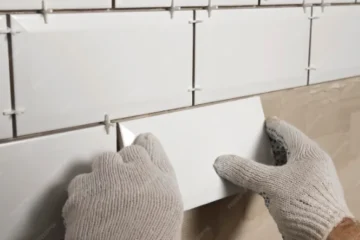
Regrouting vs Replacement: What Toronto Property Owners Need to Know | KK Cleaning and Restoration
Regrouting vs Replacement: When tile surfaces begin to show signs of aging, staining, cracking, or moisture damage, many homeowners and property managers face an important decision: regrouting vs replacement. At first glance, full tile replacement may seem like the most thorough solution. However, in many cases, professional regrouting restores strength, appearance, and hygiene without the high costs and disruption of demolition.
KK Cleaning and Restoration has helped countless Toronto homeowners evaluate regrouting vs replacement with clarity and confidence. Understanding the differences between these two approaches allows you to make a practical, cost-effective, and long-term decision for your property.
Understanding the Role of Grout in Tile Installations
Before diving into regrouting vs replacement, it’s essential to understand the function of grout. Grout is more than just a filler between tiles. It serves several critical purposes:
- Locks tiles in place
- Prevents moisture infiltration
- Maintains structural integrity
- Contributes to overall aesthetics
- Protects subflooring and wall systems
Over time, grout naturally deteriorates. Exposure to water, cleaning chemicals, temperature changes, and daily wear causes cracking, discoloration, and weakening. When grout fails, tiles can loosen and moisture can seep behind surfaces, leading to larger problems.
This is often where the decision between regrouting vs replacement begins.
What Is Regrouting?
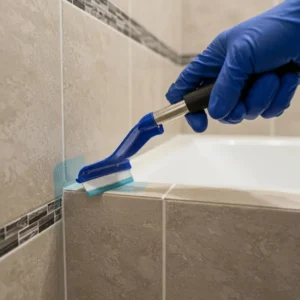
Regrouting involves removing old, damaged, or stained grout and replacing it with fresh material. It does not require removing the tiles themselves. The process includes:
- Careful grout removal
- Surface preparation
- Application of new grout
- Proper curing
- Optional sealing
Professional regrouting restores both function and appearance without altering the existing tile layout. When evaluating regrouting vs replacement, this approach is often significantly more affordable and less disruptive.
What Is Tile Replacement?
Tile replacement involves removing tiles entirely. Depending on the extent of damage, this may include:
- Demolition of tile and grout
- Removal of underlying substrate
- Repairing water-damaged backer boards
- Installing new tile
- Regrouting and sealing
Replacement is necessary when structural damage exists beneath the surface or when tiles are cracked beyond repair. However, full replacement is more labor-intensive and costly compared to regrouting.
Understanding when replacement is truly required is a key part of evaluating regrouting vs replacement.
Signs You May Only Need Regrouting
In many Toronto homes, grout deterioration is cosmetic or moderate rather than structural. Signs that regrouting may be sufficient include:
Discolored Grout Lines
Darkened or uneven grout often results from dirt, moisture, and mold buildup.
Minor Cracking
Small cracks along grout lines typically indicate aging rather than structural failure.
Mold Growth
Surface mold can often be addressed during regrouting, especially if caught early.
Tile Stability
If tiles are firm and not shifting, regrouting is usually a viable solution.
In these situations, regrouting vs replacement heavily favors regrouting due to cost efficiency and simplicity.
When Replacement Is Necessary
Although regrouting is highly effective in many cases, there are situations where replacement is unavoidable.
Loose or Hollow Tiles
Tiles that move or sound hollow may indicate adhesive failure.
Extensive Water Damage
If moisture has penetrated behind the tile, underlying materials may need replacement.
Cracked or Broken Tiles
Structural cracks in tiles cannot be resolved with regrouting alone.
Outdated Design Preferences
Sometimes replacement is chosen purely for aesthetic modernization.
When structural integrity is compromised, the regrouting vs replacement comparison shifts toward replacement for long-term safety.
Cost Comparison: Regrouting vs Replacement
One of the most significant factors in the regrouting vs replacement decision is cost.
Regrouting Costs
Regrouting is typically a fraction of the price of full replacement. Because demolition is minimal and materials are limited to grout and sealant, labor costs are significantly reduced.
Replacement Costs
Replacement involves demolition, debris removal, new tile purchase, installation labor, and potential substrate repair. Costs can escalate quickly depending on tile type and area size.
For homeowners seeking budget-conscious solutions, regrouting vs replacement often favors regrouting when structurally feasible.
Time and Disruption Considerations
Regrouting Timeline
Most regrouting projects can be completed within a day or two, depending on size. Minimal demolition means less dust and disruption.
Replacement Timeline
Full replacement may take several days to weeks. Bathrooms or kitchens may become temporarily unusable.
When evaluating regrouting vs replacement, homeowners frequently choose regrouting for its convenience and faster turnaround.

Aesthetic Impact
Grout plays a significant role in the visual appeal of tile surfaces.
Fresh Grout, Fresh Look
New grout can dramatically brighten floors and walls. It restores uniform color and enhances tile contrast.
Design Changes with Replacement
Replacement allows for complete style updates, including new tile patterns, sizes, and materials.
If the goal is cosmetic refresh rather than redesign, regrouting vs replacement usually leans toward regrouting.
Long-Term Durability
A properly executed regrouting project can extend tile lifespan by many years. Professional-grade grout materials and sealing techniques improve durability and resistance to moisture.
However, if underlying waterproofing systems are compromised, replacement may be the only long-term solution.
Understanding the condition beneath the surface is crucial when comparing regrouting vs replacement.
The Importance of Professional Assessment
Many property owners attempt to decide between regrouting vs replacement based solely on appearance. However, a professional inspection is essential.
KK Cleaning and Restoration evaluates:
- Tile adhesion
- Moisture levels
- Grout integrity
- Structural stability
- Mold presence
This detailed assessment ensures the recommended solution addresses both cosmetic and structural concerns.
Bathroom Applications
Bathrooms are the most common areas where regrouting vs replacement decisions arise.
Shower Walls
Constant moisture exposure weakens grout over time. Regrouting restores waterproof integrity when tiles remain secure.
Bathroom Floors
High traffic and water exposure accelerate grout deterioration. Professional regrouting often revitalizes floors effectively.
In most bathroom scenarios without structural damage, regrouting vs replacement favors regrouting as the practical option.
Kitchen Tile Considerations
Kitchen backsplashes and floors experience grease buildup and heavy use.
If grout is stained but tiles remain intact, regrouting provides significant improvement without demolition. However, cracked tiles near high-impact zones may require replacement.
The regrouting vs replacement decision in kitchens often depends on tile condition rather than appearance alone.
Commercial Property Decisions
Commercial environments must balance durability, budget, and downtime.
Regrouting minimizes business interruption and reduces renovation costs. For restaurants, offices, and retail spaces, maintaining operational continuity is critical.
In commercial contexts, regrouting vs replacement often favors regrouting due to reduced downtime.
Environmental Impact
Sustainability is an increasingly important consideration.
Regrouting Benefits
- Reduces construction waste
- Minimizes material consumption
- Preserves existing installations
Replacement Impact
- Generates demolition debris
- Requires new manufacturing resources
From an environmental standpoint, regrouting vs replacement frequently favors regrouting.
Moisture Management and Prevention
Grout deterioration often stems from moisture penetration. After regrouting, sealing is essential to prevent recurrence.
Professional sealing:
- Reduces absorption
- Prevents mold growth
- Extends durability
When considering regrouting vs replacement, addressing moisture sources ensures long-term success.
Common Misconceptions
“Old grout means full replacement.”
Not necessarily. Many grout issues are superficial.
“Replacement lasts longer.”
Longevity depends on installation quality and maintenance.
“Regrouting is temporary.”
When professionally executed, regrouting can last many years.
Understanding these myths helps clarify the regrouting vs replacement decision.
Maintenance After Regrouting
Proper care preserves new grout:
- Use pH-neutral cleaners
- Avoid harsh chemicals
- Maintain ventilation
- Schedule periodic inspections
With correct maintenance, regrouting vs replacement becomes less frequent as grout lifespan extends.
Why Choose KK Cleaning and Restoration
Choosing the right contractor is as important as choosing between regrouting vs replacement.
KK Cleaning and Restoration offers:
- Experienced technicians
- Detailed inspections
- Transparent recommendations
- High-quality materials
- Professional sealing solutions
Their approach prioritizes structural integrity, aesthetics, and long-term value.
Final Thoughts on Regrouting vs Replacement
The decision between regrouting vs replacement should never be rushed. While replacement may be necessary in cases of structural damage, many tile installations can be restored effectively through professional regrouting.
Regrouting provides cost savings, faster completion, reduced disruption, and environmental benefits. Replacement, while sometimes required, should be reserved for situations where tile integrity or underlying structures are compromised.
For Toronto homeowners and businesses, a professional evaluation from KK Cleaning and Restoration ensures the right choice between regrouting vs replacement. By understanding the condition of your tile surfaces and weighing cost, durability, and convenience, you can confidently protect your investment and restore your space with the most practical solution available.
Contact us now:
 Call us now at +16479163093
 Email: info@kkcleaningandrestoration.ca
 Visit: https://kkcleaningandrestoration.ca/
Faqs on regrouting vs replacement by KK cleaning and restoration:-
1. What is the main difference between regrouting and tile replacement?
Regrouting involves removing old, damaged grout and applying new grout while keeping the existing tiles intact. Tile replacement, on the other hand, requires removing both the tiles and grout before installing new materials. Regrouting focuses on restoring structural support and appearance without demolition. Replacement is more extensive and often includes repairing underlying surfaces. The choice depends on tile condition and structural integrity.
2. When is regrouting a better option than replacement?
Regrouting is ideal when tiles are still firmly attached and undamaged. If grout is cracked, stained, or moldy but tiles remain stable, regrouting can fully restore the surface. It is also more cost-effective and less disruptive. Bathrooms and kitchens with cosmetic grout issues often benefit from regrouting. Professional inspection confirms whether structural integrity is intact.
3. When should tile replacement be considered?
Tile replacement becomes necessary when tiles are cracked, loose, or hollow-sounding. It is also required if water damage has affected the substrate behind the tile. Severe mold issues beneath the surface may demand full removal. Replacement allows structural repairs before reinstalling tile. It is typically recommended when safety or long-term durability is compromised.
4. Is regrouting cheaper than replacing tile?
Yes, regrouting is significantly more affordable than full tile replacement. Replacement involves demolition, disposal, new materials, and installation labor. Regrouting requires less material and fewer labor hours. It offers a refreshed look without construction costs. For budget-conscious homeowners, regrouting is often the preferred solution.
5. How long does regrouting last?
Professional regrouting can last many years when properly maintained. Longevity depends on moisture levels and usage. Sealing the grout after installation enhances durability. Avoiding harsh chemicals also extends its lifespan. Routine inspections help catch minor issues early.
6. Does regrouting make tiles look new?
Yes, replacing old grout dramatically improves appearance. Fresh grout brightens tile lines and enhances contrast. It eliminates stains and uneven coloring. The overall surface often looks significantly newer. However, if tiles are scratched or cracked, cosmetic improvement may be limited.
7. Can regrouting fix loose tiles?
Regrouting alone cannot fix tiles that are loose due to adhesive failure. In some cases, individual tiles can be removed and reset before regrouting. If many tiles are unstable, replacement may be necessary. A professional evaluation identifies the cause of looseness. Structural stability must be restored first.
8. Is regrouting messy?
Regrouting involves some dust during grout removal, but professionals use containment methods. Protective coverings and vacuum systems minimize debris. The process is far less disruptive than demolition. Most projects are completed quickly. Cleanup is included in professional service.
9. How long does tile replacement take?
Replacement projects can take several days or longer depending on area size. Demolition, substrate repair, and installation require multiple stages. Drying and curing time must also be considered. Bathrooms or kitchens may be unusable during the process. Planning ahead is important for major renovations.
10. Can mold be removed with regrouting?
Surface mold can be eliminated during the regrouting process. Old grout containing mold is removed entirely. Antimicrobial treatments are applied before new grout installation. However, hidden mold behind tiles may require replacement. Early intervention prevents deeper contamination.
11. Does regrouting improve waterproofing?
Yes, new grout helps restore water resistance. When properly sealed, grout reduces moisture penetration. It protects underlying materials from water damage. Regular maintenance ensures continued protection. Regrouting is an effective preventative measure.
12. Is tile replacement more durable than regrouting?
Durability depends on the underlying condition. If tiles are structurally sound, regrouting provides long-lasting results. Replacement is necessary only when damage extends beyond grout. Proper installation quality determines longevity. Both solutions can be durable when professionally executed.
13. Will regrouting change the color of my grout?
Yes, homeowners can choose a new grout color. Color updates can modernize the appearance of tile surfaces. Professionals ensure even application for consistent results. Matching existing decor is also possible. Color sealing can enhance uniformity.
14. Can cracked grout lead to bigger problems?
Yes, cracked grout allows moisture to seep behind tiles. This can weaken adhesives and cause mold growth. Over time, structural damage may occur. Addressing cracks early prevents costly repairs. Regrouting restores protective integrity.
15. Is replacement necessary for cosmetic updates?
Not always. If tiles are still attractive, regrouting can refresh the look. Changing grout color can create a dramatic visual transformation. Replacement is only needed if design preferences require new tile styles. Cosmetic improvements are often achievable without demolition.
16. Does regrouting increase property value?
Yes, clean and well-maintained tile enhances overall appeal. Buyers often notice bathrooms and kitchens first. Fresh grout makes spaces look updated and hygienic. It is a cost-effective way to improve presentation. Small improvements can influence resale value.
17. How do professionals remove old grout?
Technicians use specialized tools to carefully grind out damaged grout. Precision tools protect surrounding tiles from chipping. Dust control systems are often used. Once removed, surfaces are cleaned before applying new grout. Proper preparation ensures adhesion.
18. Can regrouting fix water leaks?
Regrouting can resolve minor moisture infiltration issues. However, active plumbing leaks require separate repair. If waterproof membranes are compromised, replacement may be necessary. Identifying the leak source is essential. Professional inspection determines the best solution.
19. Is regrouting suitable for shower walls?
Yes, shower walls commonly benefit from regrouting. Constant moisture exposure weakens grout over time. Replacing grout restores waterproof protection. Sealing afterward enhances durability. It is a practical solution when tiles remain intact.
20. Does tile replacement require removing cabinets or fixtures?
Sometimes, depending on tile placement. Floor replacement near cabinets may require adjustments. Shower replacement can involve removing fixtures. Regrouting typically avoids these disruptions. Replacement projects should be carefully planned.
21. How do I know if tiles are structurally sound?
Tiles should feel firm and stable when pressed. Hollow sounds when tapped may indicate adhesion problems. Visible cracks or shifting suggest deeper issues. A professional assessment confirms structural condition. Inspection ensures correct decision-making.
22. Is regrouting environmentally friendly?
Yes, regrouting generates minimal construction waste. It preserves existing tiles instead of discarding them. Fewer materials are required compared to replacement. Sustainable practices reduce environmental impact. It is often the greener option.
23. Can regrouting prevent future mold growth?
Regrouting removes mold-infested grout completely. Applying antimicrobial treatments further reduces risk. Sealing grout limits moisture absorption. Proper ventilation is also important. Maintenance plays a role in prevention.
24. Does replacement always require new waterproofing?
In many cases, yes. During replacement, waterproof membranes may need updating. This ensures long-term durability. Proper waterproofing protects structural components. Replacement offers an opportunity to upgrade protection systems.
25. How disruptive is tile replacement?
Replacement is significantly more disruptive than regrouting. It involves demolition noise and dust. Areas may be inaccessible during work. Debris removal adds complexity. Homeowners should prepare for temporary inconvenience.
26. Can partial replacement be combined with regrouting?
Yes, damaged tiles can sometimes be individually replaced. Afterward, regrouting ensures a uniform finish. This hybrid approach saves money. It addresses localized damage without full renovation. Professional assessment determines feasibility.
27. Is regrouting safe for natural stone?
Yes, but it requires careful handling. Natural stone is more delicate than ceramic or porcelain. Professionals use appropriate tools and materials. Sealing afterward is highly recommended. Proper care preserves surface quality.
28. Will regrouting improve hygiene?
Yes, removing old grout eliminates trapped bacteria and mold. Fresh grout creates cleaner surfaces. Sanitizing treatments enhance hygiene. Bathrooms and kitchens feel noticeably fresher. Improved cleanliness supports healthier living conditions.
29. How long should I wait to use the area after regrouting?
Most grout requires 24 hours to cure before exposure to moisture. Sealing may extend this timeframe slightly. Professionals provide specific instructions. Avoiding early use prevents damage. Proper curing ensures durability.
30. Does replacement always increase home value more than regrouting?
Not necessarily. Value improvement depends on overall condition and market expectations. If tiles are modern and intact, regrouting may suffice. Replacement offers higher impact when designs are outdated. Cost-to-value ratio should be considered.
31. Can regrouting stop tiles from cracking?
Regrouting cannot prevent cracking caused by structural movement. However, it strengthens tile support when grout is deteriorated. Addressing substrate issues may be necessary. Professional diagnosis is essential. Cracks require targeted repair.
32. How do professionals determine the best option?
Technicians inspect tile stability, grout condition, and moisture levels. They assess underlying damage risks. Cost and client goals are also considered. Clear recommendations are provided. An informed decision ensures long-term satisfaction.
33. Does regrouting require sealing?
While not mandatory, sealing is highly recommended. Sealant protects grout from moisture and stains. It extends lifespan and simplifies maintenance. Professional sealing ensures even coverage. Routine resealing preserves results.
34. Can regrouting be done on floors and walls?
Yes, regrouting works for both applications. Bathroom floors, shower walls, and kitchen backsplashes benefit. Stability and tile condition determine suitability. The process is adaptable to many surfaces. Professional techniques ensure consistent results.
35. What is the most cost-effective long-term solution?
The most cost-effective solution depends on tile condition. If tiles are intact, regrouting provides excellent value. Replacement is necessary only when structural damage exists. Professional evaluation prevents unnecessary expense. Making the right choice ensures durability and financial efficiency.
Contact us now:
Call us now at +16479163093
Email: info@kkcleaningandrestoration.ca
Visit: https://kkcleaningandrestoration.ca/