Tile Grout Care Tips: Complete Guide by KK Cleaning and Restoration
Introduction: Tile Grout Care Tips
Tile Grout Care Tips: Tile surfaces bring elegance, durability, and functionality to any home or commercial space. However, while tiles themselves are often easy to maintain, grout lines tend to be overlooked. Over time, grout can become stained, cracked, or weakened, affecting both the appearance and structural integrity of your tiled areas. That’s why understanding and applying effective tile grout care tips is essential for long-term maintenance.
KK Cleaning and Restoration has extensive experience in maintaining, restoring, and protecting tile and grout surfaces across Toronto. With the right approach, proper care, and professional insight, you can keep your grout looking clean, strong, and long-lasting.
Why Grout Care Is So Important
Grout plays a critical role in tile installations. It fills the gaps between tiles, keeping them aligned and preventing moisture from seeping underneath. Despite its importance, grout is porous, making it vulnerable to dirt, moisture, and bacteria.
The Hidden Risks of Poor Grout Maintenance
Ignoring proper tile grout care tips can lead to several issues:
- Discoloration and staining
- Mold and mildew growth
- Water damage beneath tiles
- Cracking and crumbling grout lines
- Loose or shifting tiles
Proper maintenance not only enhances appearance but also protects the underlying structure.

Understanding Different Types of Grout
Before applying tile grout care tips, it’s important to understand the type of grout used in your home.
Cement-Based Grout
This is the most common type of grout. It is porous and requires sealing to prevent moisture absorption.
Epoxy Grout
Epoxy grout is more resistant to stains and moisture but still benefits from regular cleaning and maintenance.
Sanded vs Unsanded Grout
- Sanded grout is used for wider joints and is more durable
- Unsanded grout is smoother and used for narrower gaps
Each type requires slightly different care, but the core tile grout care tips remain consistent.
Daily Tile Grout Care Tips
Maintaining grout doesn’t have to be complicated. Simple daily habits can make a significant difference.
Keep Surfaces Dry
Moisture is one of the biggest threats to grout. After using showers or sinks:
- Wipe down tiles and grout lines
- Use a squeegee to remove excess water
- Ensure proper ventilation
Clean Spills Immediately
Spills, especially in kitchens, can stain grout quickly. Cleaning them promptly prevents long-term discoloration.
Use Mild Cleaning Solutions
Harsh chemicals can damage grout over time. Stick to gentle, pH-neutral cleaners for regular maintenance.
Following these daily tile grout care tips helps prevent buildup and prolongs grout life.
Weekly Cleaning Routine
A consistent weekly routine is essential for deeper cleaning.
Gentle Scrubbing
Use a soft brush or toothbrush to clean grout lines. Avoid abrasive tools that can wear down the grout.
Natural Cleaning Solutions
Simple mixtures like baking soda and water can effectively clean grout without causing damage.
Rinse Thoroughly
After cleaning, rinse surfaces to remove any residue that could attract dirt.
These weekly tile grout care tips keep grout looking fresh and prevent long-term issues.

Deep Cleaning Grout: When and How
Even with regular maintenance, grout may require deep cleaning over time.
Signs You Need Deep Cleaning
- Persistent stains
- Darkened grout lines
- Visible mold or mildew
Effective Deep Cleaning Methods
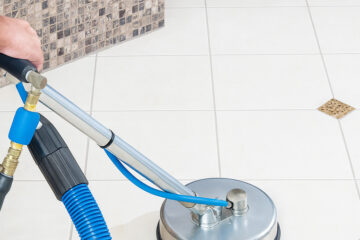
- Steam cleaning for thorough sanitation
- Professional-grade grout cleaners
- Targeted scrubbing for stubborn stains
KK Cleaning and Restoration often recommends periodic deep cleaning as part of comprehensive tile grout care tips.
Preventing Mold and Mildew
Mold is a common issue in bathrooms and kitchens due to high moisture levels.
Key Prevention Strategies
- Improve ventilation with exhaust fans
- Keep grout dry after use
- Use anti-mold cleaning products
Addressing Mold Early
If you notice mold forming:
- Clean the area immediately
- Avoid letting moisture sit for long periods
- Consider professional cleaning if the issue persists
Preventive tile grout care tips are essential for maintaining a healthy environment.
The Importance of Sealing Grout
Sealing is one of the most effective ways to protect grout.
Why Sealing Matters
- Reduces water absorption
- Prevents staining
- Extends grout lifespan
How Often Should You Seal Grout?
Most grout should be sealed every 1 to 2 years, depending on usage and exposure to moisture.
Signs Grout Needs Resealing
- Water no longer beads on the surface
- Increased staining
- Dull or worn appearance
Incorporating sealing into your tile grout care tips ensures long-term protection.
Common Mistakes to Avoid
Avoiding these mistakes can significantly improve grout longevity.
Using Harsh Chemicals
Bleach and strong cleaners can weaken grout over time.
Skipping Regular Cleaning
Neglecting routine maintenance allows dirt and mold to build up.
Ignoring Cracks
Small cracks can lead to larger structural issues if not addressed.
Over-Scrubbing
Aggressive cleaning can erode grout lines.
Understanding these pitfalls is a key part of effective tile grout care tips.
Repairing Damaged Grout
Over time, grout may become damaged and require repair.
Signs of Damage
- Cracks or gaps
- Crumbling grout
- Loose tiles
Repair Options
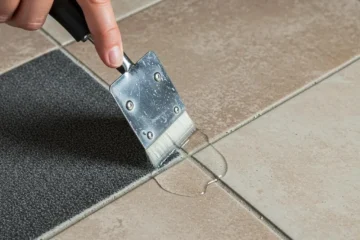
- Regrouting damaged areas
- Spot repairs for minor issues
- Full grout replacement for extensive damage
KK Cleaning and Restoration offers expert solutions that complement essential tile grout care tips.
Tile Grout Care Tips for Bathrooms
Bathrooms are high-moisture areas that require extra attention.
Focus Areas
- Shower corners and edges
- Around fixtures
- Floor grout lines
Maintenance Tips
- Use a squeegee after each use
- Keep ventilation systems running
- Clean regularly to prevent buildup
Applying targeted tile grout care tips in bathrooms helps prevent mold and water damage.
Tile Grout Care Tips for Kitchens
Kitchen grout is exposed to grease, spills, and heavy use.
Key Challenges
- Food stains
- Oil buildup
- Frequent cleaning requirements
Effective Solutions
- Wipe spills immediately
- Use degreasing cleaners
- Maintain consistent cleaning routines
Kitchen-specific tile grout care tips ensure cleanliness and hygiene.
Floor vs Wall Grout Care
Different surfaces require slightly different approaches.
Floor Grout
- Experiences more wear and tear
- Requires stronger cleaning methods
- Needs regular inspection
Wall Grout
- Less exposure to physical stress
- More prone to moisture issues
Understanding these differences helps you apply the right tile grout care tips for each area.
Professional Grout Cleaning Services
While DIY maintenance is important, professional services provide deeper results.
Benefits of Professional Cleaning
- Removes stubborn stains
- Restores original color
- Extends grout lifespan
When to Call Professionals
- Severe discoloration
- Persistent mold
- Large areas requiring attention
KK Cleaning and Restoration provides expert solutions that enhance your tile grout care tips routine.
Eco-Friendly Grout Care Solutions
Sustainability is becoming increasingly important in home maintenance.
Natural Cleaning Options
- Baking soda and vinegar mixtures
- Lemon-based cleaners
Benefits of Eco-Friendly Methods
- Safer for indoor air quality
- Reduced environmental impact
- Gentle on grout surfaces
Incorporating eco-friendly tile grout care tips supports both your home and the environment.
Long-Term Benefits of Proper Grout Care
Consistent maintenance provides numerous advantages.
Enhanced Appearance
Clean grout improves the overall look of tiled surfaces.
Increased Durability
Proper care extends the life of grout and tiles.
Cost Savings
Preventing damage reduces the need for expensive repairs.
Improved Hygiene
Clean grout reduces bacteria and mold growth.
Following effective tile grout care tips ensures these long-term benefits.
Seasonal Grout Maintenance Tips
Different seasons can impact grout condition.
Winter Care
- Monitor moisture levels
- Prevent condensation buildup
Summer Care
- Address humidity issues
- Increase ventilation
Adapting your tile grout care tips to seasonal changes helps maintain consistency.
Why Choose KK Cleaning and Restoration
Choosing the right professionals makes a significant difference in maintaining your tile surfaces.
Expertise and Experience
KK Cleaning and Restoration understands the complexities of grout care and restoration.
Advanced Techniques
They use modern tools and methods for effective cleaning and repair.
Customized Solutions
Each project is tailored to the specific needs of your space.
Commitment to Quality
Their focus on detail ensures long-lasting results.
Final Thoughts
Grout may seem like a small component of your tiled surfaces, but it plays a vital role in both appearance and functionality. Neglecting it can lead to discoloration, mold, and structural damage, while proper care keeps your home clean, safe, and visually appealing.
By following proven tile grout care tips, maintaining a consistent cleaning routine, and addressing issues early, you can extend the life of your grout and tiles significantly. Whether you handle maintenance yourself or rely on professionals like KK Cleaning and Restoration, investing in grout care is a smart and necessary step for any homeowner.
With the right approach, your tiled surfaces can remain beautiful, durable, and problem-free for years to come.
Contact us now:
 Call us now at +16479163093
 Email: info@kkcleaningandrestoration.ca
 Visit: https://kkcleaningandrestoration.ca/
Faqs on Tile Grout Care Tips by kk cleaning and restoration:-
1. What is grout and why is it important?
Grout is the material used to fill gaps between tiles and hold them in place. It provides structural stability and prevents tiles from shifting over time. Grout also acts as a barrier against moisture, which can damage the subfloor or walls. Properly maintained grout contributes to the overall appearance of tiled surfaces. Without grout, tiles are prone to movement and water infiltration. It also helps distribute weight evenly across tiled areas. Therefore, grout is both functional and aesthetic in tiled spaces.
2. How often should I clean my grout?
Grout should be cleaned regularly to prevent buildup of dirt, mold, and stains. A weekly cleaning routine is recommended for high-traffic areas like kitchens and bathrooms. Light cleaning can be done daily by wiping down surfaces and removing spills. Deeper cleaning may be required monthly or quarterly depending on use. Regular maintenance extends the life of grout and keeps it looking fresh. Neglecting cleaning can lead to discoloration and damage. Consistency is key to maintaining healthy grout lines.
3. Can grout be stained or discolored?
Yes, grout is porous and can absorb dirt, liquids, and oils, leading to discoloration. Common causes include food spills, water deposits, and mold growth. Dark stains may appear over time if not cleaned regularly. Certain types of grout, like cement-based grout, are more susceptible to staining. Sealing grout can help prevent stains but does not make it completely impervious. Prompt cleaning of spills and periodic deep cleaning can maintain the original color. Proper maintenance keeps grout lines looking vibrant and clean.
4. How do I prevent mold in grout lines?
Mold thrives in moist and poorly ventilated areas, especially bathrooms. To prevent mold, it is essential to keep grout dry after showers or spills. Adequate ventilation, such as exhaust fans, helps reduce moisture buildup. Cleaning with anti-microbial products can prevent mold growth. Regular inspections help catch mold early before it spreads. Sealing grout adds an extra layer of protection against moisture infiltration. Combining cleaning, ventilation, and sealing is the most effective prevention strategy.
5. What cleaning solutions are safe for grout?
pH-neutral cleaners are the safest for grout and tile surfaces. Harsh chemicals like bleach or ammonia can weaken grout and damage tile finishes over time. Gentle solutions like a mixture of baking soda and water or vinegar and water can clean effectively without causing damage. Specialized grout cleaners are also available for stubborn stains. Always rinse the grout thoroughly after cleaning to remove residue. Using safe cleaning solutions preserves grout integrity. Regular use prevents discoloration and prolongs grout life.
6. How do I remove tough stains from grout?
Tough stains can be removed using a combination of mild scrubbing and specialized cleaning agents. A soft brush or toothbrush works well for targeted scrubbing without damaging grout. Steam cleaning is another effective method to remove embedded dirt and bacteria. For stubborn stains, professional-grade grout cleaners are recommended. Always test cleaning solutions in an inconspicuous area first. After cleaning, rinse thoroughly and allow the grout to dry completely. Consistent maintenance reduces the need for heavy-duty stain removal.
7. How often should grout be sealed?
Grout should generally be sealed every 1 to 2 years, depending on traffic and exposure to moisture. High-moisture areas like bathrooms may require more frequent sealing. Sealing prevents water absorption, staining, and mold growth. It also helps maintain the color and appearance of grout. Signs that resealing is needed include water no longer beading on the surface or noticeable discoloration. Professional sealing ensures even application and long-lasting protection. Consistent resealing is a key part of grout care tips.
8. Can sealing grout prevent staining and mold?
Yes, sealing grout creates a protective barrier against moisture and dirt. Water and spills are less likely to penetrate the grout lines. Mold and mildew growth is minimized because moisture cannot accumulate easily. Stains are easier to clean from sealed surfaces. However, sealing is not permanent and should be reapplied periodically. Even sealed grout should be cleaned regularly to maintain hygiene. Combining sealing with proper cleaning routines maximizes protection.
9. Is it safe to use bleach on grout?
Bleach can remove mold and discoloration temporarily, but it is not recommended for regular grout care. Harsh chemicals can weaken grout over time and cause deterioration. Bleach may also discolor certain types of grout or tile surfaces. For routine cleaning, pH-neutral or natural solutions are safer. If using bleach for a one-time mold issue, dilute it properly and rinse thoroughly. Avoid repeated use to prevent long-term damage. Professionals can provide safer alternatives for persistent mold or stains.
10. Can grout crack over time?
Yes, grout can crack due to natural movement in the building structure or improper installation. Temperature fluctuations and moisture exposure can also cause cracking. Cracks allow water to seep underneath tiles, which may lead to further damage or mold. Ignoring cracks can cause tiles to become loose or shift. Timely repair of cracks prevents larger, more costly issues. Professional repair or regrouting restores both appearance and functionality. Regular inspection helps detect cracks early.
11. How do I repair small cracks in grout?
Small cracks can be repaired using grout repair kits available in stores. First, remove any loose debris from the cracked area. Apply new grout carefully, ensuring it fills the crack completely. Smooth the surface and allow it to dry according to manufacturer instructions. For larger or recurring cracks, professional regrouting may be necessary. Sealing the repaired grout adds extra protection. Proper repair prevents water infiltration and extends grout lifespan. Following these steps maintains grout integrity.
12. What is regrouting and when is it needed?
Regrouting is the process of removing old grout and applying new grout in its place. It is necessary when grout is severely stained, cracked, or crumbling. Regrouting restores both the appearance and strength of tiled surfaces. It can prevent water damage and mold growth by creating a consistent barrier. Professionals ensure proper removal and application for long-lasting results. Regular maintenance may delay the need for regrouting but cannot eliminate it entirely. Timely regrouting is essential for both aesthetic and functional purposes.
13. How do I maintain grout in high-traffic areas?
High-traffic areas like kitchens and entryways require extra care. Sweep or vacuum regularly to remove dirt and debris that can wear down grout. Mop with pH-neutral solutions weekly to prevent buildup. Spot clean spills immediately to avoid stains. Inspect grout periodically for cracks or loose tiles. Consider sealing these areas more frequently for added protection. Professional cleaning may be required for deep embedded dirt. Consistent attention preserves both appearance and durability.
14. Can I use a steam cleaner on grout?
Yes, steam cleaning is an effective and safe method for cleaning grout. The high temperature removes bacteria, mold, and dirt embedded in the grout lines. It does not require harsh chemicals, making it eco-friendly. Steam cleaning also helps restore the original color of grout. However, it should be used correctly to avoid loosening grout in older installations. Professionals often combine steam cleaning with other techniques for the best results. Regular steam cleaning is part of advanced grout care tips.
15. What is the difference between sanded and unsanded grout?
Sanded grout contains fine sand particles and is used for wider joints, typically over 1/8 inch. It is more durable and resistant to cracking in areas with heavier traffic. Unsanded grout is smoother and used for narrow joints less than 1/8 inch. It is easier to apply but may not withstand heavy wear as well. Knowing the type of grout helps in applying appropriate cleaning and care techniques. Each requires sealing for optimal protection. Proper maintenance ensures longevity for both types.
16. How does moisture affect grout?
Moisture can weaken grout, promote mold growth, and cause stains. In bathrooms or kitchens, prolonged exposure to water is common. Grout absorbs moisture if not properly sealed, leading to cracks or deterioration. Excess moisture also encourages mold and mildew, which affects both appearance and health. Proper sealing and drying after use are critical to prevent water damage. Regular inspections can detect moisture-related issues early. Addressing moisture helps extend the lifespan of grout.
17. Can tile grout attract bacteria?
Yes, grout is porous and can harbor bacteria, mold, and mildew if neglected. Food particles, moisture, and dirt contribute to bacterial growth, especially in kitchens and bathrooms. Cleaning with antimicrobial solutions reduces microbial presence. Sealing grout also limits its ability to absorb contaminants. Regular maintenance ensures a hygienic environment. Ignoring grout care increases health risks. Professional cleaning ensures thorough disinfection.
18. Are there eco-friendly grout cleaners available?
Yes, eco-friendly grout cleaners use natural ingredients like baking soda, vinegar, or citric acid. They are safe for indoor air quality and reduce environmental impact. These cleaners are less harsh on grout, preventing erosion and discoloration. Many are effective at removing dirt, mold, and stains without toxic chemicals. Using green products aligns with sustainable home care practices. Regular use maintains clean and safe grout lines. Professionals can recommend effective eco-friendly solutions.
19. How can I prevent grout discoloration in kitchens?
Preventing grout discoloration in kitchens requires immediate attention to spills. Wipe food and liquid spills promptly to avoid absorption. Use mild cleaning products rather than harsh chemicals. Consider sealing the grout to provide extra protection against stains. Regular deep cleaning helps remove grease and grime. Avoid abrasive tools that can scratch tiles and grout. Maintaining a consistent cleaning routine preserves the appearance of kitchen grout.
20. Does ventilation affect grout health?
Yes, proper ventilation reduces moisture accumulation on grout surfaces. Poor ventilation in bathrooms and laundry areas increases mold and mildew risks. Exhaust fans and open windows help dry surfaces after use. Reducing humidity prevents cracks and discoloration in grout. Proper airflow complements regular cleaning and sealing. Ventilation is particularly important in high-moisture areas. Incorporating this tip into your grout care routine significantly prolongs grout life.
21. Can I use commercial cleaning products on grout?
Commercial cleaning products can be effective but must be chosen carefully. Many contain harsh chemicals that may damage grout or tile surfaces over time. Always read product labels and test in a small area first. Opt for products specifically designed for grout or pH-neutral cleaners. Overuse of strong cleaners can weaken grout and reduce its lifespan. Professionals may use specialized formulas for deep cleaning safely. Using the right products ensures effective and long-lasting results.
22. What tools are best for cleaning grout?
Soft brushes, toothbrushes, or grout brushes are ideal for manual cleaning. Steam cleaners can remove embedded dirt and sanitize grout. Avoid metal brushes or abrasive pads that can erode grout. Sponges and microfiber cloths are useful for wiping and drying surfaces. Professional tools often combine precision and power for large areas. Choosing the right tools enhances cleaning efficiency. Proper tools prevent unnecessary damage during maintenance.
23. How do I know when grout needs professional care?
Signs that grout requires professional attention include persistent stains, mold growth, crumbling, or cracking. If routine cleaning does not restore its appearance, professional intervention is needed. Large areas or delicate tiles may also benefit from expert care. Professionals can deep-clean, reseal, or regrout as required. Early intervention prevents more extensive damage. Regular inspections help determine when professional services are necessary. Timely care ensures both aesthetics and functionality.
24. Can grout care improve indoor air quality?
Yes, well-maintained grout reduces mold, mildew, and bacteria that can affect indoor air. Moist, dirty grout can release spores into the environment. Cleaning, sealing, and preventing moisture buildup help maintain healthier air. This is especially important in bathrooms and kitchens. Using eco-friendly cleaners also reduces chemical exposure. Professional cleaning ensures thorough removal of contaminants. Maintaining grout is therefore a component of healthy indoor living.
25. Is grout maintenance different for floor versus wall tiles?
Yes, floor tiles are subject to more stress from foot traffic, requiring stronger cleaning and inspection. Wall grout is less prone to physical wear but more exposed to moisture in showers or kitchens. Floor grout may need more frequent resealing. Wall grout requires attention to mold prevention and surface cleaning. Both require regular monitoring for cracks and discoloration. Adapting your grout care approach ensures proper maintenance for each surface type. Following tailored tile grout care tips prolongs durability.
26. How can I restore old grout?
Old grout can be restored by deep cleaning, repairing cracks, and resealing. Professionals may use steam cleaning or specialized cleaners for discoloration. Damaged areas can be regrouted or spot repaired. Sealing after restoration prevents future issues. Restoration improves both appearance and durability. Regular maintenance after restoration extends the results. Professional services ensure consistent, long-lasting outcomes.
27. Can grout care prevent tile damage?
Yes, maintaining grout helps prevent tiles from shifting, loosening, or cracking. Intact grout lines distribute pressure evenly across tiles. Moisture-resistant grout prevents water from undermining the tile adhesive. Cracked or damaged grout can compromise tile stability over time. Regular cleaning and sealing protect both grout and tiles. Professional inspections identify early signs of underlying problems. Proper grout care supports overall tile longevity.
28. How do grout colors affect maintenance?
Light-colored grout shows stains and discoloration more quickly, requiring more frequent cleaning. Darker grout hides dirt but still requires periodic cleaning and sealing. Choosing the right color depends on aesthetic preference and tolerance for maintenance. Proper care routines reduce staining regardless of color. Sealing is essential for all grout types to maintain appearance. Cleaning techniques may vary slightly based on color. Consistency in maintenance preserves visual appeal.
29. Can grout cleaners damage tiles?
Yes, some harsh cleaners can erode grout or scratch tile surfaces. Acidic or abrasive products are particularly risky for natural stone or delicate tiles. It’s important to use cleaners designed for tile and grout care. Test any product on a small area first. Gentle scrubbing methods prevent surface damage. Professionals can recommend safe and effective products. Using safe cleaners ensures the longevity of both tiles and grout.
30. Why choose KK Cleaning and Restoration for grout care?
KK Cleaning and Restoration offers professional tile grout care services in Toronto. Their team uses advanced tools and safe cleaning solutions. They provide deep cleaning, repair, sealing, and restoration. Customized maintenance plans ensure long-lasting results. They address both aesthetic and structural needs of grout surfaces. Professional care reduces the risk of mold, stains, and damage. Choosing their expertise guarantees well-maintained, beautiful, and durable grout lines.
Contact us now:
Call us now at +16479163093
Email: info@kkcleaningandrestoration.ca
Visit: https://kkcleaningandrestoration.ca/