Grout Discoloration Treatment: Complete Tile Restoration Guide by KK Cleaning and Restoration
Introduction: Grout Discoloration Treatment
Grout Discoloration Treatment: Grout discoloration is one of the most common problems affecting tiled surfaces in homes and commercial properties. Over time, grout lines can become stained, darkened, yellowed, moldy, or uneven in color because of moisture exposure, dirt buildup, soap residue, grease, hard water deposits, mold growth, cleaning chemicals, and daily wear. Even when tiles appear clean, discolored grout can make floors, showers, kitchens, bathrooms, and backsplashes look old, dirty, and poorly maintained. This is why understanding grout discoloration treatment is essential for maintaining attractive, hygienic, and durable tiled surfaces.
Grout is naturally porous, which means it absorbs moisture, dirt, oils, bacteria, spills, and contaminants more easily than tile surfaces. Without regular care and proper sealing, grout quickly loses its original appearance and becomes difficult to clean. Discoloration may occur gradually or develop rapidly in high-moisture environments like bathrooms, showers, kitchens, laundry rooms, and entryways.
Professional grout discoloration treatment helps restore grout lines by removing deep stains, mold, mildew, soap scum, hard water buildup, and embedded dirt. Proper treatment not only improves appearance but also supports healthier indoor environments by reducing moisture-related contamination and preventing long-term tile damage. Maintaining clean grout improves the overall look of tiled surfaces while extending the lifespan of flooring, walls, showers, backsplashes, and countertops.
At KK Cleaning and Restoration, tile maintenance, grout restoration, mold prevention, waterproofing, and professional cleaning solutions help homeowners preserve beautiful and long-lasting tiled spaces. Understanding grout discoloration treatment helps property owners protect their investment while maintaining clean and visually appealing environments.
Understanding Grout Discoloration
Grout discoloration occurs when grout changes color because of contamination, moisture, aging, or staining.
Porous Grout Absorbs Contaminants
Grout absorbs liquids, dirt, and residue easily.
Moisture Contributes to Staining
Wet environments increase discoloration risks.
Daily Use Worsens Buildup
Foot traffic and regular use affect grout appearance.
Mold and Mildew Cause Darkening
Fungal contamination creates black or brown stains.
Cleaning Residue May Accumulate
Soap and chemical buildup affect grout color.
Understanding these causes is important for effective grout discoloration treatment.
Why Grout Discoloration Treatment Matters
Discolored grout affects appearance, hygiene, and surface durability.
Improves Surface Appearance
Clean grout restores tile beauty.
Reduces Mold and Bacteria
Treatment removes harmful contamination.
Extends Tile Lifespan
Healthy grout supports tile stability.
Prevents Moisture Damage
Maintained grout reduces water penetration risks.
Creates Cleaner Indoor Spaces
Fresh grout improves hygiene and comfort.
A proper grout discoloration treatment plan protects both appearance and structural integrity.
Common Causes of Grout Discoloration
Several factors contribute to grout staining and color changes.
Moisture Exposure
Bathrooms and kitchens remain damp frequently.
Soap Scum Buildup
Soap residue accumulates in showers and sinks.
Dirt and Dust
Foot traffic pushes contaminants into grout.
Grease and Food Spills
Kitchen grout absorbs oils and stains.
Hard Water Deposits
Minerals leave discoloration behind.
Each of these issues may require professional grout discoloration treatment.
Why Bathrooms Experience Severe Grout Discoloration
Bathrooms are among the most moisture-prone areas in any property.
Constant Humidity
Steam and condensation remain trapped indoors.
Daily Water Exposure
Showers and sinks repeatedly wet grout lines.
Mold Develops Easily
Moisture encourages fungal contamination.
Soap Residue Builds Up
Cleaning products leave films on grout surfaces.
Poor Ventilation Worsens Conditions
Slow drying increases staining and mildew growth.
Bathroom maintenance often requires regular grout discoloration treatment.
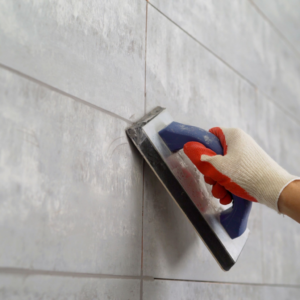
Grout Discoloration Treatment for Shower Tiles
Shower grout experiences constant exposure to moisture and residue.
Soap Scum Creates Stains
Residue accumulates inside grout pores.
Mold Darkens Grout Lines
Black stains commonly develop in corners.
Hard Water Leaves Deposits
Mineral buildup changes grout appearance.
Moisture Weakens Grout
Water penetration increases deterioration.
Regular Maintenance Is Essential
Consistent cleaning helps preserve appearance.
Professional grout discoloration treatment helps restore shower tile systems effectively.
Why Kitchen Grout Becomes Discolored
Kitchen environments expose grout to food, grease, and spills.
Grease Absorbs Into Grout
Cooking oils create deep stains.
Food Residue Accumulates
Small spills penetrate porous grout.
Moisture Supports Bacteria
Wet surfaces increase contamination.
Heavy Foot Traffic Affects Floors
Dirt spreads throughout kitchen surfaces.
Cleaning Chemicals May Cause Uneven Color
Harsh products sometimes damage grout.
Kitchen tile systems benefit greatly from grout discoloration treatment.
Signs That Grout Needs Treatment
Several warning signs indicate grout restoration may be necessary.
Darkened Grout Lines
Color changes indicate contamination.
Uneven Coloring
Patchy grout suggests moisture absorption.
Black Mold Stains
Fungal growth affects hygiene and appearance.
Persistent Dirt
Grout remains dirty after cleaning.
Musty Odors
Moisture and bacteria create unpleasant smells.
Early grout discoloration treatment helps prevent worsening damage.
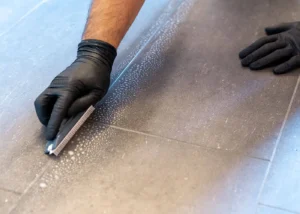
Why Mold Develops in Grout
Mold thrives in damp and porous environments.
Moisture Gets Trapped
Wet grout remains damp for long periods.
Soap Residue Feeds Mold
Organic buildup supports fungal growth.
Poor Ventilation Increases Humidity
Bathrooms dry slowly without airflow.
Dirty Grout Holds Bacteria
Contaminants collect inside grout pores.
Cracked Grout Traps Water
Damaged grout worsens moisture issues.
Mold removal is often part of grout discoloration treatment.
Importance of Professional Grout Discoloration Treatment
Professional care helps restore grout more effectively.
Deep Cleaning Removes Embedded Dirt
Professional methods target hidden contamination.
Mold and Bacteria Are Reduced
Restoration improves indoor hygiene.
Proper Products Protect Tile Surfaces
Safe cleaning preserves surrounding materials.
Color Consistency Improves
Professional restoration creates uniform appearance.
Long-Term Maintenance Becomes Easier
Clean grout resists future buildup more effectively.
Professional grout discoloration treatment delivers stronger and longer-lasting results.
Grout Discoloration Treatment and Tile Longevity
Healthy grout supports tile durability.
Strong Grout Stabilizes Tiles
Secure grout keeps tile systems intact.
Moisture Protection Improves
Clean grout reduces water penetration.
Mold Damage Is Reduced
Dry surfaces remain healthier.
Structural Integrity Is Preserved
Proper maintenance protects underlying materials.
Tile Systems Last Longer
Preventive care reduces repair needs.
Tile preservation depends heavily on effective grout discoloration treatment.
Why Grout Is More Difficult to Clean Than Tile
Grout absorbs contaminants much more easily than smooth tile surfaces.
Porous Texture Traps Dirt
Particles sink deep into grout lines.
Moisture Penetrates Easily
Wet grout absorbs water rapidly.
Mold Embeds Inside Pores
Fungal growth becomes difficult to remove.
Grease and Oils Stick to Grout
Kitchen stains become deeply embedded.
Standard Cleaning Often Fails
Surface cleaning may not reach deep contamination.
Professional grout discoloration treatment addresses these challenges thoroughly.
Grout Discoloration Treatment for Ceramic Tiles
Ceramic tile systems commonly experience grout staining.
Bathroom Ceramic Tiles Absorb Moisture
Showers and sinks create damp conditions.
Floor Tiles Collect Dirt
Traffic spreads contaminants into grout.
Kitchens Develop Grease Buildup
Cooking residue stains grout lines.
Entryways Trap Outdoor Debris
Mud and dirt affect grout color.
Maintenance Prevents Severe Discoloration
Routine care preserves cleaner surfaces.
Ceramic tile systems respond well to professional grout discoloration treatment.
Why Grout Sealing Matters
Sealing helps protect grout from future staining.
Sealed Grout Resists Moisture
Water penetration decreases significantly.
Dirt Buildup Slows Down
Protected grout absorbs less contamination.
Mold Growth Is Reduced
Dry grout discourages fungal development.
Cleaning Becomes Easier
Sealed surfaces require less scrubbing.
Appearance Lasts Longer
Color remains cleaner and more consistent.
Grout sealing is often recommended after grout discoloration treatment.
Grout Discoloration Treatment for Floors
Floor grout experiences heavy wear and contamination.
Foot Traffic Spreads Dirt
Shoes push debris into grout lines.
Moisture From Cleaning Affects Grout
Wet mopping may contribute to staining.
Pet Activity Increases Contamination
Animal traffic affects floor cleanliness.
Entryways Trap Outdoor Residue
Mud and debris discolor grout quickly.
Regular Maintenance Preserves Appearance
Routine care slows deterioration.
Floor restoration is a common reason homeowners seek grout discoloration treatment.
Why Shower Corners Develop Dark Grout
Corners are vulnerable to moisture buildup and mold growth.
Water Collects in Tight Spaces
Corners dry slowly after use.
Soap Residue Builds Up Easily
Shampoo and soap collect near joints.
Airflow Is Often Limited
Poor ventilation traps humidity.
Mold Spreads Rapidly
Dark stains appear around damp surfaces.
Neglected Maintenance Worsens Staining
Small stains become permanent over time.
Proper grout discoloration treatment restores shower corners effectively.
How Hard Water Causes Grout Discoloration
Mineral deposits leave visible residue on grout surfaces.
Calcium and Magnesium Build Up
Minerals accumulate after water evaporates.
White Residue Forms
Hard water leaves cloudy stains.
Moisture Retains Deposits
Wet grout absorbs minerals repeatedly.
Cleaning Becomes More Difficult
Mineral buildup hardens over time.
Appearance Becomes Dull
Grout loses its original color.
Hard water issues are often addressed during grout discoloration treatment.
Grout Discoloration Treatment and Indoor Hygiene
Clean grout contributes to healthier indoor spaces.
Mold Growth Is Reduced
Dry and clean grout discourages fungal contamination.
Bacteria Accumulation Decreases
Sanitized grout improves cleanliness.
Odors Are Eliminated
Moisture-related smells disappear after cleaning.
Allergens Are Reduced
Contaminants trapped in grout are removed.
Air Quality Improves
Cleaner environments support healthier living.
Indoor hygiene improves significantly with professional grout discoloration treatment.
Why Preventive Maintenance Matters
Routine maintenance reduces severe grout problems.
Small Stains Are Easier to Remove
Early cleaning prevents buildup.
Moisture Damage Is Minimized
Dry grout remains healthier.
Mold Growth Slows Down
Routine care discourages contamination.
Grout Lifespan Increases
Maintained grout remains durable longer.
Repair Costs Decrease
Preventive care avoids expensive restoration.
Regular maintenance supports long-term grout discoloration treatment success.
Grout Discoloration Treatment for Commercial Properties
Commercial environments often require frequent grout restoration.
Heavy Traffic Increases Wear
Public spaces collect more dirt and debris.
Bathrooms Require Frequent Cleaning
Moisture buildup occurs rapidly.
Kitchens Develop Grease Stains
Commercial cooking creates contamination.
Appearance Impacts Business Presentation
Clean tile improves customer impressions.
Preventive Maintenance Saves Money
Routine care reduces major repairs.
Commercial properties benefit greatly from consistent grout discoloration treatment.
Why Grout Cracks and Discolors Together
Damaged grout often absorbs more contamination.
Cracks Trap Moisture
Water penetrates damaged areas easily.
Dirt Collects Inside Openings
Contaminants settle into broken grout.
Mold Develops Faster
Moisture remains trapped inside cracks.
Structural Stability Weakens
Loose grout affects tile support.
Appearance Declines Quickly
Damaged grout looks uneven and dirty.
Repairing cracked grout is often part of grout discoloration treatment.
Grout Discoloration Treatment for Backsplashes
Kitchen and bathroom backsplashes experience frequent staining.
Grease Splashes Affect Kitchens
Cooking residue discolors grout.
Water Splashes Cause Moisture Buildup
Sinks contribute to damp grout.
Soap and Toothpaste Leave Residue
Bathroom backsplashes collect buildup quickly.
Daily Cleaning Helps Prevent Stains
Routine maintenance preserves appearance.
Sealing Protects Against Future Damage
Protected grout resists contamination better.
Backsplash restoration is an important part of grout discoloration treatment.
Why Harsh Chemicals Damage Grout
Improper cleaning products may weaken grout surfaces.
Acidic Cleaners Erode Grout
Harsh chemicals break down protective layers.
Bleach May Cause Uneven Color
Strong chemicals discolor grout permanently.
Abrasive Scrubbing Wears Surfaces
Aggressive cleaning damages grout texture.
Chemical Residue Weakens Sealers
Protection decreases over time.
Frequent Damage Shortens Grout Lifespan
Poor maintenance leads to deterioration.
Safe cleaning methods are essential during grout discoloration treatment.
Grout Discoloration Treatment and Moisture Control
Moisture management is critical for grout preservation.
Dry Surfaces Resist Mold
Reduced moisture lowers fungal growth.
Ventilation Improves Drying
Airflow supports cleaner grout.
Waterproofing Protects Tile Systems
Moisture barriers reduce hidden leaks.
Sealed Grout Repels Water
Protection limits staining and damage.
Consistent Cleaning Preserves Appearance
Dry and clean grout remains brighter.
Moisture control is a major focus of grout discoloration treatment.
Why Professional Tile Restoration Matters
Professional restoration improves both appearance and durability.
Deep Cleaning Removes Hidden Dirt
Professionals reach embedded contamination.
Proper Equipment Improves Results
Specialized tools restore grout effectively.
Tile Surfaces Stay Protected
Safe methods preserve materials.
Color Consistency Returns
Restored grout looks more uniform.
Long-Term Maintenance Improves
Professionally restored grout is easier to maintain.
Professional services strengthen grout discoloration treatment results.
Grout Discoloration Treatment for Entryways
Entryway tile systems collect outdoor contaminants rapidly.
Dirt and Mud Enter Frequently
Shoes spread debris indoors.
Moisture From Rain Affects Grout
Wet shoes contribute to staining.
Salt Residue Damages Surfaces
Winter conditions worsen discoloration.
High Traffic Increases Wear
Constant movement affects grout appearance.
Regular Cleaning Reduces Buildup
Routine maintenance preserves cleaner grout.
Entryway maintenance often requires grout discoloration treatment.
Why Moldy Grout Should Not Be Ignored
Mold contamination may spread quickly if untreated.
Fungal Growth Affects Air Quality
Mold spores circulate indoors.
Moisture Damage Worsens
Wet grout weakens surrounding materials.
Stains Become Harder to Remove
Deep contamination spreads over time.
Odors Increase
Mold creates unpleasant smells.
Structural Problems May Develop
Hidden moisture damages walls and floors.
Early grout discoloration treatment helps prevent serious mold issues.
Grout Discoloration Treatment and Property Value
Well-maintained tile systems improve property appearance and condition.
Clean Tile Enhances Visual Appeal
Bright grout improves room presentation.
Bathrooms Look Better Maintained
Fresh grout supports cleaner spaces.
Kitchens Feel More Hygienic
Restored grout improves appearance and sanitation.
Moisture Damage Risks Decrease
Healthy grout protects surfaces.
Buyers Appreciate Maintained Homes
Well-preserved properties retain stronger value.
Grout discoloration treatment supports long-term property maintenance.
Why Homeowners Trust KK Cleaning and Restoration
KK Cleaning and Restoration understands the importance of proper grout care, tile maintenance, mold prevention, waterproofing, grout restoration, and moisture control. Professional restoration services help preserve tiled surfaces while improving hygiene, durability, and appearance in residential and commercial properties.
Experienced grout discoloration treatment solutions help restore grout color, reduce mold growth, remove deep stains, and improve the overall condition of tiled areas.
Final Thoughts on Grout Discoloration Treatment
Grout discoloration is a common but manageable problem that affects the appearance, hygiene, and durability of tiled surfaces. Moisture exposure, mold growth, dirt buildup, soap residue, grease, hard water stains, and daily wear all contribute to grout discoloration over time. Without proper maintenance, stained grout may lead to moisture damage, unpleasant odors, mold contamination, and structural deterioration.
Professional grout discoloration treatment helps restore grout lines by removing embedded dirt, stains, mold, bacteria, and moisture-related contamination. Proper treatment improves indoor hygiene, tile appearance, waterproofing performance, and long-term surface durability. Combined with regular maintenance, ventilation, grout sealing, and moisture control, grout restoration helps preserve beautiful and healthy tiled environments.
Maintaining clean grout not only improves the appearance of bathrooms, kitchens, showers, floors, backsplashes, and entryways but also protects the long-term value and condition of residential and commercial properties.
Contact us now:
 Call us now at +16479163093
 Email: info@kkcleaningandrestoration.ca
 Visit: https://kkcleaningandrestoration.ca/
Frequently Asked Questions About Grout Discoloration Treatment
1. What is grout discoloration treatment?
Grout discoloration treatment is the process of cleaning, restoring, and improving the appearance of stained or darkened grout lines between tiles. The treatment removes dirt, mold, grease, soap scum, and deep stains that regular cleaning cannot fully eliminate. Professional restoration methods help bring grout closer to its original color. Proper treatment also improves hygiene and surface appearance. Clean grout makes tiled spaces look fresher and more attractive.
2. Why does grout become discolored?
Grout becomes discolored because it is porous and absorbs dirt, moisture, oils, soap residue, spills, and bacteria over time. Bathrooms and kitchens are especially vulnerable due to constant moisture exposure. Foot traffic also pushes contaminants into floor grout lines. Mold and mildew growth may create dark stains in damp areas. Without proper maintenance, discoloration gradually worsens.
3. Why is grout discoloration treatment important?
Grout discoloration treatment is important because stained grout affects both appearance and cleanliness. Dirty grout can trap bacteria, mold, allergens, and moisture that reduce indoor hygiene. Restoring grout improves the look of tiled surfaces while helping prevent long-term damage. Proper treatment also supports tile durability and moisture control. Cleaner grout contributes to healthier indoor environments.
4. Can grout discoloration treatment improve tile appearance?
Yes, grout discoloration treatment significantly improves tile appearance by restoring cleaner and brighter grout lines. Even clean tiles may look dirty if grout is heavily stained. Professional cleaning removes deep discoloration and improves overall surface consistency. Restored grout gives bathrooms, kitchens, and floors a refreshed appearance. Clean grout enhances the beauty of tiled spaces.
5. What causes black stains in grout?
Black stains in grout are commonly caused by mold and mildew growth. Damp environments such as showers and bathrooms create ideal conditions for fungal contamination. Soap residue and trapped moisture worsen the problem over time. Poor ventilation also increases humidity and mold development. Regular cleaning and drying help reduce black staining.
6. Can grout discoloration treatment remove mold?
Yes, professional grout discoloration treatment helps remove mold, mildew, and bacteria from grout lines. Specialized cleaning methods target deep contamination that ordinary household cleaning may not remove effectively. Mold removal improves indoor hygiene and reduces unpleasant odors. Proper maintenance also helps prevent future mold growth. Cleaner grout supports healthier living spaces.
7. Why is grout more difficult to clean than tile?
Grout is more difficult to clean because it has a porous texture that absorbs contaminants easily. Tile surfaces are smoother and resist stains more effectively. Dirt, grease, soap scum, and moisture penetrate grout pores and become deeply embedded. Surface cleaning often cannot reach hidden contamination. Professional restoration provides deeper and more effective cleaning.
8. How often should grout be professionally cleaned?
The frequency depends on moisture levels, foot traffic, and overall use of tiled areas. Bathrooms, showers, kitchens, and commercial spaces often require more frequent grout maintenance. Routine cleaning helps prevent severe discoloration and mold growth. Regular maintenance also improves grout lifespan and appearance. Preventive care reduces long-term restoration costs.
9. Can grout discoloration treatment help extend tile lifespan?
Yes, grout discoloration treatment helps extend tile lifespan by maintaining grout strength and reducing moisture-related damage. Healthy grout keeps tiles properly supported and protected from water penetration. Dirty or damaged grout may weaken tile systems over time. Professional cleaning and restoration improve durability and surface stability. Well-maintained tile installations last longer.
10. Why do bathrooms experience severe grout discoloration?
Bathrooms experience severe grout discoloration because they are exposed to constant moisture, humidity, soap residue, and daily water use. Wet grout absorbs contaminants more quickly in these conditions. Mold and mildew growth are also more common in bathrooms. Poor ventilation can worsen discoloration further. Regular maintenance helps preserve cleaner grout lines.
11. Can kitchen grout become stained easily?
Yes, kitchen grout stains easily because it absorbs grease, oils, food spills, moisture, and dirt from daily cooking activities. Floor grout also collects heavy foot traffic contamination. Cooking residue often becomes embedded in grout pores over time. Without regular cleaning, stains become darker and harder to remove. Professional treatment restores cleaner grout surfaces.
12. Why does hard water affect grout color?
Hard water contains minerals such as calcium and magnesium that leave residue behind after water evaporates. These mineral deposits create cloudy, white, or yellow discoloration on grout surfaces. Bathrooms and showers are especially vulnerable to hard water buildup. Over time, the deposits become more difficult to remove. Proper cleaning helps reduce mineral staining.
13. Can grout sealing prevent future discoloration?
Yes, grout sealing helps protect grout from absorbing moisture, dirt, grease, and stains. Sealed grout lines resist contamination more effectively than unsealed grout. Waterproof protection also reduces mold and mildew growth. Cleaning becomes easier because contaminants remain closer to the surface. Regular sealing helps preserve grout appearance longer.
14. Why does mold grow in grout?
Mold grows in grout because grout retains moisture and often stays damp for long periods. Bathrooms, showers, and kitchens provide warm and humid conditions that encourage fungal growth. Soap residue and dirt also feed mold spores. Poor airflow increases moisture retention further. Keeping surfaces clean and dry helps reduce mold contamination.
15. Can grout discoloration treatment improve indoor hygiene?
Yes, grout discoloration treatment improves indoor hygiene by removing mold, bacteria, allergens, and trapped contaminants from grout lines. Clean grout helps reduce unpleasant odors caused by moisture buildup. Sanitized surfaces contribute to healthier indoor air quality. Proper treatment also prevents bacteria from spreading in damp areas. Hygienic tile systems support cleaner living environments.
16. Why do shower grout lines darken over time?
Shower grout darkens because of moisture exposure, soap scum buildup, mold growth, hard water deposits, and trapped dirt. Daily shower use keeps grout wet for extended periods. Fungal contamination often develops in corners and joints. Poor ventilation slows drying and worsens discoloration. Regular maintenance helps preserve cleaner grout.
17. Can professional grout restoration improve grout color consistency?
Yes, professional grout restoration improves grout color consistency by removing uneven stains and deep contamination. Discolored grout often appears patchy or uneven because of moisture absorption and dirt buildup. Professional cleaning methods help restore a more uniform appearance. Color consistency improves the overall appearance of tiled surfaces. Restored grout looks fresher and cleaner.
18. Why should damaged grout be repaired quickly?
Damaged grout should be repaired quickly because cracks and deterioration allow water to penetrate beneath tiles. Moisture may weaken adhesives, subfloors, and surrounding materials over time. Damaged grout also traps dirt and mold more easily. Ignoring grout problems can lead to expensive structural repairs. Prompt maintenance protects tile systems from further damage.
19. Can grout discoloration treatment reduce odors?
Yes, grout discoloration treatment helps reduce odors caused by mold, mildew, bacteria, and trapped moisture. Damp grout often produces musty smells in bathrooms and kitchens. Removing contamination improves freshness and indoor comfort. Proper cleaning also prevents future odor buildup. Cleaner grout supports healthier and more pleasant environments.
20. Why do floor grout lines become dirty faster?
Floor grout becomes dirty faster because it is constantly exposed to foot traffic, dust, dirt, mud, spills, and cleaning residue. Shoes push contaminants deep into grout pores during daily use. Entryways and kitchens are especially vulnerable to staining. Moisture from mopping can also contribute to discoloration. Routine maintenance helps slow buildup.
21. Can harsh chemicals damage grout?
Yes, harsh chemicals may damage grout by weakening its surface, causing discoloration, or reducing sealant protection. Acidic cleaners can erode grout and make it more porous. Bleach may create uneven color changes over time. Aggressive scrubbing also wears down grout texture. Safe cleaning methods help preserve grout condition.
22. Why is ventilation important for grout maintenance?
Ventilation helps grout dry more quickly after moisture exposure. Proper airflow reduces humidity and limits mold and mildew growth. Bathrooms and laundry rooms especially benefit from improved ventilation. Dry grout resists staining and contamination more effectively. Good airflow helps maintain cleaner and healthier tiled surfaces.
23. Can grout discoloration treatment help preserve waterproofing?
Yes, grout discoloration treatment supports waterproofing by removing contaminants and improving grout condition. Healthy grout helps reduce moisture penetration behind tiles. Damaged or moldy grout may weaken waterproof barriers. Professional maintenance protects tiled surfaces from long-term water damage. Combined sealing and restoration improve moisture resistance.
24. Why do shower corners collect mold more easily?
Shower corners collect mold because moisture and soap residue accumulate in tight spaces that dry slowly. Airflow is often limited around corners and edges. Mold spores thrive in these damp conditions. Regular cleaning is essential to reduce buildup and contamination. Proper waterproofing also helps protect vulnerable areas.
25. Can grout discoloration treatment improve property value?
Yes, clean and restored grout improves property appearance and demonstrates good maintenance. Bathrooms and kitchens look fresher and more hygienic with bright grout lines. Buyers often notice stained grout as a sign of neglect or moisture problems. Proper tile maintenance supports long-term property preservation. Attractive surfaces help improve overall home appeal.
26. Why is professional grout cleaning more effective than regular cleaning?
Professional grout cleaning is more effective because it targets deep stains, mold, bacteria, and embedded dirt that ordinary cleaning often cannot remove. Specialized equipment and products provide deeper restoration results. Professionals also use safer techniques that protect tile surfaces. Proper cleaning improves grout color consistency and hygiene. Long-term maintenance becomes easier afterward.
27. Can grout discoloration treatment remove grease stains?
Yes, professional grout discoloration treatment can remove many grease stains caused by cooking oils and food residue. Kitchen grout often absorbs grease deeply into porous surfaces. Specialized cleaning methods help break down oily contamination effectively. Clean grout improves kitchen hygiene and appearance. Regular maintenance helps prevent future grease buildup.
28. Why does grout become yellow over time?
Grout may become yellow because of aging, moisture exposure, soap residue, hard water minerals, and chemical buildup. Bathrooms and kitchens commonly develop yellow stains in high-moisture areas. Certain cleaning products may also contribute to discoloration. Without maintenance, yellowing becomes more noticeable over time. Proper cleaning helps restore a cleaner appearance.
29. Can grout discoloration treatment help commercial properties?
Yes, commercial properties benefit greatly from grout discoloration treatment because high traffic and constant use quickly affect grout appearance. Bathrooms, kitchens, and tiled floors often collect heavy dirt and moisture buildup. Clean grout improves business presentation and hygiene standards. Professional maintenance also reduces long-term repair costs. Well-maintained tile surfaces create better customer impressions.
30. Why should moldy grout not be ignored?
Moldy grout should not be ignored because mold spreads quickly in damp environments and may affect indoor air quality. Moisture-related contamination can damage grout, tiles, walls, and flooring systems over time. Mold also creates unpleasant odors and unhealthy conditions. Early treatment prevents larger restoration problems. Prompt cleaning protects indoor hygiene and durability.
31. Can grout discoloration treatment restore old grout?
Yes, professional grout discoloration treatment can significantly improve the appearance of old grout by removing stains, dirt, mold, and discoloration. While severely damaged grout may require replacement, many older grout lines respond well to restoration. Proper cleaning helps restore brightness and consistency. Maintenance also improves tile appearance overall. Restored grout extends surface lifespan.
32. Why do entryways experience grout discoloration quickly?
Entryways collect dirt, mud, moisture, salt, and debris from outdoor shoes. Heavy traffic pushes contaminants into grout lines daily. Wet conditions worsen staining and moisture absorption. Seasonal weather can also affect grout condition significantly. Frequent cleaning helps reduce severe discoloration.
33. Can grout sealing improve cleaning results?
Yes, grout sealing improves cleaning results because sealed grout absorbs less dirt and moisture. Protected grout lines resist staining more effectively and remain easier to maintain. Cleaning products also work more efficiently on sealed surfaces. Waterproof protection supports long-term cleanliness. Sealing helps preserve grout appearance after restoration.
34. Why do kitchens require regular grout maintenance?
Kitchens require regular grout maintenance because cooking creates grease, spills, moisture, and food residue that easily stain grout lines. Floor traffic also spreads dirt throughout tiled areas. Without maintenance, buildup becomes difficult to remove completely. Clean grout supports better kitchen hygiene and appearance. Preventive care preserves tile durability.
35. Can grout discoloration treatment improve shower hygiene?
Yes, grout discoloration treatment improves shower hygiene by removing mold, soap scum, bacteria, and moisture-related contamination. Clean grout helps create healthier and fresher shower environments. Proper maintenance also reduces odors and staining. Waterproof protection supports long-term cleanliness. Hygienic showers are easier to maintain regularly.
36. Why does grout crack over time?
Grout may crack because of moisture damage, structural movement, aging, poor installation, or heavy impact. Cracked grout absorbs water more easily and traps dirt inside openings. Moisture penetration may weaken surrounding materials and tile stability. Damaged grout also worsens discoloration problems. Timely repair helps protect tiled surfaces.
37. Can professional grout treatment help reduce maintenance needs?
Yes, professional grout treatment reduces maintenance needs by restoring cleaner grout and applying protective sealing when necessary. Clean and sealed grout resists future staining more effectively. Regular upkeep becomes easier because contaminants remain closer to the surface. Preventive maintenance also reduces mold growth and moisture absorption. Long-term care improves grout durability.
38. Why is moisture control important for grout preservation?
Moisture control is important because excessive dampness weakens grout and encourages mold, mildew, and bacterial growth. Dry grout remains stronger and cleaner over time. Proper ventilation and waterproofing reduce staining risks significantly. Moisture management also protects tile adhesives and surrounding materials. Healthy grout depends on effective moisture control.
39. Can grout discoloration treatment help restore bathroom appearance?
Yes, grout discoloration treatment dramatically improves bathroom appearance by restoring cleaner grout lines and removing dark stains. Bathrooms often look older and dirtier when grout becomes discolored. Professional restoration refreshes tile surfaces and improves brightness. Clean grout enhances the overall cleanliness of bathrooms. Restored tile systems create a fresher atmosphere.
40. Why do homeowners trust KK Cleaning and Restoration for grout discoloration treatment?
Homeowners trust KK Cleaning and Restoration for professional grout restoration, tile maintenance, mold prevention, waterproofing, and deep cleaning services. Experienced grout discoloration treatment helps restore grout appearance while improving hygiene and durability. Professional maintenance supports cleaner bathrooms, kitchens, floors, and tiled spaces. Proper restoration also reduces moisture damage and mold risks. Quality workmanship helps preserve beautiful and long-lasting tile installations.
Contact us now:
Call us now at +16479163093
Email: info@kkcleaningandrestoration.ca
Visit: https://kkcleaningandrestoration.ca/