Mold Removal From Bathroom Tiles: The Complete Guide by KK Cleaning and Restoration
Introduction: Mold Removal From Bathroom Tiles
Mold Removal From Bathroom Tiles: Bathrooms are among the most frequently used spaces in any home or commercial property. While these areas are designed to handle moisture, constant exposure to water, humidity, steam, and fluctuating temperatures creates the perfect environment for mold growth. One of the most common issues property owners face is mold developing on bathroom tiles, grout lines, caulking, and surrounding surfaces. This makes mold removal from bathroom tiles an essential aspect of bathroom maintenance and restoration.
Mold is more than just an aesthetic problem. It can cause unpleasant odors, discoloration, deterioration of building materials, and ongoing maintenance challenges. If left untreated, mold growth can spread beyond visible surfaces and affect larger portions of the bathroom. Understanding the causes, risks, prevention methods, and professional solutions associated with mold removal from bathroom tiles can help homeowners and businesses maintain cleaner, healthier, and more attractive spaces.
KK Cleaning and Restoration specializes in tile cleaning, grout restoration, mold treatment, shower restoration, waterproofing, sealing, and caulking services. Their expertise helps property owners effectively address mold-related concerns while preserving the beauty and longevity of tiled surfaces.
Understanding Mold Growth on Bathroom Tiles
Before discussing the importance of mold removal from bathroom tiles, it is important to understand why mold develops in bathroom environments.
Mold is a type of fungus that thrives in damp conditions. Bathrooms provide the moisture, warmth, and organic residue necessary for mold colonies to grow and spread. While tile surfaces themselves are generally resistant to mold penetration, grout lines, caulking, soap residue, and accumulated dirt create ideal conditions for contamination.
Why Bathrooms Are Vulnerable to Mold
Several factors contribute to mold growth in bathrooms.
High Humidity Levels
Showers and baths generate significant moisture.
Frequent Water Exposure
Tile surfaces are exposed to water on a daily basis.
Limited Ventilation
Poor airflow allows humidity to linger.
Organic Residue
Soap scum and body oils provide food sources for mold.
Moisture Retention
Grout and caulking can absorb water over time.
These conditions make mold removal from bathroom tiles an important maintenance requirement.
Common Areas Where Mold Develops
Mold can appear in multiple locations throughout a bathroom.
Grout Lines
Porous grout is particularly susceptible to mold growth.
Tile Corners
Moisture often accumulates in corners and edges.
Shower Floors
Constant exposure to water encourages contamination.
Shower Walls
Steam and splashing create favorable conditions.
Caulking Joints
Old or damaged caulking frequently harbors mold.
Around Fixtures
Sinks, tubs, and shower fixtures may develop mold-related issues.
Professional mold removal from bathroom tiles addresses contamination in all of these vulnerable areas.
Why Mold Removal From Bathroom Tiles Is Important
Ignoring mold growth can lead to a variety of problems.
Improves Appearance
Mold stains can make bathrooms appear dirty and neglected.
Eliminates Unpleasant Odors
Mold often produces musty smells.
Protects Grout and Caulking
Removing mold helps preserve surrounding materials.
Supports Better Hygiene
Cleaner surfaces contribute to healthier environments.
Prevents Further Spread
Addressing mold early reduces the likelihood of widespread contamination.
These benefits highlight the value of prompt mold removal from bathroom tiles.
Signs That Mold Removal From Bathroom Tiles Is Needed
Property owners should watch for early warning signs of contamination.
Dark Spots on Grout
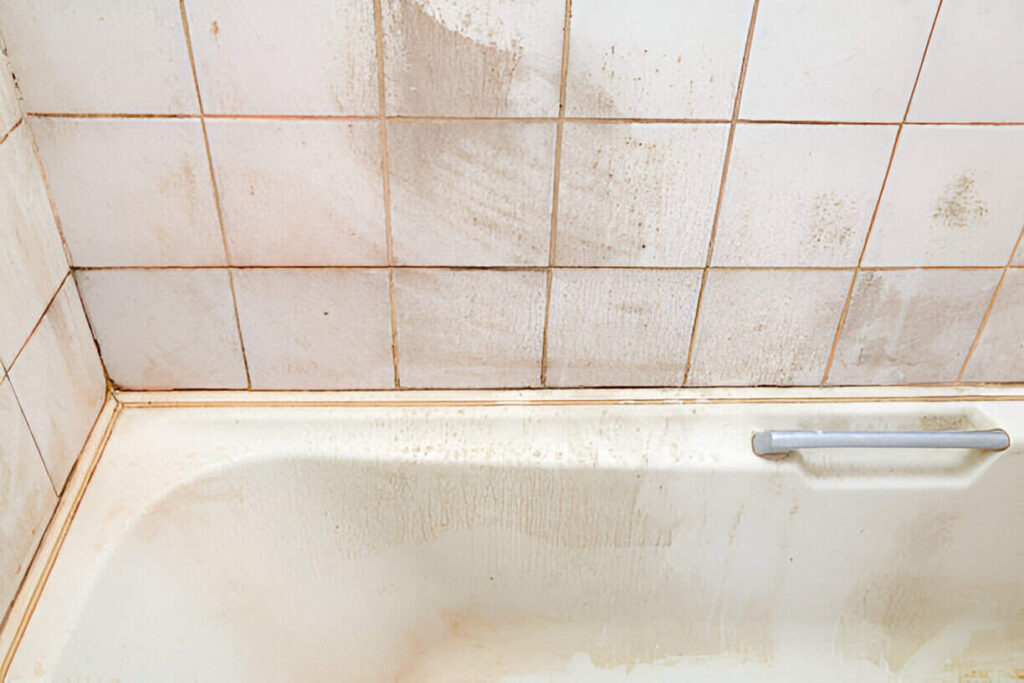
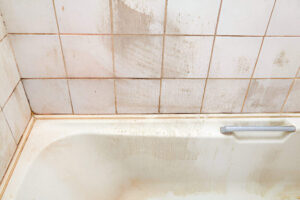
Black, green, or brown discoloration often indicates mold growth.
Persistent Odors
Musty smells are a common indicator.
Discolored Caulking
Stained or darkened caulk may harbor mold.
Recurring Stains
Stains that return after cleaning often suggest deeper contamination.
Visible Growth
Fuzzy or spotted growth on surfaces requires attention.
Recognizing these signs early makes mold removal from bathroom tiles more effective.
Common Causes of Bathroom Tile Mold
Understanding the causes of mold growth helps prevent future problems.
Excess Moisture
Water is the primary factor contributing to mold development.
Inadequate Ventilation
Bathrooms lacking proper airflow retain humidity.
Leaking Fixtures
Plumbing issues may create hidden moisture.
Damaged Caulking
Compromised seals allow water infiltration.
Unsealed Grout
Porous grout absorbs moisture and contaminants.
Addressing these issues supports long-term success after mold removal from bathroom tiles.
How Mold Affects Bathroom Grout
Grout is often the most vulnerable component of a tile installation.
Moisture Absorption
Porous grout retains water.
Discoloration
Mold growth causes visible staining.
Structural Weakening
Persistent moisture may damage grout over time.
Increased Maintenance Requirements
Contaminated grout becomes more difficult to clean.
Reduced Appearance
Dirty grout detracts from the overall look of the bathroom.
Professional mold removal from bathroom tiles often includes grout restoration to address these concerns.
Mold Removal From Bathroom Tiles and Caulking
Caulking plays a critical role in moisture protection.
Why Mold Forms on Caulking
Caulking is exposed to constant moisture and residue.
Surface Deterioration
Old caulking may crack or separate.
Moisture Intrusion
Damaged caulk allows water penetration.
Appearance Issues
Mold-stained caulking affects bathroom aesthetics.
Replacement Needs
Severely contaminated caulking may require replacement.
Effective mold removal from bathroom tiles often involves evaluating surrounding caulking as well.
Health Benefits of Mold Removal From Bathroom Tiles
Maintaining mold-free bathrooms supports healthier living conditions.
Cleaner Indoor Environment
Removing contamination improves cleanliness.
Reduced Airborne Particles
Mold growth can contribute to indoor pollutants.
Better Comfort
Fresh-smelling bathrooms are more pleasant to use.
Improved Maintenance
Clean surfaces are easier to maintain.
Enhanced Peace of Mind
Property owners feel more confident in well-maintained spaces.
These benefits further reinforce the importance of mold removal from bathroom tiles.
Challenges of DIY Mold Removal From Bathroom Tiles
Many homeowners attempt to remove mold themselves.
Surface Cleaning Limitations
DIY methods often address only visible contamination.
Incomplete Removal
Hidden mold may remain untreated.
Recurring Growth
Mold frequently returns if underlying issues persist.
Product Selection Challenges
Using inappropriate products may damage grout or tile.
Time and Effort
Extensive cleaning can be labor-intensive.
Professional mold removal from bathroom tiles often provides more thorough and lasting results.
Benefits of Professional Mold Removal From Bathroom Tiles
Professional services offer several important advantages.
Specialized Equipment
Advanced tools improve cleaning effectiveness.
Deep Cleaning Techniques
Professionals target contamination below the surface.
Comprehensive Assessment
Underlying moisture issues can be identified.
Grout Restoration
Additional services improve appearance and durability.
Long-Term Solutions
Preventive recommendations help reduce recurrence.
These advantages make professional mold removal from bathroom tiles a worthwhile investment.
The Role of Ventilation in Mold Prevention
Proper airflow is essential for controlling bathroom moisture.
Reduces Humidity
Ventilation helps remove excess moisture.
Accelerates Drying
Surfaces dry more quickly after use.
Limits Mold Growth
Lower humidity discourages contamination.
Supports Cleaner Surfaces
Dry environments reduce buildup.
Improves Overall Bathroom Conditions
Fresh airflow benefits the entire space.
Good ventilation complements professional mold removal from bathroom tiles.
Grout Sealing After Mold Removal From Bathroom Tiles
Sealing grout is often recommended after cleaning and restoration.
Reduced Moisture Absorption
Sealed grout is less porous.
Easier Cleaning
Contaminants remain closer to the surface.
Improved Stain Resistance
Protection helps preserve appearance.
Enhanced Longevity
Grout remains in better condition.
Better Moisture Control
Sealing supports waterproofing efforts.
Combining sealing with mold removal from bathroom tiles provides long-term protection.
Waterproofing and Mold Prevention
Waterproofing plays an important role in bathroom maintenance.
Moisture Management
Waterproofing helps limit water intrusion.
Surface Protection
Tiled areas remain better protected.
Reduced Mold Risks
Controlling moisture discourages growth.
Enhanced Durability
Bathrooms experience less moisture-related wear.
Long-Term Savings
Preventive measures reduce future repair costs.
Waterproofing supports the effectiveness of mold removal from bathroom tiles.
Mold Removal From Bathroom Tiles in Residential Properties
Homeowners frequently encounter mold-related challenges.
Family Bathrooms
Heavy daily use increases moisture exposure.
Guest Bathrooms
Infrequent use may lead to unnoticed issues.
Basement Bathrooms
Higher humidity levels increase risks.
Ensuite Bathrooms
Steam accumulation is common.
Older Bathrooms
Aging grout and caulking may contribute to mold growth.
Residential mold removal from bathroom tiles helps maintain clean and attractive living spaces.
Mold Removal From Bathroom Tiles in Commercial Properties
Commercial bathrooms require consistent maintenance.
Hotels
Guest satisfaction depends on cleanliness.
Restaurants
Restroom hygiene affects customer impressions.
Office Buildings
Professional environments require proper maintenance.
Healthcare Facilities
Cleanliness standards are especially important.
Fitness Centers
Locker rooms and showers experience high moisture levels.
Professional mold removal from bathroom tiles supports these operational requirements.
Common Mistakes That Contribute to Mold Growth
Avoiding certain mistakes can reduce future problems.
Ignoring Small Leaks
Minor moisture issues can escalate.
Delaying Repairs
Damaged grout and caulking should be addressed promptly.
Poor Ventilation Habits
Insufficient airflow increases humidity.
Inconsistent Cleaning
Residue accumulation encourages mold growth.
Neglecting Sealing
Unprotected grout absorbs moisture more readily.
Awareness of these issues helps maintain results after mold removal from bathroom tiles.
Long-Term Maintenance Tips
Proper maintenance helps prevent future contamination.
Wipe Down Surfaces
Removing moisture after use reduces buildup.
Use Exhaust Fans
Ventilation controls humidity.
Inspect Grout Regularly
Early detection supports timely intervention.
Replace Damaged Caulking
Maintaining seals prevents water intrusion.
Schedule Professional Cleaning
Periodic maintenance preserves appearance and performance.
These practices enhance the effectiveness of mold removal from bathroom tiles.
Cost Savings Associated With Mold Removal From Bathroom Tiles
Preventive care often reduces long-term expenses.
Avoids Major Repairs
Addressing mold early limits damage.
Extends Surface Lifespan
Maintained grout and tile last longer.
Reduces Restoration Costs
Small issues are easier to address.
Protects Property Value
Clean bathrooms contribute to overall appeal.
Supports Efficient Maintenance
Routine care reduces future workloads.
Professional mold removal from bathroom tiles can provide significant long-term value.
Why Choose KK Cleaning and Restoration
KK Cleaning and Restoration offers professional tile cleaning, grout restoration, mold treatment, caulking replacement, waterproofing, grout sealing, and shower restoration services. Their experienced team understands the challenges associated with bathroom moisture and mold contamination.
By combining advanced cleaning techniques with customized restoration solutions, they help homeowners and businesses maintain clean, attractive, and durable tiled surfaces.
Final Thoughts on Mold Removal From Bathroom Tiles
Mold growth is one of the most common challenges affecting bathroom tile installations. Constant moisture, humidity, soap residue, and inadequate ventilation create ideal conditions for contamination. While mold may begin as a cosmetic issue, it can eventually affect grout, caulking, and overall bathroom appearance if left untreated.
Professional mold removal from bathroom tiles helps eliminate contamination, restore cleanliness, improve appearance, and support long-term tile protection. Combined with proper ventilation, grout sealing, waterproofing, and regular maintenance, mold removal contributes to healthier and more attractive bathroom environments.
Whether maintaining a residential bathroom or managing a commercial facility, investing in professional mold removal from bathroom tiles services helps preserve the beauty, functionality, and value of tiled surfaces for years to come.
Contact us now:
 Call us now at +16479163093
 Email: info@kkcleaningandrestoration.ca
 Visit: https://kkcleaningandrestoration.ca/
FAQs on Mold Removal From Bathroom Tiles
1. What is mold removal from bathroom tiles?
Mold removal from bathroom tiles is the process of eliminating mold, mildew, and related contaminants from tiled surfaces, grout lines, and surrounding areas. Bathrooms provide ideal conditions for mold growth because of constant moisture and humidity. Professional mold removal focuses on cleaning visible contamination while addressing factors that contribute to future growth. Proper treatment helps restore cleanliness, appearance, and hygiene.
2. Why is mold removal from bathroom tiles important?
Mold removal from bathroom tiles is important because mold can spread quickly in damp environments and affect the appearance of your bathroom. It can also create unpleasant odors and contribute to the deterioration of grout and caulking. Removing mold helps maintain a cleaner and healthier environment. Early treatment also reduces the likelihood of more extensive restoration work later.
3. How does mold develop on bathroom tiles?
Mold develops when moisture, warmth, and organic residue are present. Bathrooms provide these conditions through daily showers, baths, and water splashes. Soap scum, body oils, and dust can serve as food sources for mold spores. Once established, mold can spread across grout lines, caulking, and tile surfaces.
4. Is mold on bathroom tiles common?
Yes, mold on bathroom tiles is one of the most common bathroom maintenance issues. Areas exposed to frequent moisture and limited ventilation are particularly vulnerable. Even well-maintained bathrooms can develop mold if humidity levels remain high. Regular inspections and cleaning help reduce the risk.
5. Can mold grow on tile surfaces themselves?
Although mold does not usually penetrate glazed tile surfaces, it can grow on soap residue, dirt, and organic matter present on the tiles. Mold is more commonly found in grout lines and caulking because these materials are more porous. Surface contamination can spread if left untreated. Professional cleaning helps remove mold from both tiles and surrounding materials.
FAQs on Causes of Mold Growth
6. What causes mold to grow on bathroom tiles?
The primary causes are moisture, humidity, poor ventilation, and accumulated residue. Bathrooms generate steam and water exposure daily, creating ideal conditions for mold. Leaking fixtures and damaged caulking can also contribute to mold problems. Controlling moisture is essential for prevention.
7. Does poor ventilation contribute to mold growth?
Yes, poor ventilation is one of the leading causes of mold growth in bathrooms. Without adequate airflow, humidity remains trapped in the room. Moisture lingers on surfaces and creates favorable conditions for mold development. Proper ventilation helps reduce this risk significantly.
8. Can leaking pipes cause mold behind bathroom tiles?
Yes, hidden plumbing leaks can create moisture behind walls and tiled surfaces. This moisture may lead to mold growth that is not immediately visible. Over time, the problem can spread and affect larger areas. Professional inspections can help identify hidden moisture issues.
9. Why does mold often appear in grout lines?
Grout is porous and can absorb moisture more easily than tile surfaces. Dirt, soap residue, and organic debris can become trapped within grout lines. These conditions provide an ideal environment for mold growth. Regular grout maintenance helps reduce contamination.
10. Does damaged caulking increase mold risk?
Yes, damaged or deteriorated caulking allows moisture to penetrate areas that should remain sealed. Water intrusion can encourage mold growth around tubs, showers, and sinks. Replacing old caulking helps improve moisture protection. This is often an important step in mold prevention.
FAQs on Identifying Mold Problems
11. How can I tell if mold is growing on my bathroom tiles?
Visible discoloration is one of the most common signs of mold growth. Black, green, brown, or pink spots may appear on grout lines, caulking, or tile surfaces. Musty odors can also indicate mold contamination. Persistent staining that returns after cleaning may require professional evaluation.
12. What does mold on bathroom grout look like?
Mold on grout often appears as dark spots or streaks along grout lines. In some cases, it may look fuzzy or uneven in texture. The discoloration can spread gradually if left untreated. Professional cleaning helps restore the grout’s appearance.
13. Can mold cause odors in the bathroom?
Yes, mold frequently produces a musty or damp smell. These odors may become stronger in poorly ventilated bathrooms. Even if mold is not immediately visible, persistent odors can indicate hidden contamination. Addressing the source of moisture is important for eliminating odors.
14. Is all black discoloration on grout mold?
Not necessarily. Some discoloration may be caused by dirt, mineral deposits, or staining. However, black spots are often associated with mold growth in bathrooms. Professional assessment can help determine the exact cause. Proper treatment depends on accurate identification.
15. Can mold spread from grout to other bathroom surfaces?
Yes, mold spores can spread to nearby surfaces when conditions remain favorable. Walls, ceilings, caulking, and fixtures may become affected over time. Addressing mold early helps limit its spread. Comprehensive cleaning improves overall bathroom cleanliness.
FAQs on Professional Mold Removal From Bathroom Tiles
16. What are the benefits of professional mold removal from bathroom tiles?
Professional mold removal provides deeper cleaning and more effective results than many DIY methods. Specialists use appropriate equipment and techniques to address contamination thoroughly. They can also identify underlying moisture issues. Professional services often deliver longer-lasting results.
17. Can professionals remove mold from grout lines?
Yes, professional grout cleaning is designed to target mold, mildew, and embedded contaminants within grout lines. Specialized methods help restore grout appearance while improving hygiene. The process can also prepare grout for sealing. Results depend on the severity of contamination.
18. How long does professional mold removal take?
The duration depends on the size of the bathroom and the extent of mold growth. Smaller projects may be completed within a few hours, while larger restoration jobs may require additional time. Professionals typically assess the area before providing a timeline. Proper treatment should never be rushed.
19. Will professional mold removal damage my tiles?
Professional mold removal techniques are designed to protect tile surfaces while eliminating contamination. Experienced technicians use products and equipment appropriate for the specific materials involved. This minimizes the risk of damage. Proper methods help preserve both grout and tiles.
20. Is professional mold removal worth the investment?
Many property owners find professional mold removal worthwhile because it improves cleanliness, appearance, and long-term maintenance. It can also help prevent more costly repairs caused by ongoing moisture problems. Professional treatment often delivers superior results. Maintaining clean bathrooms protects property value.
FAQs on Mold Prevention
21. How can I prevent mold from returning after cleaning?
Preventing mold requires controlling moisture and humidity. Regular ventilation, prompt leak repairs, and consistent cleaning are important. Sealing grout can provide additional protection. Routine inspections help identify potential issues before they become serious.
22. Does using an exhaust fan help prevent mold?
Yes, exhaust fans remove humid air from the bathroom and help surfaces dry more quickly. Reducing humidity levels makes the environment less favorable for mold growth. Using the fan during and after showers is especially beneficial. Proper ventilation is one of the most effective prevention strategies.
23. Should bathroom grout be sealed to prevent mold?
Sealing grout helps reduce moisture absorption and contamination. While sealing does not completely eliminate mold risk, it provides an additional layer of protection. Sealed grout is easier to clean and maintain. Regular resealing may be recommended depending on usage.
24. How often should bathroom tiles be cleaned to prevent mold?
Routine cleaning should be performed regularly to remove soap residue, dirt, and moisture. High-use bathrooms may require more frequent attention. Consistent maintenance reduces the buildup that supports mold growth. Professional cleaning can complement regular household cleaning.
25. Can waterproofing help prevent mold growth?
Yes, waterproofing measures help reduce moisture intrusion into walls, floors, and grout. Proper waterproofing supports long-term mold prevention. It also protects the structural components of the bathroom. Combining waterproofing with regular maintenance provides the best protection.
FAQs on Health and Hygiene
26. Can mold on bathroom tiles affect indoor cleanliness?
Mold can negatively impact the cleanliness and appearance of a bathroom. Visible contamination often makes the space feel less hygienic. Removing mold improves the overall environment. Proper maintenance supports cleaner living conditions.
27. Why do bathrooms with mold often smell musty?
Mold releases compounds that create characteristic musty odors. These odors become more noticeable in damp and poorly ventilated areas. Cleaning mold and controlling moisture helps reduce unpleasant smells. Proper airflow is also important.
28. Is mold removal important even if the mold area is small?
Yes, small mold patches can grow larger if conditions remain favorable. Early treatment helps prevent contamination from spreading. Addressing mold promptly is generally easier and more cost-effective. Small problems can become major restoration issues if ignored.
29. Can recurring mold indicate a larger issue?
Yes, recurring mold often suggests an underlying moisture problem. Common causes include leaks, poor ventilation, damaged caulking, or inadequate waterproofing. Simply cleaning visible mold may not solve the root cause. Professional assessment can help identify contributing factors.
30. Can mold removal improve bathroom hygiene?
Yes, removing mold helps eliminate contaminants and improves overall bathroom cleanliness. Mold-free surfaces are easier to maintain and more visually appealing. Professional cleaning can restore grout, caulking, and tile surfaces. Improved hygiene contributes to a more comfortable environment.
FAQs on Grout, Caulking, and Tile Maintenance
31. Why is grout more vulnerable to mold than tile?
Grout is porous and can absorb moisture, dirt, and organic material. This creates ideal conditions for mold growth. Tile surfaces are generally less absorbent and easier to clean. Maintaining grout properly is essential for mold prevention.
32. Should caulking be replaced if mold is present?
In some cases, mold-stained caulking may need replacement if cleaning cannot restore it. Damaged or deteriorated caulk can also allow moisture intrusion. Replacing affected caulking improves both appearance and protection. Professional assessment determines the best solution.
33. Can mold damage grout permanently?
Long-term mold exposure can contribute to grout deterioration and staining. Severe contamination may weaken grout over time. Early intervention helps preserve grout integrity. Restoration is often easier when mold is addressed promptly.
34. Does professional grout cleaning help prevent mold?
Yes, professional grout cleaning removes contaminants that support mold growth. Cleaning also improves grout appearance and prepares it for sealing if necessary. Routine maintenance reduces future risks. Clean grout contributes to a healthier bathroom.
35. Can tile restoration improve mold resistance?
Tile restoration often includes grout repair, sealing, and moisture management measures. These improvements help reduce the likelihood of future mold growth. Restored surfaces are generally easier to maintain. Proper maintenance remains important after restoration.
FAQs on KK Cleaning and Restoration
36. What mold-related services does KK Cleaning and Restoration provide?
KK Cleaning and Restoration offers tile cleaning, grout restoration, mold treatment, caulking replacement, grout sealing, shower restoration, waterproofing, and bathroom maintenance services. Their solutions are designed to improve appearance and reduce moisture-related issues. Professional methods help achieve reliable results. Services are customized to meet specific project needs.
37. Why choose KK Cleaning and Restoration for mold removal from bathroom tiles?
KK Cleaning and Restoration has experience addressing mold contamination in bathrooms of various sizes and conditions. Their team uses proven cleaning techniques and restoration methods. They focus on both cleaning and long-term prevention. Attention to detail helps deliver high-quality results.
38. Can KK Cleaning and Restoration restore mold-stained grout?
Yes, professional grout restoration services can often improve the appearance of mold-stained grout. The process may include deep cleaning, stain treatment, sealing, and other restoration measures. Results depend on the condition of the grout. Professional evaluation helps determine the most effective approach.
39. Does KK Cleaning and Restoration offer grout sealing after mold removal?
Yes, grout sealing is often recommended after mold removal and cleaning. Sealing helps protect grout from moisture absorption and future contamination. It also simplifies ongoing maintenance. Proper sealing supports long-term grout performance.
40. How can I schedule mold removal from bathroom tiles services?
Scheduling begins with contacting a qualified restoration professional for an assessment. The inspection helps determine the extent of contamination and any underlying moisture concerns. Based on the findings, a customized treatment plan is recommended. Regular maintenance and professional care help keep bathroom tiles clean, attractive, and mold-free for years to come.
Contact us now:
Call us now at +16479163093
Email: info@kkcleaningandrestoration.ca
Visit: https://kkcleaningandrestoration.ca/