Silicone vs Caulking Differences: A Complete Guide by KK Cleaning and Restoration
Introduction: Silicone vs Caulking Differences
Silicone vs Caulking Differences: When it comes to sealing joints, preventing water damage, and protecting tiled surfaces, understanding silicone vs caulking differences is essential. Many homeowners mistakenly believe silicone and caulking are the same product, but they serve different purposes depending on the application. Choosing the wrong material can lead to premature cracking, mold growth, water penetration, and expensive repairs.
At KK Cleaning and Restoration, proper sealing is an important part of maintaining bathrooms, kitchens, showers, backsplashes, and tiled surfaces. Understanding silicone vs caulking differences helps homeowners and business owners make informed decisions that improve durability, appearance, and long-term protection.
What Are Silicone and Caulking?
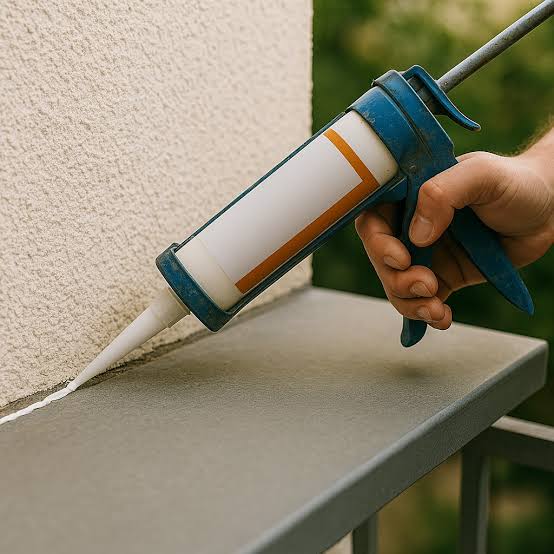
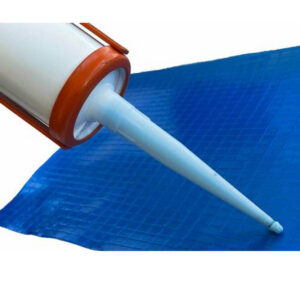
Before understanding silicone vs caulking differences, it is important to know what each product is designed to do. Silicone is a flexible waterproof sealant made primarily from silicone polymers. It remains elastic after curing and performs exceptionally well in areas exposed to constant moisture.
Caulking is a broader term that includes several types of sealants such as acrylic, latex, polyurethane, and silicone-based products. Traditional caulking is commonly used to seal gaps around windows, doors, trim, and interior joints where flexibility and waterproofing requirements are less demanding.
Although both materials fill joints and gaps, their performance characteristics differ considerably depending on the environment.

Understanding Silicone vs Caulking Differences
The biggest silicone vs caulking differences involve flexibility, durability, water resistance, and intended application. Silicone remains flexible for years without shrinking or cracking, making it ideal for wet environments.
Standard acrylic or latex caulking is easier to paint and clean up but generally performs better in dry interior locations. Over time, traditional caulking may shrink or crack when exposed to constant moisture or frequent temperature changes.
Understanding these silicone vs caulking differences allows property owners to choose the right product for every sealing project.
Where Silicone Performs Best
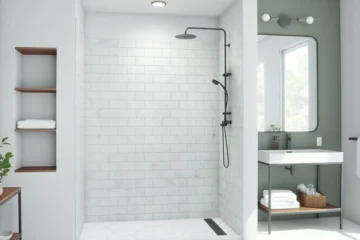
Silicone is specifically designed for areas exposed to frequent water contact. Bathrooms, showers, bathtubs, kitchen sinks, countertops, laundry rooms, and backsplashes all benefit from silicone sealants because they resist moisture, mold, and mildew more effectively than many traditional caulking products.
Professional installers often recommend silicone for tile-to-tile joints, corners, expansion joints, and plumbing fixtures because its flexibility accommodates natural movement without losing adhesion.
KK Cleaning and Restoration frequently replaces worn silicone in showers and wet areas to restore waterproof protection and improve appearance.
Where Traditional Caulking Is More Suitable
Although silicone performs exceptionally well in wet environments, traditional caulking remains an excellent option for many interior applications. Acrylic and latex caulking are commonly used around window frames, door trim, baseboards, crown molding, and drywall joints because they can be painted after curing.
These products are generally easier to apply, easier to smooth, and simpler to remove during future renovations. Understanding silicone vs caulking differences helps determine whether flexibility or paintability is the greater priority for a particular project.
Durability and Longevity Comparison
One of the most significant silicone vs caulking differences involves long-term durability. High-quality silicone maintains flexibility for many years while resisting UV exposure, moisture, cleaning chemicals, and temperature fluctuations.
Traditional caulking may gradually dry out, shrink, or crack as buildings naturally expand and contract. This deterioration creates openings where moisture can penetrate behind tile surfaces or wall assemblies.
Professional installation combined with quality materials significantly extends the lifespan of both silicone and caulking applications.
Water Resistance and Mold Protection
Bathrooms and kitchens experience constant exposure to humidity, water splashes, and steam. One of the primary silicone vs caulking differences is silicone’s superior resistance to moisture penetration. It creates a waterproof seal that helps prevent leaks around showers, tubs, sinks, and countertops.
Many modern silicone products also include mold-resistant additives that reduce mildew growth in damp environments. While some specialty caulking products offer similar protection, silicone generally performs better where continuous moisture exposure is expected.
Maintaining intact waterproof seals is essential for preventing hidden water damage behind tiled walls and floors.
Appearance and Maintenance Requirements
Clean, smooth sealant lines contribute significantly to the overall appearance of tiled surfaces. Properly installed silicone provides a neat finish that remains flexible and attractive for years. However, silicone cannot usually be painted, making color selection important during installation.
Traditional caulking offers greater flexibility for decorative projects because it can often be painted to match surrounding walls and trim. Knowing these silicone vs caulking differences helps homeowners achieve both functional protection and aesthetic appeal.
Regular inspections allow damaged sealants to be replaced before deterioration affects surrounding surfaces.
Common Signs That Sealants Need Replacement
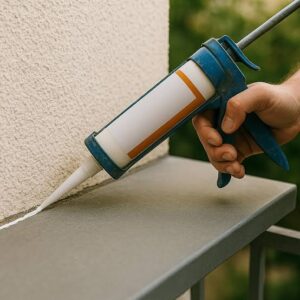
Regardless of the material used, sealants eventually require replacement. Cracking, peeling, separation, discoloration, mold growth, shrinking, or water leakage all indicate failing joints that should be professionally inspected.
Ignoring damaged sealants allows moisture to penetrate behind tiles, drywall, cabinets, and flooring. Early replacement prevents larger restoration projects while maintaining healthy indoor environments.
KK Cleaning and Restoration carefully evaluates every sealant joint before recommending replacement, ensuring long-lasting protection for residential and commercial properties.
Professional Silicone Replacement Benefits
Professional installation plays a major role in achieving reliable results. Surface preparation, complete removal of old materials, proper cleaning, and precise application all influence sealant performance.
Understanding silicone vs caulking differences is only part of the process. Selecting the correct product for each location and applying it correctly ensures maximum durability and waterproof performance.
Professional technicians also identify hidden moisture issues that may not be visible during routine inspections, helping prevent future structural damage.
Why Choose KK Cleaning and Restoration
Choosing experienced professionals ensures that every sealing project receives the appropriate materials and installation methods. KK Cleaning and Restoration specializes in tile care, grout restoration, silicone replacement, shower restoration, and complete tile maintenance for residential and commercial properties.
The team understands every aspect of silicone vs caulking differences and recommends solutions based on the unique conditions of each property rather than using a one-size-fits-all approach. This attention to detail helps extend the lifespan of tiled surfaces while improving appearance and preventing unnecessary repairs.
Whether replacing deteriorated shower silicone, restoring bathroom joints, or maintaining commercial tile installations, professional workmanship delivers dependable long-term results.
Making the Right Choice for Long-Term Protection
Understanding silicone vs caulking differences allows property owners to make informed decisions that protect their investment. While both materials seal gaps and joints, each has distinct advantages depending on the location, moisture exposure, and performance requirements.
Silicone remains the preferred choice for wet environments because of its outstanding flexibility, waterproof properties, and resistance to mold and mildew. Traditional caulking continues to serve an important role in paintable interior applications where moisture exposure is limited.
By choosing the right sealant and relying on professional installation, homeowners and businesses can enjoy cleaner, longer-lasting, and better-protected tiled surfaces. KK Cleaning and Restoration provides expert guidance, high-quality workmanship, and reliable sealing solutions designed to keep bathrooms, kitchens, showers, and other tiled areas performing at their best for years to come.
Contact us now:
 Call us now at +16479163093
 Email: info@kkcleaningandrestoration.ca
 Visit: https://kkcleaningandrestoration.ca/
Frequently Asked Questions About Silicone vs Caulking Differences
1. What are the main silicone vs caulking differences?
The primary silicone vs caulking differences lie in flexibility, water resistance, durability, and intended use. Silicone is designed to remain flexible and waterproof, making it ideal for wet areas like bathrooms and kitchens. Traditional caulking is often better suited for dry interior applications where paintability is important. Understanding these differences helps homeowners choose the right sealing solution for every project.
2. Is silicone better than traditional caulking?
Silicone is generally considered the better choice for areas exposed to moisture because it offers superior waterproofing and long-lasting flexibility. However, traditional caulking performs well for interior trim, baseboards, and window frames that need to be painted. The best option depends on the location and purpose of the seal. Knowing the silicone vs caulking differences helps ensure the correct product is selected.
3. Why is understanding silicone vs caulking differences important?
Understanding silicone vs caulking differences helps prevent water damage, mold growth, and premature seal failure. Using the wrong material in a high-moisture area can lead to leaks and expensive repairs. Choosing the appropriate sealant also extends the lifespan of your tile installations. Proper selection improves both durability and appearance.
4. Where should silicone be used?
Silicone works best in showers, bathtubs, sinks, backsplashes, kitchen counters, and other areas exposed to constant moisture. It creates a waterproof seal that resists mold and mildew while remaining flexible for years. This flexibility allows it to handle movement without cracking. It is the preferred option for many professional tile restoration projects.
5. Where is traditional caulking commonly used?
Traditional caulking is commonly used around windows, doors, baseboards, crown molding, and drywall joints. These locations generally experience less moisture, making acrylic or latex caulking an effective choice. Many types of caulking can also be painted after curing. Understanding silicone vs caulking differences ensures each product is used in the right location.
6. Does silicone last longer than caulking?
In most wet environments, silicone lasts significantly longer than standard acrylic or latex caulking. It resists shrinking, cracking, and moisture damage even after years of exposure. Proper installation further increases its lifespan. Professional application by KK Cleaning and Restoration helps maximize long-term performance.
7. Can silicone prevent mold growth?
Many high-quality silicone products contain mold-resistant properties that help reduce mildew development in damp environments. While no sealant completely eliminates mold, silicone offers much better protection than many traditional caulking products. Regular cleaning also contributes to healthier surfaces. Combining proper maintenance with quality silicone delivers the best results.
8. Can traditional caulking crack over time?
Yes, traditional caulking can gradually dry out, shrink, or crack due to age, temperature changes, and building movement. Once cracks develop, moisture may enter behind the sealed surface and cause damage. Routine inspections help identify these problems early. Replacing damaged caulking prevents more expensive repairs later.
9. Is silicone paintable?
Most pure silicone products cannot be painted because paint does not adhere well to the cured surface. If a painted finish is required, acrylic or latex caulking may be a better choice. This is one of the most important silicone vs caulking differences for decorative interior projects. Choosing the right material depends on both function and appearance.
10. How does KK Cleaning and Restoration help with silicone replacement?
KK Cleaning and Restoration professionally removes deteriorated silicone and installs new high-quality sealants in bathrooms, kitchens, showers, and tiled areas. Every project begins with careful surface preparation to ensure proper adhesion. The team uses proven installation techniques for long-lasting results. Professional replacement improves both appearance and waterproof protection.
11. What happens if damaged silicone is ignored?
Ignoring damaged silicone allows water to penetrate behind tiles, bathtubs, showers, and countertops. Moisture trapped beneath these surfaces can contribute to mold growth, structural deterioration, and expensive repairs. Early replacement prevents these issues from becoming more serious. Regular inspections help identify failing sealants before major damage occurs.
12. Is silicone suitable for commercial properties?
Yes, silicone is widely used in restaurants, hotels, healthcare facilities, office buildings, and other commercial environments. Its durability and water resistance make it ideal for high-use areas that require reliable sealing. Professional installation ensures long-lasting performance despite heavy daily use. Commercial maintenance also helps maintain a clean and professional appearance.
13. Can silicone be used outdoors?
Silicone performs exceptionally well outdoors because it withstands sunlight, rain, snow, and temperature fluctuations. It maintains flexibility even under changing weather conditions. This makes it suitable for exterior joints that require durable waterproof sealing. High-quality silicone provides reliable long-term protection.
14. Why do homeowners confuse silicone and caulking?
Many people use the terms interchangeably because silicone is actually one type of caulking product. However, traditional caulking includes several other materials with different characteristics. Understanding silicone vs caulking differences helps eliminate this confusion. Knowing the correct terminology also improves product selection.
15. How often should sealants be inspected?
Sealants should generally be inspected at least once every year, especially in bathrooms, kitchens, and laundry rooms. Areas exposed to frequent moisture may require more regular checks. Early detection of cracks, peeling, or mold prevents larger restoration projects. Professional inspections provide additional peace of mind.
16. Does professional installation make a difference?
Yes, proper installation significantly affects the lifespan and effectiveness of both silicone and traditional caulking. Professionals prepare surfaces thoroughly, remove old materials completely, and apply consistent sealant lines. This results in stronger adhesion and improved waterproof performance. Quality workmanship reduces future maintenance requirements.
17. Can replacing silicone improve bathroom appearance?
Fresh silicone creates clean, straight, and attractive joints that immediately improve the appearance of bathrooms and showers. Old, stained, or moldy sealant often makes otherwise clean tiles look neglected. Replacing deteriorated silicone restores a fresh and well-maintained look. Professional finishing also enhances the overall quality of the installation.
18. Is silicone resistant to cleaning chemicals?
Most high-quality silicone products are highly resistant to common household cleaning products when used correctly. This allows homeowners to maintain clean bathrooms and kitchens without quickly damaging the sealant. Proper care further extends the life of silicone joints. Following manufacturer recommendations helps preserve long-term performance.
19. How do silicone vs caulking differences affect long-term maintenance?
The silicone vs caulking differences directly influence how often sealants require replacement and maintenance. Silicone generally requires less frequent replacement in wet environments because of its superior flexibility and waterproof properties. Traditional caulking may need earlier replacement when exposed to moisture. Selecting the proper material reduces long-term maintenance costs.
20. Why choose KK Cleaning and Restoration for sealing services?
KK Cleaning and Restoration provides professional expertise in silicone replacement, tile restoration, grout maintenance, and waterproof sealing solutions. Every project is completed using high-quality materials selected for the specific application. The team understands silicone vs caulking differences and recommends the most effective option for lasting protection. Customers receive dependable workmanship designed to preserve the beauty and durability of their tiled surfaces.
21. How often should silicone be replaced in bathrooms?
Bathroom silicone should be inspected at least once a year and replaced whenever it begins to crack, peel, discolor, or develop mold. The lifespan depends on humidity, cleaning habits, and the quality of the original installation. Understanding silicone vs caulking differences helps homeowners recognize why silicone is preferred for wet environments. Regular replacement protects bathrooms from leaks and long-term moisture damage.
22. Can new silicone or caulking be applied over old sealant?
Applying new sealant directly over old silicone or deteriorated caulking is not recommended because it prevents proper adhesion. Existing sealant should be completely removed, and the surface should be cleaned thoroughly before new material is applied. This process creates a stronger, longer-lasting waterproof seal. Professional installation ensures the best results and maximizes durability.
23. Are silicone sealants suitable for kitchen countertops?
Yes, silicone is an excellent choice for sealing around kitchen countertops, sinks, and backsplashes because it resists water, grease, and everyday cleaning products. One of the major silicone vs caulking differences is silicone’s superior moisture resistance in food preparation areas. It also remains flexible despite temperature changes. Proper installation helps maintain a clean and hygienic kitchen.
24. Can damaged caulking lead to water damage?
Yes, cracked or separated caulking can allow water to seep behind walls, tiles, bathtubs, and sinks. Over time, this moisture may contribute to mold growth, wood rot, and structural deterioration. Recognizing silicone vs caulking differences helps property owners choose more durable materials for moisture-prone areas. Replacing damaged sealants early helps prevent costly repairs.
25. Does silicone require special maintenance?
Silicone requires very little maintenance beyond regular cleaning with non-abrasive products. Keeping the sealed area clean helps reduce soap scum, mildew, and dirt buildup that can shorten its lifespan. Periodic inspections allow small issues to be addressed before major problems develop. Proper care helps silicone maintain its flexibility and waterproof performance for many years.
26. Can silicone and caulking be used together?
Yes, silicone and traditional caulking can be used together on the same property when each product is applied in the appropriate location. Silicone performs best in bathrooms, kitchens, and wet areas, while paintable caulking is better suited for interior trim and decorative finishes. Understanding silicone vs caulking differences ensures each material is used where it performs best. This combination provides both durability and aesthetic appeal.
27. What causes silicone to fail over time?
Silicone may eventually fail because of natural aging, improper installation, poor surface preparation, excessive movement, or physical damage. Constant exposure to harsh chemicals or sharp objects can also reduce its lifespan. Regular inspections help identify small issues before complete failure occurs. Professional replacement restores reliable waterproof protection.
28. Why is professional silicone installation recommended?
Professional installation ensures that old sealant is completely removed, surfaces are properly cleaned, and new silicone is applied evenly for maximum adhesion. This process significantly improves the durability and appearance of the finished seal. Experienced technicians also identify hidden moisture problems that may require additional attention. Quality workmanship reduces the likelihood of premature failure.
29. Can replacing old silicone improve the appearance of tiled surfaces?
Absolutely. Fresh silicone creates clean, smooth joints that instantly improve the appearance of showers, bathtubs, sinks, and tiled walls. Old silicone often becomes stained, cracked, or moldy, making otherwise attractive tile surfaces look neglected. Replacing worn sealant restores a neat, well-maintained appearance while improving waterproof protection. It is one of the simplest ways to refresh a bathroom or kitchen.
30. Why should homeowners choose KK Cleaning and Restoration for silicone replacement?
KK Cleaning and Restoration provides professional silicone replacement, tile restoration, grout maintenance, and waterproof sealing services using proven techniques and high-quality materials. The team understands the important silicone vs caulking differences and recommends the most suitable solution for every application. Every project focuses on long-lasting performance, clean finishes, and reliable moisture protection. Homeowners and businesses can trust experienced professionals to preserve the beauty and durability of their tiled surfaces.
Contact us now:
Call us now at +16479163093
Email: info@kkcleaningandrestoration.ca
Visit: https://kkcleaningandrestoration.ca/