How to Fix Leaking Shower Grout: A Complete Guide by KK Cleaning and Restoration
Introduction: How to Fix Leaking Shower Grout
How to Fix Leaking Shower Grout: A leaking shower is more than an inconvenience—it can lead to costly structural damage, mold growth, and deteriorating tile installations if left untreated. Many homeowners search for how to fix leaking shower grout after noticing loose tiles, stained grout lines, damp walls, or water escaping outside the shower. While grout plays an important role in supporting tiled surfaces, damaged or deteriorated grout can no longer protect the shower from moisture intrusion.
Understanding how to fix leaking shower grout properly helps prevent hidden water damage while restoring the beauty and durability of your bathroom. At KK Cleaning and Restoration, professional grout restoration and shower repair services help homeowners throughout Toronto restore waterproof protection and extend the life of their tiled showers.
Why Shower Grout Starts Leaking
Before learning how to fix leaking shower grout, it is important to understand why grout fails. Grout naturally wears over time due to constant exposure to water, soap residue, cleaning chemicals, humidity, and normal building movement. Small cracks may gradually develop between tiles, allowing water to penetrate beneath the surface.
As moisture reaches the substrate behind the tiles, it can weaken adhesives, damage drywall, and encourage mold growth. Ignoring early signs of grout failure often results in more expensive repairs later.
Common Signs of Leaking Shower Grout
Recognizing the warning signs helps determine how to fix leaking shower grout before significant damage occurs. Cracked grout lines, missing grout, persistent mold, loose tiles, musty odors, peeling paint outside the shower, and damp walls are all indicators that water may be escaping through damaged grout.
Even small cracks should not be ignored because moisture can travel behind tiled surfaces without immediately becoming visible. Early repairs protect both the shower and surrounding building materials.

Inspect the Entire Shower Carefully
The first step in how to fix leaking shower grout is performing a complete inspection of the shower enclosure. Examine grout joints around walls, floors, corners, niches, benches, and plumbing fixtures. Pay close attention to areas where grout has become discolored, soft, cracked, or separated.
It is also important to inspect silicone joints. In many cases, deteriorated silicone contributes to water leaks alongside damaged grout. A complete evaluation ensures every source of moisture intrusion is identified before repairs begin.
Remove Damaged Grout Properly
One of the most important stages in how to fix leaking shower grout is removing deteriorated grout completely. New grout should never be applied directly over cracked or loose grout because it will not bond properly. Careful removal creates clean joints that allow fresh grout to adhere securely.
This step requires patience and precision to avoid damaging surrounding tiles. Professional technicians use specialized grout removal tools that improve accuracy while minimizing the risk of chipped tile edges.
Clean and Prepare the Surface
After removing damaged grout, every joint must be thoroughly cleaned before new grout is installed. Dust, soap residue, mold, loose particles, and moisture must all be eliminated to ensure proper adhesion.
Surface preparation is often overlooked during DIY repairs, yet it plays a major role in determining how successfully how to fix leaking shower grout is completed. Proper preparation creates a stronger, longer-lasting restoration that resists future deterioration.
Install New Grout Correctly
Fresh grout should be applied evenly throughout every cleaned joint using the correct grout type for the specific shower installation. Uniform depth and complete joint filling are essential for creating a durable finish.
Understanding how to fix leaking shower grout includes allowing the grout to cure according to manufacturer recommendations before exposing it to water. Rushing this process may weaken the grout and shorten its lifespan.

Replace Damaged Silicone at the Same Time
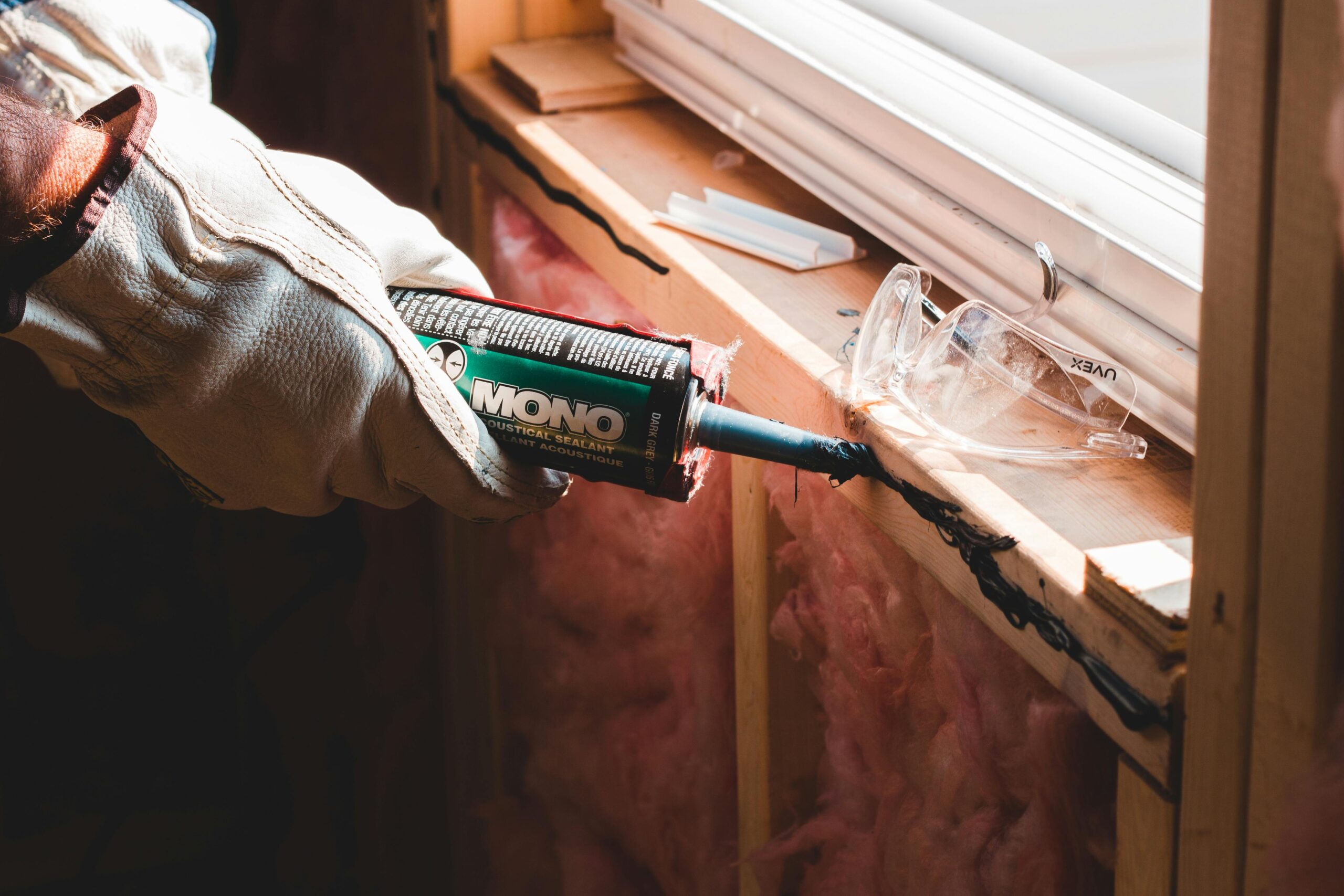
Many shower leaks originate where walls meet floors, tubs, or shower bases rather than within the grout itself. These movement joints should be sealed with high-quality silicone instead of grout.
When addressing how to fix leaking shower grout, replacing old, cracked, or moldy silicone at the same time provides complete waterproof protection. Fresh silicone creates flexible joints that accommodate normal movement while preventing water penetration.
Seal the Grout for Long-Term Protection
After the grout has cured completely, applying a professional grout sealer provides additional protection against moisture and staining. Because grout is naturally porous, sealing helps reduce water absorption and makes routine cleaning much easier.
One of the most valuable steps in how to fix leaking shower grout is protecting the new grout from future damage. Sealed grout generally maintains its appearance longer while improving the overall durability of the restoration.
Prevent Future Shower Grout Problems
Proper maintenance significantly extends the lifespan of shower grout. Wiping excess moisture from shower walls after use, improving bathroom ventilation, using pH-neutral cleaners, and inspecting grout regularly all help reduce premature wear.
Homeowners who understand how to fix leaking shower grout should also recognize the importance of preventative care. Small cracks addressed early rarely develop into major structural problems.

Why Professional Grout Restoration Is Worth It
Although some homeowners attempt DIY repairs, professional grout restoration often delivers far better long-term results. Experienced technicians can identify hidden moisture damage, select the appropriate grout materials, replace deteriorated silicone, and restore the entire shower using industry-proven techniques.
KK Cleaning and Restoration specializes in grout restoration, regrouting, grout sealing, silicone replacement, shower restoration, and complete tile maintenance. Professional workmanship helps ensure that every repair is durable, visually consistent, and fully waterproof.
Trust KK Cleaning and Restoration for Lasting Results
Knowing how to fix leaking shower grout is essential for protecting your bathroom from water damage and preserving the beauty of your tiled shower. Promptly repairing cracked grout, replacing deteriorated silicone, and sealing restored grout all contribute to a longer-lasting and healthier shower environment.
KK Cleaning and Restoration provides professional solutions designed to restore waterproof performance while improving the appearance and durability of tiled showers. Whether your shower has minor grout cracks or widespread moisture damage, expert restoration helps protect your investment and gives you confidence that your bathroom will remain clean, attractive, and leak-free for years to come.
Contact us now:
 Call us now at +16479163093
 Email: info@kkcleaningandrestoration.ca
 Visit: https://kkcleaningandrestoration.ca/
Frequently Asked Questions About How to Fix Leaking Shower Grout
1. How do I know if my shower grout is leaking?
The first sign when learning how to fix leaking shower grout is identifying symptoms such as cracked grout lines, loose tiles, peeling paint outside the shower, damp walls, or musty odors. Water stains around the shower base or adjacent rooms may also indicate hidden moisture intrusion. Even if the leak appears small, water can travel behind the tiles and cause significant structural damage over time. A professional inspection can determine the exact source of the leak and recommend the most effective repair.
2. What causes shower grout to leak?
Shower grout commonly leaks because of age, constant moisture exposure, building movement, poor installation, or lack of maintenance. Over time, grout becomes cracked, loose, or porous, allowing water to seep beneath the tiles. Understanding these causes is an important part of knowing how to fix leaking shower grout correctly. Addressing the underlying issue prevents the leak from returning after repairs are completed.
3. Can leaking shower grout cause mold growth?
Yes. Damaged grout allows moisture to enter hidden spaces behind tiled walls and floors, creating ideal conditions for mold and mildew. Once moisture becomes trapped, mold can spread even if the visible tile surface appears clean. Knowing how to fix leaking shower grout quickly helps reduce the risk of mold development and protects indoor air quality. Professional restoration also removes damaged grout that may already contain mold.
4. Can I repair leaking shower grout myself?
Minor grout repairs can sometimes be completed by experienced homeowners, but larger or recurring leaks usually require professional restoration. Simply applying new grout over damaged grout rarely solves the problem because the underlying deterioration remains. Understanding how to fix leaking shower grout involves proper grout removal, surface preparation, and correct installation. Professional repairs generally provide longer-lasting waterproof protection.
5. Should I remove all the old grout before applying new grout?
Yes. Old, cracked, or loose grout should be completely removed before fresh grout is installed. Applying new grout over deteriorated material prevents proper bonding and often leads to premature failure. This is one of the most important steps in how to fix leaking shower grout successfully. Proper preparation ensures a stronger and more durable repair.
6. How long does it take to repair leaking shower grout?
The time required depends on the size of the shower, the extent of grout damage, and whether silicone replacement or regrouting is also needed. Small repairs may be completed within several hours, while larger restoration projects may require additional time for curing. When learning how to fix leaking shower grout, it is important not to rush the curing process. Proper drying ensures the grout develops maximum strength and water resistance.
7. Does damaged silicone also cause shower leaks?
Yes. Shower leaks are not always caused by grout alone. Cracked, peeling, or moldy silicone around corners, tubs, shower bases, and fixtures can also allow water to penetrate behind tiled surfaces. Anyone researching how to fix leaking shower grout should inspect both the grout and the silicone seals. Replacing both when necessary provides complete waterproof protection.
8. Should grout be sealed after repairs?
Yes. Grout is naturally porous and absorbs moisture, dirt, and stains if left unprotected. Applying a professional grout sealer after the grout has fully cured helps extend its lifespan and makes future cleaning easier. Sealing is an important step in how to fix leaking shower grout because it improves long-term moisture resistance. Proper maintenance also reduces the likelihood of future grout deterioration.
9. Can leaking grout damage the walls behind the shower?
Absolutely. Water that passes through damaged grout may soak drywall, insulation, wood framing, and flooring behind the tiled surface. This hidden moisture can eventually cause structural deterioration, mold growth, and expensive repairs. Understanding how to fix leaking shower grout early helps prevent these serious problems. Prompt repairs protect both your shower and the surrounding structure.
10. How can I prevent shower grout from leaking again?
Routine maintenance is the best way to prevent future grout problems. Clean grout regularly using pH-neutral products, improve bathroom ventilation, repair plumbing leaks promptly, and inspect grout for cracks several times each year. Learning how to fix leaking shower grout also includes recognizing early warning signs before significant damage develops. Periodic professional inspections further reduce the risk of future leaks.
11. When should shower grout be completely replaced?
Complete regrouting is recommended when grout is cracked throughout the shower, crumbling, missing, heavily stained, or allowing repeated water leaks. Spot repairs are not always effective if deterioration is widespread. Understanding how to fix leaking shower grout includes knowing when complete grout replacement offers better long-term value. Professional regrouting restores both appearance and structural protection.
12. Why is professional grout restoration better than temporary repairs?
Professional grout restoration addresses the entire problem instead of simply covering visible damage. Experienced technicians remove deteriorated grout, inspect for hidden moisture, replace damaged silicone if needed, and install new grout correctly. This comprehensive approach to how to fix leaking shower grout provides stronger, cleaner, and longer-lasting results. It also reduces the risk of recurring leaks and costly future repairs.
13. Can leaking shower grout affect property value?
Yes. Visible grout damage, mold, water stains, and deteriorating showers can negatively affect the appearance and condition of a property. Buyers often recognize signs of moisture damage during inspections, which may reduce property value or require repairs before a sale. Knowing how to fix leaking shower grout helps maintain both the appearance and structural integrity of the bathroom. Well-maintained tiled showers contribute to a more attractive home.
14. Why should I choose KK Cleaning and Restoration?
KK Cleaning and Restoration specializes in professional grout restoration, regrouting, grout sealing, silicone replacement, shower restoration, and complete tile maintenance. Every project begins with a detailed inspection to determine the exact cause of grout failure and recommend the most effective solution. If you are searching for how to fix leaking shower grout, the experienced team provides reliable workmanship using premium materials and proven restoration techniques. Their goal is to deliver durable, waterproof, and visually appealing results.
15. How often should I inspect my shower grout?
It is a good idea to inspect shower grout every few months, especially in frequently used bathrooms. Look for cracks, discoloration, mold, loose grout, or separating silicone joints that may indicate developing moisture problems. Regular inspections make it easier to identify how to fix leaking shower grout before significant damage occurs. Preventive maintenance helps extend the life of your shower while reducing future repair costs.
Contact us now:
Call us now at +16479163093
Email: info@kkcleaningandrestoration.ca
Visit: https://kkcleaningandrestoration.ca/