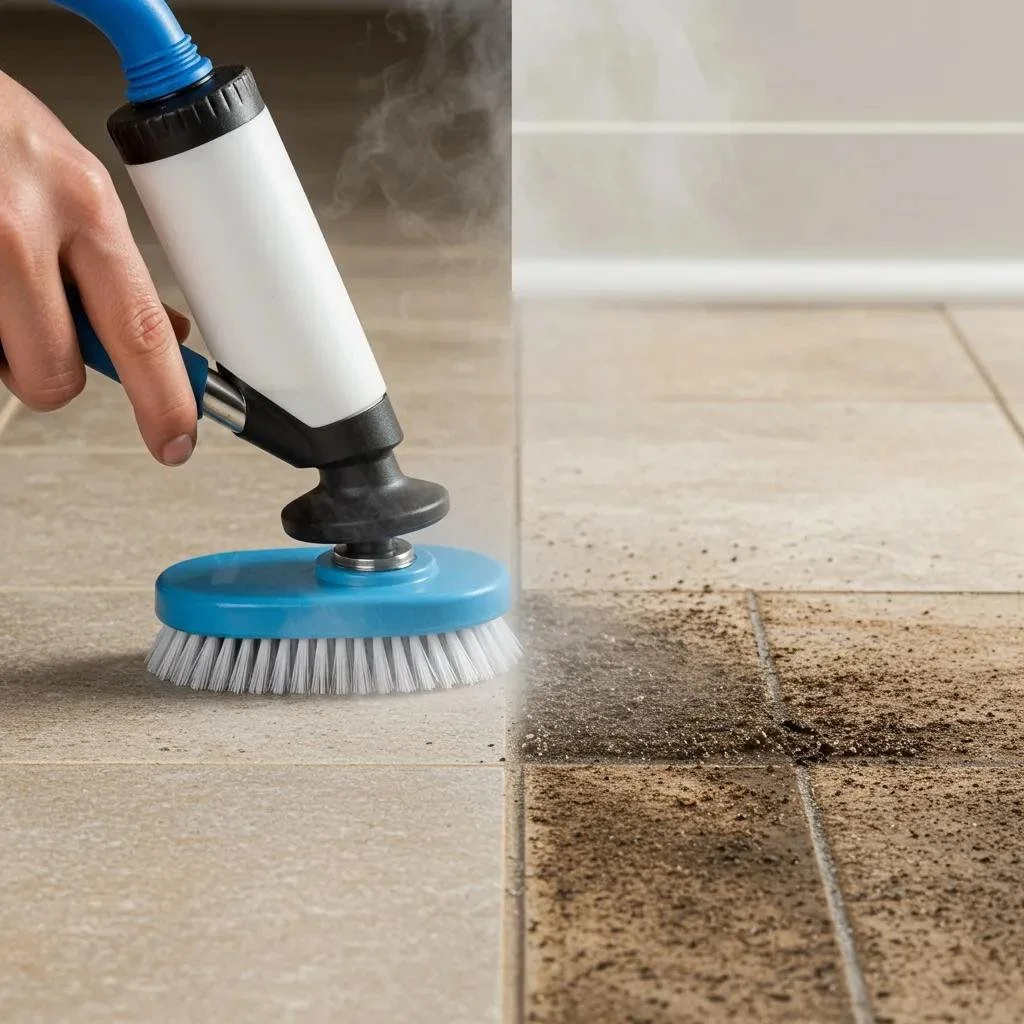
Residential Tile Cleaning in Toronto: KK Cleaning and Restoration
Introduction: Residential Tile Cleaning in Toronto
Residential Tile Cleaning in Toronto: Tile is one of the most practical and good-looking materials you’ll find in modern homes. You see it everywhere—kitchens, bathrooms, showers, hallways, entryways, laundry rooms, living spaces—pretty much any spot that needs to stand up to regular use. Sure, tile is tough and not hard to keep up, but over time, dirt and grime find their way onto the surface and, even worse, into the grout. Regular household cleaning just can’t reach that deep buildup, but professional residential tile cleaning will clear it out. Your tile looks better, and it’s easier to maintain.
KK Cleaning and Restoration handles tile and grout cleaning, grout sealing, regrouting, shower restoration, caulking, replacing silicone, and other restoration work. Think of residential tile cleaning as both routine care and, when your regular cleaning just isn’t cutting it anymore, a way to bring your tile back to life.
When you keep your tile surfaces in shape, your whole home feels fresher and more comfortable. A professional cleaning also turns up problems you might not see—cracked grout, deteriorating silicone, stubborn stains, or moisture issues. Knowing when and why you need to have your tile cleaned helps you protect your investment and skip unnecessary replacements.
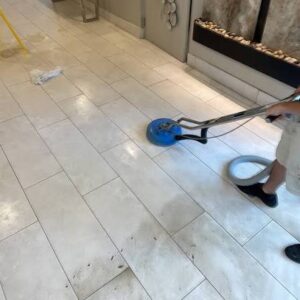
Why Residential Tile Cleaning Is Important
Day-to-day life brings all sorts of stuff onto tile surfaces: dust, dirt, food, grease, soap scum, body oils, minerals, water—the list goes on. Tiles, being smooth, usually clean up fast enough, but grout is another story. Grout is porous, so it holds onto everything a lot more. Sweeping and mopping help, but they mostly clean the surface—they don’t get deep into the grout or textured tile.
Sooner or later, you’ll notice your floors and walls looking dull or discolored. Even if you’re on top of a cleaning schedule, you’ll probably need professional help at some point to deal with deeper grime.
There’s another bonus to professional cleaning: you get a good look at the whole tiled area. Sometimes, a dirty floor just needs a good scrub. Other times, you’ll spot grout that needs sealing, joints that need regrouting, or even surfaces that require some restoration work.
Signs Your Home Needs Residential Tile Cleaning
Maybe you’ve noticed your tile or walls still look dirty after you’ve cleaned them. If they get dull not long after mopping, there’s likely a buildup hanging around in the grout or textured spots. Grout darkening is another big red flag. It collects dirt, grease, soap, and water—especially in high-traffic spots.
Other signs include persistent stains, sticky surfaces, soap scum, mineral deposits, and patchy coloring. Showers and bathrooms may show buildup around the drains, corners, or wherever water hangs out.
If you’re cleaning regularly and the tile still looks tired or dirty, it’s time for professional residential tile cleaning.
Residential Kitchen Tile Cleaning
Kitchen tile faces some of the toughest messes in the house—cooking oil, grease, spills, crumbs, dirt, water, plus plenty of foot traffic. Grease is nasty because it clings to the surface, making things sticky and attracting even more gunk. Grout, especially near the stove and walking paths, starts looking way darker.
Professional tile cleaning cuts through the grease and ground-in dirt, all while making sure to treat your particular tile and grout the right way. A deep clean can bring back the kitchen’s even, clean look.
If you want to keep things looking good, wipe up spills fast, sweep often, and use cleaning products made for your tile. No matter how diligent you are, though, you’ll still need the pros sometimes for the deep grime.
Residential Tile Cleaning for Bathroom and Shower
Bathrooms are a dirt magnet because they’re always wet and full of soap, shampoo, oils, and cleaning chemicals. All that stuff sticks to the floors, walls, shower tiles, and grout.
Soon, you start to see soap scum and mineral deposits clouding up your tiles. Grout lines get darker or stained, mostly in spots that stay damp for hours.
A professional clean removes tough residue and brightens up bathroom surfaces. Plus, the process is a chance to spot problems like cracked grout, missing pieces, or silicone that’s on its way out.
If the grout holds up well after cleaning, sealing it can make maintenance easier. If it’s falling apart, regrouting or a bigger shower restoration is probably the way to go.
Cleaning Tile and Grout Together
For the best results, you need to tackle both the tile and grout. Cleaning only the surface might leave dirty grout lines that keep the whole space looking dingy.
Grout is usually much more porous, so it soaks up dirt, grease, and soap. That’s why grout lines are stubbornly dark even when the tiles seem clean.
Professional cleaners use methods that match your materials and the kind of mess you have. Once the area is clean, they’ll check the grout for any damage—cracks, missing spots, loose bits.
If everything looks solid, they can seal the grout. Sealing helps keep new contaminants out and makes cleaning in the future a little easier.
Residential Tile Cleaning for Different Tile Materials
Different tile materials need different approaches. Most people have ceramic or porcelain tile, but the finish, texture, and other qualities can vary.
Natural stone is fussier. Marble, travertine, limestone, slate, and granite all react differently to cleaning chemicals and absorb messes in their own way.
Use the wrong cleaner on delicate stone, and you’ll end up with etching, dullness, discoloration, or worse. That’s why pros always figure out exactly what you have before starting.
Textured tile brings its own challenges since dirt settles deep into the nooks. Cleaning methods change depending on your exact setup.
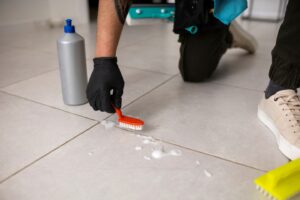
Professional Residential Tile Cleaning Process
A pro starts by inspecting the tiled surface. They check the shape of the tile, grout, stains, buildup, joints, and the area around them before picking the best cleaning method.
First, they’ll sweep away loose dirt so they can focus on the tougher, embedded buildup. They look at what type of gunk is causing the problem—dirt, grease, soap, or minerals.
Then, they use professional tools or products specific to your mess, making sure to protect the tile and grout. Grout lines often get extra attention because they hold onto everything.
Once cleaning is done, they take another close look. If the grout is still strong, they might suggest sealing it. If it’s damaged, you’ll probably need repairs or regrouting.
This careful, step-by-step process makes sure you get the service you actually need—not just a one-size-fits-all treatment.
Benefits of Professional Residential Tile Cleaning
First, it just looks better. Removing all that old dirt and buildup brings back the tile’s cleaner, more uniform appearance—floors, walls, backsplashes, and showers all benefit.
Having the professionals handle the heavy cleaning also makes your own upkeep easier. Once that deep grime is gone, regular mopping stays effective way longer.
You may also find issues you didn’t know were there. Cracked grout, broken tiles, missing bits, bad silicone, and even moisture problems can all show up once the surface is clean.
It also plays into a good maintenance plan. Mix periodic pro cleaning with sealing and timely repairs, and your tile lasts much longer.
Grout Cleaning, Sealing, and Regrouting
Grout is a big deal for tile surfaces. Even super-clean tiles can look rough if the grout is dark, stained, or crumbling.
Professional grout cleaning clears out dirt, stains, grease, soap, and mineral buildup. Once clean, the pros check if your grout is still solid.
If it is—and it’s a good candidate for it—they’ll seal the grout to offer some extra protection. Keep in mind, sealing helps but doesn’t make the grout completely waterproof.
If the grout is cracked, loose, or missing, it’s time to regrout. That means replacing the old grout so you’ve got fresh joints—then you can think about sealing.
Maintaining Clean Tile Between Professional Services
A professional cleaning puts everything back to square one, but you’ll still need regular care. Sweep or vacuum tile floors so loose debris doesn’t grind in.
Wipe up spills quickly, especially in the kitchen where grease and food set in fast. Keep the bathroom well-ventilated so moisture doesn’t sit on the tiles.
Pick the right cleaners for your type of tile and grout. Natural stone especially needs gentle products—harsh chemicals just cause trouble.
Entryway mats help a lot too, keeping more dirt outside where it belongs. Combine these habits with periodic pro cleaning and your tile will look good longer.
When Cleaning Is Not Enough
Sometimes cleaning just isn’t enough. Cracked, loose, or missing tiles, severe grout damage, permanent stains, and deeper moisture issues all need more serious attention.
When grout is beyond saving, regrouting is the way to go. Broken tiles should be replaced if the rest of the installation is in good shape.
Natural stone with serious scratches or dull spots sometimes needs specialized restoration or polishing. Showers and bathrooms with bad silicone or ongoing water problems might need full restoration.
Getting a pro assessment makes a difference—you’ll know what’s fixable with cleaning and what really needs repair or a new approach.
Why Choose KK Cleaning and Restoration?
KK Cleaning and Restoration covers everything: tile and grout cleaning, sealing, regrouting, shower restoration, caulking, silicone replacement, and beyond.
That range matters because house problems are rarely isolated. Maybe your bathroom needs grout cleaning and sealing, while your shower calls for regrouting and new silicone at the same time.
A professional assessment lets them tailor the service exactly to your tile and grout’s needs. No cookie-cutter fixes; just the right solution for your material, mess, and condition.
If you want to keep kitchens, bathrooms, showers, entryways, or floors looking good and easy to maintain, professional tile cleaning gives you a practical fix and a jump start for ongoing upkeep.
Keep Your Residential Tile Clean and Well Maintained
Taking care of your tile and grout matters if you want a clean, homey, and livable space. Tile seems tough and low-fuss, but grout and textured surfaces collect dirt, grease, soap scum, minerals, and moisture over time.
Professional cleaning removes the kind of buildup household cleaners can’t reach. It also gives you a clear picture of whether you need other services—like grout sealing, regrouting, tile restoration, or shower repair.
KK Cleaning and Restoration has the professional gear and know-how to handle all these needs. Their expertise helps you figure out your tile’s true condition and pick the right solution—whether that’s cleaning, repairs, or restoration.
Stay on top of things with regular sweeping, quick spill cleanups, using the right products, good bathroom ventilation, and routine pro maintenance. With that combo, you’ll keep your tile looking sharp and cut down on the effects of everyday life.
Contact us now:
 Call us now at +16479163093
 Email: info@kkcleaningandrestoration.ca
 Visit: https://kkcleaningandrestoration.ca/
Residential Tile Cleaning FAQs:-
1. What is residential tile cleaning?
Residential tile cleaning is a professional service that removes built-up dirt, grease, stains, soap residue, mineral deposits, and other grime from tiled surfaces in your home. This covers floors, walls, backsplashes, bathrooms, showers, kitchens, entryways—pretty much any area with tile. Pros handle both tile and grout, since grout holds onto dirt that regular mopping can’t always reach. KK Cleaning and Restoration offers residential tile cleaning as part of its full range of tile and grout care and restoration services.
2. Why should homeowners hire professional residential tile cleaning?
It’s tough for standard sweeping, mopping, or household cleaners to remove deeply embedded grime. Dirt and other messes collect in grout lines and textured tile, making floors and walls look faded or stained. Professional cleaning deals with this stubborn buildup and often uncovers hidden issues like cracked grout, failing silicone, broken tiles, or areas that need repair. This not only makes your home look better—it helps your tile last longer.
3. How often should residential tile cleaning be professionally done?
It depends: how much foot traffic do you have, what kind of tile and grout are in place, how much moisture is present, are there pets, what are your cleaning habits, and where is the tile located? Kitchens, bathrooms, showers, entryways, and busy floors usually need more frequent professional cleaning. Lower-traffic areas might be fine with just regular home care for longer stretches. Periodic inspections can help you decide when it’s time to call in the pros.
4. What are the signs that my home needs residential tile cleaning?
Watch for dull tiles, blackened grout lines, stains that won’t go away, leftover soap, mineral buildup, greasy patches, or any spot that feels dirty even after you clean. Grout turning darker than the tile itself is another clue. Bathrooms and showers often collect gunk around corners, drains, and in damp spaces. If these problems get hard to manage with your usual cleaning, it’s time for professional help.
5. Can residential tile cleaning remove dark grout?
Professional tile and grout cleaning can pull out a lot of the mess that turns grout dark or discolored: grease, soap, minerals, body oils, and ground-in dirt. But if the discoloration is permanent or due to wear and tear—rather than just surface grime—no amount of cleaning will fix it. In those cases, you might need regrouting or more intensive restoration.
6. Is residential tile cleaning suitable for kitchen floors?
Absolutely. Kitchen floors see their share of food spills, cooking grease, dirt, water, and heavy use. Grease especially attracts more dirt, darkening grout lines and making cleaning tough. Professional service tackles these problems and matches the treatment to your specific tile and grout. Regular sweeping and spot-cleaning can help keep your floors looking good after the professionals finish.
7. Can residential tile cleaning be used in bathrooms?
Yes. Bathrooms are magnets for soap scum, shampoo residue, body oils, minerals, moisture—all the kinds of grime that affect both tile and grout. Professional deep cleaning refreshes your bathroom floors, walls, and showers, and might bring to light grout or silicone issues. If needed, grout sealing, regrouting, or shower restoration can also be suggested.
8. Can professional cleaning remove soap scum from bathroom tile?
Professional tile cleaning can handle most soap scum and residue on bathroom or shower surfaces. Soap scum mixes with oils, minerals, dirt, and cleaning leftovers, forming stubborn layers on tile and grout. The right cleaning tactics get rid of this buildup, keeping in mind the type of surface. If the grout is already worn out or if the silicone is damaged, you’ll probably need some extra repairs.
9. Can residential tile cleaning remove mineral deposits?
Professional tile and grout cleaning can clear away many mineral deposits caused by water evaporation, which often look white, cloudy, chalky, or crusty—especially in bathrooms and showers. But the cleaning approach needs to fit the tile, since some natural stone and special tiles don’t get along well with certain chemicals. Getting a professional assessment helps make sure the buildup comes off without harming the tile.
10. Can natural stone floors be included in residential tile cleaning?
Yes, natural stone surfaces—like marble, travertine, limestone, slate, and granite—can be cleaned, but they need special care. Each stone type behaves differently when it comes to cleaners. The wrong product can leave etching, stains, or dull spots. So, professional cleaning starts with figuring out what kind of stone you have and then choosing the right method.
11. Should grout be cleaned during residential tile cleaning?
Definitely. Cleaning the grout is key for a complete job. Grout tends to be more porous than tile, so it soaks up dirt, grease, soap, minerals, and moisture that mopping alone won’t catch. Dirty grout makes clean tile look old and poorly cared for. When you clean both the tile and grout, the whole surface looks fresher and more uniform.
12. Should grout be sealed after residential tile cleaning?
Grout sealing can be a smart move if your grout is in good shape and ready for it. A proper sealer helps block out water, dirt, grease, and other daily messes from working their way into the grout. It won’t eliminate cleaning altogether or make your grout fully waterproof, but it helps. A professional will check if your grout is suitable for sealing, based on its type and location.
13. Can residential tile cleaning make old tile look new?
If dirt and buildup are what’s making your old tile look bad, then professional cleaning can really make a difference. Once all that gunk is gone, tile and grout often look much cleaner and brighter. Still, cleaning can’t fix cracked tiles, permanently damaged grout, deep stains that won’t budge, or general wear and tear. If you’re facing those issues, you might need restoration, regrouting, or even some new tile.
14. What’s the difference between residential tile cleaning and tile restoration?
Tile cleaning targets surface dirt, grease, stains, soap, minerals, and anything you can scrub away. Tile restoration goes further—it might involve repairs, regrouting, sealing, polishing, tile replacement, or other special fixes. If your tile is in good structural shape, regular cleaning might be enough. But if you’re dealing with damage or deterioration, you’ll want restoration services in addition to cleaning.
15. Can residential tile cleaning help maintain shower floors?
Yes, it really helps. Showers are exposed to water nonstop, and tile and grout can end up coated in soap, minerals, dirt, and body oils. Professional cleaning removes these layers and can also reveal cracks in the grout, missing patches, or bad silicone. Depending on what they find, the pros might suggest shower restoration, regrouting, or grout sealing too.
16. Can professional cleaning remove grease from residential tile?
Professional tile and grout cleaning can take care of grease and cooking residue, especially in kitchens. Grease likes to sink into textured tiles and grout, grabbing more dirt and turning sticky or dark. The right cleaning methods get rid of this, tailored to your floor’s type and condition. Quick spill cleanup and regular care help cut down on future grease buildup.
17. What happens if grout is damaged during cleaning?
Good cleaners use methods that match the condition of your tile and grout. But if your grout is already falling apart, cleaning could reveal more underlying problems—cracks, loose pieces, missing sections, or crumbling spots. Cleaning can’t fix that. If this kind of damage turns up, regrouting is usually the next step. An inspection ensures you get the right repairs or restoration after cleaning.
18. How can homeowners maintain tile after professional cleaning?
To keep your tile looking great, sweep, vacuum, or dust regularly to get rid of grit and loose dirt. Deal with spills right away, since kitchen grease and food can get tough to remove if left to sit. Make sure bathrooms have proper ventilation to avoid excess moisture and let tile dry. Use appropriate cleaning products and schedule regular professional cleaning for best results.
19. Can residential tile cleaning help prevent grout problems?
Regular professional cleaning removes dirt, grease, soap, and minerals before they have a chance to get out of hand in the grout. Cleaning sessions are also good for spotting early cracks, missing bits, discoloration, or other issues before they get worse. If your grout is in good shape after cleaning, sealing can add extra protection against future messes. But if grout is already damaged, you’ll need regrouting—cleaning and sealing won’t be enough.
20. Is professional residential tile cleaning suitable for high-traffic homes?
Yes, homes with lots of people or pets, or areas that get a lot of use—think busy entryways and living rooms—really benefit from professional tile cleaning. These spots collect more dirt, dust, and mess than low-traffic rooms. Professional cleaning clears away the buildup that regular cleaning misses, especially in grout lines and textured tiles. A steady cleaning routine helps keep busy floors easier to manage.
21. Why choose KK Cleaning and Restoration for residential tile cleaning?
KK Cleaning and Restoration offers more than just cleaning—they also provide grout sealing, regrouting, shower repairs, caulking, silicone replacement, and related restoration work. If they find something wrong during tile cleaning, they’ve got the skills and services to fix it. Their professional assessment tells you whether you need just cleaning or more involved repair and restoration. This all-in-one approach makes it easier to keep your tile, grout, bathrooms, kitchens, and showers in top shape.
22. When should I schedule professional residential tile cleaning?
Book a professional tile cleaning if your tiles look dull, grout turns dark, stains won’t leave, or regular cleaning isn’t cutting it anymore. Look for buildup like grease, soap scum, minerals, stickiness, or stubborn grout lines. An expert can check your surfaces and decide if a deep clean is enough—or if grout sealing, regrouting, or full restoration should be added. Catching these issues early keeps your tile looking better, longer, and easier to care for.
Contact us now:
Call us now at +16479163093
Email: info@kkcleaningandrestoration.ca
Visit: https://kkcleaningandrestoration.ca/