Mould Removal from Grout in Showers: A Complete Guide to Cleaner, Healthier Shower Surfaces
Introduction: Mould Removal from Grout in Showers
Mould Removal from Grout in Showers: Getting rid of mould from grout in showers really matters for keeping your bathroom clean and looking good. The grout’s always in the middle of water, humidity, leftover soap, shampoo, body oils—you name it. That’s why it’s a magnet for mould and dark stains. When moisture hangs around in grout joints, corners, shower floors, and caulking, mould settles in and gets tough to remove.
But cleaning isn’t just about making dark grout lighter. You’ve got to scrub away visible mould and fix whatever moisture problem caused it to grow in the first place. Health Canada says mould pops up where there’s moisture, so fixing what keeps it damp helps keep mould from coming back.
The grout’s condition matters too. If your tile and grout are still intact, surface mould usually comes off when you clean it right. Cracked or crumbling grout, or grout that won’t dry out, might need a big fix or replacement. KK Cleaning and Restoration handles professional tile and grout cleaning, shower restoration, regrouting, sealing, and caulking for showers that need more than your regular cleaning effort.
Why Mould Shows Up on Shower Grout
Mould only needs moisture to thrive, so showers are pretty much ground zero for indoor mould. Every shower brings water vapor and moisture to tile, grout, silicone seams, corners, ceilings, and everything around. If these spots don’t dry out fast enough, mould will move in.
Grout’s especially easy to invade because it’s usually porous. Moisture and gunk get trapped in its tiny spaces, especially if soap scum and dirt build up.
Poor bathroom ventilation just makes everything worse. If the bathroom doesn’t have a good exhaust fan, humidity sticks around long after you’ve finished showering, helping mould make itself at home again and again.
Leaks are another culprit. Broken grout, bad caulking, leaking plumbing, or busted shower seals let water linger where it shouldn’t.
That’s why removing mould from grout in showers always means dealing with both the visible issue and the underlying moisture problem.
Common Signs of Mould in Shower Grout
Mould’s not always easy to spot—it can show up as black, green, brown, gray, or just dark patches along grout lines, corners, shower floors, or next to silicone seams. Sometimes the first clue is a musty smell, not an obvious stain.
But dark grout doesn’t always mean mould. Dirt, soap residue, mineral deposits, or just old grout can look similar.
If your grout keeps getting dark again right after cleaning, that’s a big red flag. It might mean there’s still too much moisture or the mould got deeper into the grout.
You’ll often see mould around places that stay damp longer—the corners, transitions between grout, niches, shower edges, and anywhere the caulking’s looking rough.
A proper inspection helps you figure out if it’s just surface dirt or if you need a more serious mould removal and restoration.
Inspect the Shower Before Removing Mould
Start by checking out the whole shower, not just the spots where mould jumps out at you. Look at grout lines, tile edges, corners, silicone seams, shower trays, niches, ledges, and around all plumbing.
See if the grout’s cracked or missing—broken grout lets water get behind the scenes, making it way harder to keep dry.
Check caulking or silicone around tubs, trays, corners, and walls. If it’s cracked, separated, faded, or peeling off, cleaning will only help for a bit.
Don’t forget about bathroom ventilation. If your fan doesn’t move enough air or doesn’t vent properly, moisture hangs around.
Health Canada says use the exhaust fan while you shower and leave it running after—to cut down moisture buildup. Fixing ventilation problems, leaks, and bad seals is a big part of long-term mould prevention.
Getting Ready to Clean Mould From Shower Grout
Prep helps make cleaning safer and more effective. Clear out shampoo bottles, soap, bath stuff, mats, and anything else before you get started.
Make sure the room’s well ventilated: turn on the fan and, if possible, let some fresh air in. Wear gloves, eye protection, and a respirator when you’re dealing with mould.
Anyone sensitive to mould should stay away while you’re cleaning, and keep pets out too.
Don’t mess with serious mould problems before deciding if you need a pro. Health Canada says you should get a professional assessment when there’s a lot of mould or it keeps coming back after you clean.
Size and location matter before you decide if routine cleaning or bringing in the pros for mould removal is right.
Picking the Right Cleaning Method for Shower Grout
The cleaning approach depends on what you’re working with. Ceramic and porcelain tile can usually handle most cleaning products, but grout’s a bit more fragile than the tile itself.
Natural stone needs extra care. Marble, travertine, limestone—these can get damaged with harsh cleaners or rough tools.
For small mould spots on things you can wash, Health Canada recommends soap and water, then drying quickly. Bleach isn’t actually necessary.
The goal is simple: get rid of mould without trashing the grout or tile. Stronger chemicals aren’t always better, especially if you haven’t fixed the moisture problem.
Getting pros like KK Cleaning and Restoration means the cleaning is tailored for your shower’s materials and problems.
Safely Cleaning Mould From Grout
For small areas you can manage, scrub gently with an appropriate cleaner and brush or cloth.
Skip aggressive metal brushes—they can tear up grout or scratch tile. Too much force just wrecks weak grout, not just the mould.
Go over every affected spot, especially corners, recessed joints, floor transitions, and anywhere that stays damp.
Rinse well and mop up dirty water. Dry the surface fast and thoroughly.
Health Canada says use unscented soap solutions and dry quickly—focus on physical cleaning and keeping things dry, not just pouring on harsh chemicals.
Mould Around Silicone and Caulking
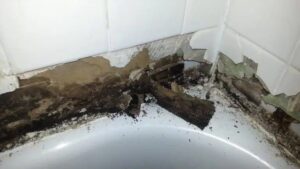
Mould loves to show up around shower caulking and silicone—they’re under a lot of moisture. Silicone seams can crack or gap, letting water sneak behind the seal.
If the silicone is still solid and mould’s just on the surface, careful cleaning helps. But if it’s deeply discolored, cracked, separated, or falling apart, just cleaning isn’t enough—you have to remove and replace it.
Don’t slap on new silicone over old, mouldy caulking. Remove the bad stuff and prep the surface before putting new caulk in.
Getting professional caulking replacement helps if damaged seals keep causing mould to come back.
Well-maintained joints help keep water from invading spots that stay damp and attract mould.
Removing Mould From Heavily Stained Grout
Sometimes the grout stays dark even after cleaning, because stains got deep inside. Throwing harsher chemicals at it doesn’t always help.
Porous grout can soak up stains from years of moisture, soap, dirt, minerals, and mould-related mess. Cleaning takes care of what you can remove, but doesn’t always restore grout that’s truly stained or breaking down.
Professional tile and grout cleaning gives you deeper cleaning than regular stuff, and helps figure out if your grout can be salvaged, or if it needs replacing.
If grout’s cracked, loose, or crumbling, regrouting is usually the smarter call. That’s why pro mould removal should check the whole grout system, not just surface color.
Why Moisture Control Is Essential After Mould Removal
Clean up the mould, but don’t fix the moisture issue? It’ll just come back. If your shower stays too damp, conditions for mould stick around.
Always use the exhaust fan for every shower—and let it run after you’re done. Wipe away standing water from walls and floors.
Health Canada says keep indoor humidity between about 30% and 50%, and fix any leaks or moisture problems quickly.
Check plumbing and shower seals regularly. Fix bad grout and caulking before moisture gets into walls and floors.
Long-term success in keeping grout mould-free depends on how well you control the moisture once things are clean.
Preventing Mould From Coming Back to Shower Grout
Start prevention right after cleaning. Don’t let soap or body oils pile up on grout.
Wipe or squeegee extra water off walls and floors after every shower. This simple habit cuts down on moisture sticking around.
Ventilate the bathroom right. An exhaust fan should get humid air outside, not just stir it up inside.
Inspect grout and caulking regularly. Repair cracks, missing grout, open joints, and rough silicone fast—these spots are moisture traps.
Clean tile and grout often, because a build-up of dirt and organic matter helps mould grow.
When to Get Professional Help
A little mould on washable surfaces? You can usually handle it yourself if you follow the right steps. When mould’s everywhere, keeps coming back, or shows up with water damage, you really need a pro.
Health Canada says get help for big mould problems or if it keeps coming back after cleaning. Large patches usually mean there’s a bigger moisture issue hiding.
Call the pros if you don’t know where the moisture’s coming from. Long-term leaks, busted shower parts, bad waterproofing, or hidden damp spots need expert attention.
Don’t attempt cleaning in hard-to-reach places or places with damaged materials; cleaning can’t fix stuff that’s physically falling apart from moisture.
KK Cleaning and Restoration can assess your tile and grout, figure out what’s needed, and handle cleaning, regrouting, caulking, or full shower restoration.
Mould Removal and Shower Restoration by KK Cleaning and Restoration
Getting rid of mould from grout in showers means more than scrubbing away stains. You need to clean the grout right, dry everything thoroughly afterwards, and tackle whatever moisture problem helped mould grow in the first place.
KK Cleaning and Restoration offers full-service tile and grout cleaning, sealing, regrouting, shower restoration, and caulking. These services help homeowners deal with mould stains, dirty grout, broken joints, soap build-up, and moisture issues.
If grout’s still strong, professional cleaning can really improve how it looks and holds up. If grout’s past saving, regrouting is the best solution.
Damaged or mouldy silicone also needs professional caulking replacement, not just repeated surface cleaning. Fixing these problems makes your shower easier to clean and maintain.
Long-term prevention means keeping surfaces dry, controlling humidity, fixing leaks fast, maintaining grout and caulking, and regular tile and grout cleaning.
A well-maintained shower doesn’t need stronger and harsher chemicals to stay clean. With proper cleaning, moisture control, timely repairs, and professional help when needed, you can keep grout cleaner and cut down on mould-friendly conditions.
Contact us now:
📞 Call us now at +16479163093
📧 Email: info@kkcleaningandrestoration.ca
🌐 Visit: https://kkcleaningandrestoration.ca/
Faqs on Mould Removal from Grout in Showers:-
1. What’s the best way to get rid of mould on shower grout?
The smartest way to remove mould from shower grout is to clean the grout thoroughly and deal with the moisture issue that caused the mould in the first place. You can usually handle small spots on washable surfaces with a good soap solution and let everything dry properly. Also, check if the grout has cracks, is falling apart, or if the caulking failed, since those problems can trap moisture. If you’re dealing with a lot of mould or it keeps coming back, it’s time to call a professional.
2. Why does mould show up on shower grout?
Showers are always damp, humid, and exposed to water, so it’s prime territory for mould. Grout is porous, which means it soaks up moisture and holds onto soap scum, body oils, and dirt—especially if things aren’t cleaned off regularly. If you have poor ventilation, leaks, standing water, or damaged grout or caulking, it just makes mould even more likely. You’ve really got to keep moisture in check—not just clean the surface—to keep mould off your grout for good.
3. How can I tell if the black stuff on my shower grout is mould?
Just because your grout looks black or dark doesn’t mean it’s always mould. Stains can come from dirt, soap, minerals, or just old age. Mould usually shows up as weird, uneven dark patches and sometimes there’s a musty or earthy smell. If a spot stays damp or keeps getting dark even after you clean, take a closer look. Fast-returning stains usually mean there’s a moisture problem lurking underneath.
4. Can I clean mould off shower grout myself?
You can usually clean small or medium patches of mould on washable surfaces as long as you’re careful. Health Canada says to use gloves, eye protection, and a properly fitting disposable N95 respirator when you clean mould. Wipe it with the right soap and dry it off—don’t leave it wet. But if the mould is covering a big area or just keeps coming back, it’s safer to get a pro to check everything out.
5. Is bleach the best thing to use on mouldy shower grout?
Not really—bleach isn’t the automatic go-to for cleaning mouldy grout, and Health Canada says bleach isn’t needed for routine mould clean-up. Scrubbing with the right soap and drying the area is often enough for small patches. The real solution is fixing where the water’s coming from, not just wiping away the mould you see. Never mix bleach with other cleaners—that’s a recipe for dangerous fumes.
6. How do I clean mould off white shower grout?
First, check if the stain really is mould and make sure the grout is still solid. Use the right soap and a brush or cloth to clean the grout, but don’t scrub so hard that you damage the grout. Rinse everything and dry the shower completely—don’t leave moisture sitting around. If the white grout still looks stained after a pro cleaning, you might want to think about restoring or replacing the grout.
7. Why does mould keep coming back after I clean it?
Mould doesn’t go away for good if you don’t fix the moisture problem that made it grow in the first place. Too much humidity, bad ventilation, leaks, standing water, or broken grout and caulking can all keep things damp. So, if you don’t deal with the real source of moisture, mould just keeps returning. A proper mould clean-up means looking at both the stains you can see and the overall health of your shower.
8. Will professional shower tile and grout cleaning get rid of mould?
A professional cleaning can help remove mould, dirt, soap scum, and other grime from grout and tiles if everything else is in good shape. Pros can also check if there’s damaged grout, tile joints, caulking, or hidden moisture. But just cleaning won’t fix cracked grout, broken silicone, or leaks you can’t see. Sometimes restoration work is necessary. KK Cleaning and Restoration can check things out and figure out if you need cleaning, regrouting, caulking, or more.
9. What makes mould grow around shower caulking?
Mould likes to grow on shower caulking because the silicone joints get hit with water, humidity, soap, and condensation all the time. Caulking that’s falling apart or peeling can trap water behind the seal, which just invites problems. If the caulking is still in one piece, cleaning might help, but badly damaged caulking should be replaced. Keeping caulking in good shape is key to stopping mould from coming back.
10. Should I replace grout that’s had mould on it?
You don’t have to replace grout just because it got stained—cleaning often handles surface mould. But if the grout is cracked, crumbling, missing, or just keeps getting wet and mouldy, replacement’s a better option. Cleaning can’t fix grout that’s basically destroyed or fix an ongoing water issue. A professional can tell if deep cleaning is enough or if regrouting will hold up better in the long run.
11. Can mould wreck shower grout?
Leaving grout and shower surfaces damp for a long time means mould and moisture can really mess things up. Damaged grout makes it even harder to keep water out, which lets issues build up behind the scenes. Cracking, missing pieces, or always-wet areas mean your shower needs more than just a quick cleaning. Tackling these early makes mould removal more effective and helps prevent future problems.
12. What’s the best way to keep mould from coming back on shower grout?
Keeping the bathroom as dry as possible is your best bet. Switch on the exhaust fan during and after your shower, dry the surfaces, and fix any leaks right away. Health Canada says to keep humidity between 30% and 50%, and make sure the fan vents outside. Regular cleaning, fixing little problems quickly, and good ventilation can make a big difference in shower maintenance.
13. Does using the shower fan help with mould on grout?
Absolutely. Good ventilation sucks up all the steam from your shower and stops the air from getting too damp. The exhaust fan should send air outside, not just into another part of the house, and it helps to keep it running for a bit after your shower. Controlling moisture this way goes hand-in-hand with getting mould off grout.
14. Can hard water stains look like mould on shower grout?
For sure. Mineral build-up can leave dark, white, gray, or weird-looking stains that you might confuse with mould. Soap scum and dirt can change how grout looks, too, even if no mould is actually there. Figuring out what kind of stain you’re dealing with matters, because different problems need different cleaning approaches. A pro can help tell the difference and recommend the right fix.
15. How should I clean mould from shower tile and grout?
Start by getting rid of loose dirt and make sure the room’s well-ventilated. For small spots, Health Canada suggests scrubbing with an unscented soap and drying everything completely. Put on gloves, eye protection, and an N95 respirator for safety, and don’t scrub so hard that you damage the grout. Once you’re done, keep an eye on moisture so the mould doesn’t just come back.
16. Can mould grow under grout or behind the shower tiles?
Yes—it’s possible. If you’ve got cracked grout, missing caulking, loose tiles, leaks, or waterproofing issues, water can get to places you can’t see or dry out easily. Sometimes, visible mould is just the tip of the iceberg. If you can’t get rid of the mould no matter what, call in a pro to check for hidden moisture problems.
17. Is it safe to scrub at mouldy grout?
You can scrub small areas, but be careful. Wear safety glasses, gloves, and an N95 respirator while you work. Don’t go overboard with scraping or brushing, since you might damage the grout or spread mould around. If the mould covers a big area or you don’t know where the moisture is coming from, it’s safer to get expert help.
18. How much mould do I need to have before calling a professional?
Health Canada considers up to three patches or a total of one square meter a “small” area. More than three patches, or up to three square meters, is “medium,” and anything larger is “extensive.” If you have a big area or mould that keeps coming back, get a professional assessment. These guidelines help you figure out if you can handle it yourself or should call for mould removal by a pro.
19. Will regrouting help stop mould from coming back?
Regrouting helps if the old grout is cracked, missing, or not sealing the joints anymore. But if you don’t fix humidity, leaks, or ventilation, simply putting in new grout won’t keep mould away. Deal with the deeper issue first, then consider regrouting to restore the shower surface and help keep it clean.
20. Should I seal the grout once I’ve removed mould?
If you’re using cement-based grout, sealing it after a thorough cleaning and drying can help stop water and stains from soaking in. It won’t make grout permanently mould-proof, though; you’ll still need to do regular maintenance and deal with any leaks or humidity. Cleaning and proper sealing can be part of a good shower maintenance routine.
21. When is it time to hire a pro for mould removal on grout?
Call the experts if mould covers a large area, keeps returning, has caused water damage, or you think there’s hidden moisture. If you’ve got damaged grout, caulking that’s failed, leaks, or surfaces that won’t clean up, it’s probably beyond DIY solutions. Health Canada says professionals should handle extensive or repetitive mould problems. KK Cleaning and Restoration can check your shower and tackle everything from mould removal to regrouting, caulking, and more if needed.
22. Why go with KK Cleaning and Restoration for mouldy shower grout?
KK Cleaning and Restoration offers professional tile and grout cleaning and repair for surfaces that are stained by mould, soap buildup, dirt, moisture, and failing grout. Their focus isn’t just on scrubbing the visible mould—they’ll also tackle the moisture problems that caused it. Depending on what your shower needs, they can do deep cleaning, grout sealing, new grout or caulking, and full shower restoration. Instead of just hiding stains, you get a longer-lasting, cleaner shower.
Contact us now:
📞 Call us now at +16479163093
📧 Email: info@kkcleaningandrestoration.ca
🌐 Visit: https://kkcleaningandrestoration.ca/