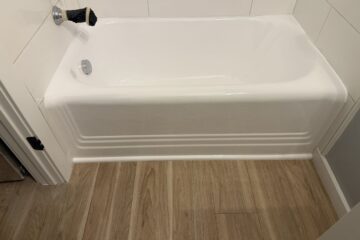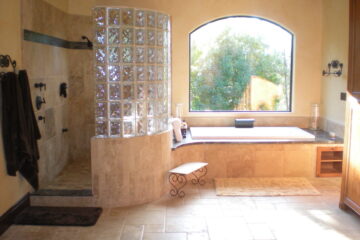
Tub Glazing for Bathroom Renovation
Introduction: Tub Glazing for Bathroom Renovation
Tub Glazing for Bathroom Renovation: Bathroom renovations do not always require removing every existing fixture. In many homes, the bathtub remains structurally sound and functional but has become stained, scratched, faded, discoloured, dull, or outdated. When the main problem is the condition of the bathtub surface rather than the entire fixture, professional tub glazing can provide a practical way to refresh the bathroom while keeping the existing tub in place.
Tub glazing for bathroom renovation is a surface restoration solution that focuses on renewing the appearance of an existing bathtub. Instead of automatically removing the tub and beginning a larger replacement project, the surface can be thoroughly cleaned, repaired where appropriate, carefully prepared, and professionally refinished. This approach can be especially valuable for homeowners who want a noticeable bathroom improvement without unnecessary demolition and disruption.
A bathtub occupies a substantial visual area in most bathrooms. When it looks worn, the entire room can appear older and less maintained, even if the flooring, vanity, walls, and other fixtures are in good condition. Restoring the bathtub can therefore make a significant difference to the overall appearance of the renovation.
KK Cleaning and Restoration provides professional bathtub restoration solutions for homeowners, landlords, property managers, condominium owners, and commercial properties throughout Toronto and the Greater Toronto Area. Our approach focuses on evaluating the existing bathtub, preparing the surface carefully, addressing suitable imperfections, protecting surrounding areas, applying a professional finish, and completing the restoration with attention to detail.
What Is Tub Glazing for Bathroom Renovation?
Tub glazing is a professional process used to restore the visible surface of an existing bathtub. Rather than removing the fixture, the bathtub is thoroughly cleaned and prepared before a specialized refinishing coating is applied to create a renewed, smooth, and attractive finish.
Over years of use, bathtub surfaces can experience soap buildup, mineral deposits, stains, scratches, fading, discoloration, and general deterioration. Cleaning alone may not restore the original appearance when the finish itself has become worn. Tub glazing addresses the surface condition by creating a professionally restored finish over the properly prepared existing bathtub.
Tub glazing for bathroom renovation can be especially useful when the bathtub is still functional and structurally suitable but does not match the refreshed appearance of the rest of the bathroom. A homeowner may install new flooring, repaint the walls, replace a vanity, update lighting, or improve other features while the old bathtub continues to make the space look dated. Restoring the tub can help create a more consistent appearance throughout the renovated bathroom.
The process is considerably more involved than simply applying paint to a bathtub. Professional glazing requires careful cleaning, degreasing, surface preparation, repairs where necessary, protection of nearby areas, controlled application, curing, and final inspection.
When these steps are performed correctly, the existing bathtub can become a refreshed feature of the bathroom instead of an obstacle to the renovation design.
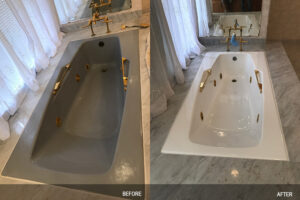
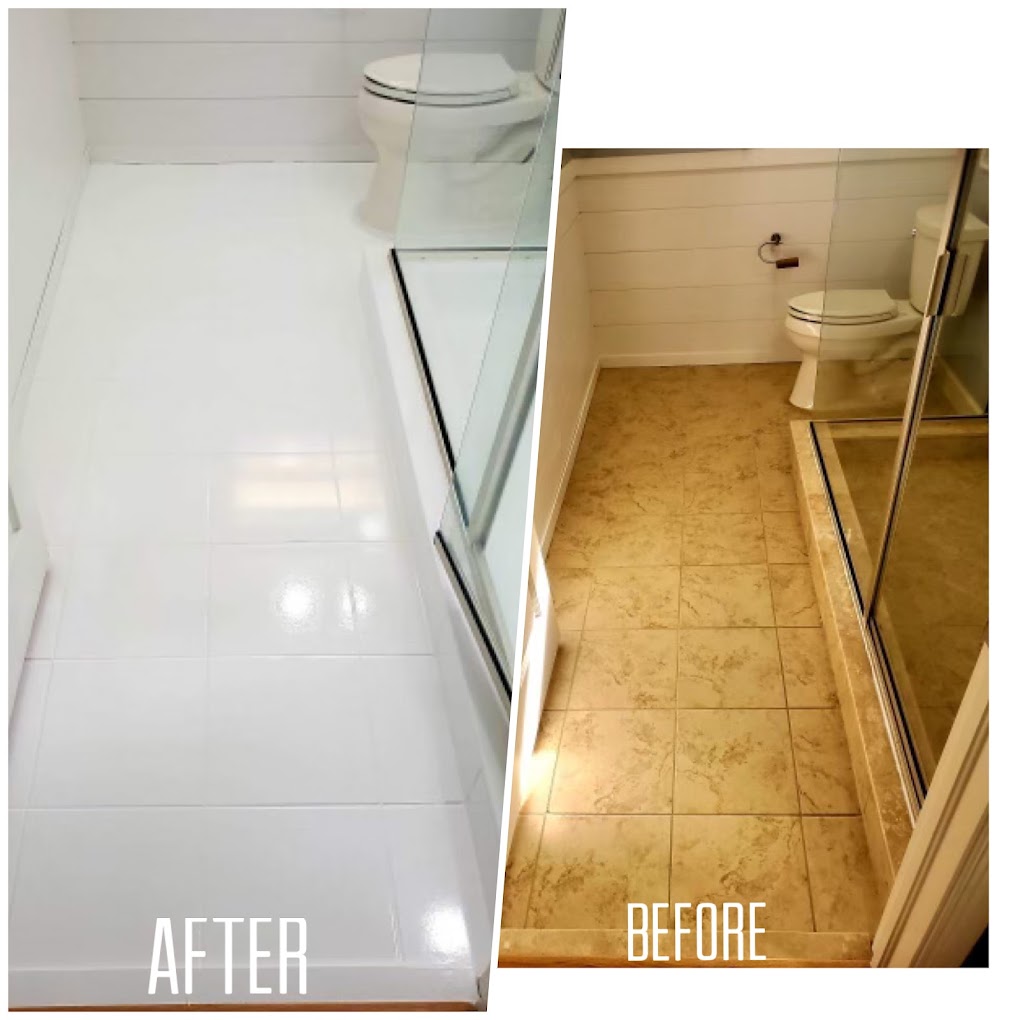
Why Consider Tub Glazing Instead of Bathtub Replacement?
Complete bathtub replacement can be appropriate when the existing fixture has serious structural problems or cannot reasonably be restored. However, replacement is not always necessary simply because the surface looks old. If the bathtub remains structurally sound, tub glazing can provide an alternative way to achieve a refreshed appearance.
Removing a bathtub can involve much more than taking out one fixture. Depending on the bathroom layout, replacement may require plumbing adjustments, demolition, disposal, new installation, tile repairs, drywall work, flooring repairs, caulking, and other finishing tasks. A project that begins as a simple bathtub upgrade can therefore become a significantly larger renovation.
Tub glazing for bathroom renovation allows the existing fixture to remain in place. This can preserve the current bathtub dimensions, placement, surrounding tile arrangement, and bathroom configuration while focusing the renovation specifically on the surface that needs improvement.
This can be particularly useful for older homes where the existing bathtub has a suitable shape or size that may be difficult to replace with a modern fixture. It can also be useful when homeowners want to preserve a particular bathroom layout while updating the appearance.
Glazing is not a universal replacement for a new bathtub. A professional assessment should determine whether the fixture is a suitable candidate for restoration. When the underlying bathtub is in appropriate condition, however, glazing can provide a practical renovation-focused solution.
Bathtub Problems That Tub Glazing Can Address
A bathtub can develop many visible problems over years of regular use. Some are caused by everyday wear, while others result from hard water, cleaning products, moisture, accidental impacts, or previous maintenance.
Staining is one of the most noticeable issues. Persistent discoloration around the bottom, drain, sides, or corners can remain visible even after regular cleaning. Mineral deposits and soap residue can also create a dull or uneven appearance that makes the bathtub seem permanently dirty.
Scratches and minor chips are another common concern. These imperfections may develop through normal use, dropped objects, unsuitable cleaning tools, or previous repairs. While small surface defects do not necessarily mean the bathtub needs to be replaced, they can significantly affect its appearance.
Fading and dullness can also make an older bathtub look outdated. A bathtub that was once bright and smooth may gradually lose its original appearance as the surface experiences continuous exposure to water, cleaning products, soap, and daily use.
Tub glazing for bathroom renovation can address many suitable surface-level issues as part of a comprehensive restoration process. Minor imperfections may be repaired, filled, smoothed, and prepared before the new finish is applied.
The exact restoration approach depends on the material, condition, previous treatments, and extent of damage. A professional assessment is therefore important before deciding whether glazing is appropriate.
How Tub Glazing Fits Into a Bathroom Renovation
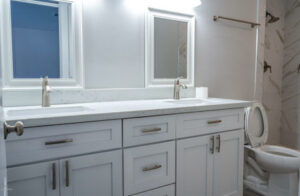
Bathroom renovations often involve coordinating several different surfaces and fixtures. Homeowners may update the vanity, flooring, lighting, wall colour, shower area, hardware, storage, and other features while trying to create a consistent finished appearance.
An old bathtub can become a visual mismatch within an otherwise updated bathroom. New flooring and modern fixtures may look excellent, but a stained or faded tub can still make the room feel unfinished.
Tub glazing for bathroom renovation can help solve this problem by allowing the existing bathtub to receive a renewed finish that complements the renovated space. Instead of designing the renovation around a worn fixture, homeowners can restore the tub as part of the overall project.
Glazing can also help homeowners avoid unnecessary changes to surrounding features. If the existing bathtub fits correctly and the surrounding tile is in good condition, removing the tub may create additional repair work. Keeping the fixture in place can allow other parts of the renovation to remain relatively undisturbed.
For bathroom renovations with a controlled budget, this can be an important consideration. Renovation funds can be directed toward improvements that genuinely require replacement or installation while suitable existing fixtures are restored.
Tub glazing can therefore become part of a broader bathroom renovation strategy rather than being treated as an isolated cosmetic service.
The Professional Tub Glazing Process
A successful tub glazing project starts with an assessment of the existing bathtub. The surface should be examined for staining, scratches, chips, cracks, discoloration, previous coatings, uneven areas, and other conditions that could affect the restoration.
Once the bathtub is determined to be suitable, thorough cleaning and degreasing are essential. Soap scum, body oils, grease, mineral deposits, cleaning-product residue, and other contaminants can interfere with the preparation and bonding process. The surface needs to be properly cleaned rather than simply wiped down.
Appropriate minor repairs can then be completed. Chips, holes, scratches, pits, and uneven areas may require filling, sanding, smoothing, or other preparation depending on their condition.
The surrounding bathroom must also be protected carefully. Tiles, walls, flooring, fixtures, caulking, hardware, and other nearby surfaces need to be shielded from the refinishing materials.
Once preparation is complete, the professional glazing material can be applied in a controlled manner to create a consistent finish. Proper application is important for achieving an even appearance without unwanted texture or inconsistencies.
The bathtub then requires appropriate curing time before normal use. A final inspection helps ensure that the finished surface has been properly completed and that the surrounding work area has been cleaned.
Aftercare instructions are also important. Appropriate cleaning products, gentle maintenance methods, and proper use can help protect the newly restored surface.
Benefits of Tub Glazing During a Bathroom Renovation
One of the main benefits of tub glazing is that it can refresh a bathtub without requiring complete replacement. This can reduce the amount of demolition associated with the renovation when the existing fixture remains suitable.
Tub glazing can also help preserve the current bathroom layout. Homeowners do not necessarily need to change the bathtub’s position, surrounding configuration, or existing dimensions simply because the surface has become worn.
Another benefit is visual consistency. A newly renovated bathroom can look incomplete if an old, stained, or faded bathtub remains untouched. Restoring the tub can help bring the fixture into harmony with the other updated features.
Tub glazing can also be useful when the existing bathtub has a shape or style that the homeowner wants to retain. Older tubs may have dimensions that fit the bathroom particularly well, while replacement options may require modifications to surrounding areas.
The process can also reduce unnecessary disposal. When a serviceable bathtub can be restored instead of discarded, homeowners can avoid removing a fixture that still serves its primary purpose.
For occupied homes, reduced demolition can also mean less disruption. A focused restoration project may be more convenient than a major bathtub replacement that requires extensive construction around the bathroom.
For these reasons, tub glazing for bathroom renovation can be considered when homeowners want a meaningful visual improvement while preserving an existing bathtub that remains suitable for restoration.
Tub Glazing for Different Types of Bathroom Renovations
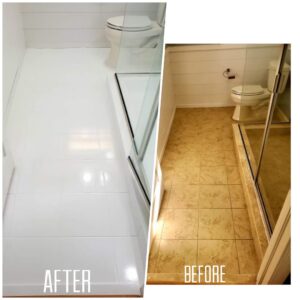
Not every bathroom renovation follows the same design or budget. Tub glazing can be relevant to a variety of renovation situations, from small cosmetic upgrades to larger bathroom improvements.
In an older home renovation, the bathtub may be structurally sound but visually worn after decades of use. Restoring its surface can help modernize the bathroom without replacing a fixture that still fits the original space.
In a condominium renovation, minimizing extensive demolition may be particularly useful because access, working space, building requirements, and surrounding units can affect renovation planning. Keeping the existing bathtub in place can simplify the scope when replacement is not necessary.
Rental-property renovations can also benefit from tub glazing. Landlords and property managers may want to improve the bathroom between occupants while controlling renovation time and costs. A restored bathtub can make a rental bathroom look cleaner and more professionally maintained.
Homeowners completing a budget-conscious renovation may also consider glazing when the existing tub works correctly but needs visual improvement. Instead of spending a significant portion of the renovation budget on a new bathtub, the existing fixture can be evaluated for restoration.
Even higher-end bathroom renovations can benefit from professional glazing when the existing bathtub has desirable dimensions or features that the homeowner wants to preserve. The key consideration is whether restoration can meet the desired result.
Tub Glazing Versus Refinishing, Resurfacing, and Replacement
Homeowners may encounter several terms when researching bathtub restoration, including glazing, refinishing, resurfacing, and reglazing. These terms are often used to describe related processes for renewing the surface of an existing bathtub, although the exact techniques and materials can differ.
Tub refinishing generally focuses on restoring the existing surface through cleaning, preparation, repairs, and application of a new finish. Resurfacing similarly emphasizes renewal of the visible bathtub surface.
Glazing or reglazing is commonly used to describe the application of a new professional finish after the existing surface has been appropriately prepared. The terminology can vary depending on the restoration company and the specific process used.
Replacement is fundamentally different because it involves removing the existing bathtub and installing another fixture. This can introduce additional work involving plumbing, surrounding surfaces, demolition, disposal, installation, and finishing.
The appropriate option depends on the condition and objectives of the bathroom renovation. If the bathtub is structurally unsuitable, replacement may need to be considered. If the main concerns are surface-level staining, scratches, discoloration, fading, chips, or dullness, professional restoration may be worth evaluating.
A careful assessment helps ensure that homeowners choose a restoration approach based on the actual condition of the bathtub rather than simply assuming that every outdated tub needs to be replaced.
Maintaining a Glazed Bathtub After Renovation
Proper maintenance is an important part of protecting the results of tub glazing for bathroom renovation. A newly restored surface should be treated carefully, particularly during the early curing period.
Homeowners should follow the aftercare instructions provided for the specific restoration system. Regular cleaning is important because soap residue, mineral deposits, and other buildup can become harder to remove when allowed to accumulate for long periods.
Non-abrasive cleaning methods are generally preferable for a restored bathtub. Rough scouring pads, abrasive powders, and aggressive cleaning techniques can affect the appearance of a refinished surface.
Harsh chemicals should also be avoided when they are not suitable for the restored finish. Using the wrong cleaning products repeatedly can contribute to premature deterioration.
Ventilation can help manage moisture in the bathroom. Keeping the space adequately ventilated can reduce excessive condensation and help maintain a more comfortable bathroom environment.
It is also important to address damaged caulking, leaks, loose fixtures, or other bathroom problems promptly. Moisture should not be allowed to create preventable problems around a recently renovated bathtub.
With sensible care and regular maintenance, a professionally glazed bathtub can continue to complement the renovated bathroom and maintain its refreshed appearance.
Why Choose KK Cleaning and Restoration for Tub Glazing?
KK Cleaning and Restoration provides professional bathtub restoration services for homeowners, landlords, property managers, condominiums, rental properties, and commercial spaces throughout Toronto and the GTA.
Our approach focuses on the complete restoration process rather than simply applying a coating to an existing surface. Each bathtub can have different problems, materials, previous treatments, and restoration requirements, so careful assessment is an important first step.
Preparation is a major part of our process. The bathtub is thoroughly cleaned and degreased, suitable minor surface imperfections are addressed, damaged areas are prepared, and surrounding bathroom surfaces are protected before professional glazing is applied.
We understand that bathroom renovation projects require attention to both appearance and practicality. Homeowners want the renovated space to look cohesive, while also avoiding unnecessary work wherever an existing fixture can reasonably be restored.
KK Cleaning and Restoration also offers related bathroom restoration services, including tile and grout cleaning, regrouting, shower restoration, caulking, and silicone replacement. This can be useful when the bathtub is one component of a larger bathroom restoration project.
Our objective is to help restore suitable existing bathtubs with careful workmanship and a professional finish. When a bathtub is structurally sound but has become stained, scratched, faded, discoloured, or dull, tub glazing can provide a practical way to refresh the fixture without automatically replacing it.
Complete Your Bathroom Renovation With Professional Tub Glazing
A bathroom renovation does not always have to begin with removing everything that looks old. Some existing fixtures may still be functional and structurally suitable but simply need professional restoration. The bathtub is one of the clearest examples of a fixture that can dramatically influence the appearance of the entire bathroom.
Tub glazing for bathroom renovation provides a way to renew the surface of an existing bathtub while keeping the fixture in place. Through detailed cleaning, preparation, appropriate repairs, professional glazing, curing, and aftercare, a worn bathtub can receive a refreshed and more attractive appearance.
The process can be particularly useful for homeowners who want to reduce unnecessary demolition, preserve their existing bathroom layout, control renovation costs, or avoid replacing a bathtub that still performs well.
Professional restoration also requires more than applying a new coating. The quality of preparation, attention to surface imperfections, protection of surrounding areas, application technique, and aftercare all contribute to the finished result.
KK Cleaning and Restoration provides professional tub glazing and bathroom restoration solutions throughout Toronto and the Greater Toronto Area. Whether the bathtub has become stained, scratched, faded, discoloured, chipped, dull, or simply outdated, a professional assessment can determine whether restoration is appropriate.
When the existing bathtub remains a suitable fixture, tub glazing can become an important part of a successful bathroom renovation. It can help create a cleaner, more cohesive, refreshed bathroom while allowing homeowners to preserve a bathtub that still fits the space and serves its purpose.
Contact us now:
 Call us now at +16479163093
 Email: info@kkcleaningandrestoration.ca
 Visit: https://kkcleaningandrestoration.ca/
FAQs on “tub glazing for bathroom renovation”
1. What is tub glazing for bathroom renovation?
Tub glazing for bathroom renovation is a professional process used to restore and renew the surface of an existing bathtub. It typically involves deep cleaning, degreasing, surface preparation, minor repairs, and application of a new professional finish. The process can improve the appearance of tubs affected by stains, scratches, chips, fading, discoloration, and general surface wear. Tub glazing for bathroom renovation allows homeowners to update the bathtub without automatically removing and replacing the entire fixture.
2. Why should homeowners consider tub glazing during a bathroom renovation?
Homeowners can consider tub glazing when their existing bathtub is structurally sound but its surface looks old, worn, stained, or outdated. Restoring the bathtub can help it complement newly renovated flooring, walls, fixtures, lighting, and other bathroom features. It can also reduce the need for demolition and other work that may be associated with complete bathtub replacement. Tub glazing for bathroom renovation can therefore provide a practical way to refresh an important bathroom fixture while preserving the existing tub.
3. Can tub glazing make an old bathtub look new?
Professional tub glazing can significantly improve the appearance of an older bathtub when the existing fixture is suitable for restoration. Surface problems such as dullness, discoloration, stains, scratches, and minor chips can be addressed as part of the preparation and restoration process. The result can give the bathtub a smoother, cleaner, and more refreshed appearance that works well with an updated bathroom. The final outcome depends on the original condition of the bathtub, preparation quality, restoration materials, and professional application.
4. What bathtub problems can tub glazing address?
Tub glazing can address many surface-related problems, including stubborn stains, discoloration, fading, scratches, dullness, minor chips, and general deterioration of the original finish. Suitable imperfections may be repaired, filled, sanded, and smoothed before the new glazing finish is applied. However, glazing is primarily a surface restoration process and may not be appropriate for every type of structural bathtub damage. A professional assessment can determine whether tub glazing for bathroom renovation is suitable for the particular fixture.
5. Is tub glazing better than replacing a bathtub during renovation?
Tub glazing and bathtub replacement are different solutions, and the appropriate option depends on the bathtub’s condition and the homeowner’s renovation goals. If the bathtub is structurally sound but has a worn or damaged surface, glazing can restore its appearance without removing the fixture. Replacement may be more appropriate when there is severe structural damage or when the homeowner wants a completely different bathtub design. Evaluating the existing bathtub before renovation can help determine whether tub glazing for bathroom renovation is a suitable alternative to replacement.
6. How does the tub glazing process work?
The tub glazing process generally begins with inspecting the existing bathtub and identifying areas that require restoration. The surface is then thoroughly cleaned, degreased, prepared, and repaired where necessary before a professional glazing finish is applied. Surrounding tiles, flooring, walls, fixtures, and other areas are protected during the work to help prevent unwanted overspray or material contact. After application, the surface requires appropriate curing time followed by final inspection before normal bathtub use resumes.
7. Why is bathtub preparation important before glazing?
Proper preparation is essential because the new finish needs a clean and suitably prepared surface for the restoration to be successful. Soap residue, body oils, mineral deposits, dirt, grease, old cleaning products, and other contaminants can interfere with the preparation and application process. Scratches, chips, holes, and uneven areas may also need to be repaired and smoothed before glazing. Thorough preparation is therefore one of the most important stages of professional tub glazing for bathroom renovation.
8. Can tub glazing be part of a complete bathroom renovation?
Yes, tub glazing can be incorporated into both small bathroom updates and larger renovation projects. Homeowners may combine bathtub restoration with new flooring, updated walls, modern fixtures, improved lighting, tile restoration, grout cleaning, regrouting, or shower improvements. Restoring the bathtub can help prevent an old surface from becoming a visual mismatch in an otherwise renovated room. Including tub glazing in the renovation plan can provide a more cohesive finished appearance while preserving a suitable existing fixture.
9. Can tub glazing help reduce bathroom renovation costs?
Tub glazing can help control renovation costs when the existing bathtub remains structurally sound and does not need complete replacement. Keeping the bathtub in place can reduce the need for some demolition, removal, disposal, installation, plumbing adjustments, and surrounding repairs associated with replacement. This allows homeowners to focus their renovation budget on other areas that may require more substantial upgrades. The actual cost advantage depends on the bathtub’s condition and the overall scope of the bathroom renovation.
10. Can tub glazing reduce disruption during a bathroom renovation?
Tub glazing can reduce disruption when restoration is appropriate because the existing bathtub remains in place rather than being removed. A complete bathtub replacement can involve demolition, plumbing work, removal of surrounding materials, installation, and additional finishing tasks. A surface-focused restoration can keep the scope more concentrated on the bathtub itself. This makes tub glazing for bathroom renovation worth considering when homeowners want to improve the bathroom while limiting unnecessary construction.
11. What types of bathtubs can be glazed?
Several common bathtub materials may be suitable for professional glazing depending on their condition and existing finish. These can include acrylic, fiberglass, porcelain, cast iron, and enamel-coated surfaces. Previous coatings, structural condition, surface damage, and the overall suitability of the fixture should be assessed before restoration begins. Professional tub glazing should always be selected based on the specific bathtub rather than assuming that every material requires exactly the same process.
12. Is tub glazing the same as bathtub refinishing?
Tub glazing and bathtub refinishing are commonly used to describe closely related bathtub surface restoration processes. Both generally involve preparing an existing bathtub and applying a new professional finish to improve its appearance and surface condition. The exact materials, preparation techniques, repair procedures, and application methods can vary between projects and service providers. For bathroom renovation purposes, both approaches focus on renewing an existing bathtub rather than automatically replacing it.
13. Can tub glazing repair scratches and chips?
Tub glazing can be combined with appropriate surface repairs when a bathtub has minor scratches, chips, pits, holes, or other suitable imperfections. These areas can be repaired, filled, sanded, and smoothed before the professional glazing finish is applied. The appropriate repair method depends on the bathtub material and the size, depth, and location of the damage. Professional bathtub repair and glazing can therefore provide a more complete restoration than simply applying a new finish over visible imperfections.
14. Can tub glazing remove bathtub stains and discoloration?
Professional tub glazing can substantially improve the appearance of many surface stains and discoloration problems. Deep cleaning and preparation address contaminants and buildup, while the new finish renews the visible surface of the bathtub. Some discoloration may originate from deeper material or structural problems, so not every stain can be treated in exactly the same way. When the problem is primarily surface-related, tub glazing for bathroom renovation can provide a significant visual improvement.
15. How long does tub glazing take during a bathroom renovation?
The time required for tub glazing depends on the condition of the bathtub, amount of surface preparation, required repairs, coating process, and curing requirements. A heavily stained or damaged bathtub may require more preparation than a tub with relatively minor surface wear. The bathtub also needs appropriate curing time before it is returned to normal use. Homeowners should therefore schedule tub glazing as part of the overall renovation timeline rather than assuming that every bathtub restoration will require the same amount of time.
16. How should a newly glazed bathtub be maintained?
A newly glazed bathtub should be maintained with suitable non-abrasive cleaning products and gentle cleaning methods. Homeowners should avoid abrasive powders, rough scouring pads, aggressive scrubbing, and cleaning chemicals that are unsuitable for the restored surface. Regular cleaning can help prevent soap residue, mineral deposits, and other buildup from accumulating. Following professional aftercare instructions can help protect the results of tub glazing for bathroom renovation.
17. Can harsh cleaning products damage a glazed bathtub?
Harsh chemicals and abrasive cleaning products can potentially dull, weaken, or otherwise damage a professionally restored bathtub surface when used improperly. Bathroom cleaning products should therefore be selected with consideration for the type of restored finish. Rough tools and aggressive scrubbing can also create unnecessary wear over time. Proper maintenance is particularly important after tub glazing for bathroom renovation because the quality of the restoration should be supported by appropriate ongoing care.
18. Can tub glazing change the appearance or colour of a bathtub?
Tub glazing can be used to refresh the appearance of an existing bathtub and, depending on the restoration system and project requirements, may provide opportunities to update its visible finish. Colour and finish options should be discussed during the planning stage because not every bathtub or restoration system has identical requirements. The surface must still be properly prepared regardless of the desired appearance. A professional tub glazing service can help determine an appropriate finish based on the bathroom design and condition of the existing fixture.
19. Is tub glazing suitable for condominium bathroom renovations?
Tub glazing can be suitable for condominium bathrooms when the existing bathtub is structurally appropriate for restoration. Keeping the bathtub in place may reduce the need for extensive demolition and removal work in a space where access and renovation logistics can be more complicated. Condo owners should still account for building rules, access requirements, working hours, ventilation, and other applicable renovation procedures. When those considerations are properly managed, tub glazing for bathroom renovation can be a practical way to refresh a condominium bathtub.
20. Can tub glazing be used for rental bathroom renovations?
Yes, tub glazing can be useful when landlords or property managers are updating rental bathrooms between tenants. A functional bathtub with stains, scratches, discoloration, or a worn finish may benefit from restoration instead of complete replacement. Improving the bathtub can contribute to a cleaner and more professionally maintained appearance when preparing the rental unit for a new occupant. Tub glazing for bathroom renovation can therefore be considered as part of rental property turnover and bathroom maintenance.
21. When should a bathtub be replaced instead of glazed?
Bathtub replacement may be more appropriate when the fixture has significant structural damage or conditions that cannot reasonably be corrected through surface restoration. Serious cracking, major deterioration, extensive damage, or other underlying problems can make a new bathtub a more suitable solution. Tub glazing is primarily designed to renew an appropriate existing surface rather than resolve every possible bathtub defect. A professional inspection can help homeowners determine whether bathtub restoration or complete replacement better suits the renovation project.
22. Can tub glazing preserve the existing bathroom layout?
One advantage of tub glazing is that the existing bathtub can remain in its current position when it is suitable for restoration. This can help homeowners preserve the existing bathroom layout, surrounding tile arrangement, plumbing configuration, and other design elements. Removing a bathtub can sometimes create additional work around flooring, walls, plumbing, and tile that would otherwise remain undisturbed. Tub glazing for bathroom renovation can therefore be useful when preserving the current layout is an important part of the renovation plan.
23. Why is professional tub glazing preferable to DIY bathtub coating?
Professional tub glazing involves detailed surface preparation, appropriate repair techniques, controlled application, surrounding-area protection, and proper curing that can be difficult to achieve with a basic DIY coating kit. An improperly prepared bathtub may develop adhesion, texture, appearance, or durability problems that reduce the quality of the renovation. Professional restoration also allows the bathtub to be assessed before work begins so unsuitable fixtures are not treated as though they only have cosmetic problems. For homeowners seeking a consistent renovation result, professional tub glazing can provide a more comprehensive approach to bathtub surface restoration.
24. Why choose KK Cleaning and Restoration for tub glazing for bathroom renovation?
KK Cleaning and Restoration provides professional bathtub restoration services for homeowners, landlords, property managers, condominiums, and commercial properties throughout Toronto and the Greater Toronto Area. Our approach includes careful assessment, detailed cleaning, surface preparation, suitable minor repairs, protection of surrounding areas, professional glazing application, and final inspection. We also provide related bathroom restoration services such as tile and grout cleaning, regrouting, shower restoration, caulking, and silicone replacement. For homeowners considering tub glazing for bathroom renovation, our goal is to restore a suitable existing bathtub and help it complement the appearance of the renovated bathroom.
Contact us now:
Call us now at +16479163093
Email: info@kkcleaningandrestoration.ca
Visit: https://kkcleaningandrestoration.ca/