Bathroom Silicone Replacement in Toronto: Expert Solutions by KK Cleaning and Restoration
Introduction: Bathroom Silicone Replacement in Toronto
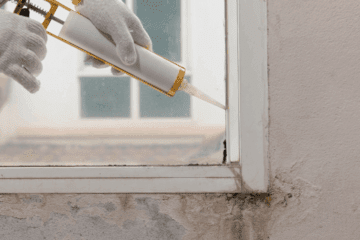
Bathroom Silicone Replacement in Toronto: When it comes to maintaining a clean, safe, and long-lasting bathroom, silicone plays a far more important role than most homeowners realize. Those smooth, flexible lines around your bathtub, shower, sink, and tiles are not just cosmetic details. They are your bathroom’s first line of defense against water damage, mold growth, and structural deterioration. Over time, however, silicone breaks down. It peels, cracks, discolors, and loses its seal. That is when professional bathroom silicone replacement in Toronto becomes essential.
At KK Cleaning and Restoration, precision, cleanliness, and durability define every project. Replacing old silicone is not simply about removing and reapplying a bead. It requires careful surface preparation, mold treatment, moisture control, and expert finishing to ensure long-term protection. In a climate like Toronto’s, where humidity fluctuates dramatically throughout the year, high-quality silicone replacement is critical to maintaining bathroom integrity.
This comprehensive guide explains everything you need to know about bathroom silicone replacement in Toronto, including why it matters, warning signs to watch for, professional techniques, long-term benefits, and why trusting experienced specialists makes all the difference.
Why Silicone Is Essential in Your Bathroom
Silicone sealant is a flexible, waterproof material applied along joints where two surfaces meet. In bathrooms, these joints are exposed to constant moisture, steam, and temperature shifts. Silicone prevents water from penetrating behind tiles, under bathtubs, and around fixtures.
Key Functions of Bathroom Silicone
- Prevents water infiltration behind walls and floors
- Protects drywall, subfloors, and framing from rot
- Reduces mold and mildew growth
- Maintains structural stability
- Provides a clean, polished finish
Without properly functioning silicone, water can slowly seep into hidden areas. Over time, this leads to costly structural repairs and potential health concerns due to mold.

Signs You Need Bathroom Silicone Replacement
Silicone does not last forever. Even high-quality sealants eventually degrade under continuous exposure to moisture and cleaning chemicals.
Visible Cracking or Splitting
Cracks are the most obvious sign that your sealant has failed. Even small splits allow water to penetrate.
Peeling or Lifting Edges
If the silicone is pulling away from the surface, it is no longer creating a watertight seal.
Mold That Keeps Returning
Surface mold can be cleaned. However, when mold keeps coming back in the same areas, it often indicates that moisture has seeped beneath damaged silicone.
Yellowing or Discoloration
Discoloration is not just cosmetic. It signals aging material that may no longer be flexible or waterproof.
Soft or Spongy Walls Near Joints
If surfaces feel soft around tubs or showers, water damage may already be occurring behind failed sealant.
Recognizing these signs early and scheduling bathroom silicone replacement in Toronto can prevent expensive renovations later.
The Risks of Ignoring Damaged Silicone
Many homeowners delay replacing silicone because it seems like a minor issue. However, the consequences of neglect can be significant.
Mold Growth and Health Concerns
Persistent moisture creates the perfect breeding ground for mold spores. Mold exposure may aggravate allergies and respiratory conditions.
Structural Damage
Water that seeps behind tiles can weaken adhesives, rot wooden framing, and damage subfloors.
Tile Movement and Grout Deterioration
When moisture penetrates beneath tiles, it compromises adhesion and grout stability.
Increased Repair Costs
Replacing silicone is a relatively affordable service. Waiting until water damage spreads can lead to full bathroom reconstruction.
Proactive bathroom silicone replacement in Toronto protects both your property and your health.

Why DIY Silicone Replacement Often Fails
It may seem simple to purchase a tube of silicone and apply it yourself. However, professional results require more than basic tools.
Improper Removal
Old silicone must be completely removed. Even small remnants prevent proper adhesion of new material.
Inadequate Surface Preparation
Moisture, soap residue, and hidden mold must be fully eliminated before application.
Uneven Application
Uneven beads not only look unprofessional but may create weak points in the seal.
Using the Wrong Product
Not all silicone is suitable for high-moisture environments. Choosing the wrong type reduces longevity.
Professional bathroom silicone replacement in Toronto ensures proper technique, correct materials, and long-lasting results.
The Professional Silicone Replacement Process
At KK Cleaning and Restoration, each project follows a structured and meticulous process.
1. Inspection and Assessment
Technicians evaluate the condition of existing silicone and surrounding surfaces to identify hidden damage.
2. Complete Removal
All old silicone is carefully removed using specialized tools without damaging tiles or fixtures.
3. Mold Treatment and Sanitization
Surfaces are disinfected and treated to eliminate mold spores.
4. Thorough Drying
Moisture levels are checked to ensure surfaces are completely dry before application.
5. Precision Application
High-grade, mold-resistant silicone is applied evenly with smooth finishing techniques.
6. Curing and Final Inspection
The area is inspected for consistency and left to cure properly for maximum durability.
This detailed process makes bathroom silicone replacement in Toronto both effective and long-lasting.

Choosing the Right Silicone for Toronto’s Climate
Toronto experiences cold winters and humid summers. Temperature changes cause expansion and contraction in bathroom materials.
Mold-Resistant Formulas
High-quality silicone includes antimicrobial properties to resist mold growth.
Flexible and Durable Composition
Premium silicone maintains flexibility even with temperature fluctuations.
Long-Term Adhesion
Professional-grade sealants bond strongly to tile, glass, porcelain, and metal surfaces.
Using climate-appropriate materials ensures reliable bathroom silicone replacement in Toronto year-round.
Areas That Require Silicone Replacement
Silicone is used in several critical bathroom locations.
Bathtub Edges
Where the tub meets tile walls and floors.
Shower Enclosures
Around glass panels, doors, and base trays.
Sink and Vanity Joints
Between countertops and backsplash surfaces.
Toilet Bases
In certain installations to prevent water seepage.
Each area requires careful application techniques to maintain waterproof integrity.
How Often Should Silicone Be Replaced?
On average, bathroom silicone lasts 5 to 10 years depending on usage and ventilation. High-moisture bathrooms may require replacement sooner.
Regular inspections help identify early deterioration. Scheduling professional bathroom silicone replacement in Toronto every few years can prevent major problems.
The Importance of Ventilation in Silicone Longevity
Proper airflow reduces humidity and prolongs sealant lifespan.
- Use exhaust fans during and after showers
- Keep bathroom doors open when possible
- Install dehumidifiers in high-moisture spaces
Good ventilation complements professional silicone work and extends durability.
Preventative Maintenance After Replacement
Once new silicone is installed, simple habits maintain its condition.
Avoid Harsh Chemicals
Strong cleaners may weaken sealant.
Clean Gently
Use mild, non-abrasive solutions.
Wipe Down Surfaces
Reducing standing water minimizes mold growth.
Maintaining your bathroom after professional bathroom silicone replacement in Toronto preserves long-term performance.
Commercial and Residential Silicone Replacement
Both homes and commercial properties require reliable sealant maintenance.
Residential Bathrooms
Protect family health and property value.
Rental Units
Prevent tenant complaints and water damage claims.
Hotels and Gyms
Maintain hygiene standards and professional appearance.
KK Cleaning and Restoration provides dependable bathroom silicone replacement in Toronto for all property types.
Benefits of Hiring KK Cleaning and Restoration
Choosing experienced professionals ensures peace of mind.
Skilled Technicians
Experienced specialists deliver precise and consistent results.
High-Quality Materials
Only premium mold-resistant silicone is used.
Clean and Efficient Service
Workspaces are protected and cleaned after completion.
Long-Term Reliability
Proper installation reduces future maintenance costs.
Professional bathroom silicone replacement in Toronto by KK Cleaning and Restoration guarantees durability and aesthetic excellence.
The Impact on Property Value
Bathrooms significantly influence property appeal. Cracked or moldy silicone signals neglect. Fresh, clean lines enhance overall presentation.
Whether preparing to sell or simply maintaining your home, investing in bathroom silicone replacement in Toronto supports long-term value.
Cost-Effective Protection Against Water Damage
Replacing silicone is far less expensive than repairing water-damaged walls or flooring. Preventative maintenance protects your investment and reduces unexpected expenses.
Early intervention is always the most economical solution.
Eco-Friendly Considerations
Modern silicone formulas often contain low VOC levels, making them safer for indoor environments. Proper mold removal also contributes to healthier air quality.
Responsible bathroom silicone replacement in Toronto promotes environmental and household safety.
Final Thoughts: Protect Your Bathroom with Expert Care
Your bathroom endures daily exposure to moisture, heat, and constant use. Silicone may seem like a small component, but its role is critical. When it begins to fail, immediate action prevents serious structural and health issues.
Professional bathroom silicone replacement in Toronto ensures watertight protection, improved hygiene, and enhanced appearance. With precise removal, expert application, and high-grade materials, KK Cleaning and Restoration delivers dependable results tailored to Toronto’s climate conditions.
If your bathroom shows signs of aging silicone, do not wait for water damage to escalate. Investing in timely replacement today safeguards your home for years to come.
Contact us now:
 Call us now at +16479163093
 Email: info@kkcleaningandrestoration.ca
 Visit: https://kkcleaningandrestoration.ca/
Faqs on Bathroom Silicone Replacement in Toronto by KK cleaning and restoration:-
1. What is bathroom silicone and why is it important?
Bathroom silicone is a flexible waterproof sealant applied where bathroom surfaces meet, such as around tubs, showers, sinks, and tiles. Its main purpose is to prevent water from entering gaps and causing hidden damage. Silicone remains elastic, allowing it to move with temperature changes and structural shifts. Without it, moisture can seep behind walls and floors. This can lead to mold growth and structural deterioration over time. Proper silicone installation protects both hygiene and building integrity. Regular maintenance ensures long-term effectiveness.
2. How long does bathroom silicone typically last?
Bathroom silicone usually lasts between five and ten years depending on usage and environmental conditions. High humidity and frequent cleaning may shorten its lifespan. Over time, silicone loses flexibility and adhesion. Exposure to harsh chemicals can also accelerate deterioration. Regular inspections help identify early signs of wear. Replacing silicone before failure prevents water damage. Professional installation often extends longevity.
3. What are the signs that silicone needs replacement?
Cracking, peeling, or separation from surfaces are common warning signs. Discoloration or yellowing indicates aging material. Persistent mold growth that returns after cleaning often means moisture has penetrated beneath the sealant. You may also notice gaps forming along edges. A musty smell near joints can signal hidden water buildup. Soft walls or loose tiles nearby may suggest advanced damage. Prompt replacement prevents further issues.
4. Why does mold grow on bathroom silicone?
Mold thrives in warm, damp environments like bathrooms. Silicone exposed to constant moisture becomes vulnerable over time. Soap residue and humidity create ideal conditions for mold spores. Older silicone loses its resistance to microbial growth. Poor ventilation worsens the problem significantly. Mold-resistant silicone helps reduce recurrence. Professional replacement removes contamination completely.
5. Can I clean mold instead of replacing silicone?
Surface mold can sometimes be cleaned temporarily. However, if mold penetrates beneath the silicone, cleaning alone will not solve the issue. Hidden moisture allows mold to return quickly. Damaged sealant cannot fully protect against water infiltration. Replacement ensures complete removal of contaminated material. Professionals sanitize the area before applying new silicone. This provides a longer-lasting solution.
6. Is bathroom silicone replacement necessary for waterproofing?
Yes, silicone is a critical component of bathroom waterproofing systems. It seals joints where water most commonly enters. Tiles and grout alone are not completely waterproof. Without intact silicone, moisture can bypass protective layers. This may lead to hidden structural damage. Maintaining silicone ensures effective moisture control. Regular replacement strengthens waterproof protection.
7. How long does silicone replacement take?
Most residential silicone replacement projects take a few hours to complete. The duration depends on bathroom size and condition. Removal of old sealant requires careful attention. Surfaces must be cleaned and dried before application. After installation, silicone needs curing time before exposure to water. Professionals provide clear usage guidelines. Efficient service minimizes disruption.
8. How long should I wait before using my shower after replacement?
Typically, silicone requires at least 24 hours to cure fully. Some products may require slightly longer depending on humidity levels. Using the shower too soon may weaken adhesion. Proper curing ensures a strong waterproof seal. Professionals advise specific timelines based on materials used. Following instructions maximizes durability. Patience during curing prevents premature failure.
9. What type of silicone is best for bathrooms?
High-quality silicone designed for wet environments is ideal. Mold-resistant and antimicrobial formulas offer added protection. Pure silicone provides superior flexibility compared to acrylic alternatives. Professional-grade products maintain adhesion longer. The correct type depends on the application area. Experts select materials suited for moisture exposure. Quality silicone ensures long-term performance.
10. Why does silicone peel away from tiles?
Peeling usually occurs due to improper installation or aging. Moisture trapped beneath the sealant weakens adhesion. Residue or soap buildup during application can also cause failure. Structural movement may stress older silicone. Using low-quality materials contributes to peeling. Professional preparation prevents these issues. Proper bonding ensures durability.
11. Can damaged silicone cause water leaks?
Yes, even small gaps allow water to seep behind surfaces. Over time, hidden leaks may damage walls and flooring. Moisture accumulation encourages mold growth. Structural materials may rot or weaken. Early replacement prevents costly repairs. Silicone acts as a critical moisture barrier. Maintaining it protects your home.
12. Is silicone replacement better than re-caulking over old sealant?
Applying new silicone over old sealant is ineffective. Old material prevents proper adhesion. Moisture and mold may remain trapped underneath. Complete removal ensures a clean bonding surface. Professional replacement delivers longer-lasting results. Proper preparation is essential for durability. Layering silicone is not recommended.
13. Does bathroom ventilation affect silicone lifespan?
Yes, good ventilation significantly extends silicone longevity. Excess humidity accelerates deterioration. Exhaust fans remove moisture from the air. Reduced condensation limits mold growth. Proper airflow keeps sealant dry between uses. Poor ventilation shortens lifespan considerably. Maintaining airflow protects bathroom surfaces.
14. Can silicone replacement improve bathroom appearance?
Fresh silicone instantly improves aesthetics. Clean lines create a polished and well-maintained look. Discoloration and mold stains disappear after replacement. Even older bathrooms appear refreshed. Small upgrades make noticeable visual differences. Professional finishing ensures neat application. Appearance improvement adds value to your space.
15. Is silicone replacement expensive?
Compared to major bathroom repairs, silicone replacement is affordable. It prevents costly structural damage caused by water infiltration. Early maintenance reduces long-term expenses. Pricing depends on bathroom size and condition. Professional services provide lasting results. Investing in prevention saves money over time. It is one of the most cost-effective maintenance tasks.
16. Can silicone shrink over time?
Yes, aging silicone may shrink slightly as it loses elasticity. Shrinkage creates gaps along joints. These openings allow moisture penetration. Temperature changes accelerate the process. High-quality silicone minimizes shrinkage. Professional application ensures proper thickness. Regular inspection catches early signs.
17. What areas require silicone in a bathroom?
Silicone is applied around bathtubs, shower corners, sinks, and countertops. It seals glass enclosures and tile transitions. Some installations include sealing around toilets. Any joint exposed to water may require silicone. Proper coverage prevents leaks. Professionals identify all vulnerable areas. Comprehensive sealing improves protection.
18. Can silicone replacement prevent mold permanently?
While no solution guarantees permanent prevention, replacement greatly reduces risk. Mold-resistant silicone inhibits growth. Proper ventilation and cleaning also play important roles. Removing contaminated sealant eliminates existing spores. Maintaining dry conditions helps prevent recurrence. Regular inspection ensures effectiveness. Prevention requires combined maintenance efforts.
19. Is professional silicone replacement worth it?
Professional services ensure proper removal and preparation. Experts use specialized tools for precision. High-quality materials improve durability. Clean finishing enhances appearance. DIY attempts often fail prematurely. Professional work provides long-term reliability. The investment offers peace of mind.
20. How do professionals remove old silicone?
Technicians use specialized blades and removal solutions. Careful techniques prevent damage to tiles. Residue is completely cleared away. Surfaces are sanitized before reapplication. Moisture levels are checked to ensure dryness. Proper preparation ensures strong adhesion. This process improves final results.
21. Does silicone replacement reduce odors?
Yes, mold and trapped moisture often cause musty smells. Removing contaminated sealant eliminates odor sources. Sanitization during replacement improves hygiene. Fresh silicone prevents moisture buildup. Improved ventilation further reduces odors. Clean joints contribute to fresher indoor air. Many homeowners notice immediate improvement.
22. Can silicone replacement increase property value?
Well-maintained bathrooms attract buyers and tenants. Clean sealant signals proper home care. Updated bathrooms improve visual appeal. Small maintenance upgrades influence buyer perception. Preventative repairs protect inspection results. Professional finishing enhances presentation. Property value benefits from good maintenance.
23. Does hard water affect silicone?
Hard water deposits may stain silicone over time. Mineral buildup causes discoloration. Regular cleaning reduces residue accumulation. While minerals rarely damage silicone structurally, they affect appearance. Professional products resist staining better. Maintenance preserves aesthetics. Water softeners may help reduce buildup.
24. What happens if silicone is ignored for too long?
Water infiltration may occur unnoticed. Mold growth can spread behind surfaces. Structural materials may weaken or rot. Tile adhesive may fail over time. Repairs become increasingly expensive. Ignoring issues leads to larger renovation projects. Early replacement prevents escalation.
25. Is silicone safe for indoor air quality?
Modern bathroom silicone products are designed for indoor use. Many options feature low VOC emissions. Proper curing ensures safe conditions. Removing mold improves air quality significantly. Professional installation follows safety standards. Ventilation during curing is recommended. Safe materials support healthy environments.
26. Can silicone replacement fix loose tiles?
Replacement alone cannot fix loose tiles. However, damaged silicone often signals underlying issues. Professionals inspect surrounding areas during service. Loose tiles may require reattachment or regrouting. Addressing problems early prevents worsening damage. Silicone replacement complements structural repairs. Combined solutions restore stability.
27. How often should silicone be inspected?
Annual inspection is recommended for most bathrooms. High-use showers may require more frequent checks. Early detection prevents leaks. Visual inspection takes only minutes. Professionals can identify hidden issues quickly. Routine monitoring ensures long-term protection. Preventative care saves money.
28. Does cleaning affect silicone durability?
Harsh chemicals can weaken sealant over time. Abrasive scrubbing damages surface texture. Using mild cleaners preserves elasticity. Gentle cleaning maintains appearance. Avoid bleach overuse whenever possible. Proper maintenance extends lifespan. Careful cleaning protects your investment.
29. Can silicone change color over time?
Yes, aging silicone may yellow or darken. Exposure to moisture and soap residue contributes to discoloration. UV light in bright bathrooms can also affect color. Mold stains may appear darker. Replacement restores clean appearance. Quality silicone resists discoloration longer. Regular cleaning slows changes.
30. Is clear or colored silicone better?
Both options perform similarly when high-quality products are used. Clear silicone blends with most surfaces. Colored silicone matches grout or tile for seamless appearance. Choice depends on design preference. Professionals help select appropriate options. Aesthetic consistency improves overall look. Functionality remains the same.
31. Can silicone prevent structural rot?
Yes, intact silicone blocks moisture entry points. Preventing water infiltration protects wooden framing. Dry structures resist rot and decay. Early sealing reduces long-term risks. Waterproof joints maintain building integrity. Regular maintenance ensures continued protection. Silicone plays a key preventative role.
32. Why does silicone sometimes look uneven?
Uneven application results from improper technique. Inconsistent pressure during application creates irregular lines. DIY installations often lack finishing tools. Professionals smooth silicone for uniform appearance. Proper masking ensures clean edges. Expert craftsmanship enhances aesthetics. Precision improves durability as well.
33. Does temperature affect silicone performance?
Temperature changes cause expansion and contraction in building materials. Silicone’s flexibility allows it to adapt. Extreme conditions may accelerate aging. High-quality products resist temperature stress better. Toronto’s seasonal changes make durable silicone essential. Professional selection ensures reliability. Climate suitability matters greatly.
34. Can silicone replacement be done in older bathrooms?
Yes, older bathrooms benefit significantly from replacement. Aging materials often hide moisture issues. Updating silicone improves waterproofing immediately. It refreshes appearance without major renovation. Professionals adapt techniques to older surfaces. Replacement is minimally invasive. It is an effective upgrade for aging spaces.
35. When should I call a professional for silicone replacement?
Call a professional when you notice cracks, mold, peeling, or persistent moisture issues. Recurring stains indicate seal failure. Water leaks require immediate attention. DIY fixes may not provide lasting results. Professionals ensure proper removal and installation. Early service prevents major damage. Expert care protects your bathroom long term.
Contact us now:
Call us now at +16479163093
Email: info@kkcleaningandrestoration.ca
Visit: https://kkcleaningandrestoration.ca/