Epoxy Grout Repair in Toronto – Complete Guide by KK Cleaning and Restoration
Epoxy Grout Repair in Toronto: Epoxy grout has become one of the most durable, long-lasting, and reliable grout solutions for residential and commercial tile installations across Toronto. Unlike traditional cement grout, which absorbs water, cracks easily, and requires regular maintenance, epoxy grout is engineered to withstand moisture, stains, chemicals, heavy use, and structural movement. But even the strongest grout can fail when it is improperly installed, exposed to harsh conditions, or simply reaches the end of its lifecycle. That is where professional epoxy grout repair becomes essential.
For homeowners, property managers, and businesses in Toronto, KK Cleaning and Restoration has built a reputation for delivering expert epoxy grout repair services designed to restore the integrity, appearance, and lifespan of tiled surfaces. Our team uses advanced repair techniques and industry-grade materials to ensure every grout line is sealed, stabilized, and protected for years to come.
This guide explores everything you need to know about epoxy grout repair, including how it works, what causes grout damage, the signs you need repair, the difference between epoxy and cement grout, and why choosing the right professionals makes all the difference—especially in a climate like Toronto’s.
1. Understanding Epoxy Grout: What Makes It Unique
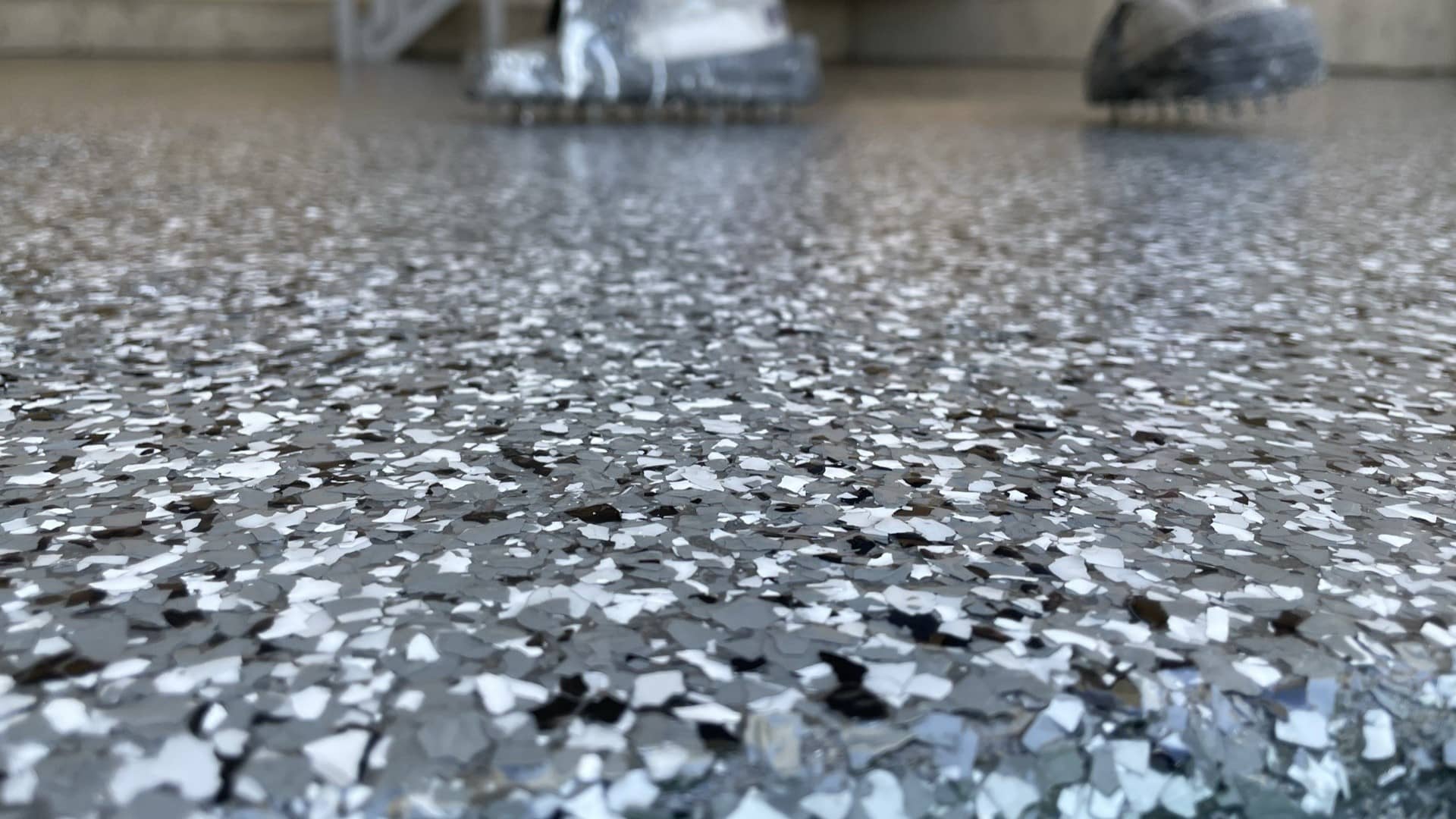
Epoxy grout is considered the premium choice for tile installations because it is made from epoxide resin, silica fillers, and a hardener. This combination makes it far more resistant to wear and tear compared to regular cement-based grout.
Key Characteristics of Epoxy Grout
- Waterproof by design
Unlike cement grout, it does not absorb moisture, making it ideal for showers, steam rooms, kitchens, pools, and other wet areas. - Chemical resistant
It stands up to acids, cleaning solutions, oils, and household chemicals without deteriorating. - Non-porous surface
Stains cannot penetrate epoxy grout, so it stays clean and retains its color. - Exceptional durability
Epoxy grout is strong enough to withstand heavy foot traffic, structural vibration, and surface movement. - Long-lasting color stability
It does not fade, discolor, or darken over time like cement grout.
Because of its unique performance properties, epoxy grout is used extensively in luxury homes, commercial spaces, restaurants, hospitals, and industrial facilities—anywhere cleanliness and durability matter.
However, despite its strength, epoxy grout can still become damaged. When that happens, professional repair is crucial.
2. Why Epoxy Grout Fails: Common Causes of Damage
Although epoxy grout is more resilient than cement grout, no grout system is invincible. In Toronto homes and businesses, damage typically occurs because of one or more of the following issues:
1. Improper Installation
Epoxy grout must be installed with precision. If the mixture ratio is incorrect, if it is not spread properly, or if it is not cleaned during curing, problems will appear later.
Mistakes include:
- Overwashing joints
- Underfilling joints
- Incorrect mixing
- Rushing application
- Poor surface preparation
These installation errors can lead to cracking, hollow joints, discoloration, or weak adhesion.
2. Structural Movement
Toronto’s climate involves freeze–thaw cycles and seasonal humidity changes. Buildings expand, contract, and shift over time. These movements can strain grout joints—even epoxy ones—causing cracks or separation.
3. Harsh Household Cleaners
While epoxy is chemical resistant, prolonged exposure to abrasive cleaners or acidic solutions can degrade the surface or dull the finish.
4. Heavy Impact or Stress
Dropping heavy objects, rolling industrial carts, or dragging furniture can damage both tile and grout.
5. Aging and Wear
Over time, even epoxy grout will begin to show signs of wear, especially in:
- Commercial kitchens
- Restaurant floors
- High-traffic hallways
- Public washrooms
- Hotel bathrooms
6. Moisture Intrusion Behind Tile
If waterproofing behind the tiles fails, moisture can seep into the substrate. This weakens the tile and grout assembly, often causing:
- Cracks
- Hollow tiles
- Loose grout
- Mold growth
When this occurs, epoxy grout repair becomes essential not just for aesthetics but for structural safety.
3. Signs You Need Epoxy Grout Repair
Identifying problems early can prevent expensive tile failure or water damage. Here are the most common warning signs:
1. Cracks in the grout
Any visible crack—even a fine hairline—should be addressed immediately. Cracks allow water to penetrate, damaging the underlying surface.
2. Missing or chipped grout
Small holes or missing sections signal weakening grout that requires repair or replacement.
3. Loose or hollow tiles
This is a major red flag. It means moisture or structural movement has compromised the installation.
4. Grout that is discolored
While epoxy grout typically resists discoloration, UV exposure or poor installation can cause uneven coloring.
5. Mold or mildew around tiles
If mold appears, it often means:
- moisture has penetrated
- waterproofing may be compromised
- grout joints are failing
6. Rough or uneven grout surface
Epoxy grout should be smooth and uniform. Roughness may indicate wear or installation issues.
7. Grout pulling away from tile edges
This means the grout is losing adhesion, usually due to movement or improper bonding.
If you see any of these signs, professional epoxy grout repair is essential.

4. Why Epoxy Grout Repair Is Different from Cement Grout Repair
Epoxy grout requires specialized tools, training, and materials. Unlike cement grout—which is easy to apply and remove—epoxy grout is extremely hard and durable, making DIY repair almost impossible.
Major differences include:
- Epoxy removal requires heat, specialized tools, or mechanical grinding
- Repair materials must match the original epoxy formula
- New epoxy must bond correctly to old sections
- Proper cleaning and curing is critical for long-term success
Because of these complexities, choosing experienced professionals like KK Cleaning and Restoration ensures the job is done correctly.
5. The Epoxy Grout Repair Process: Step-by-Step
Here is what the professional repair process typically involves:
Step 1: Inspection and Assessment
Our technicians thoroughly examine:
- existing grout condition
- tile stability
- moisture levels
- presence of mold or mildew
- structural movement
- underlying substrate issues
We then determine whether repair, partial replacement, or full regrouting is needed.
Step 2: Removal of Damaged Grout
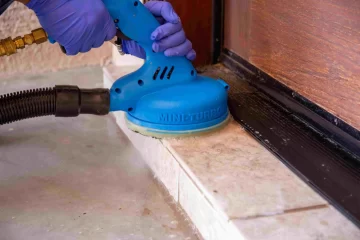
Damaged epoxy grout must be removed without harming surrounding tiles. This step may involve:
- oscillating tools
- grout saws
- diamond blades
- heat-assisted softening
Precision is essential to prevent tile chips or cracks.
Step 3: Cleaning and Surface Preparation
Before applying new epoxy grout, the area must be:
- vacuumed
- degreased
- sanitized
- dried thoroughly
Any dust or residue will prevent proper bonding.
Step 4: Mixing Epoxy Grout
Epoxy grout must be mixed exactly according to its specifications. A precise mixture ensures:
- proper curing
- strong adhesion
- smooth texture
- flawless color finish
Step 5: Application of New Epoxy Grout
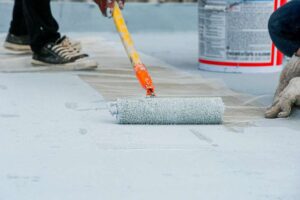
Technicians apply the fresh grout using specialized rubber floats. They work the material deep into joints to eliminate air pockets or voids.
Step 6: Cleaning and Detailing
Epoxy grout must be cleaned carefully during installation, using:
- microfiber cloths
- non-abrasive sponges
- controlled rinsing techniques
Proper cleaning ensures the tile surface remains clear of haze.
Step 7: Final Inspection
Once cured, we perform a detailed check to ensure:
- joints are smooth and uniform
- adhesion is strong
- color is consistent
- tile edges are sealed
- no gaps or voids remain
Step 8: Optional Sealing (If Required)
Although epoxy grout usually does not require sealing, in some cases a protective topcoat can enhance longevity—especially in high-traffic commercial areas.
6. Where Epoxy Grout Repair Is Commonly Needed
Epoxy grout repair is beneficial in both residential and commercial environments. Common locations include:
Residential Applications
- Bathroom floors
- Shower walls
- Shower floors
- Kitchen backsplashes
- Laundry rooms
- Entryways
- Mudrooms
- Tile countertops
Commercial Applications
- Restaurants
- Cafés
- Commercial kitchens
- Hotels
- Public washrooms
- Office buildings
- Gyms
- Health care facilities
- Swimming pools
These spaces benefit from epoxy grout’s superior hygiene, durability, and resistance to stains.
7. Why Epoxy Grout Repair Is Important in Toronto’s Climate
Toronto’s weather plays a big role in grout deterioration. Seasonal variations like heat, humidity, and freezing temperatures put pressure on building materials. Epoxy grout is ideal for Toronto because it:
- withstands thermal expansion
- resists freeze–thaw cycles
- prevents water penetration during snowy seasons
- stays stable in humidity
- reduces mold growth caused by moisture
Repairing epoxy grout ensures homes and buildings remain protected from long-term moisture damage.
8. Benefits of Professional Epoxy Grout Repair
Hiring trained specialists offers numerous advantages beyond a polished appearance:
1. Prevents costly water damage
Cracked or missing grout can lead to water infiltration, damaging walls, subfloors, and structural materials.
2. Restores waterproofing in showers and bathrooms
A proper repair ensures full moisture protection.
3. Eliminates mold and mildew issues
Fresh grout removes the conditions mold needs to grow.
4. Improves hygiene in kitchens and bathrooms
Epoxy grout is naturally resistant to bacteria.
5. Enhances tile longevity
Tiles stay secure and stable for years.
6. Boosts property value
Well-maintained grout is a sign of overall home care.
7. Improves the appearance of tiled areas
Clean, even grout lines instantly refresh the space.
8. Long-term savings
Epoxy grout repair reduces the need for full tile replacement.
9. Why Choose KK Cleaning and Restoration for Epoxy Grout Repair in Toronto
KK Cleaning and Restoration is a trusted specialist in grout repair, tile restoration, and waterproofing. When it comes to epoxy grout, precision and expertise matter—and our team brings both to every job.
What Makes Us the Best Choice
1. Skilled Technicians
We use trained professionals who understand the complexities of epoxy grout handling, application, and removal.
2. Advanced Tools and Techniques
We invest in specialized tools that allow safe grout removal without damaging tiles.
3. High-Quality Materials
We use premium epoxy formulations for strength, longevity, and cleanliness.
4. Thorough Inspection
We always investigate moisture issues and structural concerns before beginning repairs.
5. Mold and Mildew Treatments
We clean and sanitize thoroughly before installing new grout.
6. Transparent Pricing
We provide clear, fair estimates with no hidden fees.
7. Guaranteed Results
Our work is backed by a warranty for workmanship quality.
8. Customer-Centered Service
We prioritize communication, cleanliness, and efficiency in every home or business we serve.
When you choose KK Cleaning and Restoration, you choose a team committed to precision, durability, and excellence.
10. How Long Does Epoxy Grout Repair Last?
High-quality epoxy grout repair can last anywhere between 10 to 20 years depending on:
- moisture exposure
- cleaning products used
- installation quality
- tile movement
- building conditions
With proper installation and maintenance, epoxy grout often outperforms traditional grout by a wide margin.
11. Maintenance Tips After Epoxy Grout Repair
To keep your epoxy grout looking fresh and performing its best:
1. Use mild cleaners
Avoid harsh acids or bleach-based solutions.
2. Maintain proper ventilation
Especially in showers and bathrooms.
3. Inspect grout annually
Check for cracks or movement.
4. Clean spills immediately
Even though epoxy is stain-resistant, quick cleaning is always best.
5. Avoid abrasive scrubbing pads
They can wear down the surface over time.
6. Use soft sponges and microfiber cloths
These help maintain the polished look.
7. Keep tile joints dry when possible
Drying after use prolongs the life of the grout.
These simple steps can add years to your grout’s lifespan.
12. Can Epoxy Grout Be Repaired, or Does It Need Full Replacement?
In most cases, epoxy grout can be repaired, especially when:
- only a small section is damaged
- the underlying tile is intact
- the color match is straightforward
- structural issues are minimal
However, full replacement may be necessary when:
- there is extensive water damage
- mold has spread behind tiles
- grout lines are crumbling
- tiles are loose or hollow
- waterproofing has failed
KK Cleaning and Restoration assesses the situation and recommends the most cost-effective and durable solution.
13. How Much Does Epoxy Grout Repair Cost in Toronto?
Costs depend on several factors:
- size of the area
- level of damage
- difficulty of removal
- type of epoxy used
- access and layout
- moisture or mold issues
While epoxy repair is more labor-intensive than cement grout repair, it provides significantly longer-lasting performance. KK Cleaning and Restoration always provides transparent, detailed pricing based on your specific needs.
14. Final Thoughts: Protect Your Tile Investment with Professional Epoxy Grout Repair
Epoxy grout is one of the strongest, most reliable materials used in modern tiling. But even the toughest grout can experience wear, cracking, discoloration, or structural stress—especially in busy Toronto households and commercial environments. When that happens, timely epoxy grout repair is essential to stopping moisture infiltration, preventing mold, protecting structural materials, and restoring the beauty and function of your tiled surfaces.
KK Cleaning and Restoration brings unmatched expertise, specialized tools, and industry-leading techniques to every repair job. Whether you need shower grout repair, kitchen tile restoration, commercial floor grout repair, or full tile rehabilitation, our team ensures flawless results built to last.
Your tile investment deserves the best protection—and professional epoxy grout repair is the key to long-lasting, mold-free, waterproof surfaces that stay beautiful for years.
Contact us now:
📞 Call us now at +16479163093
📧 Email: info@kkcleaningandrestoration.ca
🌐 Visit: https://kkcleaningandrestoration.ca/
Detailed FAQs About Epoxy Grout Repair in Toronto – KK Cleaning and Restoration
1. What is epoxy grout and why is it used?
Epoxy grout is a highly durable grout made from resin and hardener. It’s used because it is waterproof, stain-resistant, and long-lasting compared to cement grout.
2. How is epoxy grout different from regular grout?
Regular grout is cement-based and porous, while epoxy grout is non-porous, waterproof, and far more durable, making it ideal for wet areas.
3. Why does epoxy grout need repair if it’s stronger?
Even though it is strong, epoxy grout can still crack due to movement, improper installation, impact damage, or aging.
4. How long does epoxy grout last before needing repair?
When properly installed, epoxy grout can last 10–20 years, but localized damage may require earlier repair.
5. What are the signs that epoxy grout needs repair?
Cracks, missing sections, discoloration, rough texture, mold growth, and loose tiles are all signs of damage.
6. Can damaged epoxy grout cause water leaks?
Yes. Even small cracks allow water to seep through, leading to hidden moisture damage.
7. Is epoxy grout repair different from cement grout repair?
Yes. Epoxy grout is harder to remove and requires special tools, experience, and precise mixing techniques.
8. Can I repair epoxy grout myself?
DIY repair is challenging because epoxy grout cures quickly and requires technical skill. Professional repair ensures lasting results.
9. How long does epoxy grout repair take?
Most repairs take between 1–3 hours depending on the size of the area and the severity of damage.
10. Does the tile need to be removed during repair?
No. In most cases, only the damaged grout is removed. Tile removal is needed only if the tiles are loose or hollow.
11. What areas commonly need epoxy grout repair?
Showers, bathroom floors, kitchen backsplashes, commercial kitchens, steam rooms, pools, and high-traffic floors.
12. Can epoxy grout be used for showers?
Absolutely. Epoxy grout is one of the best materials for shower walls and floors due to its waterproof nature.
13. Does epoxy grout resist mold and mildew?
Yes. Its non-porous surface makes it naturally resistant to mold and bacteria.
14. What causes epoxy grout to crack?
Movement in the substrate, improper installation, structural shifts, impact damage, or aging can cause cracks.
15. Is epoxy grout difficult to remove?
Yes. Its hardness requires specialized tools and technique to avoid damaging the surrounding tile.
16. Can you match the color of my existing epoxy grout?
Yes. Color matching is possible, and professionals can blend new grout seamlessly with old.
17. What happens if water gets behind epoxy grout?
Moisture behind the tiles can cause mold, weakening of the substrate, and eventual tile failure.
18. Is epoxy grout slippery when wet?
No. Epoxy grout is not slippery; it actually provides grip between tiles.
19. How long does epoxy grout take to cure after repair?
Curing typically takes 24 hours, but this may vary based on temperature and humidity.
20. Can epoxy grout be used outdoors in Toronto?
Yes. It is weather-resistant and suitable for outdoor use, even in Toronto’s harsh climate.
21. Is epoxy grout more expensive than regular grout?
Yes, but it offers significantly longer life, better waterproofing, and reduced maintenance costs.
22. Does epoxy grout stain over time?
It is highly stain-resistant, unlike cement grout which absorbs spills and moisture.
23. What causes epoxy grout discoloration?
Harsh chemicals, UV exposure, or improper cleaning can cause surface discoloration.
24. Can epoxy grout be painted?
No. It does not accept paint due to its non-porous composition.
25. How do you clean epoxy grout?
Use non-abrasive cleaners, warm water, and gentle scrubbing. Avoid harsh acids or bleach.
26. Can you repair only one small section of epoxy grout?
Yes. Spot repairs are common and cost-effective if overall grout is in good condition.
27. What tools are used to remove epoxy grout?
Oscillating tools, diamond blades, heat guns, and precision scrapers are typically used.
28. Does epoxy grout expand or contract?
It does slightly, but much less than cement grout, making it ideal for movement-prone areas.
29. Can epoxy grout be applied over old grout?
No. Old grout must be removed to ensure strong adhesion and proper bonding.
30. Will epoxy grout repair make my tiles look new again?
Yes. Fresh grout dramatically improves appearance and makes tiled surfaces look newly installed.
31. Is epoxy grout safe for kitchens?
Yes. It is one of the most hygienic options, resisting grease, stains, and food particles.
32. Does epoxy grout crack less than cement grout?
Yes. It is far more durable and resistant to cracking under normal use.
33. Can epoxy grout resist chemicals used in commercial settings?
Yes. It is widely used in commercial kitchens, labs, and industrial environments.
34. Do you repair grout in commercial buildings?
Yes. KK Cleaning and Restoration provides both residential and commercial epoxy grout repair.
35. How do I prevent epoxy grout from yellowing?
Use gentle cleaners and avoid exposure to harsh chemicals or direct UV light when possible.
36. Can epoxy grout repair fix loose tiles?
If the grout damage caused the tile to loosen, repair may help. In some cases, tile re-setting is needed.
37. Is epoxy grout heat-resistant?
Yes. It performs well in areas exposed to heat, such as kitchen backsplashes.
38. Do I need to seal epoxy grout after repair?
No. Epoxy grout is naturally waterproof and does not require sealing.
39. Can epoxy grout be used on floors?
Yes. It is excellent for floor installations, especially in moisture-prone or high-traffic areas.
40. Why is epoxy grout ideal for Toronto homes?
It withstands freeze-thaw cycles, humidity changes, heavy use, and moisture exposure.
41. Can I shower immediately after grout repair?
No. Avoid water contact for at least 24 hours after repair.
42. Is epoxy grout eco-friendly?
Many epoxy formulations are low-VOC and environmentally safer than older products.
43. Can epoxy grout fill large gaps?
It can fill moderate gaps, but extremely wide joints may require different materials or tile adjustment.
44. What causes pinholes in epoxy grout?
Improper mixing, trapped air bubbles, or rushed installation can create pinholes.
45. Does epoxy grout resist household cleaning chemicals?
Yes, but prolonged exposure to highly acidic chemicals may dull the finish.
46. Can epoxy grout repair fix mold problems?
Repairing grout can stop leaks and prevent mold, but existing mold must be treated first.
47. How often should epoxy grout be inspected?
Once a year is ideal, especially in showers or commercial spaces.
48. Does epoxy grout add structural support?
It helps stabilize tiles but does not replace proper substrate support.
49. How soon can I walk on floors after epoxy grout repair?
Wait at least 24 hours before heavy foot traffic.
50. How do I schedule epoxy grout repair with KK Cleaning and Restoration?
Simply call, email, or message their team to book an appointment or request an estimate.
Contact us now:
📞 Call us now at +16479163093
📧 Email: info@kkcleaningandrestoration.ca
🌐 Visit: https://kkcleaningandrestoration.ca/