Expert Caulking in Toronto by KK Cleaning and Restoration
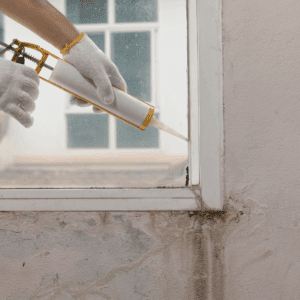
Expert Caulking in Toronto: Caulking may seem like a simple finishing detail, but it is one of the most essential elements of protecting your home from moisture damage, drafts, structural deterioration, and mold. In a city like Toronto—where temperature fluctuations, condensation, humidity, and aging properties create continual stress on building materials—quality caulking becomes even more important. Whether in your bathroom, kitchen, windows, exterior siding, or commercial property, proper caulking extends the life of your surfaces, prevents costly repairs, and ensures your home remains beautiful, safe, and efficient.
KK Cleaning and Restoration has become a trusted name across Toronto for delivering professional caulking services that go far beyond cosmetic touch-ups. Their team helps homeowners and business owners seal gaps, protect building structures, stop leaks, and prevent mold growth using industry-leading materials and precision installation techniques. This in-depth guide explores everything you need to know about caulking in Toronto—from why it matters to the benefits, types of caulking, signs you need replacement, and how professional service ensures long-lasting results.
1. What Is Caulking and Why Does It Matter?
Caulking is a sealing process used to close gaps, cracks, joints, and seams in various areas of your home, especially places exposed to moisture, temperature changes, and movement. The most common areas requiring caulking include:
- Bathrooms (tubs, showers, sinks)
- Kitchens (backsplashes, countertops, sinks)
- Windows and doors
- Baseboards and trim
- Floors and expansion joints
- Exterior siding
- Concrete joints
- Skylights and roof edges
Caulking has several crucial purposes:
1.1 Moisture Protection
If moisture penetrates cracks or gaps, it can lead to:
- Mold growth
- Wood rot
- Tile or grout failure
- Structural degradation
- Staining and warping
- Increased humidity inside the home
High-quality caulking creates a protective waterproof barrier that prevents water intrusion and the long-term damage it causes.
1.2 Improved Energy Efficiency
Drafts around windows and doors can drastically increase heating and cooling costs—especially in Toronto’s harsh winters. Caulking seals these gaps, improving insulation and helping maintain consistent indoor temperatures.
1.3 Enhanced Appearance
Caulking adds a polished, finished look by concealing seams and imperfections. Fresh caulking can rejuvenate older bathrooms, kitchens, and trim without the need for expensive renovations.
1.4 Pest Prevention
Small gaps attract:
- Ants
- Spiders
- Cockroaches
- Mice
- Earwigs
Professionally sealed surfaces help keep pests out.
1.5 Longer Lifespan for Building Materials
Proper caulking reduces stress on joints and surfaces, preventing cracking, shifting, and deterioration over time.
2. Why Caulking Is Especially Important in Toronto Homes
Toronto’s climate plays a major role in how building materials expand, contract, and degrade. Homes and commercial buildings in the city face:
2.1 Seasonal Temperature Swings
Winters are cold and dry, while summers are warm and humid. These changes cause building materials to stretch and shrink, creating gaps that allow moisture and air infiltration.
2.2 High Indoor Moisture
Toronto bathrooms and kitchens often experience steam buildup, especially in older homes without modern ventilation systems.
2.3 Frequent Freeze-Thaw Cycles
Moisture trapped in gaps freezes, expands, and causes cracks to worsen. High-quality exterior caulking is essential to prevent long-term structural issues.
2.4 Aging Housing Stock
Many Toronto properties—especially in older neighborhoods—have deteriorating caulking that needs repair or replacement. Aging caulking becomes brittle, cracked, discolored, and ineffective.
2.5 Condo and High-Rise Challenges
Condo units often have:
- High humidity
- Limited ventilation
- Tight construction
- Shared infrastructure
These factors make bathroom and kitchen caulking critical for preventing mold and water damage.
3. Types of Caulking KK Cleaning and Restoration Provides
Different surfaces require different types of caulking. Using the wrong product can lead to peeling, cracking, or mold growth. KK Cleaning and Restoration uses premium-grade, long-lasting materials specific to each application.
3.1 Silicone Caulking
Ideal for wet areas like:
- Showers
- Tubs
- Sinks
- Kitchen backsplashes
Benefits:
- Waterproof
- Flexible
- Mold and mildew resistant
- Long-lasting
3.2 Acrylic Latex Caulking
Best for interior trim, baseboards, and walls.
Benefits:
- Paintable
- Smooth finish
- Perfect for cosmetic sealing
3.3 Exterior Weatherproof Caulking
Formulated to withstand Toronto’s climate.
Used for:
- Windows
- Doors
- Siding
- Brick
- Concrete
Benefits:
- UV resistant
- Durable in extreme temperatures
- Flexible
3.4 Fire-Rated Caulking
Used in commercial buildings, condos, and specific regulated zones.
Benefits:
- Slows fire spread
- Meets building code requirements
3.5 Mould-Resistant Caulking
Essential for bathrooms prone to recurring mold issues.
Benefits:
- Antimicrobial additives
- Prevents staining and growth
3.6 Polyurethane Caulking
Used in exterior joints or masonry.
Benefits:
- Very strong bonding
- Excellent for expansion joints
4. Areas of Your Home That Need Expert Caulking
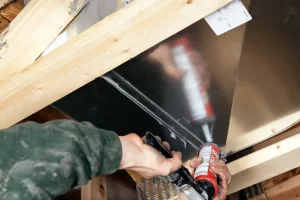
KK Cleaning and Restoration offers comprehensive caulking for all areas, including:
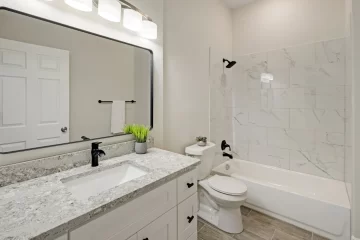
4.1 Bathroom Caulking
The bathroom is the most moisture-exposed room in the house. Professional bathroom caulking prevents leaks and mold in:
- Shower corners
- Tub surrounds
- Tile edges
- Sink edges
- Floor and wall joints
- Shower doors
- Around faucets and fixtures
4.2 Kitchen Caulking
Kitchens require caulking for both hygiene and protection.
Common areas include:
- Backsplashes
- Countertops
- Behind sinks
- Cabinet edges
- Window frames
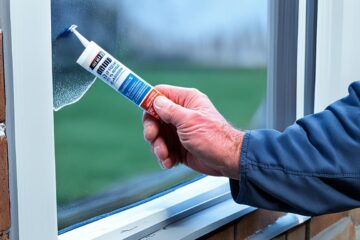
4.3 Window and Door Caulking
Proper sealing eliminates drafts and improves energy savings during Toronto’s winter season.
4.4 Exterior Caulking
Exterior caulking protects your home from:
- Rain
- Snow
- Wind
- Pests
Areas include:
- Brick joints
- Siding seams
- Exterior corners
- Garage doors
- Vents and penetrations
4.5 Interior Trim Caulking
For a finished look around:
- Baseboards
- Crown molding
- Window casings
- Door frames
4.6 Basement Caulking
Helps reduce moisture and prevent pests in cracks and joints.
4.7 Commercial and Condo Caulking
KK Cleaning and Restoration works with:
- Property managers
- Condo boards
- Renovation companies
- Construction firms
Offering certified and compliant caulking work.
5. Signs You Need Caulking Repair or Replacement
Caulking does not last forever. Toronto homeowners should watch for:
- Cracks or gaps
- Peeling or lifting caulking
- Discoloration or yellowing
- Mold growth
- Water stains
- Drafts near windows
- Increased humidity
- Hard or brittle texture
- Caulking pulling away from the surface
If any of these signs appear, replacement is necessary.
6. Why DIY Caulking Often Fails
While caulking may look simple, achieving long-lasting, clean, professional results requires:
- Proper surface preparation
- Removal of old caulking
- Use of the correct material
- Smoothing techniques
- Clean lines and correct finishing
- Knowledge of material expansion and movement
Many DIY jobs fail because:
- Cheap caulking is used
- Old moldy caulking is left behind
- Surfaces are not cleaned
- Excess moisture is sealed inside
- Gaps are under-filled or overfilled
Professional caulking ensures long-term performance and prevents damage.
7. The KK Cleaning and Restoration Caulking Process
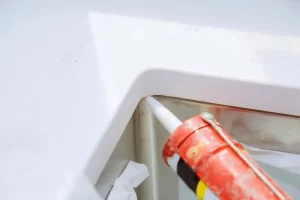
KK Cleaning and Restoration follows a detailed, step-by-step method to ensure the highest quality results.
7.1 Step 1: Inspection
A complete assessment of:
- Failed caulking
- Water damage
- Mold exposure
- Surface movement
- Leak risks
7.2 Step 2: Removal of Old Caulking
Old caulking must be removed completely to ensure adhesion and prevent mold recurrence.
7.3 Step 3: Surface Cleaning and Preparation
The team thoroughly cleans the area using:
- Solvents
- Primers (when required)
- Anti-mold treatments
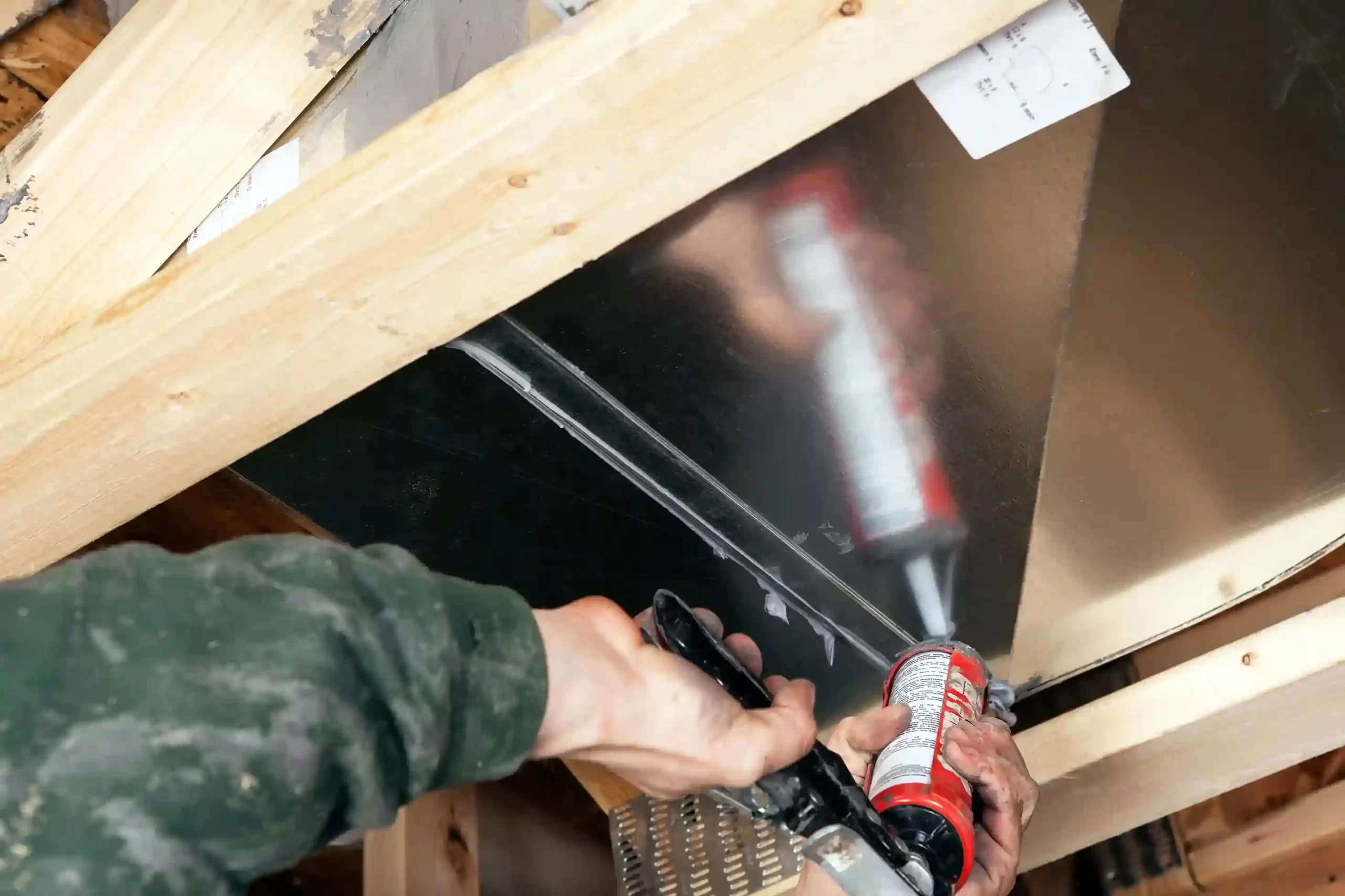
7.4 Step 4: Application of High-Quality Caulking
Each application is:
- Even
- Smooth
- Professionally tooled
- Precisely aligned
7.5 Step 5: Final Finishing
Clean edges and flawless lines give a sleek, modern look.
7.6 Step 6: Inspection and Aftercare Advice
Clients receive guidance on how to care for caulked surfaces to extend their lifespan.
8. Benefits of Professional Caulking by KK Cleaning and Restoration
8.1 Long-Lasting Results
Premium materials and expert installation ensure durability.
8.2 Leak Prevention
Stops water infiltration that leads to mold and structural damage.
8.3 Mold Reduction
Fresh, antimicrobial caulking inhibits mold regrowth.
8.4 Improved Energy Efficiency
Window and door sealing reduces utility costs significantly.
8.5 Enhanced Appearance
Bathrooms and kitchens look refreshed and modern.
8.6 Protection Against Pests
Seals entry points used by insects and rodents.
8.7 Increased Home Value
Properly maintained caulking indicates a well-kept property.
9. Common Caulking Issues in Toronto Homes
Toronto homeowners frequently face:
- Moldy bathroom caulking
- Crumbling grout and caulking
- Discoloration from hard water
- Air leaks around windows
- Gaps from shifting foundations
- Exterior caulking splitting due to freeze-thaw cycles
- Cracked caulking around tubs and showers
- Gaps in older homes
These issues often worsen with seasonal changes.
10. Caulking and Mold Prevention
Mold thrives in moist, unsealed areas. Failed caulking is one of the biggest triggers for:
- Shower mold
- Tub mold
- Sink mold
- Wall mold
- Hidden mold behind tiles
KK Cleaning and Restoration provides mold-resistant caulking and ensures hotspots are properly sealed to prevent future issues.
11. When to Replace vs. Repair Caulking
Replace Caulking When:
- It is moldy or black
- It has separated from the surface
- It has deep cracks
- It is brittle or hardened
- It shows signs of water damage behind it
Repair Caulking When:
- Minor cracks appear
- A small section lifts but the rest is intact
In most bathroom and kitchen cases, full replacement is the best choice.
12. Caulking Lifespan in Toronto
The average lifespan depends on materials and location:
- Bathroom caulking: 1–3 years
- Exterior caulking: 5–10 years
- Window caulking: 7–10 years
- Kitchen caulking: 3–5 years
Moisture, UV exposure, and poor installation shorten lifespan.
13. Caulking for Toronto Condos – Special Considerations
Condo bathrooms and kitchens often experience:
- High humidity
- Poor ventilation
- Limited exterior airflow
- Recurring mold issues
KK Cleaning and Restoration specializes in condo-safe, odor-free, professional caulking using materials approved by condo boards.
14. Exterior Caulking and Weatherproofing
Exterior caulking is essential for protecting your home from:
- Wind
- Rain
- Snow
- Pests
- Heat loss
- Water infiltration
KK Cleaning and Restoration uses weather-resistant, UV-protected caulking designed specifically for Toronto’s climate.
15. Kitchen and Bathroom Renovation Caulking
Fresh caulking is often the final step of any renovation. Poor caulking can undermine the entire remodel, while expert caulking provides a flawless, professional finish.
16. Why Choose KK Cleaning and Restoration for Caulking in Toronto
16.1 Experienced Technicians
Their team has years of experience servicing Toronto homes, condos, and businesses.
16.2 High-Quality Materials
Professionals use mold-resistant, flexible, premium caulking products that outperform store-bought options.
16.3 Meticulous Detail
Clean, sharp caulking lines elevate the look of any space.
16.4 Comprehensive Service
Includes inspection, removal, installation, and aftercare.
16.5 Mold Expertise
As mold remediation specialists, they ensure caulking prevents—not traps—moisture.
16.6 Fast and Reliable
Flexible scheduling and quick turnaround times without compromising quality.
16.7 Toronto-Focused Service
Their knowledge of the local climate ensures optimal material choice and application technique.
17. Frequently Asked Questions About Caulking in Toronto
(If you want, I can also create a large FAQ-specific Schema.)
17.1 How often should caulking be replaced?
Bathroom caulking should be replaced every 1–3 years, depending on moisture levels.
17.2 How long does caulking take to dry?
Most products cure within 24 hours but can vary based on material.
17.3 Can caulking stop mold?
Yes—when combined with proper ventilation and moisture control.
17.4 Is it safe to use the shower after caulking?
You should wait at least 24 hours to ensure proper curing.
17.5 What causes caulking to fail?
Moisture buildup, poor installation, harsh cleaning products, and building movement.
18. Final Thoughts
Expert caulking may be a small investment, but it delivers enormous value—protecting your home from water damage, mold, energy loss, and structural wear. In a city like Toronto, where weather and moisture challenges are constant, hiring professionals ensures your caulking lasts, performs, and enhances the beauty of your home.
KK Cleaning and Restoration provides high-quality caulking services backed by experience, reliability, and attention to detail. Whether you’re updating your bathroom, sealing windows for winter, or restoring damaged caulking, their team delivers exceptional results every time.
Contact us now:
📞 Call us now at +16479163093
📧 Email: info@kkcleaningandrestoration.ca
🌐 Visit: https://kkcleaningandrestoration.ca/
FAQs About Expert Caulking in Toronto – KK Cleaning and Restoration
1. What is caulking and why is it important?
Caulking is a sealing material applied to gaps and joints to prevent moisture, air leakage, and structural damage.
2. How often should caulking be replaced?
Most caulking should be replaced every 1–5 years depending on location and exposure to moisture.
3. Why does caulking fail over time?
Caulking fails due to moisture exposure, product aging, building movement, and temperature fluctuations.
4. What type of caulking is best for bathrooms?
High-quality mold-resistant silicone is the best option for bathrooms and wet environments.
5. How can I tell if my bathroom caulking needs replacement?
Signs include cracking, discoloration, peeling, mold growth, and water leaks.
6. Is caulking the same as grout?
No. Grout fills spaces between tiles, while caulking seals joints and corners to prevent leaks.
7. Can I apply new caulking over old caulking?
It is not recommended. Old caulking should be removed to ensure proper adhesion and longevity.
8. How long does professional caulking last?
Professional caulking can last significantly longer—typically 2–10 years depending on the area and material.
9. How long does caulking take to cure?
Most caulking cures in 24 hours, though some types may require up to 48 hours.
10. Can I use my shower immediately after caulking?
No. The shower should remain unused for at least 24 hours after caulking.
11. What causes mold to grow on caulking?
Moisture, poor ventilation, and using the wrong type of caulking contribute to mold growth.
12. How does professional caulking prevent water damage?
It seals cracks where water can seep through, protecting walls, floors, and structural areas.
13. Do Toronto homes require more frequent caulking?
Yes. Weather changes and humidity levels make regular maintenance essential.
14. What areas of my home need caulking the most?
Bathrooms, kitchens, windows, doors, baseboards, siding, and exterior joints.
15. Is silicone or acrylic caulking better?
Silicone is best for wet areas; acrylic is best for paintable surfaces like trim and baseboards.
16. Can caulking help reduce energy bills?
Absolutely. Sealing gaps around windows and doors improves insulation and reduces drafts.
17. What happens if caulking is not maintained?
You may experience leaks, mold growth, drafts, damaged tiles, and costly repairs.
18. Can caulking fix water leaks?
Caulking can seal minor leaks, but underlying issues must also be addressed.
19. Should I attempt DIY caulking?
Small touch-ups are fine, but professional caulking ensures durability, protection, and aesthetic quality.
20. Does KK Cleaning and Restoration remove old caulking before applying new?
Yes. They always remove old caulking for optimal adhesion and results.
21. Do you offer mold-resistant caulking?
Yes. High-quality mildew-resistant silicone is used in all wet areas.
22. What is the difference between interior and exterior caulking?
Interior caulking focuses on moisture control and aesthetics; exterior caulking emphasizes weather protection and insulation.
23. Can caulking help with pest prevention?
Yes. Sealing gaps keeps insects and small rodents from entering your home.
24. How long does a caulking project typically take?
Most projects take 1–3 hours, depending on the area and complexity.
25. Do I need to be home during the caulking service?
Not always, but it’s recommended for a walkthrough before and after the job.
26. Why hire a professional instead of doing it myself?
Professionals ensure clean lines, proper adhesion, long-lasting results, and full moisture protection.
27. Can caulking improve the look of my bathroom?
Yes. Fresh caulking creates a clean, polished, and updated appearance.
28. Does caulking smell?
Some silicone products have mild odors that dissipate quickly; ventilation helps.
29. What type of caulking do you use for kitchens?
Heat-resistant, mold-resistant silicone designed for kitchens and food prep areas.
30. Can caulking fix gaps in baseboards?
Yes. Interior latex caulking is ideal for sealing cosmetic gaps around trim.
31. Does caulking help with noise reduction?
Sealing gaps helps reduce sound transfer through windows, doors, and walls.
32. How soon can I clean the caulked area?
Wait at least 24 hours before wiping or using the area.
33. Why is exterior caulking so important in Toronto?
Harsh winters, humidity, and heavy rain can damage unsealed joints and materials.
34. Can caulking be painted?
Acrylic caulking can be painted; silicone cannot.
35. Do you offer commercial caulking services?
Yes. KK Cleaning and Restoration services condos, offices, retail stores, and commercial buildings.
36. How do I prevent my new caulking from turning yellow?
Use high-quality, UV-resistant products and clean with gentle solutions.
37. What causes caulking to crack?
Aging, building movement, improper installation, or poor-quality materials.
38. Is window caulking necessary?
Yes. It improves energy efficiency and protects against condensation and drafts.
39. How do I know if my window caulking needs replacement?
Feel for drafts, look for cracks, or check for moisture buildup.
40. Do you offer caulking for tubs and showers?
Absolutely. This is one of the most common services provided.
41. What happens if water gets behind failed caulking?
You may develop mold, tile damage, rot, and structural issues.
42. How long should I wait after caulking to take a bath or shower?
Always wait at least 24 hours to allow proper curing.
43. Can caulking help seal tile corners?
Yes. Tile corners should be caulked, not grouted, to allow movement and prevent cracking.
44. How do I choose the right caulking material?
A professional can recommend specific products based on location, moisture exposure, and durability needs.
45. Does caulking work in extremely cold weather?
Exterior caulking must be applied during appropriate temperatures to ensure proper bonding.
46. Can caulking help with water dripping from my sink?
If the leak is from a gap or joint, yes—otherwise, plumbing repairs may be needed.
47. How often should exterior caulking be inspected?
At least once a year, especially before winter.
48. Can you remove moldy caulking?
Yes. Moldy or deteriorated caulking is safely removed and replaced with mold-resistant material.
49. Do you guarantee your caulking work?
Yes. Professional work comes with a workmanship guarantee.
50. How do I schedule a caulking service?
Simply contact KK Cleaning and Restoration by phone or email to book an appointment.
Contact us now:
📞 Call us now at +16479163093
📧 Email: info@kkcleaningandrestoration.ca
🌐 Visit: https://kkcleaningandrestoration.ca/