How to Prevent Mold in Shower: The Complete Guide by KK Cleaning and Restoration
Introduction: How to Prevent Mold in Shower
How to Prevent Mold in Shower: Mold in the bathroom is one of the most common and frustrating problems homeowners face. The warm, damp, enclosed environment of a shower creates the perfect breeding ground for mold spores. If left untreated, mold can spread quickly, damage surfaces, create unpleasant odors, and even impact indoor air quality.
Understanding how to prevent mold in shower spaces is essential for protecting your home and your health. At KK Cleaning and Restoration, we’ve helped countless homeowners eliminate and control mold issues. In this in-depth guide, we’ll walk you through everything you need to know about how to prevent mold in shower areas effectively and permanently.
Why Mold Grows in Showers
Before mastering how to prevent mold in shower environments, you need to understand why mold thrives there in the first place.
Moisture and Humidity
Showers produce constant moisture. When hot water meets cooler air, condensation forms on walls, ceilings, grout lines, and fixtures. Without proper drying, that moisture lingers — creating the ideal setting for mold growth.
Poor Ventilation
Inadequate airflow traps humidity inside the bathroom. Even if you clean regularly, poor ventilation makes how to prevent mold in shower nearly impossible without correcting the airflow problem.
Soap Residue and Organic Material
Soap scum, body oils, and shampoo residue build up over time. These materials provide nutrients for mold spores. When combined with moisture, they accelerate growth.
Understanding these root causes is the first step toward truly mastering how to prevent mold in shower areas long term.
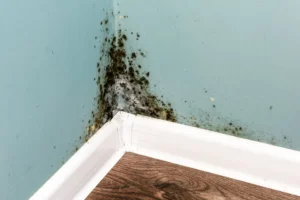
The Health and Structural Risks of Shower Mold
Learning how to prevent mold in shower spaces isn’t just about appearance. Mold can cause serious issues if ignored.
Health Concerns
- Allergic reactions
- Respiratory irritation
- Worsening asthma symptoms
- Sinus congestion
- Skin irritation
Structural Damage
Mold can deteriorate:
- Drywall
- Caulking
- Grout
- Wood framing behind tiles
If not addressed early, the cost of remediation increases dramatically. That’s why understanding how to prevent mold in shower is far more affordable than repairing widespread damage later.
Daily Habits That Make a Big Difference
The simplest answer to how to prevent mold in shower starts with consistent daily habits.
Wipe Down Surfaces After Every Shower
One of the most effective strategies for how to prevent mold in shower areas is wiping down:
- Glass doors
- Tile walls
- Fixtures
- Shower corners
Using a squeegee or microfiber cloth removes moisture before mold has a chance to grow.
Leave the Door or Curtain Open
Air circulation is critical when learning how to prevent mold in shower spaces. After showering:
- Leave the door open
- Spread the shower curtain fully
- Allow air to circulate
This simple habit significantly reduces trapped moisture.
Run the Bathroom Fan Properly
A properly functioning exhaust fan is essential in understanding how to prevent mold in shower environments.
Run the fan:
- During the shower
- For at least 20–30 minutes afterward
If your bathroom doesn’t have a fan, installing one is one of the smartest investments you can make.
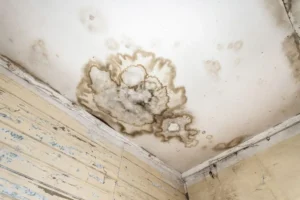
Weekly Cleaning Strategies That Stop Mold Early
Routine cleaning plays a huge role in how to prevent mold in shower areas from becoming a serious problem.
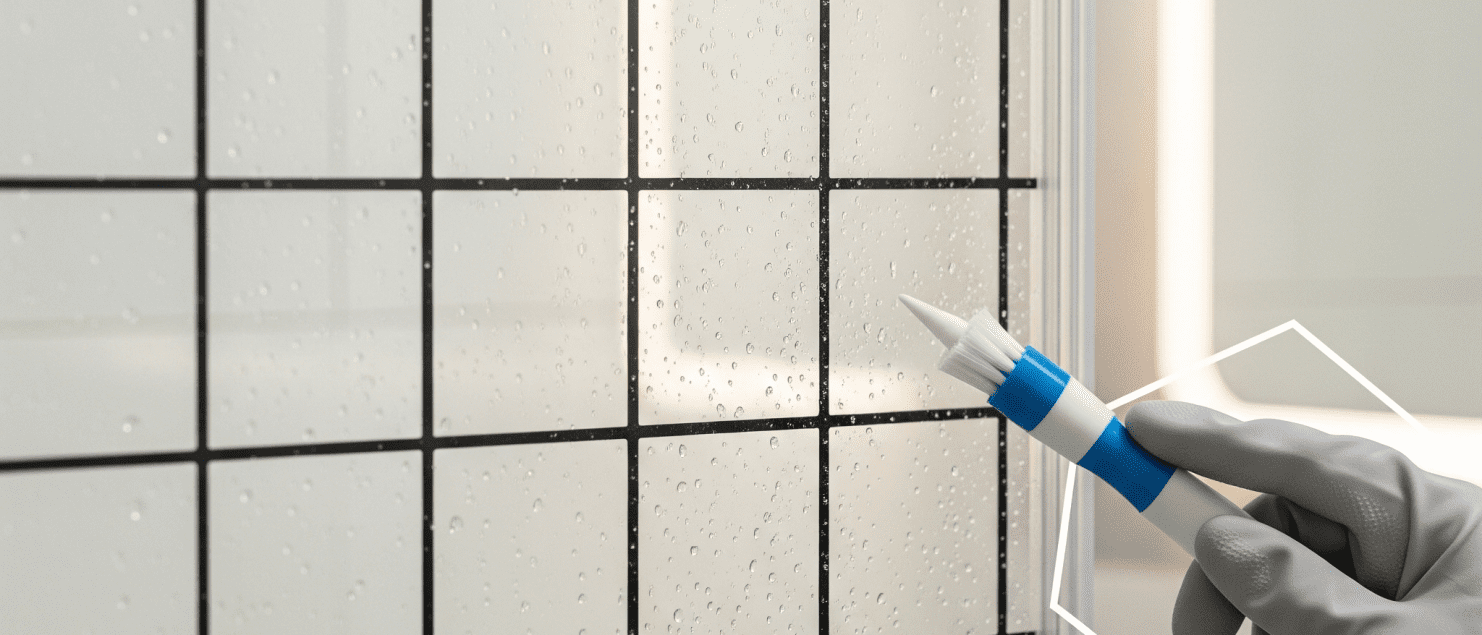
Clean Grout Lines Thoroughly
Grout is porous and absorbs moisture easily. To master how to prevent mold in shower grout:
- Use a soft brush weekly
- Clean with mold-resistant solutions
- Avoid letting soap scum accumulate
Wash Shower Curtains and Liners
Fabric curtains should be washed regularly. Plastic liners can be wiped down or replaced periodically. Maintaining these surfaces is another key step in how to prevent mold in shower spaces.
Disinfect Corners and Edges
Mold often starts in hidden corners. Inspect and clean:
- Tile seams
- Caulk lines
- Window sills
- Behind bottles
Consistency is essential when learning how to prevent mold in shower areas from becoming mold hotspots.
Improve Bathroom Ventilation for Long-Term Prevention
Ventilation is one of the most important components of how to prevent mold in shower environments effectively.
Upgrade Your Exhaust Fan
If your fan is outdated or undersized, moisture will linger. A modern, properly rated exhaust fan dramatically improves how to prevent mold in shower performance.
Open Windows When Possible
Natural airflow speeds up drying time. Even a few minutes of open windows after showering can support your strategy for how to prevent mold in shower areas.
Use a Dehumidifier
In high-humidity climates, a dehumidifier can be a powerful tool for how to prevent mold in shower spaces year-round.
Seal and Protect Grout and Caulking
Porous materials trap moisture, making sealing essential in understanding how to prevent mold in shower surfaces.
Apply Grout Sealer Annually
Sealing grout creates a moisture barrier. This extra protection plays a major role in how to prevent mold in shower tile installations.
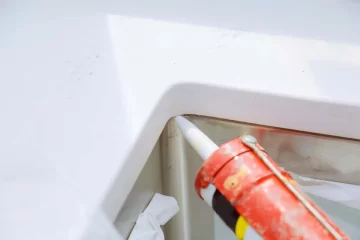
Replace Damaged Caulk Immediately
Cracked or peeling caulk allows water behind tiles. Prompt replacement strengthens your approach to how to prevent mold in shower walls from hidden growth.
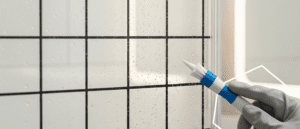
Choose Mold-Resistant Materials
If you’re renovating or building, material selection matters when planning how to prevent mold in shower construction.
Mold-Resistant Drywall
Specialized drywall reduces moisture absorption, making it a strong defense in how to prevent mold in shower walls.
Antimicrobial Paint
Bathroom-specific paint resists mildew growth and supports long-term strategies for how to prevent mold in shower ceilings and walls.
Solid Surface Panels
Fewer grout lines mean fewer mold opportunities. Modern shower panels simplify how to prevent mold in shower maintenance.
Control Humidity Levels Year-Round
Humidity control extends beyond shower time when considering how to prevent mold in shower environments.
Ideal Indoor Humidity
Keep indoor humidity between 30% and 50%. Higher levels make how to prevent mold in shower more difficult.
Monitor with a Hygrometer
An inexpensive humidity monitor helps you track conditions and refine your plan for how to prevent mold in shower areas effectively.
Deep Cleaning: When and How to Do It
Even with daily habits, occasional deep cleaning is vital to mastering how to prevent mold in shower buildup.
Monthly Scrubbing
Dedicate time each month to:
- Scrubbing grout
- Cleaning tile thoroughly
- Removing soap scum buildup
Deep cleaning reinforces everything you’re doing to support how to prevent mold in shower growth.
Inspect Hidden Areas
Check behind:
- Shelving
- Shampoo racks
- Decorative fixtures
Spotting early signs is critical in staying proactive about how to prevent mold in shower problems.
Common Mistakes That Make Mold Worse
Understanding what not to do is just as important as learning how to prevent mold in shower properly.
Ignoring Small Spots
Tiny mold patches can spread quickly. Immediate attention strengthens your plan for how to prevent mold in shower areas from escalating.
Painting Over Mold
This traps spores underneath and worsens the issue. True prevention means fully resolving growth to maintain effective how to prevent mold in shower protection.
Overlooking Ventilation Maintenance
Dirty or clogged fans reduce airflow. Maintenance ensures your system supports how to prevent mold in shower performance consistently.
Seasonal Considerations
Different seasons affect your strategy for how to prevent mold in shower spaces.
Winter
Closed windows increase humidity. Run fans longer to maintain proper how to prevent mold in shower airflow.
Summer
High outdoor humidity can raise indoor moisture levels. Dehumidifiers become essential tools in your how to prevent mold in shower routine.
Signs You Need Professional Help
Sometimes DIY efforts aren’t enough. Knowing when to call professionals is part of fully understanding how to prevent mold in shower damage from spreading.
Persistent Musty Odor
If odors remain despite cleaning, hidden mold may be present.
Recurring Mold Growth
If mold keeps returning despite your efforts at how to prevent mold in shower areas, deeper moisture problems may exist.
Water Damage Behind Tiles
Soft walls or loose tiles suggest hidden moisture, making professional inspection critical for proper how to prevent mold in shower resolution.
Professional Mold Prevention and Restoration
At KK Cleaning and Restoration, we specialize in identifying moisture sources, eliminating mold safely, and helping homeowners understand how to prevent mold in shower spaces permanently.
Comprehensive Moisture Assessment
We inspect:
- Ventilation systems
- Plumbing leaks
- Tile integrity
- Hidden moisture pockets
Understanding the root cause strengthens long-term how to prevent mold in shower success.
Safe Mold Removal
Professional remediation ensures spores are fully eliminated, supporting your commitment to how to prevent mold in shower areas without recurrence.
Preventative Recommendations
We provide tailored guidance so you can confidently maintain how to prevent mold in shower protection long after treatment.
Creating a Maintenance Schedule That Works
Consistency is the foundation of how to prevent mold in shower success.
Daily
- Wipe surfaces
- Run the fan
- Open doors
Weekly
- Clean grout
- Wash curtains
- Disinfect corners
Monthly
- Deep scrub tiles
- Inspect caulking
- Check ventilation
Following a structured routine simplifies how to prevent mold in shower management and keeps your bathroom fresh year-round.
Long-Term Bathroom Design Tips
Design plays a surprisingly large role in mastering how to prevent mold in shower environments.
Improve Drainage Slope
Water should never pool. Proper slope design enhances how to prevent mold in shower efficiency.
Minimize Horizontal Surfaces
Flat ledges collect water. Streamlined designs make how to prevent mold in shower much easier.
Install Frameless Glass Doors
Fewer metal frames reduce moisture traps and simplify how to prevent mold in shower cleaning routines.
The Cost Benefits of Prevention
Investing time in how to prevent mold in shower areas saves significant money over time.
Mold remediation can be costly if widespread. Structural repairs, tile replacement, and drywall reconstruction quickly add up. Preventative care is always more affordable than reactive repairs.
When homeowners fully understand how to prevent mold in shower environments, they protect both property value and indoor air quality.
Final Thoughts: A Proactive Approach Wins Every Time
Mold thrives in neglect — not in proactive homes. The key to lasting success lies in consistency, ventilation, material choices, and regular inspection.
By adopting the strategies outlined above, you can confidently manage how to prevent mold in shower areas without stress. Small daily habits combined with smart upgrades make all the difference.
And if mold ever gets beyond surface level, KK Cleaning and Restoration is ready to help. Our expertise ensures not only safe removal but long-term guidance on how to prevent mold in shower spaces effectively.
A clean, dry, well-ventilated bathroom isn’t just about appearance — it’s about health, protection, and peace of mind. With the right approach, mastering how to prevent mold in shower environments becomes simple, sustainable, and highly effective.
Contact us now:
 Call us now at +16479163093
 Email: info@kkcleaningandrestoration.ca
 Visit: https://kkcleaningandrestoration.ca/
Frequently Asked Questions About How to Prevent Mold in Shower
1. Why does mold grow so quickly in showers?
Mold grows quickly in showers because the environment provides constant moisture, warmth, and limited airflow. Every time you take a hot shower, steam condenses on walls, ceilings, grout lines, and fixtures. If that moisture does not dry properly, it creates ideal conditions for mold spores to settle and multiply. Soap scum and body oils also provide nutrients that mold feeds on. Bathrooms without strong ventilation trap humidity for extended periods. Understanding these conditions is the first step in learning how to prevent mold in shower spaces effectively.
2. How often should I clean my shower to prevent mold?
You should perform light cleaning daily and deeper cleaning weekly to prevent mold effectively. Daily habits like wiping down walls and doors remove surface moisture before it can turn into mold growth. Weekly scrubbing of grout, tiles, and corners helps remove soap buildup that feeds mold spores. Monthly deep cleaning adds another layer of protection. Consistency matters more than intensity when it comes to prevention. A structured cleaning routine is one of the strongest strategies for how to prevent mold in shower areas long term.
3. Is a bathroom fan really necessary for mold prevention?
Yes, a bathroom exhaust fan is one of the most important tools for mold prevention. It removes humid air and replaces it with drier air from outside or other parts of the home. Without proper ventilation, steam lingers on surfaces and increases the risk of mold growth. Running the fan during and for at least 20–30 minutes after showering significantly reduces moisture levels. If your bathroom lacks a fan, installing one is a worthwhile investment. Proper airflow plays a critical role in how to prevent mold in shower environments.
4. What is the best daily habit to stop mold from forming?
The single best daily habit is wiping down all shower surfaces immediately after use. Using a squeegee or microfiber cloth removes excess water before it evaporates and leaves damp residue behind. This simple practice dramatically reduces moisture accumulation. Leaving the shower door or curtain open afterward also improves air circulation. Running the exhaust fan at the same time strengthens your prevention efforts. These small actions collectively support how to prevent mold in shower spaces effectively.
5. Does leaving the shower curtain closed cause mold?
Yes, leaving a wet shower curtain bunched up or closed can encourage mold growth. When the curtain remains folded, moisture gets trapped in the creases. This creates dark, damp pockets where mold can thrive. Spreading the curtain fully open after each shower allows it to dry completely. Washing fabric curtains regularly also prevents buildup. Paying attention to small details like this makes a noticeable difference in how to prevent mold in shower areas.
6. Can mold grow behind shower tiles?
Yes, mold can grow behind tiles if moisture seeps through grout or damaged caulking. Water that penetrates these surfaces can reach drywall or wood framing. Hidden moisture problems often go unnoticed until musty odors or soft walls appear. Sealing grout and repairing cracks promptly reduces this risk. Proper waterproofing during installation is also essential. Addressing these structural factors is key when considering how to prevent mold in shower walls long term.
7. How does grout contribute to mold growth?
Grout is porous and easily absorbs moisture from daily showers. When not sealed, it retains water and soap residue that mold feeds on. Over time, discoloration may appear as mold begins to form. Sealing grout annually creates a protective barrier against water penetration. Regular scrubbing also removes surface buildup. Proper grout maintenance is fundamental to understanding how to prevent mold in shower tile installations.
8. Is bleach the best solution for preventing mold?
Bleach can kill surface mold temporarily but does not always penetrate porous materials deeply. On grout or caulking, mold roots can remain even after surface discoloration disappears. Repeated bleach use may also damage certain finishes. Prevention through moisture control is more effective than relying solely on chemicals. Mold-resistant cleaners can help as part of a routine maintenance plan. Long-term success in how to prevent mold in shower spaces comes from eliminating moisture, not just treating stains.
9. Should I use a dehumidifier in my bathroom?
In high-humidity climates, a dehumidifier can be extremely helpful. It reduces overall moisture levels in the air, especially during hot and humid seasons. Lower humidity means faster drying of surfaces after showering. Portable units work well in bathrooms without strong ventilation systems. Monitoring humidity levels ensures they stay between 30% and 50%. Maintaining balanced humidity greatly improves your strategy for how to prevent mold in shower areas.
10. What humidity level prevents mold growth?
Indoor humidity should ideally remain between 30% and 50%. Levels above 60% significantly increase the likelihood of mold growth. Bathrooms can temporarily exceed this range during showers, but they should return to normal quickly. Exhaust fans and dehumidifiers help achieve this balance. A small hygrometer can monitor moisture levels accurately. Managing humidity consistently is central to how to prevent mold in shower spaces effectively.
11. How can I tell if mold is forming early?
Early signs include small black or green spots along grout lines or caulking. You may also notice a faint musty odor. Discoloration around corners and edges can signal developing mold. Condensation that never seems to dry properly is another warning sign. Addressing these issues immediately prevents larger infestations. Early detection is crucial in mastering how to prevent mold in shower areas.
12. Does hot water increase mold risk?
Hot water itself does not cause mold, but it creates steam and humidity. Steam condenses on cooler surfaces, forming water droplets. Without ventilation, that moisture lingers and supports mold growth. The hotter and longer the shower, the more humidity accumulates. Proper airflow offsets this effect. Managing steam effectively supports how to prevent mold in shower environments.
13. Are mold-resistant paints effective?
Mold-resistant paints contain antimicrobial additives that discourage mildew growth. They are especially helpful on bathroom ceilings and upper walls. However, they are not a substitute for proper ventilation. These paints work best when combined with moisture control strategies. They provide an extra layer of defense in high-humidity spaces. Including protective coatings strengthens your plan for how to prevent mold in shower areas.
14. How often should caulking be replaced?
Caulking should be inspected every few months and replaced when cracked or peeling. Damaged caulk allows water to seep behind tiles and into walls. Replacing it promptly prevents hidden moisture buildup. High-quality silicone caulk resists mold better than cheaper alternatives. Proper application ensures a tight seal. Maintaining caulking integrity is a critical step in how to prevent mold in shower installations.
15. Why does mold keep coming back after cleaning?
Recurring mold often indicates an unresolved moisture problem. Surface cleaning may remove visible growth but not eliminate hidden dampness. Poor ventilation, leaks, or unsealed grout could be contributing factors. Identifying and correcting the moisture source is essential. Professional assessment may be needed for persistent issues. Sustainable results depend on addressing root causes when learning how to prevent mold in shower spaces.
16. Can shower design affect mold prevention?
Yes, design plays a significant role in moisture control. Showers with proper slope prevent water pooling. Frameless glass doors reduce metal tracks where moisture collects. Fewer grout lines mean fewer areas for mold to grow. Built-in ventilation systems also improve drying time. Thoughtful design supports long-term success in how to prevent mold in shower environments.
17. Is natural ventilation enough?
Natural ventilation can help, but it may not always be sufficient. Opening windows allows fresh air circulation, but weather conditions may limit effectiveness. In colder seasons, windows are often kept closed. Mechanical ventilation provides consistent airflow regardless of climate. Combining both methods offers the best results. Reliable airflow is essential when focusing on how to prevent mold in shower areas.
18. How long should I run the exhaust fan?
The exhaust fan should run during your shower and for at least 20–30 minutes afterward. This allows excess humidity to exit the room fully. Some homeowners install timers for convenience. Running the fan too briefly leaves moisture behind. Regular maintenance ensures the fan works efficiently. Proper fan usage is one of the simplest answers to how to prevent mold in shower spaces.
19. Does soap scum contribute to mold?
Yes, soap scum provides organic material that mold can feed on. When combined with moisture, it accelerates growth. Regular cleaning removes this food source. Specialized bathroom cleaners help dissolve buildup effectively. Keeping surfaces residue-free discourages mold colonization. Removing soap scum is an important detail in how to prevent mold in shower maintenance.
20. When should I call a professional?
You should call a professional if mold returns repeatedly or spreads beyond surface areas. Persistent musty odors may indicate hidden growth behind walls. Soft drywall or loose tiles are also warning signs. Professionals can identify moisture sources using specialized equipment. Early intervention prevents larger structural damage. Expert assistance ensures complete solutions for how to prevent mold in shower problems.
21. Can mold affect indoor air quality?
Yes, mold releases spores into the air that can circulate throughout your home. These spores may trigger allergies or respiratory irritation. Bathrooms with ongoing mold problems can impact overall air quality. Proper remediation and prevention improve health conditions. Air filtration systems can also help reduce airborne particles. Maintaining a mold-free shower contributes to a healthier living environment.
22. Is it safe to ignore small mold spots?
No, even small spots can spread quickly if moisture remains present. Mold colonies expand when conditions are favorable. Early removal prevents widespread contamination. Ignoring small patches increases long-term damage risks. Consistent monitoring keeps problems manageable. Immediate action supports effective how to prevent mold in shower strategies.
23. Does sealing grout really make a difference?
Yes, sealing grout significantly reduces water absorption. It creates a protective barrier against moisture penetration. Sealed grout dries faster and resists staining. Annual reapplication maintains effectiveness. This simple maintenance step extends tile lifespan. Sealing is a powerful method in how to prevent mold in shower areas.
24. Are certain shower materials better for mold resistance?
Solid surface panels and large-format tiles have fewer seams where mold can grow. Mold-resistant drywall and cement board improve durability behind tiles. Quality materials resist water penetration better than cheaper alternatives. Smooth surfaces are easier to clean and dry quickly. Choosing the right materials reduces maintenance needs. Smart material selection supports how to prevent mold in shower construction.
25. Can leaks cause hidden mold?
Yes, small plumbing leaks often create hidden mold growth. Even minor drips increase moisture behind walls. Over time, this can cause structural damage. Regular inspections catch leaks early. Fixing plumbing promptly prevents mold spread. Addressing leaks is vital for how to prevent mold in shower systems.
26. Should I dry the shower ceiling?
Yes, ceilings collect condensation during hot showers. Moisture on ceilings can encourage mildew growth. Running the exhaust fan helps dry overhead surfaces. Wiping visible droplets can further reduce risk. Mold-resistant paint adds protection. Ceiling maintenance supports complete how to prevent mold in shower efforts.
27. How can I prevent mold in shower corners?
Corners trap moisture and are often overlooked during cleaning. Regular scrubbing removes buildup from tight spaces. Using a small brush ensures thorough coverage. Good ventilation helps dry these areas faster. Inspect corners frequently for early signs. Paying attention to detail strengthens how to prevent mold in shower corners.
28. Does temperature affect mold growth?
Warm temperatures combined with moisture create ideal conditions for mold. Bathrooms naturally stay warm during showers. While you cannot eliminate heat, controlling humidity reduces risk. Cooling and ventilation systems assist in moisture management. Balanced indoor conditions discourage mold. Temperature awareness is part of how to prevent mold in shower planning.
29. Can air purifiers help?
Air purifiers with HEPA filters can reduce airborne mold spores. While they do not eliminate moisture, they improve air quality. They are useful in homes with allergy concerns. However, they should complement—not replace—ventilation. Moisture control remains the priority. Purification adds support to how to prevent mold in shower strategies.
30. How do I prevent mold during bathroom renovations?
Use mold-resistant drywall and waterproof membranes behind tiles. Install high-quality ventilation systems from the start. Ensure proper slope for drainage. Seal grout and caulk thoroughly. Choose materials with fewer seams. Planning ahead ensures long-term success in how to prevent mold in shower remodels.
31. Is daily squeegeeing really necessary?
Daily squeegeeing significantly reduces residual water on surfaces. Less standing moisture means fewer opportunities for mold growth. It takes only a few minutes but delivers long-term benefits. Glass doors stay clearer and tiles dry faster. This habit is one of the simplest preventive measures. Consistency makes it highly effective in how to prevent mold in shower routines.
32. What smells indicate hidden mold?
A persistent musty or earthy smell often indicates mold presence. Even if surfaces look clean, hidden growth may exist. Odors usually intensify after showers. Investigating the source promptly prevents larger issues. Professional inspection may be required for concealed areas. Addressing odors early supports how to prevent mold in shower damage.
33. Can mold damage grout permanently?
Yes, prolonged mold exposure can stain and weaken grout. Deep-rooted mold may require regrouting if damage is severe. Early cleaning prevents permanent discoloration. Sealing extends grout lifespan. Consistent maintenance protects structural integrity. Proper care is essential in how to prevent mold in shower grout lines.
34. How can I maintain mold prevention long term?
Create a schedule that includes daily drying, weekly cleaning, and monthly inspections. Monitor humidity levels regularly. Replace damaged caulk immediately. Keep ventilation systems clean and functional. Address leaks without delay. Long-term consistency is the foundation of how to prevent mold in shower success.
35. Why choose professional restoration services?
Professional services provide thorough inspection and moisture detection. Experts use specialized tools to find hidden mold sources. They ensure safe removal without spreading spores. Preventative recommendations reduce future risks. Professional support offers peace of mind. For persistent issues, expert guidance ensures lasting solutions for how to prevent mold in shower environments.
Contact us now:
Call us now at +16479163093
Email: info@kkcleaningandrestoration.ca
Visit: https://kkcleaningandrestoration.ca/