Property Tile Restoration in Toronto – KK Cleaning and Restoration
Property Tile Restoration in Toronto: Property owners and managers across Toronto understand that tile surfaces are more than just a design feature. They are a major investment that directly impacts the appearance, safety, hygiene, and long-term value of residential, commercial, and mixed-use properties. Over time, even the highest-quality tile can lose its original beauty due to wear, staining, moisture exposure, and heavy foot traffic. This is where professional property tile restoration becomes essential. At KK Cleaning and Restoration, tile restoration is approached as a precise craft that combines advanced techniques, industry knowledge, and a deep understanding of Toronto properties and their unique challenges.
Property tile restoration is not simply about cleaning tiles. It is a comprehensive process designed to revive worn surfaces, repair underlying issues, protect materials, and extend the life of floors, walls, and tiled structures. For property owners who want results that last, professional restoration offers a level of care and expertise that routine maintenance cannot match.
Understanding Property Tile Restoration
Tile restoration involves a series of specialized services aimed at returning tile surfaces to their optimal condition. This includes deep cleaning, grout restoration, stain removal, surface refinishing, sealing, and sometimes minor repairs. Unlike tile replacement, restoration preserves existing materials while addressing the root causes of deterioration.
In Toronto, properties face a unique combination of challenges that accelerate tile wear. Seasonal temperature changes, moisture from snow and rain, salt residue, high-density urban traffic, and frequent cleaning all contribute to tile degradation. Professional tile restoration accounts for these factors, ensuring that surfaces are not only visually improved but structurally reinforced.
Why Tile Surfaces Deteriorate Over Time
Even durable tile materials are not immune to damage. One of the most common causes of tile deterioration is grout failure. Grout is porous by nature and absorbs dirt, moisture, and bacteria. Over time, it weakens, cracks, or erodes, leading to loose tiles and uneven surfaces.
Moisture infiltration is another major factor. In bathrooms, kitchens, entryways, and basements, water can seep into grout lines and beneath tiles. This weakens adhesives, causes discoloration, and creates conditions for mold growth. In commercial and multi-unit properties, frequent mopping with harsh chemicals can strip protective layers and dull tile finishes.
Foot traffic also plays a significant role. Hallways, lobbies, stairwells, retail floors, and common areas experience constant pressure that gradually wears down tile surfaces. Without professional intervention, this wear becomes permanent.
The Importance of Professional Tile Restoration for Properties
Professional tile restoration protects the value of a property. Clean, well-maintained tile surfaces create a positive impression for tenants, customers, and visitors. They communicate professionalism, care, and attention to detail. In residential properties, restored tile enhances comfort and pride of ownership. In commercial settings, it supports brand image and customer confidence.
Safety is another critical factor. Cracked grout, loose tiles, and uneven surfaces create slip and trip hazards. Restoration addresses these risks by stabilizing tiles, repairing grout, and improving surface traction. For property managers, this reduces liability concerns and supports compliance with safety standards.
Tile restoration is also cost-effective. Replacing tile is expensive, disruptive, and time-consuming. Restoration delivers dramatic improvements at a fraction of the cost, allowing property owners to maximize their investment while minimizing downtime.
Types of Properties That Benefit from Tile Restoration
Property tile restoration is suitable for a wide range of buildings across Toronto. Residential properties such as condos, apartments, townhouses, and single-family homes benefit from restored bathrooms, kitchens, entryways, and balconies. These areas often experience moisture exposure and heavy use, making restoration especially valuable.
Commercial properties rely heavily on tile surfaces for durability and aesthetics. Office buildings, retail stores, restaurants, hotels, and fitness centers all depend on clean, attractive tile to maintain a professional environment. Restoration helps these spaces remain inviting while withstanding daily wear.
Institutional and multi-unit properties such as schools, healthcare facilities, and community centers also benefit significantly. In these environments, hygiene, safety, and durability are top priorities. Professional tile restoration supports rigorous cleaning protocols and long-term maintenance plans.
The Tile Restoration Process
Effective tile restoration follows a structured process that ensures consistent, long-lasting results. The first step is a detailed assessment of the tile and grout condition. This evaluation identifies stains, cracks, loose tiles, surface damage, and moisture issues. Understanding the specific tile material is also essential, as ceramic, porcelain, and natural stone each require different treatment methods.
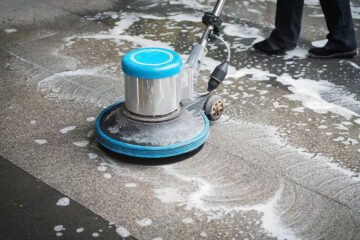
The next step is deep cleaning. Professional equipment and solutions are used to remove embedded dirt, grease, mineral deposits, and bacteria that standard cleaning cannot reach. This process restores the natural color and texture of the tile while preparing surfaces for repair and sealing.
Grout restoration follows. Damaged or deteriorated grout is carefully removed and replaced or repaired. This step stabilizes tiles, improves appearance, and prevents moisture infiltration. Color consistency is restored, creating a clean and uniform look across the entire surface.
Once repairs are complete, sealing is applied. High-quality sealants protect both tile and grout from stains, moisture, and wear. Sealing is a crucial component of restoration, significantly extending the lifespan of the surfaces.
Specialized Techniques Used in Tile Restoration
Professional tile restoration involves advanced techniques tailored to each property’s needs. High-pressure extraction systems remove deep-set contaminants without damaging tile surfaces. Precision tools allow for targeted grout removal and replacement, minimizing disruption and preserving surrounding materials.
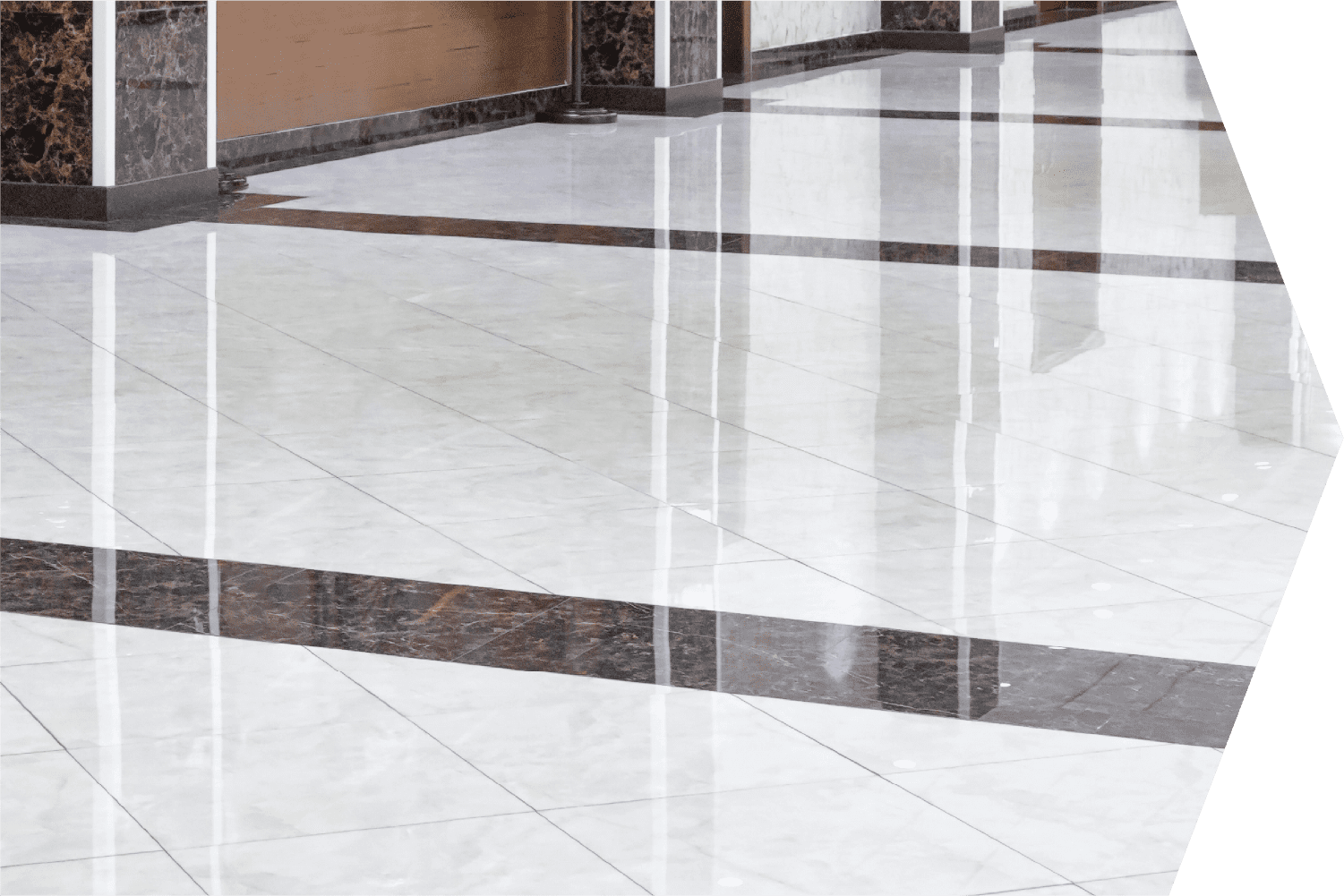
For natural stone tiles, specialized polishing and honing techniques are used to restore smoothness and shine. These methods enhance the stone’s natural beauty while maintaining its structural integrity. In high-traffic commercial areas, anti-slip treatments may be applied to improve safety without altering appearance.
Each technique is selected based on tile type, location, and usage patterns. This customized approach ensures that restoration results are both effective and durable.
Benefits of Tile Restoration for Property Owners
One of the most immediate benefits of tile restoration is visual improvement. Dull, stained, or uneven tile surfaces are transformed into clean, vibrant spaces. This enhances the overall atmosphere of a property and makes a strong first impression.
Tile restoration also improves hygiene. By removing bacteria, mold, and allergens trapped in grout and porous surfaces, restoration creates a healthier environment. This is particularly important in residential buildings, healthcare facilities, and food-related businesses.
From a financial perspective, restoration reduces long-term maintenance costs. Sealed and repaired surfaces are easier to clean and less prone to damage. This means fewer repairs, less frequent deep cleaning, and extended tile lifespan.
Tile Restoration vs. Tile Replacement
Many property owners assume that damaged tile must be replaced. In reality, restoration is often the smarter option. Replacement involves demolition, disposal, material costs, and installation time. It can disrupt occupants and operations for extended periods.
Tile restoration, on the other hand, preserves existing materials while delivering dramatic improvements. It is faster, less invasive, and more sustainable. By restoring rather than replacing tile, property owners reduce waste and environmental impact.
Addressing Common Tile Issues Through Restoration
Stains are one of the most common tile concerns. These can result from spills, mineral deposits, or improper cleaning products. Professional restoration removes these stains at the source, restoring the original appearance of the tile.
Cracked or missing grout is another frequent issue. Restoration repairs these areas, preventing further damage and stabilizing tiles. Loose tiles are also addressed by reinforcing grout and underlying support.
Discoloration caused by moisture or chemical exposure is corrected through deep cleaning and sealing. This restores uniform color and prevents recurrence.
Tile Restoration in High-Traffic Areas
High-traffic areas require special attention during restoration. Hallways, lobbies, staircases, and entrances experience constant wear that can quickly undo standard cleaning efforts. Professional restoration reinforces these surfaces with durable grout repairs and protective sealants designed to withstand heavy use.
Scheduling flexibility is also important for these spaces. Restoration can be performed during off-hours or in stages to minimize disruption to tenants, customers, or employees.
The Role of Sealing in Tile Restoration
Sealing is a critical component of effective tile restoration. Without proper sealing, restored surfaces remain vulnerable to stains, moisture, and wear. High-quality sealants penetrate grout and tile pores, creating a protective barrier that resists contamination.
Sealed surfaces are easier to maintain and retain their appearance longer. For property owners, this means fewer deep cleanings and a more consistent look over time.
Long-Term Maintenance After Tile Restoration
While restoration delivers lasting results, proper maintenance is essential to preserve them. Routine cleaning with appropriate products helps protect sealants and prevent buildup. Regular inspections allow early detection of any issues before they escalate.
Professional maintenance programs can be customized to a property’s needs, ensuring that tile surfaces remain in excellent condition year-round. This proactive approach maximizes the value of restoration and supports long-term property care strategies.
Why Choose KK Cleaning and Restoration for Property Tile Restoration
KK Cleaning and Restoration brings experience, precision, and commitment to every project. Each property is treated with individualized care, ensuring that restoration methods align with the specific tile materials, usage patterns, and goals of the owner or manager.
The focus is not just on immediate results but on long-term performance. By combining advanced equipment, proven techniques, and attention to detail, tile surfaces are restored to a level that enhances both appearance and durability.
For property owners in Toronto, professional tile restoration is an investment in quality, safety, and value. With the right expertise, existing tile can be transformed into a long-lasting asset that supports the overall success of the property.
Enhancing Property Value Through Tile Restoration
Well-maintained tile surfaces contribute directly to property value. Prospective buyers, tenants, and clients notice the condition of floors and walls immediately. Restored tile communicates care, quality, and professionalism.
In competitive real estate and commercial markets, these details matter. Tile restoration helps properties stand out, supports higher occupancy rates, and enhances long-term returns.
A Smart Solution for Toronto Properties
Toronto’s diverse property landscape demands solutions that are both effective and adaptable. Property tile restoration meets this need by addressing wear, damage, and hygiene concerns without the disruption of replacement.
By restoring rather than replacing tile, property owners preserve their investment, reduce costs, and create environments that are safe, attractive, and easy to maintain. With professional expertise and a commitment to excellence, tile restoration becomes a powerful tool in comprehensive property care.
Contact us now:
 Call us now at +16479163093
 Email: info@kkcleaningandrestoration.ca
 Visit: https://kkcleaningandrestoration.ca/
Faqs on Property Tile Restoration in Toronto by KK Cleaning and Restoration:-
1. What is property tile restoration?
Property tile restoration is a professional service that revitalizes worn, stained, or damaged tile surfaces by cleaning, repairing, and protecting them without replacing the tile.
2. How does tile restoration differ from regular tile cleaning?
Tile restoration goes beyond surface cleaning by repairing grout, removing deep-set contaminants, restoring finish, and sealing surfaces for long-term protection.
3. Why is tile restoration important for properties in Toronto?
Toronto properties face moisture, salt residue, temperature changes, and heavy foot traffic that accelerate tile deterioration, making restoration essential.
4. What types of properties benefit from tile restoration?
Residential buildings, commercial properties, retail spaces, offices, hotels, healthcare facilities, and multi-unit complexes all benefit.
5. Can tile restoration improve property appearance?
Yes. Restoration restores original color, shine, and uniformity, dramatically improving overall aesthetics.
6. Is tile restoration more affordable than tile replacement?
Yes. Restoration costs significantly less than replacement while delivering comparable visual improvements.
7. Does tile restoration extend the life of tile surfaces?
Yes. Restoring grout and sealing tiles protects them from future damage and wear.
8. What causes tile and grout to deteriorate over time?
Foot traffic, moisture exposure, cleaning chemicals, improper maintenance, and environmental factors contribute to deterioration.
9. Can tile restoration fix cracked grout?
Yes. Damaged grout is removed and replaced to stabilize tiles and improve appearance.
10. Is tile restoration suitable for high-traffic areas?
Yes. Restoration methods are designed to withstand heavy use.
11. Can tile restoration improve safety?
Yes. It eliminates loose tiles and uneven grout that cause slip and trip hazards.
12. Does tile restoration remove stains permanently?
Yes. Professional techniques remove stains from tile and grout at their source.
13. Is tile restoration safe for occupied properties?
Yes. Services can be scheduled in phases or during off-hours to minimize disruption.
14. Can tile restoration help with mold issues?
Yes. Restoration removes moisture-trapping grout and applies protective sealants to prevent mold growth.
15. What types of tile can be restored?
Ceramic, porcelain, and natural stone tiles can all be professionally restored.
16. Does tile restoration include sealing?
Yes. Sealing is a critical part of protecting restored surfaces.
17. How long do tile restoration results last?
With proper maintenance, results can last many years.
18. Can tile restoration improve indoor hygiene?
Yes. Removing bacteria and allergens trapped in grout improves indoor cleanliness.
19. Is tile restoration suitable for bathrooms and kitchens?
Yes. These high-moisture areas benefit significantly from restoration.
20. Can tile restoration help with discoloration?
Yes. Deep cleaning and grout repair restore uniform color.
21. Does tile restoration require tile removal?
No. Restoration preserves existing tiles.
22. Can tile restoration be customized for specific properties?
Yes. Techniques are tailored to tile type, location, and usage.
23. Is tile restoration environmentally friendly?
Yes. It reduces waste by preserving existing materials.
24. How does tile restoration affect property value?
Restored tile enhances visual appeal and increases perceived value.
25. Can tile restoration reduce maintenance costs?
Yes. Sealed surfaces are easier to clean and maintain.
26. Is tile restoration effective in commercial buildings?
Yes. It supports durability, hygiene, and professional appearance.
27. Can tile restoration be done in stages?
Yes. Large properties often restore areas gradually.
28. Does tile restoration improve grout strength?
Yes. New grout restores joint stability.
29. Can tile restoration fix loose tiles?
Yes. Stabilizing grout helps secure tiles.
30. Is tile restoration suitable for entryways?
Yes. Entryways benefit from restored durability and appearance.
31. Does tile restoration require special cleaning afterward?
No. Standard cleaning with proper products is sufficient.
32. Can tile restoration help prevent future damage?
Yes. Sealing protects against moisture and stains.
33. Is tile restoration safe for natural stone?
Yes. Proper techniques protect stone integrity.
34. Can tile restoration reduce odors?
Yes. Removing trapped contaminants eliminates odor sources.
35. How long does tile restoration take?
Time depends on surface area and condition but is generally efficient.
36. Can tile restoration improve tenant satisfaction?
Yes. Clean, attractive surfaces enhance comfort and satisfaction.
37. Is tile restoration recommended for older properties?
Yes. It revives aging surfaces without major renovation.
38. Does tile restoration help with uneven grout lines?
Yes. Repairs restore smooth, even joints.
39. Can tile restoration help meet inspection standards?
Yes. Clean, intact tile supports compliance.
40. Is tile restoration suitable for retail environments?
Yes. It enhances customer perception and safety.
41. Can tile restoration address water damage?
Yes. Moisture-damaged grout is repaired and sealed.
42. Does tile restoration reduce slip risks?
Yes. Even surfaces improve traction.
43. Can tile restoration be performed year-round?
Yes. Indoor restoration is not weather-dependent.
44. Is tile restoration disruptive to daily operations?
No. Scheduling minimizes disruption.
45. Can tile restoration support long-term maintenance plans?
Yes. It fits preventative maintenance strategies.
46. Does tile restoration improve cleaning efficiency?
Yes. Smooth, sealed surfaces clean faster.
47. Can tile restoration restore shine to dull tiles?
Yes. Polishing and refinishing revive shine.
48. Is tile restoration effective for common areas?
Yes. Common areas benefit greatly.
49. Can tile restoration fix missing grout sections?
Yes. Missing grout is fully replaced.
50. Does tile restoration require curing time?
Yes. Proper curing ensures durability.
51. Can tile restoration improve moisture resistance?
Yes. Sealing prevents absorption.
52. Is tile restoration suitable for mixed-use properties?
Yes. It adapts to residential and commercial needs.
53. Can tile restoration reduce long-term repair needs?
Yes. It prevents escalating damage.
54. Does tile restoration help maintain consistent appearance?
Yes. Uniform surfaces enhance visual consistency.
55. Is tile restoration recommended after renovations?
Yes. Construction often damages grout.
56. Can tile restoration protect subfloors?
Yes. Prevents moisture penetration.
57. Is tile restoration effective for stairwells?
Yes. Improves safety and durability.
58. Can tile restoration reduce replacement frequency?
Yes. Extends tile lifespan.
59. Does tile restoration improve property marketability?
Yes. Well-maintained finishes attract buyers and tenants.
60. Is tile restoration suitable for luxury properties?
Yes. It preserves high-end finishes.
61. Can tile restoration help with surface roughness?
Yes. Refinishing smooths tile surfaces.
62. Does tile restoration remove chemical residue?
Yes. Professional cleaning eliminates buildup.
63. Is tile restoration ideal for rental properties?
Yes. Maintains quality between tenants.
64. Can tile restoration improve acoustic comfort?
Yes. Stable tiles reduce hollow sounds.
65. Does tile restoration support sustainability goals?
Yes. Reduces material waste.
66. Can tile restoration be combined with regular maintenance?
Yes. Ongoing care enhances longevity.
67. Is tile restoration safe for children and pets?
Yes. Once cured, surfaces are safe.
68. Can tile restoration improve overall building image?
Yes. Clean finishes reflect professionalism.
69. Does tile restoration require special approvals?
No. It is non-invasive.
70. Why choose professional tile restoration over DIY?
Professional restoration delivers durable results, safety, and long-term value that DIY methods cannot achieve.
Contact us now:
Call us now at +16479163093
Email: info@kkcleaningandrestoration.ca
Visit: https://kkcleaningandrestoration.ca/