Stone Tile Sealing in Toronto – Premium Protection by KK Cleaning and Restoration
Stone Tile Sealing in Toronto: Stone tiles bring timeless elegance, natural warmth, and undeniable luxury to homes and commercial spaces across Toronto. Whether installed in kitchens, bathrooms, hallways, lobbies, patios, or high-end condominium interiors, natural stone contributes character and sophistication that manufactured surfaces simply cannot replicate. But for all its beauty and durability, stone is also porous—meaning it can absorb moisture, oils, spills, grime, and bacteria unless it is properly sealed. That is where professional stone tile sealing becomes essential.
KK Cleaning and Restoration has earned a strong reputation in Toronto for restoring, protecting, and extending the lifespan of natural stone surfaces. Through expert sealing, meticulous preparation, and a deep understanding of how different stones behave under daily use, KK Cleaning and Restoration ensures that your floors, walls, countertops, showers, and other stone surfaces remain stain-resistant, hygienic, and visually stunning for years.
This full in-depth guide explores everything you need to know about professional stone tile sealing in Toronto—how it works, what types of stone benefit most, why sealing is necessary, how often it should be done, and why KK Cleaning and Restoration is trusted across the city for delivering long-lasting results.
Understanding the Nature of Stone Tiles
Natural stone, by definition, comes with unique characteristics. Materials like marble, limestone, granite, slate, travertine, sandstone, and quartzite possess natural variations in color, texture, and porosity. These variations contribute to their beauty but also create challenges.
Stone is naturally absorbent
Every type of natural stone has microscopic pores. These pores act like tiny channels where:
- Liquids seep in
- Spills cause stains
- Oils become embedded
- Moisture leads to darkening
- Dirt creates discoloration
- Bacteria multiply
- Mold grows in damp conditions
The degree of porosity varies. For example:
- Marble is highly absorbent
- Travertine has many natural holes
- Sandstone absorbs liquids very quickly
- Slate is less porous
- Granite is relatively dense but still requires sealing
Even dense stones—especially when polished or exposed to foot traffic—benefit from the protective layer of a high-quality sealant.
Toronto’s climate affects stone performance
Toronto experiences temperature fluctuations, humidity, snow, road salt, and moisture intrusion. These environmental factors can cause:
- Surface degradation
- Water penetration
- Efflorescence
- Stain formation
- Mineral deposits
- Freeze-thaw expansion in porous stone
With proper sealing, stone is shielded from these issues, drastically improving performance and longevity.
Why Stone Tile Sealing Is Essential
Sealing stone tiles is not optional—it is a fundamental maintenance step that preserves both beauty and structural integrity. Here’s what professional sealing accomplishes:
1. Protects Against Stains
Unsealed stone absorbs:
- Wine, coffee, tea
- Oils from cooking
- Soap residue
- Makeup or toiletries
- Rust stains
- Hard water buildup
A sealant forms an invisible barrier that repels substances before they penetrate.
2. Enhances Durability
Stone surfaces endure constant wear. Foot traffic, furniture movement, moisture, and general use can deteriorate unprotected stone. Sealing reduces:
- Surface erosion
- Etching
- Abrasion
- Scratching
- Weather damage
3. Improves Hygiene
Bathrooms, kitchens, and foyers harbor germs and bacteria. Because stone is porous, microorganisms can enter and multiply. Sealant helps:
- Block bacterial absorption
- Prevent mold growth
- Reduce mildew formation
- Make cleaning easier and more effective
4. Enhances Aesthetic Appearance
A sealed stone surface appears:
- Richer
- More vibrant
- More polished
- Cleaner
- More uniform
Sealants can even enhance natural veining and depth.
5. Makes Maintenance Significantly Easier
Once sealed, stone becomes more resistant to:
- Soil penetration
- Dirt retention
- Soap scum buildup
- Calcium accumulations
This means daily cleaning becomes faster, safer, and more efficient.
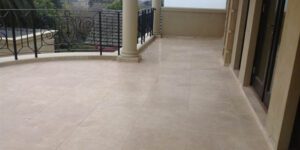
Types of Stone Tiles That Require Sealing
Different stones require unique sealing approaches. KK Cleaning and Restoration tailors its techniques to meet the needs of each material.
1. Marble
Soft, luxurious, and highly porous. Very prone to:
- Etching
- Staining
- Moisture absorption
Sealing marble is essential for preserving its polished finish.
2. Travertine
Contains natural voids and holes. Without sealing, it quickly collects dirt, grime, and spills. Sealing can include:
- Surface sealing
- Filling natural pits
3. Limestone
Soft and absorbent with a matte texture. Requires sealing to prevent:
- Darkening
- Oil penetration
- Acidic damage
4. Granite
Denser but not stain-proof. Professional sealing enhances resistance and preserves shine.
5. Slate
Rustic, textured, and variable in porosity. Sealing enhances color and provides stain protection.
6. Sandstone
Very porous and absorbent. Sealant guards against deep staining and moisture intrusion.
7. Quartzite
Hard but still porous. Sealing improves stain resistance and sheen.
8. Terrazzo
Composite stone material requiring protective sealing for long-term color retention.
9. Basalt and Other Dense Stones
Even dense stones benefit from a penetrating sealant to avoid long-term moisture infiltration.
Where Stone Tile Sealing Is Used Most Often
KK Cleaning and Restoration provides sealing services throughout Toronto in homes, condos, commercial buildings, and retail environments.
Interior spaces
- Kitchen floors
- Backsplashes
- Bathroom floors
- Shower walls
- Tub surrounds
- Entryways and mudrooms
- Fireplace surrounds
- Countertops
- Laundry rooms
- Living room stone flooring
Exterior spaces
- Outdoor patios
- Walkways
- Pool decks
- Balconies
- Porches
- Garden stone paths
Commercial spaces
- Restaurants
- Hotels
- Office lobbies
- Retail stores
- Condominiums
- High-traffic hallways
Wherever stone is installed, sealing it enhances beauty and durability.
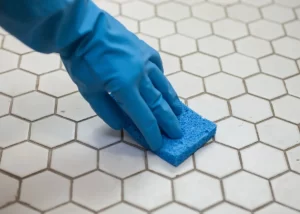
The Professional Sealing Process by KK Cleaning and Restoration
What makes KK Cleaning and Restoration’s services exceptional is their meticulous methodology. Stone sealing is not simply applying a product—it is a multi-stage, highly specialized process.
1. Inspection and Assessment
Experts determine:
- Stone type
- Porosity level
- Existing damage
- Type of stains present
- Current finish
- Condition of grout
- Previous sealant applications
This analysis ensures the right sealant and method are chosen.
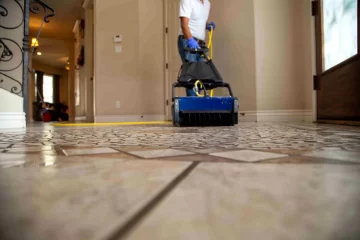
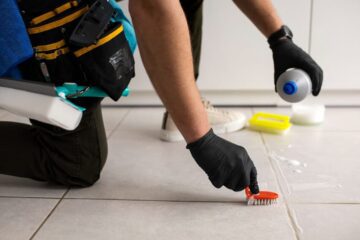
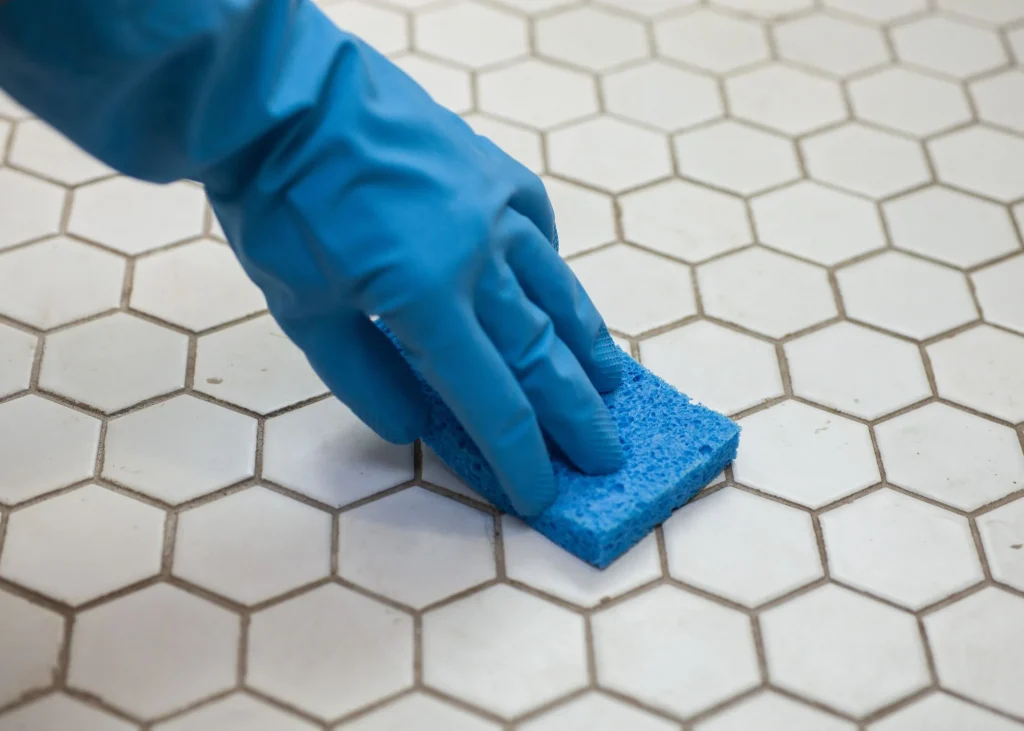
2. Deep Cleaning and Surface Preparation
Before sealing, stone must be perfectly clean. The team uses:
- Industrial stone cleaners
- pH-balanced formulas
- Steam cleaning (where applicable)
- High-precision equipment
This removes:
- Dirt
- Oils
- Soap scum
- Mold
- Limescale
- Residues
- Old sealants (if necessary)
A flawless seal requires a flawless foundation.
3. Drying and Moisture Removal
Stone must be completely dry before sealing. Moisture beneath the surface can interfere with absorption and cause cloudy results.
4. Sealant Selection
Different stones require different sealants. Options include:
- Penetrating sealers
- Enhancing sealers
- Matte or natural finish sealers
- Gloss sealers
- Anti-stain sealers
- Water-based or solvent-based formulas
KK Cleaning and Restoration chooses the best product for each stone’s characteristics.
5. Application of Sealant
The team applies sealant using:
- Brushes
- Rollers
- Soft cloths
- Spray applicators
Multiple layers may be needed depending on:
- Stone type
- Porosity
- Location
- Usage
Sealant is allowed to penetrate deeply for maximum effectiveness.
6. Buffing and Finishing
After curing:
- Excess sealant is removed
- Surface is polished
- Shine and clarity are enhanced
- A uniform finish is ensured
7. Final Inspection
The expert team performs a full evaluation to ensure flawless results, including:
- Water absorption testing
- Shine consistency checks
- Surface protection verification
Benefits of Choosing KK Cleaning and Restoration
Toronto homeowners and businesses rely on KK Cleaning and Restoration because of their deep expertise, superior equipment, and commitment to long-lasting protection.
1. Knowledge of All Stone Types
The team understands the chemistry, hardness, porosity, and structure of each stone, ensuring correct treatment.
2. High-Performance Sealants
Only premium-grade commercial sealants are used—long-lasting and superior to retail products.
3. Advanced Tools and Techniques
The company uses professional machines and specialized tools designed specifically for stone maintenance.
4. Exceptional Aesthetic Results
Sealed stone looks more vibrant, luxurious, and uniform.
5. Long-Term Protection
Services extend the lifespan of expensive stone installations.
6. Tailored Solutions
Every project is customized to the exact needs of the stone and environment.
7. Excellent Customer Service
Clear communication, fair pricing, punctual service, and attention to detail make KK Cleaning and Restoration a trusted Toronto choice.
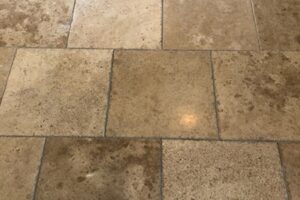
How Often Stone Should Be Sealed
Frequency depends on the stone and its usage:
| Stone Type | Recommended Sealing Frequency |
|---|---|
| Marble | Every 6–12 months |
| Travertine | Every 1–2 years |
| Limestone | Every 1–2 years |
| Slate | Every 1–2 years |
| Granite | Every 1–3 years |
| Sandstone | Annually |
| Bathroom or shower stone | Every 6–12 months |
| High-traffic commercial stone | Every 6–12 months |
KK Cleaning and Restoration advises clients on the ideal schedule after completing the service.
Stone Sealing for Condos in Toronto
Many modern Toronto condos feature:
- Marble ensuite bathrooms
- Stone shower surrounds
- Natural stone kitchen backsplashes
- Travertine hallways
- Stone lobby flooring
These areas experience:
- Moisture
- Soap buildup
- Spills
- Foot traffic
- Cosmetic stains
Sealing is essential for maintaining property value and ensuring long-term performance.
Common Problems Solved by Stone Sealing
Without sealing, stone can develop numerous issues:
Staining
Food, oils, rust, and colored liquids leave permanent marks.
Dark Patches
Moisture absorption causes discoloration.
Dullness
Traffic erodes natural sheen.
Etching
Acidic substances damage sensitive stones like marble.
Water Spots
Minerals in water create deposits.
Surface Erosion
Unprotected stone becomes brittle and uneven.
Mold and Mildew
Porous stone traps moisture in showers and bathrooms.
Professional sealing prevents all of these.
Stone Tile Sealing for Bathrooms
Bathrooms require special care due to constant moisture exposure. KK Cleaning and Restoration specializes in sealing:
- Shower floors
- Shower walls
- Tub surrounds
- Bathroom countertops
- Sink backsplashes
- Bathroom floors
Sealing prevents:
- Mold growth
- Water penetration
- Soap scum attachment
- Mildew staining
Kitchen Stone Tile Sealing
Kitchens expose stone surfaces to:
- Oils
- Spices
- Heat
- Food spills
- Juice and wine
- Grease
KK Cleaning and Restoration seals:
- Stone floors
- Backsplashes
- Countertops
- Island stone panels
- Wall tile
This ensures a hygienic, stain-resistant, and easily cleaned environment.
Outdoor Stone Tile Sealing in Toronto
Outdoor stone surfaces suffer from:
- Freeze-thaw cycles
- Rain and snow
- UV exposure
- Salt from sidewalks
- Debris buildup
Sealing protects outdoor stone from:
- Weathering
- Flaking
- Fading
- Water infiltration
- Ice damage
Signs Your Stone Needs Sealing
You may need sealing if you notice:
- Water darkens the stone
- Stains appear easily
- Surface looks dull
- Grout stains quickly
- Stone loses its natural color
- Mold or mildew spots are visible
- Cleaning feels ineffective
- Surface feels rough or chalky
A simple water drop test can show whether your stone is absorbing too quickly.
Why DIY Stone Sealing Fails
While DIY kits exist, they rarely deliver professional results due to:
- Incorrect sealant type
- Poor preparation
- Uneven application
- Inadequate penetration
- Incompatibility with stone type
- Insufficient cleaning beforehand
Improper sealing may even damage natural stone. Professionals ensure flawless and long-lasting protection.
KK Cleaning and Restoration’s Commitment to Excellence
Every service is delivered with:
- Skilled craftsmanship
- Respect for your property
- Industry-leading products
- Transparent communication
- Long-term protection
- Exceptional finishing
Toronto residents trust KK Cleaning and Restoration because they consistently deliver outstanding results—restoring and protecting stone surfaces with precision and care.
Final Thoughts
Stone tile sealing is one of the most important maintenance steps for preserving the beauty, resilience, and value of natural stone. Whether you have marble floors, travertine shower walls, granite countertops, slate entryways, or outdoor stone patios, sealing ensures they remain durable, stain-resistant, and visually stunning for years.
KK Cleaning and Restoration has become a top choice in Toronto because of their advanced methods, specialized expertise, high-quality sealants, and exceptional dedication to customer satisfaction. With proper sealing, your stone surfaces will have enhanced color, improved hygiene, and long-lasting protection against daily wear.
Contact us now:
 Call us now at +16479163093
 Email: info@kkcleaningandrestoration.ca
 Visit: https://kkcleaningandrestoration.ca/
FAQs About Stone Tile Sealing in Toronto (KK Cleaning and Restoration)
1. What is stone tile sealing and why is it necessary?
Stone tile sealing is the application of a protective sealant that penetrates the pores of natural stone to prevent moisture, stains, dirt, and bacteria from entering. It is necessary because natural stone is porous and can absorb liquids, discolor, and deteriorate without proper protection.
2. How does stone sealing benefit natural stone surfaces?
Sealing enhances durability, reduces staining, prevents moisture absorption, protects against etching, improves sheen, and makes cleaning easier. It helps maintain the beauty and functional performance of stone in high-traffic or moisture-heavy areas.
3. Which types of stone require sealing?
Marble, limestone, travertine, slate, sandstone, quartzite, terrazzo, basalt, and even dense stones like granite all benefit from sealing because each material contains natural pores that can absorb liquids and contaminants.
4. How often should stone tile be sealed?
Frequency depends on stone type and use. Marble and bathroom stone surfaces may need sealing every 6–12 months, travertine every 1–2 years, granite every 1–3 years, and sandstone annually. High-traffic commercial stone may need more frequent sealing.
5. How can I tell if my stone tiles need sealing?
If water darkens the stone, stains appear easily, the surface looks dull, cleaning feels difficult, or grout darkens quickly, the surface likely needs sealing. A simple water-drop test can reveal absorption levels.
6. Are all stone sealers the same?
No. Sealers vary in composition, absorption, durability, sheen level, and stone compatibility. KK Cleaning and Restoration selects professional-grade, high-performance sealants that suit each stone’s unique characteristics.
7. What is the difference between penetrating and topical sealers?
Penetrating sealers absorb into the stone to provide invisible protection without altering appearance, while topical sealers sit on the surface and may add gloss or sheen. Penetrating sealers are preferred for most natural stone.
8. Does sealing stone change its appearance?
It can, depending on the type of sealant used. Enhancing sealers deepen color and highlight natural variations, while natural finish sealers maintain the stone’s original look. KK Cleaning and Restoration offers both.
9. Can sealed stone still stain?
Sealed stone becomes highly resistant but not completely stain-proof. It significantly delays absorption, giving time to wipe spills before they penetrate. Proper maintenance still matters.
10. Does sealing make stone waterproof?
Sealing improves water resistance dramatically but does not make stone 100% waterproof. Instead, it slows water penetration and prevents long-term moisture-related damage.
11. Why is sealing especially important in Toronto’s climate?
Toronto’s freezing temperatures, humidity, snow, road salt, and seasonal moisture exposure accelerate stone deterioration. Sealing protects stone from freeze-thaw damage, water absorption, and outdoor weathering.
12. What areas of a home commonly need stone sealing?
Kitchens, bathrooms, showers, hallways, entryways, living rooms, laundry rooms, patios, and balconies frequently contain stone surfaces that benefit from sealing.
13. Do kitchen stone floors need specialized sealing?
Yes. Kitchen stone faces oil splatters, food spills, acids, and constant foot traffic. Sealing prevents deep stains and makes cleaning easier.
14. Why do bathroom stone tiles require frequent sealing?
Bathrooms expose stone to water, humidity, soap scum, shampoo residue, and mold growth. Sealing prevents moisture absorption and keeps surfaces hygienic.
15. How does sealing help stone in showers?
Shower stone often absorbs body oils, shampoo, and steam moisture. Sealing prevents mold, mildew, water stains, and discoloration in wet environments.
16. Is stone sealing safe for polished marble?
Yes. Polished marble requires penetrating sealers specifically formulated for calcium-based stones. Professionals apply them without affecting the glossy appearance.
17. Can sealed stone still etch?
Acidic substances like lemon juice and vinegar can still etch marble and limestone even if sealed. Sealants prevent stains but cannot neutralize acid reactions. Care is needed.
18. How long does the sealing process take?
Time varies by area size and stone type. Most projects take a few hours to complete, including cleaning, preparation, application, and drying time.
19. Can I walk on sealed stone immediately?
Light foot traffic is typically allowed after the initial curing period, but full curing may take 24–48 hours. KK Cleaning and Restoration provides guidance based on the sealant used.
20. Does sealing eliminate the need for cleaning?
No. Sealing reduces the effort required to clean but regular maintenance is still essential for hygiene and appearance.
21. What happens if stone is never sealed?
Unsealed stone becomes prone to permanent stains, darkening, mold, etching, dullness, mineral buildup, and moisture damage. Once deep stains set in, removal becomes difficult or impossible.
22. Can old stone be sealed even if it was never sealed before?
Yes. KK Cleaning and Restoration cleans and prepares older stone thoroughly before applying a new sealant, restoring beauty and protection.
23. Should new stone installations be sealed immediately?
Yes. New stone should be sealed soon after installation to prevent early staining and preserve its appearance from the start.
24. Is sealing recommended for stone countertops?
Absolutely. Kitchen countertops face oils, acids, and heavy use. Sealing makes them more stain-resistant and easier to maintain.
25. Do outdoor stone patios in Toronto need sealing?
Yes. Patios are exposed to rain, snow, UV rays, and dirt. Sealing enhances durability, prevents fading, and protects against freeze-thaw damage.
26. Will sealing make my outdoor stone slippery?
Penetrating sealers do not alter surface texture or slipperiness. Topical sealers may add shine, but non-slip additives can be used if needed.
27. Does sealing prevent mold growth in stone?
Sealing reduces moisture absorption, making the stone less habitable for mold and mildew. However, proper ventilation and cleaning are still important.
28. How does sealing help grout around stone tiles?
Grout is even more porous than stone. Sealing prevents grout discoloration, cracking, and moisture absorption. KK Cleaning and Restoration offers grout sealing as part of the service.
29. What causes stone to look dull even after sealing?
Dullness may result from previous wear, etched areas, or residue left behind before sealing. Professionals polish and clean the stone thoroughly prior to sealing.
30. Can sealing restore the color of faded stone?
Sealing enhances natural color and can revitalize faded stone. For severe fading, polishing or restoration may be needed before sealing.
31. What makes professional sealing better than DIY sealing?
Professionals use commercial-grade sealants, specialized equipment, advanced cleaning methods, and knowledge of stone chemistry. DIY attempts often result in uneven coverage or residue buildup.
32. Do I need to remove old sealant before re-sealing?
Sometimes yes. If old sealant causes uneven coverage or has worn off irregularly, professionals remove it to ensure proper absorption of the new sealant.
33. Will sealing fix scratches or etching?
Sealing does not repair damage. Scratches or etching must be polished or honed first, then sealed to prevent future damage.
34. Can stone tiles be sealed multiple times?
Yes. Most stone surfaces require periodic re-sealing to maintain protection. Each application strengthens the barrier.
35. Does sealing stop efflorescence?
Efflorescence occurs when salt deposits rise to the surface. Sealing reduces moisture penetration, helping prevent repeat occurrences after cleaning.
36. Will sealing prevent rust stains?
Sealing makes stone less likely to absorb rust-causing minerals, but it cannot neutralize iron deposits originating from within the stone itself.
37. Can I choose between matte and glossy finishes?
Yes. Enhancing sealers can create richer tones or slight sheen, while natural-look sealers preserve a matte finish.
38. Do commercial buildings benefit from stone sealing?
Definitely. Offices, hotels, restaurants, and retail spaces rely on stone surfaces that endure high traffic. Sealing prolongs lifespan and reduces maintenance costs.
39. Is stone sealing safe for homes with pets?
Yes. Once cured, sealants are non-toxic and safe for pets and children.
40. How soon can sealed stone be cleaned?
Light cleaning with gentle products is typically allowed after full curing (24–48 hours). Harsh chemicals should be avoided.
41. What cleaners should I avoid on sealed stone?
Avoid acidic products (vinegar, lemon, bleach), abrasive powders, and harsh degreasers. Use pH-neutral stone cleaners.
42. Will sealing protect stone from salt damage?
Yes. In Toronto, road salt can degrade stone over time. Sealing acts as a protective barrier.
43. Can sealing help prevent water rings on stone?
Yes. Sealed surfaces are less likely to absorb water, reducing water rings and dark spots.
44. Does sealing stop stone from absorbing oils?
Yes. Penetrating sealants repel oils and slow their absorption significantly, especially important for kitchen stone.
45. Is a color-enhancing sealer right for all stones?
Enhancers work best for slate, travertine, sandstone, and textured stone. They may not be ideal for polished marble unless intentionally desired.
46. Will sealing remove haze or residue on stone?
Sealing will not remove haze. Proper pre-cleaning and polishing are needed before sealing is applied.
47. Can steam cleaning be used on sealed stone?
Steam cleaning is safe for most sealed stone surfaces, but excessive steam pressure should be avoided on softer stones.
48. What happens if stone is sealed incorrectly?
Incorrect sealing can lead to streaking, blotchiness, hazy surfaces, or weak protection. Professional re-finishing may be required to fix mistakes.
49. Can I seal stone myself using store-bought sealers?
You can, but results are often inferior due to weaker sealants and lack of proper stone preparation. Professional sealing delivers long-lasting performance.
50. Will sealing protect stone from acidic cleaning products?
No. Acidic cleaners can still damage calcite-based stones like marble. Use only pH-neutral cleaners on sealed stone.
51. Does sealing protect stone against scratches?
Sealing protects against surface abrasion but cannot prevent deep scratches from heavy objects or dragging furniture.
52. Can sealing fix uneven coloration in stone?
It can improve appearance, but deep discoloration may require cleaning, polishing, or restoration before sealing.
53. Does sealing help with hard water stains?
Sealing reduces the absorption of minerals, making hard water stains easier to clean and less likely to penetrate.
54. Can sealing prevent mold in shower grout?
Yes. Sealed grout absorbs far less moisture, making mold growth unlikely with regular maintenance.
55. Is sealing required for engineered stone?
Most engineered stones (like quartz) do not require sealing, but some composite terrazzo products may benefit from a protective layer.
56. How does sealing help in high-rise Toronto condos?
Condos often have moisture-heavy bathrooms and high-traffic kitchens. Sealing reduces wear, discoloration, and cleaning difficulty in tight, busy spaces.
57. Can sealing protect older natural stone floors in heritage homes?
Yes. Sealing can significantly extend the life of older stone, helping preserve its historical character.
58. Does sealing affect heating systems under stone floors?
No. Sealants do not interfere with radiant floor heating systems.
59. Should I move furniture before sealing stone floors?
Yes. Clearing the area ensures complete coverage and prevents uneven results.
60. Can sealing help maintain the shine of polished stone?
Sealing helps preserve polish by preventing etching and moisture penetration, although polishing may be required if the shine has dulled prior to sealing.
61. Can stone sealing help with odor control?
Yes. Unsealed stone can absorb odors from moisture, mold, or spills. Sealing minimizes absorption, reducing odors.
62. Do I need professional cleaning before sealing?
Absolutely. Proper pre-cleaning ensures the sealant bonds correctly and gives a smooth, uniform finish.
63. Can sealing protect stone near fireplaces?
Yes. It reduces staining from soot and ash while preserving the stone’s natural beauty.
64. Does sealing help prevent chipping?
Sealing doesn’t stop physical chipping but helps minimize erosion and softening that may lead to chipping over time.
65. Can stone tile sealing prolong the life of grout?
Yes. Sealed grout remains stronger, less porous, and more resistant to cracking or staining.
66. What should I do if my stone becomes cloudy after sealing?
Cloudiness may indicate improper drying, incompatible sealant, or trapped moisture. Professionals can correct this through stripping and re-sealing.
67. How long do professional sealants last?
Depending on stone type and traffic, professional sealants can last from one to three years or longer, far surpassing most DIY products.
68. Do Toronto homeowners typically seal their stone annually?
Many do, especially in bathrooms and kitchens where stone faces moisture, grime, and daily use. Regular sealing is common and recommended.
69. What makes KK Cleaning and Restoration different from other companies?
The company offers specialized stone knowledge, advanced equipment, premium commercial sealants, meticulous preparation, and unmatched attention to detail—delivering long-lasting and visually superior results.
70. How do I schedule stone sealing with KK Cleaning and Restoration?
Simply reach out by phone or email to arrange an appointment. Their team provides inspection, consultation, and tailored sealing solutions based on your stone’s needs and your property’s environment.
Contact us now:
Call us now at +16479163093
Email: info@kkcleaningandrestoration.ca
Visit: https://kkcleaningandrestoration.ca/