Tub Caulking in Toronto – Complete Expert Guide by KK Cleaning and Restoration
Tub Caulking in Toronto: A properly sealed bathtub is essential for preventing water damage, mold growth, and structural deterioration in any Toronto home. Over time, the caulking around a bathtub inevitably wears down, peels, cracks, or develops mold. Once this protective barrier fails, water begins seeping into the gaps where the tub meets the wall, floor, and surrounding tiles. Even minor caulk deterioration can cause long-term issues, often hidden behind walls, under flooring, or within structural framing.
That is why professional tub caulking is one of the most crucial maintenance tasks for bathrooms. KK Cleaning and Restoration offers expert, long-lasting tub caulking services throughout Toronto, ensuring your bathroom remains watertight, sanitary, aesthetically pleasing, and protected from moisture damage. This extensive guide explains everything you need to know about tub caulking, common problems, why it fails, how professionals restore it, and why Toronto homeowners rely on expert service rather than DIY solutions.
Understanding the Purpose of Tub Caulking
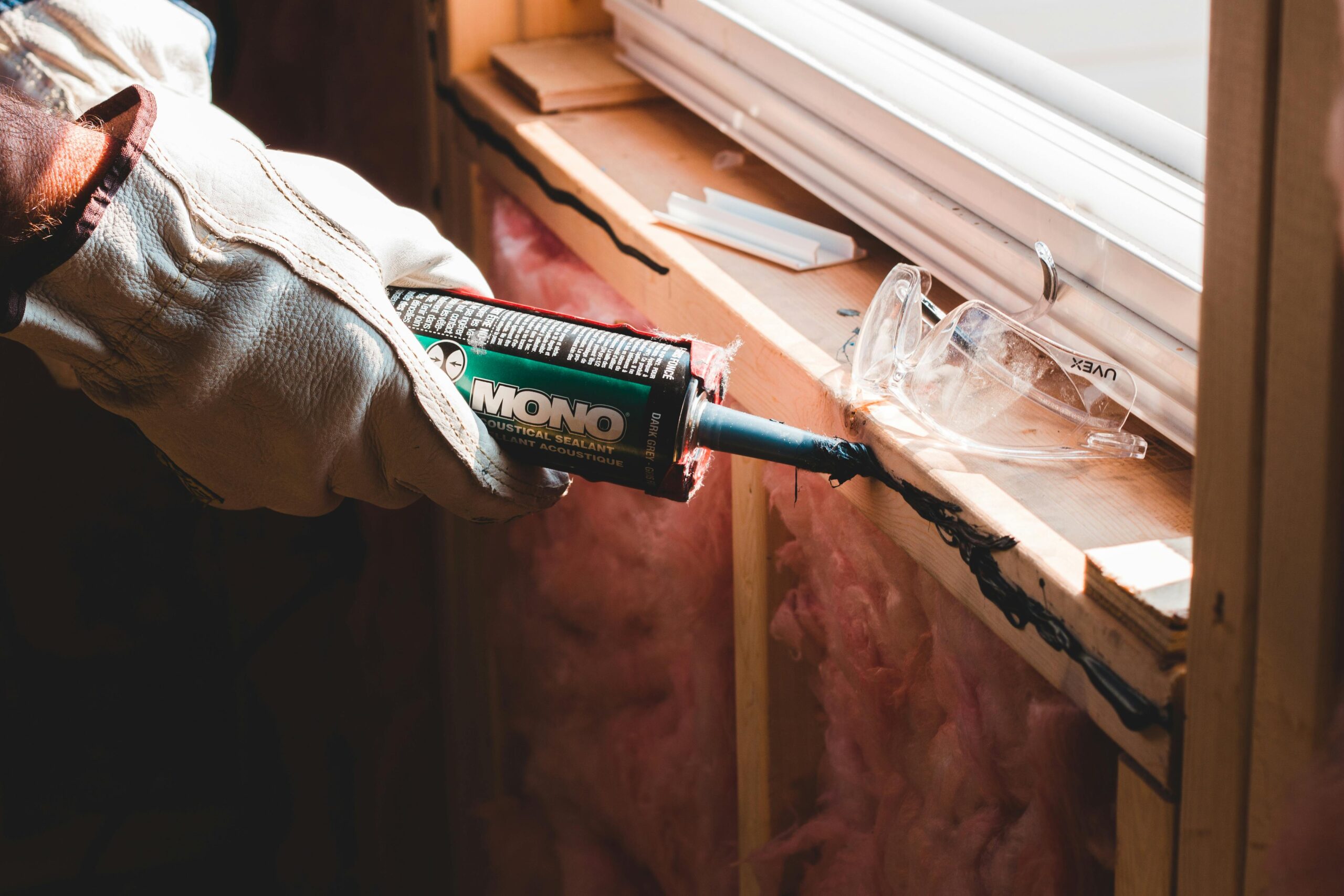
Tub caulking is a flexible waterproof material applied around the joints where the bathtub meets the wall, tiles, and floor. These connection points experience movement, water exposure, pressure changes, and daily use—making caulking absolutely essential to prevent water infiltration.
What Tub Caulking Does:
- Seals gaps to block water penetration
- Prevents mold and mildew growth
- Protects drywall, studs, and subflooring from moisture
- Keeps tiles adhered and stable
- Enhances bathroom appearance
- Maintains hygiene by eliminating crevices where dirt collects
- Protects against structural damage over time
Without proper caulking, bathrooms can quickly develop leaks that spread behind surfaces, often remaining undetected until major damage occurs.
Why Tub Caulking Is Critical for Toronto Homes
Toronto homes face specific environmental conditions that increase the need for high-quality tub caulking:
Humidity Levels
Bathrooms naturally accumulate moisture. Combine that with Toronto’s seasonal humidity, and caulking deteriorates faster if not maintained properly.
Temperature Changes
Cold winters and warm summers cause building materials to expand and contract. Caulking around tubs must be flexible enough to withstand these temperature-driven shifts.
High Water Usage
Homes with busy families experience frequent showering and bathing, putting constant stress on caulking joints.
Old Homes
Toronto is filled with aging houses where bathroom waterproofing may not be up to modern standards. Caulking is often the only line of defense keeping water from entering walls and floors.
Without dependable caulking, water infiltration becomes a major risk in both new and old homes.
Why Tub Caulking Fails
Even high-quality caulking eventually breaks down due to several factors. Understanding them helps prevent future issues.
1. Moisture Exposure
Water repeatedly hitting the same areas causes caulk to lose adhesion.
2. Mold and Mildew Growth
If bathrooms do not have proper ventilation, fungus grows within the caulk bead, weakening and darkening it.
3. Incorrect Application
DIY jobs often fail due to:
- Poor surface prep
- Incorrect caulk type
- Uneven application
- Not removing old caulk fully
- Insufficient curing time
4. Building Movement
Homes shift slightly with seasons, causing rigid or poorly applied caulk to crack.
5. Cleaning Chemicals
Harsh cleaners, bleach, or abrasive scrubbing tools degrade caulk.
6. Age
After a few years, even professionally installed caulk begins to lose flexibility and adhesion.
7. Water Leaks
Hidden plumbing leaks saturate surrounding walls and weaken caulking from the inside out.
Knowing why caulking fails helps ensure the next installation lasts significantly longer.
Signs Your Tub Needs Re-Caulking
Most homeowners notice clear signs that it’s time for professional tub caulking. Some symptoms are obvious, while others are subtle but critical to address.
1. Visible Cracks
Cracks allow water to enter behind the tub and tiles.
2. Peeling or Curling
Old caulk curls or peels away from the surface.
3. Gaps Forming Around the Tub
Gaps appear due to shrinkage or tub movement.
4. Mold or Mildew Buildup
Even after cleaning, mold reappears along caulk lines.
5. Discoloration
Yellowing or black streaks indicate deep staining and moisture infiltration.
6. Caulk Feels Hard or Brittle
Caulk should be flexible; hardened caulk is near failure.
7. Persistent Bathroom Odors
Moisture behind walls can produce musty smells.
8. Water Pooling or Dripping
Visible water leaks mean caulking has already failed.
9. Loose or Wobbly Tiles Near the Tub
Water may be getting underneath the tile, compromising the adhesive.
10. Soft or Damaged Drywall
A major sign of prolonged water intrusion.
If any of these signs are present, professional re-caulking is strongly recommended.
Professional Tub Caulking by KK Cleaning and Restoration
DIY caulking rarely holds up in high-moisture environments like bathtubs. Toronto homeowners rely on KK Cleaning and Restoration for professional, long-lasting tub caulking services because we follow the highest industry standards and use premium materials.
Here is what our service includes.
Step-by-Step Tub Caulking Process
1. Full Inspection
We examine the tub, surrounding tiles, walls, and old caulk condition. We also check for:
- Mold growth
- Loose tiles
- Moisture behind surfaces
- Poor previous caulk applications
If deeper issues exist, we address those before applying new caulk.
2. Removing Old Caulk Completely
Old caulking must be removed thoroughly to ensure the new caulk adheres properly. We use:
- Precision removal tools
- Utility blades
- Scrapers
- Caulk softening agents
This ensures a clean bonding surface for the new bead.
3. Surface Cleaning and Sanitization
We clean and disinfect the tub edges and tile surfaces to eliminate mold, mildew, and soap residue.
4. Drying the Area
Moisture trapped under new caulk will cause premature failure. We ensure the surface is completely dry before proceeding.
5. Applying High-Quality Caulk
Depending on the area, we choose:
- Mold-resistant silicone
- Waterproof commercial-grade caulk
- Hybrid sealants
Silicone is typically preferred for tubs because it offers high flexibility and waterproof protection.
6. Precision Application
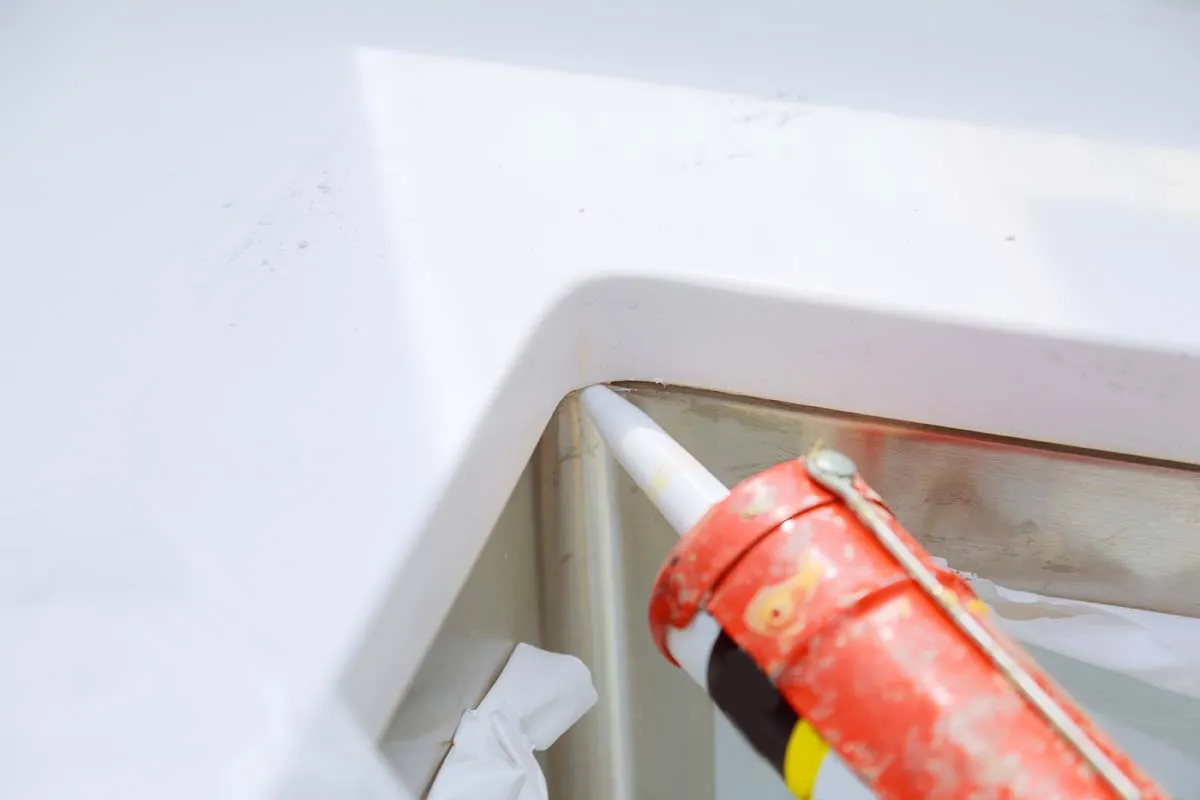
We apply caulk in smooth, even lines, ensuring proper adhesion to both the tub and the wall/tile surfaces.
7. Smoothing and Shaping the Bead
This step ensures:
- No gaps
- Full coverage
- A clean and attractive finish
8. Curing
We allow the caulk to cure for the proper amount of time based on its formula. This step is essential to ensure maximum performance.
Why Silicone Caulk Is Best for Tubs
Silicone is the preferred choice for bathtub caulking for several reasons:
1. Waterproof
Silicone forms an impenetrable barrier against water.
2. Flexible
It expands and contracts with temperature and movement.
3. Resistant to Mold
High-quality silicone includes anti-fungal properties.
4. Long-Lasting
Properly applied silicone can last many years.
5. Durable
Resistant to cracking, peeling, and shrinking.
6. Ideal for High-Moisture Areas
Perfect for tubs, showers, and sinks where constant water exposure is guaranteed.
Different Types of Tub Caulking Services Offered
KK Cleaning and Restoration specializes in a wide range of caulking services for Toronto homes, including:
• Tub Re-Caulking
Replacing old, damaged caulking with new waterproof silicone.
• Shower and Tub Surround Caulking
Protects tiles, walls, and countertops from water infiltration.
• Tub-to-Floor Caulking
Creates a watertight seal where the tub meets the floor.
• Tub and Tile Wall Caulking
Ensures water doesn’t run behind tiles.
• Mold-Removal and Re-Caulking
For heavily infected caulk lines that require complete removal and sanitization.
• Multi-Surface Caulking
Including ceramic, porcelain, fiberglass, acrylic, and natural stone.
• Grout Repair + Re-Caulking
Often done together for full bathroom restoration.
• Luxury Bathroom Caulking
Specialized techniques for marble, quartz, and high-end tile installations.
Benefits of Professional Tub Caulking Service
Having your tub professionally re-caulked offers many advantages over DIY.
1. Longer-Lasting Results
Professionally installed caulk typically lasts far longer due to proper preparation and high-quality products.
2. Stronger Water Protection
Professionals ensure every gap is sealed tightly, preventing leaks.
3. Mold Prevention
Thorough removal of old caulk helps prevent mold from returning.
4. Improved Hygiene
New caulking removes areas where bacteria collect.
5. Better Aesthetics
Professionals apply caulk cleanly, without uneven lines or smudging.
6. Avoids Costly Repairs
Stops water damage before it spreads into walls, floors, and surrounding structures.
Common Problems Caused by Poor Tub Caulking
Failing caulking can lead to serious issues:
• Mold Growth
Moist, dark spaces behind tubs encourage fungal growth.
• Loose Tiles
Water weakens tile adhesive over time.
• Rotting Subfloor
Wood subfloors deteriorate when exposed to moisture.
• Damaged Drywall
Drywall behind tubs becomes soft, crumbles, or grows mold.
• Structural Weakening
Water infiltration can damage joists, beams, and framing.
• Leaks Into Lower Floors
Second-floor bathrooms may leak into rooms below.
• Persistent Musty Smells
Water trapped behind surfaces results in foul odors.
• Stains and Damage to Surroundings
Water spills onto flooring or baseboards can cause permanent staining.
DIY Tub Caulking vs. Professional Caulking
Homeowners often attempt DIY caulking because it seems simple. However, poor caulking leads to quicker deterioration and often costs more in the long run.
DIY Caulking Risks
- Uneven application
- Not removing previous caulk properly
- Using incorrect caulk type
- Mold left underneath the new bead
- Gaps allowing water infiltration
- Shorter lifespan of the caulk
- Messy appearance
- Lack of sealing in critical areas
Why Professional Caulking Is Superior
KK Cleaning and Restoration provides:
- Clean, precise, smooth lines
- Complete caulk removal
- Mold and mildew treatment
- Commercial-grade products
- Expert color matching
- Long-lasting performance
The difference between DIY and professional results is dramatic—especially in areas exposed to heavy water use.
How Often Should You Re-Caulk Your Tub?
Most bathrooms require new tub caulking every few years, depending on:
- Moisture levels
- Tub usage
- Ventilation quality
- Cleaning habits
- Caulk type used
High-quality silicone caulk installed professionally can last significantly longer than DIY applications.
How to Maintain Tub Caulking
To extend the lifespan of your caulking:
1. Proper Ventilation
Use bathroom fans during and after showers.
2. Wipe Away Excess Water
Prevent standing water around the caulk line.
3. Avoid Harsh Cleaners
Use gentle, non-acidic cleaning products.
4. Remove Mold Early
Address minor mold spots as soon as they appear.
5. Check for Wear Regularly
Inspect caulking for early cracks or gaps.
Why Toronto Homeowners Trust KK Cleaning and Restoration
Toronto homeowners rely on KK Cleaning and Restoration because of our:
• Skilled Technicians
Highly experienced in bathroom waterproofing and caulking.
• Professional-Grade Materials
We use mold-resistant, flexible, premium silicone caulks.
• Long-Lasting Solutions
Durable caulking installed with precision.
• Attention to Detail
Clean lines, no smudging, perfect finishes.
• Transparent Pricing
Clear, honest quotes with no surprises.
• Fast and Efficient Service
Minimal disruption to your home and daily routine.
• Mold and Moisture Expertise
Ensures underlying issues are identified and resolved.
Areas Where Tub Caulking Is Essential
KK Cleaning and Restoration provides caulking for:
- Tub-to-wall joints
- Tub-to-floor joints
- Tile corners
- Tub surrounds
- Shower-tub combinations
- Acrylic tubs
- Fiberglass tubs
- Jet tubs and spa tubs
- Built-in and freestanding tubs
Proper caulking in all these areas prevents water damage and ensures bathroom longevity.
Tub Caulking for Toronto Condos
Condos require specialized tub caulking because:
- Bathrooms are smaller and more humid
- Showers are used frequently
- Shared plumbing stacks increase moisture risks
- Leaks can affect neighbors below
Professional caulking is essential to prevent building-wide issues and unnecessary repair costs.
Commercial Tub Caulking Services
We also provide services for:
- Hotels
- Spas
- Gyms
- Medical centers
- Rental properties
- Airbnbs
Commercial spaces demand caulking that withstands heavy use and constant moisture.
Cost of Tub Caulking in Toronto
Pricing varies depending on:
- Size of the bathtub
- Condition of the old caulking
- Mold removal needs
- Type of caulk selected
- Accessibility of the tub area
- Additional repair services
Professional service is cost-effective when compared to the cost of repairing water damage caused by poor caulking.
Final Thoughts: Protect Your Bathroom with Professional Tub Caulking
Tub caulking is one of the most important steps in maintaining a healthy, clean, and fully waterproof bathroom. Toronto homeowners face humidity, temperature shifts, and high daily usage—all of which can weaken caulking quickly. By hiring KK Cleaning and Restoration, you ensure your tub is sealed with precision, high-quality materials, and long-lasting durability.
Whether your caulk is cracking, stained, moldy, or peeling, professional re-caulking restores both functionality and appearance while protecting your home from costly moisture issues. A properly caulked tub is not just cosmetic—it’s a structural safeguard for your walls, floors, tiles, and subflooring.
Contact us now:
📞 Call us now at +16479163093
📧 Email: info@kkcleaningandrestoration.ca
🌐 Visit: https://kkcleaningandrestoration.ca/
Detailed FAQs on Tub Caulking in Toronto – KK Cleaning and Restoration
1. Why is tub caulking important?
Tub caulking prevents water from leaking into the gaps around your bathtub, protecting walls, floors, and framing from moisture damage, mold, and decay.
2. How often should I recaulk my bathtub?
Most tubs need new caulking every one to five years, depending on usage, humidity levels, and the quality of the previous caulk.
3. What are the signs that tub caulking needs to be replaced?
Common signs include cracking, shrinking, peeling, discoloration, mold growth, or gaps forming along the edges.
4. Can damaged caulking cause water leaks?
Yes. Even small cracks allow water to seep behind the tub or tile, leading to mold, soft drywall, and structural damage.
5. What type of caulk is best for bathtubs?
High-quality silicone caulk is best because it’s waterproof, flexible, durable, and mold resistant.
6. What’s the difference between silicone caulk and acrylic caulk?
Silicone is waterproof and flexible, ideal for wet areas. Acrylic is easier to apply but less durable in bathrooms.
7. How long does tub caulking take to complete?
Most tub caulking jobs take one to two hours, depending on the level of removal and cleaning required.
8. How long does new caulking need to dry before I can use the tub?
Typically 24 hours, but curing time can vary based on humidity and the specific caulk used.
9. Can I shower before the caulk fully cures?
No. Moisture interrupts the curing process and weakens the caulking bond.
10. Do you remove all old caulk before applying new caulk?
Yes. Professional caulking requires complete removal of old caulk to ensure a secure, long-lasting seal.
11. Is it okay to caulk over old caulk?
No. Layering caulk reduces adhesion, collects mold, and fails quickly.
12. Can mold grow under caulk?
Yes. If caulk cracks or pulls away from surfaces, moisture gets underneath and mold forms.
13. Why does my caulking turn black or moldy?
Mold grows on caulk when moisture becomes trapped or when the caulk used is not mold-resistant.
14. Should I clean or bleach moldy caulk instead of replacing it?
Surface mold may clean off, but if mold has penetrated the caulk, replacement is the only effective option.
15. What areas around the tub need caulking?
Edges where the tub meets the wall, floor, tile, fixtures, shelves, and any seams where water can collect.
16. Does caulking prevent pests from entering gaps?
Yes. Proper caulking seals cracks where insects and moisture-loving pests might enter.
17. Can poor ventilation affect caulking longevity?
Yes. Humidity causes caulking to deteriorate faster if the bathroom lacks proper airflow.
18. Why does caulking crack?
Common reasons include improper installation, product aging, movement of the tub, humidity, and temperature changes.
19. Does a moving bathtub cause caulk failure?
Yes. If the tub shifts due to poor installation or floor movement, caulking will crack.
20. How do professionals apply tub caulk for best results?
They thoroughly clean the area, remove all old caulk, sanitize surfaces, dry the area, apply premium caulk, and smooth it to a tight waterproof seal.
21. Can you match my bathroom’s caulk color?
Yes. Many colors are available, and professionals select the closest match for a seamless appearance.
22. What are the benefits of using a professional caulking service?
Professionals provide clean lines, proper surface prep, flawless application, and long-lasting waterproofing.
23. Why does my caulking peel off easily?
Peeling usually results from moisture trapped behind caulk, poor surface preparation, or using the wrong caulk type.
24. Does recaulk cost less than regrouting?
Yes. Recaulking is generally more affordable and faster than grout replacement.
25. Can tub caulking prevent mold growth in the bathroom?
It reduces moisture seepage, which significantly helps prevent mold around walls and floors.
26. How long does professionally applied caulk last?
With proper care, premium silicone caulking can last 5–10 years.
27. What happens if damaged caulk is ignored?
Water damage, structural rot, mold, staining, tile loosening, and expensive repairs can occur.
28. Can caulking fix a leak in the tub?
If the leak is caused by gaps around the tub edges, yes. But internal plumbing leaks require separate repairs.
29. Is tub caulking child- and pet-safe once cured?
Yes. Once cured, silicone caulk is completely safe. Avoid contact before it fully dries.
30. Do I need to recaulk around faucets and fixtures too?
Yes. Water often seeps behind fixtures, so sealing around them is essential.
31. Can cracked caulking cause tile damage?
Yes. Water behind tiles weakens grout and adhesive, causing tiles to loosen or fall.
32. Can caulking help eliminate musty smells in the bathroom?
Replacing damp, moldy caulk can reduce odors caused by hidden moisture.
33. Why is caulking needed where the tub meets the tile?
Grout isn’t flexible enough for movement between these surfaces. Silicone is required to maintain a waterproof seal.
34. Can you caulk tubs in older Toronto homes?
Yes. Older homes often require extra care due to settling, uneven walls, or past water damage.
35. What tools do professionals use for caulking?
Specialty removal tools, grout saws, utility knives, caulk guns, smoothing tools, sanitizing agents, and moisture meters.
36. Why is my caulking shrinking?
Subpar caulk or improper curing often leads to shrinkage; silicone caulk resists this.
37. How do you prevent future caulk mold?
Using mold-resistant silicone, improving ventilation, drying the tub area after use, and ensuring proper sealing.
38. Will caulking my tub help reduce utility bills?
Indirectly, yes—preventing moisture damage reduces repair costs and improves bathroom insulation.
39. What’s the difference between caulking and sealing?
Caulking fills gaps to prevent leaks; sealing protects surfaces from moisture penetration.
40. Can caulk be used on chipped or damaged tub edges?
Minor damage can be sealed, but larger chips may need refinishing or repair.
41. Do you offer same-day tub caulking services?
Yes, depending on scheduling and the size of the job.
42. Can someone be allergic to caulk?
Some individuals may be sensitive to uncured silicone fumes, but it’s usually not harmful after curing.
43. Does caulking help prevent water stains?
Yes. Proper caulking directs water away from walls and cracks, preventing residue buildup.
44. How do you ensure the caulk sticks properly?
Professionals clean, sanitize, and dry surfaces before applying fresh caulk.
45. Should the tub be dry before recaulking?
Absolutely. Even small amounts of moisture can prevent adhesion.
46. Do you clean the area after removing old caulk?
Yes. All residue, mold, and debris are removed before applying new caulk.
47. Does tub caulking improve the bathroom’s appearance?
Yes. Clean lines and fresh caulk create a polished, like-new look.
48. Can you recaulk a tub that has been painted or refinished?
Yes, but special care is required to avoid damaging the finish.
49. Can caulk be used on natural stone around tubs?
Yes—specific silicone formulations prevent staining stone surfaces.
50. Can I request a specific caulk brand or type?
Yes. Professionals can accommodate brand preferences if they are compatible with bathroom surfaces.
51. What causes recurring caulk failure?
Improper installation, excessive moisture, structural issues, or using cheap caulk.
52. Can caulking fix gaps caused by uneven tile?
Yes. Silicone fills small inconsistencies and provides a waterproof bond.
53. What temperature is best for caulking?
Moderate temperatures help caulk cure evenly, but professionals can work year-round indoors.
54. Does caulking bond to plastic tubs the same way as porcelain?
Yes—silicone adheres strongly to all common tub materials.
55. Can a tub expansion joint cause caulk cracking?
Yes. Natural expansion due to heat requires flexible caulking to withstand movement.
56. Will new caulking fix squeaky tub edges?
If squeaking is caused by movement, caulk alone may not fix the issue; support adjustments may be needed.
57. Can caulking help prevent overflowing water damage?
It helps reduce damage from accidental splashes, but won’t stop major overflows.
58. How do I maintain new caulking?
Avoid harsh chemicals, keep the area dry, and clean gently with mild cleaners.
59. Do you offer warranties on tub caulking work?
Yes. Professional services often include workmanship guarantees.
60. Why choose KK Cleaning and Restoration for tub caulking?
They deliver precise craftsmanship, mold-resistant application, durable sealing, quick turnaround, and professional results trusted across Toronto homes.
Contact us now:
📞 Call us now at +16479163093
📧 Email: info@kkcleaningandrestoration.ca
🌐 Visit: https://kkcleaningandrestoration.ca/