Grout Sealing vs Regrouting: KK Cleaning and Restoration
Introduction: Grout Sealing vs Regrouting
Grout Sealing vs Regrouting: When it comes to maintaining tiled surfaces, few topics are as important—and often misunderstood—as grout sealing vs regrouting. While tiles themselves are known for durability and longevity, grout is far more vulnerable to wear, moisture, and staining. Over time, this can affect not only the appearance of your space but also its structural integrity.
Understanding the difference between grout sealing vs regrouting is essential for homeowners and businesses looking to preserve their tiled surfaces. Each method serves a unique purpose, and choosing the right one depends on the condition of your grout, your maintenance goals, and environmental factors—especially in a city like Toronto.
KK Cleaning and Restoration brings expertise and precision to both grout sealing and regrouting, helping clients maintain clean, durable, and visually appealing surfaces. This in-depth guide explores everything you need to know about grout sealing vs regrouting, including when to choose each option and how professional services make a difference.
Understanding Grout and Its Role
What Is Grout?
Grout is a mixture of water, cement, and sometimes sand that fills the spaces between tiles. It acts as both a stabilizer and a sealant, keeping tiles in place while preventing moisture from penetrating beneath the surface.
Why Grout Needs Maintenance
Unlike tiles, grout is porous and highly absorbent. This makes it susceptible to:
- Dirt and stain buildup
- Mold and mildew growth
- Cracking and deterioration
- Water infiltration
Over time, these issues can compromise both aesthetics and functionality. This is why understanding grout sealing vs regrouting is critical for proper maintenance.
What Is Grout Sealing?
Definition and Purpose
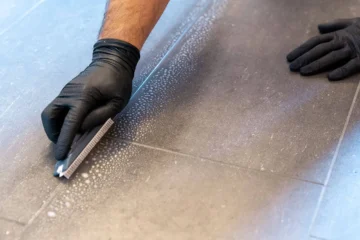
Grout sealing involves applying a protective coating over grout lines to prevent moisture, dirt, and stains from penetrating the surface. It acts as a barrier, preserving the grout’s appearance and durability.
Types of Grout Sealers
Penetrating Sealers
These soak into the grout and provide internal protection without altering its appearance.
Surface Sealers
These create a protective layer on top of the grout, offering resistance to stains and moisture.
Benefits of Grout Sealing
- Prevents staining and discoloration
- Reduces mold and mildew growth
- Makes cleaning easier
- Extends grout lifespan
When comparing grout sealing vs regrouting, sealing is typically a preventive measure rather than a corrective one.
What Is Regrouting?
Definition and Purpose
Regrouting involves removing old, damaged grout and replacing it with new material. This process restores the structural integrity and appearance of tiled surfaces.
When Regrouting Is Necessary
Regrouting is required when grout is:
- Cracked or crumbling
- Severely stained or discolored
- Missing in sections
- Allowing water to seep beneath tiles
In the discussion of grout sealing vs regrouting, regrouting is the more intensive solution used when damage has already occurred.
Key Differences: Grout Sealing vs Regrouting
Preventive vs Corrective
Grout sealing is preventive, protecting grout from future damage. Regrouting is corrective, addressing existing issues.
Time and Cost
Sealing is quicker and more cost-effective, while regrouting requires more labor and materials.
Longevity
Sealing extends the life of grout, whereas regrouting essentially resets it.
Application
Sealing is applied over existing grout, while regrouting involves complete removal and replacement.
Understanding these distinctions is essential when deciding between grout sealing vs regrouting.
Signs You Need Grout Sealing
Clean but Unprotected Grout
If your grout is in good condition but lacks protection, sealing is the ideal solution.
Light Discoloration
Minor staining can often be addressed with cleaning followed by sealing.
Newly Installed Tiles
New grout should always be sealed to ensure longevity.
In the context of grout sealing vs regrouting, sealing is the right choice when grout is still structurally sound.
Signs You Need Regrouting
Cracks and Gaps
Visible cracks or missing grout indicate the need for replacement.
Persistent Mold
If mold returns despite cleaning, regrouting may be necessary.
Severe Staining
Deep stains that cannot be removed require new grout.
Loose Tiles
Damaged grout can cause tiles to shift or become unstable.
In these cases, grout sealing vs regrouting clearly favors regrouting as the appropriate solution.
The Role of Toronto’s Climate
Moisture and Humidity
Toronto’s humid summers and indoor moisture levels create ideal conditions for mold growth.
Temperature Fluctuations
Seasonal changes cause expansion and contraction, leading to grout cracks.
Urban Conditions
Dust and pollution contribute to faster buildup and wear.
These factors make both grout sealing and regrouting essential components of maintenance in Toronto. Understanding grout sealing vs regrouting helps homeowners adapt to these conditions effectively.
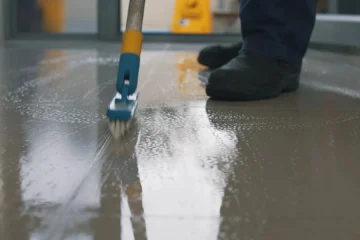
The Grout Sealing Process
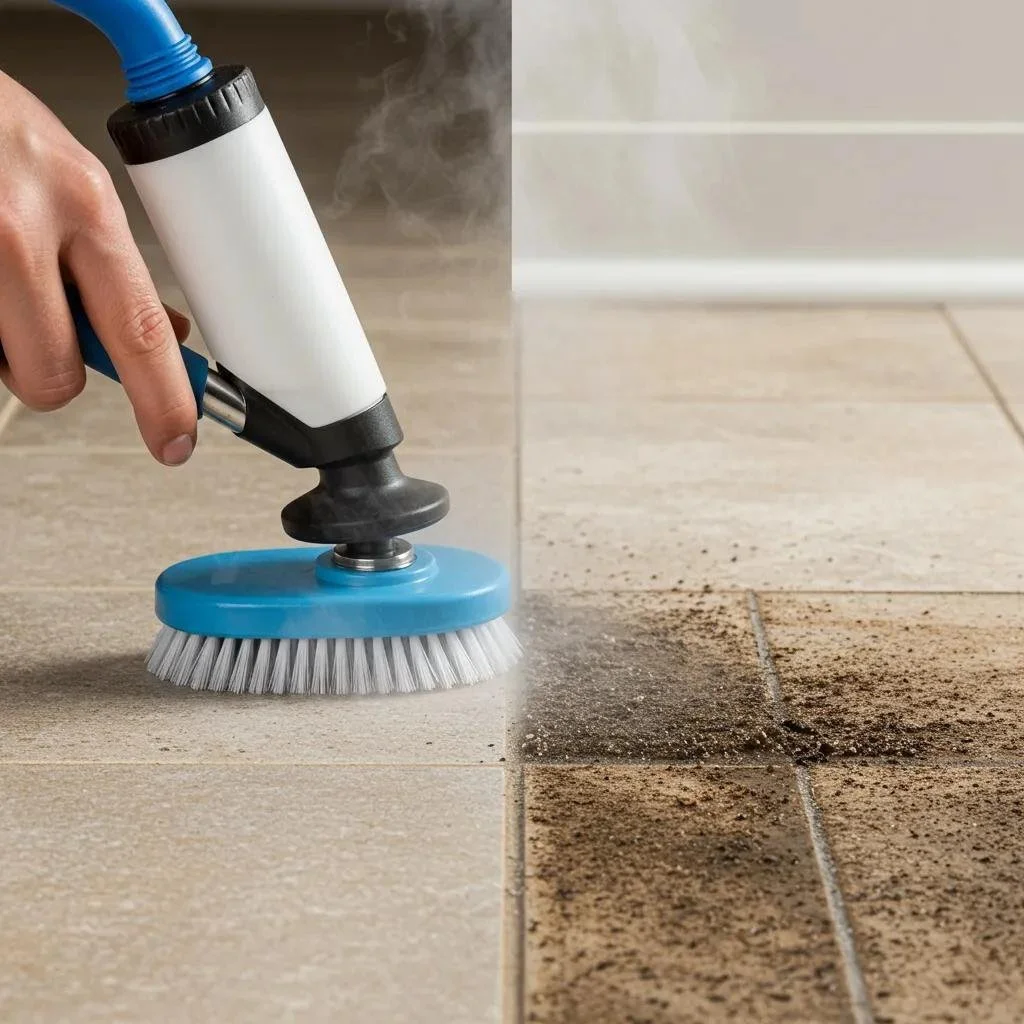
Cleaning
The grout is thoroughly cleaned to remove dirt and contaminants.
Drying
Proper drying ensures effective adhesion of the sealer.
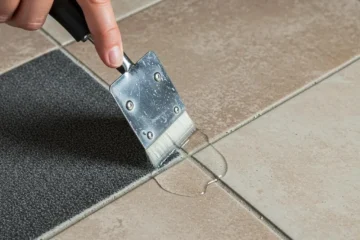
Application
The sealer is applied evenly across grout lines.
Curing
The sealant is allowed to cure for maximum effectiveness.
Professional services ensure each step is executed properly, enhancing the benefits of grout sealing vs regrouting decisions.
The Regrouting Process
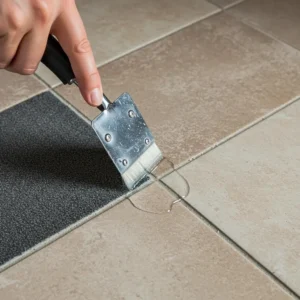
Removal of Old Grout
Damaged grout is carefully removed without harming tiles.
Surface Preparation
The area is cleaned and prepared for new grout.
Application of New Grout
Fresh grout is applied and evenly distributed.
Finishing and Sealing
The surface is cleaned, and new grout may be sealed for protection.
Regrouting is a more detailed process, highlighting the difference in effort between grout sealing vs regrouting.
Benefits of Professional Services
Expertise
Professionals understand the nuances of grout sealing vs regrouting and recommend the best solution.
Quality Materials
High-grade products ensure durability and effectiveness.
Efficiency
Professional services save time and deliver consistent results.
Long-Term Value
Proper maintenance reduces the need for frequent repairs.
KK Cleaning and Restoration excels in delivering both services with precision and care.
Cost Comparison: Grout Sealing vs Regrouting
Grout Sealing Costs
Generally lower due to minimal labor and materials.
Regrouting Costs
Higher due to the complexity of removing and replacing grout.
Value Consideration
While sealing is cheaper, regrouting may be necessary for long-term savings if damage is severe.
Understanding grout sealing vs regrouting helps in making cost-effective decisions.
Maintenance Tips After Sealing or Regrouting
Regular Cleaning
Keep grout lines clean to prevent buildup.
Avoid Harsh Chemicals
Use gentle cleaners to protect grout.
Monitor Moisture Levels
Ensure proper ventilation in bathrooms and kitchens.
Schedule Inspections
Periodic checks help identify issues early.
These practices support the longevity of both sealing and regrouting results.
Common Mistakes to Avoid
Skipping Sealing
Failing to seal grout leaves it vulnerable to damage.
Delaying Repairs
Ignoring damaged grout can lead to more extensive problems.
Using Incorrect Products
Harsh cleaners can degrade grout over time.
DIY Errors
Improper application can lead to uneven results.
Professional guidance ensures proper handling of grout sealing vs regrouting.
Residential Applications
Bathrooms
High moisture levels make both sealing and regrouting essential.
Kitchens
Frequent spills and grease require protective measures.
Living Areas
Foot traffic contributes to wear and tear.
Homeowners benefit from understanding grout sealing vs regrouting in all these areas.
Commercial Applications
Offices
Clean and maintained surfaces enhance professionalism.
Restaurants
Hygiene standards require proper grout care.
Retail Spaces
Well-maintained tiles improve customer experience.
Businesses rely on both methods to maintain their spaces effectively.
Eco-Friendly Options
Low-VOC Sealers
Environmentally friendly products reduce harmful emissions.
Sustainable Practices
Efficient methods minimize waste and resource use.
Long-Term Benefits
Proper maintenance reduces the need for replacements.
Eco-conscious approaches enhance the value of grout sealing vs regrouting.
Long-Term Strategy
Preventive Care
Regular sealing reduces the need for regrouting.
Timely Repairs
Address issues early to avoid major damage.
Professional Support
Working with experts ensures consistent results.
A balanced approach to grout sealing vs regrouting ensures optimal performance.
Why Choose KK Cleaning and Restoration
Local Expertise
Understanding Toronto’s conditions allows for tailored solutions.
Skilled Professionals
Experienced technicians deliver high-quality results.
Comprehensive Services
From sealing to regrouting, all needs are covered.
Customer Satisfaction
A commitment to excellence ensures reliable outcomes.
KK Cleaning and Restoration stands out as a trusted provider for grout sealing vs regrouting services.
Final Thoughts
Grout plays a crucial role in maintaining the durability and appearance of tiled surfaces. Whether you need preventive protection or a complete restoration, understanding grout sealing vs regrouting is key to making the right decision.
Sealing helps preserve grout in good condition, while regrouting restores damaged surfaces. Both methods are essential at different stages of maintenance. By recognizing the signs and acting promptly, you can avoid costly repairs and maintain a clean, attractive space.
With the expertise of KK Cleaning and Restoration, you can confidently navigate the choice between grout sealing vs regrouting and ensure your tiled surfaces remain in excellent condition for years to come.
Contact us now:
 Call us now at +16479163093
 Email: info@kkcleaningandrestoration.ca
 Visit: https://kkcleaningandrestoration.ca/
Frequently Asked Questions About Grout Sealing vs Regrouting
1. What is the main difference between grout sealing vs regrouting?
Grout sealing is a protective process that involves applying a sealant over existing grout to prevent moisture and stains from penetrating the surface. Regrouting, on the other hand, involves removing old, damaged grout and replacing it with fresh material. Sealing is preventive, while regrouting is corrective. One protects existing grout, while the other restores it. Understanding grout sealing vs regrouting helps determine the right solution based on condition. Professionals assess which option is best for long-term performance.
2. When should I choose grout sealing instead of regrouting?
You should choose grout sealing when your grout is still in good condition but needs protection from future damage. If there are no cracks or severe stains, sealing is usually sufficient. It helps extend the life of grout and makes cleaning easier. Sealing is ideal for new installations or lightly used areas. In the comparison of grout sealing vs regrouting, sealing is the more cost-effective preventive option. It helps avoid future deterioration.
3. When is regrouting necessary?
Regrouting becomes necessary when grout is cracked, missing, or severely stained. It is also required when mold keeps returning despite cleaning. If tiles feel loose, the grout may no longer be holding them properly. In such cases, sealing is not enough. Regrouting fully replaces the damaged material. In grout sealing vs regrouting, this is the corrective solution for advanced damage.
4. Can sealing fix damaged grout?
No, sealing cannot fix damaged or deteriorated grout. It only protects existing grout from future issues. Cracks or missing sections require regrouting instead. Applying sealant over damaged grout will not restore its structure. In grout sealing vs regrouting, sealing is not a repair method. It is only a protective treatment for healthy grout.
5. How long does grout sealing last?
Grout sealing typically lasts between one and three years depending on usage and maintenance. High-traffic or wet areas may require more frequent resealing. Proper cleaning helps extend its lifespan. Over time, the protective barrier wears down and needs reapplication. In grout sealing vs regrouting, sealing is a recurring maintenance task. Regular upkeep ensures long-term protection.
6. How long does regrouting last?
Regrouting can last many years if done correctly and maintained properly. Its lifespan depends on grout quality, installation, and environmental conditions. Bathrooms and kitchens may require attention sooner due to moisture exposure. Proper sealing after regrouting can extend durability. In grout sealing vs regrouting, regrouting offers a longer-term structural solution. It essentially resets the grout system.
7. Is grout sealing cheaper than regrouting?
Yes, grout sealing is generally more affordable because it requires less labor and material. It does not involve removing old grout, which reduces work time. Regrouting is more expensive due to its complexity. However, cost depends on damage level. In grout sealing vs regrouting, sealing is the budget-friendly option. But it is only suitable for undamaged grout.
8. Does regrouting include sealing?
Regrouting does not always include sealing by default, but it is often recommended afterward. Sealing new grout helps protect it from stains and moisture. Without sealing, even new grout can deteriorate faster. Professionals usually advise combining both services. In grout sealing vs regrouting, sealing enhances the results of regrouting. It provides added long-term protection.
9. Can I do grout sealing myself?
Yes, grout sealing can be done as a DIY project with proper tools and products. However, it requires careful application to ensure even coverage. Mistakes can lead to patchy protection or wasted product. Professional application ensures better results and durability. In grout sealing vs regrouting, sealing is the more DIY-friendly option. Still, expert help improves performance.
10. Can I regrout tiles myself?
Regrouting is possible as a DIY task but is much more complex than sealing. It involves removing old grout without damaging tiles. This requires precision and the right tools. Improper removal can cause tile damage. In grout sealing vs regrouting, regrouting is best handled by professionals. It ensures proper bonding and alignment.
11. What happens if I don’t seal grout?
Unsealed grout absorbs moisture, dirt, and bacteria easily. Over time, it becomes stained and harder to clean. Mold and mildew growth also increases. This leads to faster deterioration. In grout sealing vs regrouting, skipping sealing increases the need for regrouting later. Preventive sealing reduces long-term damage.
12. What happens if I delay regrouting?
Delaying regrouting allows damage to spread further. Cracks can lead to water infiltration beneath tiles. This may cause tiles to loosen or lift. Mold growth can also develop behind surfaces. In grout sealing vs regrouting, delaying regrouting makes repairs more expensive. Early intervention prevents structural issues.
13. Does sealing change grout color?
Some sealers may slightly darken or enhance grout color. Penetrating sealers usually maintain original appearance. Surface sealers may add a slight sheen. The change is typically minimal. In grout sealing vs regrouting, sealing focuses on protection rather than appearance. However, appearance may subtly improve.
14. Does regrouting change tile appearance?
Yes, regrouting can significantly change the look of tiled surfaces. Fresh grout brightens and refreshes the overall appearance. It can make old tiles look new again. Color choice can also update the style. In grout sealing vs regrouting, regrouting has a stronger visual impact. It provides a noticeable transformation.
15. How do I know if I need sealing or regrouting?
If grout is intact but dull or slightly stained, sealing is usually enough. If grout is cracked, missing, or heavily damaged, regrouting is needed. A professional inspection helps determine the best option. Condition is the key factor in decision-making. In grout sealing vs regrouting, assessment is essential. Proper evaluation prevents unnecessary costs.
16. Can sealing prevent mold?
Yes, sealing reduces moisture absorption, which helps prevent mold growth. However, it does not eliminate existing mold. Proper cleaning is required before sealing. Good ventilation also helps. In grout sealing vs regrouting, sealing acts as a preventive barrier. It slows mold development significantly.
17. Can regrouting remove mold permanently?
Regrouting removes mold-infested grout completely, which eliminates the source. However, mold can return if moisture issues are not addressed. Proper sealing and ventilation are important afterward. Regrouting provides a fresh start. In grout sealing vs regrouting, regrouting is more effective for existing mold problems. Prevention remains essential.
18. How messy is regrouting?
Regrouting can be somewhat messy because old grout must be removed. Dust and debris are part of the process. Professionals use tools to minimize mess. Cleanup is included in most services. In grout sealing vs regrouting, sealing is cleaner and quicker. Regrouting requires more preparation.
19. How long does grout sealing take?
Grout sealing usually takes a few hours depending on area size. Drying time may extend the process slightly. It is generally quick and non-disruptive. Most spaces can be used shortly after curing. In grout sealing vs regrouting, sealing is the faster option. It offers minimal downtime.
20. How long does regrouting take?
Regrouting can take a full day or more depending on damage. Larger areas require more time for removal and application. Drying and curing also add to the timeline. It is a more intensive process. In grout sealing vs regrouting, regrouting is more time-consuming. However, results are more permanent.
21. Can sealing fix discoloration?
Sealing does not remove discoloration but can help prevent further staining. Cleaning is needed before sealing. Severely discolored grout may need regrouting. In grout sealing vs regrouting, sealing is not a restoration method. It is a protective layer only.
22. Does regrouting improve waterproofing?
Yes, regrouting restores waterproofing between tiles. Fresh grout seals gaps that allow moisture penetration. This protects underlying surfaces. Sealing afterward enhances protection. In grout sealing vs regrouting, regrouting restores structural waterproofing. It is essential for damaged grout systems.
23. Can sealing be applied over old grout?
Yes, sealing is applied over existing grout after proper cleaning. The grout must be dry and free of debris. This ensures proper absorption. It is not suitable for damaged grout. In grout sealing vs regrouting, sealing only works on intact surfaces. Preparation is key.
24. Can regrouting be partial?
Yes, regrouting can be done in specific areas if damage is localized. This reduces cost and labor. However, matching grout may be challenging. Professionals ensure consistency. In grout sealing vs regrouting, partial regrouting is a flexible option. It targets only affected zones.
25. Which lasts longer: sealing or regrouting?
Regrouting lasts longer because it replaces the material entirely. Sealing requires periodic reapplication. Both serve different purposes. In grout sealing vs regrouting, regrouting is the more durable solution. Sealing supports maintenance.
26. Does sealing make cleaning easier?
Yes, sealed grout is easier to clean because dirt cannot penetrate deeply. Stains remain on the surface. This reduces scrubbing effort. Cleaning becomes more efficient. In grout sealing vs regrouting, sealing improves maintenance convenience. It simplifies upkeep.
27. Can regrouting improve tile stability?
Yes, regrouting helps secure tiles by restoring joint strength. It prevents movement and shifting. This improves overall stability. Loose tiles can often be stabilized through regrouting. In grout sealing vs regrouting, regrouting plays a structural role. It reinforces the surface.
28. Is sealing necessary after regrouting?
Yes, sealing is highly recommended after regrouting. It protects new grout from stains and moisture. This extends lifespan significantly. Many professionals include it in service. In grout sealing vs regrouting, sealing complements regrouting. Both work best together.
29. Can sealing wear off unevenly?
Yes, sealing can wear unevenly in high-traffic areas. This leads to inconsistent protection. Regular maintenance helps maintain coverage. Reapplication may be needed sooner in some spots. In grout sealing vs regrouting, sealing requires ongoing upkeep. Monitoring is important.
30. Does regrouting increase home value?
Yes, regrouting improves appearance and structural condition, which adds value. Clean tiles make spaces look newer. Buyers notice well-maintained surfaces. It enhances overall appeal. In grout sealing vs regrouting, regrouting has stronger visual impact. It supports property value.
31. Can sealing prevent cracks?
Sealing does not prevent structural cracks in grout. It only protects surface integrity. Cracks require repair or regrouting. In grout sealing vs regrouting, sealing is not a structural fix. It is purely protective.
32. Can regrouting fix uneven grout lines?
Yes, regrouting can correct uneven or poorly finished grout lines. It creates a more uniform appearance. This improves aesthetics and function. Professional application ensures smooth results. In grout sealing vs regrouting, regrouting improves alignment quality. It enhances finish consistency.
33. Which is better for old bathrooms?
Old bathrooms often require regrouting due to wear and damage. Sealing alone is usually not enough. A full assessment is needed. In grout sealing vs regrouting, older spaces often benefit from regrouting. Restoration provides better results.
34. Can sealing be reapplied multiple times?
Yes, sealing can be reapplied periodically as it wears off. Old sealer must be cleaned or removed first. This maintains protection over time. In grout sealing vs regrouting, sealing is a repeat maintenance task. It ensures ongoing defense.
35. What is the best long-term strategy for grout care?
The best strategy combines regular cleaning, sealing, and occasional regrouting when needed. Prevention reduces damage over time. Monitoring grout condition is essential. Professionals help maintain balance between both methods. In grout sealing vs regrouting, both play complementary roles. Together they ensure long-lasting tile performance.
Contact us now:
Call us now at +16479163093
Email: info@kkcleaningandrestoration.ca
Visit: https://kkcleaningandrestoration.ca/