How to Remove Mold From Grout: Tips for a Clean Shower and Bathroom
Introduction: How to Remove Mold From Grout
How to Remove Mold From Grout: Mold on grout is a headache just about every homeowner knows – especially in bathrooms, showers, kitchens, and anywhere moisture likes to stick around. Those dark spots that trail along the grout lines can make the whole bathroom look grimy, even if you clean it regularly. When mold keeps coming back, it’s usually a sign something’s off with moisture control. Grout, since it’s porous, can hang onto mold and stains for ages, especially if there’s soap scum, dirt, and constant humidity.
Getting rid of mold from grout isn’t just a matter of blasting the lines with a strong chemical. You need a plan. You have to clean away what you can see and figure out what’s keeping the mold coming back. The Environmental Protection Agency (EPA) puts it bluntly: control the moisture, and you control the mold. Their advice? Clean mold off hard surfaces, then make absolutely sure everything’s dry.
If bathroom mold never seems to stay gone, it might be time to call in the pros. KK Cleaning and Restoration offers a full range of services: tile and grout cleaning, sealing, regrouting, shower restoration, and more. They’re ready to tackle the worst cases and get your bathroom looking fresh again.
Why Mold Shows Up on Grout
Bathrooms are perfect for growing mold. Showers create lots of steam; water lingers on tiles and grout long after you’re done. If your bathroom doesn’t ventilate well or things don’t dry fully, moisture just sits, especially around grout lines and in corners.
Grout gets hit harder than other surfaces because it’s often porous. Tiny holes can soak up moisture and trap organic gunk, giving mold a place to grow. Add in soap residue, shampoo, body oils, and regular dirt, and things can get ugly fast.
No moisture? No mold. That’s the way the EPA sees it, and it’s the key to stopping mold before it takes over.
Trying to remove mold while ignoring excess moisture just means you’ll see it again soon. You have to solve the moisture problem, or you’re just putting a bandage over the issue.
How to Spot a Mold Problem in Your Grout
Mold isn’t always super obvious. Sometimes it’s black, green, brown, even dark gray—little spots lining the grout. It can also pop up in patches around corners, behind fixtures, near drains, or wherever the shower wall meets the floor.
A musty or damp smell also points to a problem, especially when you can’t actually see much mold. Still, not every dark spot is mold—sometimes it’s just built-up dirt, old soap, minerals, or grout that’s falling apart.
Getting this right matters because you don’t want to treat a stain or ruined grout with mold cleaner—that won’t bring back the original look.
So, before you start scrubbing, look at the wider area around the shower. Don’t just zero in on the dark spots.
How to Get Ready Before Cleaning Moldy Grout
A little prep goes a long way. First, open a window or run the exhaust fan—get air moving. Clear out people and pets, especially if you’ll use strong cleaners or if mold is taking over.
Wear gloves and something to protect your eyes, just like the EPA suggests. If you’re using harsher cleaners, check their instructions for extra gear.
Take out bottles, mats, and anything else from the shower so you can reach every bit of grout. Sweep or rinse away loose dirt before you grab your cleaning products.
Never mix cleaning chemicals. Especially don’t combine bleach with ammonia, acids, or anything else—that’s a recipe for dangerous fumes.
By prepping right, you make the whole mold removal process safer and easier.
Step-by-Step: How to Remove Mold From Grout
Start by cleaning the surface with a basic detergent and water mix. The EPA says to scrub away mold on hard surfaces, then dry everything thoroughly.
Tackle one small section at a time—don’t try to do the whole shower at once. Let your cleaner sit as long as the product tells you—it needs time to do its job.
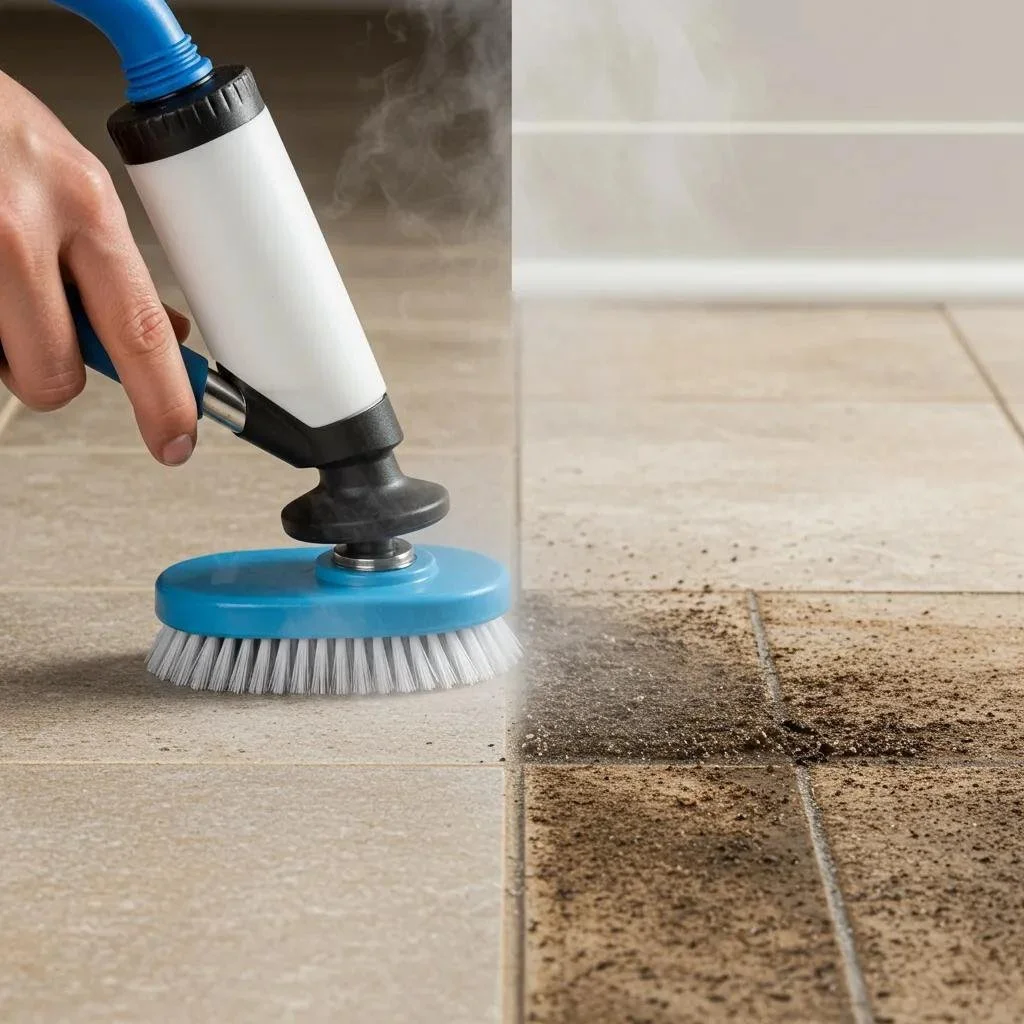
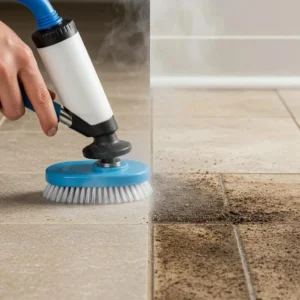
Use a nylon grout brush (or something that won’t scratch the tile or grout) to scrub. Focus on moldy lines and corners, but don’t go overboard and ruin the grout.
Rinse the area well and dry off any extra water. Let the grout dry completely afterward.
Still see stains? Don’t just reach for more chemicals. Sometimes mold leaves behind permanent marks, and the EPA warns that cleaning won’t always make grout look brand new.
Picking the Right Cleaner for Moldy Grout
Your choice of cleaner matters. Not every bathroom cleaner kills mold, and not all grouts or tiles can handle the same products.
In a lot of cases, good detergent and water is enough. There are special mold and mildew cleaners too—just follow their directions, and make sure they won’t damage your surfaces.
Bleach is famous for mold removal, but it isn’t always the answer. The EPA says using bleach regularly for cleanup isn’t a great idea.
If your shower is made of natural stone (like marble or travertine), you’ve got to be careful. Anything acidic or harsh can ruin these materials.
If you’re not sure what your tiles or grout are made of, call in a professional to avoid expensive mistakes.
Why Scrubbing Alone Isn’t Enough
Scrubbing is just one part of cleaning. Mold can hide deep inside cracked or weak grout. If your bathroom stays damp, you’ll just get more mold after all your hard work.
In fact, scrubbing too much can make things worse—damaged grout can crumble if you go at it too aggressively.
Best approach? Steady work: the right brush, the right cleaner, let it sit, and a gentle touch. This helps more than brute force.
When stains just won’t budge, call for a professional. Sometimes, the only real fix is to replace damaged grout, not just scrub it again and again.
Dealing With Mold on Grout and Caulking
Mold loves more than just grout—it’s often on silicone or caulk, especially in the corners, along tub edges, and where walls meet floors.
Heavily stained, cracked, or separated caulking usually needs to be removed and replaced, not just cleaned. But clean the area and dry it out first—never seal over moldy, damp surfaces. The EPA warns that doing so traps moisture and mold, causing bigger problems down the road.
Professional restoration pros can figure out if a good cleaning will do or if you’ll need to re-caulk or redo grout.
Why Mold Comes Back After Cleaning
If mold keeps returning, moisture is still a problem. Showers pump out humidity, and if you don’t have good airflow, leaks, bad caulking, or water collecting in the wrong spots, you’re inviting mold to stick around.
Clean all you want—if you don’t fix what’s letting water in, mold will always come back.
Ventilation is huge. Run your exhaust fan during your shower and leave it running after. Open a window if you can. The EPA actually tells you to clean more often and boost ventilation when mold is an issue.
Dry the shower yourself when you’re done—using a squeegee or towel keeps less water in the grout and helps fight future mold.
The real fix isn’t just to remove mold, but to make your bathroom less inviting for it.
Stopping Mold From Returning to Grout
Prevention starts and ends with keeping things dry. After each shower, grab a squeegee or microfiber towel and get rid of extra water. Even this small habit can make a difference.
Make a habit of running the exhaust fan or opening a window during and after showers. The EPA recommends this, too.
Clean regularly—get rid of soap scum, oils, and shampoo so mold has less to feed on.
Depending on your grout, sealing it can help, but only after it’s totally clean and dry.
The best mold defense? Cleaning, drying, ventilating, and smart maintenance work together. Relying only on a product just won’t cut it.
When Cleaning Isn’t Enough: Regrouting or Restoration
Sometimes cleaning isn’t going to cure the problem. If grout is falling apart, missing chunks, or stained beyond hope, it’s not protecting your tiles anymore.
Old, neglected grout can be too far gone. If you’ve got mold plus broken grout, bad caulking, or leaks, you’ve got a full maintenance issue.
Here regrouting makes sense—remove the wrecked grout, fix the joints, and put in new material. The pros can also tackle caulking, sealing, and restoring tiles.
If one area keeps having mold, check for bigger issues: a leak, damaged seal, or hidden moisture could be feeding the problem.
Aim for a real fix, not just yet another bout of surface cleaning.
When To Call Professionals for Mold and Grout Cleaning
Small patches? You might manage yourself, if you take care. But when mold takes over, is stuck in tough spots, is tied to water damage, or your grout’s crumbling, it’s time for help.
The EPA says if the patch of mold is over about 10 square feet, you should think about getting remediation advice. Water damage or health worries are also good reasons to reach out.
If you’ve tried everything and nothing works, pros can figure out why and keep you from damaging your tiles or grout with endless chemicals.
KK Cleaning and Restoration is experienced in figuring out exactly what each surface needs—whether that’s cleaning, sealing, regrouting, caulking, or even full shower restoration.
Their work goes past just making things look clean for now. They help restore your shower so it stays that way long-term.
Getting Rid of Mold for Good: Professional Solutions
Moldy grout can make a bathroom look dirty, no matter how much you clean. And recurring mold means it’s time to look at moisture, ventilation, or even underlying damage.
The best way to get rid of mold is to pair good cleaning with real moisture control. Clean off what you see, make sure everything dries, and fix any leaks. Without that, mold keeps coming back—just like the EPA warns.
KK Cleaning and Restoration handles showers and bathrooms with mold stains, soap build-up, wrecked grout, and everything in between. Depending on what you need, they can do deep cleaning, seal grout, replace caulk, regrout, and restore showers.
If you’ve cleaned and cleaned and mold still returns, you might need a deeper fix. A professional can pinpoint the problem, repair your surfaces, and set you up for easier maintenance.
When you stay on top of cleaning, keep moisture under control, ventilate, and repair damaged areas fast, you can totally change the look and upkeep of your bathroom.
Contact us now:
 Call us now at +16479163093
 Email: info@kkcleaningandrestoration.ca
 Visit: https://kkcleaningandrestoration.ca/
Faqs on How to Remove Mold From Grout:-
1. What’s the Best Way to Get Mold Off Grout?
The best way to get rid of mold on grout is to scrub the moldy surface with the right cleaning solution, rinse it well, and make sure it dries completely. But here’s the thing: if you don’t fix whatever’s causing the moisture, the mold just keeps coming back. The EPA says to clean hard surfaces with soap and water, then dry them thoroughly.
2. Why Does Mold Show Up on Shower Grout?
Mold loves to grow on shower grout because bathrooms are humid, warm, and stay damp for long periods. Grout traps soap, oils, dirt, and water, making it an ideal spot for mold to return again and again. Poor ventilation, leaks, broken caulk, or water pooling can make it worse. Keeping things dry is key to stopping mold after it’s cleaned.
3. Can Mold Be Cleaned Off Grout Without Replacing It?
Yes—if the grout is still in good shape, you can clean surface mold off with soap and water, then dry it. But cleaning won’t repair grout that’s cracked or crumbling, or fix deep stains. If grout stays damaged or badly discolored after cleaning, regrouting might be the way to go.
4. How Do I Get Rid of Black Mold on Grout?
First, make sure it’s actually mold—sometimes dirt, soap scum, or stains look similar. Clean the area with the right cleaner, scrub gently, rinse, and dry everything. Don’t go crazy with harsh chemicals or rough scrubbing because that can cause further damage. If black stains keep coming back, check for moisture issues, leaks, poor ventilation, or deteriorating grout and silicone instead of repeatedly cleaning the same spot.
5. What Cleaner Should I Use for Moldy Grout?
The right cleaner depends on your tile and grout type and how much mold there is. The EPA recommends soap and water for most jobs, followed by drying. You could use specialty mold cleaners if the label says they’re safe for your tile and grout. Always follow the instructions, and don’t mix cleaning products—some combinations can be dangerous.
6. Will Bleach Remove Mold from Grout?
Bleach can sometimes lighten stains, but it’s not always the best option. The EPA doesn’t recommend using bleach or strong biocides routinely for mold cleanup. Never mix bleach with ammonia or acids, as that can create toxic fumes. Make sure your grout and tile can handle strong chemicals before using them.
7. Why Does Mold Keep Coming Back After Cleaning?
Mold returns if the root moisture problem isn’t fixed. Shower grout stays damp because of poor ventilation, leaks, worn silicone, or water left after bathing. Cleaning only treats the surface—the EPA warns that if the water issue isn’t solved, mold will likely reappear. To stop mold for good, improve airflow, fix leaks, dry surfaces, and keep up with maintenance.
8. Does Vinegar Remove Mold from Grout?
Vinegar is sometimes used for cleaning mold, but it’s not always safe for every tile or grout. It’s too acidic for some grout types and natural stones like marble or limestone. Using the wrong product can cause damage without solving dampness issues. If you’re unsure about your tile or grout, professional cleaning is a safer bet than experimenting with acidic cleaners.
9. Can Baking Soda Clean Mold from Grout?
Baking soda can help scrub away surface dirt and residue on suitable grout, but it’s not a cure-all for stubborn mold. Too much scrubbing can damage weak grout or delicate tiles. If mold won’t budge, professional cleaning can tell you if restoration is needed.
10. How Do I Remove Mold from Shower Grout?
Start by improving ventilation and removing loose dirt. Use the appropriate cleaner, scrub the grout with a proper brush, rinse well, and dry the area. Focus on corners, floor joints, walls, and spots around fixtures where water tends to linger. If mold keeps coming back, you might need professional restoration to solve the underlying moisture issue.
11. How Can I Remove Mold from Grout Without Damaging Tile?
Find out what kind of tile you have before choosing a cleaner or scrubbing tool. Ceramic and porcelain handle most methods, but natural stones like marble or limestone need gentle care and special products. Use a soft brush and avoid too much force, especially if grout is already weak. Test any cleaner in a hidden spot before tackling the whole area.
12. Can Pros Remove Mold from Grout?
Yes—professional tile and grout cleaning can get rid of mold on surfaces if the materials are safe to clean. Technicians check the tile, grout, stains, and moisture issues to pick the best method. This is especially helpful when home cleaning hasn’t worked or grout is badly stained. If even pros can’t restore the grout, they might suggest regrouting, sealing, or shower restoration.
13. How Do I Clean Mold Around Shower Silicone?
Mold often pops up on silicone joints because they stay wet and collect soap scum. If silicone is intact and the mold is only on the surface, cleaning can help. But if it’s breaking down or repeatedly moldy, replacement is probably best. The EPA says to clean and dry surfaces before applying new caulk—never just seal over mold. Professional restoration can tell if cleaning is enough or if the silicone should be replaced.
14. How Do I Keep Mold from Returning to Grout?
Prevent mold by controlling moisture and keeping grout clean. Run the bathroom fan during and after showers, boost airflow, wipe excess water, and fix leaks quickly. Regular cleaning reduces soap and gunk buildup in grout lines. The EPA recommends frequent ventilation and cleaning in mold-prone bathrooms.
15. Does Grout Sealing Help Prevent Mold?
Sealing grout can reduce moisture and stains for some types, but it’s not a complete solution. Grout has to be totally dry and clean before sealing—otherwise you might trap problems underneath. Even with sealed grout, moisture control and regular upkeep are essential.
16. When Should Moldy Grout Be Replaced?
Replace grout if it’s cracked, crumbling, missing, or doesn’t hold tiles anymore. Cleaning removes mold but doesn’t fix failed grout. Persistent mold can show underlying issues in grout or caulk that need bigger repairs. Pros can check if deep cleaning will work or if it’s time to regrout.
17. Is It Safe to Remove Mold from Grout Myself?
Sure, homeowners can usually tackle small mold spots on hard surfaces if they take the right precautions. The EPA says areas under 10 square feet can be handled at home, but larger spots, big water damage, or health concerns call for pros. Wear protective gear, ventilate well, use proper cleaners, and handle chemicals carefully. If you’re not sure about the mold’s extent or source, get a professional’s opinion.
18. When Should I Call a Pro for Moldy Grout?
Hire a professional when mold covers a big area, keeps coming back, comes with major water damage, or affects damaged materials. The EPA suggests getting guidance when mold is over 10 square feet or if there’s significant water damage. Professionals are also helpful if you’ve tried cleaning but mold won’t stay gone. KK Cleaning and Restoration can inspect your grout, recommend cleaning, restoration, regrouting, or other shower services as needed.
19. Can Stains Stay After You Remove Mold from Grout?
Yes, mold can leave stains even after the visible growth is gone. The EPA says mold can cause cosmetic damage, meaning cleaning won’t always bring back the original look. This is especially true for old, porous grout exposed to moisture for a while. If grout stays stained but solid, restoration might help; if it’s mushy or crumbling, regrouting is better.
20. How Long Does Mold Removal Take?
How long it takes depends on the size, severity, grout condition, tile type, and method. Light contamination might come off quickly, but stubborn stains or damaged grout need more attention. Drying is crucial and shouldn’t be rushed—moisture control prevents mold from returning. Pros can give you a clearer timeline after checking your bathroom.
21. Can Professional Shower Restoration Fix Recurring Grout Mold?
Yes, professional restoration handles problems ordinary cleaning can’t. Recurring mold might be caused by bad silicone, damaged grout, leaks, poor drainage, or other moisture issues. Restoration could involve cleaning, regrouting, recaulking, sealing, and repairs. Fixing the root cause is vital—just cleaning visible mold without solving moisture issues lets it come back.
22. Why Choose KK Cleaning and Restoration for Moldy Grout?
KK Cleaning and Restoration offers expert tile and grout cleaning, restoration, regrouting, sealing, shower restoration, and caulking for bathrooms with mold, stains, moisture, and buildup. Instead of relying on stronger chemicals, they check the grout and shower to decide the right service. Professional cleaning improves grout’s look and spots damaged materials or moisture problems needing extra work. For homeowners wanting mold removal that lasts, professional cleaning and restoration tackle both the immediate mold and the causes behind its return.
Contact us now:
Call us now at +16479163093
Email: info@kkcleaningandrestoration.ca
Visit: https://kkcleaningandrestoration.ca/