Grout Sealing Benefits: Complete Guide by KK Cleaning and Restoration
Introduction: Grout Sealing Benefits
Grout Sealing Benefits: Grout is one of the most overlooked yet essential components of any tiled surface. Whether in bathrooms, kitchens, or commercial spaces, grout plays a critical role in holding tiles together and maintaining structural stability. However, grout is naturally porous, which means it absorbs moisture, dirt, and bacteria over time. Without proper protection, it can quickly deteriorate, leading to discoloration, mold growth, and even structural damage. This is where understanding grout sealing benefits becomes essential for homeowners and property managers.
Grout sealing is the process of applying a protective barrier over grout lines to prevent moisture penetration and contamination. While it may seem like a minor maintenance task, the long-term advantages are significant. From improving hygiene to extending the life of your tiles, the grout sealing benefits are both practical and cost-effective. When done professionally, grout sealing transforms not only the appearance but also the durability of your surfaces.
This in-depth guide by kk cleaning and restoration explores all aspects of grout sealing benefits, including how it works, why it matters, and how it contributes to long-term property maintenance.
Understanding Grout and Its Vulnerabilities
What Is Grout?
Grout is a mixture of cement, water, and sand used to fill the spaces between tiles. It stabilizes tiles and prevents movement, ensuring a solid and even surface.
Why Grout Needs Protection
Grout is porous by nature, meaning it absorbs liquids and particles easily. Without sealing, it becomes vulnerable to:
- Water infiltration
- Staining and discoloration
- Mold and mildew growth
- Cracking and deterioration
These vulnerabilities highlight the importance of understanding grout sealing benefits.
Grout Sealing Benefits
What Is Grout Sealing?
The Sealing Process
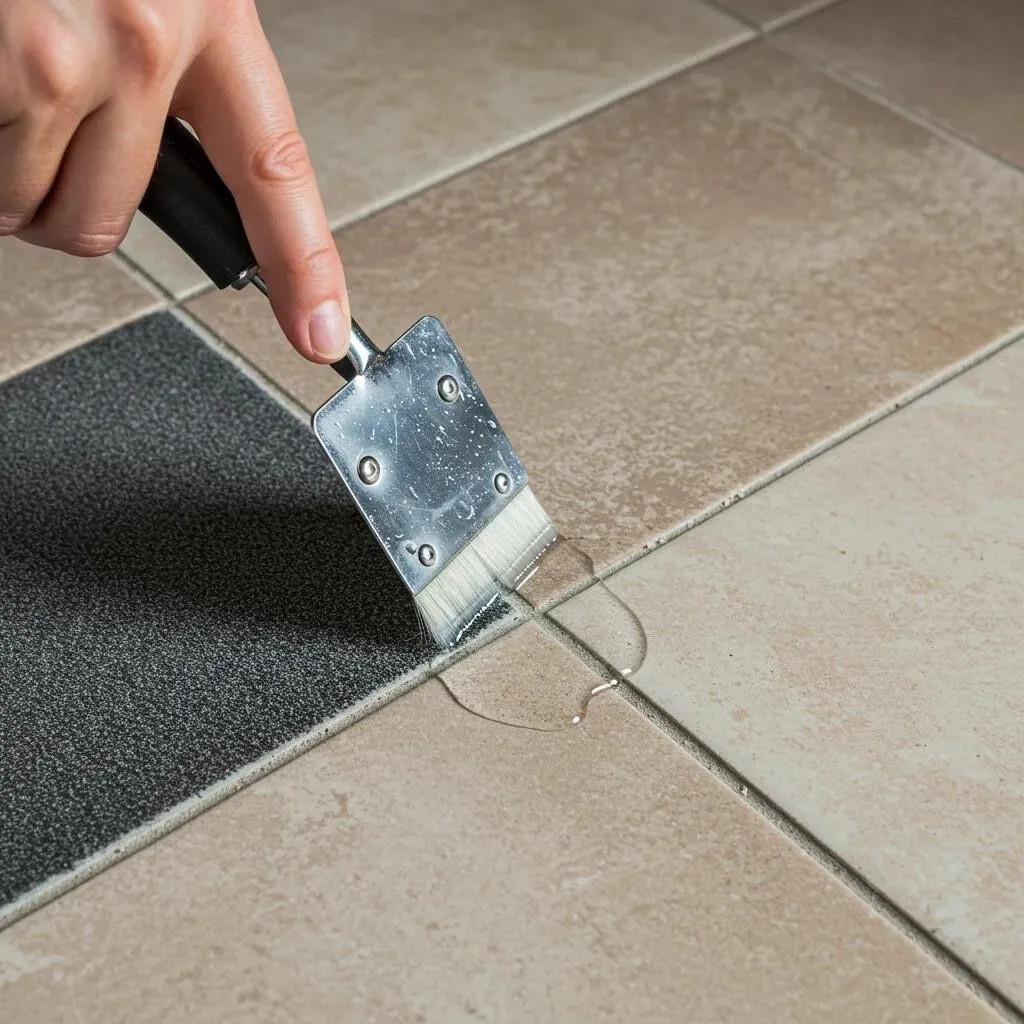
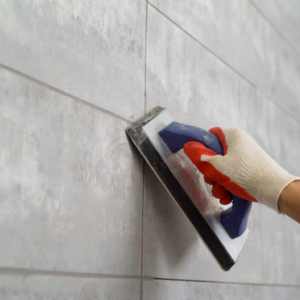
Grout sealing involves applying a specialized sealant that penetrates the grout and creates a protective barrier. This barrier repels water, dirt, and contaminants while allowing the grout to breathe.
Types of Grout Sealers
- Penetrating sealers that absorb into the grout
- Surface sealers that form a protective layer on top
Both types contribute to maximizing grout sealing benefits when applied correctly.
Key Grout Sealing Benefits
Protection Against Moisture
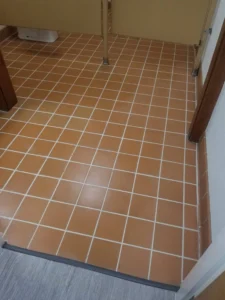
One of the most important grout sealing benefits is preventing water from penetrating grout lines. Moisture can weaken the structure beneath tiles, leading to costly repairs. Sealed grout acts as a barrier, keeping water out and preserving the integrity of the surface.
Prevention of Mold and Mildew
Unsealed grout provides the perfect environment for mold and mildew. By sealing grout, you reduce moisture retention, making it difficult for mold to grow. This improves indoor air quality and promotes a healthier environment.
Stain Resistance
Grout easily absorbs spills, leading to stubborn stains. Sealing creates a protective layer that prevents liquids and dirt from penetrating the surface. This is one of the most noticeable grout sealing benefits, especially in kitchens and high-traffic areas.
Enhanced Durability
Sealed grout is more resistant to wear and tear. It maintains its strength and structure over time, reducing the likelihood of cracks and damage. This extends the lifespan of your tiled surfaces.
Improved Appearance
Clean, sealed grout enhances the overall look of your space. It maintains its original color and prevents discoloration. This aesthetic improvement is a major reason why many homeowners prioritize grout sealing benefits.
Long-Term Grout Sealing Benefits
Reduced Maintenance
Sealed grout is easier to clean and maintain. Dirt and spills remain on the surface, making cleaning quicker and more effective. This reduces the time and effort required for upkeep.
Cost Savings
Preventing damage through sealing reduces the need for expensive repairs or replacements. Investing in grout sealing provides long-term financial benefits.
Increased Property Value
Well-maintained tiles and grout improve the overall appeal of a property. This can increase resale value and attract potential buyers.
Extended Lifespan of Tiles
By protecting the grout, you also protect the tiles. This ensures that your entire tiled surface remains in excellent condition for years.
These long-term grout sealing benefits make it a smart investment.
Areas That Benefit Most from Grout Sealing
Bathrooms
Bathrooms are constantly exposed to water and humidity. Sealing grout prevents moisture penetration and mold growth, making it essential for these spaces.
Kitchens
Spills and stains are common in kitchens. Sealed grout resists staining and makes cleaning easier.
Floors
High-traffic areas experience more wear and tear. Sealing protects grout from dirt and damage.
Commercial Spaces
Businesses require clean and durable surfaces. Grout sealing ensures hygiene and longevity in high-use environments.
Each of these areas highlights the practical grout sealing benefits.
The Process of Professional Grout Sealing
Inspection and Cleaning
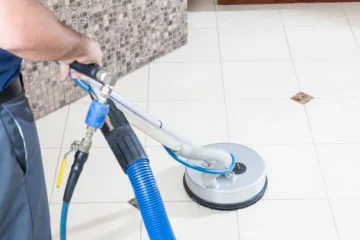
The process begins with a thorough inspection and deep cleaning to remove dirt, stains, and contaminants.
Preparation
The grout must be completely dry before sealing. Proper preparation ensures maximum effectiveness.
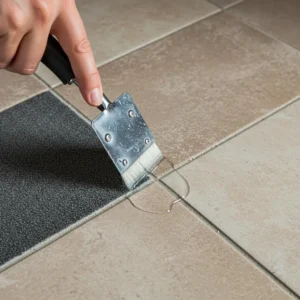
Application of Sealer
The sealant is carefully applied to ensure even coverage and penetration.
Curing Time
The sealer is allowed to cure, creating a durable protective barrier.
Professional application ensures optimal grout sealing benefits.
Challenges of DIY Grout Sealing
Uneven Application
DIY methods often result in inconsistent coverage, reducing effectiveness.
Improper Product Selection
Using the wrong type of sealer can lead to poor results.
Inadequate Preparation
Failure to clean and dry grout properly can prevent the sealer from bonding.
Shorter Lifespan
DIY sealing may not last as long as professional work.
These challenges highlight the importance of professional services for achieving full grout sealing benefits.
Maintenance After Grout Sealing
Regular Cleaning
Use mild cleaners to maintain the sealed surface.
Avoid Harsh Chemicals
Strong chemicals can break down the sealer over time.
Monitor for Wear
Check grout lines periodically to ensure the seal remains intact.
Reapply When Needed
Sealers wear off over time and may need reapplication.
Proper maintenance helps preserve grout sealing benefits.
Environmental Factors Affecting Grout
Humidity
High humidity increases the risk of mold and mildew.
Temperature Changes
Expansion and contraction can affect grout integrity.
Water Quality
Minerals in water can cause staining and buildup.
Understanding these factors helps maximize grout sealing benefits.
Why Choose KK Cleaning and Restoration
Experienced Professionals
Skilled technicians ensure precise and effective grout sealing.
High-Quality Materials
Premium sealers provide long-lasting protection.
Advanced Techniques
Modern methods ensure even application and durability.
Comprehensive Service
From cleaning to sealing, every step is handled with care.
KK Cleaning and Restoration delivers reliable grout sealing benefits for residential and commercial properties.
Common Misconceptions About Grout Sealing
“Grout Doesn’t Need Sealing”
Many believe grout is durable on its own, but its porous nature makes sealing essential.
“Sealing Is Permanent”
Sealers wear off over time and require reapplication.
“DIY Is Just as Effective”
Professional application ensures better coverage and longer-lasting results.
Understanding these misconceptions helps you fully appreciate grout sealing benefits.
Final Thoughts
Grout may seem like a small detail, but its condition has a significant impact on the durability, hygiene, and appearance of your tiled surfaces. Without proper protection, grout can quickly become a source of damage and maintenance challenges. Recognizing the importance of grout sealing benefits allows you to take proactive steps in preserving your property.
From preventing moisture damage and mold growth to enhancing appearance and reducing maintenance, the advantages of grout sealing are extensive. While it may require an initial investment, the long-term savings and improved performance make it a worthwhile choice.
Choosing professional services ensures that you receive the full range of grout sealing benefits. With expertise, high-quality materials, and precise application, KK Cleaning and Restoration helps you maintain clean, durable, and visually appealing surfaces. By prioritizing grout sealing, you protect your investment and create a healthier, more comfortable environment for years to come.
Contact us now:
 Call us now at +16479163093
 Email: info@kkcleaningandrestoration.ca
 Visit: https://kkcleaningandrestoration.ca/
Frequently Asked Questions About Grout Sealing Benefits
1. What are grout sealing benefits?
Grout sealing benefits refer to the advantages of applying a protective sealant over grout lines. This process helps prevent moisture from penetrating the porous surface. It also reduces staining and discoloration over time. Sealing improves durability and extends the life of tiled surfaces. It enhances hygiene by limiting mold and bacteria growth. Overall, it makes maintenance easier and more effective.
2. Why is grout sealing important?
Grout sealing is important because grout is naturally porous and absorbs moisture easily. Without sealing, water can seep in and cause damage beneath tiles. This can lead to mold growth and structural issues. Sealing creates a protective barrier that keeps contaminants out. It also preserves the appearance of grout. Proper sealing ensures long-term performance and protection.
3. How does grout sealing prevent water damage?
Grout sealing prevents water damage by blocking moisture from entering the grout lines. The sealant creates a barrier that repels water. This prevents water from reaching the underlying structure. It reduces the risk of leaks and deterioration. Proper sealing maintains the integrity of tiled surfaces. It is especially important in high-moisture areas like bathrooms.
4. Does grout sealing help prevent mold?
Yes, one of the key grout sealing benefits is mold prevention. By reducing moisture absorption, sealed grout becomes less hospitable to mold growth. Mold thrives in damp environments, so sealing helps control this issue. Regular cleaning also supports mold prevention. Proper ventilation further enhances results. Together, these measures maintain a healthier space.
5. How long does grout sealing last?
Grout sealing typically lasts between one to three years. The lifespan depends on the type of sealer used and the level of wear. High-traffic areas may require more frequent reapplication. Proper maintenance can extend its effectiveness. Regular inspection helps determine when resealing is needed. Timely reapplication ensures continued protection.
6. Can I seal grout myself?
Yes, grout sealing can be done as a DIY project, but it requires careful preparation. The grout must be clean and dry before applying the sealer. Uneven application can reduce effectiveness. Professionals ensure proper coverage and durability. DIY methods may not last as long. Expert application provides better results.
7. What types of grout sealers are available?
There are two main types: penetrating sealers and surface sealers. Penetrating sealers absorb into the grout and provide long-lasting protection. Surface sealers create a protective layer on top. Each type has its advantages depending on the application. Professionals can recommend the best option. Choosing the right sealer is essential for optimal results.
8. Does grout sealing change the appearance of grout?
Most grout sealers do not significantly change the appearance. Some may slightly enhance the color or give a subtle sheen. The goal is to protect without altering the look. High-quality sealers maintain the original appearance. Proper application ensures a clean finish. Appearance improvement is one of the grout sealing benefits.
9. Is grout sealing necessary for new tiles?
Yes, new grout should be sealed after it cures. Fresh grout is still porous and vulnerable to damage. Sealing protects it from stains and moisture. This ensures long-term durability. Early sealing prevents future problems. It is a recommended step after installation.
10. Can grout sealing prevent stains?
Yes, grout sealing significantly reduces staining. The protective barrier prevents liquids and dirt from penetrating. Spills remain on the surface and are easier to clean. This is especially useful in kitchens and high-traffic areas. Regular cleaning maintains results. Stain resistance is a major benefit.
11. How do I know if my grout needs sealing?
You can test by placing a few drops of water on the grout. If it absorbs quickly, sealing is needed. Discoloration and staining are also indicators. Cracked or worn grout may require repair before sealing. Regular inspection helps identify the need. Proper sealing ensures continued protection.
12. Does grout sealing make cleaning easier?
Yes, sealed grout is much easier to clean. Dirt and spills do not penetrate deeply. Cleaning requires less effort and time. Mild cleaners are usually sufficient. This reduces the need for harsh chemicals. Easier maintenance is a key grout sealing benefit.
13. Can grout sealing extend tile lifespan?
Yes, sealing grout helps protect tiles by preventing water damage. It maintains the integrity of the entire surface. Reduced wear and tear extend lifespan. Proper maintenance supports durability. Sealed grout keeps tiles in good condition. This contributes to long-term value.
14. Is grout sealing safe for homes?
Yes, grout sealing is safe when done properly. Most sealers are non-toxic after curing. Proper ventilation during application is recommended. Professionals follow safety guidelines. Safe products ensure indoor air quality. It is suitable for residential and commercial use.
15. Does grout sealing prevent cracking?
Grout sealing does not directly prevent cracking but helps reduce damage. By protecting against moisture, it minimizes weakening. Proper maintenance supports structural integrity. Cracks caused by movement may still occur. Sealing complements other protective measures. It contributes to overall durability.
16. Can grout sealing be used in bathrooms?
Yes, bathrooms benefit greatly from grout sealing. High humidity makes grout vulnerable to damage. Sealing prevents moisture penetration. It reduces mold and mildew growth. Proper sealing improves hygiene. It is essential for bathroom maintenance.
17. How often should grout be resealed?
Grout should be resealed every one to three years. High-use areas may need more frequent sealing. Regular inspection helps determine timing. Proper maintenance extends the lifespan of the seal. Timely resealing ensures continued protection. It maintains effectiveness.
18. Does grout sealing reduce odors?
Yes, sealing grout helps reduce odors caused by mold and bacteria. By preventing moisture buildup, it limits odor sources. Clean surfaces maintain freshness. Regular cleaning enhances results. Ventilation also plays a role. Odor reduction improves overall comfort.
19. Can grout sealing be applied to floors?
Yes, grout sealing is commonly used on floors. High-traffic areas benefit from added protection. It prevents dirt and moisture from penetrating. Sealed floors are easier to maintain. Durability is improved. It is suitable for both residential and commercial spaces.
20. What happens if grout is not sealed?
Unsealed grout absorbs moisture and stains easily. This leads to discoloration and damage. Mold and mildew may develop. Structural issues can occur over time. Maintenance becomes more difficult. Sealing prevents these problems.
21. Can grout sealing improve property value?
Yes, well-maintained grout enhances the appearance of tiled surfaces. Clean and durable surfaces attract buyers. It reflects proper maintenance. Property value may increase. It is a worthwhile investment. Appearance plays an important role.
22. Does grout sealing require professional service?
Professional service is recommended for best results. Experts ensure proper preparation and application. They use high-quality materials. Results are more durable and consistent. DIY methods may not achieve the same quality. Professional work ensures effectiveness.
23. Can grout sealing be done on old grout?
Yes, old grout can be sealed after proper cleaning. Deep cleaning removes stains and contaminants. Damaged grout may need repair first. Sealing restores protection. It improves both appearance and durability. Old grout benefits greatly from sealing.
24. Does grout sealing protect against bacteria?
Yes, sealing reduces the growth of bacteria by limiting moisture. Dry surfaces are less prone to contamination. Regular cleaning enhances hygiene. Mold-resistant sealers provide additional protection. Proper maintenance is important. It supports a healthier environment.
25. Is grout sealing expensive?
Costs vary depending on area size and condition. It is generally affordable compared to repairs. Long-term savings outweigh initial costs. Preventing damage reduces expenses. Professional service provides value. It is a cost-effective solution.
26. Can grout sealing be applied to all tile types?
Yes, grout sealing works with most tile types. The focus is on protecting the grout lines. Some surfaces may require specific sealers. Professionals ensure compatibility. Proper application ensures effectiveness. It is widely applicable.
27. Does grout sealing affect texture?
Most sealers do not significantly change texture. Some may create a slightly smoother surface. The goal is protection, not alteration. High-quality sealers maintain original feel. Proper application ensures consistency. Texture remains largely unchanged.
28. Can grout sealing prevent discoloration?
Yes, sealing helps maintain grout color. It prevents dirt and stains from penetrating. Regular cleaning supports color retention. Mold-resistant sealers reduce dark spots. Proper maintenance ensures lasting appearance. It keeps grout looking new.
29. How long does grout sealing take?
The process typically takes a few hours. Larger areas may require more time. Cleaning and preparation are important steps. Drying time must also be considered. Professionals work efficiently. Proper application ensures durability.
30. Can grout sealing be combined with cleaning?
Yes, grout sealing is often done after deep cleaning. Cleaning removes dirt and stains. This prepares the surface for sealing. Combined service improves results. It ensures better adhesion. Cleaning enhances sealing effectiveness.
31. Does grout sealing require drying time?
Yes, grout must be dry before sealing. After application, curing time is required. This ensures proper bonding. Avoid water exposure during this period. Following instructions is important. Proper drying ensures durability.
32. Can grout sealing prevent future repairs?
Yes, sealing reduces the risk of damage and deterioration. It protects against moisture and stains. Preventive maintenance minimizes repair needs. Regular inspection supports long-term protection. It is a proactive approach. Sealing helps avoid costly repairs.
33. What are the limitations of grout sealing?
Sealing does not make grout completely waterproof. It requires maintenance and reapplication. Severe damage may still require repair. It is a protective measure, not a permanent solution. Proper care is essential. Understanding limitations ensures realistic expectations.
34. Does grout sealing improve hygiene?
Yes, sealed grout is more hygienic. It prevents moisture buildup and bacterial growth. Clean surfaces are easier to maintain. Mold-resistant products enhance results. Regular cleaning supports hygiene. It creates a healthier environment.
35. Why should I consider grout sealing benefits?
Grout sealing benefits include protection, durability, and improved appearance. It reduces maintenance and prevents damage. It enhances hygiene and comfort. Long-term savings make it worthwhile. Professional application ensures best results. It is an essential part of tile care.
Contact us now:
Call us now at +16479163093
Email: info@kkcleaningandrestoration.ca
Visit: https://kkcleaningandrestoration.ca/