Bathroom Shower Maintenance Checklist: The Complete Guide to Protecting Your Shower with KK Cleaning and Restoration
Introduction: Bathroom Shower Maintenance Checklist
Bathroom Shower Maintenance Checklist: A bathroom shower is one of the most frequently used areas in any home or commercial property. From daily showers and constant moisture exposure to soap residue, hard water deposits, mold growth, and grout deterioration, shower surfaces face ongoing challenges that can impact both appearance and functionality. Without proper maintenance, even a beautiful shower can quickly develop issues that require expensive repairs or restoration.
A well-planned bathroom shower maintenance checklist helps homeowners and property managers protect their investment, maintain cleanliness, improve hygiene, and extend the lifespan of tile, grout, caulking, glass, fixtures, and surrounding surfaces. Whether your shower features ceramic tile, porcelain tile, natural stone, glass enclosures, or custom finishes, consistent maintenance is essential for long-term performance.
At KK Cleaning and Restoration, professional shower restoration and maintenance services help property owners throughout Toronto keep their showers clean, safe, and visually appealing. Following a comprehensive bathroom shower maintenance checklist can prevent many common problems while reducing long-term maintenance costs.
Why a Bathroom Shower Maintenance Checklist Is Important
Many people clean their showers regularly but fail to follow a structured maintenance routine. Cleaning alone is not enough to prevent deterioration.
A complete bathroom shower maintenance checklist focuses on both cleanliness and prevention.
Benefits include:
- Improved hygiene
- Reduced mold and mildew growth
- Extended tile lifespan
- Better grout protection
- Enhanced appearance
- Lower repair costs
- Improved indoor air quality
- Increased property value
Routine inspections and preventive maintenance often identify small issues before they become major problems.

Understanding Common Shower Problems and find out Bathroom Shower Maintenance Checklist
Before creating an effective bathroom shower maintenance checklist, it is important to understand the most common issues that affect shower systems.
Mold and Mildew Growth
Moisture-rich environments create ideal conditions for mold and mildew.
Common causes include:
- Poor ventilation
- Standing water
- Damaged caulking
- Excess humidity
- Dirty grout
Mold growth not only affects appearance but can also contribute to unpleasant odors and indoor air quality concerns.
Grout Deterioration
Grout is naturally porous and vulnerable to:
- Moisture absorption
- Staining
- Cracking
- Mold growth
- Discoloration
Maintaining grout should be a priority on every bathroom shower maintenance checklist.
Damaged Caulking
Caulking creates waterproof seals around:
- Corners
- Fixtures
- Shower bases
- Glass enclosures
When caulking fails, water can penetrate behind surfaces and cause significant damage.
Hard Water Deposits
Mineral-rich water can leave stubborn deposits on:
- Glass doors
- Tiles
- Fixtures
- Showerheads
Without regular maintenance, these deposits become increasingly difficult to remove.
Soap Scum Buildup
Soap residue accumulates gradually and can make surfaces appear dull and dirty.
Consistent cleaning helps prevent excessive buildup.
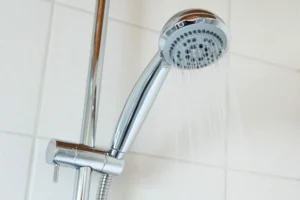
Daily Bathroom Shower Maintenance Checklist
Daily maintenance requires only a few minutes but can dramatically reduce future cleaning and repair needs.
Remove Excess Water
One of the most important tasks on any bathroom shower maintenance checklist is removing standing water.
After each shower:
- Use a squeegee on glass surfaces
- Wipe down tiles
- Remove water from corners
- Dry benches and shelves
This reduces moisture exposure and discourages mold growth.
Improve Air Circulation
Ventilation plays a critical role in shower maintenance.
Daily ventilation practices include:
- Running exhaust fans
- Opening bathroom doors
- Using windows when available
Reducing humidity helps protect grout, caulking, and surrounding materials.
Inspect for Visible Issues
A quick visual inspection can reveal:
- Water pooling
- Cracked grout
- Loose tiles
- Mold spots
- Damaged caulking
Early detection prevents larger problems.
Weekly Bathroom Shower Maintenance Checklist
Weekly maintenance focuses on cleaning and prevention.
Clean Tile Surfaces
Tiles should be cleaned using appropriate products based on the material.
Weekly cleaning removes:
- Soap scum
- Dirt
- Body oils
- Surface contaminants
This task is a key part of every bathroom shower maintenance checklist.
Clean Glass Doors and Panels
Glass surfaces accumulate water spots and mineral deposits.
Weekly cleaning helps maintain:
- Clarity
- Shine
- Appearance
Consistent maintenance prevents stubborn buildup.
Wipe Fixtures
Fixtures should be cleaned regularly to prevent:
- Mineral deposits
- Corrosion
- Discoloration
Maintaining fixtures also improves overall appearance.
Clean Shower Drains
Hair and debris often accumulate in drains.
Weekly drain maintenance helps prevent:
- Slow drainage
- Blockages
- Odors
Monthly Bathroom Shower Maintenance Checklist
Monthly inspections provide an opportunity to identify developing problems.
Inspect Grout Lines
Examine grout for:
- Cracks
- Missing sections
- Discoloration
- Mold growth
Grout deterioration can allow moisture to penetrate beneath tiles.
Check Caulking
A thorough bathroom shower maintenance checklist always includes caulking inspections.
Look for:
- Cracks
- Shrinkage
- Separation
- Mold
Damaged caulking should be replaced promptly.
Inspect Tile Condition
Check for:
- Loose tiles
- Chipped edges
- Cracks
- Hollow sounds
Addressing these issues early helps avoid costly repairs.
Evaluate Ventilation Performance
Ensure exhaust fans are functioning properly.
Poor ventilation contributes significantly to moisture-related problems.
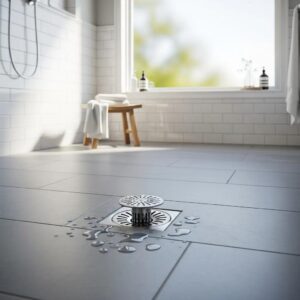
Quarterly Bathroom Shower Maintenance Checklist
Quarterly maintenance involves more detailed evaluation.
Deep Clean Grout
Professional-grade cleaning methods help remove embedded contaminants.
Benefits include:
- Improved appearance
- Reduced mold risk
- Better hygiene
Assess Sealer Performance
If grout or stone surfaces are sealed, check whether protection remains effective.
Signs of reduced protection include:
- Water absorption
- Increased staining
- Difficult cleaning
Inspect Shower Fixtures
Evaluate:
- Showerheads
- Valves
- Handles
- Plumbing connections
Leaks should be repaired immediately.
Examine Glass Seals
Glass enclosure seals should remain intact to prevent water leakage.
Annual Bathroom Shower Maintenance Checklist
Yearly maintenance provides comprehensive protection.
Professional Inspection
Professional evaluations identify issues that may not be visible to homeowners.
Experts can assess:
- Tile condition
- Grout integrity
- Caulking performance
- Water damage risks
Professional Grout Cleaning
Deep grout cleaning removes contaminants that routine cleaning cannot reach.
Resealing Services
A complete bathroom shower maintenance checklist should include periodic resealing.
Professional sealing helps protect:
- Grout
- Natural stone
- Porous tile surfaces
Caulking Replacement
Even well-maintained caulking may require replacement over time.
Fresh caulking improves waterproofing and appearance.
Bathroom Shower Maintenance Checklist for Tile Showers
Tile showers require specialized care.
Ceramic Tile Maintenance
Ceramic tile is durable but still requires:
- Routine cleaning
- Grout maintenance
- Mold prevention
Porcelain Tile Maintenance
Porcelain is less porous but grout remains vulnerable.
A proper bathroom shower maintenance checklist still includes grout inspections and cleaning.
Natural Stone Shower Maintenance
Natural stone surfaces require additional attention.
Common materials include:
- Marble
- Travertine
- Limestone
- Slate
Natural stone maintenance often includes:
- Specialized cleaners
- Frequent inspections
- Professional sealing
Preventing Mold and Mildew
Mold prevention is a major objective of every bathroom shower maintenance checklist.
Keep Surfaces Dry
Moisture control is essential.
Improve Ventilation
Proper airflow reduces humidity levels.
Address Leaks Immediately
Even small leaks can contribute to mold growth.
Clean Regularly
Routine cleaning removes contaminants that support mold development.
Protecting Grout
Grout maintenance plays a critical role in shower longevity.
Clean Grout Regularly
Routine cleaning prevents dirt accumulation.
Seal Grout
Professional sealing reduces:
- Moisture absorption
- Staining
- Mold growth
Repair Damage Promptly
Cracked grout should be repaired as soon as possible.
Ignoring damage allows moisture infiltration.
Protecting Shower Glass
Glass maintenance enhances both appearance and performance.
Use a Squeegee Daily
This simple habit dramatically reduces water spots.
Remove Hard Water Deposits
Regular cleaning prevents mineral buildup.
Inspect Seals
Glass enclosure seals should remain watertight.
Maintaining Shower Fixtures
Fixtures contribute significantly to overall shower performance.
Clean Regularly
Prevent buildup on:
- Showerheads
- Handles
- Faucets
Monitor Water Pressure
Changes in pressure may indicate plumbing issues.
Check for Leaks
Prompt repairs help prevent water damage.
Signs Your Shower Needs Professional Attention
Certain issues require expert evaluation.
Persistent Mold
Recurring mold growth often indicates underlying moisture problems.
Cracked Grout
Extensive grout damage may require regrouting.
Loose Tiles
Loose tiles can indicate moisture penetration behind surfaces.
Water Damage
Visible water damage should be addressed immediately.
Failing Caulking
Widespread caulking failure often requires professional replacement.
Commercial Bathroom Shower Maintenance Checklist
Commercial facilities face additional maintenance demands.
Fitness Centers
Showers experience heavy daily use and require frequent inspections.
Hotels
Guest satisfaction depends on cleanliness and appearance.
Healthcare Facilities
Strict hygiene standards make routine maintenance essential.
Multi-Unit Residential Buildings
Property managers benefit from structured maintenance schedules.
Benefits of Professional Shower Maintenance
While routine care is important, professional services provide additional protection.
Deep Cleaning
Professionals remove embedded contaminants.
Grout Restoration
Restoration improves both function and appearance.
Caulking Replacement
Experts ensure proper waterproofing.
Tile Repairs
Prompt repairs prevent more extensive damage.
Sealing Services
Professional sealing provides long-lasting protection.
Why Homeowners Choose KK Cleaning and Restoration
KK Cleaning and Restoration provides specialized services designed to support a complete bathroom shower maintenance checklist.
Services include:
- Tile cleaning
- Grout cleaning
- Grout sealing
- Regrouting
- Shower restoration
- Tile restoration
- Caulking replacement
- Silicone replacement
- Mold prevention solutions
Their experienced technicians understand the challenges associated with maintaining showers in Toronto’s residential and commercial properties.
Long-Term Benefits of Following a Bathroom Shower Maintenance Checklist
A structured maintenance plan offers significant advantages.
Longer Shower Lifespan
Proper care helps preserve materials and finishes.
Reduced Repair Costs
Preventive maintenance minimizes expensive repairs.
Improved Appearance
Clean, well-maintained showers enhance overall bathroom aesthetics.
Better Hygiene
Routine cleaning supports healthier environments.
Increased Property Value
Well-maintained bathrooms contribute positively to property appeal.
Conclusion: Bathroom Shower Maintenance Checklist
A shower is exposed to moisture, soap residue, dirt, and daily use more than almost any other area of a home. Without proper care, these conditions can lead to mold growth, grout deterioration, caulking failure, water damage, and costly repairs. Following a comprehensive bathroom shower maintenance checklist helps homeowners and property managers protect their investment while maintaining a clean, attractive, and functional shower environment.
From daily moisture control and weekly cleaning to annual inspections and professional restoration, every component of a thorough bathroom shower maintenance checklist contributes to long-term performance. By addressing issues early and maintaining consistent care, property owners can significantly extend the lifespan of their shower systems.
KK Cleaning and Restoration provides expert shower cleaning, grout restoration, tile maintenance, sealing, and shower restoration services throughout Toronto. Their professional solutions help ensure that showers remain beautiful, hygienic, and protected for years to come.
Contact us now:
 Call us now at +16479163093
 Email: info@kkcleaningandrestoration.ca
 Visit: https://kkcleaningandrestoration.ca/
Bathroom Shower Maintenance Checklist – Detailed FAQs
1. What is a bathroom shower maintenance checklist?
A bathroom shower maintenance checklist is a structured guide that helps homeowners keep their shower clean, functional, and free from damage. It includes routine tasks such as cleaning tiles, inspecting grout, checking caulking, and monitoring for leaks. Following a checklist ensures that maintenance is performed consistently rather than only when problems appear. This proactive approach helps extend the lifespan of the shower and reduces repair costs.
2. Why is a bathroom shower maintenance checklist important?
A bathroom shower is exposed to moisture, soap residue, and daily use, making it vulnerable to deterioration over time. A maintenance checklist helps identify issues before they become expensive problems. It also promotes cleanliness, improves hygiene, and protects surfaces from mold, mildew, and water damage. Consistent maintenance helps preserve the appearance and functionality of the shower.
3. How often should a shower be cleaned?
Light cleaning should ideally be performed several times each week, with a more thorough cleaning completed weekly. Daily wiping of glass and tile surfaces can help prevent buildup. The exact frequency depends on household size and shower usage. Regular cleaning prevents soap scum, mold, and hard water deposits from accumulating.
4. What should be included in a daily shower maintenance routine?
Daily maintenance should include removing excess moisture, checking for visible issues, and improving ventilation. Using a squeegee on glass surfaces helps reduce water spots and mineral deposits. Running the exhaust fan after showering helps lower humidity levels. These simple habits significantly reduce long-term maintenance requirements.
5. Why is moisture control important in shower maintenance?
Moisture is the primary cause of many shower-related problems, including mold growth, grout deterioration, and water damage. Excess moisture can penetrate porous materials and create hidden issues behind walls and tiles. Proper ventilation and drying practices help reduce these risks. Effective moisture control is one of the most important elements of any bathroom shower maintenance checklist.
6. How can I prevent mold and mildew in my shower?
Reducing moisture is key to preventing mold and mildew. After showering, surfaces should be dried and the bathroom should be ventilated using an exhaust fan or open window. Regular cleaning removes organic matter that mold can feed on. Inspecting grout and caulking regularly also helps identify areas where moisture may be trapped.
7. Why does mold keep returning after cleaning?
Recurring mold often indicates an underlying moisture problem rather than a cleaning issue. Damaged grout, failing caulking, poor ventilation, or hidden leaks may be contributing factors. Simply removing visible mold may not address the root cause. A professional inspection can help identify and correct the underlying problem.
8. What is the role of grout in a shower?
Grout fills the spaces between tiles and helps create a stable and finished surface. It also contributes to water resistance when properly maintained and sealed. However, grout is porous and can absorb moisture, dirt, and contaminants. This makes regular cleaning and sealing essential for long-term performance.
9. Why does grout become discolored?
Grout discoloration often occurs when dirt, soap residue, mold, mildew, and moisture become trapped within its porous structure. Over time, these contaminants accumulate and alter the grout’s appearance. Inadequate cleaning can accelerate discoloration. Professional cleaning can often restore much of the original color.
10. How often should grout be inspected?
Grout should be visually inspected at least once a month. Look for cracks, missing sections, discoloration, mold growth, or signs of moisture penetration. Early detection helps prevent more serious damage behind the tile surface. Routine inspections are an important part of shower maintenance.
11. What happens if grout cracks are ignored?
Cracked grout allows water to penetrate behind the tile surface, potentially leading to mold growth, water damage, and loose tiles. Moisture trapped behind walls can cause significant structural issues over time. Small cracks are much easier and less expensive to repair than extensive water damage. Prompt attention is always recommended.
12. Why is grout sealing important?
Grout sealing creates a protective barrier that reduces moisture absorption and staining. This protection helps keep grout cleaner and easier to maintain. Sealing also helps reduce the risk of mold and mildew development. Regular sealing extends the life of grout and improves shower hygiene.
13. How often should shower grout be sealed?
The frequency depends on usage, cleaning practices, and the type of sealer applied. Many professionally applied sealers provide protection for several years. High-use showers may require more frequent inspections and maintenance. A professional evaluation can determine the best schedule.
14. What is shower caulking?
Caulking is a flexible sealant applied around joints, corners, fixtures, and transitions within a shower. It helps prevent water from entering gaps where moisture could cause damage. Unlike grout, caulking can accommodate slight movement in building materials. Proper caulking is critical for waterproofing.
15. How can I tell if shower caulking needs replacement?
Signs of failing caulking include cracking, peeling, shrinkage, separation from surfaces, discoloration, or mold growth. Water leaking into corners or gaps may also indicate problems. Damaged caulking should be replaced promptly to maintain waterproof protection. Regular inspections help identify these issues early.
16. Why is damaged caulking a concern?
Damaged caulking can allow water to penetrate behind walls, beneath shower bases, and into surrounding structures. This hidden moisture may lead to mold growth, wood rot, and costly repairs. Waterproof integrity depends heavily on properly functioning caulking. Timely replacement helps prevent serious damage.
17. How often should shower caulking be inspected?
Monthly inspections are generally recommended. Areas around corners, shower bases, glass enclosures, and fixtures should receive particular attention. Early detection of deterioration allows for prompt repairs. Routine inspection helps maintain waterproof protection.
18. What causes soap scum buildup?
Soap scum forms when soap combines with minerals found in water. Over time, this residue accumulates on tile, glass, grout, and fixtures. Without regular cleaning, soap scum becomes increasingly difficult to remove. Consistent maintenance prevents excessive buildup.
19. How can I reduce soap scum accumulation?
Using a squeegee after each shower helps remove moisture and residue before buildup occurs. Regular cleaning prevents deposits from hardening on surfaces. Some homeowners also choose liquid soaps that produce less residue. Consistency is the key to controlling soap scum.
20. What causes hard water stains in showers?
Hard water contains dissolved minerals such as calcium and magnesium. As water evaporates, these minerals remain behind and create visible deposits. Over time, the buildup becomes more noticeable and difficult to remove. Regular cleaning helps prevent severe staining.
21. How can I keep shower glass clean?
Using a squeegee after every shower is one of the most effective ways to maintain glass clarity. Regular cleaning removes water spots, soap residue, and mineral deposits. Proper ventilation also helps reduce moisture-related buildup. Consistent care prevents stubborn stains from forming.
22. Why should shower drains be maintained regularly?
Hair, soap residue, and debris can accumulate within shower drains and restrict water flow. Regular maintenance helps prevent clogs, slow drainage, and unpleasant odors. Ignoring drain issues can lead to backups and water damage. Cleaning drains is an important part of shower care.
23. What are signs of a shower leak?
Common signs include water stains, peeling paint, musty odors, mold growth, damp walls, loose tiles, and unexplained moisture around the shower area. Some leaks remain hidden for long periods before becoming visible. Prompt investigation helps minimize damage. Professional inspections can identify hidden leaks.
24. How often should shower fixtures be cleaned?
Fixtures should be cleaned weekly to prevent mineral deposits and maintain appearance. Showerheads, faucets, handles, and valves all benefit from routine care. Clean fixtures function more efficiently and last longer. Regular maintenance also improves the overall appearance of the bathroom.
25. Why is ventilation important in a shower?
Ventilation helps remove excess humidity generated during shower use. Lower humidity levels reduce the risk of mold, mildew, and moisture damage. Proper airflow also supports faster drying of surfaces. A well-ventilated bathroom is easier to maintain and healthier overall.
26. How long should I run the bathroom exhaust fan after showering?
Many professionals recommend running the exhaust fan for at least 20 to 30 minutes after showering. This helps remove lingering moisture from the air. Consistent fan use significantly reduces humidity-related issues. Proper ventilation supports every aspect of shower maintenance.
27. Can loose tiles indicate a serious problem?
Yes, loose tiles often suggest moisture penetration behind the tile surface. Water may have weakened the adhesive or damaged underlying materials. Ignoring loose tiles can lead to larger structural issues. Professional assessment is recommended when tiles become loose.
28. What is shower regrouting?
Regrouting involves removing damaged or deteriorated grout and replacing it with new grout. This process restores the appearance and functionality of tiled surfaces. Regrouting can improve water resistance and prevent moisture-related problems. It is often part of shower restoration projects.
29. When is regrouting necessary?
Regrouting may be necessary when grout becomes cracked, missing, heavily stained, or structurally compromised. Persistent mold problems can also indicate the need for regrouting. Addressing grout issues early helps prevent water damage. Professional evaluation can determine whether regrouting is appropriate.
30. How often should a shower receive a deep cleaning?
Most showers benefit from a thorough deep cleaning at least several times per year. High-use showers may require more frequent service. Deep cleaning removes embedded contaminants that routine cleaning may miss. Professional cleaning can further enhance results.
31. What is shower restoration?
Shower restoration involves repairing and improving various shower components to restore appearance and performance. Services may include tile cleaning, grout replacement, caulking replacement, sealing, and repairs. Restoration can extend the life of the shower significantly. It is often more cost-effective than replacement.
32. Can regular maintenance reduce repair costs?
Yes, preventive maintenance helps identify and address minor issues before they become major problems. Small repairs are generally much less expensive than extensive restoration or replacement. Consistent care protects both appearance and structural integrity. Long-term savings can be substantial.
33. How does shower maintenance improve hygiene?
Regular cleaning removes bacteria, mold, mildew, soap residue, and other contaminants. Maintaining grout and caulking also reduces areas where moisture and microorganisms can accumulate. Cleaner surfaces contribute to healthier indoor environments. Good hygiene is a major benefit of proper shower care.
34. Should natural stone showers have a different maintenance routine?
Yes, natural stone materials such as marble, limestone, slate, and travertine require specialized care. Stone-safe cleaners and regular sealing are particularly important. Certain household products can damage natural stone surfaces. Professional guidance helps ensure proper maintenance.
35. What are the most common shower maintenance mistakes?
Common mistakes include ignoring grout damage, neglecting caulking, using harsh chemicals, failing to ventilate properly, and delaying repairs. These issues often lead to avoidable damage and higher maintenance costs. Consistent attention helps prevent many common problems. Following a bathroom shower maintenance checklist reduces these risks.
36. Can shower maintenance extend the lifespan of the bathroom?
Absolutely. Proper maintenance protects materials from deterioration and prevents moisture-related damage. Tile, grout, caulking, fixtures, and glass all last longer when cared for properly. A well-maintained shower can remain functional and attractive for many years.
37. Why should homeowners schedule professional shower inspections?
Professionals can identify hidden issues that may not be visible during routine cleaning. They assess grout condition, waterproofing integrity, caulking performance, and signs of moisture intrusion. Early detection often prevents expensive repairs. Professional inspections support long-term shower health.
38. How does shower sealing help protect surfaces?
Sealing creates a protective barrier that reduces moisture penetration and staining. This protection is particularly beneficial for grout and natural stone surfaces. Sealed materials are often easier to clean and maintain. Regular sealing contributes to long-term durability.
39. What services does KK Cleaning and Restoration provide for showers?
KK Cleaning and Restoration offers tile cleaning, grout cleaning, grout sealing, regrouting, shower restoration, tile restoration, caulking replacement, silicone replacement, and related maintenance services. Their technicians specialize in restoring and protecting shower systems throughout Toronto. Professional solutions help improve appearance, hygiene, and durability. Their services are designed to extend the life of shower installations.
40. Why choose KK Cleaning and Restoration for shower maintenance?
KK Cleaning and Restoration has extensive experience working with tile, grout, stone, and shower restoration projects. Their team uses professional-grade products, specialized techniques, and proven maintenance methods. They focus on both immediate results and long-term protection. Their commitment to quality workmanship helps homeowners and businesses maintain clean, safe, and beautiful showers for years to come.
Contact us now:
Call us now at +16479163093
Email: info@kkcleaningandrestoration.ca
Visit: https://kkcleaningandrestoration.ca/