Shower Waterproofing Tips: Complete Guide by KK Cleaning and Restoration
Introduction: Shower Waterproofing Tips
Shower Waterproofing Tips: Waterproofing is one of the most critical aspects of building, renovating, or maintaining a bathroom shower. Without proper waterproofing, even the most beautiful shower tiles and expensive fixtures can eventually suffer from moisture damage, mold growth, leaking problems, structural deterioration, and costly repairs. Many homeowners underestimate the importance of waterproof protection until they begin noticing loose tiles, stained walls, peeling paint, musty odors, or water leaking into surrounding areas.
Understanding effective shower waterproofing tips helps homeowners protect their bathrooms from hidden moisture problems while extending the lifespan of their tile installations, grout, walls, and flooring systems. Proper waterproofing not only prevents expensive damage but also improves hygiene, indoor air quality, and overall bathroom durability.
At KK Cleaning and Restoration, many homeowners request professional help because of shower leaks, deteriorating grout, mold growth, cracked caulking, water damage, and failing waterproof systems. Learning proper shower waterproofing tips helps prevent these problems before they become major restoration projects.
This complete guide explains everything homeowners need to know about shower waterproofing tips, including waterproof membranes, grout protection, tile installation, moisture prevention, mold control, drainage systems, ventilation improvements, shower maintenance, waterproof materials, and long-term bathroom protection strategies.
Why Shower Waterproofing Is So Important
Waterproofing protects the hidden structural components beneath shower surfaces.
Prevents Water Damage
Without proper waterproofing, water may seep behind tiles and damage walls, subfloors, and framing.
Reduces Mold Growth
Moisture trapped behind shower surfaces creates ideal conditions for mold and mildew.
Protects Tile Installations
Waterproofing helps maintain tile adhesion and prevents loosening or cracking.
Improves Bathroom Longevity
Proper waterproof systems significantly extend the lifespan of showers and surrounding materials.
Saves Money Long-Term
Preventing hidden leaks reduces future repair and restoration costs.
Following proper shower waterproofing tips is essential for maintaining durable and healthy bathrooms.
Common Causes of Shower Water Damage
Understanding what causes moisture problems helps homeowners prevent future issues.
Cracked Grout
Damaged grout allows water to penetrate behind tile surfaces.
Failing Caulking
Old or cracked caulking permits moisture intrusion around corners and fixtures.
Poor Drainage
Improper shower slope may allow standing water to collect.
Weak Waterproof Membranes
Improper installation or aging membranes fail to block moisture effectively.
Plumbing Leaks
Hidden pipe leaks contribute to long-term moisture damage.
Poor Ventilation
Humidity buildup slows drying and encourages mold growth.
Recognizing these risks is one of the most important shower waterproofing tips homeowners should understand.
Understanding How Shower Waterproofing Works
Waterproofing systems are designed to create moisture barriers beneath tile surfaces.
Waterproof Membranes
Membranes prevent water from penetrating into structural materials.
Grout Protection
Sealed grout reduces moisture absorption between tiles.
Drainage Systems
Proper slope directs water efficiently toward drains.
Caulking Systems
Flexible sealants protect corners and movement joints.
Ventilation
Airflow reduces humidity and moisture accumulation.
A complete waterproofing system works together to keep showers dry and protected.
Importance of Waterproof Membranes
Waterproof membranes are one of the most critical shower components.
What Waterproof Membranes Do
They create protective barriers beneath tile installations.
Types of Waterproof Membranes
- Sheet membranes
- Liquid-applied membranes
- Foam waterproof systems
- Waterproof backer boards
Why Membranes Matter
Tiles and grout alone are not fully waterproof.
Areas Requiring Membrane Protection
- Shower walls
- Floors
- Niches
- Benches
- Corners
Installing proper membranes is one of the most essential shower waterproofing tips for long-term durability.
Shower Waterproofing Tips for Tile Installation
Tile installation quality directly affects waterproof performance.
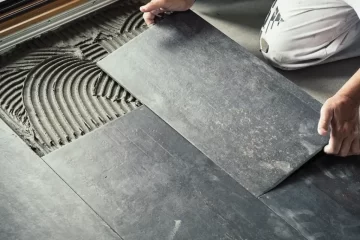
Proper Surface Preparation
Surfaces must be clean, stable, and dry before installation.
Correct Tile Adhesives
High-quality adhesives improve moisture resistance and tile stability.
Accurate Tile Alignment
Poor alignment may create weak points for moisture penetration.
Proper Grout Application
Uniform grout coverage helps improve water resistance.
Expansion Joint Considerations
Movement joints reduce cracking caused by temperature changes.
Professional tile installation significantly improves waterproof protection.
Why Grout Matters in Waterproofing
Grout helps support moisture resistance between tiles.
Grout Is Porous
Traditional grout absorbs moisture if left unsealed.
Cracked Grout Allows Leaks
Damaged grout permits water to penetrate behind surfaces.
Sealing Improves Protection
Sealers help reduce water absorption and staining.
Epoxy Grout Advantages
Epoxy grout offers superior moisture resistance compared to standard cement grout.
One of the most effective shower waterproofing tips is maintaining healthy grout lines.
Importance of Grout Sealing
Sealing grout helps preserve shower durability.
Why Sealing Matters
Unsealed grout absorbs water, soap residue, and dirt.
Benefits of Sealing
- Reduces moisture absorption
- Prevents staining
- Simplifies cleaning
- Improves mold resistance
Areas Most in Need of Sealing
- Shower floors
- Corners
- Around fixtures
- High-moisture walls
Regular Maintenance
Sealers gradually wear down and require reapplication.
Routine sealing is one of the simplest but most valuable shower waterproofing tips.
Why Shower Caulking Is Important
Caulking protects flexible joints where movement occurs.
Common Caulking Areas
- Shower corners
- Around tubs
- Fixture edges
- Floor-to-wall joints
Why Caulk Fails
- Moisture exposure
- Aging
- Structural movement
- Poor installation
Signs of Failing Caulk
- Cracks
- Gaps
- Peeling
- Mold growth
Replacing damaged caulking quickly helps maintain waterproof integrity.
Shower Waterproofing Tips for Preventing Mold
Bathrooms are especially vulnerable to mold problems.
Why Mold Develops
Warm and humid environments support fungal growth.
Areas Most Affected
- Grout lines
- Corners
- Behind tiles
- Around caulking
Mold Prevention Strategies
- Improve airflow
- Dry surfaces after use
- Clean regularly
- Repair leaks quickly
Importance of Moisture Control
Reducing moisture is the best long-term mold prevention strategy.
Preventing mold is one of the most valuable shower waterproofing tips for healthy bathrooms.
Why Ventilation Matters
Ventilation plays a major role in shower waterproofing success.
Problems Caused by Poor Ventilation
- Excess humidity
- Slow drying
- Mold growth
- Moisture buildup
Ventilation Improvements
- Install exhaust fans
- Open windows
- Use dehumidifiers
- Increase airflow
Benefits of Proper Ventilation
Bathrooms that dry quickly experience fewer moisture-related problems.
Ventilation is one of the most overlooked shower waterproofing tips homeowners should prioritize.
Understanding Shower Drainage
Proper drainage is critical for preventing standing water.
Why Drainage Matters
Water that pools in showers increases moisture penetration risks.
Importance of Shower Slope
Floors must direct water efficiently toward drains.
Drain Maintenance
Blocked drains increase moisture buildup and overflow risks.
Common Drainage Problems
- Improper slope
- Clogged drains
- Poor installation
Maintaining efficient drainage protects waterproof systems from unnecessary stress.
Shower Waterproofing Tips for Shower Floors
Shower floors experience constant direct water exposure.
Why Floors Need Extra Protection
Water naturally accumulates on shower floors.
Slip Resistance
Proper tile spacing and grout improve safety.
Waterproof Membranes Beneath Floors
Floor waterproofing is critical for preventing leaks into lower levels.
Floor Grout Maintenance
Floor grout often deteriorates faster because of daily traffic and standing moisture.
Protecting shower floors is one of the most important shower waterproofing tips for preventing hidden structural damage.
Shower Waterproofing Tips for Shower Walls
Walls also require proper moisture protection.
Moisture Exposure
Steam and splashing water constantly affect shower walls.
Tile Adhesion
Weak waterproofing may eventually loosen wall tiles.
Mold Risks
Poorly protected walls often develop hidden mold growth.
Maintenance Strategies
- Dry walls regularly
- Inspect grout
- Repair cracks quickly
Maintaining wall waterproofing helps preserve shower appearance and durability.
Why Shower Niches Need Waterproofing
Shower niches are especially vulnerable to leaks.
Water Collection Risks
Niches collect water more easily than flat surfaces.
Common Waterproofing Failures
Improper membrane installation around corners often causes leaks.
Drainage Importance
Niches should allow water to flow out efficiently.
Frequent Maintenance
Inspect niche grout and caulking regularly.
Waterproofing niches properly is one of the most overlooked shower waterproofing tips.
Waterproofing Around Shower Fixtures
Fixtures create additional leak risks.
Vulnerable Areas
- Showerheads
- Faucets
- Plumbing penetrations
- Valves
Why Leaks Occur
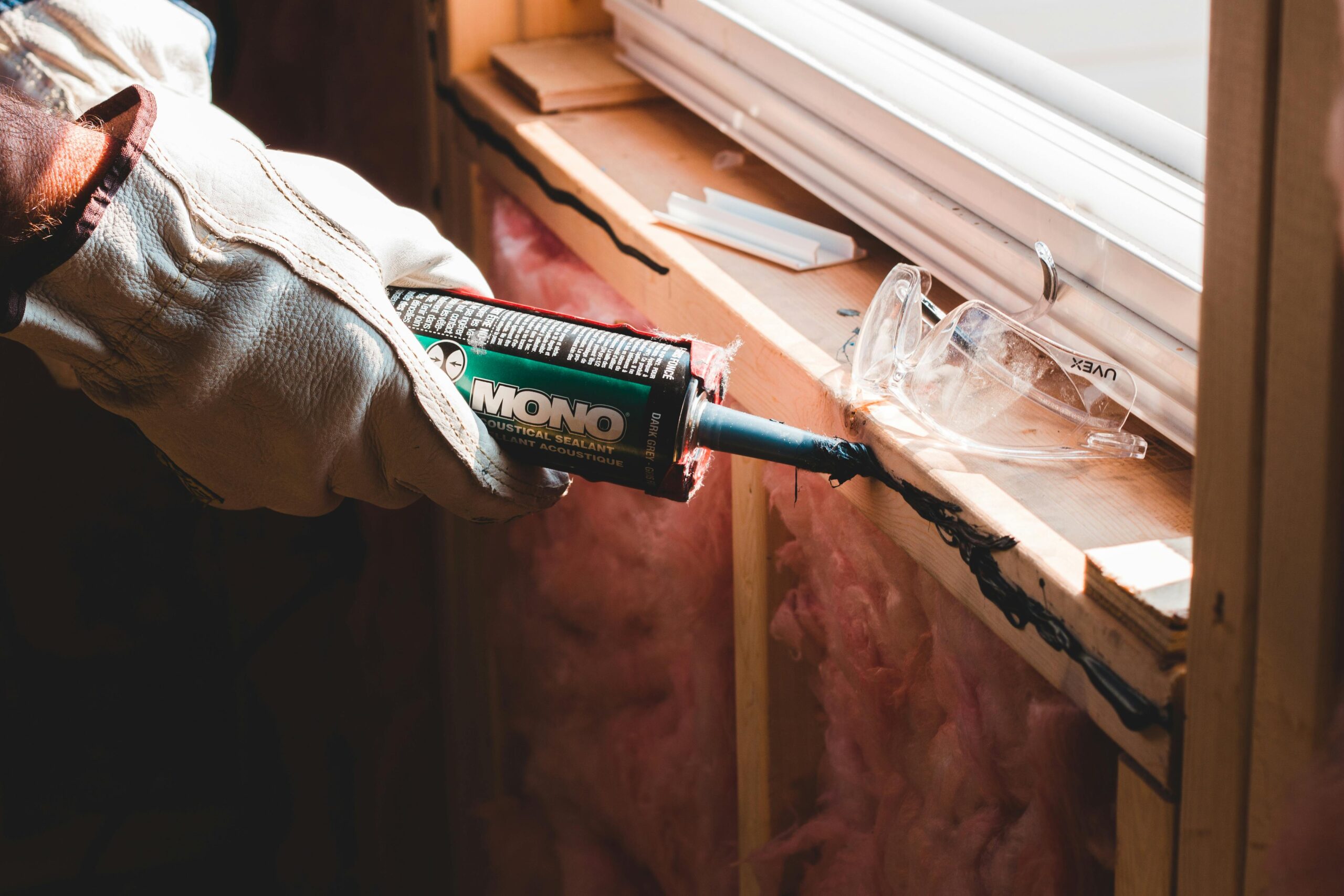
Improper sealing around plumbing allows moisture intrusion.
Inspection Importance
Regularly checking fixture areas helps detect leaks early.
Preventive Repairs
Small leaks should be repaired immediately.
Protecting fixture penetrations is essential for complete waterproofing.
Signs Your Shower Waterproofing Is Failing
Recognizing warning signs early prevents extensive damage.
Musty Odors
Persistent odors may indicate hidden mold or trapped moisture.
Loose Tiles
Moisture weakens adhesive bonds beneath tiles.
Cracked Grout
Water infiltration often causes grout deterioration.
Peeling Paint
Moisture behind walls may damage nearby painted surfaces.
Water Stains
Discoloration around showers often signals leaks.
Homeowners should address these warning signs quickly to avoid major repairs.
How Hard Water Affects Shower Waterproofing
Hard water minerals create additional maintenance challenges.
Mineral Deposits
Calcium buildup affects grout and tile surfaces.
Moisture Retention
Residue traps water and soap scum more easily.
Cleaning Difficulties
Hard water stains become harder to remove over time.
Prevention Strategies
- Dry surfaces after use
- Clean regularly
- Improve ventilation
Managing hard water buildup helps preserve waterproof systems longer.
Choosing Waterproof Materials for Showers
Material selection impacts waterproofing performance significantly.
Waterproof Backer Boards
Cement boards and waterproof foam boards resist moisture better than drywall.
Moisture-Resistant Grout
Epoxy grout offers improved protection against water absorption.
Mold-Resistant Caulking
High-quality silicone caulking improves durability and flexibility.
Tile Selection
Porcelain tiles absorb less moisture than some natural stone materials.
Using quality materials is one of the smartest shower waterproofing tips for long-term performance.
Why Professional Installation Matters
Even high-quality waterproof materials may fail if installed improperly.
Proper Waterproof Layering
Professionals understand correct membrane application methods.
Drainage Precision
Accurate shower slope prevents standing water problems.
Tile Alignment
Consistent spacing improves grout performance.
Leak Prevention
Professional installation reduces future waterproof failures.
Experienced installation greatly improves shower durability and reliability.
Common Shower Waterproofing Mistakes
Many homeowners unknowingly make waterproofing mistakes.
Skipping Waterproof Membranes
Tiles and grout alone do not fully block water.
Poor Grout Maintenance
Ignoring cracked grout allows leaks to develop.
Inadequate Ventilation
Humidity buildup accelerates moisture damage.
Delaying Repairs
Small leaks become major structural problems over time.
Improper Caulking
Low-quality or aging caulk fails under moisture stress.
Avoiding these mistakes is essential for maintaining healthy shower systems.
Long-Term Shower Maintenance Tips
Maintenance is critical for preserving waterproof protection.
Clean Showers Regularly
Routine cleaning prevents soap scum and mold buildup.
Dry Surfaces After Use
Reducing moisture limits fungal growth.
Inspect Grout and Caulking
Early damage detection prevents larger repairs.
Maintain Ventilation
Use exhaust fans consistently during and after showers.
Repair Problems Quickly
Addressing leaks early protects surrounding structures.
Consistent maintenance is one of the most important shower waterproofing tips homeowners should follow.
Health Benefits of Proper Shower Waterproofing
Waterproofing also contributes to healthier indoor environments.
Mold Reduction
Controlling moisture helps prevent fungal contamination.
Better Air Quality
Reducing dampness improves indoor comfort and air cleanliness.
Improved Hygiene
Dryer surfaces discourage bacteria and mildew growth.
Reduced Odors
Moisture control minimizes musty bathroom smells.
Healthy waterproof systems support both property protection and indoor wellness.
Why Homeowners Trust KK Cleaning and Restoration
KK Cleaning and Restoration understands the serious risks associated with shower leaks, failing grout, deteriorating caulking, hidden mold growth, and moisture damage. Proper waterproofing protects bathrooms from expensive repairs while maintaining clean, attractive, and durable shower systems.
Professional services help homeowners address waterproofing concerns through grout repair, tile restoration, mold remediation, leak detection, caulking replacement, shower maintenance, and moisture protection solutions. Whether dealing with aging showers or active water damage, professional restoration improves both structural safety and bathroom longevity.
Final Thoughts on Shower Waterproofing Tips
Following proper shower waterproofing tips is essential for protecting bathrooms from moisture damage, mold growth, leaking problems, and expensive structural repairs. Showers experience constant exposure to water, steam, humidity, temperature fluctuations, and daily wear, making waterproof protection one of the most important aspects of bathroom construction and maintenance.
Effective waterproofing involves multiple layers of protection, including waterproof membranes, quality grout, proper caulking, drainage systems, ventilation improvements, regular maintenance, and fast repair of damaged areas. Homeowners who prioritize waterproofing help preserve the lifespan of tiles, grout, flooring, walls, and plumbing systems while maintaining healthier indoor environments.
By understanding and applying proper shower waterproofing tips, homeowners can reduce long-term repair costs, prevent hidden moisture problems, improve bathroom hygiene, and maintain durable and attractive showers for many years to come.
Contact us now:
 Call us now at +16479163093
 Email: info@kkcleaningandrestoration.ca
 Visit: https://kkcleaningandrestoration.ca/
Frequently Asked Questions About Shower Waterproofing Tips
1. Why is shower waterproofing important?
Shower waterproofing is important because it protects walls, floors, and structural materials from moisture damage. Without proper waterproofing, water may seep behind tiles and create mold, rot, and costly repairs. Waterproof systems help preserve tile adhesion and grout stability. They also improve bathroom hygiene and durability. Proper waterproofing extends the lifespan of the entire shower.
2. What happens if a shower is not waterproofed properly?
A poorly waterproofed shower may develop leaks, mold growth, cracked grout, loose tiles, and hidden water damage. Moisture can penetrate walls and flooring beneath the shower surface. Over time, structural materials may weaken or rot because of trapped water. Repair costs often become expensive when problems are ignored. Early waterproofing prevents major future damage.
3. What are waterproof membranes in showers?
Waterproof membranes are protective barriers installed beneath tiles to stop moisture from penetrating walls and floors. They are one of the most important parts of a shower waterproofing system. Membranes can be liquid-applied or sheet-based depending on the installation method. These materials protect the structure behind the shower from water damage. Proper membrane installation improves long-term durability.
4. Are tiles themselves waterproof?
Tiles are water-resistant, but they are not completely waterproof on their own. Water can still pass through grout lines, cracks, and joints between tiles. This is why waterproof membranes are necessary beneath the tile surface. Proper grout sealing and caulking also help improve moisture protection. A complete waterproofing system works together to prevent leaks.
5. Why does shower grout crack?
Shower grout cracks because of structural movement, moisture damage, aging, poor installation, or temperature changes. Cracks allow water to penetrate behind tile surfaces. Over time, this may lead to mold growth and weakening of the surrounding structure. Proper installation and maintenance reduce cracking risks. Fast repairs help prevent larger problems.
6. How does grout affect shower waterproofing?
Grout helps reduce water penetration between tiles, but it is naturally porous unless sealed properly. Damaged grout allows moisture to seep behind shower surfaces. Healthy grout supports tile stability and improves moisture resistance. Regular sealing and maintenance help preserve grout performance. Proper grout care is essential for waterproofing success.
7. Why is grout sealing important?
Grout sealing helps reduce water absorption, staining, and mold growth. Sealers create a protective barrier that improves grout durability in wet environments. Unsealed grout absorbs moisture more easily and deteriorates faster. Regular resealing extends the lifespan of grout lines. Sealing also makes cleaning easier.
8. How often should shower grout be sealed?
Most shower grout should be sealed every one to two years depending on moisture exposure and usage. High-use showers may require more frequent sealing. Signs that grout needs resealing include discoloration or water absorption. Regular inspections help identify weakening protection early. Proper sealing maintenance improves waterproofing performance.
9. Can mold grow behind shower tiles?
Yes, mold can grow behind shower tiles if moisture penetrates through damaged grout or failed waterproofing systems. Hidden mold often develops in dark and damp areas behind walls. Mold growth may spread quickly if leaks remain untreated. Proper waterproofing and ventilation reduce these risks significantly. Early leak repairs help prevent mold problems.
10. Why is shower ventilation important?
Ventilation removes humidity and helps shower surfaces dry faster after use. Bathrooms with poor airflow experience more mold growth and moisture buildup. Exhaust fans and open windows improve air circulation significantly. Proper ventilation supports healthier indoor air quality as well. Dry conditions help preserve grout and waterproof materials.
11. What are common signs of shower waterproofing failure?
Common warning signs include cracked grout, loose tiles, mold growth, musty odors, water stains, and peeling paint near the shower. Persistent moisture problems often indicate hidden leaks. Soft walls or flooring may also signal structural water damage. Early detection prevents extensive repairs. Homeowners should inspect showers regularly for these symptoms.
12. Why do shower corners leak more often?
Shower corners experience constant moisture exposure and structural movement. Grout and caulking in corners often crack over time because of expansion and contraction. Water can penetrate these weakened areas easily. Proper silicone caulking helps maintain flexibility in corners. Routine inspection reduces leak risks significantly.
13. Can old showers be waterproofed again?
Yes, older showers can often be restored with updated waterproofing systems, grout repair, re-caulking, and tile restoration. The process depends on the severity of existing water damage. In some cases, damaged materials may need replacement before waterproofing can be reapplied. Professional inspection helps determine the best approach. Restoring waterproof protection extends shower lifespan.
14. What causes shower leaks?
Shower leaks are commonly caused by cracked grout, failed caulking, damaged waterproof membranes, plumbing leaks, or improper drainage. Moisture gradually penetrates weakened areas over time. Small leaks may remain hidden for months before visible damage appears. Prompt repairs help prevent structural deterioration. Routine maintenance reduces leak risks.
15. How does poor drainage affect shower waterproofing?
Poor drainage allows water to collect on shower floors instead of flowing properly toward the drain. Standing water increases moisture penetration and accelerates grout deterioration. Long-term water exposure weakens waterproof systems gradually. Proper shower slope is essential for effective drainage. Clean drains also help maintain water flow.
16. What type of grout is best for waterproof showers?
Epoxy grout is often considered one of the best options for waterproof showers because it resists moisture, mold, and staining. Unlike traditional cement grout, epoxy grout absorbs very little water. It also requires less maintenance and sealing. Many homeowners choose epoxy grout for long-term durability. Professional installation improves performance further.
17. Why does shower caulking fail?
Caulking fails because of aging, constant moisture exposure, structural movement, poor installation, or mold growth. Cracked or peeling caulk allows water to seep behind surfaces. Bathrooms with high humidity accelerate caulking deterioration. Regular inspection helps identify failing caulk early. Replacing damaged caulk protects waterproof integrity.
18. Can waterproofing prevent all shower leaks?
Proper waterproofing greatly reduces leak risks, but maintenance is still necessary over time. Waterproof systems may eventually weaken because of aging or damage. Cracked grout, failed caulk, or plumbing issues can still create leaks. Routine inspections help maintain waterproof performance. Preventive care keeps shower systems functioning properly.
19. Why are shower floors more vulnerable to water damage?
Shower floors experience direct and constant water exposure every day. Water naturally collects on floor surfaces longer than on walls. Grout lines and drains are especially vulnerable to moisture penetration. Proper waterproof membranes beneath floors are essential. Strong drainage systems help reduce long-term damage.
20. Can hard water damage waterproof systems?
Hard water minerals create buildup on grout, tiles, and fixtures that may weaken surfaces over time. Mineral deposits trap moisture and soap residue more easily. Staining and discoloration are also common in hard water areas. Regular cleaning helps protect waterproof materials. Drying surfaces after use reduces mineral accumulation.
21. What materials are used for shower waterproofing?
Common waterproofing materials include waterproof membranes, cement boards, foam boards, silicone caulking, sealers, and moisture-resistant grout. These materials work together to protect against leaks and humidity. High-quality waterproof products improve durability significantly. Material compatibility is important for long-term performance. Professional installation ensures proper application.
22. Why are shower niches vulnerable to leaks?
Shower niches collect water easily because they interrupt flat wall surfaces. Corners inside niches are especially vulnerable to waterproofing failure. Improper membrane installation often leads to hidden moisture problems. Proper slope and drainage help reduce standing water. Regular maintenance preserves niche waterproofing.
23. How can homeowners reduce mold growth in showers?
Homeowners can reduce mold growth by improving ventilation, drying surfaces after use, cleaning regularly, and repairing leaks quickly. Mold-resistant grout and caulking also provide extra protection. Keeping bathrooms dry limits fungal growth significantly. Routine maintenance is essential for prevention. Humidity control improves indoor air quality as well.
24. What is the lifespan of shower waterproofing?
The lifespan of shower waterproofing depends on material quality, installation methods, moisture exposure, and maintenance habits. Well-installed systems can last many years with proper care. However, grout, caulking, and sealers require periodic maintenance. Ignoring small problems shortens waterproofing lifespan. Regular inspections help extend durability.
25. Can loose tiles indicate waterproofing problems?
Yes, loose tiles often indicate moisture damage beneath the surface. Water penetration weakens adhesives and surrounding materials over time. Loose tiles may also signal failing grout or membrane deterioration. Prompt repairs help prevent larger structural issues. Professional evaluation identifies underlying causes.
26. Why does shower paint peel near waterproofing failures?
Moisture trapped behind walls often causes nearby paint to bubble, peel, or discolor. Water damage gradually weakens painted surfaces and drywall materials. Peeling paint is commonly an early warning sign of hidden leaks. Quick repairs prevent further deterioration. Waterproofing maintenance helps avoid these issues.
27. Can waterproof showers still develop mold?
Yes, even properly waterproofed showers may develop surface mold if humidity remains high and ventilation is poor. Waterproofing reduces hidden moisture penetration but does not eliminate all mold risks. Routine cleaning and drying remain important. Mold-resistant materials help improve protection. Proper airflow significantly reduces fungal growth.
28. Why should leaks be repaired immediately?
Small leaks may quickly grow into serious structural problems if ignored. Moisture spreads behind walls and floors, causing mold, rot, and weakened materials. Early repairs are usually less expensive than large restorations. Quick action protects surrounding bathroom structures. Timely maintenance improves long-term durability.
29. What is the role of silicone caulking in showers?
Silicone caulking seals flexible joints where tiles meet corners, tubs, fixtures, and floors. It helps prevent water from entering movement areas that grout cannot protect effectively. Silicone remains flexible during expansion and contraction. Proper caulking reduces leak risks significantly. High-quality caulking improves shower durability.
30. Can waterproofing improve bathroom hygiene?
Yes, waterproofing helps reduce mold, mildew, bacteria, and trapped moisture in bathrooms. Cleaner and drier surfaces support healthier indoor environments. Moisture control also reduces unpleasant odors. Waterproof systems make cleaning easier and more effective. Proper maintenance improves overall bathroom sanitation.
31. What are the most common shower waterproofing mistakes?
Common mistakes include skipping waterproof membranes, ignoring cracked grout, using low-quality caulking, poor drainage installation, and delaying repairs. Inadequate ventilation is another major issue. These problems allow moisture to penetrate behind surfaces gradually. Professional installation helps reduce mistakes significantly. Proper maintenance prevents long-term damage.
32. Does waterproofing affect tile lifespan?
Yes, waterproofing helps extend tile lifespan by preventing moisture damage beneath the surface. Water infiltration weakens adhesives and grout over time. Healthy waterproof systems help maintain tile stability and appearance. Proper maintenance preserves shower durability for many years. Waterproofing protects the entire installation.
33. Can waterproofing help prevent structural damage?
Yes, waterproofing prevents moisture from reaching wood framing, drywall, and flooring beneath the shower. Hidden leaks may eventually cause rot, mold, and weakening of structural materials. Proper waterproof barriers reduce these risks significantly. Preventive waterproofing is far less expensive than structural restoration. Long-term protection improves property value as well.
34. Why are shower benches difficult to waterproof?
Shower benches create additional horizontal surfaces where water can collect. Improper slope or membrane installation increases leak risks. Corners and seams around benches require extra attention during waterproofing. Proper drainage helps prevent standing water. Professional installation improves reliability significantly.
35. Can waterproofing reduce repair costs?
Yes, effective waterproofing prevents expensive damage caused by leaks, mold, and structural deterioration. Preventive maintenance costs much less than major bathroom reconstruction. Healthy waterproof systems reduce emergency repairs and water restoration needs. Early protection preserves surrounding materials. Long-term savings are one of the biggest waterproofing benefits.
36. How can homeowners maintain shower waterproofing?
Homeowners should clean showers regularly, inspect grout and caulking, repair leaks quickly, maintain ventilation, and reseal grout as needed. Drying surfaces after showers also reduces moisture buildup. Routine maintenance prevents minor issues from becoming major repairs. Consistent care improves waterproofing lifespan significantly. Preventive maintenance protects overall bathroom condition.
37. Why do shower ceilings sometimes show water damage?
Shower ceilings may develop moisture damage because of excessive steam, poor ventilation, or hidden leaks behind walls. Condensation accumulates on ceilings when humidity levels remain high. Peeling paint and stains are common warning signs. Proper ventilation helps reduce ceiling moisture problems. Waterproofing maintenance supports overall bathroom protection.
38. What is the best way to prevent shower leaks?
The best prevention methods include proper waterproof membrane installation, grout sealing, quality caulking, good drainage, and regular maintenance. Ventilation also plays an important role in moisture control. Routine inspections help identify early warning signs quickly. Prompt repairs prevent leaks from spreading. Professional installation improves long-term reliability.
39. Why is professional waterproofing installation important?
Professional installers understand waterproof layering, drainage requirements, grout application, membrane systems, and moisture protection techniques. Improper installation often causes leaks and hidden water damage. Experienced professionals reduce costly mistakes significantly. Proper installation improves shower lifespan and structural safety. Expert waterproofing provides better long-term performance.
40. Why do homeowners trust KK Cleaning and Restoration for shower waterproofing services?
Homeowners trust KK Cleaning and Restoration for expertise in grout repair, waterproofing, mold remediation, shower restoration, tile maintenance, and leak prevention. Professional solutions help protect bathrooms from moisture damage and long-term structural issues. Experienced restoration improves shower durability and cleanliness. Reliable service supports healthier and safer bathroom environments. Proper waterproofing helps homeowners avoid expensive future repairs.
Contact us now:
Call us now at +16479163093
Email: info@kkcleaningandrestoration.ca
Visit: https://kkcleaningandrestoration.ca/