Best Grout for Shower Tiles: Complete Guide by KK Cleaning and Restoration
Introduction: Best Grout for Shower Tiles
Best Grout for Shower Tiles: Choosing the best grout for shower tiles is one of the most important decisions homeowners can make during bathroom construction, renovation, or restoration projects. Grout does much more than simply fill the spaces between tiles. It plays a critical role in waterproofing, structural stability, mold prevention, moisture resistance, and the overall appearance of a shower. Even the highest-quality tiles can develop serious problems if the wrong grout is selected or if grout is installed improperly.
Bathrooms and showers are constantly exposed to water, humidity, steam, soap residue, cleaning products, and temperature fluctuations. Because of this, selecting the best grout for shower tiles is essential for long-term durability and performance. Poor grout selection can lead to cracking, discoloration, mold growth, water penetration, loose tiles, and costly structural damage over time.
At KK Cleaning and Restoration, homeowners frequently seek professional assistance for grout repair, tile restoration, mold removal, shower waterproofing, and bathroom maintenance due to failing grout systems. Understanding the best grout for shower tiles helps property owners protect their bathrooms while maintaining clean, attractive, and durable shower spaces.
This comprehensive guide explains everything homeowners need to know about the best grout for shower tiles, including grout types, waterproofing, mold resistance, grout maintenance, tile compatibility, grout durability, cleaning methods, installation considerations, and long-term shower protection.
Why Grout Matters in Shower Tile Installations
Many homeowners focus primarily on selecting attractive shower tiles while overlooking the importance of grout. However, grout is one of the most critical components of a shower system.
Grout Supports Tile Stability
Grout helps lock tiles into place and distributes pressure evenly across tiled surfaces.
Grout Helps Prevent Water Penetration
Proper grout installation helps reduce moisture intrusion behind shower walls and floors.
Grout Impacts Appearance
The color and quality of grout dramatically affect the final look of shower tile installations.
Grout Affects Maintenance Requirements
Certain grout types resist mold, stains, and moisture better than others.
Grout Contributes to Longevity
Choosing the best grout for shower tiles improves durability and reduces long-term repair costs.
Understanding the importance of grout helps homeowners make more informed decisions during bathroom projects.
Why Showers Require Specialized Grout
Shower environments create especially harsh conditions for grout.
Constant Moisture Exposure
Showers experience direct and continuous water contact daily.
High Humidity Levels
Steam and humidity create ideal conditions for mold and mildew growth.
Temperature Changes
Hot showers cause expansion and contraction that place stress on grout lines.
Soap and Product Residue
Soap scum, shampoos, and cleaning products gradually build up on grout surfaces.
Water Penetration Risks
Improper grout may allow water to seep behind tile installations.
Because of these challenges, selecting the best grout for shower tiles is essential for long-term performance.
Types of Grout Used for Shower Tiles
There are several different grout types commonly used in shower installations.
Cement-Based Grout
Traditional cement grout is one of the most commonly used grout materials.
Advantages
- Affordable
- Easy to apply
- Widely available
- Suitable for many tile types
Disadvantages
- Porous
- Requires sealing
- More vulnerable to staining and mold
Sanded Grout
Sanded grout contains fine sand particles and is typically used for wider grout joints.
Benefits
- Stronger for larger joints
- Reduced shrinking
- Durable under movement
Limitations
- May scratch delicate tiles
- Not ideal for narrow joints
Unsanded Grout
Unsanded grout works best for smaller grout lines and delicate tile surfaces.
Benefits
- Smooth texture
- Ideal for narrow joints
- Safer for polished surfaces
Limitations
- Less durable in wider joints
- More prone to cracking under stress
Epoxy Grout
Epoxy grout is considered one of the best grout for shower tiles because of its superior moisture resistance.
Advantages
- Highly waterproof
- Mold resistant
- Extremely durable
- Stain resistant
Disadvantages
- More expensive
- More difficult to install
- Requires experienced application
Furan Grout
Furan grout is highly chemical resistant but is less commonly used in residential showers.
Each grout type offers different benefits depending on shower design and maintenance expectations.
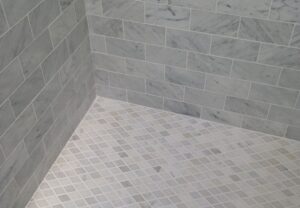
Why Epoxy Is Often Considered the Best Grout for Shower Tiles
Epoxy grout has become increasingly popular for modern shower systems.
Superior Waterproofing
Epoxy grout resists water penetration much more effectively than cement-based grout.
Excellent Mold Resistance
Its non-porous surface discourages mold and mildew growth.
Reduced Maintenance
Epoxy grout requires less frequent sealing and cleaning.
Strong Durability
It handles heavy moisture exposure and frequent cleaning exceptionally well.
Stain Resistance
Soap residue, shampoo stains, and mineral deposits are easier to clean from epoxy surfaces.
For many homeowners, epoxy products represent the best grout for shower tiles because of their long-term performance advantages.
Cement Grout vs Epoxy Grout
Understanding the differences between grout materials helps homeowners choose the best option.
Moisture Resistance
Epoxy grout performs much better in wet shower conditions.
Maintenance Requirements
Cement grout requires sealing and more frequent maintenance.
Cost Differences
Epoxy grout costs more initially but often reduces future repair expenses.
Installation Complexity
Cement grout is easier for beginners, while epoxy requires precision.
Longevity
Epoxy generally lasts longer in high-moisture environments.
Comparing grout materials carefully is essential when selecting the best grout for shower tiles.
Importance of Waterproofing in Shower Grout
Grout alone does not fully waterproof a shower, but it contributes significantly to moisture control.
Why Waterproofing Matters
Moisture penetration behind shower walls may lead to mold, rot, and structural damage.
Areas Most Vulnerable
- Shower corners
- Floor joints
- Niches
- Around drains
- Tile seams
Signs of Waterproofing Problems
- Loose tiles
- Mold growth
- Soft walls
- Water stains
- Musty odors
Proper Installation Matters
Even the best grout for shower tiles may fail if waterproofing systems are improperly installed.
Waterproofing is one of the most important factors in long-term shower durability.
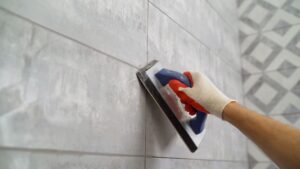
Mold Resistance and Shower Grout
Mold growth is one of the most common shower maintenance issues.
Why Mold Develops
Bathrooms create warm, damp environments with constant humidity.
Why Grout Is Vulnerable
Porous grout absorbs moisture and traps dirt and soap residue.
Mold Prevention Strategies
- Improve ventilation
- Dry surfaces regularly
- Use mold-resistant grout
- Maintain proper sealing
Why Epoxy Performs Better
Epoxy grout resists moisture absorption more effectively than cement grout.
Mold prevention is a major reason many professionals recommend epoxy as the best grout for shower tiles.
Choosing the Right Grout Color
Grout color affects both appearance and maintenance.
Light Grout Colors
Light grout creates bright and open shower designs.
Advantages
- Modern appearance
- Clean aesthetic
- Enhances small spaces
Challenges
- Shows stains more easily
- Requires more maintenance
Dark Grout Colors
Dark grout hides dirt and discoloration better.
Advantages
- Easier maintenance
- Strong visual contrast
- Modern styling
Challenges
- May show mineral buildup
- Can darken shower appearance
Neutral Grout Tones
Neutral shades offer balanced maintenance and aesthetics.
Color selection is an important consideration when choosing the best grout for shower tiles.
Best Grout for Shower Floor Tiles
Shower floors experience especially harsh conditions.
Increased Water Exposure
Shower floors remain wet longer than wall surfaces.
Foot Traffic
Daily use places additional stress on grout joints.
Slip Resistance
Proper grout spacing helps improve floor traction.
Drainage Considerations
Proper slope and grout performance are essential for drainage efficiency.
Epoxy grout is often recommended as the best grout for shower tiles on floors because of its moisture resistance and durability.
Best Grout for Shower Wall Tiles
Shower walls also require durable grout systems.
Moisture Challenges
Steam and direct water exposure gradually weaken grout over time.
Vertical Surface Considerations
Grout must bond securely without sagging during installation.
Cleaning Requirements
Wall grout frequently accumulates soap scum and mineral deposits.
Long-Term Appearance
Proper grout selection helps preserve clean and attractive walls.
Selecting the best grout for shower tiles improves both wall durability and aesthetics.
Tile Compatibility and Grout Selection
Different tile materials require different grout considerations.
Ceramic Tiles
Most grout types work well with ceramic surfaces.
Porcelain Tiles
Porcelain performs well with epoxy and cement grout systems.
Natural Stone Tiles
Certain stone surfaces require non-abrasive grout materials.
Glass Tiles
Unsanded grout is often safer for delicate glass surfaces.
Mosaic Tiles
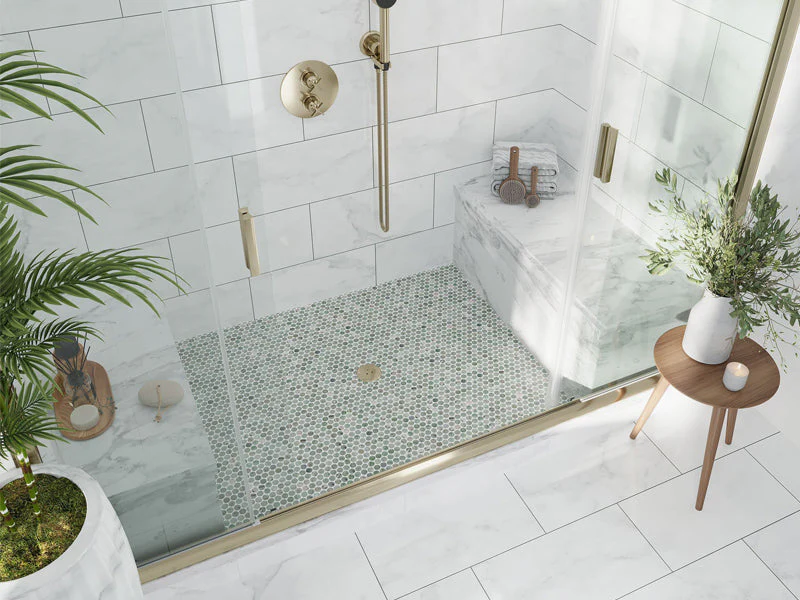
Mosaic installations contain more grout lines and benefit from stain-resistant grout.
Matching grout properly with tile materials helps improve shower longevity.
Grout Joint Size Considerations
Joint width affects grout selection.
Narrow Joints
Unsanded grout is often recommended for small joints.
Wide Joints
Sanded grout performs better in larger spaces.
Why Joint Width Matters
Incorrect grout selection may lead to cracking or shrinking.
Shower Design Impact
Modern large-format tiles often use narrower grout lines for cleaner aesthetics.
Joint sizing plays an important role in determining the best grout for shower tiles.
Common Shower Grout Problems
Understanding common grout failures helps homeowners avoid future issues.
Cracking
Structural movement and moisture exposure may cause grout cracking.
Discoloration
Mold, soap residue, and hard water create staining problems.
Mold Growth
Poor ventilation and excess humidity encourage fungal growth.
Loose Grout
Water penetration weakens grout integrity over time.
Water Damage
Failing grout allows hidden moisture intrusion behind tiles.
Choosing the best grout for shower tiles helps reduce these common problems significantly.
Importance of Professional Installation
Even premium grout products may fail if improperly installed.
Proper Mixing
Incorrect consistency weakens grout performance.
Correct Application
Uniform filling improves durability and moisture protection.
Surface Preparation
Clean and dry surfaces are essential before installation.
Proper Curing
Grout requires appropriate curing time before exposure to water.
Waterproofing Integration
Professional installers ensure compatibility with waterproofing systems.
Professional installation greatly improves grout lifespan and performance.
Cleaning and Maintaining Shower Grout
Maintenance directly impacts grout longevity.
Weekly Cleaning
Routine cleaning prevents soap scum and mold buildup.
Avoid Harsh Chemicals
Strong acids may weaken grout and damage tile finishes.
Dry Shower Surfaces
Reducing moisture helps prevent mold growth.
Maintain Ventilation
Exhaust fans improve drying conditions significantly.
Inspect Grout Regularly
Early crack detection helps prevent larger damage.
Even the best grout for shower tiles requires consistent maintenance for optimal performance.
How Hard Water Affects Shower Grout
Hard water minerals create ongoing maintenance challenges.
Mineral Buildup
Calcium deposits accumulate on grout surfaces over time.
Discoloration Risks
Hard water stains may darken grout lines.
Cleaning Challenges
Mineral buildup becomes harder to remove if neglected.
Prevention Tips
- Dry surfaces after use
- Improve ventilation
- Clean regularly
Protecting grout from mineral buildup preserves appearance longer.
Preventing Grout Cracks
Cracked grout compromises waterproof protection.
Causes of Cracks
- Structural movement
- Moisture damage
- Poor installation
- Incorrect grout selection
Prevention Strategies
- Use proper grout type
- Maintain waterproofing
- Address leaks quickly
- Repair damage early
Importance of Flexibility
Some grout systems handle movement better than others.
Choosing the best grout for shower tiles helps reduce cracking risks significantly.
Why Grout Sealing Matters
Sealing provides additional protection for porous grout.
Benefits of Sealing
- Reduces moisture absorption
- Prevents staining
- Simplifies cleaning
- Improves durability
Which Grouts Need Sealing
Traditional cement grout requires sealing regularly.
Epoxy Grout Advantages
Epoxy grout usually does not require additional sealing.
Proper sealing improves long-term shower protection.
Long-Term Benefits of Quality Shower Grout
High-quality grout provides major long-term advantages.
Reduced Maintenance
Durable grout systems require fewer repairs and cleaning efforts.
Better Waterproofing
Quality grout improves moisture control.
Improved Appearance
Clean grout preserves attractive shower aesthetics.
Lower Repair Costs
Preventing moisture damage reduces future restoration expenses.
Extended Tile Lifespan
Stable grout supports tile durability over many years.
Investing in the best grout for shower tiles helps homeowners protect their bathrooms long-term.
Health Benefits of Mold-Resistant Grout
Mold-resistant grout supports healthier indoor environments.
Reduced Mold Exposure
Limiting fungal growth improves bathroom hygiene.
Better Indoor Air Quality
Clean showers reduce airborne contaminants.
Cleaner Shower Surfaces
Moisture-resistant grout discourages bacterial buildup.
Improved Comfort
Fresh, clean showers create more pleasant bathroom experiences.
Health protection is another important reason to choose the best grout for shower tiles.
Why Homeowners Trust KK Cleaning and Restoration
KK Cleaning and Restoration understands how critical grout performance is for maintaining durable and attractive shower systems. Shower grout problems such as mold growth, cracking, discoloration, moisture penetration, and deteriorating waterproofing can quickly lead to larger structural issues if ignored.
Professional services help homeowners address grout restoration, shower waterproofing, mold remediation, tile cleaning, grout sealing, and bathroom repair needs effectively. Whether dealing with aging grout, water damage, leaking showers, or severe mold buildup, professional solutions help restore shower durability and long-term protection.
Proper grout selection and maintenance significantly improve the lifespan and appearance of tiled showers throughout the home.
Final Thoughts on the Best Grout for Shower Tiles
Choosing the best grout for shower tiles is essential for maintaining a durable, clean, attractive, and moisture-resistant bathroom environment. Showers experience constant exposure to humidity, water, soap residue, temperature fluctuations, and daily use, making grout selection one of the most important decisions in any shower installation or renovation project.
Different grout types offer different benefits depending on tile material, grout joint size, maintenance expectations, moisture exposure, and budget considerations. While traditional cement grout remains widely used, many homeowners and professionals prefer epoxy grout because of its superior waterproofing, mold resistance, stain resistance, and durability.
Proper installation, waterproofing, ventilation, routine cleaning, and regular maintenance all contribute to long-term grout performance. By investing in high-quality grout systems and maintaining them properly, homeowners can protect their showers from mold growth, water damage, cracking, and expensive repairs while preserving beautiful tile surfaces for many years to come.
Contact us now:
 Call us now at +16479163093
 Email: info@kkcleaningandrestoration.ca
 Visit: https://kkcleaningandrestoration.ca/
Frequently Asked Questions About the Best Grout for Shower Tiles
1. Why is choosing the best grout for shower tiles important?
Choosing the best grout for shower tiles is important because showers are exposed to constant moisture, humidity, and daily use. Proper grout helps prevent water penetration, mold growth, and tile movement. High-quality grout also improves the durability and appearance of shower installations. Poor grout selection may lead to cracks, stains, and expensive repairs over time. The right grout helps maintain long-term shower performance.
2. What type of grout is commonly used for shower tiles?
The most common grout types for shower tiles are cement-based grout, sanded grout, unsanded grout, and epoxy grout. Each type has different advantages depending on tile material and shower conditions. Cement grout is affordable and widely used, while epoxy grout offers superior moisture resistance. Sanded grout works best for wider joints, and unsanded grout suits narrow grout lines. Proper selection depends on the shower design and maintenance expectations.
3. Why is epoxy grout considered one of the best grout for shower tiles?
Epoxy grout is highly water-resistant, durable, and resistant to mold and stains. Unlike traditional grout, epoxy grout is non-porous and absorbs very little moisture. It also requires less maintenance and typically lasts longer in wet environments. Many homeowners prefer epoxy grout for showers because it handles humidity extremely well. Its long-term durability makes it a popular premium option.
4. What is the difference between sanded and unsanded grout?
Sanded grout contains fine sand particles that improve strength and durability for wider grout joints. Unsanded grout has a smoother texture and is better for narrow joints and delicate tile surfaces. Sanded grout reduces shrinking and cracking in larger gaps. Unsanded grout is often safer for polished or scratch-sensitive tiles. Choosing the correct grout type helps improve long-term performance.
5. Does grout help waterproof a shower?
Grout contributes to moisture resistance, but grout alone does not fully waterproof a shower. A complete shower waterproofing system includes membranes and proper installation techniques beneath the tile. Grout helps reduce water penetration between tiles. Damaged or cracked grout may allow moisture to seep behind surfaces. Proper waterproofing and grout maintenance work together to protect showers.
6. Why does shower grout crack?
Shower grout may crack because of structural movement, moisture damage, poor installation, or incorrect grout selection. Temperature changes and daily expansion can place stress on grout lines. Cracks also develop if grout joints are too wide or improperly filled. Moisture penetration weakens grout over time as well. Prompt repairs help prevent further damage.
7. Can mold grow on shower grout?
Yes, mold frequently grows on shower grout because bathrooms create warm and humid conditions. Porous grout absorbs moisture and traps soap residue, which encourages fungal growth. Poor ventilation increases the likelihood of mold problems. Regular cleaning and drying help reduce mold buildup significantly. Mold-resistant grout products offer additional protection.
8. What grout color is best for showers?
The best grout color depends on personal style preferences and maintenance expectations. Light grout creates a bright and clean appearance but may show stains more easily. Dark grout hides dirt and discoloration better while creating stronger tile contrast. Neutral tones offer a balanced appearance and easier maintenance. Choosing the right color helps improve both aesthetics and practicality.
9. Does grout require sealing?
Most cement-based grout requires sealing to protect against moisture, stains, and mold growth. Sealers create a protective barrier that reduces water absorption. Epoxy grout usually does not require sealing because it is naturally water-resistant. Regular resealing helps maintain long-term protection in wet environments. Proper sealing improves grout durability significantly.
10. How often should shower grout be sealed?
Shower grout should generally be sealed every one to two years depending on usage and moisture exposure. High-use showers may require more frequent sealing. Signs that grout needs resealing include discoloration, water absorption, or persistent staining. Regular inspection helps identify weakening protection. Consistent sealing extends grout lifespan considerably.
11. Can shower grout become discolored?
Yes, shower grout may become discolored because of mold growth, soap scum, hard water minerals, and dirt buildup. Moisture exposure causes stains to develop more easily in porous grout. Light-colored grout often shows discoloration faster than darker shades. Regular cleaning helps prevent permanent staining. Sealing also reduces discoloration risks.
12. Why is epoxy grout more expensive?
Epoxy grout costs more because it offers superior durability, moisture resistance, and stain protection. The materials themselves are more advanced than traditional cement grout. Installation is also more labor-intensive and requires greater skill. However, epoxy grout often reduces future maintenance and repair costs. Many homeowners consider the long-term benefits worth the higher initial investment.
13. Is epoxy grout difficult to install?
Yes, epoxy grout is generally more difficult to install than cement-based grout. It hardens quickly and requires precise application and cleanup techniques. Improper installation may leave haze or uneven grout lines. Many homeowners choose professional installers for epoxy grout projects. Experienced application improves long-term results significantly.
14. What grout works best for shower floors?
Epoxy grout is often considered one of the best grout for shower tiles on floors because of its moisture resistance and durability. Shower floors experience constant water exposure and heavy daily use. Cement grout can also work well when properly sealed and maintained. Slip resistance and proper drainage are important considerations for shower floors. Durable grout helps maintain long-term floor stability.
15. Can hard water damage shower grout?
Hard water minerals may not directly damage grout, but they create stubborn stains and buildup over time. Mineral deposits trap dirt and soap residue more easily. Showers with hard water often develop discoloration around grout lines. Regular cleaning helps prevent severe buildup. Drying shower surfaces after use also reduces mineral accumulation.
16. Why is grout maintenance important?
Grout maintenance helps prevent mold growth, staining, cracks, and moisture penetration. Regular cleaning preserves appearance and extends grout lifespan. Neglected grout may eventually lead to loose tiles and water damage. Proper maintenance also improves bathroom hygiene and indoor air quality. Preventive care reduces future repair costs.
17. What cleaning products are safe for shower grout?
Gentle pH-neutral cleaners are usually safest for shower grout. Harsh acids and abrasive scrubbers may weaken grout and damage tile finishes over time. Soft brushes and non-abrasive cleaning tools help preserve grout integrity. Consistent gentle cleaning works better than aggressive scrubbing. Safe cleaning methods support long-term durability.
18. Can grout affect the appearance of shower tiles?
Yes, grout significantly impacts the overall appearance of shower tile installations. Grout color, texture, and cleanliness influence the final visual design. Contrasting grout creates bold tile patterns, while matching grout offers a seamless appearance. Dirty or damaged grout makes showers look outdated and neglected. Fresh grout dramatically improves bathroom aesthetics.
19. Why does shower grout absorb moisture?
Traditional cement grout is porous and naturally absorbs water unless sealed properly. Constant shower exposure increases moisture penetration over time. Trapped moisture encourages mold growth and staining. Sealing helps reduce absorption significantly. Epoxy grout absorbs much less moisture because of its non-porous structure.
20. Can damaged grout cause leaks?
Yes, cracked or missing grout may allow water to penetrate behind tile surfaces and cause leaks. Moisture trapped behind walls may lead to mold growth and structural damage. Even small grout failures can eventually become serious if ignored. Prompt repairs help maintain waterproof protection. Early intervention reduces repair expenses.
21. What causes grout to crumble?
Grout may crumble because of moisture damage, poor installation, aging, structural movement, or harsh cleaning chemicals. Water penetration weakens grout gradually over time. Crumbling grout no longer supports tile stability properly. Ignoring deteriorating grout increases the risk of loose tiles and hidden water damage. Fast repairs help prevent larger issues.
22. Is cement grout still a good option for showers?
Yes, cement grout remains a widely used option for showers when properly installed and sealed. It is affordable and available in many colors and styles. However, cement grout requires more maintenance than epoxy grout. Regular sealing is essential to protect against moisture and stains. Proper care helps improve its long-term performance.
23. Can shower grout prevent mold completely?
No grout can completely eliminate mold risk, but mold-resistant grout helps reduce fungal growth significantly. Proper ventilation and moisture control remain essential. Regular cleaning and drying help prevent mold development as well. Epoxy grout performs especially well in resisting moisture absorption. Consistent maintenance is still necessary for mold prevention.
24. What is the lifespan of shower grout?
The lifespan of shower grout depends on grout type, moisture exposure, installation quality, and maintenance habits. Well-maintained grout may last many years before repairs are needed. Epoxy grout generally lasts longer than traditional cement grout. Regular sealing and cleaning improve longevity considerably. Prompt repairs help extend grout durability.
25. Why is ventilation important for grout protection?
Ventilation reduces humidity and helps shower surfaces dry faster after use. Bathrooms with poor airflow experience more mold growth and moisture-related damage. Exhaust fans and open windows improve drying conditions significantly. Reduced moisture helps preserve grout integrity over time. Good ventilation supports healthier bathrooms as well.
26. Can grout color fade over time?
Yes, grout color may fade or discolor because of cleaning chemicals, UV exposure, moisture, and mineral buildup. Frequent exposure to harsh cleaners accelerates fading. Proper sealing helps preserve grout color longer. Regular maintenance also reduces discoloration risks. Choosing quality grout products improves color retention.
27. Should grout match shower tiles?
Matching grout creates a smooth and seamless tile appearance, while contrasting grout emphasizes tile patterns and design details. The best choice depends on personal style preferences. Matching grout may hide grout lines more effectively. Contrasting grout often creates a bold and modern aesthetic. Both options can look attractive when maintained properly.
28. Why does shower grout turn black?
Black grout discoloration is usually caused by mold, mildew, trapped dirt, and moisture buildup. Bathrooms with poor ventilation are especially vulnerable. Soap residue and humidity create ideal conditions for fungal growth. Regular cleaning and drying help reduce black staining. Mold-resistant grout products provide additional protection.
29. Can loose tiles indicate grout problems?
Yes, loose tiles may indicate failing grout or moisture damage beneath the surface. Weak grout may no longer support tile stability properly. Water penetration can weaken adhesives and surrounding materials over time. Loose tiles should be repaired quickly to prevent larger structural issues. Professional inspection helps identify underlying problems.
30. Is professional grout installation worth it?
Professional installation improves grout durability, waterproofing performance, and long-term appearance. Experienced installers understand proper mixing, curing, and waterproofing techniques. Poor installation may lead to cracking, uneven grout lines, and moisture problems. Professional services often reduce future repair costs. Expert installation helps maximize shower lifespan.
31. Why do shower corners require special attention?
Shower corners experience concentrated moisture exposure and structural movement. Cracks commonly develop in these areas if flexibility is not maintained properly. Waterproofing failures often begin near corners and joints. Proper sealing and caulking help improve protection. Routine inspection prevents small problems from worsening.
32. What is the best grout for natural stone shower tiles?
Natural stone shower tiles often require non-abrasive grout materials that will not scratch delicate surfaces. Unsanded grout is commonly used for softer stone materials. Sealers are also important because natural stone is porous. Epoxy grout may work for some stone installations when professionally applied. Compatibility testing helps ensure proper performance.
33. Can grout stains be removed completely?
Many grout stains can be reduced or removed with proper cleaning and restoration techniques. However, severe discoloration may become permanent if grout remains unsealed for long periods. Mold and mineral buildup are common causes of stubborn stains. Professional cleaning often improves heavily stained grout significantly. Regrouting may be necessary for severe damage.
34. Why does grout shrink during installation?
Grout may shrink if improperly mixed, overwatered, or applied incorrectly. Shrinking creates gaps that weaken waterproof protection. Proper mixing ratios help maintain consistent grout performance. Wide joints especially require correct grout selection to prevent shrinking problems. Professional installation reduces these risks significantly.
35. Can old grout be restored instead of replaced?
Yes, old grout can often be restored through cleaning, sealing, mold removal, and minor repairs. However, severely cracked or deteriorated grout may require complete replacement. Professional restoration improves appearance and waterproofing performance. Early intervention increases restoration success rates. Restoring grout is often more affordable than full tile replacement.
36. Why is grout porous?
Traditional cement grout contains tiny pores that absorb moisture, dirt, and stains. This porous structure helps grout bond between tiles but also creates maintenance challenges. Sealing helps reduce absorption significantly. Unsealed grout deteriorates faster in wet environments like showers. Moisture control improves grout durability.
37. Can shower grout affect indoor air quality?
Yes, moldy or moisture-damaged grout may contribute to poor indoor air quality. Mold spores and bacteria can spread through humid bathroom environments. Persistent moisture problems may also create unpleasant odors. Proper grout maintenance and mold prevention improve bathroom hygiene. Clean grout supports healthier indoor spaces.
38. How can homeowners extend grout lifespan?
Regular cleaning, proper ventilation, sealing, and moisture control all help extend grout lifespan. Prompt repairs prevent small cracks from becoming larger problems. Drying shower surfaces after use reduces mold and water damage risks. Avoiding harsh chemicals also protects grout integrity. Consistent maintenance preserves appearance and durability.
39. What happens if shower grout is ignored?
Ignoring damaged grout may lead to mold growth, water leaks, loose tiles, and hidden structural damage. Moisture penetration behind shower walls can become extremely expensive to repair. Small cracks often worsen over time if left untreated. Bathroom appearance and hygiene also decline significantly. Early maintenance helps prevent major restoration costs.
40. Why do homeowners trust KK Cleaning and Restoration for grout services?
Homeowners trust KK Cleaning and Restoration because of their experience with grout restoration, tile maintenance, mold removal, waterproofing, and shower repair services. Professional solutions help address cracking, staining, moisture damage, and deteriorating shower grout effectively. Proper restoration improves both appearance and durability. Expert care helps extend the lifespan of tiled shower systems. Reliable service supports long-term bathroom protection and cleanliness.
Contact us now:
Call us now at +16479163093
Email: info@kkcleaningandrestoration.ca
Visit: https://kkcleaningandrestoration.ca/