Porcelain Tile Maintenance Guide: Complete Care and Protection Tips by KK Cleaning and Restoration
Introduction: Porcelain Tile Maintenance Guide
Porcelain Tile Maintenance Guide: Porcelain tile is one of the most durable, attractive, and versatile flooring and wall materials available for residential and commercial properties. Its strength, water resistance, stain resistance, and aesthetic appeal make it a preferred choice for kitchens, bathrooms, entryways, living spaces, offices, and commercial facilities. While porcelain tile is known for being low maintenance compared to many other flooring materials, proper care is still essential to preserve its appearance, performance, and longevity.
A comprehensive porcelain tile maintenance guide helps property owners understand how to protect their investment while keeping tile surfaces looking clean and beautiful for years. Although porcelain is highly resistant to wear and moisture, dirt, grime, cleaning residue, and environmental contaminants can gradually affect its appearance if maintenance is neglected.
At KK Cleaning and Restoration, professional tile cleaning and restoration services help homeowners and businesses maintain their porcelain tile installations through proper cleaning, sealing, stain prevention, and long-term maintenance strategies. Understanding the principles outlined in this porcelain tile maintenance guide can help extend the life of your tile surfaces while reducing repair and replacement costs.
Understanding Porcelain Tile
Before discussing maintenance techniques, it is important to understand what makes porcelain tile unique.
Porcelain tile is manufactured using refined clay and minerals that are fired at extremely high temperatures. This process creates a dense, durable material that offers superior resistance to water absorption, scratches, stains, and wear.
Because of its strength and versatility, porcelain tile is commonly used in:
- Kitchens
- Bathrooms
- Showers
- Laundry rooms
- Entryways
- Living rooms
- Commercial buildings
- Retail stores
- Restaurants
- Office spaces
While porcelain tile is highly durable, following a proper porcelain tile maintenance guide ensures maximum longevity and performance.
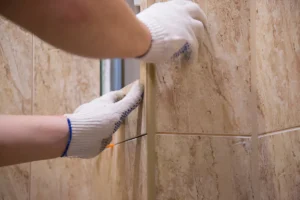
Why Porcelain Tile Maintenance Matters
Many property owners assume porcelain tile requires little or no maintenance. While porcelain is exceptionally durable, neglecting routine care can still lead to problems over time.
Preserves Appearance
Dirt, dust, and residue gradually accumulate on tile surfaces, reducing their natural beauty and shine.
Protects Grout Lines
Although porcelain itself is highly resistant to moisture, grout remains vulnerable to staining and contamination.
Prevents Surface Damage
Routine cleaning removes abrasive particles that can contribute to wear over time.
Improves Hygiene
Clean tile surfaces reduce bacteria, allergens, and contaminants throughout the property.
Extends Lifespan
Following a proper porcelain tile maintenance guide helps maximize the lifespan of both tile and grout.
Benefits of Proper Porcelain Tile Maintenance
Regular maintenance offers numerous long-term advantages.
Enhanced Durability
Porcelain tile already provides excellent durability, but proper care further extends its service life.
Better Appearance
Clean tile surfaces maintain their original color, texture, and finish.
Reduced Repair Costs
Preventive maintenance minimizes the likelihood of costly restoration work.
Improved Property Value
Well-maintained flooring contributes positively to property appearance and value.
Healthier Environment
Removing dirt, allergens, and contaminants supports cleaner indoor spaces.
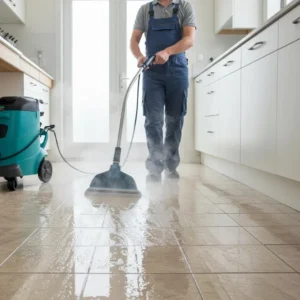
Daily Cleaning Recommendations
A quality porcelain tile maintenance guide begins with daily care practices.
Sweep Regularly
Dust, dirt, sand, and debris should be removed regularly using a soft broom or microfiber dust mop.
Vacuum Carefully
Vacuum cleaners designed for hard surfaces help remove particles from grout lines and corners.
Remove Dirt Promptly
Prevent dirt accumulation by cleaning high-traffic areas frequently.
Address Spills Immediately
Quick spill cleanup helps prevent staining and residue buildup.
Use Gentle Cleaning Products
Mild cleaners designed for tile surfaces help maintain appearance without causing damage.
Weekly Porcelain Tile Cleaning
In addition to daily maintenance, weekly cleaning provides deeper care.
Damp Mopping
Use a damp microfiber mop to remove dirt and residue.
Focus on High-Traffic Areas
Entryways, kitchens, and hallways often require additional attention.
Clean Grout Lines
Inspect grout regularly for signs of dirt buildup or discoloration.
Remove Surface Residue
Cleaning product residues should be removed before they accumulate.
Dry Surfaces Properly
Allowing excess moisture to remain on floors can contribute to grout-related issues.
Following these recommendations supports a successful porcelain tile maintenance guide strategy.
Understanding Different Porcelain Tile Finishes
Not all porcelain tile surfaces require identical care.
Polished Porcelain Tile
Polished surfaces offer a glossy, reflective appearance but may show dirt more easily.
Matte Porcelain Tile
Matte finishes provide a natural appearance and typically hide dirt better.
Textured Porcelain Tile
Textured surfaces offer enhanced slip resistance but may require more frequent cleaning.
Glazed Porcelain Tile
Glazed tiles include a protective coating that improves stain resistance.
Unglazed Porcelain Tile
Unglazed porcelain may require specialized maintenance depending on the application.
A complete porcelain tile maintenance guide considers the specific finish type when recommending cleaning procedures.
Common Causes of Porcelain Tile Contamination
Understanding contamination sources helps property owners maintain cleaner floors.
Foot Traffic
Shoes introduce dirt, moisture, oils, and debris from outside environments.
Food Spills
Kitchen areas frequently experience food-related contamination.
Pet Activity
Pets can contribute hair, dirt, dander, and occasional accidents.
Cleaning Residue
Improper cleaning products may leave residues behind.
Moisture Exposure
Bathrooms and entryways often experience elevated moisture levels.
Regular maintenance helps minimize these issues.
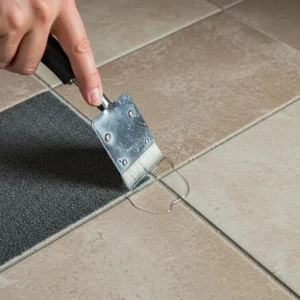
The Importance of Grout Maintenance
While porcelain tile itself is highly durable, grout often requires special attention.
Grout Is Porous
Grout absorbs moisture, dirt, and contaminants more readily than tile.
Staining Risks
Spills and oils can discolor grout over time.
Mold and Mildew Concerns
Moist environments encourage microbial growth.
Maintenance Challenges
Grout lines are more difficult to clean than tile surfaces.
Long-Term Protection
Protecting grout is an essential component of any porcelain tile maintenance guide.
How to Prevent Grout Discoloration
Maintaining grout appearance requires proactive care.
Clean Spills Quickly
Immediate cleanup reduces stain penetration.
Use Appropriate Cleaners
Avoid products that leave residue behind.
Maintain Dry Conditions
Moisture management helps prevent discoloration.
Schedule Professional Cleaning
Periodic deep cleaning removes embedded contaminants.
Apply Grout Sealer
Sealers help reduce moisture and stain absorption.
Porcelain Tile Maintenance in Kitchens
Kitchen floors experience unique maintenance challenges.
Grease Accumulation
Cooking activities generate airborne oils and grease.
Food Debris
Food particles frequently reach floor surfaces.
Heavy Foot Traffic
Kitchens are often among the busiest areas in a home.
Moisture Exposure
Water spills occur regularly.
Stain Prevention
Prompt cleaning helps prevent permanent discoloration.
A thorough porcelain tile maintenance guide emphasizes regular kitchen floor care.
Porcelain Tile Maintenance in Bathrooms
Bathrooms require specialized maintenance because of moisture exposure.
Soap Residue
Soap and personal care products leave buildup behind.
Hard Water Deposits
Minerals can accumulate on tile surfaces.
Mold Prevention
Moisture control is essential.
Ventilation
Proper airflow helps reduce humidity levels.
Grout Protection
Bathroom grout often requires additional attention.
Entryway Tile Maintenance
Entryways frequently experience heavy contamination.
Dirt Tracking
Outdoor debris enters the property through foot traffic.
Moisture Exposure
Rain and snow contribute additional contaminants.
Abrasive Materials
Sand and grit can affect floor appearance.
Frequent Cleaning Needs
Entryways typically require more frequent maintenance.
Floor Protection
Mats help reduce incoming dirt.
Commercial Porcelain Tile Maintenance
Commercial environments present additional challenges.
Constant Foot Traffic
Business facilities often experience continuous use.
Higher Wear Levels
Frequent activity increases contamination.
Customer Impressions
Clean floors contribute to a professional appearance.
Safety Concerns
Maintaining clean surfaces reduces slip hazards.
Long-Term Asset Protection
Regular maintenance protects commercial investments.
Common Mistakes to Avoid
Every porcelain tile maintenance guide should address common maintenance errors.
Using Harsh Chemicals
Aggressive cleaners may damage grout or finishes.
Ignoring Spills
Delayed cleanup increases staining risks.
Excessive Water
Too much water can affect grout integrity.
Skipping Routine Cleaning
Neglected floors accumulate contaminants more quickly.
Using Abrasive Tools
Harsh scrubbing tools may damage tile finishes.
Deep Cleaning Porcelain Tile Floors
Routine maintenance is important, but periodic deep cleaning provides additional benefits.
Removes Embedded Dirt
Deep cleaning targets contaminants beyond surface level.
Restores Appearance
Floors regain their original brightness and cleanliness.
Improves Hygiene
Professional cleaning removes bacteria and allergens.
Protects Grout
Deep cleaning addresses hidden contamination.
Extends Floor Lifespan
Regular deep cleaning supports long-term durability.
Professional services often play a valuable role in a complete porcelain tile maintenance guide.
Signs Your Porcelain Tile Needs Professional Cleaning
Several indicators suggest professional assistance may be beneficial.
Persistent Stains
Stains that resist routine cleaning require deeper treatment.
Discolored Grout
Darkened grout often indicates embedded contamination.
Dull Appearance
Residue buildup can reduce visual appeal.
Lingering Odors
Odors may indicate trapped contaminants.
Uneven Appearance
High-traffic areas may show noticeable differences.
Grout Sealing and Long-Term Protection
Sealing provides important protection for grout lines.
Moisture Resistance
Sealers help reduce water absorption.
Easier Cleaning
Protected grout is simpler to maintain.
Stain Prevention
Sealers reduce the likelihood of discoloration.
Extended Lifespan
Protected grout experiences less deterioration.
Enhanced Appearance
Sealed grout remains cleaner longer.
Seasonal Porcelain Tile Maintenance Tips
Different seasons present unique maintenance challenges.
Winter
Snow, salt, and moisture require increased attention.
Spring
Mud and pollen may accumulate more frequently.
Summer
Increased activity often means additional cleaning needs.
Fall
Leaves and outdoor debris can enter the property.
Year-Round Care
Consistent maintenance remains essential regardless of season.
Indoor Air Quality and Tile Maintenance
Floor cleanliness influences overall indoor environments.
Reduced Allergens
Regular cleaning removes dust and pollen.
Cleaner Living Spaces
Well-maintained floors support healthier homes.
Fewer Contaminants
Deep cleaning reduces accumulated debris.
Better Hygiene
Clean surfaces contribute to improved cleanliness.
Enhanced Comfort
Property occupants benefit from cleaner environments.
Why Professional Tile Maintenance Matters
Professional services provide expertise and equipment that support superior results.
Specialized Knowledge
Professionals understand various tile and grout materials.
Advanced Equipment
Commercial equipment removes contaminants more effectively.
Customized Solutions
Different surfaces require different maintenance approaches.
Thorough Cleaning
Professionals reach areas often missed during routine care.
Long-Term Protection
Expert maintenance helps preserve flooring investments.
Why Homeowners Trust KK Cleaning and Restoration
KK Cleaning and Restoration provides professional porcelain tile cleaning, grout cleaning, tile restoration, grout sealing, stain removal, and maintenance services designed to preserve tile surfaces and extend their lifespan.
Experienced technicians understand the unique characteristics of porcelain tile and develop customized cleaning strategies for residential and commercial properties. Whether addressing grout discoloration, deep cleaning needs, or long-term maintenance planning, professional services help property owners protect their flooring investments.
By following a comprehensive porcelain tile maintenance guide and partnering with experienced professionals when necessary, homeowners and businesses can maintain beautiful, durable, and hygienic tile surfaces for many years.
Final Thoughts on Porcelain Tile Maintenance Guide
Porcelain tile remains one of the most reliable and attractive flooring options available today. Its durability, moisture resistance, and versatility make it suitable for nearly every area of a home or business. However, even the strongest flooring materials require consistent care to maintain their appearance and performance.
A complete porcelain tile maintenance guide includes routine cleaning, grout protection, moisture management, prompt spill removal, periodic deep cleaning, and professional maintenance when needed. These practices help preserve the beauty of porcelain tile while extending its lifespan and protecting the overall value of the property.
With proper care and maintenance, porcelain tile can continue delivering exceptional performance, cleanliness, and visual appeal for decades, making it one of the smartest long-term investments for residential and commercial spaces.
Contact us now:
 Call us now at +16479163093
 Email: info@kkcleaningandrestoration.ca
 Visit: https://kkcleaningandrestoration.ca/
Faqs on Porcelain Tile Maintenance Guide:-
1. What is a porcelain tile maintenance guide?
A porcelain tile maintenance guide is a comprehensive resource that explains how to properly clean, protect, and maintain porcelain tile surfaces. It covers daily care, deep cleaning, stain prevention, grout maintenance, and long-term preservation techniques. Following a maintenance guide helps keep tile floors looking attractive and performing well for years. It also helps property owners avoid unnecessary repairs and replacement costs. Proper maintenance is essential for maximizing the lifespan of porcelain tile.
2. Why is porcelain tile considered a durable flooring option?
Porcelain tile is manufactured using dense clay materials that are fired at extremely high temperatures. This process creates a hard, durable surface that resists wear, moisture, and stains. Porcelain is less porous than many other flooring materials, making it highly resistant to water absorption. Its strength makes it suitable for both residential and commercial applications. With proper care, porcelain tile can last for decades.
3. How often should porcelain tile be cleaned?
Porcelain tile should be cleaned regularly to prevent dirt and debris from accumulating on the surface. Daily sweeping or dust mopping is beneficial in high-traffic areas. Weekly mopping helps remove residue and maintain cleanliness. Deep cleaning may be needed periodically depending on usage levels. Consistent maintenance helps preserve the appearance and durability of the flooring.
4. What is the best way to clean porcelain tile floors?
The best approach involves routine sweeping followed by damp mopping using a gentle tile-safe cleaner. Removing dirt regularly prevents abrasive particles from damaging the surface over time. Excessive moisture should be avoided to protect grout lines. Using non-abrasive cleaning tools helps preserve the tile finish. Following recommended cleaning practices keeps floors looking their best.
5. Can porcelain tile become stained?
Although porcelain tile is highly stain resistant, certain substances can still cause discoloration if left untreated. Spills such as coffee, wine, grease, or colored liquids should be cleaned promptly. Grout lines are often more vulnerable to staining than the tile itself. Routine maintenance reduces the risk of permanent discoloration. Prompt attention to spills helps maintain appearance.
6. Why is grout maintenance important with porcelain tile?
Grout is typically more porous than porcelain tile and can absorb dirt, moisture, and contaminants. Over time, grout may become discolored or stained if not properly maintained. Regular cleaning helps preserve grout appearance and functionality. Proper grout care also supports the overall appearance of the tile installation. Maintaining grout is a critical part of long-term tile care.
7. How can homeowners prevent grout discoloration?
Grout discoloration can be minimized by cleaning spills quickly and maintaining a regular cleaning schedule. Proper ventilation helps reduce moisture-related staining and mold growth. Using grout sealers can provide additional protection against contaminants. Avoiding harsh chemicals also helps preserve grout condition. Consistent maintenance is the most effective prevention strategy.
8. Is porcelain tile suitable for bathrooms?
Yes, porcelain tile is an excellent choice for bathrooms because of its low water absorption rate and durability. It resists moisture better than many other flooring materials. Porcelain tile also comes in a variety of styles and finishes suitable for bathroom environments. Proper maintenance helps preserve its appearance despite frequent moisture exposure. It remains one of the most popular bathroom flooring options.
9. Why is porcelain tile popular in kitchens?
Porcelain tile performs well in kitchens because it resists stains, moisture, and heavy foot traffic. Food spills and cooking-related messes are easier to clean from porcelain surfaces. Its durability helps withstand everyday wear and tear. A wide range of design options allows homeowners to match various décor styles. Regular maintenance ensures long-lasting performance.
10. Can porcelain tile be used in commercial buildings?
Yes, porcelain tile is commonly used in commercial facilities due to its strength and durability. High-traffic environments benefit from its resistance to wear and moisture. Commercial properties often choose porcelain because of its long lifespan and low maintenance requirements. Proper cleaning helps maintain a professional appearance. Routine care supports long-term performance.
11. What causes porcelain tile to lose its shine?
Porcelain tile may appear dull because of dirt buildup, cleaning residue, hard water deposits, or surface contamination. Over time, accumulated grime can reduce the floor’s visual appeal. Regular cleaning helps remove these contaminants before they become significant. Deep cleaning may be necessary when routine maintenance is insufficient. Proper care restores a cleaner appearance.
12. Is polished porcelain tile harder to maintain?
Polished porcelain tile is not necessarily harder to maintain, but it may show dirt and footprints more readily. Regular cleaning helps preserve its reflective appearance. Using non-abrasive cleaning products is important to avoid affecting the finish. Prompt spill removal also helps maintain its look. Consistent care keeps polished surfaces attractive.
13. What is textured porcelain tile?
Textured porcelain tile features a surface designed to provide additional traction and slip resistance. It is commonly used in bathrooms, entryways, and outdoor areas. While highly functional, textured surfaces may collect dirt more easily than smooth finishes. Regular cleaning helps prevent buildup within surface textures. Proper maintenance preserves both appearance and safety.
14. Why should spills be cleaned immediately?
Prompt spill cleanup reduces the risk of staining and residue accumulation. Some substances can leave discoloration if allowed to remain on the surface for extended periods. Moisture can also affect grout lines if not addressed quickly. Immediate cleanup helps preserve appearance and cleanliness. Preventive action is always easier than restoration.
15. Can porcelain tile crack?
Although porcelain tile is highly durable, it can crack under extreme impact or if installed improperly. Heavy objects dropped onto the surface may cause damage. Structural movement beneath the tile can also contribute to cracking. Proper installation and maintenance reduce these risks. Damaged tiles should be repaired promptly.
16. How does foot traffic affect porcelain tile?
Foot traffic introduces dirt, sand, moisture, and debris onto flooring surfaces. These particles can accumulate and affect both tile and grout appearance. High-traffic areas generally require more frequent cleaning. Regular maintenance helps reduce wear caused by abrasive materials. Protecting entryways can also minimize contamination.
17. What role does sweeping play in tile maintenance?
Sweeping removes dirt and debris before they become embedded in grout lines or scratch surfaces. It is one of the simplest and most effective maintenance practices. Regular sweeping reduces the need for intensive cleaning. It also helps preserve the appearance of tile finishes. Daily sweeping is particularly beneficial in busy areas.
18. Can vacuuming help maintain porcelain tile?
Yes, vacuuming can effectively remove dust, dirt, and debris from tile surfaces and grout lines. Vacuum cleaners designed for hard flooring are especially useful. Removing particles regularly reduces abrasive wear. Vacuuming complements sweeping and mopping routines. Consistent use contributes to cleaner floors.
19. Why is moisture control important?
Excess moisture can contribute to mold growth, grout discoloration, and contamination. Bathrooms, kitchens, and entryways often experience elevated moisture levels. Proper ventilation helps reduce humidity and support floor longevity. Promptly drying wet areas is also beneficial. Moisture control protects both tile and grout.
20. What are the benefits of professional tile cleaning?
Professional cleaning removes deeply embedded dirt, stains, and contaminants that routine cleaning may not address. Advanced equipment and techniques provide more thorough results. Professional services can also help restore grout appearance. Deep cleaning supports hygiene and floor longevity. Many property owners schedule periodic professional maintenance.
21. How often should porcelain tile receive professional cleaning?
The frequency depends on usage, traffic levels, and environmental conditions. Residential properties often benefit from professional cleaning every year or two. Commercial spaces may require more frequent service. High-traffic areas generally need additional attention. Regular inspections help determine the appropriate schedule.
22. What causes grout to become dark over time?
Grout darkens because it absorbs dirt, oils, moisture, and contaminants. Everyday foot traffic contributes additional buildup. Bathrooms and kitchens are particularly susceptible to discoloration. Routine cleaning helps reduce accumulation. Professional deep cleaning can often improve grout appearance significantly.
23. Can grout sealing help maintain porcelain tile installations?
Yes, grout sealing helps protect porous grout lines from moisture and staining. Sealed grout is easier to clean and maintain. The protective barrier reduces contamination and discoloration. Many professionals recommend sealing after deep cleaning. Proper sealing supports long-term maintenance efforts.
24. Why should abrasive cleaners be avoided?
Abrasive cleaners can damage grout and affect certain tile finishes. Harsh products may leave scratches or dull the surface over time. Gentle cleaning solutions are generally more appropriate for porcelain tile. Using proper products preserves appearance and performance. Manufacturer recommendations should always be followed.
25. Can porcelain tile improve indoor air quality?
Porcelain tile does not trap allergens as easily as some flooring materials. Regular cleaning removes dust, pollen, and pet dander from the surface. Cleaner floors contribute to a healthier indoor environment. Maintaining tile and grout helps reduce contaminant buildup. Good maintenance practices support better indoor cleanliness.
26. What are common signs that porcelain tile needs deep cleaning?
Common indicators include dull surfaces, stained grout, persistent odors, visible residue, and uneven coloration. Floors may also appear dirty shortly after cleaning. These signs often indicate embedded contaminants. Professional cleaning helps restore cleanliness and appearance. Regular maintenance helps prevent severe buildup.
27. Can porcelain tile fade over time?
Porcelain tile is highly resistant to fading compared to many other flooring materials. However, dirt buildup and residue can affect its appearance. Proper maintenance helps preserve color and finish. Indoor installations generally experience minimal fading. Consistent cleaning supports long-term aesthetics.
28. Why do entryway porcelain tiles require extra maintenance?
Entryways experience heavy foot traffic and receive dirt, moisture, and outdoor debris. These contaminants can quickly accumulate on tile surfaces. Frequent cleaning helps prevent staining and wear. Entry mats can reduce the amount of debris entering the property. Additional maintenance keeps entryways looking attractive.
29. What causes unpleasant odors around tile floors?
Odors often result from dirt, bacteria, moisture, and contaminants trapped within grout lines. Pet accidents and spills may also contribute. Routine cleaning may not fully eliminate deeply embedded odor sources. Professional deep cleaning targets hidden contamination. Proper maintenance helps maintain a fresher environment.
30. Can porcelain tile be used with radiant heating systems?
Yes, porcelain tile works very well with radiant heating systems. Its density allows it to conduct and retain heat efficiently. Many homeowners choose porcelain for heated floors because of its durability and comfort. Proper installation is essential for optimal performance. Maintenance requirements remain similar to standard installations.
31. How can homeowners protect porcelain tile from scratches?
Using furniture pads, removing abrasive debris, and maintaining clean floors help reduce scratch risks. Entry mats can prevent dirt and sand from being tracked indoors. Regular sweeping removes abrasive particles. Avoid dragging heavy furniture across tile surfaces. Preventive measures support long-term appearance.
32. Why is regular maintenance more cost-effective than repairs?
Routine maintenance helps identify and address small issues before they become significant problems. Preventive care reduces wear, staining, and contamination. Repairing damaged grout or replacing tiles can be expensive. Consistent maintenance protects the flooring investment. Long-term costs are generally lower with proactive care.
33. What is the lifespan of porcelain tile?
Porcelain tile can last for decades when properly installed and maintained. Its durability makes it one of the longest-lasting flooring options available. Regular cleaning and grout care contribute significantly to longevity. Many installations remain functional and attractive for many years. Proper maintenance maximizes lifespan.
34. How does seasonal weather affect porcelain tile maintenance?
Seasonal conditions influence the amount of dirt, moisture, and debris entering a property. Winter often introduces salt, snow, and water. Spring may bring mud and pollen. Increased maintenance during challenging seasons helps preserve floor condition. Adapting cleaning routines to seasonal changes is beneficial.
35. Can pets affect porcelain tile maintenance?
Pets contribute hair, dander, dirt, and occasional accidents. Regular cleaning helps manage these contaminants. Prompt cleanup of spills or accidents protects grout lines. Porcelain tile is generally pet-friendly because of its durability and stain resistance. Consistent maintenance supports cleanliness.
36. Is porcelain tile environmentally friendly?
Porcelain tile is often considered environmentally friendly because of its durability and long lifespan. Long-lasting materials reduce replacement frequency and waste. Many porcelain products are manufactured using natural materials. Proper maintenance further extends service life. Durability contributes to sustainability.
37. Why should homeowners inspect grout regularly?
Regular inspections help identify discoloration, cracks, moisture issues, and contamination before they worsen. Early detection allows for prompt maintenance and repairs. Healthy grout supports the overall integrity of the tile installation. Routine evaluations help preserve appearance and performance. Preventive care reduces future expenses.
38. Can professional restoration improve older porcelain tile installations?
Yes, professional restoration services can often improve the appearance of aging tile and grout. Deep cleaning, grout repair, and sealing help rejuvenate surfaces. Many older installations benefit significantly from professional care. Restoration may delay the need for replacement. Results depend on the condition of the flooring.
39. What are the long-term benefits of following a porcelain tile maintenance guide?
Following a porcelain tile maintenance guide helps preserve appearance, cleanliness, and durability. Proper care reduces staining, wear, and moisture-related issues. Maintenance also extends the lifespan of tile and grout. Property owners often save money through preventive care. Long-term results include cleaner, healthier, and more attractive spaces.
40. Why do homeowners choose KK Cleaning and Restoration for porcelain tile maintenance?
Homeowners choose KK Cleaning and Restoration for professional porcelain tile cleaning, grout restoration, stain removal, sealing, and maintenance services. Experienced technicians understand the unique care requirements of porcelain tile installations. Customized solutions help preserve beauty, hygiene, and durability. Professional workmanship delivers reliable and long-lasting results. Their expertise helps property owners protect their flooring investment for years to come.
Contact us now:
Call us now at +16479163093
Email: info@kkcleaningandrestoration.ca
Visit: https://kkcleaningandrestoration.ca/