Tile Floor Deep Cleaning: The Complete Guide by KK Cleaning and Restoration
Introduction: Tile Floor Deep Cleaning
Tile Floor Deep Cleaning: Tile floors are among the most durable, attractive, and versatile flooring options available for residential and commercial properties. Whether installed in kitchens, bathrooms, entryways, basements, or commercial spaces, tile flooring offers exceptional longevity and visual appeal. However, maintaining its appearance and performance requires more than routine sweeping and mopping. Over time, dirt, grease, bacteria, allergens, stains, and contaminants accumulate deep within grout lines and textured tile surfaces. This is where tile floor deep cleaning becomes essential.
Many property owners assume that regular mopping is enough to keep tile floors clean. Unfortunately, conventional cleaning methods often leave behind residues that gradually build up and dull the surface. Even floors that appear clean may contain embedded grime hidden within grout pores and microscopic surface textures. Professional tile floor deep cleaning removes these contaminants, restores the floor’s original appearance, and extends its lifespan.
At KK Cleaning and Restoration, professional tile and grout cleaning services help homeowners and businesses maintain beautiful, hygienic, and long-lasting flooring systems. Understanding the importance of tile floor deep cleaning can help property owners protect their investment while improving the appearance and cleanliness of their spaces.
Understanding Tile Floor Deep Cleaning
Unlike basic floor maintenance, tile floor deep cleaning focuses on removing contaminants that standard cleaning methods cannot eliminate effectively.
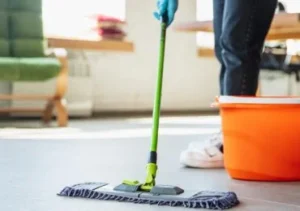
Routine cleaning typically addresses surface dirt and debris. While this helps maintain appearance between cleanings, it does not fully remove accumulated oils, bacteria, soap residues, food particles, and deeply embedded grime. Over time, these contaminants settle into grout lines and textured surfaces where ordinary mops cannot reach.
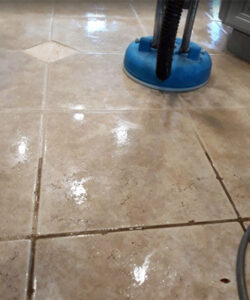
Professional tile floor deep cleaning utilizes specialized techniques, equipment, and cleaning solutions designed to extract deeply embedded dirt while preserving the integrity of the flooring materials. The result is a cleaner, healthier, and more attractive floor.
Why Tile Floors Require Deep Cleaning
Many people choose tile because of its durability and relatively low maintenance requirements. However, no flooring system is completely maintenance-free.
Daily Foot Traffic
Everyday foot traffic introduces dirt, dust, oils, and contaminants onto tile surfaces. These particles gradually accumulate and become difficult to remove through routine cleaning alone.
Grout Porosity
Grout is naturally porous and absorbs moisture, dirt, grease, and spills. Without periodic tile floor deep cleaning, grout can become heavily stained and discolored.
Moisture Exposure
Bathrooms, kitchens, laundry rooms, and entryways often experience high moisture levels that contribute to bacterial growth and staining.
Cleaning Product Residue
Many commercial floor cleaners leave residues behind. These residues attract additional dirt and can create a dull or sticky appearance.
Environmental Contaminants
Dust, allergens, pet dander, and airborne particles eventually settle onto flooring surfaces and into grout lines.
Regular tile floor deep cleaning addresses these challenges and helps maintain flooring performance.
Benefits of Tile Floor Deep Cleaning
Investing in professional cleaning provides numerous advantages.
Restores Original Appearance
One of the primary benefits of tile floor deep cleaning is restoring the natural beauty of tile surfaces. Dirt and stains that have accumulated over months or years can significantly alter a floor’s appearance.
Improves Indoor Hygiene
Floors can harbor bacteria, allergens, mold spores, and contaminants. Deep cleaning removes these unwanted substances and supports a healthier indoor environment.
Extends Flooring Lifespan
Embedded dirt acts as an abrasive material that gradually wears surfaces over time. Regular tile floor deep cleaning reduces this wear and extends floor longevity.
Enhances Property Value
Clean, well-maintained flooring contributes positively to overall property appearance and value.
Eliminates Odors
Deep cleaning removes odor-causing contaminants trapped within grout and porous surfaces.
Common Areas That Need Tile Floor Deep Cleaning
Tile floors throughout a property benefit from periodic professional cleaning.
Kitchen Floors
Kitchen floors accumulate grease, food particles, spills, and cooking residues. These contaminants often penetrate grout lines and create stubborn stains.
Bathroom Floors
Bathrooms experience moisture, soap residue, mineral deposits, and bacterial growth. Professional tile floor deep cleaning helps restore cleanliness and appearance.
Entryways
Entry areas collect dirt, mud, moisture, and outdoor debris. These contaminants can quickly become embedded in grout.
Laundry Rooms
Laundry spaces often experience moisture exposure and detergent buildup that contribute to floor contamination.
Commercial Spaces
Retail stores, offices, restaurants, and healthcare facilities experience heavy foot traffic that accelerates dirt accumulation.
Understanding Grout and Why It Gets Dirty
Grout plays a critical role in tile installations but presents unique cleaning challenges.
Porous Structure
Most grout materials contain microscopic pores that readily absorb liquids and contaminants.
Dirt Retention
Dirt particles become trapped within grout surfaces and are difficult to remove through standard mopping.
Moisture Absorption
Moisture encourages the growth of mold, mildew, and bacteria within grout lines.
Staining
Spills, oils, and cleaning residues often leave permanent-looking discoloration.
Aging Effects
Over time, grout naturally becomes more vulnerable to contamination and staining.
A professional tile floor deep cleaning process specifically targets these grout-related issues.
Signs Your Tile Floor Needs Deep Cleaning
Several indicators suggest it may be time for professional cleaning.
Discolored Grout
Darkened or stained grout is one of the most obvious signs.
Dull Tile Surfaces
A loss of shine or vibrancy often indicates residue buildup.
Persistent Odors
Lingering smells may originate from contaminants trapped within grout.
Sticky Floors
Residue accumulation can create a tacky feeling underfoot.
Visible Stains
Spills and dirt that resist ordinary cleaning methods often require deep cleaning intervention.
Common Causes of Tile Floor Contamination
Understanding contamination sources helps explain the need for tile floor deep cleaning.
Foot Traffic
Shoes track in dirt, bacteria, and outdoor contaminants.
Food Spills
Kitchen floors frequently encounter food-related stains and residues.
Soap Residue
Bathrooms often accumulate soap scum and cleaning product buildup.
Pet Activity
Pets contribute dander, dirt, hair, and occasional accidents.
Moisture
Water exposure creates favorable conditions for microbial growth.
Tile Floor Deep Cleaning and Indoor Air Quality
Many people overlook the relationship between flooring cleanliness and air quality.
Allergen Reduction
Dust, pollen, and pet dander often accumulate on floors and within grout.
Mold Prevention
Removing moisture-related contaminants reduces mold risks.
Cleaner Living Environment
Deep cleaning supports healthier indoor conditions.
Reduced Irritants
Fewer airborne particles contribute to improved comfort.
Better Overall Cleanliness
A cleaner floor positively impacts the entire indoor environment.
Professional tile floor deep cleaning supports both appearance and health.
Different Types of Tile Floors
Various tile materials require specialized care.
Ceramic Tile
Ceramic is popular for its durability and ease of maintenance.
Porcelain Tile
Porcelain offers excellent moisture resistance and longevity.
Natural Stone Tile
Stone surfaces require specialized cleaning techniques to avoid damage.
Quarry Tile
Frequently used in commercial environments due to its durability.
Mosaic Tile
Mosaic installations require detailed cleaning because of extensive grout lines.
Understanding tile type helps ensure effective tile floor deep cleaning.
Challenges of DIY Tile Cleaning
Many homeowners attempt deep cleaning on their own.
Limited Equipment
Household tools often lack the power needed for deep extraction.
Incomplete Results
Surface cleaning may leave contaminants behind.
Potential Damage
Improper products can damage tile or grout.
Time Consumption
Deep cleaning large areas requires significant effort.
Residue Issues
Incorrect cleaning methods may leave residues that attract more dirt.
Professional tile floor deep cleaning often delivers more consistent and effective results.
The Role of Professional Equipment
Advanced cleaning equipment enhances cleaning performance.
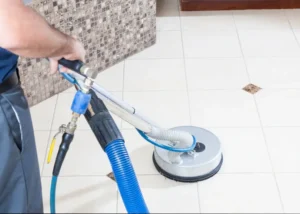
High-Pressure Cleaning
Powerful systems penetrate grout lines and textured surfaces.
Extraction Technology
Contaminants are removed rather than redistributed.
Deep Penetration
Specialized equipment reaches areas inaccessible to ordinary tools.
Consistent Results
Professional systems provide uniform cleaning across large surfaces.
Improved Efficiency
Projects are completed more effectively and thoroughly.
Tile Floor Deep Cleaning for Kitchens
Kitchen floors face unique challenges.
Grease Removal
Cooking activities generate airborne grease that settles on floors.
Food Residue Elimination
Deep cleaning removes embedded food particles.
Improved Sanitation
Clean floors contribute to safer food preparation environments.
Stain Removal
Professional cleaning addresses difficult kitchen stains.
Long-Term Protection
Regular maintenance helps preserve floor appearance.
Tile Floor Deep Cleaning for Bathrooms
Bathrooms require special attention.
Soap Scum Removal
Soap residues accumulate over time.
Mold Prevention
Moisture control reduces microbial growth.
Mineral Deposit Removal
Hard water deposits can discolor tile and grout.
Odor Reduction
Removing contaminants helps eliminate unpleasant smells.
Enhanced Appearance
Bathrooms look cleaner and more inviting.
Commercial Tile Floor Deep Cleaning
Businesses benefit significantly from professional maintenance.
Customer Impressions
Clean floors contribute to positive first impressions.
Employee Health
Reduced contaminants support healthier work environments.
Durability
Regular maintenance extends flooring lifespan.
Safety
Clean floors reduce slip hazards associated with residue buildup.
Regulatory Compliance
Some industries require high cleanliness standards.
How Regular Maintenance Supports Deep Cleaning Results
Maintenance between professional cleanings is essential.
Daily Sweeping
Removes abrasive particles before they become embedded.
Prompt Spill Cleanup
Reduces staining risks.
Proper Cleaning Products
Appropriate cleaners help preserve flooring materials.
Moisture Control
Limiting standing water protects grout.
Scheduled Professional Services
Routine tile floor deep cleaning ensures long-term cleanliness.
The Importance of Grout Sealing
Sealing is often recommended following deep cleaning.
Stain Resistance
Sealers reduce grout absorption.
Easier Maintenance
Protected grout cleans more easily.
Moisture Protection
Sealers help prevent water penetration.
Longer Grout Life
Protection reduces wear and deterioration.
Enhanced Appearance
Sealed grout maintains a cleaner look longer.
Common Mistakes That Damage Tile Floors
Avoiding certain practices helps preserve flooring.
Excessive Water
Too much moisture can damage grout.
Harsh Chemicals
Some cleaners may harm tile surfaces.
Abrasive Tools
Aggressive scrubbing can cause wear.
Ignoring Spills
Stains become more difficult to remove over time.
Delaying Deep Cleaning
Accumulated contamination becomes increasingly difficult to address.
Why Tile Floor Deep Cleaning Saves Money
Preventive maintenance often reduces long-term costs.
Avoids Premature Replacement
Well-maintained floors last longer.
Prevents Extensive Restoration
Minor maintenance prevents larger issues.
Reduces Repair Costs
Protected grout and tile require fewer repairs.
Maintains Property Value
Clean floors support overall property condition.
Improves Durability
Regular care extends service life.
Choosing Professional Tile Floor Cleaning Services
Selecting experienced professionals is important.
Industry Knowledge
Experienced technicians understand various tile materials.
Advanced Equipment
Professional tools deliver superior results.
Safe Cleaning Methods
Proper techniques protect flooring systems.
Customized Solutions
Different floors require different approaches.
Long-Term Value
Professional care contributes to lasting results.
Why Homeowners Trust KK Cleaning and Restoration
KK Cleaning and Restoration provides expert tile floor deep cleaning services designed to restore beauty, cleanliness, and durability. Professional technicians understand the challenges associated with grout contamination, staining, moisture exposure, and heavy foot traffic.
Using proven cleaning methods and advanced equipment, the team helps remove deeply embedded dirt while preserving the integrity of tile and grout surfaces. Customized cleaning solutions address the unique needs of residential and commercial properties, delivering reliable and long-lasting results.
Whether dealing with heavily stained grout, dull tile surfaces, or ongoing maintenance needs, professional services help property owners achieve cleaner and healthier environments.
Final Thoughts on Tile Floor Deep Cleaning
Maintaining tile floors involves more than routine sweeping and mopping. Dirt, bacteria, grease, allergens, and moisture-related contaminants gradually accumulate within grout lines and textured surfaces, reducing both appearance and cleanliness. Professional tile floor deep cleaning addresses these hidden issues and restores flooring to a cleaner, fresher condition.
Regular deep cleaning improves hygiene, extends flooring lifespan, enhances property appearance, and supports healthier indoor environments. Combined with proper daily maintenance and periodic professional care, tile floor deep cleaning remains one of the most effective ways to protect and preserve tile flooring investments.
For homeowners and businesses seeking cleaner, brighter, and longer-lasting floors, professional tile floor deep cleaning offers a practical and valuable solution that delivers noticeable results and long-term benefits.
Contact us now:
 Call us now at +16479163093
 Email: info@kkcleaningandrestoration.ca
 Visit: https://kkcleaningandrestoration.ca/
Faqs on Tile Floor Deep Cleaning:-
1. What is tile floor deep cleaning?
Tile floor deep cleaning is a specialized cleaning process designed to remove embedded dirt, grime, stains, and contaminants from tile surfaces and grout lines. Unlike routine mopping, it targets buildup that accumulates over time in hard-to-reach areas. Professional equipment and cleaning solutions are often used to achieve more effective results. Deep cleaning helps restore the original appearance of tile flooring. It also contributes to a cleaner and healthier indoor environment.
2. Why is tile floor deep cleaning important?
Tile floor deep cleaning is important because regular cleaning often removes only surface-level dirt. Over time, contaminants become trapped in grout lines and textured tile surfaces. This buildup can affect appearance, hygiene, and floor longevity. Deep cleaning removes hidden grime and helps preserve flooring materials. It also enhances the overall cleanliness of the property.
3. How often should tile floors be deep cleaned?
The frequency depends on foot traffic, usage, and environmental conditions. Most residential properties benefit from professional deep cleaning every 12 to 18 months. High-traffic areas may require more frequent service. Commercial spaces often need cleaning several times per year. Regular maintenance helps determine the ideal schedule.
4. What is the difference between regular cleaning and tile floor deep cleaning?
Regular cleaning focuses on removing surface dirt and debris through sweeping and mopping. Tile floor deep cleaning goes further by extracting embedded contaminants from grout and tile surfaces. It uses specialized equipment and cleaning solutions for deeper penetration. Deep cleaning addresses stains, residue, and hidden dirt. The results are typically more thorough and longer lasting.
5. Can tile floor deep cleaning improve the appearance of grout?
Yes, tile floor deep cleaning can significantly improve grout appearance. Dirt, grease, and stains often accumulate within grout lines over time. Professional cleaning removes much of this buildup and restores a cleaner look. In many cases, grout appears noticeably brighter after cleaning. Regular maintenance helps preserve these results.
6. Why does grout become dirty so quickly?
Grout is porous and easily absorbs dirt, moisture, oils, and spills. Everyday foot traffic contributes additional contaminants that settle into grout lines. Even routine mopping may push dirt deeper into the grout. Bathrooms and kitchens are especially vulnerable because of moisture exposure. Deep cleaning helps remove accumulated buildup.
7. Can tile floor deep cleaning remove stains?
Many common stains can be reduced or removed through professional deep cleaning. The effectiveness depends on the type of stain, its age, and the flooring material. Food spills, dirt stains, and soap residue often respond well to treatment. Some severe or permanent stains may require additional restoration methods. Professional evaluation helps determine expectations.
8. Is tile floor deep cleaning safe for ceramic tile?
Yes, when performed correctly, tile floor deep cleaning is safe for ceramic tile. Professional technicians use appropriate cleaning methods designed for the specific tile type. Proper techniques remove contaminants without damaging surfaces. Ceramic tile is generally durable and responds well to deep cleaning. Regular care helps maintain its appearance.
9. Is tile floor deep cleaning safe for porcelain tile?
Porcelain tile is highly durable and suitable for professional deep cleaning. Specialized cleaning solutions remove dirt and stains while preserving the tile surface. Deep cleaning helps restore shine and cleanliness. Proper maintenance supports the long lifespan of porcelain flooring. Professional services ensure safe and effective results.
10. Can deep cleaning damage tile floors?
Professional tile floor deep cleaning should not damage properly installed tile floors. Problems typically arise when incorrect chemicals or aggressive methods are used. Experienced technicians select products and techniques appropriate for the flooring material. Proper cleaning preserves both tile and grout. Hiring qualified professionals minimizes risks.
11. What causes tile floors to look dull?
Tile floors often become dull because of dirt buildup, cleaning product residue, hard water deposits, and embedded grime. Over time, these contaminants reduce the floor’s natural appearance. Routine mopping may not fully remove accumulated residue. Deep cleaning eliminates many of these issues. This helps restore a cleaner and brighter look.
12. Can tile floor deep cleaning improve indoor air quality?
Yes, tile floor deep cleaning can contribute to improved indoor air quality. Floors often collect allergens such as dust, pollen, and pet dander. Deep cleaning removes these contaminants from tile surfaces and grout lines. Fewer airborne particles may result in a cleaner environment. This is particularly beneficial for allergy-sensitive individuals.
13. Why do tile floors develop odors?
Odors may develop when dirt, bacteria, mold, and moisture accumulate in grout lines or porous surfaces. Spills and pet accidents can also contribute to lingering smells. Routine cleaning may not fully eliminate odor-causing contaminants. Deep cleaning targets these hidden sources. The result is often a fresher-smelling space.
14. Can tile floor deep cleaning help remove pet-related odors?
Yes, professional deep cleaning can help address pet-related odors trapped within grout and tile surfaces. Pet accidents may leave behind residues that are difficult to remove through ordinary cleaning. Specialized cleaning methods target these contaminants. Eliminating the source helps reduce odors. Prompt treatment typically produces the best results.
15. What are the signs that tile floors need deep cleaning?
Common signs include discolored grout, dull tile surfaces, persistent stains, unpleasant odors, and sticky residue. Floors may also appear dirty shortly after routine cleaning. These symptoms often indicate embedded contamination. Professional deep cleaning helps restore cleanliness and appearance. Regular inspections help identify when service is needed.
16. Why do kitchen tile floors need deep cleaning?
Kitchen floors are exposed to grease, food particles, spills, and heavy foot traffic. These contaminants accumulate over time and become embedded in grout lines. Routine cleaning may not fully remove grease buildup. Deep cleaning helps restore sanitation and appearance. It also supports long-term floor durability.
17. Why do bathroom tile floors require deep cleaning?
Bathrooms experience constant exposure to moisture, soap residue, and mineral deposits. These conditions encourage mold, mildew, and grime accumulation. Deep cleaning removes contaminants that ordinary cleaning often misses. It helps restore hygiene and appearance. Regular maintenance is especially important in moisture-prone environments.
18. Can tile floor deep cleaning help prevent mold growth?
Deep cleaning removes moisture-related contaminants that contribute to mold development. While it does not eliminate all mold risks, it helps create a cleaner environment. Removing dirt and residue reduces conditions favorable to mold growth. Proper ventilation and moisture control remain important. Combined maintenance strategies provide the best protection.
19. What role does moisture play in tile floor contamination?
Moisture allows dirt, bacteria, mold, and mildew to thrive. Wet grout is particularly vulnerable because it absorbs contaminants easily. Bathrooms, kitchens, and entryways often experience elevated moisture levels. Deep cleaning helps remove moisture-related buildup. Proper drying and ventilation support long-term cleanliness.
20. Can tile floor deep cleaning remove grease buildup?
Yes, professional cleaning methods are effective at removing grease accumulation from tile and grout. Kitchens are especially prone to grease-related contamination. Over time, grease attracts additional dirt and creates stubborn residue. Deep cleaning breaks down and removes this buildup. The floor appears cleaner and feels less sticky.
21. Is grout sealing recommended after deep cleaning?
Grout sealing is often recommended following professional cleaning. Sealers help reduce the absorption of dirt, moisture, and stains. Protected grout remains cleaner for longer periods. Sealing also simplifies routine maintenance. Many property owners choose sealing as part of a comprehensive floor care plan.
22. How does grout sealing help after tile floor deep cleaning?
Grout sealing creates a protective barrier over porous grout surfaces. This barrier reduces stain penetration and moisture absorption. Clean grout remains easier to maintain after sealing. The protective layer also helps preserve the results of deep cleaning. Long-term maintenance becomes more effective.
23. Can tile floor deep cleaning extend floor lifespan?
Yes, regular deep cleaning helps protect tile and grout from excessive wear. Embedded dirt acts like an abrasive material that can gradually damage surfaces. Removing contaminants reduces this stress. Proper maintenance helps preserve flooring condition. Long-term durability is one of the major benefits.
24. Why does grout discolor over time?
Grout discoloration occurs when dirt, moisture, oils, and stains accumulate within its porous structure. Bathrooms and kitchens are particularly susceptible. Routine cleaning may not remove deeply embedded contaminants. Deep cleaning helps improve appearance by targeting discoloration. Ongoing maintenance reduces future staining.
25. Can tile floor deep cleaning help increase property value?
Clean and well-maintained flooring contributes positively to overall property appearance. Prospective buyers and visitors often notice flooring condition. Deep cleaning improves aesthetics and demonstrates proper maintenance. Attractive floors can support property value. First impressions are important in both residential and commercial settings.
26. What types of tile benefit from deep cleaning?
Ceramic, porcelain, natural stone, quarry tile, and mosaic tile can all benefit from professional deep cleaning. Each material may require specialized techniques and cleaning solutions. Professional technicians understand these differences. Customized care ensures safe and effective results. Proper maintenance preserves appearance and longevity.
27. Can natural stone floors be deep cleaned?
Yes, natural stone floors can be deep cleaned using methods appropriate for the specific stone type. Stone surfaces require careful handling because some materials are sensitive to certain chemicals. Professional cleaning removes dirt and contaminants without causing damage. Specialized techniques help maintain natural beauty. Proper care extends the life of stone flooring.
28. Why do tile floors become sticky after mopping?
Sticky floors often result from cleaning product residue left behind after mopping. Excess detergent may attract additional dirt and grime. Over time, residue accumulates and affects appearance. Deep cleaning removes this buildup more effectively. Proper cleaning practices help prevent recurrence.
29. How does foot traffic affect tile floors?
Foot traffic introduces dirt, oils, moisture, and contaminants from outside environments. These particles accumulate in grout lines and textured surfaces. High-traffic areas generally require more frequent maintenance. Deep cleaning helps address the effects of heavy use. Regular care supports long-term floor condition.
30. Can commercial properties benefit from tile floor deep cleaning?
Yes, commercial facilities often experience significant foot traffic that accelerates dirt accumulation. Professional deep cleaning helps maintain a clean and professional appearance. Improved cleanliness contributes to positive customer impressions. Regular maintenance also extends flooring lifespan. Businesses benefit from healthier indoor environments as well.
31. Is tile floor deep cleaning environmentally friendly?
Many professional cleaning providers offer environmentally responsible cleaning options. These methods use products designed to minimize environmental impact while maintaining effectiveness. Reduced chemical residue can also benefit indoor air quality. Eco-conscious cleaning practices are increasingly popular. Discussing options with service providers is recommended.
32. Can deep cleaning remove hard water stains from tile floors?
Many hard water stains can be reduced through professional deep cleaning. Mineral deposits often accumulate in bathrooms, laundry rooms, and entryways. Specialized cleaning solutions target these deposits effectively. Results vary depending on stain severity and duration. Early treatment generally provides the best outcomes.
33. Why should homeowners avoid delaying tile floor deep cleaning?
Delaying maintenance allows dirt, stains, and contaminants to become more deeply embedded. This can make cleaning more difficult and potentially increase restoration costs. Floors may also experience accelerated wear. Regular deep cleaning helps prevent these issues. Proactive maintenance preserves appearance and performance.
34. What are the long-term benefits of tile floor deep cleaning?
Long-term benefits include improved appearance, enhanced hygiene, reduced odors, and extended floor lifespan. Deep cleaning also helps preserve grout condition and reduce staining. Property owners often spend less on repairs and restoration. Consistent maintenance protects flooring investments. Clean floors contribute to healthier environments.
35. Can tile floor deep cleaning reduce allergens?
Yes, deep cleaning removes dust, pollen, pet dander, and other allergens from flooring surfaces. These contaminants often accumulate in grout lines and textured areas. Eliminating them supports improved indoor cleanliness. Reduced allergen levels may enhance comfort for sensitive individuals. Regular cleaning contributes to healthier living spaces.
36. Why is professional equipment important for deep cleaning?
Professional equipment provides stronger cleaning power than typical household tools. High-pressure systems and extraction technology remove deeply embedded contaminants. Advanced equipment also improves efficiency and consistency. Thorough cleaning is often difficult to achieve without specialized tools. Professional services generally deliver superior results.
37. Can tile floor deep cleaning improve safety?
Yes, removing grease, residue, and contaminants can help reduce slip hazards. Clean floors provide better traction and a safer walking surface. This is especially important in kitchens, bathrooms, and commercial facilities. Routine maintenance supports both cleanliness and safety. Deep cleaning addresses hidden risks.
38. How can homeowners maintain results after deep cleaning?
Regular sweeping, prompt spill cleanup, proper cleaning products, and moisture control are essential. Avoiding excessive detergent use helps reduce residue buildup. Periodic grout sealing may also be beneficial. Consistent maintenance preserves appearance between professional services. Following recommended care guidelines maximizes results.
39. Why should property owners choose professional tile floor deep cleaning?
Professional services provide expertise, specialized equipment, and customized cleaning solutions. Technicians understand how different tile materials respond to cleaning methods. Professional deep cleaning often achieves more thorough results than DIY approaches. It also helps protect flooring from accidental damage. Long-term maintenance becomes more effective.
40. Why do homeowners and businesses choose KK Cleaning and Restoration for tile floor deep cleaning?
Homeowners and businesses choose KK Cleaning and Restoration for professional tile floor deep cleaning, grout cleaning, stain removal, floor restoration, and maintenance services. Experienced technicians use proven cleaning techniques to remove deeply embedded dirt and contaminants. Customized solutions address the specific needs of each property. Professional workmanship helps restore cleanliness, appearance, and durability. Their expertise supports healthier and more attractive indoor environments.
Contact us now:
Call us now at +16479163093
Email: info@kkcleaningandrestoration.ca
Visit: https://kkcleaningandrestoration.ca/