How to Prevent Shower Mold: The Complete Guide by KK Cleaning and Restoration
Introduction: How to Prevent Shower Mold
How to Prevent Shower Mold: Shower mold is one of the most common problems homeowners face in bathrooms. Even the cleanest bathrooms can develop mold if moisture, humidity, and poor ventilation create favorable conditions for growth. Many property owners underestimate how quickly mold can spread inside showers, grout lines, caulking joints, tile surfaces, and hidden areas behind walls. Understanding how to prevent shower mold is essential for maintaining a clean, healthy, and attractive bathroom environment.
Mold not only affects the appearance of a shower but can also contribute to unpleasant odors, surface deterioration, and costly repairs if left untreated. Fortunately, with proper maintenance, cleaning routines, ventilation improvements, and professional restoration services when necessary, homeowners can significantly reduce the risk of mold growth.
At KK Cleaning and Restoration, shower restoration, grout cleaning, grout sealing, caulking replacement, and tile maintenance services help Toronto homeowners protect their bathrooms and keep mold problems under control. Learning how to prevent shower mold can save time, money, and frustration while extending the life of your tile and grout surfaces.
Understanding Shower Mold
Before learning how to prevent shower mold, it is important to understand what mold is and why it develops in shower environments.
Mold is a type of fungus that thrives in damp, humid conditions. Bathrooms provide the perfect environment because they regularly experience:
- High humidity
- Warm temperatures
- Moisture accumulation
- Limited airflow
- Organic residue
When moisture remains on surfaces for extended periods, mold spores can begin growing and spreading rapidly.
Why Showers Are Vulnerable
Showers encounter moisture daily.
Factors contributing to mold growth include:
- Water splashing
- Steam accumulation
- Soap residue
- Body oils
- Poor ventilation
These conditions create an ideal environment for mold development.

Why Learning How to Prevent Shower Mold Matters
Many homeowners view mold as a cosmetic issue, but it can lead to much larger problems.
Protecting Bathroom Surfaces
Understanding how to prevent shower mold helps preserve:
- Tile surfaces
- Grout lines
- Caulking
- Shower walls
- Fixtures
Reducing Maintenance Costs
Preventive care often costs far less than mold remediation and restoration services.
Improving Indoor Air Quality
Reducing mold growth helps create a cleaner bathroom environment.
Maintaining Property Value
Clean, mold-free bathrooms contribute positively to home value and appearance.
Common Areas Where Shower Mold Develops
To fully understand how to prevent shower mold, homeowners must know where mold commonly appears.
Grout Lines
Grout is porous and absorbs moisture easily.
This makes grout one of the most vulnerable areas in a shower.
Silicone and Caulking
Caulking around tubs, corners, and fixtures frequently develops mold.
Tile Surfaces
Soap scum and mineral deposits can trap moisture and encourage growth.
Shower Doors
Tracks and seals often collect standing water.
Ceiling Areas
Steam can accumulate near bathroom ceilings and corners.
The Science Behind Shower Mold Growth
Learning how to prevent shower mold requires understanding the conditions mold needs to survive.
Moisture
Mold cannot thrive without moisture.
Humidity
Bathrooms often experience elevated humidity levels.
Organic Material
Mold feeds on:
- Soap residue
- Skin cells
- Dust
- Dirt
Limited Airflow
Poor ventilation allows moisture to remain trapped.
Removing one or more of these conditions helps reduce mold growth.
How to Prevent Shower Mold Through Proper Ventilation
Ventilation is one of the most effective strategies for controlling mold.
Use Exhaust Fans Consistently
Bathroom exhaust fans remove moisture-laden air.
Best practices include:
- Running the fan during showers
- Continuing operation after shower use
- Regular fan maintenance
Proper ventilation is a critical component of how to prevent shower mold.
Open Bathroom Doors
Leaving doors open after showering encourages airflow.
Open Windows When Possible
Natural ventilation helps reduce humidity levels.
Improve Air Circulation
Additional airflow can accelerate drying.
How to Prevent Shower Mold by Reducing Moisture
Moisture control remains the foundation of mold prevention.
Wipe Down Shower Surfaces
Removing excess water after showering helps reduce moisture accumulation.
Focus on:
- Walls
- Doors
- Fixtures
- Corners
Use a Squeegee
A simple squeegee can significantly reduce standing water.
Dry Problem Areas
Pay special attention to:
- Grout joints
- Caulking
- Shower tracks
Consistent drying practices are essential when learning how to prevent shower mold.
The Importance of Routine Cleaning
Regular cleaning helps eliminate contaminants that support mold growth.
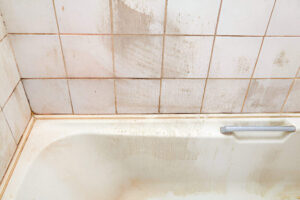
Remove Soap Scum
Soap residue traps moisture and provides nutrients for mold.
Eliminate Mineral Deposits
Hard water buildup can create surfaces where mold thrives.
Clean Frequently
Routine maintenance prevents small problems from becoming major issues.
Focus on High-Risk Areas
Prioritize:
- Grout lines
- Caulking
- Corners
- Shower door tracks
A thorough cleaning schedule is a key aspect of how to prevent shower mold.
How to Prevent Shower Mold in Grout Lines
Grout requires special attention because of its porous nature.
Keep Grout Clean
Regular cleaning removes contaminants before mold develops.
Repair Cracked Grout
Cracks allow moisture to penetrate beneath surfaces.
Schedule Professional Grout Cleaning
Deep cleaning removes embedded dirt and mold spores.
Seal Grout Properly
Grout sealing is one of the most effective methods for how to prevent shower mold.
Why Grout Sealing Helps Prevent Mold
Grout sealing creates a protective barrier.
Reduced Moisture Absorption
Sealed grout absorbs less water.
Improved Stain Resistance
Sealers help prevent discoloration.
Easier Maintenance
Protected grout is easier to clean.
Extended Lifespan
Sealing helps preserve grout integrity.
Professional grout sealing is often recommended by experts discussing how to prevent shower mold.
How to Prevent Shower Mold in Caulking
Caulking often becomes a mold hotspot.
Inspect Caulking Regularly
Look for:
- Discoloration
- Cracking
- Separation
Replace Damaged Caulking
Worn caulking should be replaced promptly.
Maintain Clean Surfaces
Keeping caulking clean discourages mold development.
Consider Professional Silicone Replacement
Professionally installed silicone provides improved durability and protection.
Shower Cleaning Habits That Prevent Mold
Small daily habits can have a significant impact.
Rinse Surfaces After Use
Rinsing helps remove soap residue.
Remove Standing Water
Standing water creates ideal mold conditions.
Clean Weekly
Weekly cleaning helps prevent buildup.
Address Spills Promptly
Shampoo, soap, and body wash residue should not be allowed to accumulate.
These habits support long-term success in how to prevent shower mold.
Choosing Proper Cleaning Products
Not all cleaning products are equally effective.
Avoid Harsh Chemicals
Some products may damage grout or natural stone.
Use Surface-Appropriate Cleaners
Different materials require different cleaning methods.
Follow Manufacturer Recommendations
Proper usage improves results and reduces damage risks.
How to Prevent Shower Mold in Natural Stone Showers
Natural stone showers require specialized care.
Marble
Marble is sensitive to acidic cleaners.
Travertine
Travertine’s porous structure requires regular sealing.
Limestone
Limestone absorbs moisture easily.
Slate
Slate benefits from periodic sealing and maintenance.
Professional maintenance is especially important when learning how to prevent shower mold in natural stone installations.
Identifying Early Signs of Mold
Early detection allows faster intervention.
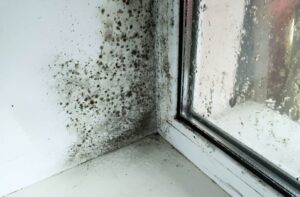
Dark Spots
Small dark spots often represent early mold growth.
Musty Odors
Persistent odors may indicate hidden mold.
Discoloration
Yellow, black, green, or brown staining deserves attention.
Surface Changes
Mold may appear fuzzy, slimy, or textured.
Recognizing these signs helps support efforts related to how to prevent shower mold.
How Humidity Affects Mold Growth
Humidity control is essential.
Monitor Bathroom Humidity
High humidity encourages mold development.
Reduce Steam Accumulation
Ventilation helps minimize moisture levels.
Improve Air Exchange
Fresh airflow accelerates drying.
Controlling humidity is central to understanding how to prevent shower mold.
Common Mistakes That Encourage Mold Growth
Many homeowners unintentionally create favorable conditions for mold.
Leaving Wet Towels in Bathrooms
Wet fabrics increase humidity.
Ignoring Small Leaks
Even minor leaks contribute to moisture problems.
Delaying Repairs
Small issues often become larger problems.
Skipping Maintenance
Inconsistent cleaning allows mold to establish itself.
Avoiding these mistakes improves results when learning how to prevent shower mold.
Professional Shower Restoration Services
Sometimes professional intervention becomes necessary.
Deep Cleaning
Professional cleaning reaches areas routine maintenance may miss.
Grout Restoration
Damaged grout can be repaired or replaced.
Mold Removal
Professionals address contamination safely and effectively.
Silicone Replacement
New silicone improves moisture protection.
Professional services play an important role in comprehensive strategies for how to prevent shower mold.
Seasonal Mold Prevention Tips
Environmental changes affect bathroom conditions.
Winter
Closed windows and reduced airflow may increase humidity.
Spring
Moisture levels often rise during seasonal transitions.
Summer
Warm temperatures can accelerate mold growth.
Fall
Routine inspections help identify issues before winter arrives.
Seasonal awareness supports efforts focused on how to prevent shower mold.
Benefits of a Mold-Free Shower
Maintaining a mold-free shower offers numerous advantages.
Improved Appearance
Clean surfaces create a more attractive bathroom.
Better Hygiene
Reduced mold supports cleaner living conditions.
Lower Maintenance Costs
Preventive care minimizes expensive repairs.
Extended Surface Lifespan
Protected tile and grout last longer.
Greater Comfort
A clean shower improves daily enjoyment and peace of mind.
Why Homeowners Choose KK Cleaning and Restoration
KK Cleaning and Restoration helps homeowners throughout Toronto maintain healthier, cleaner bathrooms.
Services include:
- Tile cleaning
- Grout cleaning
- Grout sealing
- Regrouting
- Shower restoration
- Silicone replacement
- Caulking replacement
- Mold-related cleaning services
- Natural stone maintenance
Their experienced team understands the challenges homeowners face when learning how to prevent shower mold and provides solutions tailored to each property.
Long-Term Maintenance Strategies
Successful mold prevention requires consistency.
Create a Cleaning Schedule
Regular maintenance reduces risk.
Inspect Bathrooms Monthly
Early detection prevents larger problems.
Maintain Ventilation Systems
Fans should remain functional and clean.
Schedule Professional Services
Periodic professional cleaning helps preserve results.
Monitor Moisture Levels
Keeping surfaces dry remains a top priority.
Following these strategies ensures long-term success in how to prevent shower mold.
Conclusion
Understanding how to prevent shower mold is one of the most valuable steps homeowners can take to protect their bathrooms. Mold thrives in environments where moisture, humidity, organic residue, and poor ventilation combine. Fortunately, consistent maintenance, effective ventilation, routine cleaning, grout sealing, caulking inspections, and moisture control can dramatically reduce the risk of mold development.
From daily habits such as wiping down surfaces and using exhaust fans to professional services like grout restoration and shower sealing, every preventive measure contributes to a cleaner and healthier bathroom. By implementing proven strategies for how to prevent shower mold, homeowners can preserve the beauty of their tile surfaces, improve hygiene, reduce repair costs, and extend the lifespan of their shower installations.
KK Cleaning and Restoration provides professional shower restoration, grout cleaning, grout sealing, tile maintenance, and mold-prevention solutions throughout Toronto. With proper care and ongoing maintenance, homeowners can successfully prevent mold growth and enjoy cleaner, healthier showers for years to come.
Contact us now:
 Call us now at +16479163093
 Email: info@kkcleaningandrestoration.ca
 Visit: https://kkcleaningandrestoration.ca/
How to Prevent Shower Mold – Detailed FAQs
1. What causes mold to grow in a shower?
Mold grows in showers because they provide the perfect combination of moisture, warmth, and limited airflow. Every shower creates humidity and leaves water on surfaces, which allows mold spores to settle and multiply. Soap residue, body oils, and dirt also provide a food source for mold. Without proper cleaning and ventilation, mold can develop quickly and spread throughout the shower area.
2. Why is shower mold so common in bathrooms?
Bathrooms are naturally humid environments due to frequent showering and bathing. Steam accumulates on walls, ceilings, grout lines, and fixtures, creating ideal conditions for mold growth. Many bathrooms also lack sufficient ventilation, which prevents moisture from drying quickly. This combination of humidity and trapped moisture makes bathrooms particularly vulnerable to mold.
3. Is shower mold harmful?
Shower mold can negatively impact both the appearance and condition of a bathroom. It can cause unpleasant odors, discoloration, and deterioration of grout and caulking materials. Some individuals may also experience irritation when exposed to mold for extended periods. Addressing mold promptly helps maintain a cleaner and healthier bathroom environment.
4. How can I prevent shower mold from forming?
The best way to prevent shower mold is to control moisture and humidity. Regular cleaning, proper ventilation, wiping down surfaces after use, and repairing damaged grout or caulking can significantly reduce mold growth. Consistent maintenance is essential because mold thrives when moisture remains on surfaces. A proactive approach is always more effective than dealing with extensive mold later.
5. Does using an exhaust fan help prevent shower mold?
Yes, an exhaust fan is one of the most effective tools for reducing moisture levels in a bathroom. It removes humid air generated during showering and improves overall airflow. Running the fan during and after showers helps surfaces dry faster. This significantly reduces the conditions that allow mold to grow.
6. How long should I run the bathroom fan after showering?
Many professionals recommend running the exhaust fan for at least 20 to 30 minutes after showering. This allows excess humidity to be removed from the room effectively. Larger bathrooms or bathrooms with poor ventilation may require longer operation. Consistent fan use is an important part of mold prevention.
7. Can opening a window help prevent shower mold?
Opening a window can improve ventilation and reduce humidity levels in the bathroom. Fresh air helps remove moisture that would otherwise remain trapped inside. This additional airflow accelerates drying and discourages mold growth. Whenever weather and conditions permit, opening a window can be beneficial.
8. Why is moisture control important for preventing mold?
Moisture is the primary requirement for mold growth. Without sufficient moisture, mold spores cannot establish colonies and spread. Controlling moisture helps eliminate the conditions mold needs to survive. Dry surfaces and proper ventilation are key elements of an effective mold prevention strategy.
9. Should I wipe down shower walls after each use?
Yes, wiping down shower walls helps remove excess water before it can accumulate. This simple habit significantly reduces moisture levels on tile and grout surfaces. It also minimizes soap scum buildup, which can contribute to mold growth. Consistent wiping can greatly improve long-term shower maintenance.
10. Is using a squeegee effective for mold prevention?
A squeegee is a highly effective tool for removing water from shower walls and doors. By eliminating standing water, it helps surfaces dry more quickly. This reduces the amount of moisture available for mold growth. Many homeowners find that daily squeegee use significantly reduces maintenance requirements.
11. Why does mold often appear in grout lines?
Grout is porous and absorbs moisture more readily than tile surfaces. Water, soap residue, and dirt can become trapped within grout, creating favorable conditions for mold. Because grout dries more slowly than tile, it remains vulnerable for longer periods. Proper cleaning and sealing help reduce this risk.
12. What is grout sealing and how does it help?
Grout sealing involves applying a protective barrier that helps reduce water absorption and staining. Sealed grout is less likely to retain moisture, making it harder for mold to develop. It also makes routine cleaning easier and more effective. Professional sealing is often recommended for bathrooms and showers.
13. How often should grout be sealed?
The ideal sealing schedule depends on usage, moisture exposure, and the type of sealer applied. High-moisture environments such as showers may require more frequent evaluations. Regular inspections help determine when resealing is needed. Proper maintenance helps maximize the effectiveness of grout protection.
14. Can cracked grout cause mold problems?
Yes, cracked grout can allow moisture to penetrate beneath tile surfaces. This trapped moisture creates ideal conditions for mold growth behind walls and beneath flooring. Cracked grout should be repaired as soon as possible to prevent further damage. Prompt repairs also help maintain the waterproof integrity of the installation.
15. Why does mold grow on shower caulking?
Caulking is frequently exposed to moisture and often remains damp for extended periods. Soap residue and dirt can accumulate on its surface, providing nutrients for mold. Over time, deteriorated caulking becomes even more vulnerable to mold growth. Regular cleaning and replacement help maintain protection.
16. When should shower caulking be replaced?
Caulking should be replaced when it becomes cracked, discolored, separated, or damaged. These issues can allow moisture to penetrate areas that should remain sealed. Replacing deteriorated caulking helps restore waterproof protection. Professional silicone replacement often provides the best long-term results.
17. Can mold grow behind shower tiles?
Yes, mold can develop behind shower tiles if moisture penetrates through damaged grout, cracked caulking, or waterproofing failures. Hidden mold growth can continue undetected for extended periods. This may eventually lead to more extensive restoration needs. Early maintenance and inspections help prevent these situations.
18. What are the first signs of shower mold?
Early signs often include small dark spots, discoloration, musty odors, or visible growth on grout and caulking. Some mold may initially appear as tiny specks that gradually spread. Identifying these signs early allows for quicker intervention. Prompt action helps prevent larger mold problems.
19. Why does shower mold keep coming back?
Recurring mold usually indicates an underlying moisture problem. Poor ventilation, damaged grout, deteriorated caulking, or hidden leaks may be contributing factors. Simply cleaning visible mold may not address the root cause. A comprehensive approach is often needed for long-term prevention.
20. Can hard water contribute to mold growth?
Hard water itself does not cause mold, but mineral deposits can trap moisture and soap residue. These conditions can create a more favorable environment for mold development. Hard water buildup also makes cleaning more difficult. Regular cleaning helps minimize these effects.
21. Does soap scum contribute to shower mold?
Yes, soap scum can trap moisture and organic material on shower surfaces. This buildup creates an environment where mold spores can thrive. Regular removal of soap residue reduces mold risks significantly. Consistent cleaning is an important preventive measure.
22. How often should I clean my shower to prevent mold?
Routine cleaning on a weekly basis is generally recommended for most households. High-use showers may benefit from more frequent attention. Regular cleaning removes moisture, residue, and contaminants before mold can establish itself. Consistency is more important than occasional deep cleaning.
23. Can mold damage grout?
Yes, mold can contribute to grout deterioration over time. Moisture and contamination can weaken grout and make it more vulnerable to cracking and discoloration. Damaged grout may then allow additional moisture penetration. Proper maintenance helps preserve grout integrity.
24. Can mold damage tile surfaces?
While many tiles are resistant to mold damage, mold can affect their appearance and surrounding materials. The greatest concern is often the grout and caulking rather than the tile itself. Mold may also stain certain porous surfaces. Addressing mold promptly helps prevent long-term issues.
25. Why is ventilation so important in bathrooms?
Ventilation helps remove humid air and promotes faster drying of surfaces. Without proper airflow, moisture remains trapped in the bathroom for extended periods. This creates ideal conditions for mold growth. Effective ventilation is one of the most important components of mold prevention.
26. Does bathroom size affect mold growth?
Smaller bathrooms may experience faster humidity buildup because there is less air volume to absorb moisture. Limited airflow can also contribute to prolonged dampness. However, mold can develop in bathrooms of any size if conditions are favorable. Proper ventilation remains essential regardless of bathroom dimensions.
27. Can natural stone showers develop mold?
Yes, natural stone showers can experience mold growth if moisture is not properly controlled. Many natural stones are porous and require sealing to reduce water absorption. Regular maintenance is particularly important for these materials. Professional care helps preserve both appearance and durability.
28. Is professional grout cleaning beneficial for mold prevention?
Professional grout cleaning removes deeply embedded contaminants that routine cleaning may miss. This includes dirt, residue, and mold spores trapped within grout lines. Deep cleaning improves both appearance and hygiene. It also prepares grout for effective sealing.
29. What role does professional grout sealing play in mold prevention?
Professional grout sealing helps reduce moisture penetration and staining. Sealed grout remains cleaner and dries more efficiently than unsealed grout. This makes it more difficult for mold to establish itself. Sealing is a valuable part of long-term shower maintenance.
30. Can shower doors contribute to mold growth?
Yes, shower doors and tracks often collect standing water, soap residue, and mineral deposits. These areas can remain damp long after shower use. Regular cleaning and drying help minimize mold risks. Tracks should receive special attention during maintenance.
31. Why do shower corners often develop mold first?
Corners tend to trap moisture and experience reduced airflow compared to open surfaces. Water can collect in these areas, creating ideal conditions for mold growth. Soap residue may also accumulate more easily in corners. Regular inspection and cleaning help address these vulnerable locations.
32. Can leaks increase mold risks?
Absolutely. Even small leaks provide a continuous source of moisture that encourages mold development. Leaks behind walls or beneath shower surfaces can be especially problematic because they often go unnoticed. Prompt leak repairs are essential for preventing mold-related damage.
33. How can I reduce bathroom humidity levels?
Using exhaust fans, opening windows, improving airflow, and wiping down surfaces all help reduce humidity. Limiting moisture accumulation after showers is particularly important. Consistent moisture management makes the environment less favorable for mold. Humidity control is a cornerstone of mold prevention.
34. Are mold-resistant products effective?
Mold-resistant products can provide additional protection when used correctly. Mold-resistant grout, caulking, and sealers help reduce the likelihood of growth. However, they are not substitutes for proper cleaning and maintenance. Regular care remains essential even when using these products.
35. What should I do if mold keeps returning despite cleaning?
Persistent mold often indicates a deeper issue such as hidden moisture, poor ventilation, damaged grout, or deteriorated caulking. Professional inspection may be necessary to identify the root cause. Addressing the underlying problem is essential for long-term success. Simply cleaning visible mold may not be enough.
36. Can professional shower restoration help prevent mold?
Yes, professional shower restoration addresses many of the conditions that contribute to mold growth. Services may include grout repair, grout sealing, deep cleaning, silicone replacement, and moisture-related repairs. Restoration helps improve both appearance and functionality. It is often an effective solution for recurring mold issues.
37. Why is routine maintenance important for mold prevention?
Routine maintenance helps identify and address small issues before they become major problems. Regular cleaning, inspections, and repairs reduce moisture accumulation and contamination. Preventive care is typically more affordable than extensive restoration. Consistency is the key to long-term mold control.
38. What are the benefits of maintaining a mold-free shower?
A mold-free shower looks cleaner, smells fresher, and requires less intensive maintenance. It also helps protect tile, grout, and caulking from premature deterioration. Maintaining a clean shower contributes to overall bathroom hygiene. It can also help preserve property value and appearance.
39. What services does KK Cleaning and Restoration offer for mold prevention?
KK Cleaning and Restoration provides grout cleaning, grout sealing, regrouting, shower restoration, tile cleaning, silicone replacement, caulking replacement, and related maintenance services. These services help reduce moisture-related issues and improve the condition of shower surfaces. Professional restoration can address both visible problems and underlying causes. Their solutions are designed to support long-term mold prevention.
40. Why choose KK Cleaning and Restoration for shower mold prevention services?
KK Cleaning and Restoration combines professional expertise, specialized equipment, and proven restoration techniques to help homeowners maintain healthier bathrooms. Their team understands the factors that contribute to mold growth and develops customized solutions for each project. From grout restoration to shower maintenance, they focus on long-term protection and performance. Their commitment to quality workmanship makes them a trusted choice for shower mold prevention and restoration services in Toronto.
Contact us now:
Call us now at +16479163093
Email: info@kkcleaningandrestoration.ca
Visit: https://kkcleaningandrestoration.ca/