Tile and Grout Care Guide: A Complete Resource by KK Cleaning and Restoration
Introduction: Tile and Grout Care Guide
Tile and Grout Care Guide: Tile flooring and tiled surfaces are among the most attractive and durable features found in modern homes and commercial spaces. Whether installed in kitchens, bathrooms, hallways, entryways, laundry rooms, or commercial facilities, tile provides a timeless appearance while offering excellent resistance to moisture and daily wear. However, even the highest-quality tile requires consistent maintenance to preserve its beauty and longevity. A comprehensive tile and grout care guide helps property owners understand the best practices for cleaning, protecting, and maintaining tile surfaces throughout the year.
At KK Cleaning and Restoration, years of experience have shown that routine care plays a significant role in extending the life of tile installations. This tile and grout care guide explains how proper maintenance, professional cleaning, grout protection, and preventive care work together to keep floors and walls looking their best while reducing long-term repair costs.
Why Every Property Needs a Tile and Grout Care Guide
Many homeowners assume tile is maintenance-free because of its durability. While tile itself is highly resilient, grout is naturally porous and can absorb dirt, moisture, grease, and bacteria over time. Without regular attention, grout begins to discolor, stains become difficult to remove, and the entire tiled area can appear older than it actually is.
A well-planned tile and grout care guide provides homeowners with practical strategies to prevent these problems before they become costly. Instead of waiting until grout is permanently stained or cracked, preventive maintenance preserves the original appearance of tiled surfaces while protecting the structural integrity of the installation. Investing time in proper care today often eliminates the need for extensive restoration later.
Understanding Tile and Grout
Before applying any maintenance routine, it is important to understand the differences between tile and grout.
Tiles are manufactured from materials such as ceramic, porcelain, marble, slate, limestone, travertine, and other natural stones. These materials offer varying levels of hardness, porosity, and chemical resistance. Grout, on the other hand, fills the joints between tiles and stabilizes the installation. Because grout is more porous than tile, it requires greater attention during cleaning and maintenance.
A complete tile and grout care guide always emphasizes caring for grout as carefully as the tile itself because damaged grout can eventually affect the stability and appearance of the entire surface.

Daily Maintenance Practices
Daily maintenance is the foundation of every effective tile and grout care guide. Simple routines prevent dirt from accumulating and reduce the amount of deep cleaning required later.
Sweeping or vacuuming removes loose dust, sand, and debris before they scratch tile surfaces or settle into grout lines. In high-traffic areas, this should be done regularly to minimize abrasive wear. Damp mopping with a suitable cleaner helps remove light dirt without leaving residue behind.
Bathrooms benefit from an additional step. Wiping down shower walls, tiles, and grout after use minimizes moisture buildup, reducing the likelihood of mold and mildew growth. These small habits take only a few minutes but provide lasting benefits.
Weekly Cleaning Techniques
Routine weekly cleaning helps maintain the appearance of tiled surfaces while preventing stubborn stains from developing. A quality tile and grout care guide recommends using cleaners designed specifically for the tile material being maintained.
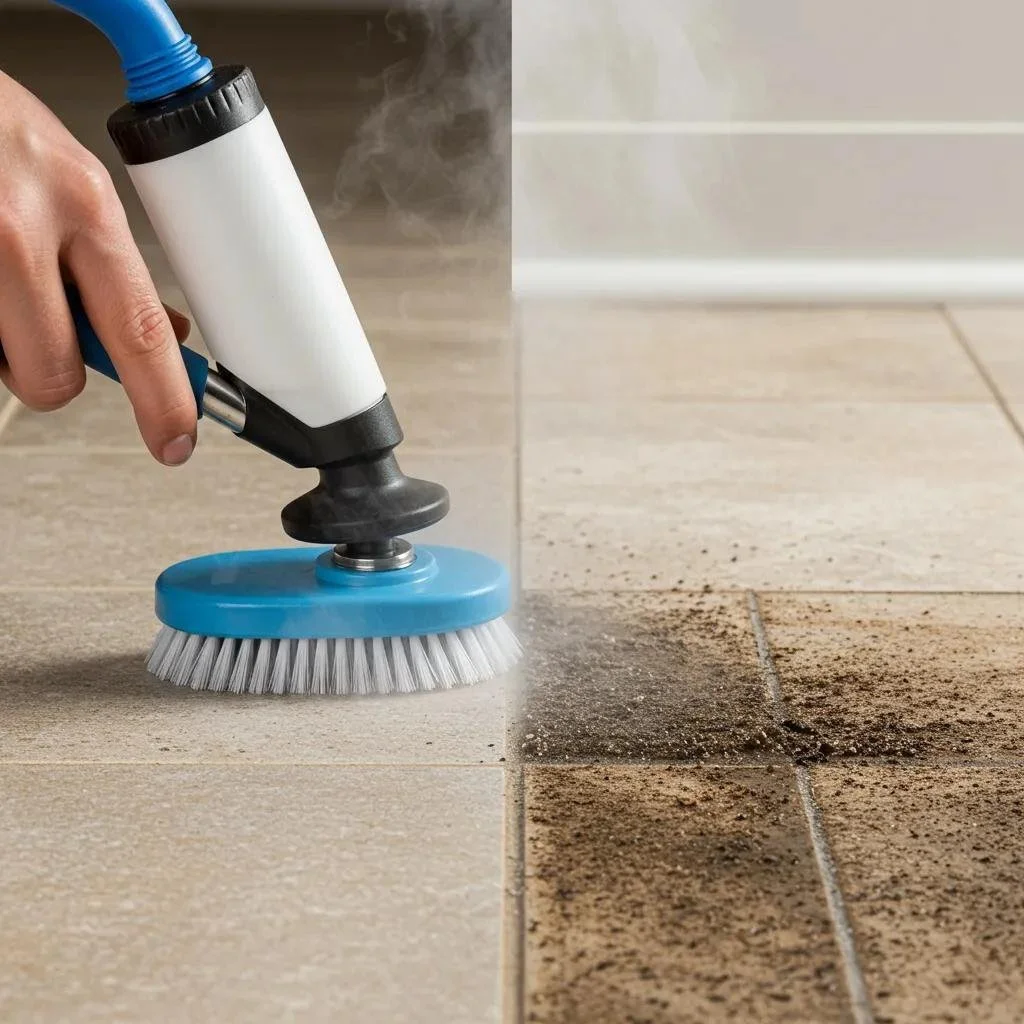
Cleaning should begin by removing loose debris before applying an appropriate cleaning solution. Allowing the cleaner to remain on the surface briefly helps loosen embedded dirt. Soft brushes are effective for cleaning grout without causing unnecessary wear.
Regular weekly maintenance also provides an opportunity to inspect grout joints for discoloration, cracks, or signs of deterioration. Identifying these issues early allows repairs before more significant damage occurs.
Why Grout Requires Extra Attention
Grout is often the first part of a tiled surface to show signs of aging. Because it is porous, grout absorbs moisture, oils, soap residue, cooking grease, and contaminants from daily use. Over time, this accumulation changes its color and weakens its structure.
Every professional tile and grout care guide stresses that ignoring grout maintenance can shorten the lifespan of an otherwise excellent tile installation. Clean grout not only improves appearance but also helps prevent moisture penetration beneath the tile surface.
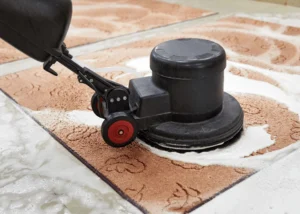
Professional grout cleaning removes deeply embedded contaminants that routine household cleaning may leave behind. Restoring grout often transforms the appearance of an entire room without replacing the tile itself.
The Importance of Grout Sealing
One of the most valuable recommendations found in any tile and grout care guide is sealing grout after cleaning or installation. A quality sealer creates a protective barrier that reduces moisture absorption and helps resist staining.
Sealed grout is easier to clean because dirt remains closer to the surface rather than penetrating deeply into the material. It also helps reduce mold and mildew development in moisture-prone environments such as showers, bathrooms, and laundry rooms.
Although sealers gradually wear with time, periodic reapplication maintains protection and extends grout life. Professional application ensures even coverage and optimal performance.
Caring for Different Tile Materials
Not every tile requires identical maintenance. Ceramic and porcelain tiles are relatively low maintenance, making them suitable for busy households. Their dense surfaces resist staining and require only routine cleaning to maintain their appearance.
Natural stone materials require greater care because they are generally more porous. Marble, limestone, travertine, and slate may react differently to certain cleaning products, making proper product selection especially important. Regular sealing helps preserve these surfaces and minimizes moisture penetration.
Understanding the characteristics of each material is an essential part of any tile and grout care guide, ensuring homeowners use maintenance methods appropriate for their specific installation.
Preventing Common Tile and Grout Problems
Many expensive repairs begin with small maintenance issues that go unnoticed. Preventive care greatly reduces these risks and extends the lifespan of tiled surfaces.
Moisture should never be allowed to remain on tile or grout for prolonged periods, particularly in showers and bathrooms. Repairing cracked grout promptly prevents water from reaching the underlying substrate. Entrance mats reduce the amount of abrasive dirt tracked indoors, while furniture protectors help prevent scratches on tiled floors.
Routine inspections allow homeowners to identify loose tiles, deteriorating grout, damaged caulking, or early signs of staining before they become larger restoration projects. A proactive tile and grout care guide focuses on prevention rather than repair.
When Professional Tile and Grout Cleaning Is Necessary
Despite consistent maintenance, tile and grout eventually require professional attention. High-traffic areas accumulate deeply embedded dirt that ordinary household equipment cannot fully remove. Kitchens develop grease buildup, while bathrooms often experience soap residue, hard water deposits, and mold.
Professional cleaning utilizes specialized equipment and techniques designed to restore tile and grout safely and effectively. Deep cleaning removes contaminants trapped beneath the surface, significantly improving appearance while preparing grout for sealing if needed.
Professional services also include detailed inspections that identify hidden issues requiring repair. Addressing these concerns early helps avoid more extensive restoration work in the future.
Long-Term Benefits of Proper Tile and Grout Care
Following a consistent tile and grout care guide offers advantages that extend beyond appearance. Well-maintained tile surfaces remain cleaner, last longer, and require fewer costly repairs over their lifetime.
Regular cleaning preserves the original color of grout, reduces staining, and minimizes the development of mold and mildew. Sealed grout improves moisture resistance, while routine inspections help identify problems before they affect surrounding materials.
Maintained tile floors also contribute positively to the overall appearance of a home or commercial property. Clean tile creates a welcoming environment and reflects careful property maintenance.
Why Choose KK Cleaning and Restoration
Maintaining tile and grout requires knowledge, experience, and proper techniques. KK Cleaning and Restoration provides professional services designed to restore, protect, and extend the life of tiled surfaces throughout Toronto. Their expertise includes deep tile cleaning, grout cleaning, grout restoration, grout sealing, regrouting, shower restoration, natural stone maintenance, and tile protection.
Every project begins with a careful assessment of the tile material, grout condition, and maintenance requirements. Customized solutions ensure each surface receives appropriate treatment while minimizing unnecessary wear. Professional equipment allows the removal of embedded contaminants that routine household cleaning cannot eliminate.
Whether maintaining residential kitchens, luxury bathrooms, commercial flooring, or natural stone installations, KK Cleaning and Restoration emphasizes quality workmanship and long-term protection. Their experience helps property owners preserve both the appearance and value of their investments through effective maintenance and restoration practices.
Creating a Maintenance Schedule That Works
An effective tile and grout care guide is most successful when incorporated into a realistic maintenance schedule. Daily removal of loose debris, weekly cleaning, monthly inspections, and periodic professional maintenance work together to preserve tile surfaces throughout the year.
High-traffic areas may require more frequent attention than guest bathrooms or rarely used spaces. Seasonal deep cleaning helps remove accumulated dirt while allowing time to inspect grout, caulking, and sealant performance. By combining consistent home maintenance with professional care when necessary, homeowners can significantly extend the lifespan of their tile installations.
Creating a schedule also makes maintenance more manageable. Instead of waiting until discoloration or damage becomes obvious, regular care addresses minor concerns before they develop into expensive restoration projects. Preventive maintenance consistently proves more economical than major repairs or tile replacement.
Conclusion
A comprehensive tile and grout care guide is essential for anyone who wants to preserve the beauty, durability, and value of tiled surfaces. While tile is known for its strength and longevity, grout requires ongoing attention to remain clean, attractive, and structurally sound. Consistent cleaning, moisture control, grout sealing, prompt repairs, and periodic professional maintenance all contribute to long-lasting results.
Understanding the unique needs of different tile materials allows homeowners to choose appropriate cleaning methods while avoiding unnecessary damage. Regular inspections help identify small issues before they become larger concerns, while professional restoration services restore heavily soiled or aging surfaces to a much higher standard than routine cleaning alone can achieve.
KK Cleaning and Restoration remains committed to helping homeowners and businesses maintain beautiful tile installations through expert cleaning, restoration, sealing, and maintenance services. By following the recommendations outlined in this tile and grout care guide, property owners can protect their investment, improve the appearance of their interiors, reduce long-term maintenance costs, and enjoy clean, durable tile surfaces for many years to come.
Contact us now:
 Call us now at +16479163093
 Email: info@kkcleaningandrestoration.ca
 Visit: https://kkcleaningandrestoration.ca/
Tile and Grout Care Guide – Detailed FAQs
1. What is a tile and grout care guide?
A tile and grout care guide is a comprehensive resource that explains how to properly clean, maintain, protect, and extend the lifespan of tile and grout surfaces. It covers routine cleaning, stain prevention, sealing, and restoration practices for different tile materials. Following a proper care guide helps preserve the appearance and durability of tiled areas. It also reduces the likelihood of costly repairs and replacements over time.
2. Why is tile and grout maintenance important?
Tile and grout maintenance keeps surfaces clean, hygienic, and visually appealing while preventing long-term damage. Dirt, moisture, grease, and bacteria can accumulate in grout lines if they are not cleaned regularly. Proper maintenance also helps prevent discoloration, mold growth, and grout deterioration. Consistent care extends the life of your flooring and walls while protecting your investment.
3. How often should tile floors be cleaned?
Tile floors should be swept or vacuumed several times a week to remove loose dirt and debris. Damp mopping should be performed regularly depending on foot traffic and usage. High-traffic areas such as kitchens and entryways may require more frequent cleaning than bedrooms or guest bathrooms. Establishing a consistent cleaning schedule helps prevent dirt buildup and keeps tile looking its best.
4. Why does grout become dirty faster than tile?
Grout is naturally porous, allowing it to absorb moisture, dirt, grease, and spills much more easily than tile. Even with routine cleaning, contaminants can penetrate beneath the surface of unsealed grout. Over time, this causes discoloration and staining that ordinary mopping cannot remove. Proper grout cleaning and sealing help reduce these issues.
5. What is the best way to clean grout?
Grout should be cleaned using products specifically designed for grout and tile surfaces. Gentle scrubbing with a soft brush helps remove embedded dirt without damaging the grout. Avoid overly abrasive tools that may wear down grout joints over time. Professional deep cleaning may be necessary for heavily stained grout.
6. What causes grout discoloration?
Grout discoloration is usually caused by accumulated dirt, grease, soap residue, hard water minerals, mold, mildew, and spills. In kitchens, cooking oils and food particles often contribute to staining. In bathrooms, moisture and soap scum are common causes. Regular cleaning helps minimize discoloration before it becomes permanent.
7. What is grout sealing?
Grout sealing involves applying a protective coating that helps reduce moisture absorption and staining. The sealer creates a barrier that prevents contaminants from penetrating deep into the grout. This makes routine cleaning easier and helps preserve the grout’s original appearance. Sealing also extends the lifespan of grout by reducing wear.
8. Why is grout sealing important?
Grout sealing protects one of the most vulnerable parts of any tile installation. Without protection, grout can absorb water, dirt, bacteria, and stains that become increasingly difficult to remove. Sealing also helps reduce mold and mildew growth in damp environments. It is one of the most effective preventive maintenance steps homeowners can take.
9. How often should grout be sealed?
The frequency depends on traffic levels, moisture exposure, and the type of sealer used. Bathrooms, showers, and kitchens generally require more frequent inspections because they experience higher moisture levels. A professional can determine when resealing is needed based on the grout’s condition. Regular evaluations help maintain continuous protection.
10. Can tile crack over time?
Yes. Tile can crack due to heavy impacts, foundation movement, improper installation, or excessive weight. Cracked tiles should be inspected promptly to determine whether underlying issues are contributing to the damage. Early repairs help prevent moisture infiltration and additional deterioration. Ignoring cracked tiles can eventually lead to larger restoration needs.
11. What causes grout to crack?
Grout may crack because of structural movement, settling, moisture damage, improper installation, or natural aging. Heavy traffic and temperature fluctuations can also contribute to cracking over time. Cracked grout allows moisture to penetrate beneath the tile surface. Timely repairs help maintain the integrity of the tiled installation.
12. Can cracked grout be repaired?
Yes. Cracked grout can often be repaired without replacing the surrounding tiles. Damaged sections are typically removed and replaced with fresh grout to restore strength and appearance. Professional repairs ensure proper adhesion and long-lasting performance. Addressing cracks early prevents more extensive problems.
13. What is regrouting?
Regrouting involves removing deteriorated grout and installing new grout between existing tiles. This process restores the appearance of tiled surfaces while improving moisture resistance and structural stability. Regrouting is often a cost-effective alternative to replacing the entire tile installation. It can dramatically improve the overall appearance of a room.
14. Is professional tile cleaning better than regular mopping?
Professional tile cleaning reaches deep into grout lines and textured tile surfaces where ordinary mopping cannot. Specialized equipment removes embedded dirt, grease, soap residue, and stains more effectively. Professional cleaning also prepares grout for sealing if needed. It helps restore the original appearance of tile installations.
15. Why do tile floors lose their shine?
Tile floors may lose their shine because of accumulated dirt, residue from cleaning products, hard water deposits, or surface wear. In many cases, the tile itself remains in good condition beneath the buildup. Professional cleaning can often restore much of the original appearance. Regular maintenance helps preserve the finish longer.
16. Can natural stone tiles be cleaned the same way as ceramic tiles?
No. Natural stone requires specialized cleaning methods because many stones are more porous and chemically sensitive than ceramic tile. Using inappropriate products may damage the stone surface or dull its finish. Stone-specific maintenance helps preserve both appearance and durability. Professional guidance is recommended for natural stone care.
17. Why should acidic cleaners be avoided on natural stone?
Acidic cleaners can etch or permanently damage many natural stone surfaces such as marble, limestone, and travertine. These cleaners may dull the finish and weaken the stone over time. Gentle pH-balanced products are generally recommended instead. Proper product selection is an important part of stone maintenance.
18. How can mold develop in grout?
Mold develops when moisture remains trapped in porous grout for extended periods. Bathrooms and showers are especially vulnerable because of frequent humidity and water exposure. Soap residue and organic matter provide nutrients for mold growth. Good ventilation and regular cleaning help reduce this risk.
19. Why is ventilation important for tile maintenance?
Proper ventilation helps remove excess moisture that can damage grout and encourage mold growth. Dry surfaces remain cleaner and experience fewer moisture-related issues. Bathrooms benefit significantly from exhaust fans and improved airflow. Effective ventilation supports long-term tile preservation.
20. How can homeowners prevent grout stains?
Routine cleaning, prompt spill removal, and professional grout sealing are among the most effective stain prevention methods. Avoid allowing dirt and liquids to remain on grout for long periods. Entrance mats can also reduce dirt tracked indoors. Preventive maintenance keeps grout cleaner for longer.
21. Does sweeping really help protect tile floors?
Yes. Loose dirt and sand can act like abrasives that gradually scratch tile surfaces. Regular sweeping removes these particles before they cause unnecessary wear. It also prevents dirt from settling into grout joints. Frequent sweeping is one of the simplest maintenance practices.
22. Should spills be cleaned immediately?
Yes. Prompt spill cleanup reduces staining and prevents liquids from penetrating grout. Certain substances may become more difficult to remove if allowed to dry. Immediate attention also minimizes moisture exposure. Fast cleanup supports long-term surface protection.
23. Why do kitchen tiles require special attention?
Kitchen floors are exposed to grease, food particles, cooking oils, and frequent foot traffic. These contaminants accumulate quickly and may penetrate grout if not removed. Routine cleaning prevents buildup from becoming permanent. Deep cleaning periodically restores the appearance of heavily used kitchen tile.
24. What maintenance do bathroom tiles require?
Bathroom tile maintenance focuses on moisture control, soap residue removal, mold prevention, and grout protection. Regular wiping of shower walls helps reduce water accumulation. Ventilation plays an important role in keeping surfaces dry. Professional grout sealing provides additional moisture resistance.
25. Can tile restoration improve old floors?
Yes. Professional tile restoration often removes years of dirt, stains, and discoloration. Services such as grout cleaning, regrouting, sealing, and polishing can dramatically improve appearance. Restoration is often more economical than complete replacement. Many older floors regain much of their original beauty.
26. What are signs that professional tile cleaning is needed?
Persistent discoloration, stained grout, mold, unpleasant odors, dull tile surfaces, and embedded dirt are common indicators. If regular cleaning no longer improves appearance, professional services may be beneficial. Deep cleaning removes contaminants beyond the reach of standard household methods. Early restoration helps prevent permanent damage.
27. Can grout become permanently stained?
Yes. If stains remain untreated for extended periods, they may penetrate deeply into porous grout. Professional cleaning can often improve heavily stained grout, although severe cases may require regrouting. Preventive maintenance significantly reduces the likelihood of permanent staining. Grout sealing also offers valuable protection.
28. What role does moisture play in grout damage?
Moisture weakens grout over time and encourages mold, mildew, and bacterial growth. Water infiltration may eventually affect the underlying structure beneath the tile. Keeping grout dry whenever possible helps preserve its strength. Moisture management is an essential part of tile care.
29. How does professional grout sealing improve maintenance?
Professional sealing reduces the amount of dirt and moisture absorbed by grout. This makes routine cleaning faster and more effective. Protected grout remains cleaner and resists staining better than unsealed grout. Sealing also helps extend the overall lifespan of grout.
30. Can tile maintenance increase property value?
Clean, well-maintained tile surfaces improve the appearance of kitchens, bathrooms, and living spaces. Attractive flooring creates a positive impression for visitors and potential buyers. Regular maintenance demonstrates that the property has been properly cared for. Well-maintained tile contributes to overall home value.
31. How often should tile surfaces be inspected?
Visual inspections every month help identify cracked grout, loose tiles, damaged caulking, or developing stains. Early detection allows minor problems to be repaired before they become expensive. Regular inspections also help determine when professional cleaning or sealing is needed. Preventive maintenance always provides better long-term results.
32. What are the benefits of professional grout restoration?
Professional grout restoration removes severe staining, repairs damaged grout, and restores uniform appearance. It also improves moisture resistance when combined with grout sealing. Restored grout enhances the overall appearance of tiled surfaces without requiring tile replacement. It is an effective solution for aging installations.
33. Can outdoor tile require different maintenance?
Yes. Outdoor tile is exposed to weather, temperature fluctuations, dirt, and moisture. Seasonal cleaning and inspections help maintain safety and appearance. Some outdoor materials also benefit from sealing. Proper maintenance extends the life of exterior tile installations.
34. What is the biggest mistake homeowners make with tile care?
One of the most common mistakes is waiting until grout becomes heavily stained before cleaning it. Delaying maintenance often allows dirt and moisture to penetrate deeper into grout. Ignoring small cracks can also lead to larger structural issues. Consistent preventive care is always more effective than reactive repairs.
35. Is preventive maintenance better than restoration?
Yes. Preventive maintenance helps preserve tile and grout before significant damage develops. Routine cleaning, sealing, and inspections minimize long-term repair costs. Restoration remains valuable when surfaces have already deteriorated, but prevention is generally more economical. Consistent care delivers the best long-term results.
36. Why should homeowners choose professional tile maintenance?
Professionals have specialized equipment, products, and experience that allow deeper cleaning and more effective restoration. They can identify hidden problems that homeowners may overlook. Professional maintenance also helps protect delicate tile materials from improper cleaning methods. Expert care extends the lifespan of tile installations.
37. What services does KK Cleaning and Restoration provide?
KK Cleaning and Restoration offers professional tile cleaning, grout cleaning, grout restoration, grout sealing, regrouting, shower restoration, natural stone maintenance, tile restoration, and silicone replacement services. Their solutions are customized to each property’s specific needs. They focus on restoring appearance while improving long-term durability. Professional workmanship helps protect valuable tile installations.
38. Why choose KK Cleaning and Restoration?
KK Cleaning and Restoration combines industry knowledge, specialized equipment, and proven restoration methods to deliver outstanding results. Their experienced team understands the unique requirements of ceramic, porcelain, and natural stone surfaces. They emphasize quality workmanship and long-term protection rather than temporary cosmetic improvements. Their commitment to customer satisfaction has made them a trusted choice for tile and grout restoration.
39. How can regular maintenance reduce future repair costs?
Routine maintenance prevents dirt buildup, moisture penetration, grout deterioration, and mold growth before they become major issues. Small repairs completed early are generally much less expensive than full restoration or replacement. Regular inspections also help identify hidden concerns before significant damage occurs. Preventive care saves both time and money over the life of the installation.
40. How can homeowners keep tile and grout looking new for years?
The best approach combines regular sweeping, routine mopping, prompt spill cleanup, moisture control, grout sealing, and periodic professional maintenance. Following a consistent tile and grout care routine preserves both appearance and structural integrity. Professional cleaning when needed helps remove deeply embedded contaminants that household cleaning cannot reach. With proper care and timely restoration, tile and grout can remain beautiful, durable, and functional for many years.
Contact us now:
Call us now at +16479163093
Email: info@kkcleaningandrestoration.ca
Visit: https://kkcleaningandrestoration.ca/