Licensed Tile Restoration Company: Why Professional Tile Restoration Matters with KK Cleaning and Restoration
Introduction: Licensed Tile Restoration Company
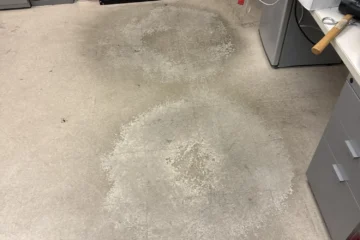
Licensed Tile Restoration Company: Tile surfaces are among the most durable and visually appealing features found in residential and commercial properties. From elegant natural stone floors and porcelain tiles to ceramic showers and decorative backsplashes, tile installations add beauty, value, and functionality to any space. However, even the highest-quality tile surfaces experience wear over time. Dirt accumulation, grout discoloration, moisture exposure, staining, cracks, and surface deterioration can all impact appearance and performance.
When tile surfaces begin showing signs of aging, property owners often face a critical decision: replace the tiles entirely or restore them professionally. In many cases, restoration provides a cost-effective solution that revitalizes the appearance and functionality of tiled surfaces without the expense and disruption of full replacement. Working with a licensed tile restoration company ensures the restoration process is completed properly, safely, and efficiently.
KK Cleaning and Restoration has built a reputation for delivering professional tile and grout restoration services throughout Toronto. As a trusted licensed tile restoration company, the team helps homeowners, businesses, property managers, and commercial facilities restore and protect their valuable tile surfaces.
Understanding Tile Restoration
Before selecting a licensed tile restoration company, it is important to understand what tile restoration involves.
Tile restoration is a specialized process designed to improve the appearance, durability, and cleanliness of existing tile installations. Rather than removing and replacing tiles, restoration focuses on repairing, cleaning, sealing, and rejuvenating the surfaces.
Restoration services may include:
- Tile cleaning
- Grout cleaning
- Grout sealing
- Regrouting
- Tile repair
- Natural stone restoration
- Caulking replacement
- Silicone replacement
- Stain removal
- Mold remediation
- Surface protection
A professional restoration project can dramatically improve the appearance of aging tile while extending its lifespan.
Why Choose a Licensed Tile Restoration Company?
Not all tile restoration providers offer the same level of expertise, professionalism, or quality.
Working with a licensed tile restoration company offers numerous advantages.
Professional Knowledge and Training
A licensed company typically possesses extensive experience working with different tile materials and restoration techniques.
This expertise includes:
- Ceramic tile restoration
- Porcelain tile restoration
- Marble restoration
- Travertine restoration
- Limestone restoration
- Slate restoration
- Grout restoration
Professional knowledge helps ensure appropriate treatment methods are selected for each surface.
Compliance with Industry Standards
A reputable licensed tile restoration company follows established industry standards and best practices.
Proper procedures help:
- Protect surfaces
- Improve durability
- Deliver consistent results
- Minimize risks
Adherence to professional standards provides greater confidence in the restoration outcome.
Reliable Service
Professional restoration companies prioritize customer satisfaction through:
- Accurate assessments
- Detailed recommendations
- Quality workmanship
- Transparent communication
Reliability is an important factor when investing in restoration services.
Common Problems That Require Tile Restoration
Tile surfaces face numerous challenges over time.
Grout Discoloration
One of the most common issues addressed by a licensed tile restoration company is grout discoloration.
Causes include:
- Dirt accumulation
- Mold growth
- Moisture exposure
- Cleaning product residue
Professional cleaning can restore much of the grout’s original appearance.
Stained Tile Surfaces
Tiles may develop stains from:
- Food spills
- Hard water deposits
- Soap scum
- Oils
- Chemicals
Specialized restoration methods help remove stubborn contaminants.
Cracked Grout
Cracked grout can compromise both appearance and functionality.
Damaged grout often allows:
- Moisture penetration
- Mold growth
- Tile instability
Professional repair protects the underlying structure.
Loose Tiles
Tile movement often indicates underlying problems.
A licensed tile restoration company can identify and correct the root causes.
Mold and Mildew
Bathrooms, showers, and moisture-prone areas frequently experience mold issues.
Professional restoration addresses contamination while improving surface protection.
Benefits of Professional Tile Restoration
Restoration offers numerous advantages compared to replacement.
Cost Savings
Replacing tile can be expensive due to:
- Demolition costs
- Material expenses
- Installation labor
- Disposal fees
Restoration often delivers impressive results at a fraction of the cost.
Faster Project Completion
A skilled licensed tile restoration company can often complete restoration projects much faster than full replacement.
Reduced downtime is particularly valuable for:
- Businesses
- Hotels
- Restaurants
- Multi-unit properties
Preservation of Existing Materials
Many properties feature high-quality tile materials that remain structurally sound.
Restoration allows property owners to preserve these surfaces while improving appearance.
Increased Property Value
Clean, attractive tile surfaces enhance:
- Visual appeal
- Marketability
- Property value
Well-maintained bathrooms, kitchens, and flooring make positive impressions.
Tile Materials Restored by a Licensed Tile Restoration Company
Different materials require different restoration approaches.
Ceramic Tile
Ceramic tile remains one of the most common residential flooring and wall materials.
Restoration services often include:
- Deep cleaning
- Grout repair
- Sealing
Porcelain Tile
Porcelain is highly durable but still benefits from professional maintenance.
A licensed tile restoration company helps preserve its appearance and longevity.
Natural Stone
Natural stone restoration requires specialized expertise.
Common materials include:
Marble
Marble offers timeless elegance but is vulnerable to:
- Etching
- Scratches
- Staining
Travertine
Travertine contains natural pores that require sealing and maintenance.
Limestone
Limestone is attractive but highly porous.
Professional restoration helps maintain its beauty.
Slate
Slate is durable but benefits from routine cleaning and sealing.
Tile Restoration for Bathrooms
Bathrooms are among the most common areas requiring restoration.
Shower Tile Restoration
Showers experience:
- Constant moisture
- Soap residue
- Mold growth
- Hard water deposits
A professional licensed tile restoration company addresses these challenges effectively.
Bathroom Floor Restoration
Bathroom floors encounter:
- Water exposure
- Foot traffic
- Cleaning chemical residue
Routine restoration helps preserve appearance and safety.
Grout Restoration
Restoring grout significantly improves the overall appearance of bathroom tile installations.
Tile Restoration for Kitchens
Kitchens experience unique maintenance challenges.
Floor Tile Restoration
Kitchen floors often accumulate:
- Dirt
- Grease
- Food spills
Professional cleaning restores appearance while improving hygiene.
Backsplash Restoration
Backsplashes may develop:
- Grease buildup
- Staining
- Grout discoloration
Restoration improves visual appeal and cleanliness.

Commercial Tile Restoration Services
Commercial properties often benefit greatly from professional restoration.
Restaurants
Restaurants require clean and attractive surfaces.
A licensed tile restoration company helps maintain professional appearances.
Hotels
Guest satisfaction often depends on cleanliness and presentation.
Tile restoration supports positive guest experiences.
Retail Spaces
Clean flooring contributes to a welcoming environment.
Healthcare Facilities
Healthcare environments require high standards of cleanliness and maintenance.
The Tile Restoration Process
Professional restoration follows a systematic approach.
Initial Assessment
Every project begins with a detailed inspection.
The assessment evaluates:
- Tile condition
- Grout integrity
- Staining
- Moisture issues
- Damage severity
Surface Preparation
Preparation may involve:
- Debris removal
- Surface cleaning
- Mold treatment
Proper preparation improves restoration results.
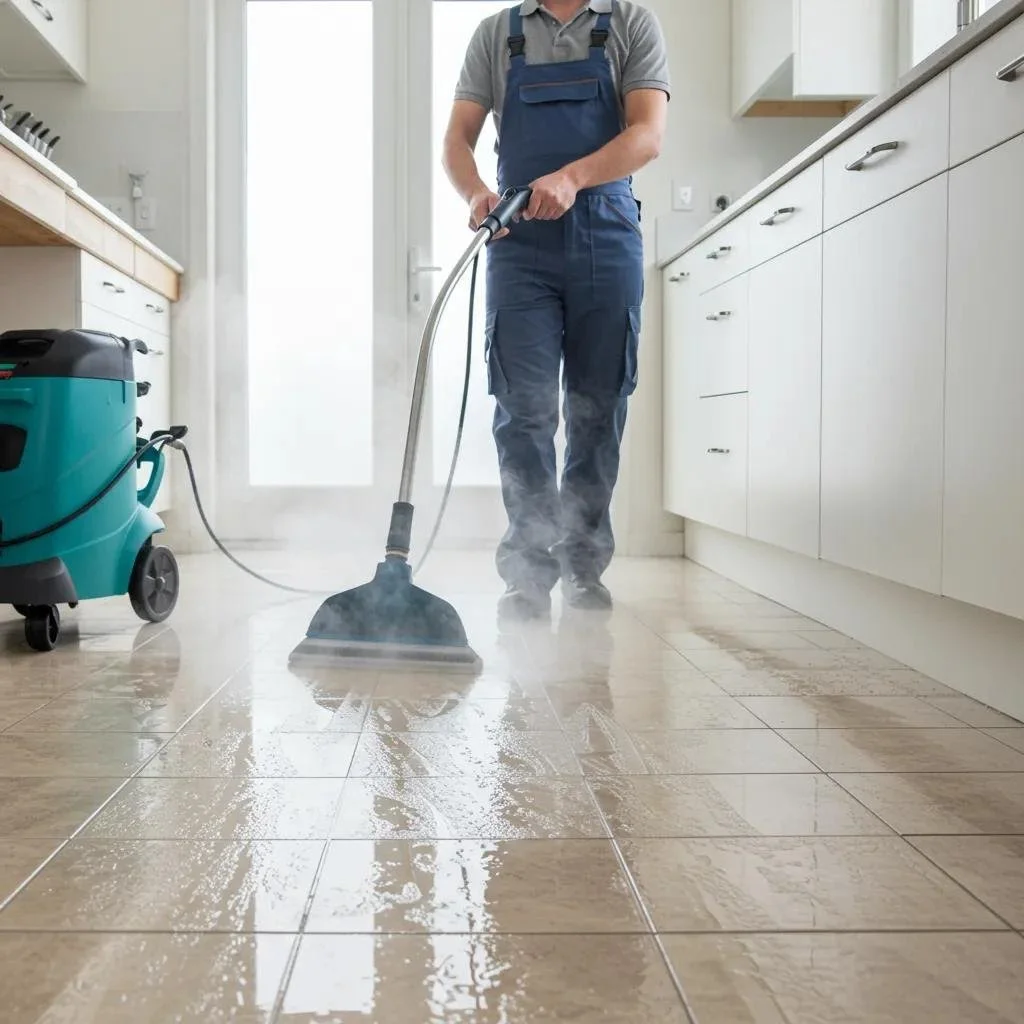
Deep Cleaning
A licensed tile restoration company uses specialized equipment and cleaning solutions.
Deep cleaning removes:
- Embedded dirt
- Stains
- Contaminants
Grout Repair
Damaged grout may require:
- Spot repairs
- Regrouting
- Color restoration
Tile Repair
Cracked or loose tiles are addressed as needed.
Sealing
Protective sealing helps preserve restoration results.
Importance of Grout Restoration
Grout is often overlooked despite its critical role.
Appearance Enhancement
Fresh grout dramatically improves visual appeal.
Moisture Protection
Properly maintained grout reduces moisture penetration.
Mold Prevention
Healthy grout helps discourage mold growth.
Easier Maintenance
Sealed grout resists staining and contamination.
Every professional licensed tile restoration company emphasizes grout care.
Why Tile Sealing Matters
Sealing protects both tile and grout surfaces.
Reduced Staining
Sealers help resist:
- Food stains
- Water spots
- Dirt accumulation
Improved Durability
Protected surfaces often last longer.
Simplified Cleaning
Sealed surfaces are easier to maintain.
Signs You Need a Licensed Tile Restoration Company
Property owners should monitor tile surfaces regularly.
Persistent Stains
Stains that resist routine cleaning may require professional treatment.
Cracked Grout
Cracked grout should be repaired promptly.
Mold Growth
Recurring mold often indicates deeper issues.
Loose Tiles
Tile movement deserves professional attention.
Dull Appearance
Professional restoration can rejuvenate worn surfaces.
Preventing Future Tile Damage
Restoration is only part of long-term maintenance.
Schedule Routine Cleaning
Consistent cleaning reduces contaminant buildup.
Address Moisture Issues Quickly
Leaks should never be ignored.
Maintain Sealers
Protective sealers require periodic maintenance.
Conduct Regular Inspections
Early detection helps prevent costly repairs.
A trusted licensed tile restoration company can provide maintenance recommendations tailored to each property.
Why Homeowners Trust KK Cleaning and Restoration
KK Cleaning and Restoration has extensive experience restoring tile and grout surfaces throughout Toronto.
Services include:
- Tile cleaning
- Grout cleaning
- Grout sealing
- Regrouting
- Tile restoration
- Shower restoration
- Natural stone restoration
- Caulking replacement
- Silicone replacement
Their commitment to quality workmanship, attention to detail, and customer satisfaction makes them a preferred choice for residential and commercial clients.
Long-Term Benefits of Working with a Licensed Tile Restoration Company
Choosing a professional restoration provider offers lasting value.
Extended Tile Lifespan
Proper restoration protects existing surfaces.
Reduced Replacement Costs
Restoration often delays or eliminates the need for replacement.
Improved Property Appearance
Clean, restored tile enhances aesthetics.
Better Hygiene
Professional cleaning removes contaminants and improves cleanliness.
Increased Property Value
Well-maintained surfaces contribute positively to property appeal.
The Future of Tile Restoration
As property owners seek cost-effective and environmentally responsible solutions, restoration continues to grow in popularity.
Rather than replacing perfectly usable tile surfaces, restoration maximizes existing investments while minimizing waste. Professional techniques and advanced restoration products allow experienced specialists to achieve remarkable results that preserve both beauty and functionality.
A qualified licensed tile restoration company remains an essential partner in helping homeowners and businesses maintain their tile installations for years to come.
Conclusion: Licensed Tile Restoration Company
Tile surfaces are valuable assets that contribute significantly to the appearance, functionality, and value of residential and commercial properties. Over time, dirt accumulation, grout deterioration, stains, moisture exposure, and general wear can diminish their appearance. Fortunately, restoration offers an effective alternative to costly replacement.
Working with a professional licensed tile restoration company ensures that tile surfaces receive expert care, proper treatment, and long-lasting protection. From grout restoration and tile cleaning to sealing, repairs, and natural stone maintenance, professional restoration services help extend the life of tile installations while enhancing their appearance.
KK Cleaning and Restoration provides comprehensive restoration solutions designed to meet the needs of homeowners, businesses, property managers, and commercial facilities throughout Toronto. As a trusted licensed tile restoration company, they deliver professional results that help clients protect their investment, improve aesthetics, and maintain beautiful tile surfaces for years to come.
Contact us now:
 Call us now at +16479163093
 Email: info@kkcleaningandrestoration.ca
 Visit: https://kkcleaningandrestoration.ca/
Licensed Tile Restoration Company – Detailed FAQs
1. What is a licensed tile restoration company?
A licensed tile restoration company is a professional service provider that specializes in restoring, cleaning, repairing, sealing, and maintaining tile and grout surfaces while operating in accordance with applicable licensing and industry requirements. These companies have the knowledge, training, and experience needed to handle various types of tile materials safely and effectively. Their services help improve both the appearance and longevity of tile installations. Hiring a licensed company provides greater confidence in the quality and professionalism of the work performed.
2. Why should I hire a licensed tile restoration company?
Hiring a licensed tile restoration company helps ensure that the work is completed according to professional standards and best practices. Licensed professionals often have extensive experience working with different tile materials and restoration techniques. They can accurately diagnose issues and recommend the most effective solutions. This expertise helps reduce the risk of improper repairs and costly mistakes.
3. What services does a licensed tile restoration company provide?
A licensed tile restoration company typically offers tile cleaning, grout cleaning, grout sealing, regrouting, tile repair, natural stone restoration, shower restoration, caulking replacement, and stain removal services. Some companies also provide specialized treatments for marble, travertine, limestone, and slate. These services are designed to restore appearance, improve hygiene, and protect surfaces. The exact service offerings may vary depending on the company.
4. What is tile restoration?
Tile restoration is the process of improving the condition, appearance, and functionality of existing tile surfaces without completely replacing them. Restoration may involve deep cleaning, repairing damaged grout, replacing caulking, sealing surfaces, and restoring natural stone finishes. The goal is to rejuvenate the tile installation and extend its lifespan. Restoration is often more cost-effective than replacement.
5. How is tile restoration different from tile replacement?
Tile restoration focuses on repairing and improving existing tile surfaces, while tile replacement involves removing and installing entirely new materials. Restoration is generally less disruptive, faster, and more affordable. When tiles are structurally sound, restoration can often achieve excellent results. Replacement is typically reserved for severely damaged or outdated installations.
6. When should I consider tile restoration?
Tile restoration should be considered when tiles appear dull, stained, dirty, or aged but remain structurally sound. Cracked grout, discoloration, mold growth, and hard water deposits are also common indicators. Restoration can often correct these issues without requiring full replacement. A professional assessment can help determine the best course of action.
7. Can tile restoration make old tile look new again?
In many cases, professional tile restoration can dramatically improve the appearance of aging tile surfaces. Deep cleaning, grout restoration, stain removal, and sealing can significantly enhance aesthetics. While restoration may not eliminate all signs of age, it often produces impressive results. Many property owners are surprised by the transformation achieved through professional restoration.
8. What types of tile can be restored?
Most common tile materials can be restored, including ceramic, porcelain, marble, travertine, limestone, slate, and other natural stone surfaces. Each material requires specialized care and restoration techniques. Professional restoration companies understand the unique needs of different tile types. Proper treatment helps protect the integrity of the material.
9. Can natural stone tiles be restored?
Yes, natural stone tiles can often be successfully restored. Materials such as marble, travertine, limestone, and slate frequently benefit from professional cleaning, polishing, sealing, and repair services. Natural stone requires specialized products and techniques to avoid damage. Professional restoration helps preserve the stone’s natural beauty and durability.
10. Why do tile floors become dull over time?
Tile floors accumulate dirt, residue, stains, and microscopic scratches through daily use. Cleaning products may also leave behind buildup that affects appearance. Over time, these factors reduce the original shine and vibrancy of the surface. Professional restoration removes contaminants and revitalizes the tile.
11. What causes grout discoloration?
Grout discoloration is commonly caused by dirt, moisture, mold, mildew, soap residue, food spills, and cleaning product buildup. Because grout is porous, it easily absorbs contaminants over time. This can cause grout lines to appear darker or uneven in color. Professional cleaning and restoration can often restore their appearance.
12. Can a licensed tile restoration company repair cracked grout?
Yes, repairing cracked grout is one of the most common restoration services offered. Professionals evaluate the extent of the damage and determine whether spot repairs or full regrouting are necessary. Proper repairs help restore appearance and improve moisture protection. Addressing grout damage early prevents larger problems from developing.
13. What is regrouting?
Regrouting involves removing deteriorated grout and replacing it with fresh grout. This process restores the integrity and appearance of tiled surfaces. Regrouting is often recommended when grout is cracked, stained, crumbling, or missing. It can significantly extend the life of a tile installation.
14. Why is grout important?
Grout fills the spaces between tiles and helps stabilize the installation. It also contributes to moisture resistance and creates a finished appearance. Damaged grout can compromise both functionality and aesthetics. Maintaining grout is an important part of protecting tile surfaces.
15. What is grout sealing?
Grout sealing involves applying a protective barrier that helps reduce moisture absorption, staining, and contamination. Sealing makes grout easier to clean and maintain. It also helps extend the lifespan of grout lines. Many restoration projects include sealing as part of the service.
16. How often should grout be sealed?
The frequency depends on factors such as grout type, usage, environmental conditions, and the sealer used. High-moisture areas like showers may require more frequent evaluation. Professional-grade sealers often provide long-lasting protection. Regular inspections help determine when resealing is needed.
17. Can tile restoration remove stains?
Many stains can be successfully removed through professional restoration techniques. Common stains include hard water deposits, soap scum, grease, dirt, and organic contaminants. The effectiveness depends on the stain type and severity. Professional assessment helps determine expected results.
18. Can tile restoration help with mold and mildew?
Yes, restoration services often include mold and mildew removal. Professionals address visible contamination while identifying underlying moisture issues. Restoring grout and replacing damaged caulking also helps reduce future mold risks. Proper maintenance supports a cleaner and healthier environment.
19. What causes mold growth on tile surfaces?
Mold thrives in damp environments where moisture is present. Bathrooms, showers, and poorly ventilated spaces are particularly vulnerable. Moisture trapped in grout, caulking, or behind tiles can contribute to mold development. Consistent cleaning and moisture control help reduce these risks.
20. Why is shower tile restoration important?
Showers experience constant exposure to moisture, soap residue, hard water deposits, and temperature changes. These conditions can lead to grout deterioration, mold growth, and staining. Professional restoration helps maintain appearance, hygiene, and waterproof integrity. Routine maintenance extends the life of shower installations.
21. Can tile restoration improve property value?
Yes, clean and well-maintained tile surfaces contribute positively to property presentation. Buyers and tenants often notice bathrooms, kitchens, and flooring during evaluations. Restored tile creates a cleaner and more attractive appearance. Improved aesthetics can enhance overall property appeal.
22. Is tile restoration more affordable than replacement?
In many situations, restoration is significantly less expensive than replacement. Replacement involves demolition, disposal, material costs, and installation labor. Restoration preserves existing materials while improving appearance and functionality. This often provides excellent value for property owners.
23. How long does a tile restoration project take?
The timeline depends on factors such as surface size, condition, material type, and required services. Some projects can be completed in a single day, while larger restorations may take longer. Professional assessment provides a more accurate estimate. Restoration is generally faster than full replacement.
24. Can tile restoration reduce maintenance requirements?
Yes, restoration often includes deep cleaning and protective sealing. These treatments help surfaces resist dirt, moisture, and stains more effectively. As a result, routine maintenance becomes easier and more efficient. Properly restored surfaces typically stay cleaner for longer periods.
25. What are the signs that tile needs restoration?
Common signs include discoloration, stubborn stains, dull surfaces, cracked grout, loose tiles, mold growth, water damage, and deteriorating caulking. Any of these symptoms may indicate that restoration is beneficial. Early intervention often produces the best results. Regular inspections help identify issues before they worsen.
26. Can loose tiles be repaired during restoration?
Yes, many restoration companies can address loose or unstable tiles. The underlying cause must first be identified to ensure a lasting repair. Moisture intrusion, adhesive failure, or structural movement may be contributing factors. Proper repairs help restore stability and appearance.
27. What causes tile damage?
Tile damage may result from impact, moisture exposure, improper installation, heavy traffic, structural movement, or lack of maintenance. Different materials respond differently to environmental conditions. Understanding the cause helps determine the most effective repair strategy. Professional evaluation is often recommended.
28. Why is professional tile cleaning different from regular cleaning?
Professional cleaning uses specialized equipment, products, and techniques designed to remove deeply embedded contaminants. Routine household cleaning often cannot achieve the same results. Professionals also understand how to clean different materials safely. This helps preserve the integrity of the tile and grout.
29. How does sealing protect tile surfaces?
Sealing creates a protective barrier that reduces moisture absorption and staining. It helps preserve both grout and certain tile materials, especially natural stone. Sealed surfaces are often easier to clean and maintain. Regular sealing contributes to long-term durability.
30. Is natural stone more difficult to maintain than ceramic tile?
Natural stone generally requires more specialized care than ceramic tile. Many stone materials are porous and sensitive to certain cleaning products. Regular sealing and proper maintenance are essential. Professional restoration helps protect the stone’s appearance and structural integrity.
31. What is caulking replacement?
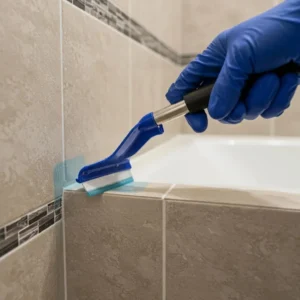
Caulking replacement involves removing deteriorated caulking and installing new sealant. This process helps maintain waterproof protection around showers, tubs, sinks, and tile transitions. Damaged caulking can allow moisture penetration and mold growth. Replacing it helps preserve surrounding materials.
32. Why is waterproofing important for tile installations?
Waterproofing helps prevent moisture from penetrating beneath tile surfaces. Excess moisture can lead to mold growth, grout deterioration, loose tiles, and structural damage. Proper waterproofing is particularly important in bathrooms and showers. Restoration often includes evaluating waterproof integrity.
33. How can homeowners extend the life of tile surfaces?
Routine cleaning, moisture control, prompt repairs, regular sealing, and professional maintenance all contribute to longer tile lifespan. Addressing small issues before they become major problems is especially important. Consistent care protects both appearance and functionality. Preventive maintenance reduces long-term costs.
34. How often should tile surfaces be professionally cleaned?
The ideal frequency depends on usage levels, environmental conditions, and tile type. High-traffic or moisture-prone areas may benefit from more frequent service. Professional cleaning removes contaminants that routine maintenance may miss. Regular service helps preserve appearance and durability.
35. What are the advantages of hiring experienced tile restoration specialists?
Experienced specialists understand material-specific restoration techniques, proper cleaning methods, and long-term maintenance requirements. Their expertise helps prevent accidental damage and ensures effective results. They can also identify underlying issues that may not be immediately visible. Professional experience contributes to higher-quality outcomes.
36. Can commercial properties benefit from tile restoration?
Absolutely. Restaurants, hotels, retail stores, office buildings, healthcare facilities, and multi-unit properties often use restoration services to maintain appearance and cleanliness. Restoration minimizes disruption while improving aesthetics. It can also reduce replacement costs significantly.
37. Why is preventive maintenance important after restoration?
Preventive maintenance helps preserve restoration results and reduce future deterioration. Regular inspections, cleaning, and sealing help protect the investment. Small issues can be addressed before they require major repairs. Long-term maintenance supports durability and appearance.
38. What should I look for when choosing a licensed tile restoration company?
Look for experience, professional credentials, positive customer feedback, comprehensive service offerings, and expertise with your specific tile material. Transparency, communication, and attention to detail are also important. A reputable company should provide clear recommendations and realistic expectations. Choosing the right provider improves project outcomes.
39. What services does KK Cleaning and Restoration provide?
KK Cleaning and Restoration offers tile cleaning, grout cleaning, grout sealing, regrouting, tile restoration, natural stone restoration, shower restoration, caulking replacement, silicone replacement, and related maintenance services. Their team works with residential and commercial properties throughout Toronto. They focus on restoring appearance, improving cleanliness, and extending the lifespan of tile installations. Their services are tailored to the unique needs of each project.
40. Why choose KK Cleaning and Restoration as your licensed tile restoration company?
KK Cleaning and Restoration combines industry knowledge, professional workmanship, and specialized restoration techniques to deliver high-quality results. Their team understands the challenges associated with tile, grout, natural stone, and moisture-prone environments. They provide customized solutions designed to restore beauty and functionality while protecting long-term value. Their commitment to customer satisfaction has made them a trusted choice for tile restoration services throughout Toronto.
Contact us now:
Call us now at +16479163093
Email: info@kkcleaningandrestoration.ca
Visit: https://kkcleaningandrestoration.ca/