How Often Should Grout Be Sealed? A Complete Guide by KK Cleaning and Restoration
Introduction: How often should grout be sealed
How often should grout be sealed: Grout’s one of those things you don’t really think about until it starts looking grimy, but it matters—a lot—for the look and upkeep of your tiled surfaces. The tiles themselves might be bulletproof, but grout is way more porous. It soaks up water, dirt, oil, soap scum, and just about anything else that comes its way. Leave it unsealed or don’t keep up with it and you’ll see stains, discoloration, stubborn buildup, and even crumbling. That’s why knowing when to seal your grout helps keep everything looking sharp and much cleaner over time.
That’s where KK Cleaning and Restoration comes in. These folks handle grout cleaning, sealing, tile cleaning, regrouting, shower fixes, and all sorts of tile maintenance. Now, how often you should seal your grout? That’s not a one-size-fits-all answer. It really depends on your grout type, where it is, how much action the area gets, your cleaning habits, how wet the area gets, and the state of any sealer that’s already there.
There’s no magic number, truthfully. Grout in heavy-use spots like busy bathrooms and showers will need attention more often. Quiet corners or rarely used rooms? Not as much.
Why Does Grout Need to Be Sealed?
Sealing creates a shield for grout, keeping out water and gunk. Unsealed grout just sucks everything up—resulting in stains and gunk that’s nearly impossible to scrub out.
Think of all the places where grout gets hammered: showers, kitchen splashbacks, floors—these see water, dirt, soap, grease, and high foot traffic day in and day out. All that action takes a toll.
Now, sealers don’t make grout totally waterproof, and they’re not a substitute for proper waterproofing. But a good sealer cuts down on how much water and dirt can sink in.
Bringing in a professional to seal grout is a smart move in your tile care routine.
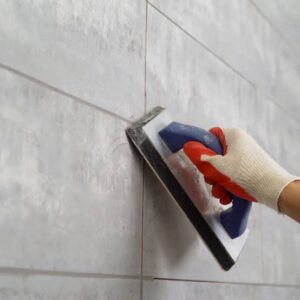
Sealing of Grout
This depends on a bunch of things. There’s no strict schedule for everyone. In most homes, you’ll want to reseal grout now and then, but areas with lots of water or traffic will need more frequent checks.
Grout in bathrooms and showers? That needs more frequent inspection because water and steam attack it all the time. Kitchen grout is another one to watch, thanks to grease, spills, and heavy daily use.
Low-traffic tiles don’t need sealing as often. The best way is just to check your grout every so often—don’t count on a certain date on the calendar.
If water used to bead on the grout but doesn’t anymore, it’s probably time to give it a closer look. Maybe it’s time for cleaning, resealing, repair, or a full regrouting, and a pro can tell you what makes sense.
Factors That Affect Grout Sealing Frequency
Lots of things affect how often grout should be sealed. The most important is your grout type—some are more porous than others, which means more care.
Location plays a role too. Shower grout sees endless moisture, while a wall or decorative backsplash might not have nearly as much to deal with.
Your cleaning habits matter—regular blasts with harsh cleaners or really rough scrubbing can wear down many sealers.
Other influences? How much foot traffic you get, the size of your household, pets, how you cook, water quality, ventilation, and how well you maintain the space all add up.
That’s why having a tile and grout pro take a look gives you a better answer than just setting the same sealing schedule for every room.
Shower Grout Sealing
Showers chew up grout fast with non-stop water, steam, soap, shampoo, body oils, and cleaning products.
You’ll want to check your shower grout regularly for color changes, stains, cracks, general breakdown, or if water stops beading up. If it’s porous and the sealer’s gone, call someone in for sealing.
Don’t just slap sealer on dirty grout—clean it first, or you’ll lock in whatever’s living there and never get that fresh look.
Professional shower restoration can tackle grout cleaning, regrouting, sealing, silicone swaps, and more all in one go if the problem’s bigger than just a touch-up.
Bathroom Grout and Sealing
Bathrooms are tough on grout—constant moisture, cleaning, and daily wear. Floor grout attracts hair and dirt, while wall and shower grout collect soap scum and hard water deposits.
Check grout regularly; don’t wait until disaster strikes. A little maintenance now can save you a giant headache later.
If the grout’s surface just isn’t as protected as it was, a good cleaning and resealing can work. For cracks, missing chunks, or really bad deterioration, regrouting is usually best.
Bathroom sealing can also cover other joints that need attention—think of it as part of your bigger maintenance plan.
How Often Should Kitchen Grout Be Sealed?
The kitchen is a whole different animal. Kitchen floors and backsplashes face grease, food splatter, dropped drinks, and constant foot traffic.
Grout around floor tiles will start looking darker when it gets loaded up with grime. Sweeping and mopping help, but deep-set messes usually need a pro.
Bring in professionals to clean the tiles and grout before thinking about sealing. Once everything’s spotless, that’s the right time for a fresh sealer.
Keep an eye on kitchen grout, especially if your kitchen is always busy. If stains won’t budge or grout is wearing out, you might need professionals to restore or regrout—instead of piling more sealer on top.
How to Know When Grout Needs Resealing
The number one way to decide if your grout needs work is to look for changes. If it’s getting dirtier, more stained, or harder to clean, it’s worth an inspection.
Try the water test—if water sinks into grout rather than pooling for a moment, your sealer’s probably not working anymore.
But don’t put too much trust in just that test—lots of factors can play into grout’s condition, and only a pro’s eye can spot everything. Cracks, crumbling, missing sections, or ongoing discoloration all mean you’ll need more than just resealing.
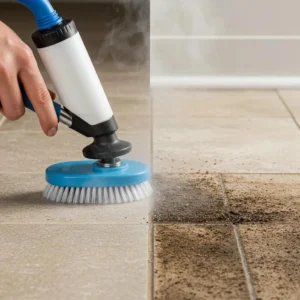
Professional Grout Cleaning Before Sealing
Getting grout really clean is the essential first step. It has to be free of dirt, grease, soap, hard water buildup—anything that could spoil your hard work.
Sealant locks in whatever’s on the surface, so if the grout isn’t spotless, stains and gunk get capped under the sealer and the finish looks uneven.
Pros can strip away grime and reveal the true state of your grout. When the cleaning’s finished, you’ll know if you need sealing or something deeper, like regrouting.
If cracks or missing pieces show up after cleaning, regrouting first and then sealing is the way to go. That gets you strong, seamless grout for sealing.
Grout Sealing vs. Regrouting
There’s a big difference between sealing and regrouting. Sealing strengthens good grout. Regrouting means ripping out weak, crumbling stuff and installing new grout.
If the grout’s in reasonable condition but just seems more porous, sealing can help. For cracks, looseness, missing spots, or powdery, falling-apart grout, sealing won’t patch up the structural problems.
Professional help is especially important for old, neglected grout. Cleaning can reveal if what’s there can be saved or if starting fresh is smarter.
KK Cleaning and Restoration tailors their approach to what your tile actually needs—they’re not about doing extra work just for the sake of it.
Benefits of Regular Grout Sealing
Keeping up with grout sealing means less chance of moisture or dirt soaking in, which also makes day-to-day cleaning simpler.
Sealed grout stays brighter and cleaner because stains don’t get in as easily. That’s especially helpful in bathrooms, kitchens, and anywhere else that takes a beating.
It also makes long-term maintenance less of a struggle. Regular sealing becomes part of a preventative routine—combine it with basic cleaning and checks, and your surfaces will look good for years.
Just know—no sealer lasts forever. You’ll still need regular cleaning and, sometimes, resealing.
How Professional Grout Sealing Works
The whole process starts with a full inspection—checking what kind of grout you’ve got, its shape, how dirty it is, whether it’s been sealed before, and where it’s located.
Next, if necessary, pros clean the grout. If they find any damaged sections, they’ll regrout before resealing.
Choosing the right sealer for your grout and tiles is key. Professionals apply it carefully, making sure they cover the grout but leave the tiles clean.
After sealing, you need to give it time to cure—how long depends on the product. Sticking to the right curing routine locks in the results.
Maintaining Sealed Grout Between Professional Services
A little ongoing care goes a long way. Tidy up with regular cleaning to clear off dirt, soap, grease, whatever tries to pile up.
Use products that are safe for grout and tile—harsh chemicals and scrubbing pads can trash your finish and sealer.
For showers and bathrooms, good ventilation is crucial. Keep things dry to cut down on mold and keep your grout in better shape.
In kitchens and dining areas, clean up messes right away. Check grout from time to time, and you’ll address trouble before it turns into a bigger problem.
Professional Grout Sealing by KK Cleaning and Restoration
KK Cleaning and Restoration offers tile and grout cleaning and sealing for homeowners and property managers intent on keeping their tiles sharp. They don’t just jump right in—they examine your grout and make recommendations based on what you actually need, whether that’s cleaning, sealing, repairing, or regrouting.
The real secret is that you have to match your maintenance to the surface. A shower that sees daily use needs more care than a rarely used backsplash.
These pros can sort out related troubles too—cleaning, grouting, restoration, silicone or caulking replacement, you name it, all as part of a bigger plan.
At the end of the day, it’s about solid maintenance that helps you keep your tile and grout looking their best.
Protect Your Tile and Grout With Regular Maintenance
Knowing how often to seal your grout lets you set a solid maintenance plan, instead of waiting until you’ve got a mess on your hands. Checking in on your grout and sealing as needed keeps it in good shape.
Your ideal sealing schedule depends on grout type, where it’s installed, how wet things get, foot traffic, cleaning habits, and whether your sealer is still holding up. Showers and bathrooms need special attention—constant humidity means they wear out faster.
If you’re dealing with stains or heavy buildup, a professional cleaning is the way to start before resealing. If there’s real physical damage, regrouting comes first.
KK Cleaning and Restoration’s services cover cleaning, sealing, regrouting, restoring showers, and broader tile maintenance. With the right routine and the proper help, you can keep your grout looking fresher and help your tiles last longer.
Contact us now:
 Call us now at +16479163093
 Email: info@kkcleaningandrestoration.ca
 Visit: https://kkcleaningandrestoration.ca/
How Often Should Grout Be Sealed FAQs:-
1. How often should grout be sealed?
How often you should seal grout depends on things like grout type, where it’s located, how much moisture and traffic it gets, your cleaning routine, and the state of any sealer that’s already there. For most homes, it’s best to check grout periodically and reseal once you notice the protective layer starting to wear out. Showers and bathroom grout usually need more attention since they’re always getting hit with water, humidity, soap, and cleaners. A professional can tell you if your grout just needs cleaning and sealing or if it’s time for repairs or regrouting.
2. Why does grout need to be sealed?
Sealing helps keep porous grout from soaking up water, dirt, grease, soap, and other grime. If grout isn’t sealed right, it’ll end up stained, discolored, and a pain to clean. Using the right sealer not only makes cleaning easier but also keeps everything looking sharper. But sealing isn’t a substitute for waterproofing and won’t stop all kinds of grout damage.
3. How often should shower grout be sealed?
Shower grout deals with water, steam, soap, shampoo—pretty much nonstop moisture. How often you need to reseal depends on the grout type, the last sealer used, your cleaning habits, and how much you use the shower. Just keep an eye on your grout for stains, water soaking in, or signs it’s falling apart. If the grout itself is damaged, regrouting is a better fix than resealing.
4. How often should bathroom grout be sealed?
Check bathroom grout often since those surfaces get wet and cleaned a lot. Showers tend to need more frequent resealing than bathroom walls or accent tiles that don’t see as much action. If water soaks into previously sealed grout or you’re having trouble keeping it clean, you might need to call in a professional. Make sure the grout’s cleaned and prepped before you reseal for the best results.
5. How often should kitchen grout be sealed?
Kitchen grout should be resealed every so often since it gets hit with food spills, grease, water, and foot traffic. The schedule really depends on if it’s on the floor, backsplash, countertop, or somewhere else. Keeping up with cleaning and wiping up spills quickly helps keep the grout in good shape between professional resealings. If grout gets really stained or is breaking down, it’s smart to clean or regrout before sealing.
6. How can I tell if my grout needs resealing?
Grout that’s hard to clean or soaks up water easily probably needs resealing. If water quickly disappears into the grout instead of sitting on the surface like before, your sealer’s worn out. Stains, dark patches, and more dirt sticking around also mean it’s time for an expert to take a look. Of course, these signs can come from different causes, so get a pro’s opinion before resealing.
7. Can you seal grout without cleaning it first?
You really need to clean grout before sealing. Dirt, grease, soap scum, and mineral deposits can mess up how well the sealer works. Sealing dirty grout just traps all that gunk under the surface. Professionals will clean everything first to make sure the grout is ready. If the grout’s cracked, missing, or falling apart, you’ll need to regrout before sealing.
8. What happens if grout is not sealed?
If you don’t seal grout, especially in places like bathrooms, showers, or kitchens, it’ll soak up water and grime much easier. Over time, you’ll see more stains, discoloration, and joints that just don’t look good—and cleaning gets tougher. That said, not all unsealed grout fails immediately; it also depends on the type and environment. Checking and cleaning regularly will help you decide if sealing is necessary for your space.
9. Does grout sealing make grout waterproof?
Sealing doesn’t make the whole tile surface waterproof, and it’s not a stand-in for proper waterproofing. The right sealer cuts down on how much water and gunk can get into porous grout, but it can’t stop leaks or fix busted membranes and plumbing. If you’ve got ongoing water issues, you’ll need a pro to check for leaks, not just rely on sealer.
10. How long does grout sealer last?
How long sealer lasts depends on the product, the grout type, traffic, cleaning habits, and how well the sealer was applied. Shower grout wears out faster because of all the water and scrubbing. Kitchen floors and heavy traffic spots also need more regular checks than quiet areas. Instead of sticking to a calendar, just keep an eye on the grout and reseal as soon as you notice the protection wearing thin.
11. Should new grout be sealed?
It’s usually a good idea to seal cement-based grout after it’s cured properly. When to seal depends on the grout and sealer manufacturer’s directions and the condition of the grout. Sealing new grout helps block out everyday moisture and dirt. Pros will make sure the grout’s set and cleaned before sealing to get the best results.
12. Can grout be sealed more than once?
Yes, you can reseal grout as long as the old sealer is worn out and the surface is properly cleaned. Don’t just keep adding sealer over dirty or damaged grout—it won’t help. Get a professional cleaning first to remove any buildup. If the grout’s breaking down, you should regrout instead of piling on more sealer.
13. Does grout sealing prevent grout from staining?
Sealing helps limit stains and makes grout easier to clean, but it’s not a cure-all. Dirt, grease, minerals, and residue can still collect on top. You still need to keep up with cleaning, plus reseal from time to time for the best look.
14. How often should grout be sealed in a high-traffic area?
Grout in high-traffic spots gets hit harder by dirt and needs more frequent checks. Kitchen floors, entryways, businesses, and busy bathrooms can wear out faster. Don’t go by traffic alone—the grout type and exposure matter too. Regular professional cleaning and resealing help these areas stay in shape.
15. Can professional grout cleaning be done before sealing?
Definitely. Professional cleaning is usually the best way to prep grout for sealing. Cleaning strips away built-up dirt, soap, grease, and minerals so the sealer can stick properly. Once the grout’s clean and dry, you can tell if it’s in good shape for sealing. If there’s missing or cracked grout, you should regrout first.
16. Should grout be sealed after regrouting?
Sealing might be the right move after regrouting, as long as the new grout can be sealed. Let the grout cure first—the timing depends on your materials. Proper sealing adds another layer of defense against moisture and grime. Getting both regrouting and sealing done professionally sets up your tiled area for the long haul.
17. How often should grout be sealed in a shower restoration project?
When fixing up a shower, look at the grout’s condition instead of following some strict schedule for sealing. If the grout’s sound, just clean and seal it. If it’s cracked, missing, or falling apart, go ahead and regrout before sealing. A full shower restoration can take care of cleaning, sealing, regrouting, and even replacing silicone if needed.
18. Can harsh cleaners affect grout sealer?
Yeah, harsh chemicals and aggressive scrubbing can wear out some sealers. Repeated use of the wrong products can ruin the look or function of your grout protection, depending on the specifics. Stick to cleaners made for your type of tile and grout, and if you’re not sure, ask a professional what works best.
19. Is grout sealing necessary for every type of grout?
Not all grout needs sealing—some modern types resist water and stains better than old-school grouts. Whether you need to seal depends on the kind you have, what the manufacturer says, where it’s installed, and how much moisture/exposure it deals with. Natural stone jobs also bring extra sealing concerns since the stone can be porous too. Professionals can figure out if sealing is right for your specific surface.
20. Can grout sealing help prevent mold?
Sealing can slow down moisture and gunk getting into grout, but it won’t completely stop mold. Mold pops up with constant moisture, bad airflow, leaks, and general dampness. Along with sealing, you’ll need good ventilation, regular cleaning, and keep moisture under control to prevent mold. If mold keeps coming back, look into fixing the moisture problem rather than just sealing again.
21. Why choose KK Cleaning and Restoration for grout sealing?
KK Cleaning and Restoration offers grout cleaning, sealing, regrouting, tile cleaning, shower repairs—basically full tile care. They’ll check your grout to see if it needs sealing, just a cleaning, repairs, or a full replacement. They focus on doing prep right because sealing over dirty or broken grout just doesn’t work. This approach helps homeowners keep their tiles looking good and lasting longer.
22. How can I maintain grout after professional sealing?
Clean with products safe for your tile and grout to keep things looking good and working well after sealing. Make sure bathrooms and showers have enough ventilation for quick drying and less humidity. Wipe up spills, soap, grease, and mineral deposits instead of letting stuff build up. Check your grout every so often to see if it needs resealing, cleaning, repairs, or even regrouting.
Contact us now:
Call us now at +16479163093
Email: info@kkcleaningandrestoration.ca
Visit: https://kkcleaningandrestoration.ca/