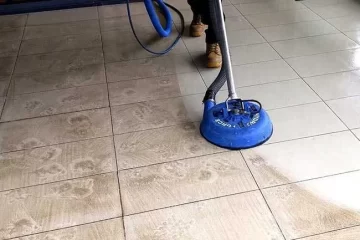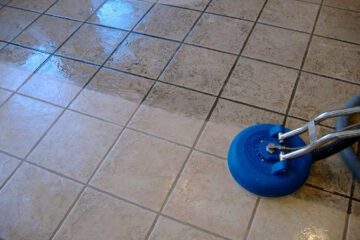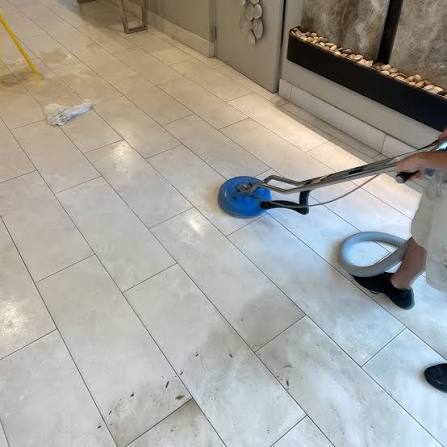
Signs Your Grout Needs Cleaning: KK Cleaning and Restoration
Introduction: Signs Your Grout Needs Cleaning
Signs Your Grout Needs Cleaning: Grout might not be top of mind when you’re cleaning, but it plays a huge role in how your tiled surfaces look and hold up. Even if your tile looks clean, dirt, soap scum, grease, minerals, and moisture can build up in the grout lines. Over time, this grime can change your grout’s color, making the whole space look older than it is. Spotting when your grout needs cleaning helps you tackle the mess before it’s tough to remove or starts to break down the tile.
KK Cleaning and Restoration offers all the professional help you need—tile and grout cleaning, sealing, regrouting, shower repairs, and more. If scrubbing at home just isn’t cutting it, it’s probably time to call in the professionals.
Cleaning grout isn’t only about keeping things looking good. Staying on top of maintenance makes your floors and walls easier to clean. It also helps you catch problems, like cracks or missing grout, crumbling silicone, or moisture damage—early. Know the signs that your grout needs attention, and you can handle these issues before they turn into way bigger (and costlier) problems.
Dark or Discolored Grout Lines
One of the easiest clues? Your grout starts changing color. Maybe it used to be light and even, but now parts look grey, brown, yellow, or just dirty—that’s years’ worth of grime finding a home. Bathrooms get hit with soap, oils, shampoo, and regular use, which darken the grout. Kitchens deal with grease, spills, dust, and heavy traffic, so stains happen fast there too.
A change in color doesn’t always mean the grout is done for. Often, a good professional cleaning clears away the mess and brings back that clean look. If the color sticks around even after a deep clean, though, staining or real damage might be the cause. In those cases, it’s smarter to regrout or restore instead of just cleaning over and over.
Grout Looks Dirty Even After Regular Cleaning
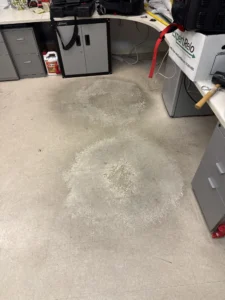
You mop and scrub, but the grout still looks dirty. That’s another sign you need a deeper clean. Regular wiping gets rid of surface dirt, but it doesn’t reach what’s soaking into the pores of the grout.
Grout is extra porous compared to tiles, so it traps stuff more easily—and holds onto it. That’s why your tile might look fine while the grout stays dark. Pros use methods that pull that buried junk out, and they know how to match their approach to the tile and grout type. A professional can figure out if you just need a serious clean or if there’s another issue, like crumbling grout, behind the mess.
When what you’re doing at home just isn’t working, a professional clean is the next move. Don’t wait too long, or you might have to replace rather than restore.
Soap Scum and Residue on Shower Grout
Showers are tough on grout since they’re always wet, soapy, and damp. Soap scum, shampoo, and oils cling to grout lines, creating a chalky or grimy look. That buildup is obvious around walls, corners, niches, and places where water doesn’t drain quickly. Minerals from your water mix with soap, making the gunk even harder to clean off.
If your shower grout still feels grimy or looks coated after cleaning, it’s time for a professional touch. The right cleaning can lift away the residue and let you see what’s going on underneath. If the grout is cracked or missing, though, cleaning won’t be enough—you’ll need to replace or fix it after cleaning.
Grout Has a Musty or Dirty Appearance
Grout that always looks musty, stained, or gross probably needs more than your regular routine. Moisture and organic stuff can hang around in bathrooms or showers, especially if things aren’t drying well. This kind of issue doesn’t always come from the grout itself; musty smells might be from poor ventilation or a plumbing leak.
Professional cleaning can get rid of surface grime and help freshen things up, but keep in mind—you may need to solve bigger problems, like bad airflow or leaks, to stop it from coming back. Keeping your bathroom well-ventilated and staying on top of basic cleaning cuts down on stubborn grime and odors.
Grout Feels Rough or Has Visible Buildup
When grout feels rough, looks crusty, or you can see actual residue, it’s time for some heavy-duty cleaning. Minerals, soap, and old cleaning product build up, creating a bumpy surface. This is especially common in showers and bathrooms where water dries slowly, leaving minerals behind.
Don’t go wild with harsh cleaners or sharp tools—it’s easy to damage the tile or grout. Let pros pick the right cleaning methods for your surfaces. If the roughness is still there after cleaning, it could be a sign that the grout itself is falling apart. A professional can assess if repairs, sealing, or regrouting are needed.
Grout Is Difficult to Keep Clean
If you’re cleaning often and the grout still gets dirty right away, it means something deeper is going on. Most likely, years of buildup or worn-out grout are making it impossible to keep clean. Scrubbing harder rarely helps; it may even damage your floors or walls if you use abrasive products.
A professional cleaning can refresh your grout in ways that regular cleaning just can’t. Once clean, you can figure out whether sealing the grout will help keep it that way. But if the grout itself is damaged, don’t try to just clean it—get it repaired or replaced.
Grout Is Darker Than the Tile
When the grout lines look much darker than the tiles themselves, it’s usually a warning sign. Sure, grout and tile aren’t always the same color, but if the grout looks way darker, you’re probably dealing with built-up dirt, soap, grease, or minerals.
You see this a lot in busy bathrooms and kitchens, where there’s plenty of foot traffic, water, and day-to-day mess. Even showers can develop dark grout from organic buildup and moisture.
Professional cleaning focuses on the grout without using harsh products on the rest of your surface. Once cleaned, the color difference evens out, and your bathroom or kitchen looks much fresher. If the dark color doesn’t budge, it might be time for grout restoration or complete regrouting.
Grout Has Grease or Food Stains
Kitchens are tough on grout—grease, food, oil, and spills soak in, especially if they’re left to sit. Since grout is porous, these stains can be hard to remove once set.
If your kitchen grout looks patchy or greasy around the stove, backsplash, or main floor, basic sweeping and mopping won’t cut it. A professional clean can lift grease and food stains, all while protecting your tile. It’s a quick way to breathe new life into your kitchen.
If the grout’s in rough shape after cleaning—cracked or fragile—you’ll probably need sealing or regrouting. A professional can recommend what’s best for your situation.
Grout Shows Signs of Mold or Mildew Buildup
Dark spots or recurring mildew mean your grout needs fixing and cleaning. Bathrooms and showers are especially prone to mold, thanks to constant humidity and warmth. Cleaning helps, but if the mold keeps coming back, there’s probably a bigger moisture issue to address.
Professional cleaning can get rid of what’s on the surface, but you need to fix any leak or airflow problem to stop it from returning. If the grout is falling apart, you’ll need to regrout after cleaning. Keeping your bathroom dry, well-ventilated, and wiped down regularly helps keep mold in check long-term.
Grout Cleaning vs. Regrouting
It’s important to know the difference between cleaning and regrouting. Cleaning removes dirt, stains, and buildup from grout that’s still in decent shape. Regrouting is a bigger job—it means taking out old, damaged grout and filling it back in with new material. If your grout is cracked, missing, or crumbling, no amount of cleaning will bring it back.
Sometimes, cleaning shows that your grout just needed a refresh. Other times, it reveals damage you couldn’t see before, and regrouting’s the way to go. KK Cleaning and Restoration can check it out and figure out which route makes the most sense—cleaning, sealing, repairs, or a full regrout.
Professional Grout Cleaning Process
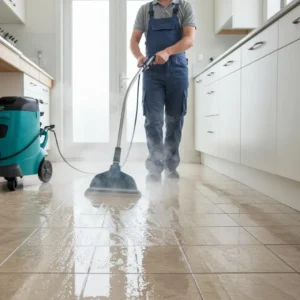
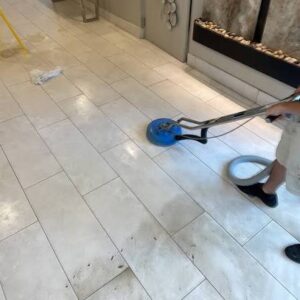
A professional starts by checking out your tile, grout, where it is, and what kind of mess is there. Different tiles—especially stone or specialty ones—need specific cleaning products. They’ll pick the safest and most effective method, aiming to get things clean without wrecking the surface.
Once the cleaning’s done, they’ll reassess. If the grout’s still solid, sealing it helps keep it clean longer. But if there are cracks or missing bits, regrouting or similar repairs might be suggested.
When to Contact KK Cleaning and Restoration
If your grout’s dark, constantly stained, greasy, smells musty, or has buildup that won’t quit, it’s probably time for a pro. KK Cleaning and Restoration can handle cleaning, sealing, regrouting, saving your showers, and all kinds of tile maintenance. They’ll figure out what’s really happening with your tile and recommend the best fix.
Professional cleaning comes in handy when your efforts don’t move the needle. You’ll also get an idea if you need something more, like new grout, fresh silicone, or extra repairs. Regular cleanings help keep your tile and grout looking good and make everyday maintenance a lot easier.
Keep Your Grout Clean and Well Maintained
Knowing the warning signs—dark grout, stubborn stains, soap and mineral buildup, grease, roughness, and grout that stays dirty—means you can take action before things get worse. Professional cleaning restores your grout without unnecessary replacement, but if it’s cracked, loose, or falling apart, you’ll need repairs or new grout.
After cleaning, sealing helps protect grout and makes future cleaning way simpler. Stick to regular cleaning at home, fix spills fast, let rooms dry out, and have professionals check on things now and then to keep your tile and grout in shape.
KK Cleaning and Restoration is there for all your tile and grout needs—cleaning, sealing, regrouting, shower repairs, and more. Take care of grout problems before they get out of hand—you’ll be rewarded with better looking, longer-lasting tile, and less hassle day to day.
Contact us now:
 Call us now at +16479163093
 Email: info@kkcleaningandrestoration.ca
 Visit: https://kkcleaningandrestoration.ca/
Signs Your Grout Needs Cleaning – FAQs:-
1. What are the most common signs your grout needs cleaning?
You’ll notice your grout needs cleaning if the lines look dark or discolored, or if you see visible dirt, soap scum, or mineral deposits that stick around even after you’ve cleaned. Spots that look dirty right after you’ve cleaned often mean grime is stuck inside those porous joints. If the surface feels rough or crusty, residue has probably built up for a while. A professional tile and grout cleaning can clear away this buildup and refresh how everything looks.
2. Why does grout become darker over time?
Grout gets darker when it soaks up things like dirt, water, grease, soap residue, or body oils. Bathroom and shower grout take a beating from all that moisture and leftover cleaners, while kitchen grout grabs grease and food bits. Even if you mop regularly, surface dirt might come off, but stuff buried deep in the grout can stay. Pros can tell if that dark look is just grime they can remove, or if it’s permanent discoloration.
3. Can dirty grout be cleaned without replacing it?
Most of the time, yes—you can get grout professionally cleaned as long as it’s still solid. A good cleaning removes dirt, stains, soap scum, and other build-up. But if the grout is cracked, missing, loose, or crumbling, no amount of cleaning will fix that. In those cases, you’re probably looking at regrouting or repair.
4. How often should grout be professionally cleaned?
How often you need grout cleaned depends on where it is, what type it is, how much traffic it sees, how much moisture it gets, and how you care for it day-to-day. Bathroom grout and showers might need more frequent professional cleaning because they always deal with water and soap. Kitchens and messy high-traffic areas pile up grime faster, too. Check on your grout regularly—it’ll tell you when it needs a pro.
5. Is dark grout always a sign that it needs cleaning?
Not always. Dark grout is a sign it needs cleaning a lot of the time, but sometimes it’s caused by permanent stains, water issues, age, or actual damage. Professionals can usually figure out if they can clean the color back to normal, or if the grout is too far gone and needs replacing.
6. Why does shower grout get dirty so quickly?
Shower grout gets dirty so fast because it’s hit with water, soap, shampoo, body oils, humidity, and mineral deposits all the time. Since grout is porous, it holds onto that grime, making it look darker and harder to clean. Poor ventilation and slow drying only make it worse. A professional cleaning can dig out that buildup, and they’ll let you know if sealing or regrouting is a good idea.
7. Can soap scum indicate that grout needs cleaning?
Absolutely. If you see soap scum sticking around shower grout or bathroom tile, it’s a clear sign it’s time for a deeper clean. That soap, mixed with body oils, minerals, and dirt, creates a tough film that regular cleaning might not cut. Professionals have the tools to break it down, and if the grout underneath is damaged, they’ll suggest regrouting or extra restoration.
8. Can mineral deposits damage grout?
Mineral buildup can be stubborn and mess with the look of your grout, especially in bathrooms and showers where water evaporates all the time. Minerals left behind can create white, cloudy, or crusty patches. Using harsh or the wrong cleaners might damage your tile or grout too. Pros know how to remove these deposits without harming your surfaces.
9. Is dirty grout a sign of poor cleaning?
Not necessarily. Grout is more porous than tile, so it holds onto grime even after regular cleaning. Over time, stuff like dirt, grease, soap, or minerals just builds up. Even diligent homeowners need a deep professional clean every now and then to really reset everything and make maintenance easier.
10. Can kitchen grease make grout look dirty?
Yep, kitchen grease will make grout look stained or patchy, especially since grout is so porous. Kitchens, floors, and backsplashes get hit the hardest. Normal mopping won’t get deep-set grease out, but a professional clean will. They’ll also tell you if sealing the grout after cleaning is smart.
11. Does mold or mildew mean grout needs cleaning?
If you see mold or mildew on grout, especially in bathrooms and showers, it’s time for a real clean. But if these issues keep coming back, it might mean you have other problems like moisture, bad ventilation, or leaks. Cleaning helps, but you may also have to fix the underlying moisture issue. Seriously damaged grout often needs regrouting as part of a bigger restoration.
12. Can professional grout cleaning remove stains?
Professionals can tackle many stains—dirt, grease, soap scum, mineral spots, and other surface mess. How well stains come out depends on what caused them, how long they’ve been there, and how deep they went. Some stains just won’t budge no matter what, and for those, grout restoration or even regrouting will give you a better look.
13. What is the difference between grout cleaning and regrouting?
Grout cleaning targets dirt, stains, and buildup on grout that isn’t physically damaged. Regrouting is about removing bad, cracked, or missing grout and putting in new grout. Cleaning is for messes; regrouting is for damage. A pro can look at your grout and say if you need just a clean, or if it’s time to replace it.
14. Should grout be sealed after professional cleaning?
You usually want to seal grout after it’s cleaned, if it’s the right type of grout. Cleaning first is key so the sealer sticks to clean grout, not a mess of old residue. A good grout sealer helps block moisture and grime from sinking in later. The pro can advise if sealing is right for your particular grout and its location.
15. Can dirty grout make tile look old?
Definitely. Messy grout can ruin the look of even the nicest tile, making the whole thing look uncared for. Dark grout lines create a harsh outline against clean tile, killing its uniform look. Professional cleaning makes a huge difference, but if the grout is too far gone, regrouting finishes the job.
16. Can grout cleaning be performed on natural stone tile?
Yes, but you have to be careful. Different natural stones—marble, travertine, slate, granite—all react differently to cleaners and methods. The wrong product can scratch, dull, or discolor them. A pro knows what works for each material and keeps the whole installation safe.
17. What should I do if grout remains dirty after professional cleaning?
If it still looks dirty after a pro cleaned it, it’s probably a permanent stain, serious damage, or something else going on. Have a professional take another look—they’ll decide if more cleaning could help or if you need restoration. Cracked, loose, or really stained grout usually needs regrouting, especially in showers where extra work like silicone replacement may come into play.
18. Can regular household cleaning prevent dirty grout?
Regular cleaning helps, but it’s not always enough. Cleaning up spills fast, wiping off soap scum, and keeping your bathroom ventilated all preserve your tile and grout. You have to use the right cleaners, too—harsh chemicals might damage some surfaces. Even with great routine care, every so often you’ll need a professional cleaning to handle the build-up you can’t reach.
19. Why does grout become rough or crusty?
If grout feels rough or crusty, it’s probably due to a mix of mineral deposits, soap scum, dirt, or other residue building up, especially in places where water is always around, like the shower. Scraping roughly or with the wrong tools can damage both grout and tile. Professionals know if roughness is just gunk on the surface or true grout damage.
20. Can professional grout cleaning help maintain shower grout?
Of course. Pros clean out the tough buildup before it turns into a real problem. They deal with soap, minerals, dirt, and body oils common in showers. Once the grout is clean, sealing it helps make regular cleaning easier—and if your grout is already busted, they’ll point you toward regrouting or a full shower restoration.
21. Why choose KK Cleaning and Restoration for grout cleaning?
KK Cleaning and Restoration offers professional tile and grout cleaning, grout sealing, regrouting, shower restoration, and plenty of related services. They actually check the state of your grout and tailor the treatment—no one-size-fits-all approach. Their methods protect your surfaces and get them looking their best. That way, you deal with both the surface dirt and any deeper maintenance concerns all at once.
22. What should I do when I notice signs your grout needs cleaning?
When you see signs—dark grout, stains, soap scum, minerals, grease, or grout that stays dirty after you clean—it’s smart to call in a pro for an evaluation. They’ll figure out if the problem is fixable with cleaning or if the grout’s past saving. If needed, they can seal, regrout, or restore showers too. Taking care of these signs early keeps your tile looking great and a lot easier to keep clean.
Contact us now:
Call us now at +16479163093
Email: info@kkcleaningandrestoration.ca
Visit: https://kkcleaningandrestoration.ca/