Professional Tile Cleaning Tips: KK Cleaning and Restoration
Introduction: Professional Tile Cleaning Tips
Professional Tile Cleaning Tips: You see tile in just about every home and business—kitchens, bathrooms, showers, hallways, entryways, even sprawling commercial spaces. It’s tough, it looks nice, and taking care of it isn’t all that complicated. Still, tile doesn’t just “stay clean” because it’s hardy. Over time, dirt, grease, soap scum, minerals, and regular foot traffic start to wear it down, and grout especially takes a beating. Sticking to a smart cleaning plan helps keep things looking sharp, cuts down on DIY blunders, and lets you know when it’s time to call in professionals for a deeper clean.
KK Cleaning and Restoration handles everything from tile and grout cleaning to sealing, regrouting, shower restoration, caulking, silicone replacement, and more. Their professional touch can break through buildup that basic cleaning won’t touch—and they’ll spot cracked grout, stains, or hidden problems you might not even notice.
It all starts with knowing what you’re working with. Ceramic, porcelain, natural stone, and textured tile—every surface reacts differently. Grout types vary, too. What works on one might ruin another. Stick to cleaning advice that fits your tile, and don’t hesitate to ask for professional help when you hit a wall. That way, you’ll keep your tile looking better, longer.
Understand Your Tile and Grout Before You Clean
First thing’s first: figure out what kind of tile you’ve got. The wrong product or tool can do real damage, especially with natural stone. Ceramic and porcelain tiles pop up everywhere, but even these come in lots of finishes. Some wipe down easily, others trap dirt in tiny grooves.
Natural stones—like marble, travertine, limestone, slate, or granite—are picky. The wrong chemical can scratch or mark the surface in ways you can’t fix.
And don’t lump grout in with the tile. Cement grout is usually porous, which makes it a magnet for dirt and grease. Knowing exactly what materials you have keeps you from scratching, staining, or otherwise messing them up.

Sweep and Clear Out Loose Dirt
Here’s a basic tip: don’t let grit and dust build up in the first place. Houses get dusty, people track stuff inside, and it all settles in grout lines and grooves if you’re not careful.
Sweeping or vacuuming regularly stops this dirt from getting ground in. Grit acts like sandpaper—especially in busy spots. Entryways are the worst for this, so good doormats make a real difference.
Dry cleaning your floors won’t do it all, but it makes your life a lot easier between thorough cleanings.
Use the Right Cleaning Products
You don’t need industrial-strength cleaner. Honestly, harsh chemicals can mess up your tile, grout, or the stone itself. Match your cleaning product to your material and always check the manufacturer’s instructions. Natural stone is extra sensitive—acids and abrasive stuff leave it looking dull, scratched, or stained.
Never mix cleaning products unless the label says it’s okay. Some combos are toxic, and no good ever comes of experimenting with random chemicals.
Usually, a decent tile cleaner and a gentle scrub get the job done. If you’re not sure what’s safe, getting a pro team in is the safer bet.
Don’t Ignore Grout Lines
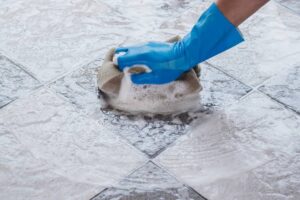
People tend to forget about grout until it looks terrible. And when grout gets gross, the whole surface just seems dirty. Porous grout holds onto everything—soap, grease, dirt, minerals. In bathrooms it goes dark and grimy, in kitchens it turns sticky and stained.
Clean those grout lines each time, not just the tile. Gentle tools are your friend—stiff, abrasive scrubbing will tear up weak or old grout. For deep, stubborn grime, call the pros. They’ll also tell you if your grout would benefit from sealing after a proper cleaning.
Clean Bathrooms and Showers the Right Way
Bathrooms get hit hard—constant moisture, soap, shampoo, minerals, and limited airflow mean there’s always buildup trying to happen.
Wipe down soap scum regularly; don’t let it pile up on shower tiles or doors. Let everything dry out after use. Turn on the fan or crack a window if you can—humidity is not your friend in here.
Inspect your grout often: look for cracks, missing pieces, dark stains, or anything that seems off. If cleaning isn’t enough because the grout is damaged, you need regrouting or even a full shower restoration.
Professionals don’t just clean well—they spot hidden problems you’d likely miss.
Be Careful with Kitchen Tile and Grout
Kitchen tiles face grease, food spills, oils, and all kinds of messes. Grease especially turns grout dark and sticky if you don’t stay on top of it.
Wipe up any spills right away. Don’t wait until it dries—sticky messes invite more dirt. Sweep or vacuum before mopping so you’re not just moving grit around.
If you’ve cleaned and your kitchen grout is still dark or sticky, it’s time for a professional touch. Routine cleaning can only do so much—deep cleaning can restore your grout and show if it needs sealing.
Avoid Using Too Much Water
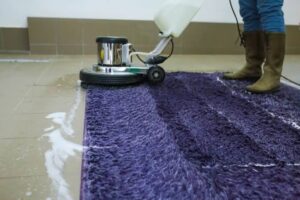
Don’t flood your floor when cleaning. Tile itself handles moisture, but grout can soak up water, especially when it’s old or worn. Too much water gets into corners, under fixtures, and anywhere the tile’s not sealed right.
Showers and bathrooms need extra caution. Always let things dry thoroughly afterward, and keep an eye out for musty smells or moisture stains—those point to bigger issues.
You want to clean efficiently, not leave your floors constantly wet. If you see ongoing moisture, don’t just clean more—get a professional assessment.
Don’t Overlook Natural Stone Tile
Every natural stone is different. Marble, slate, travertine, granite—they all need their own care plan. Acidic or abrasive cleaners can ruin the finish or leave permanent marks.
Before doing anything, make sure you know what type of stone you’re dealing with and what condition it’s in. Then pick the right method for that stone and the type of grime on it.
Many stones benefit from sealing. It helps ward off stains and makes maintenance easier, though it doesn’t make them waterproof or eliminate the need for regular cleaning.
If your stone is already scratched or etched, plain cleaning isn’t going to save it—you’ll need restoration.
Know When to Call the Pros
You can keep up with daily dirt, but sometimes you just need backup. How do you know? Grout that stays dark or sticky after cleaning, stains that just won’t budge, soap and mineral residue, dull finishes, or areas that just keep getting dirty need a professional.
Pros have the right tools to break down buildup according to what you’ve got—tile, stone, or grout. They’ll let you know if the surface just needs cleaning or if repairs are needed.
If you’ve got cracked, missing, or crumbling grout, cleaning won’t fix it. That’s a job for regrouting before you ever think about sealing.
Same for damaged silicone, tiles, or moisture under the surface—you’re looking at restoration, not just cleaning.
Think About Grout Sealing After Cleaning
If your grout’s in good shape, sealing it after a deep clean can really help. Sealing goes last—don’t trap dirt or soap under a brand-new coating. A proper sealer keeps moisture and gunk from getting in as easily, but it doesn’t make grout waterproof or replace waterproofing systems.
After a pro cleaning, let them check the condition of the grout before sealing. If it’s falling apart, deal with repairs first.
Over time, sealers wear out, so check in every so often to see if your grout is still protected.
Watch Out for Common Cleaning Mistakes
More cleaning isn’t always better—too much force or the wrong tools do more harm than good. Don’t use whatever’s under the sink for every type of tile. Each needs its own approach, especially natural stone.
Leaving grout unattended until it’s completely stained makes things a lot harder down the road. And don’t try to fix damaged grout with sealer—it’s not a substitute for real repairs.
Aggressive, repeated scrubbing can just break down your grout and tile even faster. If you’ve tried everything and it’s not working, call the pros.
Keep Tile Floors Tidy Between Appointments
Professional cleaning makes a world of difference, but stay on top of regular care. Sweep or vacuum to keep grit from piling up in the grout. Wipe up spills as they happen (especially in kitchens). Vent bathrooms well, and try to keep shower tiles dry.
Use mild, material-appropriate cleaners and steer clear of anything abrasive unless you know it’s safe. Natural stone always gets products meant for that exact type.
If you’ve got high-traffic spots—entryways, kitchens, hallways—give them more frequent attention. Professional deep cleaning will break through the rest.
Why Choose KK Cleaning and Restoration?
KK Cleaning and Restoration covers all the bases: cleaning, sealing, regrouting, restoring showers, caulking, replacing silicone—you name it. They know that tile problems are often connected. Your shower probably needs cleaning, new grout, and sealing; your kitchen tile might just need a really thorough clean.
Call in the experts and they’ll figure out if you need basic cleaning, sealing, repairs, or a bigger job. That saves you from trying random fixes or replacing things that could be restored.
For both homes and commercial spaces, professional maintenance keeps your tile looking fresh and lasting longer.
Keep Your Tile in Shape the Right Way
Follow these professional tips and you’ll notice the difference—less grime, fewer stains, and just better-looking tile all around. Clean up loose dirt often, don’t let spills sit, choose the right products, focus on grout, and pay attention to wet areas.
But remember, regular cleaning has its limits. Sooner or later, trapped dirt, grease, and stains need professional help.
Pro cleaning exposes problems you couldn’t spot, and they can take care of sealing, regrouting, or restoring your tile or shower. Taking care of these issues on time helps you avoid bigger headaches later.
KK Cleaning and Restoration brings expert service for tile, grout, showers, baths, kitchens, and more. With smart cleaning, solid habits, professional assessments, and quick repairs, you’ll keep those tile surfaces looking great and easier to maintain.
Contact us now:
 Call us now at +16479163093
 Email: info@kkcleaningandrestoration.ca
 Visit: https://kkcleaningandrestoration.ca/
Professional Tile Cleaning Tips FAQs:-
1. What are the most important professional tile cleaning tips?
The main things to keep in mind are figuring out what kind of tile you’re working with, regularly sweeping up loose dirt, using the right cleaning products, and not ignoring grout lines. Don’t use harsh chemicals or anything abrasive that could scratch or damage your tiles, the grout, or any natural stone. You need to stick to a regular cleaning routine, but also call in professionals for a deeper clean when your usual methods just aren’t working anymore. Good cleaning habits go a long way toward keeping your tile in good shape for years.
2. How often should tile be professionally cleaned?
How often you need a pro depends on foot traffic, tile type, grout condition, moisture, and the space itself. Kitchens, bathrooms, showers, entryways—basically, any place that sees a lot of action—need pro cleaning more often than, say, a guest room that barely gets used. Stick to regular sweeping and mopping to keep dirt at bay between appointments. If you’re unsure how often to call in the experts, a professional assessment can help you decide when a deep clean is due.
3. Why is identifying the tile material important before cleaning?
Not every tile handles cleaning the same way—porcelain and ceramic are pretty tough, but marble, slate, limestone, and other stones are more sensitive. Use the wrong product on the wrong tile and you’ll end up with dull spots, discoloration, or surface damage. That’s why it’s so important to know exactly what you’re cleaning before you start.
4. What cleaning products should be used on tile?
Pick cleaning products based on the type of tile, grout, and the finish you’re dealing with. Natural stone usually needs special cleaners; anything too acidic or abrasive can ruin it. Always check the manufacturer’s recommendations and never mix cleaning chemicals. If you’re unsure what’s safe, bring in a pro—a professional knows which products fit which tiles.
5. How can I keep grout clean between professional services?
Keep up with sweeping away loose dirt and wipe up spills as soon as they happen so gunk doesn’t soak in. Kitchen grout especially needs to be protected from grease and leftover food, while bathroom grout is vulnerable to soap and moisture. Don’t scrub too hard with rough tools or you’ll end up damaging the grout. If regular cleaning isn’t enough, or the grout has started to look bad, that’s when you need professional cleaning and maybe resealing.
6. Why does grout become darker than the tile?
Grout usually gets darker because it’s more porous than tile and soaks up everything—dirt, grease, moisture, soap, you name it. Kitchen grout takes a hit from oil and food, while bathroom grout deals with water, shampoo, and body oils. Even if you mop regularly, that might not get all the grime out of the grout. Professional cleaning gets rid of that build-up and helps you figure out if the grout should be sealed or restored.
7. What are the best professional tile cleaning tips for bathrooms?
Clean bathroom tiles regularly to stay ahead of soap scum, minerals, oils, and all the usual suspects. Make sure the area is well-ventilated and give shower surfaces a chance to dry between uses. Keep an eye out for grout that’s getting dark, cracked, or missing pieces. If things start to get out of hand and home cleaning just isn’t cutting it, professional cleaning can take care of the heavy lifting.
8. How should shower tile be cleaned?
Clean your shower tile often to stop soap scum, minerals, oils, and dirt from building up. Pick cleaning products that are right for the tile, especially if it’s natural stone. Check the shower grout, too—cleaning alone won’t fix grout that’s cracked or eroding. If you spot damage, you’ll probably need pro help with restoration, regrouting, or sealing after cleaning.
9. What are the best professional tile cleaning tips for kitchen floors?
Sweep or vacuum kitchen floors regularly so grit, dust, and crumbs don’t get pushed into the grout. Wipe up spills and grease right away—letting them sit can leave behind a sticky mess that basic cleaning won’t fix. When grout turns dark or feels sticky and you can’t get it clean, it’s time for a professional. After a deep clean, a good grout sealer helps prevent future stains.
10. Can vinegar be used to clean all tile surfaces?
Don’t use vinegar on every tile, especially natural stone—it’s acidic and can damage marble, limestone, travertine, and similar surfaces. Even if it seems to clean well, vinegar can dull or etch the finish if used on the wrong surface. Always figure out what kind of tile you have before reaching for vinegar or any cleaner.
11. Is more cleaning solution better for tile cleaning?
Dumping on extra cleaning solution won’t make your floor cleaner—it might just leave sticky residue that attracts more dirt. Too much cleaner also makes the floor look dull or feel tacky, especially on textured tile. Follow the instructions on the label. Professionals focus on getting the method and the product right, not just using more chemicals.
12. Should grout be sealed after professional tile cleaning?
Sealing grout usually makes sense after a professional clean, as long as the grout is in good shape. The surface should be thoroughly cleaned and prepped so you’re not trapping dirt under the sealer. A proper sealer helps keep moisture and stains out of porous grout, but won’t make it completely waterproof or repair damaged grout.
13. Can professional tile cleaning remove permanent stains?
Pros can remove a lot of dirt, grease, soap residue, mineral deposits, and surface stains. But some stains are just permanent—maybe from chemical damage, heavy wear, or changes to the tile itself. Cleaning can’t fix material that’s been damaged or altered far beyond the surface. In those cases, things like restoration, regrouting, polishing, or full replacement might be a better fix.
14. What cleaning mistakes should homeowners avoid?
Don’t use harsh chemicals, rough tools, or lots of force if they’re not right for the tile. Mixing cleaning chemicals can be dangerous; always check that things are compatible first. Another mistake is scrubbing at damaged grout instead of fixing what’s actually wrong. When you’re stuck or not getting results, call the professionals—they know how to handle tough jobs.
15. How can I prevent dirt from accumulating on tile floors?
Sweep, vacuum, and dust on the regular to stop dirt and grit from building up. Mats at your doors help trap dirt before it gets in. Clean up spills immediately—especially in kitchens, where grease and stains are common. Combine these habits with regular pro cleaning to keep your tile floors looking their best.
16. Does professional tile cleaning protect grout?
Professional cleaning helps by removing dirt, grease, soap, minerals, and other stuff that builds up on grout. But the cleaning doesn’t last forever—grout can get dirty again with normal use. Sealing the grout after cleaning gives it an added defense. If the grout is already cracked, missing, or falling apart, you’ll need regrouting instead of just cleaning or sealing.
17. How can I clean textured tile effectively?
Textured tile collects dirt in all those grooves and patterns, so normal mopping might not do the trick. Use tools and techniques that fit the tile’s material and finish—sometimes you need a brush or a particular cleaner to get into the crevices. If it’s still dirty after your best effort, a professional deep clean is your best bet.
18. Can professional tile cleaning help natural stone floors?
Definitely—provided the cleaner and method are right for the stone. Marble, slate, limestone, granite, and similar stones all react differently and need their own products and techniques. Using the wrong cleaner can cause etching, scratches, and dullness. Professional cleaning can also include sealing or special restoration, depending on the floor’s condition.
19. When should tile cleaning be replaced by tile restoration?
If there are cracked tiles, bad grout, permanent stains, scratches, or other serious damage, cleaning won’t cut it. Tile cleaning is all about removing dirt and build-up; it doesn’t fix underlying damage. At that point, you might need regrouting, replacement, polishing, or even a full restoration. Ask a pro—an inspection can show whether regular cleaning is enough or if you need more extensive repairs.
20. How can professional tile cleaning tips help extend tile life?
Staying on top of cleaning keeps abrasive dirt, grease, soap, and moisture from wearing down your tile and grout. Using the right products helps you avoid chemical damage to delicate surfaces. Regular inspections let you catch cracked grout or failing silicone before they get worse. Pairing basic upkeep with professional cleaning, sealing, and restoration helps your tile last a lot longer.
21. Why choose KK Cleaning and Restoration for professional tile cleaning?
KK Cleaning and Restoration doesn’t just clean tiles and grout—they also handle sealing, regrouting, shower repairs, caulking, silicone, and other restoration services. That means if they spot an issue during cleaning, they can fix it right away. They tailor their approach to the type of tile, its condition, and the kind of dirt or problem present. This all-in-one service helps homeowners and property managers keep bathrooms, showers, kitchens, and other tiled spaces in top shape.
22. When should I hire a professional tile cleaning company?
When cleaning at home no longer gets rid of dirt, stains, grease, soap, minerals, or dark grout, it’s time to call in the experts. If you’re facing stubborn build-up, dull floors, or grout that just won’t come clean, a pro can get things back in shape. They can also tell you if you need grout sealing, regrouting, or bigger restoration work. Taking care of these problems early helps you keep tile looking clean, attractive, and easy to maintain.
Contact us now:
Call us now at +16479163093
Email: info@kkcleaningandrestoration.ca
Visit: https://kkcleaningandrestoration.ca/