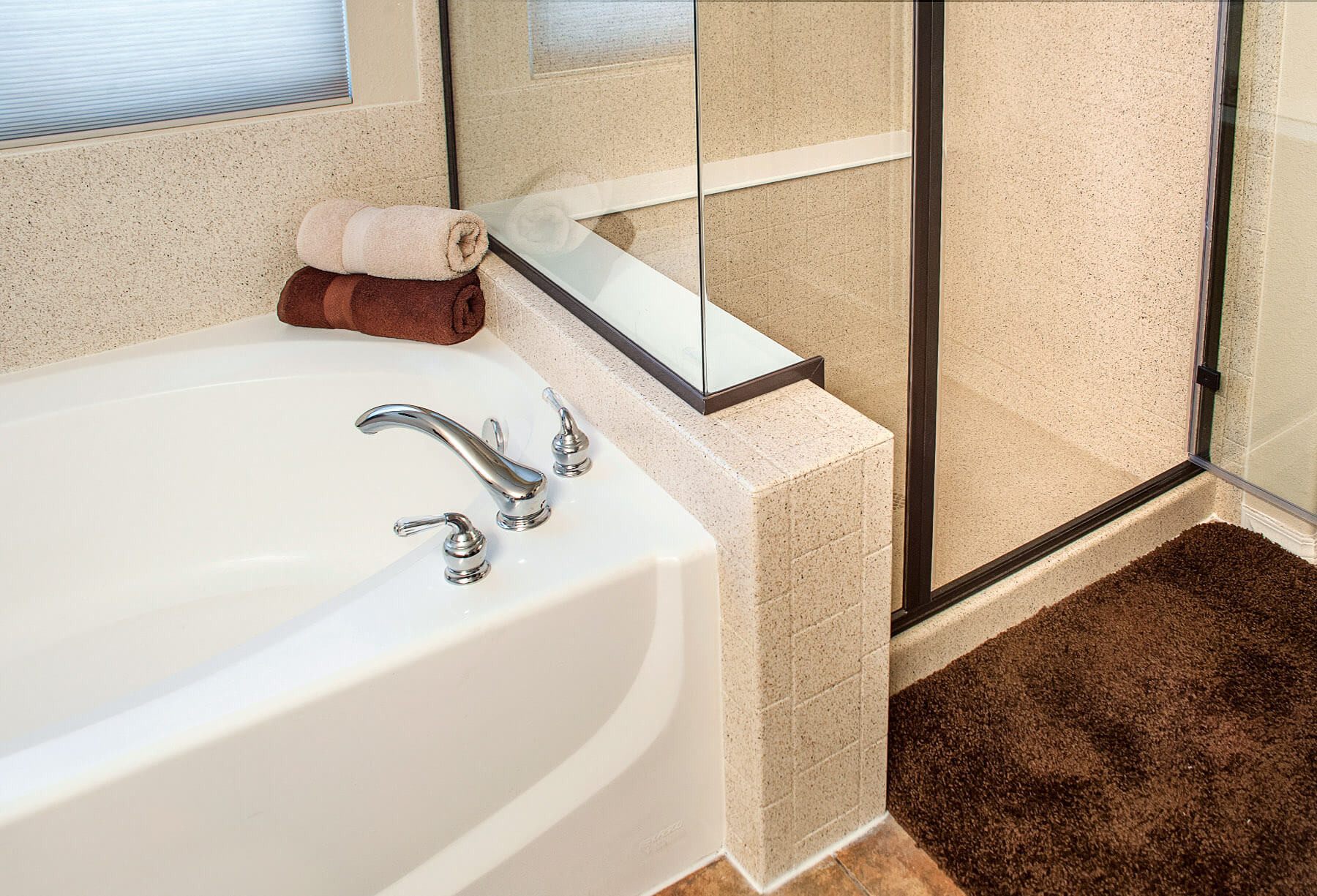
Durable Bathtub Glazing in Toronto
Introduction: Durable Bathtub Glazing in Toronto
Durable Bathtub Glazing in Toronto: A bathtub is one of the most noticeable fixtures in any bathroom, and its condition can strongly influence how clean, modern, and well-maintained the entire space looks. Over time, constant exposure to water, soap, mineral deposits, cleaning products, body oils, and everyday use can cause a bathtub surface to become dull, stained, scratched, chipped, faded, or difficult to clean. When the bathtub is still structurally sound but its finish has deteriorated, complete replacement may not always be necessary. Durable bathtub glazing in Toronto provides a practical restoration solution that can renew the appearance of an existing bathtub while keeping the original fixture in place.
KK Cleaning and Restoration provides professional bathtub restoration solutions for homeowners, landlords, property managers, condominium owners, and businesses throughout Toronto and the GTA. A professional glazing process involves much more than simply applying a new coating. Proper cleaning, surface preparation, minor repairs, careful application, curing, and aftercare all contribute to achieving a smooth and durable finished surface.
For Toronto property owners who want to improve an aging bathtub without the disruption of a complete bathroom renovation, professional bathtub glazing can be an effective option. Instead of removing the existing tub, the surface can be carefully restored and refinished to create a cleaner, fresher, and more attractive appearance.
What Is Durable Bathtub Glazing in Toronto?
Durable bathtub glazing in Toronto is a professional surface restoration process designed to renew the finish of an existing bathtub. The process generally involves thoroughly cleaning the tub, removing contaminants, repairing suitable surface imperfections, preparing the existing finish, protecting surrounding areas, and applying a specialized refinishing coating. The objective is to create a smooth, consistent, attractive surface that can withstand normal bathroom use when properly maintained.
Bathtub glazing is particularly useful when the main problems are related to surface appearance rather than serious structural deterioration. A bathtub may remain fully functional for many years while its original finish becomes worn or outdated. Stains, scratches, discoloration, dullness, minor chips, and accumulated residue can make the fixture appear much older than it actually is.
Professional glazing allows the existing bathtub to remain in position while its surface is restored. This can reduce the need for demolition and help protect surrounding tile, flooring, walls, fixtures, and plumbing from unnecessary disruption. For many Toronto homes and properties, this makes bathtub glazing a convenient alternative to immediate replacement.

Why Bathtubs Become Worn and Damaged Over Time
Bathroom surfaces experience demanding conditions every day. A bathtub is repeatedly exposed to hot and cold water, moisture, soap, shampoo, bath products, mineral deposits, cleaning chemicals, and physical contact. Even a high-quality original finish can gradually lose its smooth appearance as these factors accumulate.
Hard-water deposits and mineral buildup can create cloudy or discoloured areas that become increasingly difficult to remove. Soap residue can leave a dull film across the surface, while repeated use of aggressive cleaning products can contribute to surface deterioration. Scratches may develop from abrasive cleaning tools, dropped objects, or ordinary wear.
Older bathtubs can also develop chips, small imperfections, faded areas, and loss of surface shine. When these problems are widespread, ordinary household cleaning may no longer produce the desired appearance. Instead of continually trying to clean a deteriorated surface, property owners can consider professional bathtub restoration and glazing.
When Should You Consider Bathtub Glazing?
Knowing when to consider durable bathtub glazing in Toronto can help property owners avoid unnecessary replacement. If a bathtub is structurally sound but has become stained, faded, scratched, chipped, dull, or difficult to maintain, surface restoration may be worth considering.
A bathtub that looks outdated can affect the appearance of the entire bathroom. This is especially noticeable in smaller bathrooms, where the bathtub occupies a large portion of the visible space. Restoring the tub can create a cleaner and more coordinated appearance without requiring every other bathroom component to be replaced.
Bathtub glazing can also be useful when preparing a property for sale or rental. A worn bathtub can make a bathroom appear poorly maintained even when the rest of the room is in good condition. Refreshing the existing fixture can help improve its visual presentation and provide a more polished bathroom environment.
Professional assessment remains important because glazing is not intended to conceal serious structural problems. If a bathtub has extensive deterioration, significant structural damage, or another underlying issue that makes restoration unsuitable, a different solution may be necessary.
The Professional Bathtub Glazing Process
Achieving durable bathtub glazing begins with careful preparation. The first stage involves evaluating the existing bathtub and identifying stains, damaged areas, chips, scratches, previous repairs, and other surface conditions that may affect the restoration.
The bathtub is then thoroughly cleaned and degreased. Soap scum, body oils, mineral deposits, dirt, residue, and other contaminants must be removed because they can interfere with the bonding of the new finish. Ordinary surface cleaning is not enough when preparing a bathtub for professional glazing.
Minor chips, cracks, holes, and uneven areas may be repaired where appropriate. These areas can be filled, sanded, and smoothed to create a more consistent foundation. Proper surface preparation is essential because imperfections that are ignored before glazing can remain visible after the new finish is applied.
The surrounding bathroom area is carefully protected before the glazing material is applied. Tiles, fixtures, walls, flooring, caulking, and other nearby surfaces should be protected from overspray, coating materials, and accidental contact.
The professional glazing coating is then applied carefully to produce consistent coverage, colour, and surface appearance. After application, the finish requires appropriate curing time. A final inspection helps identify inconsistencies and ensures that the work area is properly cleaned before the restoration is considered complete.
Why Surface Preparation Determines Glazing Quality
The durability and appearance of a bathtub glaze depend heavily on what happens before the coating is applied. A new coating cannot perform properly if grease, soap residue, mineral deposits, loose material, or other contaminants remain underneath it.
Professional preparation may include deep cleaning, degreasing, sanding, smoothing, and repairing minor surface imperfections. Each stage contributes to creating a suitable foundation for the new finish. Skipping preparation steps can lead to uneven appearance, adhesion problems, premature deterioration, or visible imperfections.
This is one of the biggest differences between professional bathtub glazing and a quick cosmetic coating. Professional restoration considers the condition of the existing surface rather than simply covering it. The goal is to prepare the bathtub so the new finish becomes part of a carefully restored surface rather than an artificial layer hiding unresolved problems.
For property owners seeking durable bathtub glazing in Toronto, attention to preparation should therefore be one of the most important considerations when choosing a restoration service.
Durable Bathtub Glazing for Different Bathtub Surfaces
Bathtubs are manufactured from different materials, and each surface can respond differently to years of use. Porcelain, enamel-coated surfaces, fiberglass, acrylic, cast iron, and other bathtub materials may have different preparation and restoration requirements.
Porcelain and enamel surfaces can develop staining, dullness, chips, and loss of shine. Fiberglass and acrylic tubs may develop scratches, fading, discoloration, or other surface imperfections. Cast iron bathtubs can remain physically substantial while their exterior finish becomes worn and outdated.
The condition of the existing bathtub matters just as much as its material. A suitable restoration process should account for the type of surface, previous refinishing work, extent of damage, and overall condition.
Professional assessment helps determine whether glazing is appropriate and what preparation may be necessary. This individualized approach is important because durable results depend on selecting an appropriate restoration process for the specific bathtub rather than treating every fixture exactly the same way.
Benefits of Durable Bathtub Glazing in Toronto
One of the primary advantages of durable bathtub glazing in Toronto is the ability to refresh an existing bathtub without immediately replacing it. When the underlying fixture remains suitable for restoration, glazing can improve the appearance while avoiding much of the demolition involved in replacement.
Another major benefit is reduced disruption. Bathtub replacement can involve removing the existing fixture, disconnecting plumbing, disturbing surrounding tile, repairing walls or flooring, transporting the new tub, and disposing of the old one. Glazing focuses primarily on restoring the existing surface, which can make the process more convenient for occupied properties.
Glazing can also improve the visual consistency of a bathroom. A faded or stained bathtub can stand out against clean tile and recently maintained surfaces. Restoring the tub can help create a more unified and refreshed appearance.
For landlords and property managers, bathtub restoration can also be useful when a functional fixture needs cosmetic improvement. Rather than replacing a bathtub simply because its surface looks worn, glazing may provide an efficient restoration alternative when the fixture is suitable.
Bathtub Glazing for Toronto Homes, Condos, Rentals, and Businesses
Different types of properties can benefit from professional bathtub glazing. Homeowners may choose restoration when they want to improve an older bathroom without committing to a complete renovation. A refreshed bathtub can make the room feel cleaner and more modern while keeping the existing layout.
Condominium owners can also benefit from a restoration approach that minimizes unnecessary disturbance to surrounding bathroom surfaces. Because the existing bathtub remains in place, glazing can be particularly useful when extensive demolition would be inconvenient.
Rental properties present another common application. Between tenants, a bathtub may remain fully functional but have accumulated stains, scratches, discoloration, or surface wear. Restoring the bathtub can help improve the bathroom’s presentation without requiring a full replacement.
Commercial and property-management environments can also require practical restoration solutions. When bathroom downtime needs to be minimized, restoring an existing fixture can be a useful alternative to undertaking a larger renovation project.
KK Cleaning and Restoration provides bathtub restoration solutions for customers throughout Toronto and the GTA, helping property owners address worn bathroom surfaces with a restoration-focused approach.
How to Maintain a Glazed Bathtub for Long-Term Durability
Even professionally restored surfaces require proper maintenance. The quality of durable bathtub glazing in Toronto can be supported by using suitable cleaning methods and avoiding practices that unnecessarily damage the finish.
Non-abrasive cleaning products should generally be preferred for a restored bathtub. Rough scouring pads, abrasive powders, harsh chemicals, and aggressive scrubbing can scratch or deteriorate the finish over time. Regular gentle cleaning is preferable to allowing heavy soap residue and mineral buildup to accumulate.
The bathtub should also be treated as a finished surface rather than an area for storing heavy or sharp objects. Dropping objects into the tub can cause chips or impact damage even after professional restoration.
Proper ventilation can help manage excessive bathroom moisture, while regular cleaning can help maintain the appearance of the surface. Following the recommended curing period after glazing is particularly important because the finish needs adequate time to develop before normal use.
Good maintenance does not require complicated routines. Consistent, gentle cleaning and responsible use can go a long way toward protecting a newly restored bathtub.
Why Choose KK Cleaning and Restoration for Bathtub Glazing?
Choosing a bathtub glazing company involves more than finding someone who can apply a coating. A successful restoration requires attention to the existing surface, proper preparation, careful application, protection of surrounding areas, and appropriate aftercare.
KK Cleaning and Restoration takes a restoration-focused approach to bathtub glazing. The process includes assessing the bathtub, thoroughly cleaning and preparing the surface, addressing suitable minor imperfections, protecting surrounding bathroom areas, applying the glazing finish, inspecting the completed work, and providing maintenance guidance.
The company serves residential and property-related restoration needs throughout Toronto and the GTA. Its broader restoration services also include tile and grout cleaning and sealing, regrouting, shower restoration, caulking and silicone replacement, tile replacement, drywall or frame repair, and other bathroom surface solutions.
For property owners dealing with a bathtub that has become stained, faded, scratched, chipped, dull, or difficult to clean, professional glazing can provide a practical way to improve the fixture without automatically replacing it.
Restore Your Bathtub with a Durable Professional Finish
A bathtub does not necessarily need to be removed simply because its original finish has deteriorated. When the existing fixture remains structurally suitable, professional glazing can restore its appearance and provide a refreshed surface while keeping the bathtub in its original location.
The success of the process depends on preparation, appropriate repairs, professional application, sufficient curing, and proper maintenance. These factors are especially important for anyone looking for durable bathtub glazing in Toronto rather than a temporary cosmetic improvement.
KK Cleaning and Restoration helps homeowners, landlords, condominium owners, property managers, and businesses address worn bathtub surfaces throughout Toronto and the GTA. By combining detailed preparation with professional restoration techniques, the existing bathtub can receive a smoother, cleaner, and more refreshed appearance.
If your bathtub is stained, scratched, faded, chipped, dull, or simply showing years of everyday wear, professional bathtub glazing may offer a practical alternative to complete replacement. A carefully restored bathtub can give the bathroom a renewed appearance while helping property owners avoid unnecessary demolition and disruption.
Contact us now:
 Call us now at +16479163093
 Email: info@kkcleaningandrestoration.ca
 Visit: https://kkcleaningandrestoration.ca/
FAQs on “durable bathtub glazing in Toronto”
1. What is durable bathtub glazing in Toronto?
Durable bathtub glazing in Toronto is a professional restoration process that renews the surface of an existing bathtub without necessarily replacing the entire fixture. The process can include deep cleaning, degreasing, surface preparation, minor repairs, sanding, and application of a professional refinishing coating. It is designed to improve bathtubs affected by stains, scratches, chips, discoloration, fading, dullness, and everyday surface wear. When the bathtub remains structurally suitable, glazing can provide a practical way to achieve a refreshed and attractive finish.
2. Why choose durable bathtub glazing instead of bathtub replacement?
Durable bathtub glazing can be a practical alternative when the existing bathtub is functional but its surface has become worn or unattractive. Replacing a bathtub may involve demolition, plumbing adjustments, disposal, installation, and repairs to surrounding tile, flooring, walls, or fixtures. Professional glazing allows the existing fixture to remain in place while its surface is carefully restored and refinished. This can reduce disruption and make bathtub restoration suitable for homeowners, condominiums, rental properties, landlords, and commercial spaces.
3. What bathtub problems can glazing services address?
Professional bathtub glazing can improve many common surface problems, including stains, discoloration, scratches, fading, dullness, mineral buildup, and worn finishes. Minor chips, holes, cracks, and uneven areas may also be repaired and smoothed before the glazing coating is applied. Thorough preparation is important because untreated damage or contaminants can affect the appearance and adhesion of the new finish. Serious structural damage should be professionally evaluated because surface glazing is intended primarily for suitable restoration candidates.
4. Is bathtub glazing the same as bathtub refinishing?
Bathtub glazing, bathtub refinishing, bathtub resurfacing, and bathtub reglazing are commonly used terms for related surface restoration processes. These services generally involve preparing an existing bathtub and applying a new professional finish rather than removing the entire fixture. Professional bathtub refinishing requires careful cleaning, repairs, preparation, coating application, and curing rather than simply painting over the old surface. The exact terminology and process can vary according to the bathtub material, existing condition, and restoration requirements.
5. How does durable bathtub glazing in Toronto work?
Durable bathtub glazing in Toronto begins with an assessment of the bathtub’s material, condition, surface damage, and previous treatments. The surface is thoroughly cleaned and degreased to remove soap residue, body oils, mineral deposits, grease, dirt, and other contaminants. Suitable chips, scratches, cracks, holes, and uneven areas may then be repaired, filled, sanded, and smoothed before the professional glazing material is applied. Surrounding surfaces are protected during the application, after which the newly glazed bathtub is allowed to cure before final inspection and normal use.
6. Why is surface preparation important for durable bathtub glazing?
Surface preparation is one of the most important factors affecting the quality and durability of bathtub glazing. Grease, soap scum, mineral deposits, old cleaning residue, loose material, and other contaminants can interfere with proper adhesion if they are not thoroughly removed. Repairs and sanding can also create a more consistent foundation by addressing imperfections before the new finish is applied. Careful preparation helps support a smoother appearance and reduces the risk of premature coating problems.
7. Can durable bathtub glazing restore an old bathtub?
Durable bathtub glazing can restore the appearance of many older bathtubs when the underlying fixture remains structurally sound. Older tubs often develop stains, scratches, chips, fading, discoloration, dullness, and mineral buildup after years of regular use. Professional bathtub restoration can address suitable surface deterioration while allowing the existing fixture to remain in place. A professional assessment is still important because severely deteriorated or structurally compromised bathtubs may require replacement instead.
8. Can bathtub glazing repair chips and scratches?
Bathtub glazing services can often include the repair of minor chips, scratches, holes, and other surface imperfections before refinishing. Damaged areas may be filled, sanded, and smoothed so they provide a more suitable foundation for the new glazing finish. The type and extent of repair depend on the size, depth, location, material, and overall condition of the bathtub. Properly addressing suitable surface damage before glazing can contribute to a smoother and more consistent finished appearance.
9. What types of bathtubs can receive professional glazing?
Professional bathtub glazing may be suitable for several bathtub materials, including porcelain, fiberglass, acrylic, cast iron, and enamel-coated surfaces. Different materials can have different preparation requirements, so the restoration process should be selected according to the specific bathtub. Previous refinishing work and the overall condition of the existing finish can also influence whether glazing is appropriate. A professional inspection helps determine the most suitable restoration approach for the particular bathtub.
10. How long does durable bathtub glazing in Toronto take?
The time required for durable bathtub glazing in Toronto depends on the bathtub’s material, size, condition, surface preparation requirements, and amount of repair needed. A tub with extensive staining, chips, scratches, or previous coating problems may require more preparation than a bathtub with minor cosmetic wear. Appropriate curing time must also be allowed after the glazing application before the surface is returned to normal use. A professional can provide a more accurate project timeframe after evaluating the bathtub.
11. How long can durable bathtub glazing last?
The longevity of durable bathtub glazing depends on preparation quality, application technique, coating materials, bathtub condition, frequency of use, and maintenance practices. A professionally prepared and restored surface can remain attractive when it is cleaned appropriately and protected from unnecessary damage. Abrasive cleaners, harsh chemicals, impact damage, and improper cleaning can negatively affect a restored finish. Following professional aftercare recommendations is therefore an important part of maintaining the bathtub after glazing.
12. Is bathtub glazing suitable for condominium bathrooms?
Bathtub glazing can be a practical option for condominium bathrooms because it can restore an existing fixture without requiring extensive demolition. Removing a bathtub may disturb surrounding tile, flooring, plumbing, walls, and other finished surfaces, which can make replacement more disruptive. Professional glazing focuses on the existing bathtub while appropriate protection is used around the work area. This makes bathtub restoration an option worth considering when condo owners want to refresh a bathroom while minimizing unnecessary renovation work.
13. Can landlords use bathtub glazing between tenants?
Landlords can consider bathtub glazing when a rental bathtub remains functional but has developed stains, scratches, fading, discoloration, or general surface wear. Restoring the bathtub can improve the appearance of the bathroom without automatically requiring complete fixture replacement. This can be particularly useful when a property needs cosmetic improvement between occupants while keeping renovation time and disruption under control. The bathtub should be professionally assessed first to determine whether glazing is suitable for its condition.
14. Can durable bathtub glazing change the colour of a bathtub?
Depending on the bathtub material and selected refinishing system, professional glazing can sometimes refresh or change the visible colour of an existing bathtub. Colour restoration or updating can help an older bathtub coordinate better with the surrounding bathroom design. The surface must still be thoroughly prepared so the new colour and finish can be applied consistently. Homeowners should discuss colour preferences and the desired final appearance with the restoration professional before the glazing work begins.
15. Is professional bathtub glazing better than DIY refinishing?
Professional bathtub glazing involves detailed surface preparation, specialized materials, controlled application, and careful protection of surrounding bathroom surfaces. DIY refinishing attempts can produce unsatisfactory results when contaminants are not fully removed or when repairs, sanding, coating, or curing are handled incorrectly. Professional technicians can evaluate the bathtub material and condition before determining the appropriate restoration process. For property owners seeking a consistent and professionally restored finish, professional bathtub glazing services can provide a more comprehensive approach.
16. Can bathtub glazing make a bathtub easier to clean?
A properly restored bathtub can have a smoother and more consistent surface, which may make routine cleaning easier than maintaining a severely deteriorated finish. Worn, rough, heavily stained, or damaged surfaces can hold residue and may require more effort to keep looking clean. A renewed glaze can provide a refreshed surface that supports simpler routine maintenance when appropriate cleaning practices are followed. Non-abrasive products and gentle cleaning methods should still be used to protect the restored finish.
17. How should I maintain a bathtub after glazing?
A newly glazed bathtub should be maintained with suitable non-abrasive cleaning products and soft cleaning tools. Harsh chemicals, abrasive powders, rough scouring pads, and aggressive scrubbing should be avoided because they can damage the refinished surface. The recommended curing period should also be respected, and heavy or sharp objects should not be dropped or dragged across the bathtub. Regular gentle cleaning, adequate bathroom ventilation, and prompt attention to new damage can help preserve the restored appearance.
18. Is durable bathtub glazing suitable for a previously refinished bathtub?
A previously refinished bathtub may be suitable for additional glazing, but its existing coating needs to be carefully assessed before another finish is applied. Peeling, flaking, poorly bonded, damaged, or deteriorated previous coatings may require extensive preparation before a new restoration can be considered. Applying another coating over an unstable previous finish can create adhesion and appearance problems. Professional bathtub glazing services in Toronto should therefore evaluate the existing finish and determine the appropriate preparation before proceeding.
19. Is bathtub glazing less disruptive than bathtub replacement?
Bathtub glazing is generally designed to restore the existing fixture in place, which can reduce the disruption associated with removing and replacing a bathtub. Replacement can involve demolition, plumbing work, fixture removal, disposal, installation, and possible repairs to surrounding surfaces. Glazing concentrates on surface restoration while nearby tiles, flooring, walls, and fixtures are protected during the work. For occupied homes, condos, rental properties, and businesses, this can make glazing a practical alternative when the bathtub is suitable for restoration.
20. What is the difference between bathtub glazing, resurfacing, and reglazing?
Bathtub glazing, resurfacing, refinishing, and reglazing are related terms commonly used for renewing the surface of an existing bathtub. These processes generally involve cleaning and preparing the existing surface before applying a new professional finish. The terminology may differ between restoration companies and can depend on the specific materials and techniques being used. Regardless of the name, proper preparation, surface repair, professional application, curing, and maintenance are important for achieving a quality bathtub restoration.
21. When should a bathtub be replaced instead of glazed?
Bathtub glazing is generally intended for fixtures that remain structurally suitable but have surface-level deterioration. Extensive structural damage, serious deterioration, significant leaks, severe cracking, or other underlying problems may make replacement more appropriate than surface restoration. A professional assessment can help distinguish cosmetic or repairable surface damage from conditions that affect the fundamental integrity of the bathtub. The purpose of durable bathtub glazing in Toronto is to restore suitable existing fixtures rather than conceal serious structural problems.
22. Can durable bathtub glazing improve an outdated bathroom?
Durable bathtub glazing can make a noticeable difference in an outdated bathroom because the bathtub is often one of the largest and most visible fixtures in the room. A stained, faded, scratched, or dull bathtub can make surrounding areas appear older even when the tile, walls, and flooring are well maintained. Restoring the bathtub surface can create a cleaner and more coordinated appearance without requiring a complete bathroom renovation. Combining bathtub glazing with suitable tile and grout cleaning, regrouting, shower restoration, or caulking services can further refresh the overall bathroom.
23. How do I choose durable bathtub glazing services in Toronto?
When choosing durable bathtub glazing services in Toronto, consider the company’s experience with bathtub restoration, refinishing, resurfacing, repairs, surface preparation, and different bathtub materials. It is also useful to understand what preparation and repairs are included, how surrounding areas will be protected, what curing requirements apply, and what maintenance is recommended afterward. A professional service should evaluate the actual condition of the bathtub rather than automatically recommending glazing without determining whether restoration is appropriate. Asking detailed questions about the preparation process and expected finished result can help you make an informed decision.
24. Why choose KK Cleaning and Restoration for durable bathtub glazing in Toronto?
KK Cleaning and Restoration provides professional bathtub glazing and restoration solutions for homeowners, landlords, property managers, condominium owners, and businesses throughout Toronto and the GTA. Its restoration approach focuses on assessment, deep cleaning, degreasing, suitable surface repairs, detailed preparation, protection of surrounding areas, professional glazing application, final inspection, and aftercare guidance. The company also provides related bathroom restoration services, including tile and grout cleaning, regrouting, shower restoration, caulking, and silicone replacement. For a bathtub that is stained, scratched, chipped, faded, dull, or difficult to maintain but remains suitable for restoration, professional bathtub glazing can provide a practical way to renew the existing fixture.
Contact us now:
Call us now at +16479163093
Email: info@kkcleaningandrestoration.ca
Visit: https://kkcleaningandrestoration.ca/