Best Shower Grout Cleaner: How to Pick the Right Solution for a Cleaner, Healthier Shower
Introduction: Best Shower Grout Cleaner
Best Shower Grout Cleaner: Shower grout is probably one of the toughest bathroom spots to keep clean. Unlike tile, grout is porous—it soaks up water, soap, oils, minerals, dirt, and all sorts of grime. Give it enough time and your grout goes from bright to dull, yellow, brown, grey, or even black. If the shower never really dries out between uses, you’re just inviting mildew and stains to stick around.
Picking the best shower grout cleaner doesn’t mean grabbing the harshest chemicals. You need something that works for your type of grout, your tile, and whatever buildup you’re actually fighting. It’s about getting rid of grime well, without ruining the grout or damaging your surfaces. Cleaning pros usually say you should match your cleaner to the dirt and the surface, not just rely on one super-tough product for everything.
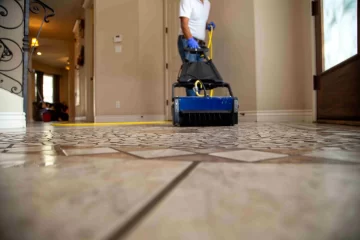
If your shower grout is seriously stained, has been neglected for a while, or just will not come clean, professional cleaning might be your best bet. KK Cleaning and Restoration offers tile and grout cleaning, restoration, regrouting, sealing, and other shower services to get your bathroom surfaces looking and performing better.
Why Shower Grout Gets Dirty So Fast
Every shower leaves behind water, soap, shampoo, conditioner, oil, minerals—basically, everything but the kitchen sink. While most ceramic or porcelain tile holds up pretty well, grout is much more absorbent.
Soap scum is everywhere. Mixed with oils and minerals, it forms a tough film that settles into grout lines. Leave it too long, and it locks in even more dirt, making grout tough to clean. Add moisture, and you get mildew and discoloration.
Sometimes, showers just stay damp too long. No ventilation, leaks, broken silicone, or missing sealer all make things worse.
That’s why picking the best shower grout cleaner is just the start. Good cleaning habits, proper ventilation, drying, sealing, and quick repairs all matter if you want results that last.
What Actually Makes a Shower Grout Cleaner Work?
No single product is perfect for every shower. The best choice depends on what’s dirtying your grout and what kind of tile and grout you’ve got.
For regular dirt and bathroom gunk, a basic alkaline or pH-neutral cleaner often does the job. Don’t use acidic products on cement-based grout—acids can break it down over time. The American Cleaning Institute backs up using alkaline cleaners for grout, not acids, for everyday cleaning.
Soap scum needs a specialty cleaner that breaks down those bathroom residues. If minerals are the issue, you may need another approach. Mildew? Use a product made for mildew that fits your surfaces and follows the manufacturer’s recommendations.
The best cleaner is one that lifts out dirt, fits your materials, and doesn’t wreck the tile or grout.
Choose Based on Your Grout Type
Before you start, know what kind of grout you have. Cement-based grout, epoxy grout, and other specialty types each need their own care.
Cement grout is usually very porous. It absorbs moisture and stains, so it needs the right cleaner and maybe a good sealer where possible. Strong acids and harsh cleaners aren’t always better—they can wreck your grout.
Epoxy grout is less porous, but it still gets coated in soap, oil, and minerals just like cement-based grout.
The tile itself matters, too. Ceramic and porcelain can take scrubbing and lots of solutions, but stone tiles like marble, limestone, or travertine are much more sensitive—certain acids or chemicals will harm them.
This is why it helps to get a professional assessment before choosing a shower grout cleaner, especially if you’re not sure what you’re dealing with.
The Best Cleaner for Soap Scum and Body Oils
Soap scum is a big reason grout looks dull. It builds up slowly, sometimes without you noticing, until your grout looks grey, yellow, or just “off.”
A cleaner made for soap scum can soften and break down this layer. Apply it as directed, let it sit for a bit, scrub gently, and rinse well.
Don’t skip the scrubbing. A cleaner won’t lift all the buildup by itself; a good nylon brush works grout lines without scratching your tile. Avoid harsh tools—overly abrasive materials just cause damage.
Pros will also figure out if you have deeper issues, like true staining or damaged grout, and pick the right approach instead of just dousing everything in stronger chemicals.
The Best Cleaner for Mold and Mildew Stains
When grout looks dark or blotchy, people jump to mold or mildew, but sometimes it’s just dirt, minerals, or old residue. Sometimes, it’s permanent staining or even grout breakdown.
You can get rid of surface mildew with the right cleaners and some elbow grease. But if the stains keep coming back, you might have to replace the grout or silicone.
When working with mold and mildew, ventilate the space and protect yourself. Don’t mix cleaning products—bleach mixed with acid (or other chemicals) is always dangerous.
If stains return right after you clean, it’s time to call in an expert rather than keep scrubbing forever.
Why Vinegar Isn’t Always the Best Shower Grout Cleaner
A lot of people like using vinegar because it’s “natural,” but it’s not always the right choice—especially not for cement-based grout. Acids like vinegar slowly eat away at grout.
Since most grout is made with cement, you want to avoid too much acid. Professionals recommend sticking to alkaline or neutral products for regular cleaning.
Vinegar also damages some natural stone surfaces. Marble, limestone, and similar stones can get etched and dulled by any acid.
So while acids aren’t always bad, you need to pick based on the surface and stain, not just dump vinegar on everything.
How to Use Shower Grout Cleaner the Right Way
Even great cleaners don’t work if you use them wrong. Start by cleaning up loose dirt first. Apply your cleaner following the directions, and let it soak if needed.
Use a soft or medium nylon brush. Work along the lines (not just scrubbing the whole tile), focusing on problem spots—corners, floor joints, drains, and around fixtures.
Always rinse well. Leftover cleaner can form a sticky film that just grabs more dirt. Dry the shower as much as you can when you’re done.
If you have a lot of buildup, repeat the process with control instead of escalating to harsher chemicals.
Common Mistakes That Harm Grout
A big mistake is thinking stronger always means better. Heavy-duty products can eat away at grout, damage tiles or sealants, and even harm finishes.
Metal brushes are another no-go. They grind down grout and scratch tiles. Stick to nylon brushes for most cleaning.
Don’t seal grout that’s still damp—it traps moisture inside, sometimes causing more issues later on.
Never mix cleaning chemicals—some combinations are dangerous and create toxic fumes.
And don’t use cleaning to hide deeper problems. Persistent leaks, cracked grout, missing silicone, loose tiles, or water damage need real repairs, not more scrubbing.
When to Call the Pros
For light or moderate dirt, you can clean shower grout yourself. But if it’s deeply stained, neglected, or hard to reach, professionals are often worth it.
They assess the tile and grout before choosing a cleaning plan. Instead of treating every area the same, they pick the best methods and spot damage early.
Professionals can also offer extra services. Stubborn, ruined grout may need regrouting. Damaged silicone gets replaced. Clean, healthy grout can be sealed once dried for more protection.
This makes sense if you’ve already tried lots of home remedies without lasting results.

How to Keep Shower Grout Cleaner, Longer
Finding the right grout cleaner helps, but stopping problems before they start is even better. Wipe down walls and floors after every shower to keep moisture away.
Run the bathroom fan before, during, and after showers—ventilation matters. Let surfaces dry out completely between uses to stop mildew and gunk from coming back.
Regular cleaning is easier than waiting for months’ worth of buildup. Small, frequent cleanings stop soap, oil, and minerals from setting in.
Sealing grout (when appropriate) adds extra protection. Just make sure grout is clean and totally dry before sealing.
Professional Grout Cleaner Solutions from KK Cleaning and Restoration
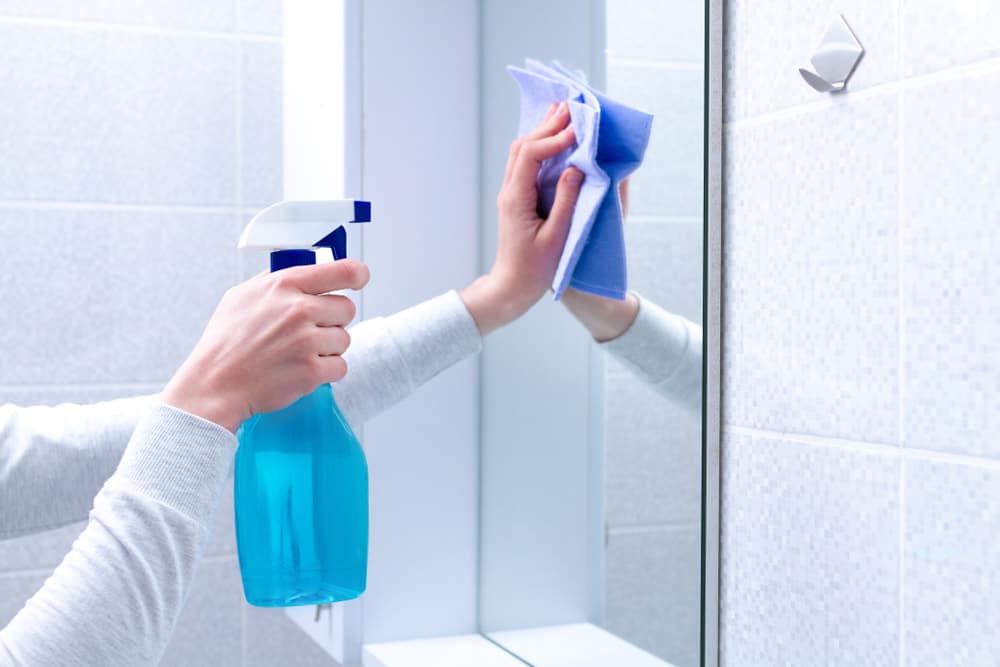
Nothing beats a clean shower for making your bathroom look fresh, but getting there takes more than a spray bottle and a rag. KK Cleaning and Restoration offers pro tile and grout care for homeowners who want their showers in top shape.
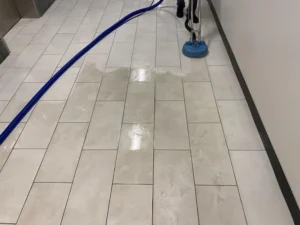
Their process removes deep-down dirt, soap, stains, and everything that clings to grout. If grout can’t be restored with cleaning, they’ll discuss regrouting or other repairs.
If you’re unsure which cleaning product is safe for your tile or grout, pros can figure it out—no more experimenting or accidental damage.
In the end, the best shower grout cleaner is the one that matches your shower’s specific needs—removing gunk without harm.
When you keep your shower truly clean and well maintained, you don’t just boost how it looks. You help the tile last longer, the grout stay stronger, and you make your next cleaning way easier. With proper drying, ventilation, sealing, and repairs, you can keep your bathroom surfaces cleaner and in better condition for a lot longer.
Faqs on Best shower grout cleaner:-
1. What’s the Best Shower Grout Cleaner for Deep Cleaning?
The best shower grout cleaner really comes down to the kind of grout, tile, and grime you’re dealing with in your shower. You want something that clears away dirt, soap scum, body oils, mineral deposits, and all the other messes—without wrecking your grout or damaging your tile. For cement-based grout, stick with pH-neutral or the right alkaline cleaner for everyday cleaning; acidic products can damage cement-based materials. When grout is seriously stained or hasn’t been cleaned in ages, you’ll get much better results if you call in the pros instead of scrubbing at home over and over.
2. What Makes a Grout Cleaner Really Work?
The best cleaner is one that actually targets the junk on your grout. Soap scum, hard water, mildew, grease, plain old dirt—each one might need its own approach or product. The right cleaner loosens up the buildup so you can scrub it off, especially since grout is so porous. Picking the right cleaner and method keeps your tile and grout safe but actually gets them clean.
3. Can Grout Cleaner Get Rid of Soap Scum?
Absolutely. The right grout cleaner will break down that soap scum that collects in grout lines. Soap mixes with body oils, shampoo, minerals, and dirt until you’ve got a film that leaves the grout looking gray, yellow, or just dull. With a good bathroom or grout cleaner, enough time to work, and a gentle scrub here and there, you can get rid of it. If the buildup is really old, though, you might need professional help to get things looking fresh again.
4. What Works Best for Mold and Mildew?
The right mold and mildew cleaner depends on how bad the stains are and the type of tile or grout you have. Some products are made specifically for mildew and can work well if you follow the directions. But when dark stains keep coming back, it might be more than just a cleaning issue—it could be lingering moisture, old grout, or failing silicone causing the problem. If cleaning doesn’t help, it might be time for professional restoration or regrouting.
5. Is Vinegar the Best Choice?
Vinegar really isn’t the best shower grout cleaner for most jobs, especially with cement-based grout. Since vinegar’s acidic, using it over and over can break down cement grout and ruin natural stone like marble or limestone. For cement-based grout, go with a neutral or alkaline cleaner for regular upkeep. Always check what your tile and grout are made of before using any acidic cleaner.
6. Will Grout Cleaner Remove Black Stains?
Good grout cleaners can remove black stains if they’re from things like dirt, soap, or mildew lingering on the surface. If those black marks come from stains deep in the grout, damaged grout, constant moisture, or failed silicone, cleaning might not be enough. Repeated heavy chemicals probably won’t fix root problems. In those cases, bring in a pro to figure out whether cleaning, restoration, or new grout makes more sense.
7. What’s Best for Hard-Water Deposits?
Hard-water buildup calls for a cleaner made specifically for dealing with minerals, not just regular dirt or soap. These deposits often look white, chalky, cloudy, or crusty around grout and fixtures. The best cleaner for minerals also needs to be safe on your tile—because acidic products can ruin natural stone. If the buildup is bad or your shower has marble or limestone, a professional tile cleaning service is your safest bet.
8. Is Bleach the Top Grout Cleaner?
Bleach can tackle some mildew stains, but that doesn’t mean it’s always the best option for grout cleaning. It’s strong stuff, and you need to follow the directions and never mix it with acids, ammonia, or other harsh cleaners. For regular maintenance, stick with cleaners designed specifically for tile and grout. If stains are stubborn or the grout is damaged, professional cleaning or restoration is probably safer and more effective.
9. How Do You Actually Use Grout Cleaner?
First, clear out any loose dirt from your shower. Then, apply your grout cleaner according to the label—don’t just assume more is better. Watch for instructions about dilution, letting it sit, making sure there’s enough airflow, and rinsing. Scrub gently with a nylon grout brush and rinse everything off really well. Always test new cleaners somewhere hidden first, especially if you have natural stone or fancy tile.
10. Can Grout Cleaner Whiten Grout?
A good grout cleaner can make dirty, discolored grout look much brighter by getting rid of surface gunk. But if stains have soaked deep into cement-based grout, cleaning can only do so much. Older grout might be permanently stained from moisture, chemicals, or just age. When cleaning doesn’t get you the look you want, restoration or even regrouting could be the next step.
11. How Often Should You Clean Shower Grout?
You should clean shower grout regularly, since it collects water, soap, body oils, and minerals all the time. How often depends on how much the shower gets used, ventilation, your water, grout and tile condition, and your usual cleaning habits. Keeping up with light cleaning stops grime from becoming a big problem. And if you notice stains building up, bring in a pro for a deep clean.
12. Does Grout Cleaner Work on Sealed Grout?
Yes, you can use grout cleaner on sealed grout—as long as the cleaner and the sealer play well together. Sealing helps protect grout from soaking up stains, but it doesn’t make grout immune to soap scum or grime. Harsh chemicals can break down some sealers, so it’s best to use what the manufacturer recommends. You’ll still need regular cleaning even after sealing.
13. Is a Grout Brush Really Necessary?
A grout brush actually helps a lot. Those bristles dig into tight grout lines and rough spots, something a towel just can’t do. Brushing after you’ve let the cleaner soak in helps get the grime out. Just don’t use brushes that are too stiff or abrasive, because they can scratch tile or wreck your grout.
14. What’s Best for Natural Stone Showers?
Pick a grout cleaner that’s made for the specific kind of stone you have. Marble, limestone, travertine—they’re all sensitive to acid, which can leave ugly marks or damage. Stay with a pH-neutral, stone-safe cleaner for regular maintenance. If you’re unsure about your stone, or it’s expensive or very stained, it’s safest to have a professional handle it.
15. Why Does Grout Look Dirty Again So Quickly?
Shower grout gets grimy fast because water, soap, shampoo, oils, and minerals hit it all the time. Cement grout is porous and soaks it all up, especially when the sealer wears off. Poor ventilation and letting water sit around make it worse. Keeping up with maintenance, good airflow, drying things off, and resealing when needed goes a long way toward keeping things clean.
16. Can Professionals Restore Old Grout?
Professional cleaning can make old grout look way better if dirt, soap scum, or oils are the main problem. What you end up with depends on grout age, the material, its condition, and how it was cared for in the past. If your grout is cracked, crumbling, missing, or deeply stained, cleaning alone won’t do. That’s when a company like KK Cleaning and Restoration can help with restoration or new grout.
17. When Should I Go for Professional Cleaning?
Call in the pros if your grout is seriously stained, full of soap scum, has a lot of mildew, hard-water buildup, or just years of grime. If regular cleaners aren’t doing the trick, let professionals pick the best cleaning method. They can figure out exactly what’s needed—cleaning, sealing, regrouting, or even restoring the shower—without doing unnecessary damage.
18. Should You Reseal Grout After Cleaning?
Yes, it’s a good idea for most cement-based grout. Just make sure the grout is completely clean and dry first—otherwise, sealing just traps the grime. The right grout sealer will help keep moisture and stains out, making cleaning easier next time. But you’ll still need to do routine cleaning. Professional sealing helps your work last a lot longer.
19. How Do You Know When Grout Needs Cleaning?
You’ll see grout lines looking dark, yellow, gray, or just dull. Soap scum, dirt, or mildew might be obvious, and grout might look especially dirty around corners or areas that stay wet. If household cleaners aren’t enough anymore, it’s time for a pro clean. If stains just won’t go away, restoration may be needed instead of just cleaning.
20. When Should You Regrout Instead of Cleaning?
Regrouting is needed when grout is cracked, crumbling, missing, really worn out, or just not holding the tile together. Cleaning can’t fix grout that’s falling apart. Water and movement break it down over time, so fixing it quickly helps keep the whole surface in shape. KK Cleaning and Restoration can figure out whether cleaning is enough or if you’re ready for new grout.
21. How Do You Keep Grout Looking Clean After a Pro Cleaning?
Wipe away extra water after you shower and keep the bathroom aired out to help it dry. Quick cleanups stop soap scum and grime from building up again. If possible, have the grout sealed after cleaning for extra protection. Staying on top of light cleaning and maintenance helps keep your grout looking good for a long time.
22. Why Pick KK Cleaning and Restoration for Grout Cleaning?
KK Cleaning and Restoration offers professional tile and grout cleaning, shower restoration, regrouting, grout sealing, caulking, and all sorts of bathroom fixes. They check your shower first to decide whether it needs cleaning or a bigger restoration. This is especially useful if you have stubborn stains, damaged grout, mildew, soap buildup, or showers that are just plain tough to clean. When you want the best for your grout, professional services beat endless experimenting with store-bought cleaners every time.
Contact us now:
 Call us now at +16479163093
 Email: info@kkcleaningandrestoration.ca
 Visit: https://kkcleaningandrestoration.ca/