Best Shower and Grout Cleaner: A Complete Guide to Cleaner, Healthier Shower Surfaces
Introduction: Best Shower and Grout Cleaner
Best Shower and Grout Cleaner: Picking out the right shower and grout cleaner is key if you want your bathroom to look fresh, spotless, and well maintained. Every day, shower surfaces get hit with water, soap, shampoo, body oils, minerals, dirt, and humidity. Eventually, all that build-up turns into soap scum, cloudy tiles, dark grout, hard water marks, and tough stains that basic wiping just can’t deal with.
How you clean really depends on what kind of tile, grout, and gunk you’re facing. Ceramic and porcelain tiles are usually easier to take care of, but if you have natural stones like marble, travertine, or limestone, you need to be picky with what products you use. Cement-based grout, on top of that, is pretty porous and absorbs stains, so choosing the right cleaner for showers and grout matters even more.
You want a cleaning product that gets rid of dirt without harming your tile, grout, sealers, or anything else around it. The Tile Council of North America says alkaline cleaners are best for cement-based grout since acids can break down the cement, and they warn against oil- or wax-based cleaners, which leave residue inside porous grout.
KK Cleaning and Restoration offers professional tile and grout cleaning, sealing, regrouting, shower restoration, caulking, and other related services. If household cleaners aren’t cutting it, these experts can step in to restore neglected or heavily stained shower surfaces.
Why Choosing the Best Shower and Grout Cleaner Matters
Not every bathroom cleaner is made for every kind of mess. A product that tackles soap scum well might not be great for mineral deposits, mold, or really dirty grout. And some cleaners that are safe for porcelain could wreck marble or other acid-sensitive stone.
Grout needs special attention because it soaks up stains and residue. Cementitious grout has a porous structure with tons of microscopic spots where dirt and stains set in.
If you use the wrong cleaner over and over, you could end up with dull tiles, damaged grout, discoloration, residue, or ruined sealers. Just because a cleaner is strong doesn’t mean it’s the best choice for your shower.
The ideal shower and grout cleaner matches the material and the kind of buildup—not just the strongest chemical on the shelf.
Understanding Different Types of Shower Tile and Grout
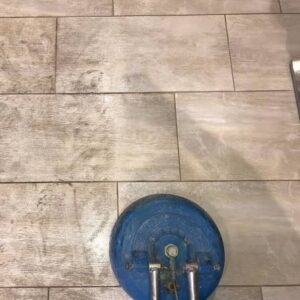
Before you grab a shower and grout cleaner, make sure you know what you’re dealing with. Bathrooms usually have ceramic and porcelain tiles, which are tough and fairly easy to keep clean. But natural stone needs much more specialized care. Some stones react badly to acidic or abrasive cleaning products.
If you have marble, limestone, travertine, or similar stones, stick with products made for them. Using the wrong cleaner can cause etching, dullness, discoloration, or other damage.
Grout isn’t all the same, either. Cement-based grout is porous and absorbs stains, while epoxy grout handles grime differently and needs its own care. If grout is old, cracked, crumbling, or missing, it’ll probably need restoration rather than just a good scrub.
Figuring out your surface before picking a cleaner is one of the simplest ways to prevent unnecessary damage—and get better results.
What Makes the Best Shower and Grout Cleaner Effective?
A good shower cleaner can break down the dirt and buildup without harming your tile or grout. For regular messes, a mild or neutral cleaner usually does the job. Seriously grimy soap scum, body oils, or mineral deposits call for specialized products.
On cementitious grout, alkaline cleaners beat acidic ones. The Tile Council of North America warns that acids attack cement, so alkaline cleaning is best for routine cement-based grout care.
The cleaner you choose should rinse away thoroughly. If detergents stick around, they leave a sticky residue that grabs onto dirt and makes everything look dirty again.
Pros look at things like dwell time, agitation, rinsing, extraction, and drying. These steps are often just as vital as the cleaning product itself.
Choosing the Best Shower and Grout Cleaner for Soap Scum
Soap scum is one of the most annoying things to deal with in a shower. It forms when soap mixes with body oils, shampoo, conditioner, minerals, and dirt. That film makes tiles look cloudy and grout go dark.
The best cleaner for soap scum can break down the residue and not leave another film behind. Follow the instructions, let it sit long enough, then gently scrub.
Use a non-abrasive sponge or nylon brush for stuck-on spots. Grout joints need more focused brushing since they’re recessed and hold more contamination than flat tile.
Afterward, make sure to rinse thoroughly. The Tile Council of North America says even alkaline cleaners can leave sticky soap films if you don’t rinse well—it just attracts more dirt.
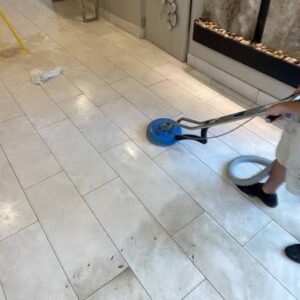
The Best Cleaner for Dirty and Stained Grout
Grout is usually the most neglected part of a shower. Even if the tile looks clean, grout lines can end up gray, brown, yellow, or black from dirt, soap residue, and stains.
Pick a grout cleaner based on the type of grout and what’s stuck in it. An alkaline or specialty grout cleaner can loosen embedded grime without unnecessary acids.
Scrubbing matters, too. Use a proper grout brush to reach recessed joints and break up dirt that a sponge won’t touch.
For really stubborn stains, pros use controlled scrubbing, specialty solutions, and water extraction. The Tile Council of North America says vacuum extraction pulls contaminants out of grout, instead of leaving dirty water to settle.
If grout stays discolored even after a proper cleaning, it’s probably a permanent stain or deterioration—not just leftover dirt.
Best Shower and Grout Cleaner for Mold and Mildew
Mold and mildew show up as dark spots or discoloration along shower grout, corners, silicone joints, and other damp places. But it’s not always mold—dirt, soap scum, minerals, and stains can look similar.
If you do have mold, cleaning alone isn’t enough; control moisture, too. Dampness, bad ventilation, leaks, and ruined grout can bring the problem back.
Pick a cleaner that works with your tile and grout type. Don’t assume the strongest chemical is the safest or most effective.
If mold keeps appearing in the same place, it’s probably time for a pro inspection instead of more cleaning; you might need grout restoration, regrouting, new caulking, or shower restoration.
Best Shower and Grout Cleaner for Hard-Water Deposits
Hard-water minerals leave white, cloudy, chalky, or crusty marks on tile and fixtures—especially around faucets, showerheads, corners, and spots where water dries up.
Mineral deposits are tricky since the best cleaner depends on the surface. Acidic products dissolve some minerals but can wreck cement-based grout and sensitive stone.
So, you have to balance cleaning power with material compatibility. A cleaner that works on one surface could damage another.
If mineral deposits are severe, or you’ve got natural stone in your shower, consider calling a pro. They’ll identify your materials and pick the right approach instead of playing trial and error.
Once you get rid of mineral buildup, regular drying and upkeep helps slow their return.
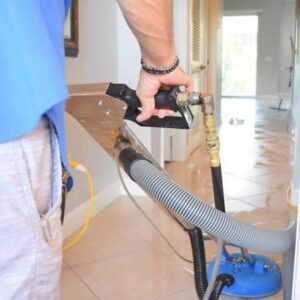
Best Shower and Grout Cleaner for Natural Stone
Natural stone showers need special care. Marble, travertine, limestone, and similar stones react badly to certain chemicals, especially acid.
Use a stone-safe cleaner based on manufacturer recommendations and the exact stone. Keep abrasive brushes and harsh chemicals away—they can scratch, etch, or dull the surface.
The best shower and grout cleaner for natural stone isn’t the same as one for ceramic or porcelain. Always put material compatibility first.
When the stone is expensive, polished, heavily stained, or hard to identify, professional stone and tile cleaning reduces the risk of accidental damage. With the right maintenance, you keep the stone looking great and keep its value.
How to Use the Best Shower and Grout Cleaner Properly
Even the best cleaner can flop if you use it wrong. Start by clearing out shampoo bottles, soap, hair, loose dirt, and anything else from the shower.
Rinse off the surface so you’re not scrubbing loose debris into the cleaner. Work in small, manageable areas so you don’t let the cleaning solution dry randomly.
Apply the product as instructed, give it enough contact time, and gently scrub tile and grout with the right tools—especially grout lines, corners, shower floors, and niches where dirt piles up.
Rinse well when you’re done. Getting rid of dirty water and leftover chemicals is crucial because cleaning products left behind just attract more dirt. The Tile Council of North America says rinsing and extracting dirty water makes a big difference.
Finally, let the shower dry completely before you decide if the grout looks good.
Common Mistakes When Choosing a Shower and Grout Cleaner
People often think the strongest chemical is the best cleaner, but using aggressive products can damage grout, tile, sealers, stone, and caulking.
Another mistake: using vinegar or acid on cement grout over and over. The Tile Council of North America recommends alkaline cleaners for routine cementitious grout cleaning because acids can harm cement.
Avoid oil- and wax-based cleaners on porous grout. These leave sticky films that grab dirt.
Using dirty rinse water is also a problem. If you let loosened dirt and the cleaner dry back onto the surface, contamination sticks around.
And definitely don’t mix cleaning chemicals. You can end up with dangerous reactions or fumes, or the wrong combo could ruin your surfaces.
Grout Sealing After Using the Best Shower and Grout Cleaner
Cleaning and protection are separate steps. Once your grout is cleaned and totally dry, cement-based grout could use sealing.
The Tile Council of North America says sealing cement grout helps prevent stains. Penetrating sealers and topical sealers work differently, so pick the right one for your grout and setup.
Sealing doesn’t keep grout spotless forever. Soap, minerals, oils, and dirt still build up—so you need regular cleaning.
The best shower and grout cleaner gets things looking good, but sealing and steady upkeep preserve those results. Cleaning and sealing go hand-in-hand for long-term shower care.
When Professional Shower and Grout Cleaning Is Better
Household cleaning works for light messes, but a seriously neglected shower—thick soap scum, deeply stained grout, mineral buildup, recurring mold, years of dirt—needs pro help.
Professional cleaning is vital when homeowners aren’t sure what’s safe on their tile, especially with natural stone, older grout, special finishes, or showers that have had lots of products used.
KK Cleaning and Restoration offers tile and grout cleaning for tough contamination, always factoring in your shower’s condition. They can combine services like sealing, regrouting, caulking or silicone replacement, or full shower restoration.
Pros can spot problems you don’t see right away: crumbling grout, loose tiles, failed silicone, hidden moisture, or water damage don’t go away with a stronger cleaner.
Professional Best Shower and Grout Cleaner Solutions From KK Cleaning and Restoration
Keeping a shower clean isn’t just about grabbing the strongest cleaner. You have to consider tile, grout, contamination, surface condition, and cleaning method.
The best cleaner gets rid of dirt, soap scum, stains, and buildup, but it’s got to work for the material you’re cleaning. Cement-based grout usually needs alkaline cleaning—not constant acids—while stone surfaces demand specialized products.
KK Cleaning and Restoration delivers tile and grout cleaning, sealing, regrouting, shower restoration, and caulking. Professional cleaning helps restore showers suffering from everyday dirt, soap residue, hard-water deposits, mold stains, and neglected grout.
For longest-lasting results, pair cleaning with thorough rinsing, enough drying, good ventilation, steady maintenance, and proper grout protection. If grout or caulking is too far gone for regular cleaning, restoration or replacement beats trying stronger cleaners again and again.
With proper cleaning methods and expert care when needed, you can have cleaner tiles, brighter grout, and a shower that’s way easier to keep up over time.
Contact us now:
📞 Call us now at +16479163093
📧 Email: info@kkcleaningandrestoration.ca
🌐 Visit: https://kkcleaningandrestoration.ca/
Faqs on Best Shower and Grout Cleaner:-
1. What’s the Best Shower and Grout Cleaner for Everyday Bathroom Cleaning?
You want a shower and grout cleaner that gets rid of dirt, soap scum, body oils, and minor mineral deposits—without ruining your tile or grout. Stick with something gentle or a cleaner made for regular use; harsh chemicals are overkill for routine cleaning and can wear surfaces down. Always check if the product is safe for your tile and grout type, especially if you have natural stone. Keeping up with regular cleaning prevents buildup from getting stubborn or causing deep stains.
2. What’s the Best Shower and Grout Cleaner for Soap Scum?
A good shower and grout cleaner for soap scum breaks down sticky layers from soap, body oils, shampoo, conditioner, and minerals. Let the cleaner sit long enough to soften the mess, then gently scrub with a non-abrasive brush. Rinse everything off well, because leftover cleaner just attracts more dirt. When soap scum has built up for a long time, you might need professional help to get your shower really clean.
3. What’s the Best Shower and Grout Cleaner for Dirty Grout?
The best cleaner for dirty grout depends on what’s causing the problem—maybe it’s plain dirt, soap scum, hard water, mold, or even permanent stains. Cement-based grout is pretty porous, so junk can sink beneath the surface. Use a grout cleaner with the right amount of scrubbing and rinse well to pull up surface grime. If the grout still looks bad after a professional cleaning, you’re probably better off regrouting or restoring the grout, rather than pouring on stronger chemicals.
4. Is Vinegar the Best Shower and Grout Cleaner?
Vinegar might come up a lot in DIY cleaning hacks, but it’s not always the best pick for showers or grout. It’s acidic and can eat away at cement-based grout. Even worse, it can damage acid-sensitive stone like marble, limestone, and travertine. If you use vinegar all the time without thinking about your tiles, you might end up with etching, dullness, or other damage. Always match your cleaner to your tile and grout, rather than just grabbing something universal from the kitchen.
5. What’s the Best Shower and Grout Cleaner for Mold?
For mold, you need a cleaner that fits the kind of surface and how bad the mold is. Cleaning what you can see is important, but if mold keeps coming back, there could be bigger issues like too much moisture, poor airflow, leaky fixtures, or grout that’s falling apart. Always follow the product instructions and never mix different cleaners together. If mold doesn’t go away or keeps coming back, it’s time to call a pro and find out what’s really causing the problem.
6. What’s the Best Shower and Grout Cleaner for Hard-Water Stains?
Hard-water stains come from leftover minerals after the water dries. The right cleaner depends on what kind of stains you’re dealing with and what your shower’s made of. Some mineral removers are acidic—perfect for some surfaces, bad for others. Acid can ruin cement-based grout or natural stone, so always double-check if it’s safe. Professionals can figure out how to remove stubborn stains without ruining your tiles.
7. Can the Best Shower and Grout Cleaner Remove Black Grout Stains?
Black grout stains have a few possible causes—could be mold, mildew, dirt, soap scum, minerals, or just deep, permanent discoloration. Make sure to figure out the source first. If the grout is still solid, the right cleaner can usually clear up the surface, but if black stains don’t budge, the damage might be permanent or the grout may have deteriorated. Getting a professional opinion can help you decide if you need more cleaning, restoration, or just new grout.
8. Is Bleach the Best Shower and Grout Cleaner?
Don’t assume bleach is always the answer just because it’s strong. Whether bleach is safe depends on your tile, grout, the type of dirt, and what your shower is made from. Bleach can react dangerously if mixed with other cleaners, so keep products separate. Usually, using the right cleaner for your material and proper technique matters more than picking the harshest possible chemical.
9. What’s the Best Shower and Grout Cleaner for Ceramic Tile?
Ceramic tiles are pretty tough and can handle a range of cleaning products. Still, pick a shower and grout cleaner that targets the exact problem—soap scum, minerals, or grout stains each need something different. Don’t go for abrasive cleaners that could scratch or dull your tile. Cleaning tile and grout together gives a better overall look than just scrubbing the tile and skipping the joints.
10. What’s the Best Shower and Grout Cleaner for Porcelain Tile?
Porcelain tile holds up well against moisture, but grout around the tiles can still absorb dirt and stains. Your cleaner should be safe for both the porcelain and whatever grout you have. Something that’s fine for porcelain might not work for decorative stone or all types of grout. Regular cleaning stops stuff like soap scum, dirt, and minerals from getting stubborn.
11. What’s the Best Shower and Grout Cleaner for Natural Stone?
Natural stone needs more careful treatment than ceramic or porcelain. The best shower and grout cleaner for marble, travertine, limestone, or similar stones should be made for that material and its finish. Acidic or abrasive cleaners can scratch, dull, or etch the surface. With natural stone, professional cleaning goes a long way, since their approach can be customized to protect your surfaces.
12. Can Professional Cleaning Use the Best Shower and Grout Cleaner?
Absolutely. Professional shower tile and grout cleaners pick products specifically for your tile, grout, and whatever dirt or stains need removal. They use the right combination of cleaning solution, agitation, rinsing, and extraction—not just super-strong chemicals. This is a big help for tough buildup, heavy stains, or tricky materials. KK Cleaning and Restoration can look over your shower and decide if cleaning alone is enough or if you need extra restoration work.
13. How Do I Use the Best Shower and Grout Cleaner Correctly?
First, clear out bottles, soap, hair, and any loose dirt from the shower. Use your cleaner exactly as the directions say, let it sit for the recommended time, and then gently scrub tile and grout. Rinse everything carefully to get rid of loosened grime and cleaner residue. Don’t let strong products dry on the surface. Afterwards, dry the shower so you can see if it’s really clean.
14. How Often Should I Use the Best Shower and Grout Cleaner?
How often you need deep cleaning depends on how much you use the shower, the ventilation, your water quality, the condition of the grout, and how fast soap and minerals build up. Do light cleaning regularly so junk doesn’t settle into the grout. Schedule deep cleans if normal maintenance stops working. Showers with heavy daily use or bad venting will probably need professional cleaning more often than a guest bathroom.
15. Can the Best Shower and Grout Cleaner Damage Grout?
Yes, even an effective cleaner can harm grout if it isn’t right for the material or if it gets misused. Acidic cleaners can eat away at cement-based grout, and scrubbing too hard can wear it down. Strong chemicals can also damage grout sealers, caulk, or even the actual tiles if you don’t follow the instructions. The best shower and grout cleaner should remove dirt while staying gentle with your surfaces.
16. Why Does Grout Look Dirty Again After Cleaning?
Grout gets dirty fast because soap, body oils, minerals, and moisture keep collecting after every shower. Skipping rinsing or not rinsing well can leave behind a sticky film that grabs even more dirt. Porous, unsealed, damaged, or deeply stained grout won’t stay clean for long with just routine cleaning. Getting a professional clean, plus sealing your grout if it’s right for your material, helps you keep up with maintenance.
17. Should I Seal Grout After Using the Best Shower and Grout Cleaner?
Sealing cement-based grout is often a good idea; it stops grime from soaking in and protects against stains. But make sure grout is totally clean and dry before applying sealer. Sealing dirty or wet grout traps problems under the surface. Think of sealing as an insurance policy for maintenance—not a replacement for regular cleaning.
18. What’s the Best Shower and Grout Cleaner for Shower Floors?
Shower floors collect a lot: soap, hair, oil, minerals—plus the water sits there longer. The best cleaner should be safe for both your tile finish and grout, and tough against whatever buildup you have. Pay close attention to textured tiles and grout lines; dirt hides in crevices. Pros can tackle the whole floor—corners, around the drain, grout joints, and where the walls meet the floor.
19. Can the Best Shower and Grout Cleaner Remove Old Grout Stains?
Cleaning gets rid of many surface stains, but not all old grout stains come out. Years of moisture, minerals, and soap can make certain discolorations permanent, especially in porous grout. If even a thorough professional cleaning doesn’t return the original look, you may need grout recoloring, deep restoration, or new grout altogether. A pro can tell whether a stain is removable or here to stay.
20. What Should I Avoid When Choosing the Best Shower and Grout Cleaner?
Don’t pick a cleaner just because it says it’s extra strong or claims to remove every stain. Acidic products can harm cement-based grout and natural stone, and abrasive stuff can scratch soft tiles. Avoid oil- or wax-based cleaners; those can leave a residue that attracts dirt. Never mix cleaning chemicals, and always check your cleaner is safe for your specific shower material.
21. When Should I Hire Professionals for Shower Tile and Grout Cleaning?
Call in professional help when you’re dealing with heavy stains, thick soap scum, mold that keeps coming back, stubborn mineral deposits, or grime that just won’t budge. It’s also smart with natural stone or unusual materials that need specialized care. Pros can figure out if your problem is just surface contamination or if there are bigger issues—like damaged grout, failing caulk, or leaks. KK Cleaning and Restoration offers cleaning and can recommend sealing, regrouting, caulking, or restoration as needed.
22. Why Choose KK Cleaning and Restoration for the Best Shower and Grout Cleaner?
KK Cleaning and Restoration specializes in getting rid of dirt, soap scum, mineral stains, and all the usual shower messes. Instead of using the same product on every surface, these pros pick cleaning solutions based on your tile, grout, and the kind of buildup you have. If cleaning isn’t enough, they can also handle grout sealing, regrouting, new caulk or silicone, or even a bigger shower restoration. Going pro gives you cleaner showers and helps protect your tile and grout for the long haul.
Contact us now:
📞 Call us now at +16479163093
📧 Email: info@kkcleaningandrestoration.ca
🌐 Visit: https://kkcleaningandrestoration.ca/