Tile Grout Restoration Tips: Complete Guide by KK Cleaning and Restoration
Introduction: Tile Grout Restoration Tips
Tile Grout Restoration Tips: Tile surfaces can dramatically enhance the beauty, durability, and value of any residential or commercial property. Whether installed in kitchens, bathrooms, entryways, laundry rooms, or commercial spaces, tile flooring remains a popular choice because of its longevity and visual appeal. However, while tiles themselves often remain durable for many years, grout lines can become one of the most vulnerable components of a tiled surface. Dirt accumulation, moisture exposure, stains, mold growth, and daily wear can cause grout to lose its original appearance and functionality. Understanding effective tile grout restoration tips can help property owners maintain cleaner, healthier, and more attractive tiled surfaces.
Grout serves an essential role by filling the spaces between tiles, helping secure the installation while preventing moisture intrusion. Over time, grout may become discolored, cracked, stained, or weakened. Without proper maintenance, these issues can affect not only the appearance of the flooring but also its long-term durability. Learning the best tile grout restoration tips allows homeowners and business owners to address problems early and preserve their tile investments.
At KK Cleaning and Restoration, professional grout restoration services help restore aging grout, improve tile appearance, and extend the lifespan of tiled surfaces. By following proven restoration techniques and maintenance practices, property owners can enjoy cleaner and more visually appealing floors for years to come.
Understanding the Importance of Grout
Before exploring specific tile grout restoration tips, it is important to understand why grout matters.
Grout performs several critical functions:
- Secures tiles in place
- Prevents tile movement
- Reduces moisture penetration
- Supports structural stability
- Enhances visual appearance
- Creates a finished look
Because grout is naturally porous, it absorbs dirt, oils, moisture, and contaminants more readily than tile surfaces. This makes grout particularly susceptible to deterioration and discoloration over time.
Why Grout Deteriorates
One of the most important tile grout restoration tips is understanding what causes grout damage in the first place.
Moisture Exposure
Bathrooms, kitchens, and laundry rooms frequently expose grout to moisture. Water penetration can weaken grout and encourage mold growth.
Dirt Accumulation
Foot traffic introduces dirt and debris that become embedded within grout lines.
Cleaning Product Residue
Improper cleaning products can leave residues that contribute to discoloration.
Mold and Mildew
Damp environments often promote mold and mildew development.
Aging
Even well-maintained grout naturally experiences wear as it ages.
Recognizing these causes helps property owners take preventive measures before significant damage occurs.
Signs Your Grout Needs Restoration
Among the most valuable tile grout restoration tips is learning how to identify early warning signs.
Discoloration
Darkened or uneven grout coloration often indicates contamination.
Persistent Stains
Stains that remain after routine cleaning may require professional attention.
Cracking
Cracked grout can allow moisture to penetrate beneath tile surfaces.
Missing Sections
Grout loss weakens the stability of the tile installation.
Mold Growth
Visible mold often indicates moisture-related problems.
Uneven Appearance
Inconsistent grout color can make otherwise attractive tile surfaces appear neglected.
Early intervention is one of the most effective tile grout restoration tips for avoiding more extensive repairs.
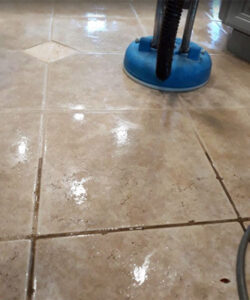
The Difference Between Grout Cleaning and Grout Restoration
Many people assume cleaning and restoration are the same, but they serve different purposes.
Grout Cleaning
Cleaning focuses on removing surface dirt, stains, and contaminants.
Grout Restoration
Restoration goes beyond cleaning by addressing damage, deterioration, discoloration, and structural concerns.
Long-Term Benefits
Restoration improves both appearance and durability.
Enhanced Protection
Restoration often includes sealing treatments that help prevent future damage.
Understanding this distinction is essential when considering professional tile grout restoration tips.
Start with a Thorough Inspection
One of the most overlooked tile grout restoration tips involves conducting a detailed inspection.
Examine Grout Color
Look for uneven or darkened areas.
Check for Cracks
Inspect grout lines carefully for signs of deterioration.
Identify Moisture Issues
Persistent dampness may indicate underlying problems.
Assess Mold Growth
Look for black, green, or brown discoloration.
Evaluate Tile Stability
Loose tiles may indicate grout-related issues.
A thorough inspection helps determine the most appropriate restoration approach.
Prioritize Regular Maintenance
Among the simplest tile grout restoration tips is maintaining a consistent cleaning routine.
Sweep Frequently
Removing debris prevents dirt from becoming embedded in grout.
Mop Properly
Use appropriate cleaning solutions and techniques.
Address Spills Quickly
Prompt cleanup reduces stain risk.
Improve Ventilation
Reducing humidity helps protect grout.
Monitor High-Traffic Areas
Frequently used areas may require additional attention.
Regular maintenance can significantly reduce the need for extensive restoration.
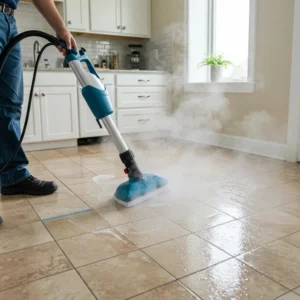
Understanding Grout Discoloration
Discoloration is one of the most common reasons people seek tile grout restoration tips.
Dirt Penetration
Grout absorbs contaminants over time.
Water Stains
Mineral deposits may alter grout coloration.
Soap Residue
Bathrooms often accumulate soap scum.
Cooking Residue
Kitchen grout may absorb oils and grease.
Mold Growth
Biological contamination contributes to staining.
Understanding the cause of discoloration helps determine the best restoration strategy.
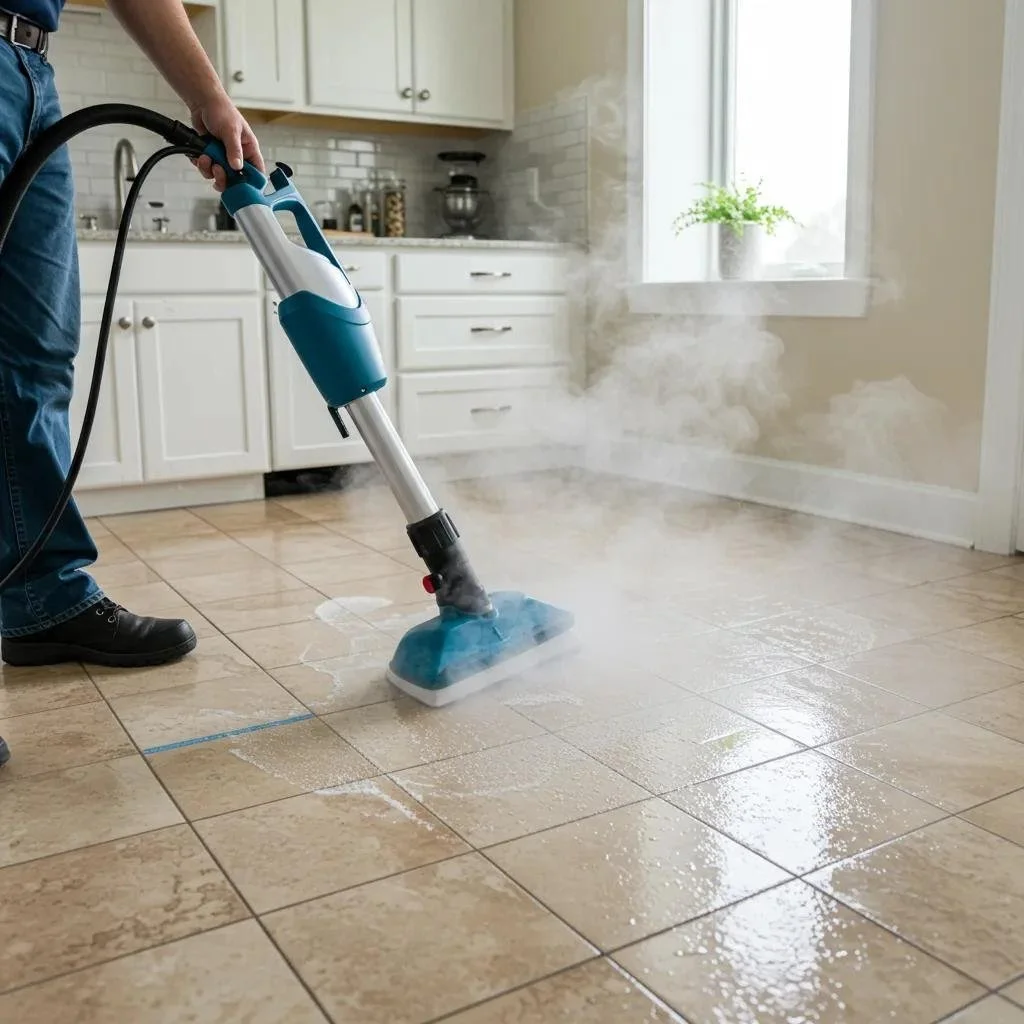
Deep Cleaning as a Restoration Foundation
Deep cleaning is a critical step in many tile grout restoration tips.
Removes Embedded Dirt
Deep cleaning extracts contaminants below the surface.
Improves Appearance
Restored grout appears cleaner and brighter.
Prepares Grout for Treatment
Clean surfaces respond better to restoration methods.
Enhances Uniformity
Cleaning helps restore consistent coloration.
Supports Long-Term Results
Removing contaminants helps prevent recurring issues.
Professional-grade deep cleaning often produces significantly better results than standard household methods.
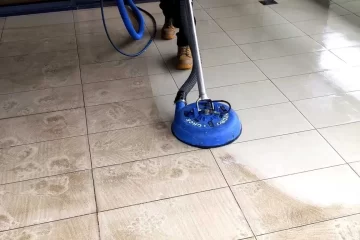
The Role of Professional Equipment
One of the most effective tile grout restoration tips is recognizing when professional equipment is needed.
Greater Cleaning Power
Specialized equipment reaches contaminants household tools cannot.
Improved Efficiency
Professional methods often deliver faster results.
Better Restoration Outcomes
Advanced equipment enhances cleaning effectiveness.
Reduced Physical Effort
Professionals handle demanding restoration tasks.
Consistent Results
Specialized tools help ensure uniform restoration.
Professional restoration services often achieve superior outcomes compared to DIY approaches.
Addressing Mold and Mildew
Moisture-related contamination requires special attention.
Identify the Source
Addressing moisture issues is essential.
Remove Existing Growth
Professional treatment eliminates contamination.
Improve Ventilation
Better airflow reduces future risk.
Monitor Humidity
Controlling moisture protects grout.
Schedule Regular Maintenance
Ongoing care helps prevent recurrence.
These tile grout restoration tips support healthier indoor environments.
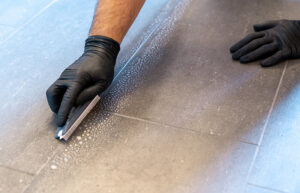
The Importance of Grout Repair
Restoration often involves more than cleaning.
Replace Damaged Sections
Missing grout should be repaired promptly.
Address Cracks
Cracks allow moisture intrusion.
Improve Stability
Healthy grout supports tile integrity.
Enhance Appearance
Repairs restore a uniform look.
Prevent Further Damage
Timely repairs minimize long-term issues.
Including repairs among your tile grout restoration tips helps preserve flooring systems.
Grout Sealing Benefits
Sealing is one of the most valuable tile grout restoration tips available.
Moisture Protection
Sealers help prevent water absorption.
Stain Resistance
Protected grout resists discoloration.
Easier Cleaning
Sealed grout is simpler to maintain.
Extended Lifespan
Protection reduces wear.
Improved Appearance
Sealed grout often retains its appearance longer.
Professional sealing enhances the effectiveness of restoration efforts.
Kitchen Grout Restoration Tips
Kitchen environments create unique grout challenges.
Remove Grease Promptly
Cooking residue contributes to staining.
Clean High-Traffic Areas Frequently
Kitchens experience constant activity.
Address Food Spills Quickly
Prompt cleanup minimizes absorption.
Protect Around Appliances
Certain areas accumulate contaminants more rapidly.
Schedule Deep Cleaning
Periodic professional service helps maintain grout condition.
These specialized tile grout restoration tips support cleaner kitchens.
Bathroom Grout Restoration Tips
Bathrooms require targeted maintenance strategies.
Improve Ventilation
Reduce humidity after bathing.
Dry Wet Surfaces
Removing excess moisture helps protect grout.
Monitor Mold Development
Early detection prevents larger issues.
Clean Shower Areas Regularly
Frequent cleaning minimizes buildup.
Seal Grout Appropriately
Protection is especially important in wet environments.
These bathroom-focused tile grout restoration tips help preserve grout integrity.
High-Traffic Area Grout Restoration Tips
Entryways, hallways, and commercial spaces experience accelerated wear.
Use Entry Mats
Reduce dirt entering the property.
Increase Cleaning Frequency
Heavy traffic requires additional attention.
Monitor Grout Color
Discoloration often develops more quickly.
Schedule Professional Maintenance
Routine restoration prevents severe deterioration.
Address Wear Early
Timely intervention preserves appearance.
These tile grout restoration tips help manage heavily used areas effectively.
Why DIY Restoration Sometimes Falls Short
Many property owners attempt grout restoration themselves.
Limited Equipment
Household tools may not reach deep contamination.
Inconsistent Results
DIY efforts often produce uneven outcomes.
Time Requirements
Restoration can be labor-intensive.
Potential Damage
Improper methods may worsen problems.
Lack of Long-Term Protection
Professional sealing is often overlooked.
Understanding these limitations is an important part of evaluating tile grout restoration tips.
Benefits of Professional Grout Restoration
Professional services offer several advantages.
Specialized Knowledge
Professionals understand grout behavior and restoration techniques.
Advanced Cleaning Methods
Professional-grade equipment improves effectiveness.
Customized Solutions
Services are tailored to specific conditions.
Enhanced Results
Restoration outcomes are often more dramatic.
Long-Term Protection
Professionals frequently recommend preventive measures.
Professional expertise plays a major role in successful tile grout restoration tips.
How Climate Affects Grout
Environmental factors influence grout condition.
Humidity
High moisture levels encourage mold growth.
Seasonal Changes
Temperature fluctuations affect materials.
Winter Conditions
Salt and moisture contribute to contamination.
Indoor Air Quality
Ventilation influences moisture accumulation.
Property Usage
Occupancy levels affect wear patterns.
These factors should be considered when implementing tile grout restoration tips.
The Importance of Preventive Care
Restoration is most effective when combined with prevention.
Regular Inspections
Identify issues early.
Routine Cleaning
Prevent contamination buildup.
Moisture Control
Reduce water-related damage.
Protective Treatments
Sealers support long-term performance.
Professional Maintenance
Periodic evaluations preserve grout health.
Preventive care remains one of the most valuable tile grout restoration tips.
Long-Term Maintenance Strategies
Maintaining restored grout requires ongoing effort.
Develop a Cleaning Schedule
Consistency is key.
Use Appropriate Products
Choose cleaners suitable for grout.
Monitor Problem Areas
Focus on moisture-prone locations.
Refresh Protective Treatments
Maintain sealing effectiveness.
Seek Professional Advice
Expert guidance supports long-term success.
These maintenance-focused tile grout restoration tips help preserve restoration results.
Common Mistakes to Avoid
Several practices can undermine restoration efforts.
Ignoring Small Cracks
Minor damage can worsen over time.
Delaying Repairs
Prompt action prevents escalation.
Using Harsh Chemicals
Some products may damage grout.
Neglecting Moisture Issues
Water intrusion accelerates deterioration.
Skipping Professional Maintenance
Periodic service supports long-term performance.
Avoiding these mistakes is among the most practical tile grout restoration tips available.
Why Grout Restoration Adds Property Value
Clean, attractive grout contributes positively to property appearance.
Improved Visual Appeal
Restored grout enhances tile surfaces.
Better First Impressions
Visitors notice clean flooring.
Increased Marketability
Well-maintained properties attract buyers.
Reduced Maintenance Concerns
Healthy grout suggests responsible upkeep.
Enhanced Comfort
Clean environments feel more inviting.
These benefits reinforce the importance of effective tile grout restoration tips.
Why Choose KK Cleaning and Restoration
KK Cleaning and Restoration specializes in grout cleaning, grout restoration, grout sealing, tile cleaning, mold treatment, waterproofing, shower restoration, and caulking services. Their professional approach focuses on delivering exceptional results while helping property owners preserve the appearance and durability of their tiled surfaces.
By combining advanced equipment, proven restoration techniques, and customized maintenance recommendations, the team helps clients address discoloration, staining, mold growth, moisture-related concerns, and aging grout. Their expertise supports long-term flooring performance and visual appeal.
Conclusion
Grout is a vital component of any tile installation, yet it is often overlooked until visible problems emerge. Discoloration, staining, cracks, moisture damage, and mold growth can all affect the appearance and performance of tiled surfaces. Fortunately, following proven tile grout restoration tips can help property owners protect their flooring investments and maintain attractive living and working environments.
From routine maintenance and deep cleaning to sealing, repairs, and professional restoration, every step contributes to healthier and longer-lasting grout. Understanding the causes of deterioration, recognizing early warning signs, and implementing preventive measures are essential strategies for preserving grout condition.
KK Cleaning and Restoration provides professional solutions designed to restore grout, improve tile appearance, and extend the lifespan of tiled surfaces. With proper care and attention, grout can remain clean, durable, and visually appealing for many years, enhancing both the beauty and value of any property.
Contact us now:
 Call us now at +16479163093
 Email: info@kkcleaningandrestoration.ca
 Visit: https://kkcleaningandrestoration.ca/
FAQs on Tile Grout Restoration Tips
1. What is grout restoration?
Grout restoration is the process of cleaning, repairing, renewing, and protecting grout lines between tiles. Over time, grout can become stained, cracked, discolored, or damaged due to moisture and daily wear. Restoration helps improve both the appearance and functionality of tiled surfaces. It is often more cost-effective than replacing the entire tile installation.
2. Why is grout restoration important?
Grout restoration helps maintain the structural integrity and appearance of tiled surfaces. Damaged grout can allow moisture to penetrate beneath tiles, potentially leading to more serious issues. Restoring grout improves cleanliness, prevents further deterioration, and enhances the overall look of floors and walls. Regular restoration also helps extend the lifespan of tile installations.
3. How often should grout be restored?
The frequency depends on the location, level of use, and environmental conditions. High-traffic areas and moisture-prone spaces may require restoration more often than lightly used rooms. Many homeowners benefit from professional evaluations every few years. Routine maintenance can help extend the time between restoration services.
4. What causes grout to become discolored?
Grout is naturally porous, which allows it to absorb dirt, moisture, oils, soap residue, and other contaminants. Over time, these substances accumulate and change the grout’s original color. High traffic and inadequate cleaning can accelerate discoloration. Professional restoration helps remove embedded contaminants and improve appearance.
5. Can grout restoration improve the appearance of old tile floors?
Yes, grout restoration can dramatically improve the appearance of older tile floors. Dirty or discolored grout often makes tiles look older and less attractive than they actually are. Cleaning and restoring grout can brighten the entire floor. Many homeowners are surprised by how much improvement restoration can provide.
FAQs on Grout Cleaning and Maintenance
6. What is the difference between grout cleaning and grout restoration?
Grout cleaning focuses on removing dirt, stains, and contaminants from grout surfaces. Grout restoration goes beyond cleaning by addressing cracks, damage, missing grout, discoloration, and long-term protection. Restoration often includes sealing and repairs. It is a more comprehensive process designed to improve both appearance and durability.
7. Why does grout get dirty so quickly?
Grout absorbs contaminants more easily than tile because it is porous. Foot traffic, spills, dust, grease, and moisture can all contribute to dirt buildup. High-use areas experience faster contamination than less frequently used spaces. Regular cleaning and sealing help reduce dirt accumulation.
8. How can I maintain clean grout between professional services?
Regular sweeping and mopping help prevent dirt from settling into grout lines. Promptly cleaning spills reduces the risk of staining. Good ventilation can help control moisture levels in bathrooms and kitchens. Consistent maintenance supports longer-lasting restoration results.
9. Are certain rooms more likely to need grout restoration?
Yes, bathrooms, kitchens, laundry rooms, hallways, and entryways often require more frequent grout maintenance. These areas experience higher levels of moisture, spills, and foot traffic. As a result, grout deterioration tends to occur more quickly. Professional inspections can help identify problem areas early.
10. Does grout maintenance help protect tile surfaces?
Maintaining grout contributes to the overall health of the tile installation. Healthy grout supports tile stability and helps prevent moisture intrusion. Clean grout also improves the appearance of the entire tiled surface. Proper maintenance benefits both grout and tile.
FAQs on Grout Damage and Repair
11. What causes grout to crack?
Grout can crack due to settling, moisture exposure, structural movement, heavy impacts, or aging. Improper installation may also contribute to cracking. Once cracks appear, moisture can penetrate beneath the surface. Prompt repairs help prevent additional damage.
12. Should cracked grout be repaired immediately?
Yes, addressing cracked grout as soon as possible is recommended. Cracks can allow water and contaminants to enter beneath the tile installation. Over time, this may weaken the flooring system and lead to more extensive repairs. Early intervention helps preserve the integrity of the surface.
13. Can damaged grout affect tile stability?
Yes, grout helps support and secure tiles in place. When grout deteriorates or becomes damaged, tiles may become loose or unstable. This can create both aesthetic and functional issues. Restoring grout helps maintain the strength of the installation.
14. Is missing grout a serious problem?
Missing grout should not be ignored because it creates openings where moisture and debris can accumulate. This may lead to further deterioration of both grout and tile. Repairing missing sections helps restore protection and appearance. Professional restoration can address these issues effectively.
15. How can I identify grout damage early?
Look for cracks, missing sections, discoloration, loose tiles, and signs of moisture infiltration. Uneven grout lines may also indicate problems. Regular inspections help detect issues before they become severe. Early detection supports more effective restoration.
FAQs on Bathroom Grout Restoration Tips
16. Why does bathroom grout require special attention?
Bathrooms are exposed to frequent moisture, humidity, soap residue, and cleaning product buildup. These conditions can accelerate grout deterioration and encourage mold growth. Regular maintenance is essential to keep grout in good condition. Professional restoration helps address moisture-related issues effectively.
17. How can I reduce moisture damage in bathroom grout?
Improving ventilation is one of the most effective strategies. Running exhaust fans and keeping surfaces dry after use helps reduce humidity levels. Promptly addressing leaks is also important. Moisture control is a key part of grout preservation.
18. Why does mold grow on bathroom grout?
Mold thrives in damp environments where moisture remains trapped. Porous grout can absorb water, creating favorable conditions for mold growth. Poor ventilation often worsens the problem. Regular cleaning and moisture management help reduce the risk.
19. Can grout restoration remove mold stains?
Professional restoration can often remove many mold-related stains and contaminants. Specialized cleaning methods target deeply embedded growth that household cleaning may not eliminate. Results depend on the severity of the contamination. Early treatment generally produces better outcomes.
20. How often should bathroom grout be professionally cleaned?
The ideal frequency depends on usage and moisture levels. Bathrooms that receive heavy use may benefit from more frequent professional attention. Regular inspections help determine when cleaning or restoration is necessary. Preventive maintenance helps preserve grout condition.
FAQs on Kitchen Grout Restoration Tips
21. Why does kitchen grout become stained?
Kitchen grout is frequently exposed to grease, food spills, cooking oils, and foot traffic. These substances can penetrate grout and cause discoloration. Over time, routine cleaning may not fully remove accumulated contaminants. Professional restoration helps address stubborn stains.
22. Can cooking oils damage grout?
Cooking oils can contribute to staining and dirt accumulation. Because grout is porous, oils may penetrate below the surface. This can make stains difficult to remove with ordinary cleaning methods. Professional restoration often achieves more effective results.
23. How can I protect kitchen grout?
Promptly cleaning spills, maintaining regular cleaning schedules, and using appropriate sealers can help protect grout. Entry mats may also reduce dirt tracked into kitchen areas. Preventive measures minimize contamination. Consistent maintenance supports long-term grout health.
24. Should kitchen grout be sealed?
Sealing kitchen grout helps reduce moisture absorption and staining. Protective sealers create a barrier that makes cleaning easier. Sealed grout often maintains its appearance longer than unsealed grout. Professional recommendations can help determine appropriate sealing schedules.
25. Can grout restoration improve kitchen appearance?
Yes, clean and restored grout can dramatically improve the appearance of a kitchen. Discolored grout often makes the entire floor look dirty, even when tiles are clean. Restoration helps create a brighter and more attractive environment. Improved appearance can enhance overall home appeal.
FAQs on Professional Tile Grout Restoration Tips
26. Why should I hire professionals for grout restoration?
Professional restoration services use specialized equipment and techniques that are often more effective than household methods. Experts can identify underlying issues and recommend appropriate solutions. Their experience helps achieve more consistent results. Professional services also save time and effort.
27. What equipment is used during professional grout restoration?
Professionals often use advanced cleaning machines, extraction systems, and specialized tools designed for grout treatment. These tools help remove deeply embedded contaminants. Professional equipment typically delivers superior cleaning power compared to household products. This contributes to more effective restoration outcomes.
28. How long does professional grout restoration take?
The time required depends on the size of the area, the condition of the grout, and the scope of the work. Smaller residential projects may be completed within a few hours. Larger or more complex restorations may require additional time. Professionals provide estimates based on individual conditions.
29. Can professional restoration remove years of buildup?
Many years of accumulated dirt and stains can often be significantly reduced through professional restoration. Specialized cleaning methods target contaminants that routine cleaning cannot remove. While results vary, many floors show dramatic improvement. Professional assessment helps set realistic expectations.
30. Does professional restoration include grout sealing?
Many restoration services include or recommend grout sealing after cleaning. Sealing helps protect restored grout from future staining and moisture damage. It also simplifies maintenance. Professional sealing enhances the longevity of restoration results.
FAQs on Long-Term Grout Protection
31. What are the benefits of grout sealing?
Grout sealing helps reduce moisture absorption, staining, and dirt accumulation. It creates a protective barrier that makes cleaning easier. Sealed grout often retains its appearance longer. This protection supports long-term grout health.
32. How long does grout sealer last?
The lifespan of a sealer depends on usage levels, environmental conditions, and maintenance practices. High-traffic areas may require more frequent reapplication. Regular inspections help determine when resealing is necessary. Professional recommendations can guide maintenance schedules.
33. Can regular cleaning replace grout sealing?
No, cleaning and sealing serve different purposes. Cleaning removes contaminants, while sealing provides protection against future damage. Both are important components of grout maintenance. Combining cleaning and sealing delivers the best long-term results.
34. Do entry mats help protect grout?
Yes, entry mats reduce the amount of dirt, moisture, and debris tracked onto tiled surfaces. This helps minimize grout contamination and wear. Mats are especially useful in high-traffic areas. They are a simple but effective preventive measure.
35. Why is preventive maintenance important for grout?
Preventive maintenance helps identify and address small issues before they become serious problems. Regular care reduces the likelihood of extensive damage and costly repairs. It also supports cleaner and more attractive tiled surfaces. Consistent maintenance extends grout lifespan.
FAQs on KK Cleaning and Restoration
36. What grout restoration services does KK Cleaning and Restoration provide?
KK Cleaning and Restoration offers grout cleaning, grout restoration, grout sealing, tile cleaning, shower restoration, mold treatment, waterproofing, and caulking services. Their solutions are designed to improve both appearance and durability. Services are customized to meet individual property needs. Professional methods help achieve lasting results.
37. Why choose KK Cleaning and Restoration for grout restoration?
KK Cleaning and Restoration specializes in restoring grout and tile surfaces using proven techniques and professional equipment. Their team understands how to address staining, discoloration, moisture issues, and grout deterioration. Customized restoration plans ensure effective treatment. Their goal is to deliver high-quality results and customer satisfaction.
38. Can KK Cleaning and Restoration restore heavily stained grout?
Yes, many heavily stained grout surfaces can benefit from professional restoration. Advanced cleaning methods target embedded contaminants and discoloration. The extent of improvement depends on the condition of the grout. A professional evaluation helps determine the best approach.
39. Does KK Cleaning and Restoration serve residential and commercial properties?
Yes, services are available for both residential and commercial clients. Homes, offices, retail stores, and other properties can benefit from professional grout restoration. Each project is tailored to the specific flooring and grout conditions. Professional care helps maintain attractive and durable surfaces.
40. How can I schedule grout restoration services with KK Cleaning and Restoration?
Scheduling typically begins with contacting the company to discuss your grout concerns and restoration goals. A professional assessment helps identify the condition of the grout and recommend suitable services. Based on the evaluation, a customized restoration plan can be developed. Regular professional maintenance helps keep grout clean, attractive, and long-lasting.
Contact us now:
Call us now at +16479163093
Email: info@kkcleaningandrestoration.ca
Visit: https://kkcleaningandrestoration.ca/