Tub Caulking Repair Guide: Complete Homeowner’s Guide by KK Cleaning and Restoration
Introduction: Tub Caulking Repair Guide
Tub Caulking Repair Guide: Tub caulking plays a critical role in protecting bathrooms from water damage, mold growth, and structural deterioration. While many homeowners focus on cleaning tiles and maintaining fixtures, the condition of the caulking around a bathtub is often overlooked until visible problems appear. A comprehensive tub caulking repair guide helps homeowners understand why caulking is important, how it fails over time, and what steps can be taken to restore proper protection.
Bathrooms are among the most moisture-prone areas in any home. Daily exposure to water, steam, soap residue, and temperature fluctuations places constant stress on caulking materials. Over time, even high-quality caulk can crack, shrink, peel, discolor, or separate from surrounding surfaces. When this happens, water can seep behind walls, under tubs, and into structural materials, potentially leading to costly repairs.
A professional tub caulking repair guide provides valuable information about identifying damaged caulk, understanding common causes of failure, and implementing effective repair and maintenance practices. Whether dealing with minor deterioration or significant water intrusion concerns, proper caulking maintenance helps preserve the beauty, cleanliness, and functionality of the bathroom.
At KK Cleaning and Restoration, professional caulking repair and bathroom restoration services help homeowners maintain watertight and attractive bathing areas. Understanding the fundamentals of tub caulking repair is the first step toward protecting your investment and preventing expensive water-related damage.
Why a Tub Caulking Repair Guide Is Important
Many homeowners underestimate the importance of tub caulking until leaks or mold become visible.
Prevents Water Damage
Caulking creates a protective barrier that prevents water from entering vulnerable joints and gaps around the bathtub.
Reduces Mold Growth
Properly sealed surfaces limit moisture accumulation and discourage mold and mildew development.
Extends Bathroom Lifespan
Maintaining caulking helps preserve surrounding materials and supports long-term durability.
Improves Appearance
Fresh caulking creates a clean, polished look throughout the bathroom.
Saves Money
Early repairs help prevent extensive restoration projects caused by hidden moisture damage.
Every effective tub caulking repair guide emphasizes prevention as a key part of bathroom maintenance.

Understanding the Purpose of Tub Caulking
Caulking serves several important functions beyond aesthetics.
Water Barrier
The primary role of caulking is to block water from entering gaps between the tub and adjacent surfaces.
Flexible Joint Protection
Bathrooms experience movement due to temperature changes and structural settling. Caulking accommodates this movement.
Mold Prevention
A sealed joint reduces moisture accumulation and fungal growth.
Structural Protection
Proper caulking helps prevent water from reaching walls, floors, and framing materials.
Enhanced Appearance
Neat caulking lines improve the overall appearance of the bathroom.
A professional tub caulking repair guide focuses on maintaining these critical functions.
Common Signs of Caulking Failure
Recognizing early warning signs helps prevent serious damage.
Cracks
Visible cracks often indicate aging or deterioration.
Peeling
Caulk pulling away from surfaces signals reduced adhesion.
Shrinkage
Old caulk may contract, creating gaps that allow moisture intrusion.
Discoloration
Dark stains can indicate mold growth or material degradation.
Water Leakage
Visible leaks suggest compromised sealing performance.
Every tub caulking repair guide encourages homeowners to inspect these areas regularly.
Why Tub Caulking Deteriorates
Caulking naturally experiences wear over time.
Constant Moisture Exposure
Daily water contact gradually weakens sealing materials.
Temperature Changes
Expansion and contraction stress caulk joints.
Cleaning Chemicals
Harsh products may accelerate deterioration.
Structural Movement
Minor shifts in the building can strain flexible seals.
Aging
Even premium caulking materials have a limited lifespan.
A complete tub caulking repair guide helps homeowners understand these causes and take preventive measures.
The Risks of Ignoring Damaged Caulking
Delaying repairs can create serious consequences.
Hidden Water Damage
Moisture may penetrate behind walls and beneath tubs.
Mold Infestations
Persistent dampness creates ideal conditions for mold growth.
Rotting Materials
Wood framing and drywall can deteriorate when exposed to moisture.
Increased Repair Costs
Minor repairs often become larger restoration projects when ignored.
Reduced Property Value
Visible damage affects bathroom appearance and home value.
A thorough tub caulking repair guide stresses the importance of timely intervention.
How Water Damage Develops Around Bathtubs
Understanding moisture pathways helps explain why caulking is so important.
Surface Water Intrusion
Water enters through cracks and gaps.
Hidden Moisture Accumulation
Water may collect behind walls unnoticed.
Material Saturation
Drywall and wood absorb moisture over time.
Structural Weakening
Repeated exposure damages building materials.
Secondary Problems
Mold, odors, and stains often follow prolonged moisture intrusion.
Every professional tub caulking repair guide highlights moisture control as a primary objective.
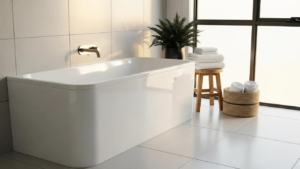
Mold and Mildew Around Tub Caulking
Mold is one of the most common indicators of caulking failure.
Why Mold Forms
Warm, damp conditions encourage fungal growth.
Common Locations
Corners, seams, and poorly ventilated areas are particularly vulnerable.
Health Concerns
Mold may affect indoor air quality and occupant comfort.
Appearance Issues
Dark staining creates an unattractive bathroom appearance.
Prevention Strategies
Regular cleaning and proper sealing reduce mold risks.
A quality tub caulking repair guide includes mold prevention recommendations.
Understanding Different Types of Caulking
Various caulking materials are available for bathroom applications.
Silicone Caulk
Highly water-resistant and commonly used around tubs and showers.
Acrylic Latex Caulk
Easy to apply but generally less durable in wet environments.
Hybrid Formulas
Combine flexibility and adhesion benefits.
Mold-Resistant Caulk
Contains additives that help discourage mold growth.
Professional-Grade Products
Designed for enhanced durability and performance.
Selecting appropriate materials is an important part of a tub caulking repair guide.
Benefits of Professional Tub Caulking Repair
Professional repairs often deliver superior results.
Accurate Assessment
Experts identify underlying causes of caulking failure.
Proper Surface Preparation
Successful adhesion depends on thorough preparation.
High-Quality Materials
Professionals use products designed for long-term performance.
Precise Application
Clean, consistent caulking lines improve effectiveness and appearance.
Long-Term Durability
Professional workmanship reduces the likelihood of premature failure.
Every detailed tub caulking repair guide recognizes the value of expert services.
Common Areas That Require Caulking
Several bathroom locations depend on effective sealing.
Tub-to-Wall Joints
One of the most important areas for moisture protection.
Corner Seams
Movement and moisture make corners vulnerable.
Tub-to-Floor Connections
These joints help prevent water migration beneath the tub.
Around Fixtures
Proper sealing helps reduce leakage risks.
Adjacent Tile Transitions
Transitions often experience moisture exposure and movement.
A complete tub caulking repair guide includes inspection of all these locations.
How Bathroom Ventilation Affects Caulking
Ventilation directly influences caulking lifespan.
Faster Drying
Reduced moisture exposure supports longer-lasting seals.
Mold Reduction
Dry conditions discourage fungal growth.
Less Condensation
Improved airflow minimizes surface moisture.
Better Material Performance
Caulking remains more stable in balanced environments.
Improved Bathroom Health
Ventilation supports overall moisture management.
Every professional tub caulking repair guide recommends maintaining adequate airflow.
Causes of Repeated Caulking Failure
Some bathrooms experience recurring caulking problems.
Poor Surface Preparation
Contaminated surfaces prevent proper adhesion.
Inferior Materials
Low-quality products may fail prematurely.
Excessive Moisture
Persistent humidity accelerates deterioration.
Structural Movement
Ongoing movement stresses caulk joints.
Improper Installation
Application errors often reduce effectiveness.
A reliable tub caulking repair guide addresses these root causes.
The Importance of Surface Preparation
Preparation significantly affects repair success.
Removing Old Caulk
Old materials must be completely removed.
Cleaning Surfaces
Soap residue and contaminants interfere with adhesion.
Drying the Area
Moisture can prevent proper bonding.
Inspecting for Damage
Underlying issues should be addressed before reapplication.
Creating a Stable Surface
Preparation improves long-term performance.
Every professional tub caulking repair guide considers preparation essential.
How Moisture Impacts Bathroom Structures
Water intrusion can affect more than visible surfaces.
Drywall Damage
Moisture weakens wall materials.
Wood Rot
Structural components may deteriorate.
Mold Colonization
Hidden dampness supports fungal growth.
Insulation Problems
Wet insulation loses effectiveness.
Costly Repairs
Extensive restoration may be required if damage spreads.
A detailed tub caulking repair guide emphasizes preventing moisture infiltration.
Signs You Need Immediate Caulking Repair
Certain warning signs require prompt action.
Visible Gaps
Open joints allow water penetration.
Persistent Mold
Recurring mold may indicate hidden moisture.
Water Stains
Discoloration often signals leaks.
Peeling Caulk
Detached material no longer provides protection.
Musty Odors
Persistent smells may indicate moisture behind surfaces.
A professional tub caulking repair guide encourages immediate response to these symptoms.
Long-Term Benefits of Maintaining Tub Caulking
Consistent maintenance provides significant advantages.
Better Waterproofing
Healthy seals keep moisture where it belongs.
Improved Bathroom Appearance
Fresh caulk enhances visual appeal.
Reduced Repair Costs
Preventive maintenance minimizes major restoration expenses.
Extended Material Lifespan
Surrounding surfaces remain protected longer.
Increased Home Value
Well-maintained bathrooms contribute to property appeal.
Every effective tub caulking repair guide highlights these long-term benefits.
How Often Should Tub Caulking Be Inspected?
Regular inspections help identify developing issues.
Monthly Visual Checks
Simple inspections can reveal early signs of wear.
Seasonal Evaluations
Changes in humidity may affect performance.
After Water Events
Leaks or flooding warrant immediate inspection.
During Deep Cleaning
Maintenance sessions provide opportunities to assess caulking.
Before Renovations
Existing conditions should be reviewed before upgrades.
A thorough tub caulking repair guide encourages proactive inspection schedules.
Preventive Maintenance Tips
Prevention is often easier than repair.
Keep Surfaces Clean
Remove soap residue and contaminants regularly.
Improve Ventilation
Use exhaust fans during and after bathing.
Address Moisture Quickly
Dry excess water whenever possible.
Monitor Caulk Condition
Inspect joints frequently for signs of wear.
Schedule Professional Assessments
Expert evaluations can identify hidden concerns.
These practices are fundamental to any tub caulking repair guide.
Why DIY Repairs May Not Last
Homeowners sometimes experience recurring issues after DIY repairs.
Incomplete Removal
Old caulk remnants can affect adhesion.
Moisture Problems
Underlying water issues may remain unresolved.
Product Selection Errors
Not all caulks perform equally in bathrooms.
Application Mistakes
Uneven or insufficient coverage reduces effectiveness.
Hidden Damage
Structural concerns may go unnoticed.
A professional tub caulking repair guide recommends addressing underlying causes rather than only visible symptoms.
The Connection Between Caulking and Waterproofing
Caulking plays a major role in bathroom waterproofing systems.
Surface Protection
Seals prevent direct water intrusion.
Joint Protection
Movement areas remain protected.
Moisture Control
Water stays within intended drainage areas.
Mold Prevention
Dry structures discourage fungal growth.
Structural Preservation
Protected materials last longer.
Every comprehensive tub caulking repair guide discusses the relationship between caulking and waterproofing.
Professional Inspection Benefits
Professional assessments often reveal issues homeowners miss.
Hidden Moisture Detection
Experts identify concealed water intrusion.
Accurate Diagnosis
Problems are traced to their source.
Preventive Recommendations
Early intervention strategies reduce risks.
Material Evaluation
Existing caulking performance can be assessed.
Long-Term Planning
Homeowners receive guidance for future maintenance.
A quality tub caulking repair guide values professional expertise.
Why Homeowners Choose KK Cleaning and Restoration
KK Cleaning and Restoration provides professional tub caulking repair, caulking replacement, grout restoration, waterproofing services, tile repairs, shower restoration, and bathroom maintenance solutions. Experienced technicians understand the challenges created by moisture, aging materials, and bathroom wear.
Professional evaluations help identify hidden concerns before they become costly problems. High-quality materials and proven repair methods ensure durable, attractive results. Whether addressing minor caulking deterioration or extensive moisture-related issues, customized solutions help homeowners maintain safe and beautiful bathrooms.
Final Thoughts on This Tub Caulking Repair Guide
Proper caulking is one of the most important yet often overlooked aspects of bathroom maintenance. A comprehensive tub caulking repair guide helps homeowners recognize signs of deterioration, understand the risks of water intrusion, and take proactive steps to protect their homes.
Cracked, peeling, shrinking, or moldy caulking should never be ignored. Prompt repairs help prevent moisture damage, preserve structural integrity, and maintain a clean and attractive bathroom environment. Combined with regular inspections, proper ventilation, and professional maintenance when needed, a reliable tub caulking repair guide provides the knowledge necessary to keep bathtub areas watertight and functioning effectively for years.
By investing in proper caulking care and timely repairs, homeowners can reduce future expenses, improve bathroom aesthetics, and enjoy greater peace of mind knowing their property is protected from hidden moisture damage.
Contact us now:
 Call us now at +16479163093
 Email: info@kkcleaningandrestoration.ca
 Visit: https://kkcleaningandrestoration.ca/
Faqs on tub caulking repair guide:-
1. What is a tub caulking repair guide?
A tub caulking repair guide is a resource that explains how to identify, repair, and maintain bathtub caulking. It helps homeowners understand common signs of caulk failure such as cracking, peeling, and mold growth. The guide also covers prevention strategies and maintenance practices. Proper caulking helps protect bathrooms from water damage. Following a repair guide can extend the lifespan of bathroom surfaces.
2. Why is tub caulking important?
Tub caulking creates a waterproof seal between the bathtub and surrounding surfaces. It prevents water from entering gaps where moisture can damage walls and floors. Proper caulking also helps reduce mold and mildew growth. In addition, it improves the appearance of the bathroom. Maintaining caulking is essential for long-term bathroom protection.
3. How often should tub caulking be inspected?
Tub caulking should be inspected at least every few months. Regular inspections help identify cracks, gaps, mold, or peeling before serious damage occurs. Bathrooms with heavy daily use may require more frequent checks. Early detection makes repairs simpler and more affordable. Consistent inspections help maintain effective waterproofing.
4. What are the signs of failing tub caulking?
Common signs include cracks, peeling, shrinking, discoloration, and mold growth. You may also notice gaps forming between the tub and wall surfaces. Water stains or musty odors can indicate moisture intrusion behind the caulk. These warning signs should not be ignored. Prompt repairs help prevent larger problems.
5. What causes tub caulking to crack?
Caulking can crack because of age, temperature changes, moisture exposure, or structural movement. Daily expansion and contraction place stress on the seal over time. Low-quality materials may deteriorate more quickly. Harsh cleaning products can also contribute to cracking. Replacing damaged caulk restores protection.
6. Why does tub caulking peel away?
Peeling usually occurs when adhesion between the caulk and surface weakens. This can happen because of moisture, improper installation, or inadequate surface preparation. Soap residue and contaminants may also reduce bonding strength. Peeling caulk leaves gaps that allow water penetration. Repairing it quickly helps prevent damage.
7. Can damaged tub caulking cause water leaks?
Yes, damaged caulking can allow water to enter gaps around the bathtub. Moisture may seep into walls, floors, and underlying structures. Over time, this can lead to mold growth and material deterioration. Even small gaps can allow significant water intrusion. Proper repairs restore the waterproof barrier.
8. What happens if tub caulking is not repaired?
Ignoring damaged caulking can lead to water damage, mold growth, and costly repairs. Moisture may penetrate hidden areas behind walls and beneath flooring. Structural materials can weaken over time when exposed to water. The longer repairs are delayed, the greater the potential damage. Prompt maintenance helps avoid expensive restoration work.
9. Why does mold grow on tub caulking?
Mold grows because bathrooms provide warm, humid conditions with frequent moisture exposure. Soap residue and organic debris can also support mold development. Damaged or aging caulk is especially vulnerable to mold growth. Proper ventilation and cleaning help reduce this risk. Replacing mold-infested caulking is often necessary.
10. Can moldy caulking be cleaned?
Surface mold can sometimes be cleaned, depending on its severity. However, deeply embedded mold often returns if the caulk remains in place. In many cases, replacing the affected caulking is the best solution. This removes contamination and restores protection. Addressing moisture sources is also important.
11. How does moisture affect tub caulking?
Continuous moisture exposure gradually weakens caulking materials. Over time, the seal may crack, shrink, or lose adhesion. Excess moisture also encourages mold and mildew growth. Proper ventilation helps reduce these effects. Maintaining dry conditions can extend caulking lifespan.
12. What is the lifespan of tub caulking?
The lifespan of tub caulking depends on the material, installation quality, and bathroom conditions. High-quality silicone caulk often lasts several years when properly maintained. Heavy moisture exposure may shorten its lifespan. Regular inspections help determine when replacement is needed. Preventive maintenance improves durability.
13. Why does caulking discolor over time?
Discoloration can result from mold, mildew, hard water deposits, soap residue, and aging materials. White caulk is particularly prone to visible staining. Poor ventilation often accelerates discoloration. Regular cleaning helps maintain appearance. Replacement may be necessary if staining becomes severe.
14. Can hard water damage tub caulking?
Hard water itself does not usually damage caulking directly, but mineral deposits can accumulate on its surface. These deposits may contribute to discoloration and make cleaning more difficult. Over time, buildup can affect appearance. Regular maintenance helps manage hard water effects. Professional cleaning may be beneficial for severe deposits.
15. Why does tub caulking shrink?
Caulking may shrink as it ages and loses flexibility. Temperature fluctuations and moisture exposure can accelerate this process. Shrinkage creates gaps that compromise waterproofing. These openings allow water to reach underlying materials. Replacing shrunken caulk restores proper protection.
16. How do gaps in caulking affect a bathtub?
Gaps allow water to enter spaces behind and beneath the bathtub. Moisture can damage drywall, flooring, framing, and insulation. Hidden leaks may go unnoticed for extended periods. Over time, significant structural damage can occur. Proper sealing prevents these issues.
17. Why is bathroom ventilation important for caulking?
Ventilation helps remove excess humidity and moisture from the bathroom. Reduced moisture exposure supports longer-lasting caulking performance. Proper airflow also discourages mold and mildew growth. Bathrooms with poor ventilation often experience faster caulk deterioration. Exhaust fans are especially helpful.
18. What are the benefits of replacing old caulking?
Replacing old caulking restores waterproof protection and improves bathroom appearance. New caulk helps prevent leaks, mold growth, and structural damage. Fresh seals create cleaner-looking joints around the bathtub. Replacement also addresses cracks, gaps, and discoloration. It is a cost-effective maintenance measure.
19. How can homeowners identify hidden water damage?
Signs may include musty odors, water stains, peeling paint, warped materials, or recurring mold growth. Soft drywall near the tub can also indicate moisture intrusion. Hidden damage often develops slowly over time. Professional inspections may reveal problems that are not immediately visible. Early detection reduces repair costs.
20. What role does caulking play in waterproofing?
Caulking seals joints and transitions where water could otherwise penetrate. It works alongside other waterproofing components to protect bathroom structures. Without effective caulking, moisture can bypass protective barriers. Proper sealing supports long-term durability. Waterproofing systems rely heavily on well-maintained caulk.
21. Can structural movement affect caulking?
Yes, minor building movement can place stress on caulk joints. Expansion, contraction, and settling may cause cracks or separation. Flexible caulking materials help accommodate movement. However, aging caulk may become less adaptable over time. Regular inspections help identify related issues.
22. Why does caulking fail repeatedly in some bathrooms?
Repeated failure often results from excessive moisture, poor ventilation, improper installation, or low-quality materials. Surface contamination during installation can also affect adhesion. Hidden structural or waterproofing issues may contribute to recurring problems. Identifying the root cause is essential. Professional assessments often help resolve ongoing concerns.
23. Can poor cleaning practices damage caulking?
Yes, harsh chemicals and abrasive scrubbing tools can damage caulking materials. Repeated exposure may weaken seals and shorten lifespan. Gentle cleaning products are generally safer for maintaining caulk. Proper maintenance helps preserve flexibility and appearance. Careful cleaning supports long-term durability.
24. Why does caulking separate from the bathtub?
Separation can occur because of moisture, aging, movement, or inadequate surface preparation during installation. Once adhesion weakens, gaps may develop. These openings allow water to penetrate behind surfaces. Addressing separation quickly helps prevent moisture-related damage. Replacement is often necessary.
25. Is tub caulking maintenance expensive?
Routine maintenance is generally inexpensive compared to repairing water damage. Regular inspections and timely repairs help prevent larger problems. Maintaining caulking can significantly reduce long-term restoration costs. Homeowners benefit from improved protection and appearance. Preventive care is usually the most economical approach.
26. How often should tub caulking be replaced?
Replacement frequency depends on usage, moisture exposure, and material quality. Many installations require replacement every few years. Visible signs of deterioration indicate that replacement may be needed sooner. Regular inspections help determine timing. Proactive replacement helps maintain waterproofing.
27. Can damaged caulking affect home value?
Yes, visible caulking problems can negatively affect bathroom appearance and buyer perceptions. Water damage caused by failed caulking may further impact property value. Well-maintained bathrooms contribute positively to resale appeal. Addressing caulking issues demonstrates proper home maintenance. Small repairs can have a significant impact.
28. What causes recurring mold around tub caulking?
Recurring mold often indicates ongoing moisture issues. Poor ventilation, hidden leaks, and persistent humidity may contribute. Simply cleaning the mold may not address the underlying cause. Replacing damaged caulk and improving moisture control are often necessary. Professional evaluation may help identify contributing factors.
29. How does caulking protect surrounding walls?
Caulking blocks water from entering joints where walls meet the bathtub. This prevents moisture from reaching drywall, framing, and insulation. Proper sealing reduces the likelihood of water damage and mold growth. Healthy walls remain stronger and more durable. Caulking is a critical protective barrier.
30. Can tub caulking help prevent mold?
Yes, properly installed caulking helps reduce moisture accumulation in vulnerable areas. By sealing gaps, it limits conditions that support mold growth. Combined with ventilation and regular cleaning, caulking contributes to a healthier bathroom environment. Mold prevention depends on effective moisture control. Maintaining caulk is an important step.
31. Why is professional caulking repair beneficial?
Professionals have experience identifying hidden moisture issues and applying high-quality materials correctly. Proper surface preparation improves adhesion and durability. Expert repairs often last longer than temporary fixes. Professionals can also recommend maintenance strategies. Their expertise helps ensure reliable results.
32. What areas around a bathtub require caulking?
Common areas include tub-to-wall joints, corners, floor transitions, and fixture connections. These locations are vulnerable to water penetration and movement. Proper sealing helps maintain waterproofing throughout the bathroom. Regular inspections should focus on these areas. Maintaining all joints is important.
33. Can caulking improve bathroom appearance?
Yes, fresh caulking creates clean, uniform lines around the bathtub. It removes the appearance of cracks, gaps, and discoloration. A well-maintained seal contributes to a polished and professional look. Clean caulking can make an older bathroom appear newer. Appearance is one of its many benefits.
34. Why should homeowners inspect caulking regularly?
Regular inspections help identify damage before it leads to significant moisture problems. Early detection often allows for simple repairs instead of major restoration work. Inspections also help monitor mold growth and material deterioration. Consistent maintenance supports bathroom longevity. Prevention is always preferable to repair.
35. Can water damage spread from failed caulking?
Yes, water can migrate into walls, floors, and structural components when caulking fails. Moisture may travel beyond the immediate area of the leak. Over time, extensive damage can develop. Mold growth and material deterioration often follow. Repairing failed caulking quickly limits these risks.
36. How does proper maintenance extend caulking life?
Routine cleaning removes contaminants that contribute to deterioration. Adequate ventilation reduces moisture exposure and mold growth. Regular inspections help identify small issues before they worsen. Prompt repairs prevent widespread damage. Consistent care maximizes performance and longevity.
37. When should homeowners call a professional?
Professional assistance is recommended when caulking damage is extensive, mold growth is persistent, or water damage is suspected. Hidden moisture problems often require expert evaluation. Professionals can identify underlying causes and recommend appropriate solutions. Early intervention prevents larger issues. Expert repairs provide peace of mind.
38. Can tub caulking repairs reduce future expenses?
Yes, maintaining caulking helps prevent water intrusion that could lead to costly structural repairs. Small repairs are generally much less expensive than major restoration projects. Preventive maintenance protects surrounding materials. Homeowners often save money by addressing problems early. Long-term protection is a valuable investment.
39. What are the long-term benefits of proper caulking maintenance?
Proper maintenance supports waterproofing, mold prevention, and structural protection. Bathrooms remain cleaner, healthier, and more attractive. Homeowners can avoid many common moisture-related problems. Consistent care extends the lifespan of bathroom materials. Long-term maintenance also supports property value.
40. Why do homeowners choose KK Cleaning and Restoration for tub caulking repairs?
Homeowners choose KK Cleaning and Restoration for professional tub caulking repair, caulking replacement, waterproofing, grout restoration, and bathroom maintenance services. Experienced technicians understand how moisture affects bathroom structures and provide durable repair solutions. Professional workmanship helps improve waterproofing and appearance. Customized services address both visible and hidden concerns. Their expertise helps homeowners maintain beautiful and protected bathrooms.
Contact us now:
Call us now at +16479163093
Email: info@kkcleaningandrestoration.ca
Visit: https://kkcleaningandrestoration.ca/