Shower Tile Repair Guide: Complete Homeowner’s Guide by KK Cleaning and Restoration
Introduction: Shower Tile Repair Guide
Shower Tile Repair Guide: A well-maintained shower is essential for both the appearance and functionality of any bathroom. Over time, shower tiles can develop cracks, loose sections, damaged grout, water stains, mold growth, and other issues that affect their durability and visual appeal. Following a professional shower tile repair guide helps homeowners understand common tile problems, recognize warning signs early, and take the necessary steps to restore and protect their shower surfaces.
Bathrooms experience constant exposure to water, humidity, temperature fluctuations, and daily use. These conditions can gradually wear down even high-quality tile installations. Without proper maintenance and timely repairs, small issues can turn into costly structural problems. A detailed shower tile repair guide provides valuable insight into preserving tile integrity, preventing water damage, and extending the lifespan of shower installations.
At KK Cleaning and Restoration, professional tile repair, grout restoration, caulking replacement, waterproofing, and shower restoration services help homeowners maintain beautiful and functional bathrooms. Understanding the repair process empowers homeowners to make informed decisions about maintaining their shower systems.
Why a Shower Tile Repair Guide Is Important
A comprehensive shower tile repair guide helps homeowners identify and address tile issues before they become serious.
Prevents Water Damage
Damaged tiles and grout allow moisture to penetrate behind surfaces.
Extends Tile Lifespan
Timely repairs help preserve tile installations for years.
Improves Bathroom Appearance
Restored tiles enhance the overall look of the shower.
Reduces Repair Costs
Early intervention often prevents extensive restoration expenses.
Maintains Property Value
Well-maintained bathrooms contribute to home value and appeal.
Following a proper shower tile repair guide helps homeowners protect one of the most frequently used areas of the home.
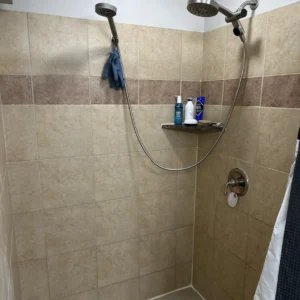
Understanding Shower Tile Systems for Shower Tile Repair Guide
Before beginning any repair process, it is important to understand how shower tile systems function.
Tiles
Tiles provide a durable and decorative waterproof surface.
Grout
Grout fills the joints between tiles and helps stabilize the installation.
Caulking
Caulking seals movement joints and prevents water penetration.
Waterproof Membrane
This hidden layer protects walls and substructures from moisture damage.
Substrate
The substrate provides structural support beneath the tile system.
A professional shower tile repair guide considers every component when diagnosing problems.
Common Shower Tile Problems
Many shower tile issues develop gradually and may go unnoticed initially.
Cracked Tiles
Cracks often result from impact damage, structural movement, or improper installation.
Loose Tiles
Tiles may separate from the wall due to moisture infiltration or adhesive failure.
Missing Grout
Grout deterioration creates gaps that allow water penetration.
Mold Growth
Persistent moisture encourages mold and mildew development.
Water Stains
Mineral deposits and moisture exposure can discolor surfaces.
Understanding these issues is an essential part of any shower tile repair guide.

Causes of Shower Tile Damage
Several factors contribute to tile deterioration over time.
Constant Moisture Exposure
Water exposure places continuous stress on tile systems.
Poor Ventilation
High humidity levels slow drying and encourage damage.
Aging Materials
Older grout and caulking naturally deteriorate over time.
Structural Movement
Minor building shifts may cause cracks and separation.
Improper Installation
Incorrect installation techniques often lead to premature failure.
A detailed shower tile repair guide focuses on addressing both symptoms and root causes.
Signs That Shower Tiles Need Repair
Recognizing problems early helps prevent extensive damage.
Visible Cracks
Any crack should be investigated promptly.
Hollow-Sounding Tiles
A hollow sound may indicate loose adhesion beneath the tile.
Grout Deterioration
Missing or crumbling grout requires attention.
Persistent Mold
Recurring mold can signal hidden moisture issues.
Water Leakage
Leaks often indicate compromised waterproofing systems.
A professional shower tile repair guide encourages regular inspections to identify these warning signs.

Why Cracked Shower Tiles Should Not Be Ignored
Cracked tiles may appear minor but often create larger problems.
Water Penetration
Cracks provide pathways for moisture intrusion.
Structural Damage
Water can damage walls and supporting materials.
Mold Development
Hidden moisture encourages fungal growth.
Expanding Damage
Small cracks frequently worsen over time.
Increased Repair Costs
Delayed repairs often require more extensive restoration.
Every effective shower tile repair guide emphasizes immediate attention to cracked tiles.
Understanding Loose Shower Tiles
Loose tiles are one of the most common repair concerns.
Moisture Behind Tiles
Water can weaken adhesives over time.
Adhesive Failure
Old or poorly installed adhesives may lose strength.
Structural Movement
Building movement may affect tile stability.
Improper Installation
Insufficient adhesive coverage creates weak points.
Aging Systems
Older installations naturally experience wear.
A complete shower tile repair guide includes procedures for identifying and addressing loose tiles.
The Importance of Grout Repair
Grout plays a critical role in shower performance.
Protects Tile Edges
Grout helps secure tile positioning.
Reduces Moisture Penetration
Healthy grout limits water infiltration.
Maintains Appearance
Clean grout improves aesthetics.
Supports Waterproofing
Proper grout contributes to moisture resistance.
Prevents Further Damage
Timely grout repair protects surrounding materials.
No shower tile repair guide is complete without detailed grout maintenance recommendations.
Common Grout Problems in Showers
Grout is highly vulnerable to bathroom conditions.
Cracking
Movement and aging can create grout fractures.
Staining
Grout absorbs contaminants and minerals.
Mold Growth
Moisture encourages fungal development.
Erosion
Constant water exposure gradually weakens grout.
Discoloration
Over time, grout may darken or become uneven in appearance.
A professional shower tile repair guide addresses each of these concerns.
Why Caulking Is Essential
Caulking protects movement joints and vulnerable areas.
Seals Corners
Corners experience frequent movement and moisture exposure.
Prevents Water Entry
Proper sealing blocks moisture intrusion.
Reduces Mold Risks
Water-resistant caulking discourages mold growth.
Supports Waterproofing
Caulking complements grout protection.
Maintains Appearance
Fresh caulking creates a clean, finished look.
A thorough shower tile repair guide includes caulking inspection and replacement strategies.
Signs Caulking Needs Replacement
Old caulking often shows visible deterioration.
Cracking
Surface cracks reduce effectiveness.
Peeling
Separation from surfaces indicates failure.
Mold Staining
Dark discoloration may signal contamination.
Shrinkage
Aging caulk can pull away from joints.
Water Leakage
Leaks suggest compromised seals.
Every shower tile repair guide recommends regular caulking inspections.
How Moisture Affects Shower Tile Systems
Water is the primary cause of shower tile deterioration.
Weakens Adhesives
Continuous moisture affects bonding strength.
Damages Grout
Water penetration accelerates erosion.
Encourages Mold
Damp conditions promote microbial growth.
Stains Surfaces
Mineral deposits affect appearance.
Compromises Structures
Hidden moisture can damage walls and substrates.
Understanding moisture management is fundamental to a successful shower tile repair guide.
The Role of Waterproofing in Tile Repairs
Waterproofing protects shower systems from long-term damage.
Prevents Hidden Leaks
Proper barriers stop moisture migration.
Supports Tile Longevity
Dry substrates help tiles remain secure.
Reduces Mold Growth
Moisture control limits fungal activity.
Protects Structural Components
Waterproofing safeguards underlying materials.
Improves Durability
The entire tile system benefits from moisture protection.
Every professional shower tile repair guide emphasizes waterproofing as a critical component.
Mold and Mildew Around Shower Tiles
Mold and mildew are common bathroom concerns.
Causes
Moisture, warmth, and organic matter support growth.
Health Concerns
Mold can affect indoor air quality.
Appearance Issues
Discoloration affects bathroom aesthetics.
Structural Risks
Persistent moisture may damage materials.
Prevention
Cleaning, ventilation, and repairs help reduce growth.
A complete shower tile repair guide addresses mold prevention and remediation.
Shower Tile Repair Guide for Ceramic Tiles
Ceramic tiles remain a popular bathroom choice.
Durable Surface
Ceramic resists moisture and wear.
Easy Maintenance
Routine cleaning supports long-term performance.
Repairable
Individual damaged tiles can often be replaced.
Cost-Effective
Maintenance costs remain relatively low.
Attractive Appearance
Ceramic provides numerous design options.
A specialized shower tile repair guide helps homeowners maintain ceramic installations effectively.
Shower Tile Repair Guide for Porcelain Tiles
Porcelain tiles offer excellent durability.
Dense Material
Porcelain absorbs very little moisture.
Strong Surface
The material resists wear effectively.
Long Lifespan
Proper maintenance supports decades of performance.
Low Maintenance
Routine cleaning generally suffices.
Water Resistance
Porcelain performs exceptionally well in showers.
A professional shower tile repair guide should include material-specific maintenance recommendations.
Preventing Future Tile Damage
Prevention remains the most cost-effective strategy.
Clean Regularly
Routine cleaning removes contaminants.
Maintain Grout
Healthy grout protects the tile system.
Replace Damaged Caulking
Prompt replacement prevents water intrusion.
Improve Ventilation
Proper airflow reduces humidity.
Schedule Inspections
Regular evaluations identify problems early.
Every shower tile repair guide focuses on prevention as a key maintenance strategy.
Benefits of Professional Shower Tile Repair
Professional services provide advantages beyond basic repairs.
Accurate Diagnosis
Experts identify underlying causes.
High-Quality Materials
Professional products often provide superior durability.
Effective Waterproofing
Comprehensive moisture protection reduces risks.
Improved Appearance
Repairs restore bathroom aesthetics.
Long-Term Reliability
Professional workmanship supports lasting results.
A quality shower tile repair guide highlights the value of expert assistance.
Why DIY Repairs Sometimes Fail
Homeowners often attempt repairs without addressing root causes.
Incomplete Moisture Control
Water problems may remain hidden.
Improper Materials
Incorrect products can fail prematurely.
Surface-Only Repairs
Underlying damage may go untreated.
Inadequate Waterproofing
Moisture barriers may be overlooked.
Limited Experience
Technical challenges increase the likelihood of mistakes.
A professional shower tile repair guide emphasizes proper diagnosis before repair work begins.
Long-Term Maintenance After Tile Repairs
Ongoing maintenance protects repair investments.
Daily Cleaning
Remove moisture and residue regularly.
Weekly Inspections
Monitor grout and caulking condition.
Prompt Repairs
Address minor issues quickly.
Ventilation Management
Reduce humidity levels after shower use.
Professional Assessments
Periodic inspections help identify developing concerns.
A complete shower tile repair guide includes post-repair maintenance recommendations.
The Impact of Ventilation on Shower Tile Health
Ventilation plays a significant role in preserving shower systems.
Faster Drying
Reduced moisture limits deterioration.
Mold Prevention
Dry conditions discourage fungal growth.
Better Air Quality
Humidity control improves indoor comfort.
Grout Protection
Dry grout remains stronger longer.
Waterproofing Support
Ventilation complements moisture control measures.
A professional shower tile repair guide always emphasizes ventilation improvements.
Signs You Need Professional Tile Restoration
Some situations require more than simple repairs.
Widespread Cracking
Multiple damaged tiles indicate deeper issues.
Persistent Leaks
Recurring moisture problems require investigation.
Extensive Mold
Large mold infestations demand professional treatment.
Loose Tile Sections
Multiple loose tiles suggest system failure.
Aging Installations
Older showers may benefit from comprehensive restoration.
Recognizing these situations is a key aspect of any shower tile repair guide.
How Professional Restoration Extends Shower Life
Restoration helps preserve existing installations.
Repairs Structural Issues
Underlying concerns receive proper attention.
Improves Waterproofing
Enhanced protection reduces future damage.
Restores Appearance
Bathrooms look cleaner and newer.
Increases Durability
Updated materials improve performance.
Protects Property Value
Well-maintained bathrooms enhance overall home appeal.
A detailed shower tile repair guide supports long-term preservation strategies.
Why Homeowners Trust KK Cleaning and Restoration
KK Cleaning and Restoration provides professional shower tile repair, grout restoration, regrouting, caulking replacement, waterproofing, mold remediation, tile replacement, and bathroom restoration services. Experienced technicians understand the complexities of shower tile systems and use proven methods to deliver durable and attractive results.
Professional assessments identify hidden issues, while quality workmanship helps ensure lasting performance. From minor grout repairs to complete shower restoration projects, homeowners receive solutions tailored to their specific needs.
Final Thoughts on This Shower Tile Repair Guide
Maintaining shower tiles requires more than occasional cleaning. Constant exposure to water, humidity, and daily use places significant demands on bathroom tile systems. Following a comprehensive shower tile repair guide helps homeowners identify problems early, perform essential maintenance, and protect their bathrooms from costly damage.
Cracked tiles, deteriorating grout, failing caulking, moisture infiltration, and mold growth should never be ignored. Prompt repairs and preventive maintenance help preserve both appearance and functionality. Combined with professional inspections and restoration services when needed, a reliable shower tile repair guide provides the knowledge necessary to maintain durable, attractive, and long-lasting shower installations.
By investing in proper tile care and timely repairs, homeowners can enjoy cleaner, safer, and more beautiful bathrooms while extending the lifespan of their shower systems for many years.
Contact us now:
 Call us now at +16479163093
 Email: info@kkcleaningandrestoration.ca
 Visit: https://kkcleaningandrestoration.ca/
Faqs on Shower Tile Repair Guide:-
1. What is a shower tile repair guide?
A shower tile repair guide provides information about identifying, repairing, and preventing common tile problems in showers. It helps homeowners understand issues such as cracked tiles, damaged grout, loose tiles, and water damage. The guide also explains maintenance practices that improve tile longevity. Following a repair guide can help prevent costly bathroom repairs. Proper care keeps shower surfaces functional and attractive.
2. Why is shower tile repair important?
Shower tile repair is important because damaged tiles can allow water to penetrate behind walls and floors. Moisture intrusion may lead to mold growth, structural damage, and expensive restoration projects. Timely repairs help maintain the waterproof integrity of the shower. Proper maintenance also improves appearance and safety. Addressing problems early often reduces repair costs.
3. What are the most common shower tile problems?
Common shower tile problems include cracked tiles, loose tiles, missing grout, mold growth, and water stains. These issues often result from moisture exposure, aging materials, or structural movement. If left untreated, they can worsen over time. Early detection helps minimize damage and repair expenses. Regular inspections are highly recommended.
4. What causes shower tiles to crack?
Shower tiles can crack due to impact damage, foundation movement, improper installation, or aging materials. Temperature fluctuations and structural shifts may also place stress on tiles. Even small cracks can allow water to seep beneath the surface. This can create larger issues over time. Prompt repair helps prevent additional damage.
5. Can a cracked shower tile cause water damage?
Yes, a cracked shower tile can allow water to penetrate behind the tile surface. Moisture can damage walls, substrates, and supporting materials over time. Hidden water intrusion often leads to mold growth and structural deterioration. Repairing cracked tiles quickly reduces these risks. Proper waterproofing is essential for long-term protection.
6. How do I know if a shower tile is loose?
Loose shower tiles often move slightly when pressed or tapped. They may produce a hollow sound compared to securely attached tiles. In some cases, grout around the tile may crack or separate. Moisture infiltration is a common cause of loose tiles. Professional evaluation can help determine the extent of the problem.
7. Why do shower tiles become loose?
Shower tiles may become loose because of water penetration, adhesive failure, structural movement, or improper installation. Over time, moisture can weaken bonding materials behind the tile. Aging installations are also more vulnerable to loosening. Once tiles become loose, repairs should be performed promptly. Delaying repairs may allow the damage to spread.
8. What are the signs that shower grout needs repair?
Signs include cracks, missing sections, discoloration, mold growth, and crumbling grout lines. Damaged grout can no longer effectively protect against water intrusion. Moisture may penetrate behind tiles when grout deteriorates. Early grout repair helps maintain shower durability. Regular inspections can identify issues before they worsen.
9. Why is grout important in a shower?
Grout helps stabilize tiles and fills the spaces between them. It provides additional protection against moisture penetration and contributes to the overall appearance of the installation. Healthy grout supports tile alignment and durability. Damaged grout can lead to water damage and mold growth. Proper maintenance is essential for long-term performance.
10. Can missing grout cause shower leaks?
Yes, missing grout creates gaps that allow water to enter behind the tile surface. Moisture can damage substrates and encourage mold growth. Over time, hidden leaks may affect surrounding structures. Replacing damaged grout restores protection and stability. Prompt repairs help prevent more extensive restoration work.
11. What causes grout to crack in showers?
Grout can crack because of structural movement, moisture exposure, age, or improper installation. Daily temperature fluctuations may also contribute to stress on grout lines. Cracked grout allows water penetration and weakens the tile system. Repairs should be completed as soon as cracks are noticed. Maintaining grout helps preserve shower integrity.
12. Why does grout discolor over time?
Grout is porous and can absorb dirt, soap residue, minerals, and moisture. These contaminants gradually change its appearance and create stains. High humidity levels can also encourage mold growth that affects grout color. Regular cleaning and sealing help reduce discoloration. Professional restoration may improve heavily stained grout.
13. How often should shower grout be inspected?
Shower grout should be inspected at least every few months. Frequent inspections help identify cracks, missing sections, and discoloration before serious damage develops. Bathrooms with heavy use may require more regular evaluations. Early detection simplifies repairs and reduces costs. Consistent monitoring supports long-term maintenance.
14. What role does caulking play in shower tile systems?
Caulking seals joints where walls, floors, and fixtures meet. It prevents water from entering vulnerable areas and accommodates slight structural movement. Proper caulking helps maintain waterproofing and reduces mold risks. Damaged caulk should be replaced promptly. Maintaining caulking is an important part of shower care.
15. How do I know if shower caulking needs replacement?
Signs include cracking, peeling, shrinking, discoloration, or visible gaps. Mold growth along caulk lines can also indicate deterioration. Water leakage near joints is another warning sign. Replacing damaged caulking restores moisture protection. Regular inspections help identify failing caulk early.
16. Can damaged caulking lead to water damage?
Yes, damaged caulking allows water to penetrate behind shower surfaces. Moisture can affect walls, floors, and supporting structures. Hidden water damage may lead to mold growth and costly repairs. Maintaining effective seals reduces these risks. Proper caulking is essential for shower waterproofing.
17. Why does mold grow around shower tiles?
Mold thrives in damp, humid environments with limited airflow. Shower areas frequently provide ideal conditions for mold development. Moisture trapped in grout or behind tiles increases the risk. Regular cleaning and ventilation help reduce mold growth. Repairing moisture-related issues is also important.
18. Can mold affect shower tile systems?
Yes, mold can stain grout, discolor surfaces, and indicate underlying moisture problems. Persistent mold often signals water intrusion or inadequate ventilation. If left untreated, mold may spread and worsen over time. Professional remediation may be necessary in severe cases. Addressing the source of moisture is essential.
19. How can I prevent mold around shower tiles?
Maintaining proper ventilation and reducing moisture are key preventive measures. Regular cleaning removes soap residue and organic matter that support mold growth. Promptly repairing grout and caulking damage also helps. Drying surfaces after use can reduce moisture accumulation. Consistent maintenance is highly effective.
20. What causes water stains on shower tiles?
Water stains often result from mineral deposits left behind when water evaporates. Hard water commonly contributes to this issue. Soap residue can also combine with minerals and create visible stains. Regular cleaning helps minimize buildup. Professional cleaning may be needed for stubborn deposits.
21. Why is waterproofing important for shower tile repairs?
Waterproofing prevents moisture from reaching underlying materials and structures. It supports tile longevity and reduces the risk of mold growth. Effective waterproofing also helps maintain grout and adhesive performance. Repairs should always consider moisture protection. Waterproofing is a critical component of a durable shower system.
22. Can waterproofing fail over time?
Yes, waterproofing systems may deteriorate because of age, moisture exposure, or improper installation. Cracks, leaks, and recurring water damage can indicate failure. Professional evaluation helps determine the condition of waterproofing components. Timely repairs prevent more extensive problems. Proper maintenance extends system lifespan.
23. What is the difference between grout repair and regrouting?
Grout repair addresses isolated damaged sections while preserving the majority of existing grout. Regrouting involves removing and replacing larger portions of grout throughout the installation. The appropriate solution depends on the extent of deterioration. Professional assessment helps determine the best approach. Both services improve shower performance.
24. How often should shower tiles be cleaned?
Shower tiles should be cleaned regularly to remove soap residue, moisture, and contaminants. Weekly cleaning is recommended for most households. More frequent cleaning may be necessary in heavily used bathrooms. Consistent maintenance helps prevent stains and mold growth. Clean tiles generally last longer.
25. Can poor ventilation damage shower tiles?
Yes, inadequate ventilation allows humidity to remain trapped inside the bathroom. Excess moisture can affect grout, caulking, adhesives, and waterproofing systems. Mold growth also becomes more likely in poorly ventilated spaces. Improving airflow supports tile longevity. Ventilation is an important preventive measure.
26. Why do shower tiles sometimes sound hollow?
A hollow sound often indicates a loss of adhesion beneath the tile. Moisture intrusion or adhesive failure may create gaps between the tile and substrate. Hollow tiles should be inspected promptly. Ignoring the issue can lead to loosening or breakage. Professional repairs may be required.
27. Are loose shower tiles dangerous?
Loose tiles can become unstable and may eventually detach from the wall or floor. They also allow water to penetrate behind the installation. Moisture intrusion can damage surrounding materials and increase repair costs. Addressing loose tiles promptly improves safety and durability. Early intervention prevents further complications.
28. Can old shower tiles be repaired instead of replaced?
In many cases, damaged tiles can be repaired without replacing the entire shower. Solutions may include grout restoration, tile replacement, caulking renewal, or waterproofing improvements. The extent of damage determines the most suitable approach. Professional inspections help identify repair options. Restoration often provides cost-effective results.
29. How long do shower tile installations typically last?
Well-maintained shower tile installations can last for decades. Longevity depends on material quality, installation methods, moisture management, and maintenance practices. Regular repairs help extend lifespan significantly. Neglected issues may shorten service life. Preventive care supports long-term durability.
30. What are the benefits of professional shower tile repair?
Professional repairs address both visible damage and underlying causes. Experts use proper materials and techniques to improve durability and waterproofing. Professional services often produce longer-lasting results than temporary fixes. Accurate diagnosis reduces the risk of recurring problems. Homeowners benefit from improved appearance and performance.
31. Why do DIY shower tile repairs sometimes fail?
DIY repairs may focus only on surface damage while overlooking hidden moisture issues. Incorrect materials or installation methods can also reduce effectiveness. Waterproofing concerns are often missed during amateur repairs. Without proper diagnosis, problems may return quickly. Professional expertise improves long-term outcomes.
32. Can shower tile repairs improve bathroom appearance?
Yes, repairing damaged tiles, grout, and caulking can dramatically improve bathroom aesthetics. Clean, secure, and properly sealed surfaces create a fresh appearance. Restoration eliminates visible signs of wear and deterioration. Homeowners often notice immediate visual improvements. Attractive bathrooms also enhance property appeal.
33. How can I protect shower tiles after repairs?
Regular cleaning, proper ventilation, and routine inspections are essential. Promptly addressing minor issues prevents more extensive damage. Maintaining grout and caulking helps preserve waterproofing. Avoiding harsh chemicals can also protect tile surfaces. Consistent maintenance supports long-term results.
34. What are the warning signs of hidden water damage behind tiles?
Warning signs may include persistent mold growth, loose tiles, water stains, musty odors, and recurring leaks. Soft wall areas can also indicate moisture intrusion. Hidden damage often develops gradually over time. Professional assessments can identify underlying problems. Early detection helps minimize restoration costs.
35. Can shower tile repairs increase home value?
Well-maintained bathrooms are attractive to potential buyers and contribute to overall property appeal. Repairing damaged tiles improves both appearance and functionality. Buyers often view bathroom condition as an indicator of overall home maintenance. Professional repairs can support resale value. Updated bathrooms create positive impressions.
36. How does hard water affect shower tiles?
Hard water leaves mineral deposits on tile surfaces and grout lines. Over time, these deposits create stains and dull appearances. Regular cleaning helps manage buildup before it becomes severe. Professional cleaning may be necessary for stubborn deposits. Water treatment systems can also reduce future accumulation.
37. When should a shower be completely restored?
Complete restoration may be necessary when there is extensive tile damage, widespread grout failure, persistent leaks, or aging waterproofing systems. Large-scale mold issues may also require comprehensive repairs. Professional inspections determine the extent of restoration needed. Full restoration often improves both durability and appearance.
38. How often should shower tile systems be professionally inspected?
Professional inspections are recommended every few years or whenever signs of damage appear. Regular evaluations help identify hidden moisture issues before they become serious. Homeowners with older showers may benefit from more frequent assessments. Inspections support preventive maintenance strategies. Early detection reduces long-term repair costs.
39. What should homeowners do when they notice tile damage?
Homeowners should inspect the affected area and avoid delaying repairs. Small cracks, loose tiles, or grout deterioration can worsen if ignored. Professional evaluation helps determine the root cause of the issue. Addressing problems early protects surrounding materials. Prompt action usually leads to simpler and less expensive repairs.
40. Why do homeowners choose KK Cleaning and Restoration for shower tile repairs?
Homeowners choose KK Cleaning and Restoration for professional shower tile repair, grout restoration, caulking replacement, waterproofing, tile replacement, and bathroom restoration services. Experienced technicians understand how moisture affects tile systems and provide effective solutions. Professional workmanship helps improve durability, appearance, and water resistance. Customized repair strategies address both visible and hidden issues. Their expertise helps homeowners maintain beautiful and long-lasting shower installations.
Contact us now:
Call us now at +16479163093
Email: info@kkcleaningandrestoration.ca
Visit: https://kkcleaningandrestoration.ca/