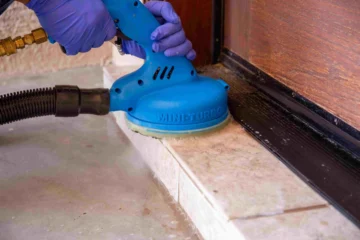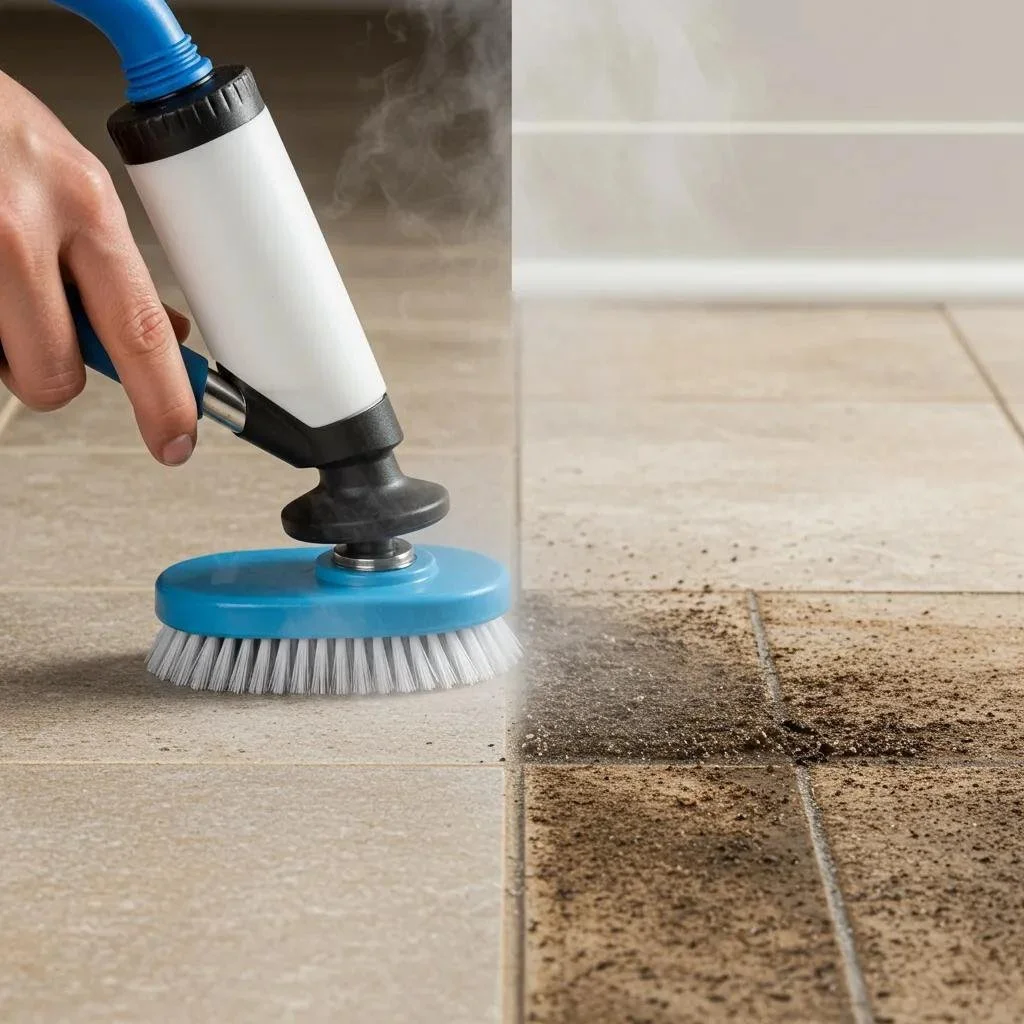
How to Clean Tile Grout Naturally: The Complete Homeowner’s Guide by KK Cleaning and Restoration
Introduction: How to Clean Tile Grout Naturally
How to Clean Tile Grout Naturally: Tile floors, backsplashes, showers, and bathroom walls bring beauty and durability into any home. However, no matter how clean your tiles appear, dirty grout lines can quickly make the entire space look neglected. Over time, grout absorbs dirt, grease, soap scum, moisture, mildew, and bacteria. Many homeowners search for how to clean tile grout naturally because they want effective solutions without exposing their families, pets, or surfaces to harsh chemicals.
At KK Cleaning and Restoration, we understand how frustrating stained grout can be. Whether your kitchen floor grout has become dark and greasy or your bathroom grout is showing mildew and discoloration, natural cleaning methods can restore freshness while protecting your indoor environment.
This in-depth guide explains everything you need to know about how to clean tile grout naturally, including the best homemade solutions, safe cleaning techniques, common mistakes to avoid, maintenance strategies, and professional-level tips that help grout stay cleaner longer.
Why Grout Gets Dirty So Quickly
Before learning how to clean tile grout naturally, it is important to understand why grout becomes stained in the first place.
Grout is a porous material. Unlike smooth tile surfaces, grout contains tiny holes that absorb moisture, dirt, oils, soap residue, food particles, and bacteria. In high-moisture areas such as bathrooms and kitchens, grout becomes especially vulnerable to mold and mildew growth.
Common causes of dirty grout include:
Moisture Buildup
Bathrooms and kitchens produce constant humidity. Water seeps into grout lines and creates the perfect environment for mildew and bacteria.
Soap Scum and Shampoo Residue
In showers and tubs, soap residue sticks to grout and traps dirt over time.
Grease and Cooking Oils
Kitchen tile grout often collects airborne grease particles from cooking.
Foot Traffic
Floor grout absorbs dirt, dust, mud, and debris from shoes.
Improper Cleaning Products
Some chemical cleaners leave residue behind, attracting even more dirt.
Lack of Sealing
Unsealed grout absorbs contaminants faster and stains more easily.
Understanding these causes helps homeowners choose the most effective natural cleaning methods.
Why More Homeowners Want to Clean Tile Grout Naturally
There are many reasons homeowners are searching for how to clean tile grout naturally instead of relying on aggressive commercial chemicals.
Safer for Children and Pets
Natural ingredients reduce exposure to toxic fumes and harsh residues.
Better Indoor Air Quality
Chemical cleaners often release strong odors and volatile compounds. Natural solutions help maintain healthier indoor air.
Environmentally Friendly
Eco-conscious homeowners prefer sustainable cleaning solutions that reduce chemical waste.
Gentle on Tile Surfaces
Many harsh products can damage grout sealers or discolor natural stone tiles.
Cost-Effective
Most natural grout cleaning ingredients are affordable and already available in your home.
Effective for Everyday Cleaning
Natural cleaning methods can successfully remove common dirt, mildew, and grime when used correctly.
KK Cleaning and Restoration often recommends natural maintenance methods between professional deep cleanings to help homeowners preserve their tile surfaces longer.

Essential Supplies for Natural Grout Cleaning
When learning how to clean tile grout naturally, having the right supplies makes the process easier and more effective.
Baking Soda
Baking soda acts as a gentle abrasive that lifts dirt and neutralizes odors.
White Vinegar
White vinegar helps dissolve soap scum, mineral buildup, and grease.
Hydrogen Peroxide
Hydrogen peroxide naturally brightens grout and helps kill bacteria.
Dish Soap
Mild dish soap breaks down oils and grease.
Warm Water
Warm water helps loosen grime and improve cleaning performance.
Spray Bottle
A spray bottle helps evenly distribute natural cleaning solutions.
Grout Brush or Toothbrush
Small brushes reach deep into grout lines.
Microfiber Cloths
Microfiber cloths absorb dirt without scratching surfaces.
Steam Cleaner
Steam cleaning can naturally sanitize grout using only heat and water.
Mop or Sponge
Useful for rinsing and wiping larger tile areas.
Using proper tools reduces scrubbing time and improves results.
How to Clean Tile Grout Naturally with Baking Soda and Vinegar
One of the most popular methods for how to clean tile grout naturally uses baking soda and white vinegar.
This combination helps break down dirt, grease, soap scum, and mild stains.
Step 1: Create a Baking Soda Paste
Mix baking soda with a small amount of water until it forms a thick paste.
Step 2: Apply the Paste to Grout Lines
Spread the paste directly onto dirty grout.
Step 3: Spray White Vinegar
Fill a spray bottle with white vinegar and spray over the baking soda paste.
The mixture will fizz, helping loosen grime trapped inside the grout.
Step 4: Scrub the Grout
Use a grout brush or old toothbrush to scrub gently in circular motions.
Step 5: Rinse with Warm Water
Wipe away residue using a damp microfiber cloth or sponge.
Step 6: Dry the Surface
Drying prevents moisture buildup and mildew growth.
This natural grout cleaning method works especially well for kitchen backsplashes, bathroom walls, and lightly stained floors.
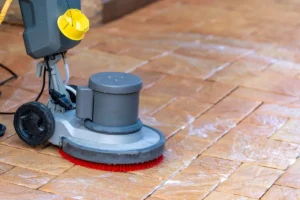
How to Clean Tile Grout Naturally with Hydrogen Peroxide
Hydrogen peroxide is another highly effective option for homeowners researching how to clean tile grout naturally.
It helps brighten grout while removing bacteria and mildew.
Simple Hydrogen Peroxide Method
- Pour hydrogen peroxide directly onto grout lines.
- Allow it to sit for 10 to 15 minutes.
- Scrub gently using a grout brush.
- Rinse thoroughly with warm water.
- Dry completely.
Baking Soda and Hydrogen Peroxide Paste
For tougher stains:
- Mix baking soda and hydrogen peroxide into a paste.
- Apply to grout lines.
- Let it sit for 15 minutes.
- Scrub gently.
- Rinse and dry.
This method is especially useful for white grout that has become yellowed or dingy.
How to Clean Bathroom Tile Grout Naturally
Bathrooms present unique grout cleaning challenges because of constant moisture and soap residue.
When learning how to clean tile grout naturally in bathrooms, targeting mildew and humidity is essential.
Remove Surface Dirt First
Vacuum or wipe surfaces before applying cleaners.
Use Vinegar for Soap Scum
Spray diluted vinegar onto grout and let it sit before scrubbing.
Address Mold Quickly
Hydrogen peroxide can help eliminate mild mildew stains naturally.
Improve Ventilation
Run bathroom fans and open windows after showers.
Dry Shower Walls Daily
Using a squeegee or towel reduces moisture accumulation.
Clean Regularly
Frequent light cleaning prevents severe buildup.
Bathrooms benefit greatly from consistent maintenance instead of occasional aggressive scrubbing.
How to Clean Kitchen Tile Grout Naturally
Kitchen grout often contains grease, food particles, and cooking residue.
Understanding how to clean tile grout naturally in kitchens requires grease-cutting solutions.
Dish Soap and Baking Soda
Mix baking soda with a few drops of dish soap and water.
Apply to Greasy Areas
Focus on grout near stoves and food prep areas.
Scrub Thoroughly
Kitchen grease can require slightly firmer scrubbing.
Rinse Completely
Residue left behind may attract additional dirt.
Sanitize Naturally
Hydrogen peroxide helps eliminate bacteria in food preparation spaces.
Natural kitchen grout cleaning works best when spills are addressed quickly.
How to Clean Floor Tile Grout Naturally
Floor grout absorbs heavy traffic dirt and requires deeper cleaning techniques.
Many homeowners searching for how to clean tile grout naturally are specifically trying to restore dirty floor grout.
Vacuum Thoroughly First
Removing loose dirt prevents mud formation during scrubbing.
Work in Small Sections
Cleaning small areas improves control and efficiency.
Use a Stiff Grout Brush
Floor grout usually needs more scrubbing power than wall grout.
Avoid Excess Water
Too much water can push dirt deeper into grout pores.
Dry Floors After Cleaning
Dry grout helps prevent future staining.
Regular floor maintenance dramatically extends grout life.
How Steam Cleaning Helps Clean Tile Grout Naturally
Steam cleaning is one of the most powerful chemical-free methods available.
For homeowners exploring how to clean tile grout naturally, steam cleaning offers deep sanitization using only heat and water.
Benefits of Steam Cleaning
- Kills bacteria naturally
- Breaks down grime
- Reduces mold growth
- Avoids harsh chemicals
- Reaches deep into grout pores
- Safe for many tile surfaces
How to Steam Clean Grout
- Vacuum the area first.
- Fill the steam cleaner with water.
- Use the grout attachment.
- Slowly move along grout lines.
- Wipe loosened dirt immediately.
- Allow surfaces to dry.
Steam cleaning is especially useful in bathrooms and high-traffic floors.
Natural Ingredients That Work Best for Grout Cleaning
Homeowners often ask which ingredients are most effective when researching how to clean tile grout naturally.
Baking Soda
Excellent for lifting dirt and deodorizing.
Vinegar
Helpful for mineral deposits and grease.
Hydrogen Peroxide
Brightens and sanitizes grout.
Lemon Juice
Provides mild acidity and fresh scent.
Dish Soap
Cuts through grease and oils.
Salt
Acts as a natural abrasive.
Steam
Sanitizes without chemicals.
Combining ingredients properly increases effectiveness while protecting grout.
Natural Grout Cleaning Mistakes to Avoid
Even when using natural methods, mistakes can damage grout or reduce cleaning effectiveness.
Using Metal Brushes
Metal brushes can scratch grout and tiles.
Mixing Vinegar with Stone Tiles
Acidic cleaners may damage marble, travertine, and natural stone.
Oversaturating Grout
Too much moisture can weaken grout over time.
Scrubbing Too Aggressively
Excessive force may erode grout lines.
Ignoring Sealing
Unsealed grout stains much faster.
Waiting Too Long Between Cleanings
Deep stains become harder to remove naturally.
Using Bleach Frequently
Although bleach may whiten temporarily, repeated use can weaken grout.
Avoiding these mistakes helps preserve both appearance and durability.
How Often Should You Clean Tile Grout Naturally?
Consistency is key when learning how to clean tile grout naturally.
Weekly Maintenance
Light cleaning prevents buildup.
Monthly Deep Cleaning
A deeper natural scrub removes accumulated grime.
Immediate Spot Cleaning
Address spills and stains right away.
Annual Professional Cleaning
Professional restoration helps maintain long-term grout condition.
KK Cleaning and Restoration recommends proactive maintenance rather than waiting for severe discoloration.
Best Natural Method for White Grout
White grout looks beautiful but stains easily.
When researching how to clean tile grout naturally for white grout, homeowners need brightening methods that avoid damage.
Baking Soda and Hydrogen Peroxide
This combination effectively lifts stains while restoring brightness.
Steam Cleaning
Steam helps remove deep discoloration.
Frequent Maintenance
White grout benefits from regular light cleaning.
Proper Sealing
Sealants help protect grout from future stains.
Avoid harsh abrasives that may wear down white grout prematurely.
How to Remove Mold from Tile Grout Naturally
Mold growth is one of the biggest reasons people search for how to clean tile grout naturally.
Hydrogen Peroxide Treatment
Spray hydrogen peroxide directly onto moldy grout.
Let It Sit
Allow 10 to 15 minutes for penetration.
Scrub Thoroughly
Use a grout brush to loosen mold.
Dry Completely
Moisture control is critical.
Improve Ventilation
Reduce future mold growth by lowering humidity.
Persistent mold problems may require professional assessment.
Can Natural Cleaning Remove Deep Grout Stains?
Natural methods work very well for many common grout problems. However, extremely deep stains may require advanced restoration.
Factors affecting stain removal include:
- Age of the stain
- Type of grout
- Previous chemical damage
- Moisture exposure
- Mold penetration
- Lack of sealing
Professional services from KK Cleaning and Restoration may be necessary when grout has suffered years of neglect.
The Importance of Grout Sealing
One of the most overlooked aspects of how to clean tile grout naturally is proper sealing.
What Grout Sealer Does
Sealer forms a protective barrier that reduces absorption.
Benefits of Sealing
- Easier cleaning
- Reduced staining
- Lower moisture penetration
- Longer grout lifespan
- Better appearance
When to Seal Grout
- After new installation
- After deep cleaning
- Every one to two years depending on wear
Sealing dramatically reduces future cleaning difficulty.
Natural Cleaning for Shower Grout
Shower grout experiences constant exposure to moisture and soap residue.
Daily Moisture Control
Use a squeegee after every shower.
Weekly Vinegar Spray
A mild vinegar solution helps prevent soap buildup.
Monthly Deep Cleaning
Use baking soda paste for deeper scrubbing.
Prevent Standing Water
Check drainage and ventilation regularly.
Consistent care keeps shower grout looking fresh.
How to Clean Colored Grout Naturally
Colored grout requires extra caution because harsh scrubbing or strong chemicals may cause fading.
Use Gentle Solutions
Mild dish soap and baking soda are often safest.
Test Small Areas First
Always test cleaning solutions before full application.
Avoid Strong Acids
Highly acidic cleaners may alter grout color.
Use Soft Brushes
Gentler tools help preserve appearance.
Proper care extends the life of colored grout.
How to Maintain Clean Grout Naturally Every Day
Prevention is the easiest part of how to clean tile grout naturally.
Wipe Floors Regularly
Removing dirt quickly prevents deep staining.
Use Entry Mats
Reduce tracked-in dirt and debris.
Ventilate Bathrooms
Lower humidity to reduce mildew.
Clean Spills Immediately
Quick action prevents absorption.
Use pH-Neutral Cleaners
Harsh chemicals can damage grout over time.
Schedule Routine Cleaning
Frequent maintenance prevents overwhelming buildup.
Daily habits make a significant difference.
Signs Your Grout Needs Professional Restoration
Natural cleaning methods are highly effective, but some grout problems require professional expertise.
Permanent Discoloration
Deep staining that does not improve may indicate embedded contamination.
Cracked or Missing Grout
Structural damage requires repair.
Persistent Mold Odors
Hidden moisture problems may exist beneath surfaces.
Loose Tiles
Movement can compromise grout integrity.
Extensive Mildew Growth
Severe mold issues may need advanced treatment.
KK Cleaning and Restoration provides specialized grout restoration services that go beyond standard household cleaning.
Why Professional Tile and Grout Cleaning Matters
Even homeowners committed to natural cleaning benefit from periodic professional service.
Deep Extraction Equipment
Professional systems remove deeply embedded dirt.
Specialized Restoration Techniques
Experts can restore grout appearance safely.
Improved Indoor Hygiene
Professional cleaning helps eliminate bacteria and allergens.
Surface Protection
Sealing services preserve grout longer.
Time Savings
Professionals complete deep cleaning more efficiently.
Professional maintenance complements regular natural cleaning routines.
Understanding Different Types of Tile Grout
Different grout materials respond differently to cleaning methods.
Sanded Grout
Often used in wider grout joints and generally more durable.
Unsanded Grout
Used in narrow joints and more delicate.
Epoxy Grout
More stain resistant but still requires maintenance.
Cement-Based Grout
Very common but highly porous.
Knowing your grout type helps determine the safest natural cleaning strategy.
Best Natural Cleaning Routine for Busy Households
Families with children, pets, and high foot traffic need practical grout maintenance solutions.
Daily Quick Wipe
Prevent dirt accumulation with microfiber mops.
Weekly Natural Spray Cleaning
Use vinegar and water on appropriate tile surfaces.
Monthly Deep Scrub
Apply baking soda paste for heavier cleaning.
Seasonal Professional Cleaning
Professional service restores heavily used surfaces.
Routine consistency minimizes long-term staining.
Why Dirty Grout Impacts Home Appearance
Even beautiful tiles lose visual appeal when grout becomes stained.
Grout Defines Tile Patterns
Clean grout highlights the design and layout of tile surfaces.
Dirty Grout Makes Rooms Look Older
Darkened grout can create an unclean appearance.
Clean Grout Brightens Spaces
Fresh grout reflects light and improves room aesthetics.
Well-Maintained Tile Increases Property Appeal
Clean tile surfaces contribute to a polished home environment.
Many homeowners are surprised by how dramatically grout cleaning improves a room.
How to Clean Tile Grout Naturally Without Damaging Tile
Protecting tile surfaces is just as important as cleaning grout.
Know Your Tile Type
Ceramic, porcelain, marble, and natural stone require different care.
Avoid Abrasive Pads
Harsh scrubbers may scratch tile finishes.
Use Moderate Pressure
Gentle scrubbing protects grout and tile alike.
Rinse Thoroughly
Leftover residue can dull tile surfaces.
Dry Surfaces After Cleaning
Moisture management prevents future problems.
Proper techniques help preserve the beauty of tile installations.
Eco-Friendly Benefits of Natural Grout Cleaning
Homeowners increasingly prioritize environmentally responsible cleaning practices.
Reduced Chemical Waste
Natural ingredients create less environmental impact.
Lower Indoor Pollution
Fewer harsh fumes improve indoor comfort.
Safer Wastewater Disposal
Natural ingredients are generally gentler on plumbing and water systems.
Sustainable Cleaning Practices
Reusable cloths and minimal chemicals support eco-conscious living.
Natural grout cleaning aligns with healthier home habits.
Common Questions Homeowners Have About Natural Grout Cleaning
Many homeowners begin researching how to clean tile grout naturally after noticing discoloration or persistent dirt.
They often wonder whether natural methods truly work.
The answer depends largely on consistency and technique. Natural cleaning can be extremely effective for routine maintenance, moderate staining, grease, soap scum, and mild mildew.
However, deeply neglected grout may require multiple treatments or professional restoration.
Another common concern is whether vinegar damages grout. Vinegar can be helpful on ceramic and porcelain tile installations when diluted and used properly, but it should not be used on natural stone surfaces.
Homeowners also ask whether steam cleaning is safe. In most cases, steam cleaning is an excellent natural option, especially for sealed grout and durable tile surfaces.
How Humidity Affects Tile Grout
Humidity plays a major role in grout health.
Moisture Encourages Mold Growth
Bathrooms with poor ventilation are especially vulnerable.
Humidity Weakens Grout Over Time
Constant dampness may contribute to deterioration.
Condensation Traps Dirt
Moisture can attract dust and debris.
Proper Ventilation Helps Prevent Problems
Fans, open windows, and dehumidifiers improve grout longevity.
Managing humidity supports cleaner grout naturally.
Why Regular Maintenance Is Better Than Intensive Scrubbing
One major lesson in how to clean tile grout naturally is that prevention always works better than aggressive restoration.
Light Cleaning Protects Grout
Frequent maintenance reduces the need for harsh scrubbing.
Deep Stains Become Harder to Remove
Waiting too long allows dirt to penetrate deeper.
Consistent Care Extends Tile Lifespan
Proper maintenance protects your investment.
Easier Cleaning Saves Time
Routine upkeep prevents overwhelming buildup.
Simple habits often produce the best long-term results.
Best Homemade Natural Grout Cleaner Recipes
Homeowners love homemade solutions because they are affordable and easy to prepare.
Baking Soda and Water Paste
Ideal for light everyday cleaning.
Baking Soda and Vinegar Solution
Excellent for soap scum and general grime.
Hydrogen Peroxide and Baking Soda Paste
Useful for whitening and stain removal.
Dish Soap and Warm Water
Effective for greasy kitchen grout.
Lemon Juice and Baking Soda
Provides mild brightening and deodorizing.
Testing recipes on small areas first is always recommended.
Natural Grout Cleaning for Pet Owners
Pet owners often prefer natural methods to reduce chemical exposure.
Safer Indoor Environment
Natural cleaners reduce toxic residues.
Better Odor Control
Baking soda naturally neutralizes odors.
Easier Paw Print Cleanup
Frequent light cleaning keeps floors fresher.
Reduced Chemical Sensitivity Risks
Some pets react poorly to strong cleaners.
Natural maintenance supports healthier living spaces for pets and families alike.
How Seasonal Changes Affect Grout
Different seasons create different grout cleaning challenges.
Winter
Salt, mud, and moisture increase floor grime.
Spring
Humidity and rain contribute to mildew growth.
Summer
Higher humidity may encourage mold.
Fall
Dirt and debris tracked indoors can stain grout.
Adjusting cleaning frequency seasonally helps maintain cleaner surfaces year-round.
How to Extend the Life of Tile and Grout
Proper maintenance does more than improve appearance.
Prevent Structural Damage
Moisture control protects grout integrity.
Reduce Repair Costs
Routine care minimizes deterioration.
Preserve Home Value
Well-maintained tile surfaces enhance property appeal.
Maintain Healthier Indoor Spaces
Cleaner grout reduces bacteria and allergens.
Improve Surface Longevity
Good maintenance keeps tile installations looking newer longer.
Investing time into grout care protects your home investment.
The Difference Between Cleaning and Restoration
Many homeowners confuse grout cleaning with grout restoration.
Cleaning
Removes surface dirt, stains, and residue.
Restoration
Addresses severe discoloration, cracking, missing grout, and long-term damage.
Professional Restoration Services
May include steam extraction, sealing, recoloring, or grout replacement.
KK Cleaning and Restoration provides advanced solutions for grout that requires more than standard cleaning.
How to Create a Long-Term Natural Grout Care Plan
The best approach to how to clean tile grout naturally involves ongoing maintenance.
Weekly Tasks
- Sweep or vacuum floors
- Wipe bathroom tiles
- Address spills immediately
Monthly Tasks
- Deep clean grout naturally
- Inspect for mold or stains
- Check ventilation systems
Annual Tasks
- Schedule professional cleaning
- Reseal grout if necessary
- Inspect for damage or cracking
A structured maintenance plan prevents major cleaning challenges.
Why Homeowners Trust KK Cleaning and Restoration
Homeowners want tile and grout surfaces that look clean, healthy, and well-maintained.
KK Cleaning and Restoration understands the challenges that come with dirty grout, stubborn stains, mold growth, and long-term tile wear. Through professional expertise and proven cleaning methods, homeowners can restore beauty and freshness to their tile surfaces while maintaining a healthier indoor environment.
Natural grout cleaning methods are highly effective for ongoing maintenance and mild to moderate staining. Combining consistent care, proper moisture control, safe cleaning ingredients, and occasional professional service creates the best long-term results.
Whether you are dealing with kitchen grease, bathroom mildew, or heavily trafficked floor grout, understanding how to clean tile grout naturally helps protect your tile investment while creating a cleaner and more welcoming home.
Final Thoughts on How to Clean Tile Grout Naturally
Learning how to clean tile grout naturally gives homeowners a safer, more eco-friendly, and cost-effective way to maintain beautiful tile surfaces.
By using natural ingredients like baking soda, vinegar, hydrogen peroxide, and steam, you can remove dirt, grime, grease, soap scum, and mild mildew without relying on harsh chemicals.
Consistency remains the key to success. Regular maintenance, moisture control, proper ventilation, and grout sealing all play important roles in keeping grout cleaner for longer.
For deeply stained, damaged, or neglected grout, professional services from KK Cleaning and Restoration can help restore tile surfaces to a cleaner, brighter condition.
With the right approach, clean grout can dramatically improve the appearance, cleanliness, and comfort of your home while extending the life of your tile surfaces for years to come.
How to Clean Tile Grout Naturally: The Complete Homeowner’s Guide by KK Cleaning and Restoration
Tile floors, backsplashes, showers, and bathroom walls bring beauty and durability into any home. However, no matter how clean your tiles appear, dirty grout lines can quickly make the entire space look neglected. Over time, grout absorbs dirt, grease, soap scum, moisture, mildew, and bacteria. Many homeowners search for how to clean tile grout naturally because they want effective solutions without exposing their families, pets, or surfaces to harsh chemicals.
At KK Cleaning and Restoration, we understand how frustrating stained grout can be. Whether your kitchen floor grout has become dark and greasy or your bathroom grout is showing mildew and discoloration, natural cleaning methods can restore freshness while protecting your indoor environment.
This in-depth guide explains everything you need to know about how to clean tile grout naturally, including the best homemade solutions, safe cleaning techniques, common mistakes to avoid, maintenance strategies, and professional-level tips that help grout stay cleaner longer.
Why Grout Gets Dirty So Quickly
Before learning how to clean tile grout naturally, it is important to understand why grout becomes stained in the first place.
Grout is a porous material. Unlike smooth tile surfaces, grout contains tiny holes that absorb moisture, dirt, oils, soap residue, food particles, and bacteria. In high-moisture areas such as bathrooms and kitchens, grout becomes especially vulnerable to mold and mildew growth.
Common causes of dirty grout include:
Moisture Buildup
Bathrooms and kitchens produce constant humidity. Water seeps into grout lines and creates the perfect environment for mildew and bacteria.
Soap Scum and Shampoo Residue
In showers and tubs, soap residue sticks to grout and traps dirt over time.
Grease and Cooking Oils
Kitchen tile grout often collects airborne grease particles from cooking.
Foot Traffic
Floor grout absorbs dirt, dust, mud, and debris from shoes.
Improper Cleaning Products
Some chemical cleaners leave residue behind, attracting even more dirt.
Lack of Sealing
Unsealed grout absorbs contaminants faster and stains more easily.
Understanding these causes helps homeowners choose the most effective natural cleaning methods.
Why More Homeowners Want to Clean Tile Grout Naturally
There are many reasons homeowners are searching for how to clean tile grout naturally instead of relying on aggressive commercial chemicals.
Safer for Children and Pets
Natural ingredients reduce exposure to toxic fumes and harsh residues.
Better Indoor Air Quality
Chemical cleaners often release strong odors and volatile compounds. Natural solutions help maintain healthier indoor air.
Environmentally Friendly
Eco-conscious homeowners prefer sustainable cleaning solutions that reduce chemical waste.
Gentle on Tile Surfaces
Many harsh products can damage grout sealers or discolor natural stone tiles.
Cost-Effective
Most natural grout cleaning ingredients are affordable and already available in your home.
Effective for Everyday Cleaning
Natural cleaning methods can successfully remove common dirt, mildew, and grime when used correctly.
KK Cleaning and Restoration often recommends natural maintenance methods between professional deep cleanings to help homeowners preserve their tile surfaces longer.
Essential Supplies for Natural Grout Cleaning
When learning how to clean tile grout naturally, having the right supplies makes the process easier and more effective.
Baking Soda
Baking soda acts as a gentle abrasive that lifts dirt and neutralizes odors.
White Vinegar
White vinegar helps dissolve soap scum, mineral buildup, and grease.
Hydrogen Peroxide
Hydrogen peroxide naturally brightens grout and helps kill bacteria.
Dish Soap
Mild dish soap breaks down oils and grease.
Warm Water
Warm water helps loosen grime and improve cleaning performance.
Spray Bottle
A spray bottle helps evenly distribute natural cleaning solutions.
Grout Brush or Toothbrush
Small brushes reach deep into grout lines.
Microfiber Cloths
Microfiber cloths absorb dirt without scratching surfaces.
Steam Cleaner
Steam cleaning can naturally sanitize grout using only heat and water.
Mop or Sponge
Useful for rinsing and wiping larger tile areas.
Using proper tools reduces scrubbing time and improves results.
How to Clean Tile Grout Naturally with Baking Soda and Vinegar
One of the most popular methods for how to clean tile grout naturally uses baking soda and white vinegar.
This combination helps break down dirt, grease, soap scum, and mild stains.
Step 1: Create a Baking Soda Paste
Mix baking soda with a small amount of water until it forms a thick paste.
Step 2: Apply the Paste to Grout Lines
Spread the paste directly onto dirty grout.
Step 3: Spray White Vinegar
Fill a spray bottle with white vinegar and spray over the baking soda paste.
The mixture will fizz, helping loosen grime trapped inside the grout.
Step 4: Scrub the Grout
Use a grout brush or old toothbrush to scrub gently in circular motions.
Step 5: Rinse with Warm Water
Wipe away residue using a damp microfiber cloth or sponge.
Step 6: Dry the Surface
Drying prevents moisture buildup and mildew growth.
This natural grout cleaning method works especially well for kitchen backsplashes, bathroom walls, and lightly stained floors.
How to Clean Tile Grout Naturally with Hydrogen Peroxide
Hydrogen peroxide is another highly effective option for homeowners researching how to clean tile grout naturally.
It helps brighten grout while removing bacteria and mildew.
Simple Hydrogen Peroxide Method
- Pour hydrogen peroxide directly onto grout lines.
- Allow it to sit for 10 to 15 minutes.
- Scrub gently using a grout brush.
- Rinse thoroughly with warm water.
- Dry completely.
Baking Soda and Hydrogen Peroxide Paste
For tougher stains:
- Mix baking soda and hydrogen peroxide into a paste.
- Apply to grout lines.
- Let it sit for 15 minutes.
- Scrub gently.
- Rinse and dry.
This method is especially useful for white grout that has become yellowed or dingy.
How to Clean Bathroom Tile Grout Naturally
Bathrooms present unique grout cleaning challenges because of constant moisture and soap residue.
When learning how to clean tile grout naturally in bathrooms, targeting mildew and humidity is essential.
Remove Surface Dirt First
Vacuum or wipe surfaces before applying cleaners.
Use Vinegar for Soap Scum
Spray diluted vinegar onto grout and let it sit before scrubbing.
Address Mold Quickly
Hydrogen peroxide can help eliminate mild mildew stains naturally.
Improve Ventilation
Run bathroom fans and open windows after showers.
Dry Shower Walls Daily
Using a squeegee or towel reduces moisture accumulation.
Clean Regularly
Frequent light cleaning prevents severe buildup.
Bathrooms benefit greatly from consistent maintenance instead of occasional aggressive scrubbing.
How to Clean Kitchen Tile Grout Naturally
Kitchen grout often contains grease, food particles, and cooking residue.
Understanding how to clean tile grout naturally in kitchens requires grease-cutting solutions.
Dish Soap and Baking Soda
Mix baking soda with a few drops of dish soap and water.
Apply to Greasy Areas
Focus on grout near stoves and food prep areas.
Scrub Thoroughly
Kitchen grease can require slightly firmer scrubbing.
Rinse Completely
Residue left behind may attract additional dirt.
Sanitize Naturally
Hydrogen peroxide helps eliminate bacteria in food preparation spaces.
Natural kitchen grout cleaning works best when spills are addressed quickly.
How to Clean Floor Tile Grout Naturally
Floor grout absorbs heavy traffic dirt and requires deeper cleaning techniques.
Many homeowners searching for how to clean tile grout naturally are specifically trying to restore dirty floor grout.
Vacuum Thoroughly First
Removing loose dirt prevents mud formation during scrubbing.
Work in Small Sections
Cleaning small areas improves control and efficiency.
Use a Stiff Grout Brush
Floor grout usually needs more scrubbing power than wall grout.
Avoid Excess Water
Too much water can push dirt deeper into grout pores.
Dry Floors After Cleaning
Dry grout helps prevent future staining.
Regular floor maintenance dramatically extends grout life.
How Steam Cleaning Helps Clean Tile Grout Naturally
Steam cleaning is one of the most powerful chemical-free methods available.
For homeowners exploring how to clean tile grout naturally, steam cleaning offers deep sanitization using only heat and water.
Benefits of Steam Cleaning
- Kills bacteria naturally
- Breaks down grime
- Reduces mold growth
- Avoids harsh chemicals
- Reaches deep into grout pores
- Safe for many tile surfaces
How to Steam Clean Grout
- Vacuum the area first.
- Fill the steam cleaner with water.
- Use the grout attachment.
- Slowly move along grout lines.
- Wipe loosened dirt immediately.
- Allow surfaces to dry.
Steam cleaning is especially useful in bathrooms and high-traffic floors.
Natural Ingredients That Work Best for Grout Cleaning
Homeowners often ask which ingredients are most effective when researching how to clean tile grout naturally.
Baking Soda
Excellent for lifting dirt and deodorizing.
Vinegar
Helpful for mineral deposits and grease.
Hydrogen Peroxide
Brightens and sanitizes grout.
Lemon Juice
Provides mild acidity and fresh scent.
Dish Soap
Cuts through grease and oils.
Salt
Acts as a natural abrasive.
Steam
Sanitizes without chemicals.
Combining ingredients properly increases effectiveness while protecting grout.
Natural Grout Cleaning Mistakes to Avoid
Even when using natural methods, mistakes can damage grout or reduce cleaning effectiveness.
Using Metal Brushes
Metal brushes can scratch grout and tiles.
Mixing Vinegar with Stone Tiles
Acidic cleaners may damage marble, travertine, and natural stone.
Oversaturating Grout
Too much moisture can weaken grout over time.
Scrubbing Too Aggressively
Excessive force may erode grout lines.
Ignoring Sealing
Unsealed grout stains much faster.
Waiting Too Long Between Cleanings
Deep stains become harder to remove naturally.
Using Bleach Frequently
Although bleach may whiten temporarily, repeated use can weaken grout.
Avoiding these mistakes helps preserve both appearance and durability.
How Often Should You Clean Tile Grout Naturally?
Consistency is key when learning how to clean tile grout naturally.
Weekly Maintenance
Light cleaning prevents buildup.
Monthly Deep Cleaning
A deeper natural scrub removes accumulated grime.
Immediate Spot Cleaning
Address spills and stains right away.
Annual Professional Cleaning
Professional restoration helps maintain long-term grout condition.
KK Cleaning and Restoration recommends proactive maintenance rather than waiting for severe discoloration.
Best Natural Method for White Grout
White grout looks beautiful but stains easily.
When researching how to clean tile grout naturally for white grout, homeowners need brightening methods that avoid damage.
Baking Soda and Hydrogen Peroxide
This combination effectively lifts stains while restoring brightness.
Steam Cleaning
Steam helps remove deep discoloration.
Frequent Maintenance
White grout benefits from regular light cleaning.
Proper Sealing
Sealants help protect grout from future stains.
Avoid harsh abrasives that may wear down white grout prematurely.
How to Remove Mold from Tile Grout Naturally
Mold growth is one of the biggest reasons people search for how to clean tile grout naturally.
Hydrogen Peroxide Treatment
Spray hydrogen peroxide directly onto moldy grout.
Let It Sit
Allow 10 to 15 minutes for penetration.
Scrub Thoroughly
Use a grout brush to loosen mold.
Dry Completely
Moisture control is critical.
Improve Ventilation
Reduce future mold growth by lowering humidity.
Persistent mold problems may require professional assessment.
Can Natural Cleaning Remove Deep Grout Stains?
Natural methods work very well for many common grout problems. However, extremely deep stains may require advanced restoration.
Factors affecting stain removal include:
- Age of the stain
- Type of grout
- Previous chemical damage
- Moisture exposure
- Mold penetration
- Lack of sealing
Professional services from KK Cleaning and Restoration may be necessary when grout has suffered years of neglect.
The Importance of Grout Sealing
One of the most overlooked aspects of how to clean tile grout naturally is proper sealing.
What Grout Sealer Does
Sealer forms a protective barrier that reduces absorption.
Benefits of Sealing
- Easier cleaning
- Reduced staining
- Lower moisture penetration
- Longer grout lifespan
- Better appearance
When to Seal Grout
- After new installation
- After deep cleaning
- Every one to two years depending on wear
Sealing dramatically reduces future cleaning difficulty.
Natural Cleaning for Shower Grout
Shower grout experiences constant exposure to moisture and soap residue.
Daily Moisture Control
Use a squeegee after every shower.
Weekly Vinegar Spray
A mild vinegar solution helps prevent soap buildup.
Monthly Deep Cleaning
Use baking soda paste for deeper scrubbing.
Prevent Standing Water
Check drainage and ventilation regularly.
Consistent care keeps shower grout looking fresh.
How to Clean Colored Grout Naturally
Colored grout requires extra caution because harsh scrubbing or strong chemicals may cause fading.
Use Gentle Solutions
Mild dish soap and baking soda are often safest.
Test Small Areas First
Always test cleaning solutions before full application.
Avoid Strong Acids
Highly acidic cleaners may alter grout color.
Use Soft Brushes
Gentler tools help preserve appearance.
Proper care extends the life of colored grout.
How to Maintain Clean Grout Naturally Every Day
Prevention is the easiest part of how to clean tile grout naturally.
Wipe Floors Regularly
Removing dirt quickly prevents deep staining.
Use Entry Mats
Reduce tracked-in dirt and debris.
Ventilate Bathrooms
Lower humidity to reduce mildew.
Clean Spills Immediately
Quick action prevents absorption.
Use pH-Neutral Cleaners
Harsh chemicals can damage grout over time.
Schedule Routine Cleaning
Frequent maintenance prevents overwhelming buildup.
Daily habits make a significant difference.
Signs Your Grout Needs Professional Restoration
Natural cleaning methods are highly effective, but some grout problems require professional expertise.
Permanent Discoloration
Deep staining that does not improve may indicate embedded contamination.
Cracked or Missing Grout
Structural damage requires repair.
Persistent Mold Odors
Hidden moisture problems may exist beneath surfaces.
Loose Tiles
Movement can compromise grout integrity.
Extensive Mildew Growth
Severe mold issues may need advanced treatment.
KK Cleaning and Restoration provides specialized grout restoration services that go beyond standard household cleaning.
Why Professional Tile and Grout Cleaning Matters
Even homeowners committed to natural cleaning benefit from periodic professional service.
Deep Extraction Equipment
Professional systems remove deeply embedded dirt.
Specialized Restoration Techniques
Experts can restore grout appearance safely.
Improved Indoor Hygiene
Professional cleaning helps eliminate bacteria and allergens.
Surface Protection
Sealing services preserve grout longer.
Time Savings
Professionals complete deep cleaning more efficiently.
Professional maintenance complements regular natural cleaning routines.
Understanding Different Types of Tile Grout
Different grout materials respond differently to cleaning methods.
Sanded Grout
Often used in wider grout joints and generally more durable.
Unsanded Grout
Used in narrow joints and more delicate.
Epoxy Grout
More stain resistant but still requires maintenance.
Cement-Based Grout
Very common but highly porous.
Knowing your grout type helps determine the safest natural cleaning strategy.
Best Natural Cleaning Routine for Busy Households
Families with children, pets, and high foot traffic need practical grout maintenance solutions.
Daily Quick Wipe
Prevent dirt accumulation with microfiber mops.
Weekly Natural Spray Cleaning
Use vinegar and water on appropriate tile surfaces.
Monthly Deep Scrub
Apply baking soda paste for heavier cleaning.
Seasonal Professional Cleaning
Professional service restores heavily used surfaces.
Routine consistency minimizes long-term staining.
Why Dirty Grout Impacts Home Appearance
Even beautiful tiles lose visual appeal when grout becomes stained.
Grout Defines Tile Patterns
Clean grout highlights the design and layout of tile surfaces.
Dirty Grout Makes Rooms Look Older
Darkened grout can create an unclean appearance.
Clean Grout Brightens Spaces
Fresh grout reflects light and improves room aesthetics.
Well-Maintained Tile Increases Property Appeal
Clean tile surfaces contribute to a polished home environment.
Many homeowners are surprised by how dramatically grout cleaning improves a room.
How to Clean Tile Grout Naturally Without Damaging Tile
Protecting tile surfaces is just as important as cleaning grout.
Know Your Tile Type
Ceramic, porcelain, marble, and natural stone require different care.
Avoid Abrasive Pads
Harsh scrubbers may scratch tile finishes.
Use Moderate Pressure
Gentle scrubbing protects grout and tile alike.
Rinse Thoroughly
Leftover residue can dull tile surfaces.
Dry Surfaces After Cleaning
Moisture management prevents future problems.
Proper techniques help preserve the beauty of tile installations.
Eco-Friendly Benefits of Natural Grout Cleaning
Homeowners increasingly prioritize environmentally responsible cleaning practices.
Reduced Chemical Waste
Natural ingredients create less environmental impact.
Lower Indoor Pollution
Fewer harsh fumes improve indoor comfort.
Safer Wastewater Disposal
Natural ingredients are generally gentler on plumbing and water systems.
Sustainable Cleaning Practices
Reusable cloths and minimal chemicals support eco-conscious living.
Natural grout cleaning aligns with healthier home habits.
Common Questions Homeowners Have About Natural Grout Cleaning
Many homeowners begin researching how to clean tile grout naturally after noticing discoloration or persistent dirt.
They often wonder whether natural methods truly work.
The answer depends largely on consistency and technique. Natural cleaning can be extremely effective for routine maintenance, moderate staining, grease, soap scum, and mild mildew.
However, deeply neglected grout may require multiple treatments or professional restoration.
Another common concern is whether vinegar damages grout. Vinegar can be helpful on ceramic and porcelain tile installations when diluted and used properly, but it should not be used on natural stone surfaces.
Homeowners also ask whether steam cleaning is safe. In most cases, steam cleaning is an excellent natural option, especially for sealed grout and durable tile surfaces.
How Humidity Affects Tile Grout
Humidity plays a major role in grout health.
Moisture Encourages Mold Growth
Bathrooms with poor ventilation are especially vulnerable.
Humidity Weakens Grout Over Time
Constant dampness may contribute to deterioration.
Condensation Traps Dirt
Moisture can attract dust and debris.
Proper Ventilation Helps Prevent Problems
Fans, open windows, and dehumidifiers improve grout longevity.
Managing humidity supports cleaner grout naturally.
Why Regular Maintenance Is Better Than Intensive Scrubbing
One major lesson in how to clean tile grout naturally is that prevention always works better than aggressive restoration.
Light Cleaning Protects Grout
Frequent maintenance reduces the need for harsh scrubbing.
Deep Stains Become Harder to Remove
Waiting too long allows dirt to penetrate deeper.
Consistent Care Extends Tile Lifespan
Proper maintenance protects your investment.
Easier Cleaning Saves Time
Routine upkeep prevents overwhelming buildup.
Simple habits often produce the best long-term results.
Best Homemade Natural Grout Cleaner Recipes
Homeowners love homemade solutions because they are affordable and easy to prepare.
Baking Soda and Water Paste
Ideal for light everyday cleaning.
Baking Soda and Vinegar Solution
Excellent for soap scum and general grime.
Hydrogen Peroxide and Baking Soda Paste
Useful for whitening and stain removal.
Dish Soap and Warm Water
Effective for greasy kitchen grout.
Lemon Juice and Baking Soda
Provides mild brightening and deodorizing.
Testing recipes on small areas first is always recommended.
Natural Grout Cleaning for Pet Owners
Pet owners often prefer natural methods to reduce chemical exposure.
Safer Indoor Environment
Natural cleaners reduce toxic residues.
Better Odor Control
Baking soda naturally neutralizes odors.
Easier Paw Print Cleanup
Frequent light cleaning keeps floors fresher.
Reduced Chemical Sensitivity Risks
Some pets react poorly to strong cleaners.
Natural maintenance supports healthier living spaces for pets and families alike.
How Seasonal Changes Affect Grout
Different seasons create different grout cleaning challenges.
Winter
Salt, mud, and moisture increase floor grime.
Spring
Humidity and rain contribute to mildew growth.
Summer
Higher humidity may encourage mold.
Fall
Dirt and debris tracked indoors can stain grout.
Adjusting cleaning frequency seasonally helps maintain cleaner surfaces year-round.
How to Extend the Life of Tile and Grout
Proper maintenance does more than improve appearance.
Prevent Structural Damage
Moisture control protects grout integrity.
Reduce Repair Costs
Routine care minimizes deterioration.
Preserve Home Value
Well-maintained tile surfaces enhance property appeal.
Maintain Healthier Indoor Spaces
Cleaner grout reduces bacteria and allergens.
Improve Surface Longevity
Good maintenance keeps tile installations looking newer longer.
Investing time into grout care protects your home investment.
The Difference Between Cleaning and Restoration
Many homeowners confuse grout cleaning with grout restoration.
Cleaning
Removes surface dirt, stains, and residue.
Restoration
Addresses severe discoloration, cracking, missing grout, and long-term damage.
Professional Restoration Services
May include steam extraction, sealing, recoloring, or grout replacement.
KK Cleaning and Restoration provides advanced solutions for grout that requires more than standard cleaning.
How to Create a Long-Term Natural Grout Care Plan
The best approach to how to clean tile grout naturally involves ongoing maintenance.
Weekly Tasks
- Sweep or vacuum floors
- Wipe bathroom tiles
- Address spills immediately
Monthly Tasks
- Deep clean grout naturally
- Inspect for mold or stains
- Check ventilation systems
Annual Tasks
- Schedule professional cleaning
- Reseal grout if necessary
- Inspect for damage or cracking
A structured maintenance plan prevents major cleaning challenges.
Why Homeowners Trust KK Cleaning and Restoration
Homeowners want tile and grout surfaces that look clean, healthy, and well-maintained.
KK Cleaning and Restoration understands the challenges that come with dirty grout, stubborn stains, mold growth, and long-term tile wear. Through professional expertise and proven cleaning methods, homeowners can restore beauty and freshness to their tile surfaces while maintaining a healthier indoor environment.
Natural grout cleaning methods are highly effective for ongoing maintenance and mild to moderate staining. Combining consistent care, proper moisture control, safe cleaning ingredients, and occasional professional service creates the best long-term results.
Whether you are dealing with kitchen grease, bathroom mildew, or heavily trafficked floor grout, understanding how to clean tile grout naturally helps protect your tile investment while creating a cleaner and more welcoming home.
Final Thoughts on How to Clean Tile Grout Naturally
Learning how to clean tile grout naturally gives homeowners a safer, more eco-friendly, and cost-effective way to maintain beautiful tile surfaces.
By using natural ingredients like baking soda, vinegar, hydrogen peroxide, and steam, you can remove dirt, grime, grease, soap scum, and mild mildew without relying on harsh chemicals.
Consistency remains the key to success. Regular maintenance, moisture control, proper ventilation, and grout sealing all play important roles in keeping grout cleaner for longer.
For deeply stained, damaged, or neglected grout, professional services from KK Cleaning and Restoration can help restore tile surfaces to a cleaner, brighter condition.
With the right approach, clean grout can dramatically improve the appearance, cleanliness, and comfort of your home while extending the life of your tile surfaces for years to come.
Contact us now:
 Call us now at +16479163093
 Email: info@kkcleaningandrestoration.ca
 Visit: https://kkcleaningandrestoration.ca/
Frequently Asked Questions About How to Clean Tile Grout Naturally
1. What is the best way to clean tile grout naturally?
The best way to clean tile grout naturally is by using a combination of baking soda and white vinegar. Baking soda acts as a gentle abrasive that lifts dirt and grime from grout lines without causing major damage. Vinegar helps break down grease, soap scum, and mineral deposits that accumulate over time. After applying the mixture, scrubbing with a grout brush helps remove deep buildup trapped inside porous grout. Rinsing with warm water and drying the area thoroughly prevents residue and moisture from remaining behind. This method works well for kitchens, bathrooms, and most ceramic or porcelain tile surfaces. Consistent use of natural cleaning methods can keep grout looking cleaner for longer.
2. How often should I clean tile grout naturally?
Tile grout should ideally be cleaned naturally at least once a week for light maintenance and once a month for deeper cleaning. High-traffic areas like kitchens, bathrooms, and entryways may require more frequent attention because dirt and moisture build up faster. Regular cleaning prevents stains from becoming deeply embedded inside porous grout lines. Natural cleaning methods are most effective when used consistently instead of waiting until grout becomes severely discolored. Wiping surfaces dry after showers and quickly cleaning spills also helps reduce buildup. Seasonal deep cleaning can further improve grout appearance and hygiene. Maintaining a regular schedule extends the life of both grout and tile surfaces.
3. Can baking soda damage grout?
Baking soda is generally considered safe for grout when used properly and in moderation. It is a mild abrasive that helps remove dirt and stains without aggressively wearing down grout surfaces. Unlike harsh chemical cleaners, baking soda does not release strong fumes or toxic residues into the home. However, excessive scrubbing with stiff brushes can eventually contribute to grout wear over time. Using soft or medium-bristle brushes helps protect the grout while still delivering effective cleaning results. Baking soda also helps neutralize odors and improve surface freshness naturally. For most homeowners, it remains one of the safest and most effective natural grout cleaning solutions available.
4. Is vinegar safe for all tile grout?
Vinegar is safe for many ceramic and porcelain tile surfaces, but it should not be used on natural stone tiles such as marble, travertine, or limestone. The acidic nature of vinegar can gradually etch or dull sensitive stone surfaces over time. When used correctly on compatible tile types, vinegar helps dissolve soap scum, grease, and mineral deposits effectively. Diluting vinegar with water can reduce acidity while still providing cleaning power. Homeowners should always test natural cleaners on a small hidden area before full application. If unsure about tile material, consulting a professional cleaning service is recommended. Using the correct cleaning method protects both grout and surrounding tile surfaces.
5. What naturally removes mold from tile grout?
Hydrogen peroxide is one of the most effective natural ingredients for removing mold from tile grout. It helps kill mold spores while also brightening stained grout lines. Spraying hydrogen peroxide directly onto affected areas and allowing it to sit for several minutes improves penetration into porous grout. Scrubbing with a grout brush helps loosen mildew and mold buildup trapped beneath the surface. Proper drying afterward is extremely important because moisture encourages future mold growth. Improving bathroom ventilation and reducing humidity also help prevent recurring mildew issues. Natural mold removal methods work best when combined with ongoing moisture control.
6. How do I clean shower grout naturally?
Cleaning shower grout naturally usually involves using baking soda, vinegar, or hydrogen peroxide to remove soap scum and mildew buildup. Shower grout experiences constant exposure to moisture, shampoo residue, and body oils, making regular maintenance essential. Applying baking soda paste directly onto grout lines and spraying vinegar over it creates a natural cleaning reaction that helps loosen dirt. Scrubbing gently with a brush improves stain removal without damaging grout surfaces. Rinsing thoroughly and drying shower walls afterward reduces future mold growth. Running exhaust fans or opening windows also improves airflow and lowers humidity levels. Frequent light cleaning prevents heavy buildup and keeps shower grout looking fresher.
7. Can natural methods whiten dirty grout?
Natural cleaning methods can significantly improve the appearance of dirty grout and often restore much of its original brightness. Hydrogen peroxide combined with baking soda is especially effective for whitening stained grout lines naturally. Steam cleaning can also help lift deep grime and discoloration from porous grout surfaces. However, very old or heavily neglected grout may not return completely to its original color through DIY cleaning alone. In such cases, professional grout restoration or recoloring may be necessary. Consistent maintenance prevents severe staining from developing again in the future. Natural cleaning methods remain an excellent long-term strategy for preserving grout appearance.
8. Why does grout get dirty so quickly?
Grout gets dirty quickly because it is highly porous and absorbs moisture, oils, dirt, and bacteria. Unlike smooth tile surfaces, grout contains tiny openings that trap contaminants deep below the surface. In kitchens, grease and food particles commonly settle into grout lines. In bathrooms, soap scum, humidity, and mildew contribute to discoloration and staining. High foot traffic also pushes dirt and debris into floor grout over time. Lack of sealing makes grout even more vulnerable to rapid staining and moisture penetration. Regular maintenance and sealing help slow down the accumulation of dirt and grime.
9. Is steam cleaning a natural grout cleaning method?
Yes, steam cleaning is considered one of the best natural methods for cleaning tile grout because it uses only heat and water. High-temperature steam penetrates grout pores and loosens dirt, grease, mold, and bacteria without harsh chemicals. Steam cleaning also sanitizes surfaces naturally, making it ideal for families with children or pets. Many homeowners use steam cleaners for bathrooms, kitchens, and heavily trafficked tile floors. Using the proper attachment allows focused cleaning directly along grout lines. Wiping away loosened debris immediately improves final results. Steam cleaning is especially useful as part of a long-term grout maintenance routine.
10. Can hydrogen peroxide damage grout?
Hydrogen peroxide is generally safe for grout when used correctly and in moderate amounts. It helps brighten grout, remove stains, and kill bacteria or mildew naturally. Compared to bleach, hydrogen peroxide is usually gentler and less likely to weaken grout over time. However, excessive or prolonged exposure may still affect certain delicate surfaces or colored grout. Testing a small hidden area first is always recommended before applying it widely. Rinsing thoroughly after cleaning also helps protect grout and surrounding tile surfaces. Used responsibly, hydrogen peroxide remains a highly effective natural grout cleaner.
11. What is the safest homemade grout cleaner?
One of the safest homemade grout cleaners combines baking soda with water or hydrogen peroxide to form a gentle paste. This solution effectively lifts dirt and stains while remaining relatively safe for most grout types. Unlike many commercial cleaners, homemade natural solutions avoid harsh fumes and toxic chemicals. Mild dish soap can also be added for greasy kitchen grout. Homeowners should avoid combining incompatible ingredients or using excessive acidity on sensitive surfaces. Testing any homemade cleaner in a small area first helps prevent accidental damage. Natural grout cleaners are especially popular among families seeking safer indoor cleaning options.
12. How can I prevent grout from getting dirty?
Preventing dirty grout starts with regular maintenance and moisture control throughout the home. Sweeping or vacuuming floors frequently removes dirt before it becomes embedded in grout lines. Wiping spills immediately also prevents staining and absorption. In bathrooms, reducing humidity through ventilation and drying shower walls helps minimize mildew growth. Applying grout sealer creates a protective barrier against dirt and moisture penetration. Using entry mats can reduce debris tracked indoors onto tile floors. Consistent cleaning habits are the most effective way to keep grout cleaner for longer periods.
13. Does grout need to be sealed after cleaning?
Yes, sealing grout after deep cleaning is highly recommended because grout is naturally porous and absorbs contaminants easily. Sealers create a protective layer that helps resist moisture, dirt, grease, and stains. Newly cleaned grout benefits greatly from sealing because it preserves the restored appearance longer. Depending on traffic and moisture exposure, grout may need resealing every one to two years. Bathrooms and kitchens often require more frequent sealing due to humidity and spills. Properly sealed grout becomes easier to maintain with routine natural cleaning methods. Sealing is one of the most important steps in long-term grout protection.
14. Can I use lemon juice to clean grout naturally?
Lemon juice can help clean grout naturally because its mild acidity helps break down soap scum and stains. Many homeowners also appreciate the fresh scent lemon provides during cleaning. When combined with baking soda, lemon juice creates a mildly abrasive cleaning paste that can improve grout appearance. However, like vinegar, lemon juice should not be used on natural stone surfaces because acid may damage the finish. Testing small areas before full use is always recommended. Lemon juice works best for mild cleaning rather than severe discoloration or mold problems. It can be a useful addition to regular grout maintenance routines.
15. Why does bathroom grout develop mold?
Bathroom grout develops mold primarily because of constant moisture, humidity, and poor ventilation. Showers and tubs create warm, damp conditions that encourage mold and mildew growth inside porous grout lines. Soap residue and body oils also provide nutrients that support mold development. If grout remains wet for long periods, mold can spread quickly beneath the surface. Regular drying, ventilation, and natural cleaning help reduce these risks significantly. Exhaust fans and open windows improve airflow and lower humidity levels. Addressing mold early prevents deeper staining and long-term grout damage.
16. How do I clean kitchen grout naturally?
Kitchen grout can be cleaned naturally using baking soda, dish soap, and warm water to remove grease and food residue. Kitchen tile surfaces often collect cooking oils and airborne grease that settle into grout lines over time. Applying a baking soda paste and scrubbing with a grout brush helps loosen stubborn grime. Dish soap improves grease-cutting performance without harsh chemicals. Rinsing thoroughly afterward prevents sticky residue from attracting additional dirt. Frequent maintenance is important because kitchen buildup tends to accumulate quickly. Natural cleaning methods work best when grease stains are addressed early.
17. Is bleach better than natural grout cleaners?
Bleach may provide temporary whitening effects, but it is not always better than natural grout cleaners for long-term grout care. Frequent bleach use can weaken grout, damage sealers, and release strong chemical fumes into the home. Natural methods like baking soda, hydrogen peroxide, and steam cleaning are often safer for regular maintenance. These methods can effectively remove dirt, grease, and mild mildew without aggressive chemical exposure. Natural cleaners are also more environmentally friendly and safer around children and pets. For severe mold or discoloration, professional cleaning may be a better solution than repeated bleach treatments. Consistent maintenance usually reduces the need for stronger chemicals.
18. Can dirty grout affect indoor air quality?
Yes, dirty grout can negatively affect indoor air quality, especially when mold and mildew are present. Moisture trapped inside grout may encourage bacterial growth and airborne mold spores. Bathrooms with poorly maintained grout often develop musty odors that circulate through the home. Dust and allergens can also accumulate within porous grout lines over time. Regular natural cleaning helps reduce bacteria, odors, and mold buildup. Maintaining proper ventilation further improves indoor air quality and moisture control. Cleaner grout contributes to a healthier and more comfortable living environment.
19. What type of brush should I use for grout cleaning?
A medium-bristle grout brush or an old toothbrush is usually the best option for natural grout cleaning. These brushes provide enough scrubbing power to remove dirt without excessively damaging grout surfaces. Metal brushes should generally be avoided because they may scratch grout and tile finishes. Ergonomic grout brushes designed specifically for narrow grout lines often improve cleaning efficiency. Using the correct brush also reduces physical strain during scrubbing. Soft microfiber cloths can help wipe away loosened debris afterward. Choosing proper tools helps protect grout while improving cleaning results.
20. Can natural cleaning remove years of grout stains?
Natural cleaning methods can improve many old grout stains, but extremely deep or permanent discoloration may require professional restoration. Factors such as moisture damage, mold penetration, grease accumulation, and lack of maintenance affect stain severity. Multiple cleaning treatments may be necessary for heavily neglected grout. Steam cleaning combined with baking soda or hydrogen peroxide often delivers better results for deep stains. However, grout that has deteriorated structurally may need repair or replacement instead of cleaning alone. Professional restoration services can sometimes recolor or renew severely stained grout. Consistent maintenance afterward helps preserve results.
21. Is natural grout cleaning safe for pets?
Natural grout cleaning is generally safer for pets compared to harsh chemical cleaners that produce strong fumes or toxic residues. Ingredients like baking soda and mild dish soap are commonly used in pet-friendly cleaning routines. However, even natural products should be used responsibly and stored safely away from animals. Vinegar and hydrogen peroxide should also be rinsed thoroughly after cleaning to avoid irritation. Proper ventilation during cleaning improves comfort for both pets and people. Natural methods help reduce indoor chemical exposure while maintaining clean tile surfaces. Pet owners often prefer eco-friendly cleaning strategies for this reason.
22. How long should natural cleaners sit on grout?
Most natural grout cleaners should sit on grout for approximately 5 to 15 minutes before scrubbing. Allowing the solution time to penetrate helps loosen dirt, soap scum, grease, and mildew trapped inside porous grout. Baking soda pastes often work best when slightly dampened and left briefly before scrubbing. Hydrogen peroxide may require a longer resting period for whitening and disinfecting effects. However, cleaners should not be left excessively long on sensitive surfaces or natural stone tiles. Following with gentle scrubbing improves overall cleaning performance. Thorough rinsing afterward removes loosened debris and cleaning residue.
23. Why is my grout still dirty after scrubbing?
If grout still appears dirty after scrubbing, the stains may be deeply embedded below the surface or the grout may have suffered long-term damage. Years of moisture, grease, and dirt can penetrate deeply into porous grout lines. In some cases, old sealers, soap residue, or mold growth prevent complete cleaning with simple household methods. Repeating natural cleaning treatments over time may improve results gradually. Steam cleaning or professional extraction methods may also help remove deeper contamination. Severely damaged grout may require recoloring or replacement rather than additional scrubbing. Consistent maintenance afterward helps prevent future buildup.
24. Can I clean colored grout naturally?
Yes, colored grout can usually be cleaned naturally, but extra caution is necessary to avoid fading or discoloration. Mild cleaning ingredients like baking soda and dish soap are generally safer than harsh acidic cleaners. Aggressive scrubbing or strong chemicals may damage colored grout pigments over time. Testing natural solutions in a small hidden area first is strongly recommended. Soft brushes help preserve grout color while still removing dirt and residue. Regular maintenance keeps colored grout looking vibrant and reduces the need for intensive cleaning. Proper sealing also helps protect grout color from stains.
25. Does natural grout cleaning save money?
Natural grout cleaning can save homeowners money because many effective ingredients are inexpensive and commonly available at home. Baking soda, vinegar, and hydrogen peroxide cost far less than many specialty cleaning products. Regular natural maintenance also helps reduce the need for costly grout restoration or replacement later. Preventing severe staining through routine care extends the lifespan of tile installations. Natural methods may also reduce exposure to harsh chemicals that can damage surfaces over time. Homeowners appreciate the affordability and convenience of homemade cleaning solutions. Combining DIY care with occasional professional service often provides the best value.
26. What causes grout to crack?
Grout can crack due to moisture damage, structural movement, poor installation, or aging over time. Heavy foot traffic and shifting subfloors may place stress on tile surfaces and grout joints. Water penetration weakens grout integrity and increases the risk of cracking. Improper mixing or curing during installation can also contribute to premature failure. Harsh chemicals and aggressive cleaning methods may gradually weaken grout as well. Once cracks appear, dirt and moisture penetrate more easily beneath the surface. Professional repair is often necessary to restore damaged grout properly.
27. Can grout cleaning improve the appearance of my home?
Yes, clean grout can dramatically improve the appearance of kitchens, bathrooms, and tile floors throughout the home. Dirty grout often makes otherwise attractive tile surfaces look old, stained, or neglected. Bright and clean grout enhances tile patterns and creates a fresher overall appearance. Many homeowners are surprised by how much brighter rooms look after grout cleaning. Well-maintained tile surfaces also contribute to a cleaner and more inviting atmosphere. Regular grout care can even improve property appeal and resale presentation. Small maintenance efforts often create noticeable visual improvements.
28. Is professional grout cleaning worth it?
Professional grout cleaning is often worth it for homeowners dealing with severe stains, mold, or long-term buildup that household methods cannot fully remove. Professionals use advanced equipment and specialized techniques that penetrate deeper into grout pores. Steam extraction and professional sealing also provide longer-lasting results. Professional cleaning saves time and reduces the physical effort required for extensive scrubbing. It can also help restore grout appearance more safely than aggressive DIY methods. Many homeowners schedule professional cleaning periodically while maintaining grout naturally between visits. Combining both approaches helps preserve tile surfaces effectively.
29. What is the difference between grout cleaning and grout restoration?
Grout cleaning focuses on removing dirt, grease, stains, and mildew from existing grout surfaces. Restoration goes further by addressing structural damage, severe discoloration, missing grout, or long-term deterioration. Restoration may involve recoloring, repairing cracks, replacing grout sections, or applying advanced sealing treatments. While natural cleaning methods work well for maintenance, severely neglected grout often requires professional restoration services. Restoration helps improve both appearance and durability. Understanding the difference helps homeowners choose the right solution for their tile surfaces. Proper maintenance afterward helps protect restored grout from future damage.
30. Can humidity damage grout?
Yes, excessive humidity can damage grout over time because moisture penetrates porous surfaces and weakens structural integrity. Bathrooms, laundry rooms, and poorly ventilated spaces are especially vulnerable to humidity-related grout problems. Constant dampness encourages mold, mildew, and bacterial growth within grout lines. Moisture can also contribute to cracking, staining, and deterioration. Using ventilation fans, dehumidifiers, and proper airflow helps reduce humidity levels indoors. Drying tile surfaces after use further protects grout from long-term moisture exposure. Managing humidity is essential for maintaining cleaner and healthier grout.
31. Should I dry grout after cleaning?
Yes, drying grout after cleaning is extremely important because moisture left behind can encourage mold and mildew growth. Damp grout remains vulnerable to absorbing dirt and contaminants more quickly. Using a microfiber cloth or towel helps remove excess water effectively after rinsing. Proper ventilation also speeds up the drying process and improves indoor air quality. In bathrooms, leaving doors open or running exhaust fans reduces lingering humidity. Dry grout stays cleaner longer and experiences less moisture-related deterioration. Consistent drying habits support healthier tile surfaces overall.
32. Can natural cleaners remove soap scum from grout?
Yes, natural cleaners can effectively remove soap scum from grout when used consistently and correctly. Vinegar is particularly useful because its acidity helps dissolve soap residue buildup. Baking soda adds gentle scrubbing power that lifts grime from porous grout lines. Hydrogen peroxide may also help brighten discolored grout affected by soap scum. Frequent cleaning prevents residue from hardening into stubborn deposits. Rinsing thoroughly afterward improves final appearance and reduces residue accumulation. Maintaining proper ventilation also helps minimize soap scum buildup in bathrooms.
33. Why is floor grout harder to clean than wall grout?
Floor grout is usually harder to clean because it experiences significantly more dirt, foot traffic, moisture, and pressure than wall grout. Shoes track mud, dust, grease, and debris directly into floor grout lines every day. Floor grout also absorbs spills more frequently and may retain stains longer. In kitchens and entryways, grease and outdoor contaminants accumulate rapidly. Because of these conditions, floor grout often requires stronger scrubbing and deeper cleaning methods. Regular vacuuming or sweeping helps reduce buildup before it penetrates deeply. Professional deep cleaning may occasionally be necessary for heavily trafficked floors.
34. How can I naturally deodorize grout?
Baking soda is one of the best natural ingredients for deodorizing grout because it neutralizes odors instead of masking them. Moisture, mold, mildew, and trapped dirt often contribute to unpleasant smells in grout lines. Applying baking soda paste and allowing it to sit briefly helps absorb odors while loosening grime. Hydrogen peroxide can also help eliminate odor-causing bacteria naturally. Proper drying and ventilation afterward are important for preventing smells from returning. Regular maintenance reduces the buildup of contaminants responsible for odors. Clean grout contributes to a fresher indoor environment.
35. Can grout absorb bacteria?
Yes, grout can absorb bacteria because it is porous and traps moisture, dirt, and organic material within tiny openings. Bathrooms and kitchens are especially vulnerable because of constant humidity and food-related residue. If grout remains damp for long periods, bacteria and mold may multiply beneath the surface. Regular natural cleaning helps reduce bacterial buildup and improve hygiene. Steam cleaning is particularly effective because high heat naturally sanitizes grout. Proper sealing also reduces bacterial penetration by creating a protective barrier. Maintaining clean grout supports healthier indoor living conditions.
36. Is it safe to mix baking soda and vinegar?
Yes, baking soda and vinegar are generally safe to mix for grout cleaning when used properly. The fizzing reaction helps loosen dirt, grease, and soap scum trapped in grout lines. While the bubbling effect may appear strong, the mixture is commonly used in many natural cleaning routines. Applying baking soda first and then spraying vinegar creates effective cleaning action for moderate stains. However, homeowners should avoid overusing acidic mixtures on delicate stone surfaces. Thorough rinsing afterward helps remove residue and loosened debris. This combination remains one of the most popular natural grout cleaning methods.
37. Can natural cleaning help extend grout lifespan?
Yes, natural cleaning can help extend grout lifespan because gentle maintenance reduces exposure to harsh chemicals and aggressive scrubbing. Keeping grout clean prevents dirt and moisture from causing deeper structural damage over time. Regular maintenance also reduces mold growth and staining that can weaken grout integrity. Natural methods are often safer for sealers and surrounding tile surfaces as well. Consistent care minimizes the need for intensive restoration or replacement later. Proper sealing combined with natural cleaning creates long-term protection. Healthy grout contributes to the durability and appearance of tile installations.
38. Why does grout discolor over time?
Grout discolors over time because it continuously absorbs dirt, grease, soap residue, moisture, and bacteria. High humidity and poor ventilation accelerate staining and mildew growth in bathrooms. Kitchen grout often darkens because of cooking oils and food spills. Foot traffic pushes debris deeper into floor grout, making discoloration more noticeable. Lack of sealing also allows contaminants to penetrate more easily. Even regular use naturally causes some wear and gradual appearance changes over the years. Routine cleaning and sealing help slow down the discoloration process significantly.
39. What is the easiest natural grout cleaning method?
One of the easiest natural grout cleaning methods involves applying baking soda paste and spraying it lightly with vinegar before scrubbing gently. This method uses affordable household ingredients and requires minimal preparation. The bubbling action helps loosen dirt and grime from grout pores naturally. Using a grout brush or old toothbrush allows targeted cleaning without special equipment. Rinsing with warm water afterward leaves surfaces fresher and cleaner. Regular use keeps grout from becoming heavily stained or discolored. Simple maintenance routines are often the most sustainable long-term solution.
40. When should I call a professional grout cleaning company?
You should call a professional grout cleaning company when natural cleaning methods no longer improve severe stains, mold, odors, or structural damage. Cracked grout, loose tiles, and deep discoloration often indicate problems beyond routine maintenance. Persistent mildew smells may also suggest hidden moisture issues beneath tile surfaces. Professionals use advanced equipment and restoration techniques that reach deeper into grout pores. They can also apply protective sealers and recommend long-term maintenance strategies. Professional cleaning helps restore heavily neglected tile surfaces more effectively and safely. Combining professional service with regular natural maintenance delivers the best long-term results.
Contact us now:
Call us now at +16479163093
Email: info@kkcleaningandrestoration.ca
Visit: https://kkcleaningandrestoration.ca/