Common Caulking Problems: A Complete Homeowner’s Guide by KK Cleaning and Restoration
Introduction: Common Caulking Problems
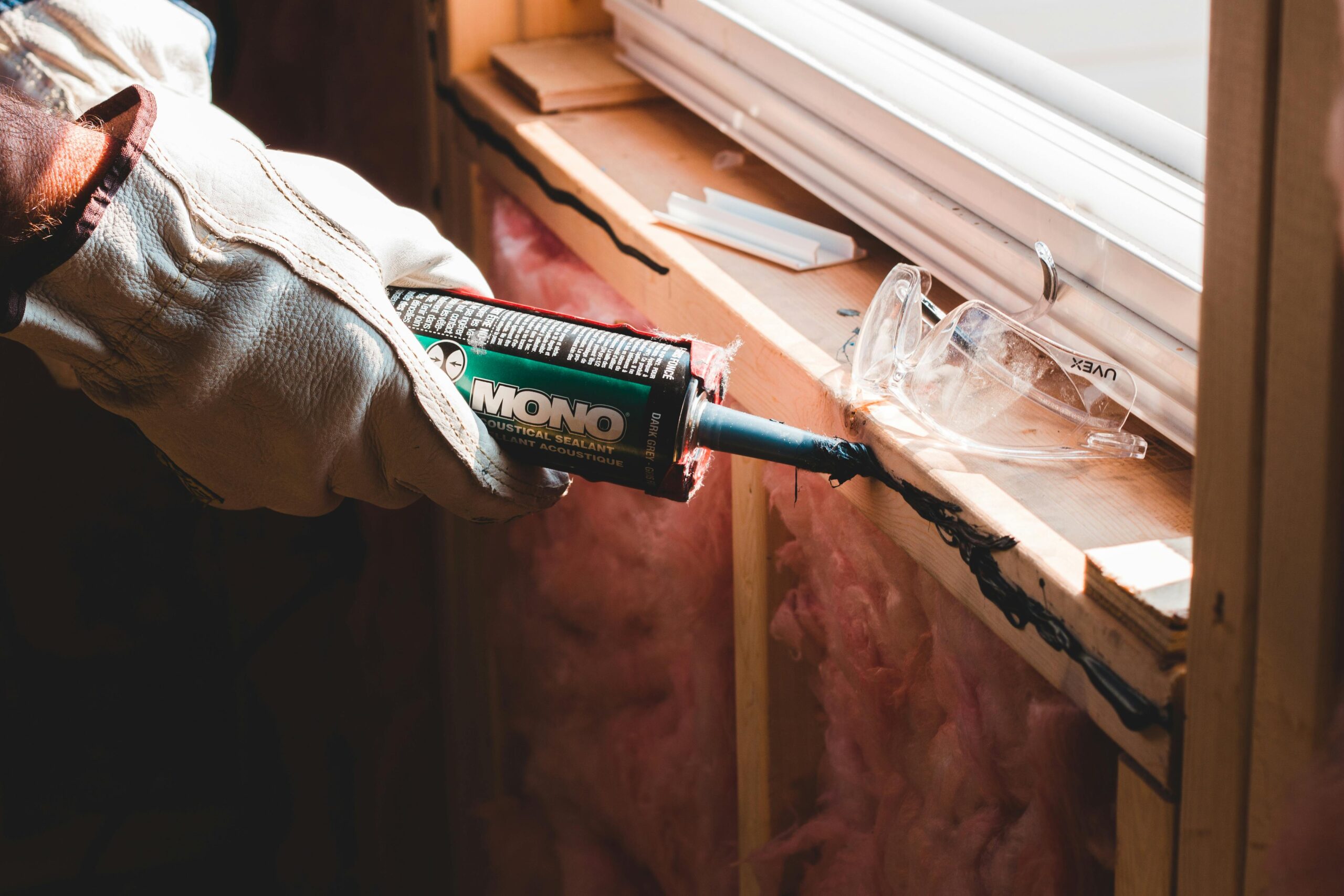
Common Caulking Problems: Caulking plays a major role in protecting homes from water damage, mold growth, air leaks, and structural deterioration. Although many homeowners rarely think about caulking until visible damage appears, failing caulk can create serious long-term issues throughout kitchens, bathrooms, windows, doors, and exterior surfaces. Understanding common caulking problems helps homeowners identify warning signs early and prevent expensive repairs later.
At KK Cleaning and Restoration, homeowners often ask why caulk cracks, peels, shrinks, or develops mold so quickly. The truth is that many common caulking problems result from moisture exposure, poor installation, aging materials, improper maintenance, or using the wrong type of caulk for the surface. When caulking fails, water can penetrate hidden areas behind walls, tubs, sinks, windows, and tiles, leading to costly structural and moisture-related damage.
This complete guide explains the most common caulking problems, what causes them, how to prevent them, and when professional caulking and restoration services may be necessary.
Why Caulking Is Important in Homes
Before understanding common caulking problems, it is important to understand the role caulk plays in residential and commercial properties.
Caulk acts as a flexible sealant used to close gaps and joints between surfaces. It helps block moisture, air, dirt, dust, insects, and contaminants from entering vulnerable areas.
Areas Commonly Protected by Caulk
- Bathtubs
- Showers
- Bathroom sinks
- Kitchen backsplashes
- Countertops
- Windows
- Doors
- Tile joints
- Exterior siding
- Baseboards
Without proper caulking, moisture and air leaks can quickly compromise indoor comfort and structural integrity.
Common Caulking Problems
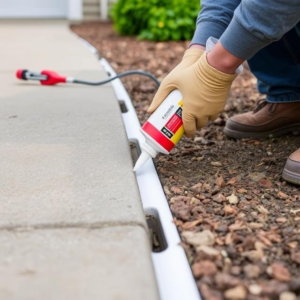
What Causes Common Caulking Problems?
Many homeowners are surprised to discover how many factors contribute to common caulking problems. Caulk is constantly exposed to environmental stress, movement, humidity, temperature changes, and daily wear.
Moisture Exposure
Bathrooms and kitchens create humid conditions that weaken caulk over time.
Poor Surface Preparation
Dirty or wet surfaces prevent proper adhesion during installation.
Incorrect Caulk Type
Using the wrong caulk product for specific environments often leads to early failure.
Structural Movement
Homes naturally shift and expand, stressing caulk joints.
Aging Materials
Old caulk eventually hardens, cracks, and loses flexibility.
Improper Installation
Uneven application or insufficient curing time contributes to premature damage.
Understanding these causes helps homeowners avoid future common caulking problems.
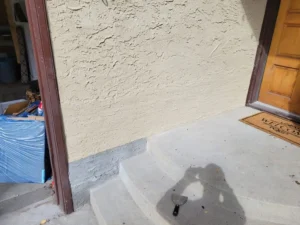
Cracked Caulk
One of the most common caulking problems homeowners notice is cracking.
Why Caulk Cracks
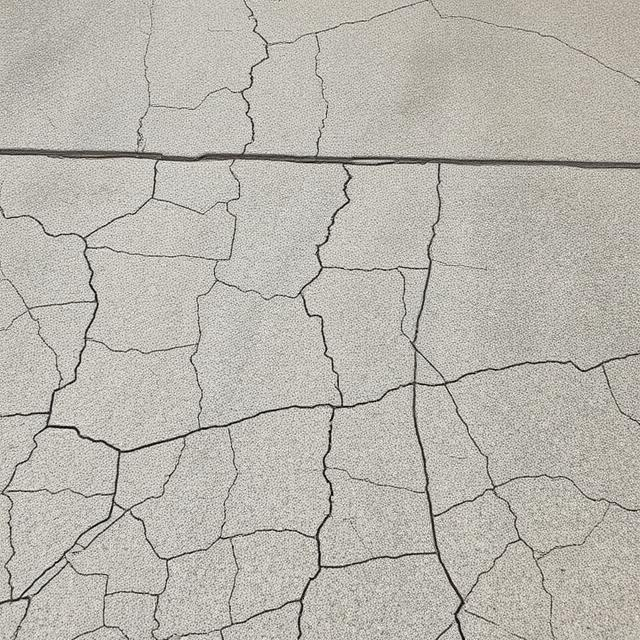
Caulk loses flexibility as it ages. Constant expansion and contraction caused by temperature changes and structural movement place stress on the sealant. Over time, the caulk becomes brittle and begins to crack.
Where Cracked Caulk Commonly Appears
- Bathtub edges
- Shower corners
- Window frames
- Exterior siding joints
- Kitchen sinks
Risks of Cracked Caulk
Cracked caulk allows moisture to seep behind surfaces, increasing the risk of mold, mildew, rot, and water damage.
How to Prevent Cracking
- Use high-quality flexible caulk
- Apply caulk correctly
- Avoid excessive moisture buildup
- Replace aging caulk promptly
- Maintain proper ventilation
Regular inspections help identify common caulking problems before major damage occurs.
Peeling Caulk
Peeling is another frequent issue among common caulking problems.
What Causes Caulk to Peel?
Caulk usually peels because it failed to bond properly during installation. This often happens when surfaces were dirty, greasy, dusty, or wet before application.
Areas Most Affected
- Bathroom tubs
- Kitchen countertops
- Shower walls
- Around sinks
Why Peeling Caulk Is Dangerous
Once caulk lifts from surfaces, water easily penetrates gaps and hidden cavities.
Prevention Tips
- Thoroughly clean surfaces before caulking
- Remove old caulk completely
- Allow surfaces to dry fully
- Use proper application techniques
- Select moisture-resistant products
Professional installation reduces the risk of peeling and other common caulking problems.
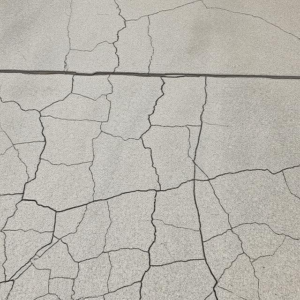
Mold and Mildew Growth on Caulk
Moldy caulk is one of the most unpleasant common caulking problems homeowners face.
Why Mold Develops on Caulk
Bathrooms and kitchens provide warm, humid environments that encourage mold growth. Moisture trapped around caulk lines creates ideal breeding conditions for mildew and bacteria.
Signs of Moldy Caulk
- Black spots
- Green discoloration
- Musty odors
- Slimy residue
Health Concerns
Mold exposure may contribute to allergies, respiratory irritation, and unpleasant indoor odors.
How to Prevent Moldy Caulk
- Improve ventilation
- Dry surfaces regularly
- Use mold-resistant silicone caulk
- Clean bathrooms frequently
- Address leaks immediately
Proper moisture control greatly reduces common caulking problems related to mold.
Shrinking Caulk
Shrinking occurs when caulk pulls away from joints after curing.
Why Caulk Shrinks
Some caulk products lose volume as solvents evaporate during drying. Poor-quality products are more likely to shrink excessively.
Problems Caused by Shrinkage
- Gaps around fixtures
- Reduced waterproofing
- Air leaks
- Moisture penetration
Prevention Methods
- Use high-quality caulk
- Apply correct bead thickness
- Avoid over-stretching caulk
- Allow adequate curing time
Shrinkage often leads to additional common caulking problems if ignored.
Discolored Caulk
Discoloration is a cosmetic but important issue among common caulking problems.
Causes of Discolored Caulk
- Mold growth
- Dirt accumulation
- Hard water stains
- UV exposure
- Chemical cleaners
- Aging materials
Why Discoloration Matters
Stained caulk often indicates underlying moisture or hygiene issues.
Prevention Strategies
- Clean caulk regularly
- Use mold-resistant products
- Improve ventilation
- Avoid harsh chemicals
- Replace severely stained caulk
Bright, clean caulk improves both appearance and cleanliness.
Caulk Separation
Caulk separation occurs when the sealant pulls away from one or both surfaces.
Common Causes
- Structural movement
- Poor adhesion
- Improper application
- Excessive moisture
- Low-quality products
Why Separation Is Serious
Separated caulk creates direct openings for water infiltration.
Areas Commonly Affected
- Shower corners
- Window frames
- Countertops
- Exterior joints
Prevention Tips
- Apply caulk to dry surfaces
- Use flexible products
- Allow proper curing
- Monitor high-moisture areas
Early detection prevents more severe common caulking problems.
Bubbling Caulk
Bubbling occurs when air pockets form beneath or inside the caulk bead.
What Causes Bubbling?
- Moisture trapped underneath
- Applying caulk too quickly
- Wet surfaces
- Temperature fluctuations
Problems with Bubbling
Bubbles weaken the seal and compromise waterproofing.
How to Avoid Bubbling
- Ensure surfaces are dry
- Apply steady pressure during installation
- Avoid caulking during extreme temperatures
- Smooth caulk properly
Professional installation techniques minimize bubbling issues.
Hard and Brittle Caulk
Old caulk often becomes stiff and brittle over time.
Why Caulk Hardens
Exposure to UV rays, heat, cold, and aging gradually reduces flexibility.
Risks of Brittle Caulk
- Cracking
- Separation
- Water leaks
- Reduced protection
Prevention Methods
- Replace aging caulk regularly
- Use high-quality products
- Protect exterior surfaces from weather damage
Monitoring aging caulk helps reduce common caulking problems before failure occurs.
Water Damage from Failed Caulk
One of the most serious consequences of common caulking problems is water damage.
How Water Penetrates
Even tiny gaps in caulk allow moisture behind walls, floors, and fixtures.
Potential Damage Includes
- Mold growth
- Rotting wood
- Damaged drywall
- Swollen flooring
- Structural deterioration
High-Risk Areas
- Bathrooms
- Kitchens
- Windows
- Exterior siding
Prevention
Regular caulk inspections are essential for moisture protection.
Ignoring small common caulking problems often leads to expensive restoration work later.
Air Leaks Around Windows and Doors
Caulk also helps maintain energy efficiency.
How Failed Caulk Causes Air Leaks
Gaps around windows and doors allow outside air to enter the home.
Signs of Air Leaks
- Drafts
- Increased energy bills
- Temperature inconsistencies
- Reduced comfort
Prevention Strategies
- Inspect exterior caulk annually
- Replace damaged sealant promptly
- Use weather-resistant exterior caulk
Maintaining exterior seals improves indoor efficiency.
Using the Wrong Type of Caulk
Choosing the incorrect product is one of the leading common caulking problems.
Types of Caulk
- Silicone caulk
- Acrylic latex caulk
- Polyurethane caulk
- Hybrid caulk
Why Product Selection Matters
Different environments require different levels of flexibility, waterproofing, and durability.
Examples
- Bathrooms need mold-resistant waterproof silicone
- Exterior joints require weather-resistant products
- Paintable areas may need latex caulk
Using the proper product significantly improves performance.
Improper Caulk Application
Application quality directly affects longevity.
Common Installation Mistakes
- Uneven beads
- Applying over old caulk
- Insufficient surface cleaning
- Incorrect curing conditions
- Overapplying material
Results of Poor Application
- Early failure
- Peeling
- Gaps
- Leaks
- Uneven appearance
Professional caulking services help reduce these common caulking problems.
Caulk Failure Around Bathtubs
Bathtub caulk experiences constant water exposure.
Why Tub Caulk Fails
- Standing moisture
- Movement from tub use
- Soap residue
- Poor ventilation
Warning Signs
- Cracks
- Mold
- Separation
- Soft drywall nearby
Prevention Tips
- Dry tub edges regularly
- Use mold-resistant silicone
- Maintain bathroom ventilation
- Replace damaged caulk promptly
Tub maintenance helps avoid extensive moisture damage.
Shower Caulking Problems
Showers are one of the most common locations for caulking issues.
Why Shower Caulk Deteriorates Quickly
Daily water exposure weakens caulk over time.
Common Shower Caulking Problems
- Mold growth
- Cracking
- Separation
- Peeling
- Water infiltration
Maintenance Tips
- Dry shower walls after use
- Run exhaust fans
- Inspect corners regularly
- Clean soap buildup frequently
Consistent maintenance extends shower caulk lifespan.
Kitchen Caulking Problems
Kitchen caulk faces grease, moisture, and heat exposure.
Areas Most Vulnerable
- Countertop seams
- Backsplashes
- Sink edges
Common Issues
- Grease buildup
- Separation
- Discoloration
- Shrinkage
Prevention Methods
- Wipe spills immediately
- Avoid standing water
- Use kitchen-grade waterproof caulk
Maintaining kitchen caulk improves cleanliness and hygiene.
Exterior Caulking Problems
Exterior caulk protects homes from weather damage.
Environmental Stress Factors
- UV rays
- Rain
- Snow
- Freezing temperatures
- Heat expansion
Common Exterior Caulking Problems
- Cracking
- Shrinking
- Separation
- Hardening
Why Exterior Caulk Matters
Exterior gaps can lead to water intrusion and insulation loss.
Maintenance Recommendations
- Inspect annually
- Replace deteriorated sections
- Use weather-rated products
Exterior maintenance prevents structural moisture issues.
Caulking Problems Around Tile
Tile installations rely heavily on effective caulking.
Why Tile Areas Need Flexible Caulk
Tile surfaces experience movement and moisture exposure.
Common Tile Caulking Problems
- Mold growth
- Cracks at corners
- Separation between tiles and tubs
- Water penetration
Best Practices
- Use silicone caulk
- Maintain grout and caulk together
- Address leaks quickly
Proper tile maintenance protects surrounding materials.
How Humidity Contributes to Common Caulking Problems
Humidity is one of the biggest causes of caulking deterioration.
High Humidity Effects
- Mold growth
- Weak adhesion
- Softening materials
- Moisture infiltration
Areas Most Affected
- Bathrooms
- Basements
- Kitchens
- Laundry rooms
Prevention Strategies
- Use dehumidifiers
- Improve airflow
- Run ventilation fans
Humidity management helps preserve caulk longer.
The Importance of Proper Ventilation
Ventilation directly impacts caulk performance.
Poor Ventilation Leads To
- Mold
- Condensation
- Moisture buildup
- Faster deterioration
Improving Ventilation
- Install exhaust fans
- Open windows
- Reduce indoor humidity
Proper airflow reduces many common caulking problems naturally.
Signs Your Caulk Needs Replacement
Homeowners should know when caulk has reached the end of its lifespan.
Warning Signs
- Cracks
- Peeling
- Mold stains
- Gaps
- Hard texture
- Water leaks
Why Timely Replacement Matters
Ignoring damaged caulk allows moisture penetration and structural deterioration.
Routine inspections help identify problems early.
DIY Caulking vs Professional Caulking
Many homeowners attempt DIY caulking without realizing how technical proper application can be.
DIY Advantages
- Lower immediate cost
- Quick minor repairs
DIY Risks
- Improper adhesion
- Uneven application
- Wrong product selection
- Shorter lifespan
Benefits of Professional Caulking
- Proper surface preparation
- Correct product use
- Cleaner appearance
- Longer-lasting results
Professional services reduce recurring common caulking problems.
How Often Should Caulk Be Replaced?
Caulk lifespan depends on environmental conditions and product quality.
Average Lifespans
- Bathroom caulk: 3–5 years
- Exterior caulk: 5–10 years
- Kitchen caulk: 3–5 years
Factors Affecting Longevity
- Moisture exposure
- Ventilation
- Cleaning habits
- Product quality
- Installation quality
Routine inspections help determine replacement timing.
Cleaning and Maintaining Caulk Properly
Maintenance extends the life of caulking significantly.
Safe Cleaning Practices
- Use mild cleaners
- Avoid abrasive scrubbing
- Dry surfaces regularly
- Remove soap buildup promptly
What to Avoid
- Harsh bleach overuse
- Excessive moisture
- Aggressive brushes
Gentle maintenance helps reduce common caulking problems.
Mold-Resistant Caulk Benefits
Modern caulk products often include mold inhibitors.
Advantages
- Reduced mildew growth
- Better moisture resistance
- Improved longevity
- Easier maintenance
Best Applications
- Showers
- Bathtubs
- Kitchens
- Laundry rooms
Using high-quality products improves long-term performance.
Why Common Caulking Problems Should Never Be Ignored
Some homeowners delay repairs because damaged caulk seems minor.
Small Gaps Create Big Problems
Tiny openings allow moisture into hidden structural areas.
Delayed Repairs May Cause
- Mold infestations
- Rotting wood
- Water damage
- Tile damage
- Structural repairs
Addressing common caulking problems early saves money and protects the home.
Seasonal Effects on Caulking
Weather changes affect caulk performance throughout the year.
Winter Problems
Cold temperatures can harden and crack caulk.
Summer Problems
Heat expansion may stress joints and cause separation.
Rain and Humidity
Moisture increases mold and deterioration risks.
Seasonal Maintenance
Inspecting caulk seasonally helps catch damage early.
Common Caulking Problems in Older Homes
Older homes often experience more severe caulking issues.
Reasons Include
- Aging materials
- Structural settling
- Outdated products
- Previous poor repairs
Areas Requiring Attention
- Windows
- Bathrooms
- Kitchens
- Exterior siding
Older properties benefit greatly from professional inspection and restoration.
How Common Caulking Problems Affect Property Value
Visible deterioration impacts both aesthetics and buyer confidence.
Damaged Caulk Suggests
- Poor maintenance
- Possible moisture issues
- Mold risks
- Water damage concerns
Benefits of Proper Caulking
- Cleaner appearance
- Better protection
- Improved energy efficiency
- Higher property appeal
Well-maintained caulk contributes to a healthier and more attractive home.
The Relationship Between Caulking and Mold Prevention
Caulk plays a major role in moisture management.
Proper Caulking Helps Prevent
- Water infiltration
- Mold growth
- Mildew buildup
- Structural moisture damage
Why Moisture Control Matters
Mold often begins in hidden damp areas behind failed caulk joints.
Maintaining proper seals supports healthier indoor air quality.
Why Homeowners Trust KK Cleaning and Restoration
KK Cleaning and Restoration understands how frustrating common caulking problems can become for homeowners. Whether dealing with moldy bathroom caulk, cracked exterior joints, peeling kitchen sealant, or water damage caused by failed caulking, professional attention helps restore protection and appearance throughout the property.
Proper caulking is essential for maintaining moisture control, structural protection, energy efficiency, and indoor cleanliness. Through professional expertise, careful surface preparation, and quality materials, homeowners can avoid recurring common caulking problems and extend the life of their surfaces significantly.
Final Thoughts on Common Caulking Problems
Common Caulking Problems: Understanding common caulking problems helps homeowners identify warning signs before serious damage develops. Cracking, peeling, mold growth, separation, shrinkage, and water leaks are all signs that caulk may no longer be providing effective protection.
Consistent maintenance, proper ventilation, high-quality products, and timely repairs all contribute to healthier and longer-lasting caulk performance. Bathrooms, kitchens, windows, tile surfaces, and exterior joints all benefit from regular inspections and professional attention when needed.
By addressing common caulking problems early, homeowners can prevent expensive repairs, improve indoor comfort, maintain cleaner living environments, and protect the long-term value of their property.
Contact us now:
 Call us now at +16479163093
 Email: info@kkcleaningandrestoration.ca
 Visit: https://kkcleaningandrestoration.ca/
Frequently Asked Questions About Common Caulking Problems
1. What are the most common caulking problems in homes?
The most common caulking problems include cracking, peeling, mold growth, shrinking, separation, and discoloration. These issues usually develop because of moisture exposure, aging materials, or poor installation techniques. Bathrooms, kitchens, windows, and exterior joints are the areas most affected by damaged caulk. Ignoring these issues can lead to water damage and mold growth. Regular inspection and maintenance help prevent serious caulking problems.
2. Why does caulk crack over time?
Caulk cracks because it loses flexibility as it ages and experiences constant expansion and contraction. Temperature changes, moisture, and structural movement place stress on the sealant over time. Poor-quality caulk products are also more likely to crack prematurely. Cracked caulk allows moisture and air to enter hidden areas behind surfaces. Replacing damaged caulk quickly helps prevent further deterioration.
3. Why is my bathroom caulk turning black?
Black discoloration on bathroom caulk is usually caused by mold and mildew growth. Bathrooms create humid conditions that allow moisture to collect around tubs, showers, and sinks. Poor ventilation and standing water increase the likelihood of mold forming on caulk lines. Cleaning and drying surfaces regularly helps reduce buildup. Mold-resistant silicone caulk can also help prevent recurring problems.
4. What causes caulk to peel away from surfaces?
Peeling caulk often happens because surfaces were not properly cleaned or dried before application. Dust, grease, soap scum, or moisture prevent strong adhesion during installation. Structural movement and aging materials may also cause the sealant to loosen over time. Once caulk peels, water can easily penetrate behind surfaces. Proper preparation and professional installation reduce peeling risks significantly.
5. Can damaged caulk cause water leaks?
Yes, damaged caulk is one of the leading causes of water leaks around tubs, showers, windows, and sinks. Small cracks or gaps allow moisture to seep behind surfaces where hidden damage can develop. Over time, this may lead to mold growth, rotting wood, and damaged drywall. Many homeowners underestimate how quickly moisture spreads behind walls. Prompt caulk repair helps prevent costly restoration work.
6. How often should caulk be replaced?
Most interior caulk should be replaced every three to five years depending on moisture exposure and product quality. Exterior caulk may last longer but still requires regular inspection. Bathrooms and kitchens usually experience faster deterioration because of constant humidity and water exposure. If cracks, mold, or separation appear, replacement may be necessary sooner. Routine maintenance extends caulk lifespan significantly.
7. What type of caulk is best for bathrooms?
Silicone caulk is usually the best choice for bathrooms because it provides strong waterproof protection and flexibility. Many silicone products also contain mold-resistant additives that help prevent mildew growth. Bathroom surfaces experience constant moisture and movement, making flexibility important. Acrylic latex caulk is generally less durable in wet environments. Choosing the correct caulk type reduces future common caulking problems.
8. Why does caulk shrink after drying?
Caulk shrinks because some products lose volume as solvents evaporate during the curing process. Low-quality products are more likely to shrink excessively. Applying too little caulk may also increase the appearance of gaps after drying. Shrinking creates openings that allow water and air penetration. Using high-quality products and proper application techniques helps minimize shrinkage.
9. Can mold grow behind caulk?
Yes, mold can grow behind caulk if moisture penetrates gaps or cracks. Hidden moisture trapped behind tubs, sinks, or shower walls creates ideal conditions for mold growth. Surface cleaning alone may not eliminate mold beneath failing caulk. Persistent musty odors often indicate hidden moisture issues. Replacing damaged caulk and improving ventilation helps prevent hidden mold problems.
10. Why does exterior caulk fail?
Exterior caulk fails because it is constantly exposed to harsh weather conditions such as sunlight, rain, snow, freezing temperatures, and heat. UV rays gradually dry out and weaken the material over time. Structural movement also stresses exterior joints and causes separation or cracking. Poor-quality products may deteriorate much faster outdoors. Annual inspections help identify exterior caulking problems early.
11. Is peeling caulk a serious issue?
Peeling caulk should not be ignored because it compromises waterproofing and moisture protection. Even small sections of loose caulk can allow water to seep behind walls and fixtures. Over time, hidden moisture can lead to mold, rot, and structural damage. Peeling also makes surfaces look poorly maintained. Repairing peeling caulk early prevents more extensive repairs later.
12. What causes bubbles in caulk?
Bubbles form in caulk when air or moisture becomes trapped during application. Applying caulk too quickly or working on damp surfaces often creates bubbling issues. Temperature changes during curing may also contribute to air pockets forming. Bubbling weakens the seal and reduces waterproofing performance. Proper application techniques help create smoother and more durable caulk lines.
13. Can I apply new caulk over old caulk?
Applying new caulk over old caulk is generally not recommended because it reduces adhesion and durability. Old caulk may contain dirt, mold, or moisture trapped beneath the surface. New sealant may fail quickly if applied over deteriorated material. Removing old caulk completely provides a cleaner and stronger bond. Proper preparation leads to longer-lasting results.
14. Why does caulk separate from tiles?
Caulk separates from tiles because of movement, moisture exposure, or improper installation. Tile surfaces naturally expand and contract slightly over time, stressing the sealant. Poor adhesion caused by dirty surfaces also contributes to separation. Once gaps appear, water can penetrate behind tiles and damage surrounding materials. Flexible silicone caulk helps reduce separation issues.
15. Does humidity affect caulk?
Yes, humidity plays a major role in common caulking problems. Excess moisture weakens adhesion and encourages mold and mildew growth. Bathrooms, basements, and kitchens are especially vulnerable because of high humidity levels. Poor ventilation worsens the problem by trapping moisture indoors. Maintaining airflow and controlling humidity extends caulk lifespan.
16. Why does caulk discolor?
Caulk discoloration may result from mold growth, dirt accumulation, hard water stains, or aging materials. Chemical cleaners and UV exposure can also alter the appearance of caulk over time. Discolored caulk often indicates moisture buildup or poor ventilation. Regular cleaning helps maintain appearance and hygiene. Severely stained caulk may require replacement instead of cleaning alone.
17. Can old caulk become brittle?
Yes, aging caulk often becomes hard and brittle after years of exposure to moisture and temperature changes. Once flexibility is lost, cracking and separation become more likely. Brittle caulk no longer provides effective waterproof protection. Exterior caulk is especially vulnerable to weather-related hardening. Replacing old caulk before failure occurs helps prevent damage.
18. Why does shower caulk fail quickly?
Shower caulk experiences constant water exposure, humidity, soap residue, and daily use. These conditions gradually weaken the sealant and encourage mold growth. Poor ventilation also contributes to faster deterioration. Low-quality caulk products may fail much sooner in shower environments. Regular maintenance and moisture control help extend shower caulk life.
19. Can failed caulk increase energy bills?
Yes, damaged caulk around windows and doors can allow air leaks that reduce energy efficiency. Drafts force heating and cooling systems to work harder to maintain indoor comfort. Even small gaps can impact temperature consistency throughout the home. Properly sealed joints help reduce energy loss. Maintaining exterior caulk improves insulation performance.
20. What are signs that caulk needs replacement?
Signs that caulk needs replacement include cracking, peeling, mold growth, gaps, hard texture, and visible separation from surfaces. Water leaks or musty odors may also indicate failing caulk. Damaged caulk often loses flexibility and waterproofing ability. Ignoring these warning signs increases the risk of hidden moisture damage. Regular inspections help identify problems early.
21. Is mold-resistant caulk worth using?
Mold-resistant caulk is highly beneficial in moisture-prone areas like bathrooms, kitchens, and laundry rooms. These products contain additives that help slow mold and mildew growth. While no caulk is completely mold-proof, mold-resistant formulas perform better in humid conditions. Proper ventilation and cleaning are still important for long-term maintenance. Using mold-resistant products reduces recurring caulking issues.
22. Why does kitchen caulk deteriorate?
Kitchen caulk deteriorates because of grease exposure, moisture, food spills, and temperature fluctuations. Areas around sinks and backsplashes are especially vulnerable. Cooking oils and cleaning chemicals may also weaken sealants over time. Constant wiping and scrubbing contribute to wear as well. Routine cleaning and maintenance help preserve kitchen caulk longer.
23. Can poor caulking lead to mold inside walls?
Yes, poor caulking can allow hidden moisture to penetrate walls and create conditions for mold growth. Water trapped behind tubs, showers, or windows often remains unnoticed for long periods. Mold may spread behind drywall, insulation, and wooden framing. Musty odors and discoloration may eventually appear. Maintaining proper caulking helps prevent hidden moisture intrusion.
24. What happens if caulking is ignored?
Ignoring common caulking problems can lead to significant structural and moisture-related damage. Small cracks and gaps may eventually cause mold growth, rotting wood, damaged drywall, and tile deterioration. Water leaks often become more severe over time. Repair costs increase significantly when problems are left untreated. Early maintenance helps avoid expensive restoration work.
25. Why does window caulk crack?
Window caulk cracks because of weather exposure, UV rays, and constant temperature fluctuations. Exterior windows experience expansion and contraction throughout seasonal changes. Aging caulk gradually loses flexibility and begins to split. Cracked window seals allow air and moisture infiltration. Replacing damaged caulk improves energy efficiency and weather protection.
26. Can caulk prevent pest entry?
Yes, properly applied caulk helps seal small gaps that insects and pests may use to enter the home. Openings around windows, doors, pipes, and siding create easy access points. Sealing these gaps improves both pest control and energy efficiency. Exterior caulking is especially important for preventing insect intrusion. Maintaining seals strengthens home protection overall.
27. Is DIY caulking difficult?
DIY caulking may appear simple, but achieving professional-quality results can be challenging. Proper surface preparation, product selection, and application technique are all important. Uneven beads or poor adhesion often lead to premature failure. Many homeowners struggle with clean lines and consistent coverage. Professional caulking services typically provide more durable and attractive results.
28. Why does caulk collect dirt easily?
Caulk collects dirt because its surface may remain slightly tacky, especially in humid environments. Bathrooms and kitchens also expose caulk to soap residue, grease, and airborne particles. Mold and mildew buildup can worsen discoloration. Regular cleaning helps maintain appearance and hygiene. Using high-quality caulk products may reduce dirt accumulation.
29. Can caulking improve indoor comfort?
Yes, proper caulking improves indoor comfort by reducing drafts, moisture intrusion, and air leaks. Sealed joints help maintain stable indoor temperatures year-round. Bathrooms and kitchens also feel cleaner and fresher when moisture is properly controlled. Reduced humidity contributes to healthier indoor air quality. Well-maintained caulk supports overall home comfort.
30. What causes caulk to smell bad?
Bad odors from caulk are often caused by mold, mildew, trapped moisture, or bacterial growth. Bathrooms with poor ventilation commonly develop musty smells around tubs and showers. Hidden moisture behind damaged caulk may worsen odor problems over time. Cleaning alone may not eliminate smells if mold exists beneath the surface. Replacing damaged caulk often resolves persistent odors.
31. Can caulk stop water damage completely?
Caulk plays an important role in preventing water intrusion, but it must remain properly maintained to be effective. Damaged or aging caulk loses its waterproofing ability over time. Regular inspection and replacement are essential for long-term protection. Proper ventilation and drainage also contribute to moisture control. Combined maintenance strategies provide the best defense against water damage.
32. Why does bathtub caulk separate?
Bathtub caulk separates because tubs naturally flex and shift slightly during use. Constant water exposure and soap residue also weaken adhesion over time. Poor installation or improper surface preparation can accelerate separation. Once gaps appear, water may seep behind the tub and surrounding walls. Flexible waterproof silicone caulk helps reduce this issue.
33. Is silicone caulk better than acrylic caulk?
Silicone caulk generally performs better in wet environments because it offers superior waterproofing and flexibility. It is commonly used in bathrooms, kitchens, and exterior applications. Acrylic caulk is easier to paint but may not withstand moisture as effectively. Product selection depends on the location and purpose of the sealant. Choosing the right type helps prevent common caulking problems.
34. How do professionals remove old caulk?
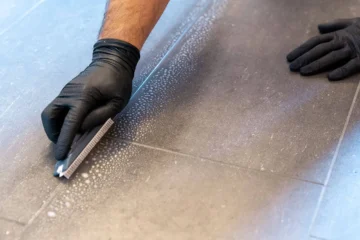
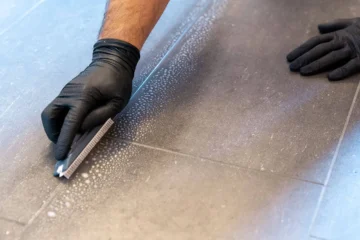
Professionals usually remove old caulk using specialized tools, scrapers, and cleaning solutions. Complete removal is important because leftover residue can interfere with adhesion. Surfaces are thoroughly cleaned and dried before applying new sealant. Proper preparation improves durability and appearance. Professional removal techniques reduce the risk of damaging surrounding surfaces.
35. Can damaged caulk affect tile installations?
Yes, failed caulk around tile installations allows moisture to penetrate beneath surfaces and damage surrounding materials. Water intrusion may weaken grout, loosen tiles, and promote mold growth. Shower corners and bathtub edges are especially vulnerable. Maintaining both grout and caulk is important for protecting tiled areas. Timely repairs prevent more extensive tile restoration needs.
36. Why does caulk fail around sinks?
Sink caulk fails because of constant exposure to water, cleaning products, and daily movement. Kitchen sinks also experience grease buildup and food residue that affect adhesion. Poor installation and aging materials contribute to cracking and separation. Water leaks beneath sinks may develop if caulk deteriorates. Regular inspection helps identify damage early.
37. Can weather affect exterior caulking?
Weather significantly affects exterior caulking because sunlight, rain, snow, and temperature changes stress the material continuously. UV rays gradually dry out and weaken sealants. Freezing and thawing cycles may also cause cracking or separation. Exterior caulk should be inspected annually for signs of wear. High-quality weather-resistant products improve durability.
38. What is the best way to maintain caulk?
The best way to maintain caulk is through regular cleaning, moisture control, and periodic inspection. Bathrooms should be dried after use to reduce mold risks. Harsh chemicals and abrasive scrubbing should be avoided because they may damage sealants. Small issues should be repaired before major deterioration develops. Consistent maintenance extends the life of caulk significantly.
39. Why does caulk around windows matter?
Window caulk helps prevent air leaks, moisture intrusion, and energy loss. Damaged window seals may allow drafts, water penetration, and temperature fluctuations indoors. Exterior moisture can also damage framing and insulation if gaps remain open. Properly maintained caulk improves energy efficiency and comfort. Window maintenance protects both interior and exterior structures.
40. When should I hire a professional for caulking problems?
You should hire a professional when caulking problems involve severe mold, water leaks, widespread cracking, or structural moisture damage. Professional services are also recommended for exterior caulking and large bathroom restoration projects. Experts understand proper product selection and installation techniques. Professional caulking typically lasts longer and provides better protection. Early professional intervention helps prevent expensive long-term repairs.
Contact us now:
Call us now at +16479163093
Email: info@kkcleaningandrestoration.ca
Visit: https://kkcleaningandrestoration.ca/