Shower Leak Repair Solutions: The Complete Homeowner’s Guide by KK Cleaning and Restoration
Introduction: Shower Leak Repair Solutions
Shower Leak Repair Solutions: A leaking shower is one of the most frustrating and damaging problems homeowners can face. What may begin as a small drip or minor crack can quickly develop into major structural damage, mold growth, rotting wood, stained ceilings, damaged drywall, and expensive restoration costs. Many homeowners underestimate the seriousness of hidden shower leaks until the damage becomes visible throughout surrounding areas of the home.
Understanding professional shower leak repair solutions is essential for protecting bathrooms, preserving property value, and preventing long-term moisture damage. Whether the issue involves cracked grout, failed caulking, leaking shower pans, damaged plumbing connections, loose tiles, or hidden waterproofing failures, early repair plays a major role in avoiding more severe structural issues.
At KK Cleaning and Restoration, homeowners frequently seek reliable shower leak repair solutions after noticing water stains, soft flooring, peeling paint, musty odors, or mold around bathrooms. Professional inspection and targeted repairs help identify the source of leaks while restoring waterproof protection and preventing future damage.
This detailed guide explains the most common causes of shower leaks, warning signs homeowners should never ignore, professional shower leak repair solutions, prevention methods, maintenance tips, and the importance of fast action when dealing with moisture-related bathroom problems.
Why Shower Leaks Are Serious Problems
Many people believe a small shower leak is harmless because the water appears minimal on the surface. Unfortunately, hidden moisture behind walls, beneath flooring, and around shower structures can spread quickly without visible warning signs.
Hidden Water Damage
Water from leaking showers often travels behind tiles, under floors, and into surrounding building materials before homeowners notice visible symptoms.
Structural Deterioration
Long-term leaks weaken wooden framing, drywall, insulation, and flooring systems.
Mold and Mildew Growth
Warm and damp bathroom environments create ideal conditions for mold development.
Expensive Restoration Costs
Untreated leaks can eventually require major demolition and reconstruction work.
Understanding the risks associated with bathroom moisture helps homeowners prioritize professional shower leak repair solutions before serious complications develop.
Common Causes of Shower Leaks
Before discussing effective shower leak repair solutions, it is important to understand what causes shower leaks in the first place.
Cracked or Missing Grout
Grout naturally deteriorates over time due to moisture exposure and daily use. Cracks and gaps allow water to penetrate behind tiles.
Failed Caulking
Old or damaged caulk around tubs, corners, doors, and fixtures often loses flexibility and waterproofing ability.
Damaged Shower Pan
A cracked or improperly installed shower pan may leak beneath flooring and surrounding structures.
Loose or Broken Tiles
Damaged tiles allow water to bypass protective barriers and enter walls or subfloors.
Plumbing Leaks
Leaking pipes, valves, and fittings behind shower walls are common sources of hidden water damage.
Waterproofing Failure
Poor waterproof membrane installation often causes recurring shower leakage problems.
Faulty Shower Doors
Improperly sealed shower doors may allow water to escape onto bathroom floors.
Identifying the exact source of leakage is one of the most important steps in successful shower leak repair solutions.
Early Warning Signs of Shower Leaks
Recognizing the warning signs early can prevent severe damage and reduce repair costs significantly.
Musty Odors
Persistent damp smells often indicate hidden moisture accumulation behind walls or beneath flooring.
Mold or Mildew
Visible mold growth around grout, caulk, ceilings, or baseboards may point to ongoing leaks.
Peeling Paint or Wallpaper
Moisture behind walls causes paint bubbling and peeling surfaces.
Water Stains
Brown or yellow stains on ceilings or walls below bathrooms often signal hidden shower leaks.
Soft or Warped Flooring
Water damage may weaken flooring materials around shower areas.
Cracked Grout or Caulk
Visible deterioration around shower joints often allows water penetration.
Loose Tiles
Tiles may loosen when moisture damages adhesive materials behind them.
These warning signs should never be ignored because hidden damage can worsen rapidly without proper shower leak repair solutions.
Why Shower Leaks Spread Quickly
Bathrooms create ideal environments for moisture accumulation. Constant water exposure combined with enclosed spaces allows leaks to spread more aggressively than many homeowners realize.
Porous Materials Absorb Moisture
Drywall, wood, grout, and insulation absorb water quickly once leaks develop.
Daily Shower Use Increases Exposure
Repeated moisture exposure accelerates deterioration.
Warm Temperatures Encourage Mold
Bathrooms provide the humidity and warmth mold spores need to thrive.
Hidden Spaces Trap Moisture
Leaks often remain concealed behind walls and beneath flooring for long periods.
Professional shower leak repair solutions focus not only on stopping visible leaks but also addressing hidden moisture damage.
Shower Leak Repair Solutions for Cracked Grout
Cracked grout is one of the most common causes of shower leakage.
Why Grout Fails
- Aging materials
- Structural movement
- Poor installation
- Moisture damage
- Inadequate sealing
Repair Process
Professional shower leak repair solutions often involve removing damaged grout and applying fresh waterproof grout.
Importance of Grout Sealing
Sealing grout helps reduce moisture penetration and staining.
Risks of Ignoring Cracked Grout
Water behind tiles may damage walls, insulation, and framing.
Routine grout maintenance helps extend the lifespan of tiled shower systems.
Shower Leak Repair Solutions for Failed Caulking
Caulk provides flexible waterproof seals around joints and edges.
Common Areas of Caulk Failure
- Shower corners
- Tub edges
- Shower doors
- Wall joints
- Plumbing fixtures
Why Caulk Deteriorates
- Humidity
- Mold growth
- Aging
- Cleaning chemicals
- Structural movement
Professional Repair Methods
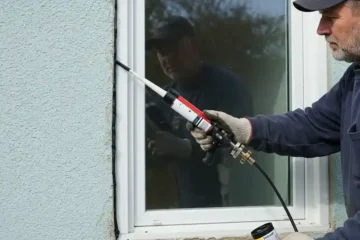
Effective shower leak repair solutions include complete removal of old caulk and installation of new waterproof mold-resistant sealants.
Importance of Proper Surface Preparation
Clean and dry surfaces are essential for strong adhesion and long-lasting results.
Proper caulking prevents recurring moisture intrusion.
Repairing Leaking Shower Pans
Shower pans are critical waterproofing components beneath tiled shower floors.
Signs of Shower Pan Leaks
- Water stains below bathrooms
- Persistent floor moisture
- Mold odors
- Cracked flooring
- Loose shower tiles
Why Shower Pans Fail
- Poor installation
- Cracks
- Structural shifting
- Waterproof membrane damage
Shower Pan Repair Options
Some shower leak repair solutions involve localized waterproofing repairs, while severe damage may require complete shower pan replacement.
Importance of Professional Diagnosis
Shower pan leaks often remain hidden beneath tile surfaces.
Proper repair protects surrounding flooring and structural materials from severe water damage.
Plumbing Leak Repair Solutions
Not all shower leaks originate from tile or grout issues.
Common Plumbing Leak Sources
- Shower valves
- Pipe connections
- Drain assemblies
- Water supply lines
Signs of Plumbing Leaks
- Reduced water pressure
- Moisture behind walls
- Dripping sounds
- Water stains
- Unexpected water bills
Repair Approaches
Professional shower leak repair solutions may involve replacing damaged fittings, tightening connections, or repairing hidden plumbing systems.
Why Plumbing Leaks Require Immediate Attention
Even small pipe leaks may create extensive hidden moisture damage over time.
Professional inspection helps identify concealed plumbing issues accurately.
Waterproofing Failure in Showers
Waterproof membranes play a major role in protecting bathrooms from moisture penetration.
What Happens When Waterproofing Fails
Water bypasses protective barriers and reaches structural materials behind the shower.
Common Causes
- Improper installation
- Aging materials
- Poor construction
- Cracked substrates
Repair Solutions
Professional shower leak repair solutions often include waterproof membrane replacement during restoration projects.
Importance of Proper Waterproofing
Without effective waterproofing, surface repairs alone may not stop recurring leaks.
Long-term protection requires complete moisture barrier integrity.
Shower Tile Leak Repair Solutions
Tiles themselves are not fully waterproof. The protection comes from proper installation, grout, caulk, and waterproofing systems beneath them.
Tile-Related Leak Problems
- Cracked tiles
- Loose tiles
- Hollow tiles
- Missing grout
Repair Methods
Professional shower leak repair solutions may involve removing damaged tiles, repairing substrates, and reinstalling waterproof materials.
Why Loose Tiles Are Dangerous
Movement allows water penetration and weakens surrounding structures.
Timely tile repairs help preserve shower integrity and appearance.
Shower Door Leak Repair Solutions
Faulty shower doors often allow water to escape onto bathroom floors.
Causes of Door Leaks
- Damaged seals
- Misaligned doors
- Poor installation
- Worn sweeps
Signs of Door Leaks
- Water pooling outside shower
- Floor damage
- Loose seals
Repair Options
Professional shower leak repair solutions may include replacing door seals, adjusting alignment, or upgrading enclosure systems.
Preventing water escape protects bathroom flooring and surrounding surfaces.
Ceiling Damage from Shower Leaks
Leaks often affect ceilings beneath upstairs bathrooms.
Warning Signs
- Brown stains
- Bubbling paint
- Sagging drywall
- Mold growth
Why Ceiling Damage Is Serious
Water trapped inside ceilings may weaken structural components and electrical systems.
Repair Process
Effective shower leak repair solutions involve fixing the source leak first before restoring damaged drywall and insulation.
Ignoring ceiling damage increases safety risks significantly.
Mold Removal During Shower Leak Repairs
Mold is one of the most common consequences of long-term shower leaks.
Why Mold Develops Quickly
Bathrooms provide warm, humid environments with frequent moisture exposure.
Common Mold Locations
- Behind tiles
- Around caulk
- Inside walls
- Beneath flooring
Professional Mold Remediation
Shower leak repair solutions often include moisture removal, antimicrobial treatments, and replacement of contaminated materials.
Health Risks
Mold exposure may contribute to allergies, respiratory irritation, and unpleasant indoor air quality.
Complete moisture elimination is essential for preventing mold recurrence.
Why DIY Shower Leak Repairs Often Fail
Many homeowners attempt temporary fixes without addressing the actual source of the problem.
Common DIY Mistakes
- Applying new caulk over old caulk
- Ignoring hidden moisture
- Using incorrect materials
- Misdiagnosing the leak source
- Failing to waterproof properly
Risks of Temporary Repairs
Leaks may continue spreading behind walls and floors unnoticed.
Benefits of Professional Services
Professional shower leak repair solutions identify root causes rather than simply covering visible symptoms.
Expert repairs improve long-term durability and protection.
Importance of Moisture Detection Technology
Modern leak detection equipment helps identify hidden water damage accurately.
Tools Used in Professional Leak Detection
- Moisture meters
- Infrared cameras
- Thermal imaging
- Leak detection sensors
Why Advanced Detection Matters
Hidden leaks may exist even when visible signs appear minimal.
Professional technology allows more targeted and less invasive repairs.
Accurate diagnosis improves the effectiveness of shower leak repair solutions.
Preventing Future Shower Leaks
Prevention is one of the most important parts of long-term bathroom protection.
Regular Maintenance Tips
- Inspect grout and caulk frequently
- Repair cracks immediately
- Dry shower surfaces after use
- Maintain ventilation
- Address plumbing issues quickly
Why Prevention Matters
Small maintenance tasks often prevent major restoration costs later.
Consistent care extends the lifespan of shower systems significantly.
Importance of Bathroom Ventilation
Ventilation plays a critical role in moisture management.
Problems Caused by Poor Ventilation
- Mold growth
- Condensation
- Caulk deterioration
- Persistent humidity
Ways to Improve Airflow
- Install exhaust fans
- Open windows when possible
- Use dehumidifiers
- Allow surfaces to dry completely
Better airflow supports healthier bathroom environments and reduces the need for future shower leak repair solutions.
How Aging Bathrooms Develop Leaks
Older bathrooms often experience more frequent leakage problems.
Reasons Include
- Worn waterproofing systems
- Aging grout and caulk
- Structural settling
- Outdated plumbing
- Tile deterioration
Importance of Renovation Assessments
Older shower systems may require more comprehensive restoration rather than minor surface repairs.
Professional evaluation helps determine the best repair approach.
Structural Damage Caused by Shower Leaks
Leaks eventually impact surrounding structural systems if left untreated.
Potential Damage Includes
- Rotting wood
- Damaged subfloors
- Weak drywall
- Ceiling collapse
- Foundation moisture issues
Why Immediate Action Matters
Water damage worsens progressively over time.
Fast shower leak repair solutions minimize restoration costs and structural deterioration.
The Role of Waterproof Membranes
Waterproof membranes are essential beneath tile surfaces.
Purpose of Waterproofing Systems
They prevent water from reaching underlying structures.
Common Waterproofing Failures
- Improper installation
- Cracks
- Poor drainage
- Material aging
Importance of Professional Waterproofing
Effective shower leak repair solutions require properly installed moisture barriers.
Without waterproofing integrity, surface repairs alone may fail repeatedly.
Shower Drain Leak Repair Solutions
Drain assemblies are another common source of shower leaks.
Signs of Drain Leaks
- Moisture near drain areas
- Water beneath flooring
- Persistent odors
- Mold near shower base
Repair Methods
Professional shower leak repair solutions may involve replacing drain seals, tightening fittings, or repairing plumbing beneath the shower floor.
Drain repairs require careful waterproofing to prevent recurring issues.
Why Grout and Caulk Maintenance Matters
Many leaks begin because homeowners overlook small maintenance problems.
Small Cracks Become Major Leaks
Even tiny gaps eventually allow moisture intrusion.
Benefits of Routine Inspection
- Prevents hidden damage
- Reduces mold risks
- Extends shower lifespan
- Protects structural materials
Consistent maintenance supports long-term waterproofing performance.
Commercial Shower Leak Repair Solutions
Commercial properties also face shower leakage issues.
Common Commercial Settings
- Hotels
- Gyms
- Apartment buildings
- Locker rooms
- Rental properties
Unique Challenges
Heavy daily use increases wear and moisture exposure.
Importance of Fast Repairs
Commercial leaks may affect multiple units and create liability concerns.
Professional shower leak repair solutions help maintain safety and property standards.
Insurance and Shower Leak Damage
Some homeowners insurance policies may cover certain types of water damage.
Factors Affecting Coverage
- Cause of leak
- Maintenance history
- Extent of damage
- Sudden versus gradual leaks
Importance of Documentation
Professional inspection reports and repair records support insurance claims.
Fast response may also reduce secondary damage costs.
Health Risks Associated with Shower Leaks
Leaking showers affect more than just structural materials.
Potential Health Concerns
- Mold exposure
- Poor indoor air quality
- Respiratory irritation
- Increased allergens
Why Moisture Control Is Important
Healthy indoor environments require effective moisture management.
Professional shower leak repair solutions help restore cleaner and safer bathroom conditions.
Signs You Need Professional Shower Leak Repair Solutions
Some problems require immediate professional attention.
Warning Signs Include
- Persistent mold
- Water stains
- Soft flooring
- Loose tiles
- Recurring leaks
- Musty odors
- Ceiling damage
Why Professional Inspection Matters
Hidden moisture damage may spread far beyond visible symptoms.
Professional diagnosis ensures complete and effective repairs.
Long-Term Benefits of Professional Shower Leak Repairs
Professional repair services provide more than temporary leak control.
Benefits Include
- Moisture protection
- Mold prevention
- Improved property value
- Better indoor air quality
- Structural preservation
- Increased bathroom lifespan
High-quality repairs reduce recurring maintenance issues significantly.
Why Homeowners Trust KK Cleaning and Restoration
KK Cleaning and Restoration understands how stressful and damaging bathroom leaks can become for homeowners. Professional shower leak repair solutions require careful inspection, accurate moisture detection, quality materials, and long-term waterproofing expertise.
Whether dealing with cracked grout, failed caulking, leaking shower pans, mold contamination, plumbing leaks, or hidden moisture damage, experienced restoration professionals help restore safety, cleanliness, and structural protection throughout the bathroom.
Every shower leak is different, which is why proper diagnosis and customized repair strategies are essential for lasting results.
Final Thoughts on Shower Leak Repair Solutions
Shower leaks should never be ignored, even when the visible damage appears minor. Moisture spreads quickly behind walls, beneath flooring, and into surrounding building materials, often causing hidden mold growth and structural deterioration long before homeowners notice serious symptoms.
Understanding professional shower leak repair solutions helps homeowners recognize warning signs early and protect their bathrooms from expensive long-term damage. Cracked grout, failed caulk, leaking plumbing, damaged waterproofing systems, loose tiles, and faulty shower pans all require prompt attention to maintain safe and healthy indoor environments.
Routine maintenance, proper ventilation, fast repairs, and professional inspection all play important roles in preventing moisture-related bathroom issues. By addressing leaks early and investing in reliable shower leak repair solutions, homeowners can preserve the value, comfort, cleanliness, and structural integrity of their property for years to come.
Contact us now:
 Call us now at +16479163093
 Email: info@kkcleaningandrestoration.ca
 Visit: https://kkcleaningandrestoration.ca/
Frequently Asked Questions About Shower Leak Repair Solutions
1. What are the most common causes of shower leaks?
The most common causes of shower leaks include cracked grout, damaged caulking, leaking shower pans, loose tiles, and plumbing problems behind walls. Over time, moisture weakens waterproof materials and creates gaps where water can escape. Poor installation and aging bathroom components also contribute to leakage issues. Even small leaks may lead to major structural damage if ignored. Professional inspection helps identify the exact source of the problem.
2. How can I tell if my shower is leaking?
Signs of a leaking shower include water stains, musty odors, mold growth, peeling paint, loose tiles, and soft flooring near the shower area. You may also notice moisture on ceilings below upstairs bathrooms. Persistent dampness or visible cracks in grout and caulk are additional warning signs. Hidden leaks sometimes develop without obvious symptoms at first. Early detection helps reduce repair costs significantly.
3. Why should shower leaks be repaired quickly?
Shower leaks spread moisture behind walls, beneath floors, and into surrounding structural materials. Delaying repairs allows mold growth, wood rot, and water damage to worsen over time. Small leaks can eventually require expensive restoration work if ignored. Fast repair also helps maintain healthy indoor air quality. Addressing the issue early protects both the bathroom and the overall property structure.
4. Can cracked grout cause shower leaks?
Yes, cracked grout is one of the leading causes of shower leaks. Grout helps protect the spaces between tiles from water penetration. Once cracks develop, moisture can seep behind the tiles and damage walls or flooring underneath. Over time, hidden water damage may weaken structural materials. Repairing grout quickly helps prevent more severe problems.
5. Does damaged caulking lead to shower leaks?
Damaged or peeling caulk allows water to penetrate vulnerable joints around showers, tubs, and fixtures. Caulk acts as a flexible waterproof seal that prevents moisture intrusion. Once it cracks or separates, water may enter hidden spaces behind walls or beneath flooring. Bathrooms with poor ventilation often experience faster caulk deterioration. Replacing old caulk is an important part of shower leak repair solutions.
6. What is a shower pan leak?
A shower pan leak occurs when the waterproof base beneath the shower floor becomes cracked or damaged. Water may leak beneath the tile and into surrounding flooring materials. Common signs include water stains, mold odors, and soft flooring near the shower. Shower pan leaks are often hidden and difficult to detect without professional inspection. Proper waterproofing repairs are essential for long-term protection.
7. Can loose shower tiles cause leaks?
Yes, loose shower tiles often indicate water damage behind the surface. When tiles shift or detach, gaps form that allow moisture to enter underlying structures. Damaged adhesive and weakened substrates usually contribute to loose tile problems. Ignoring the issue may lead to mold growth and structural deterioration. Professional repairs help restore waterproof protection and tile stability.
8. Why does mold grow around leaking showers?
Leaking showers create warm, damp environments that encourage mold and mildew growth. Moisture trapped behind walls, beneath floors, or around grout provides ideal conditions for fungal development. Poor ventilation increases humidity levels and worsens mold problems. Mold exposure may contribute to allergies and unpleasant odors indoors. Proper shower leak repair solutions help eliminate excess moisture and prevent recurring mold growth.
9. How do professionals detect hidden shower leaks?
Professionals use specialized moisture detection tools such as thermal imaging cameras, moisture meters, and leak detection equipment. These technologies help locate hidden water behind walls and beneath flooring without unnecessary demolition. Accurate leak detection allows more targeted repairs and minimizes damage during restoration. Hidden leaks often spread farther than visible symptoms suggest. Professional inspection provides a more complete understanding of the problem.
10. Can a leaking shower damage nearby rooms?
Yes, water from a leaking shower may spread into ceilings, walls, floors, and adjacent rooms over time. Moisture can travel through structural materials and affect surrounding areas unexpectedly. Stains, warped flooring, and peeling paint often appear outside the bathroom itself. Long-term water exposure weakens building materials and increases mold risks. Early repairs help contain moisture damage before it spreads.
11. Is shower waterproofing important?
Shower waterproofing is one of the most important protections against long-term water damage. Waterproof membranes beneath tile surfaces prevent moisture from reaching structural materials. Without proper waterproofing, even well-maintained grout and caulk may not stop leaks completely. Poor installation or aging waterproof systems can eventually fail. Professional waterproofing improves durability and moisture protection significantly.
12. What happens if shower leaks are ignored?
Ignoring shower leaks can lead to mold growth, structural rot, damaged drywall, weakened flooring, and expensive restoration costs. Moisture often spreads behind walls and beneath floors before visible symptoms appear. Over time, hidden water damage may compromise the safety and stability of surrounding structures. Indoor air quality may also worsen because of mold contamination. Prompt repair prevents long-term complications.
13. Can shower leaks increase mold inside walls?
Yes, leaking showers commonly cause hidden mold growth inside wall cavities and beneath flooring. Moisture trapped in dark enclosed spaces creates ideal conditions for mold development. Surface cleaning alone usually cannot address hidden contamination. Persistent odors or recurring mold often indicate concealed moisture problems. Professional moisture removal is important for complete restoration.
14. How long do shower leak repairs usually take?
The repair timeline depends on the severity and source of the leak. Minor grout or caulking repairs may take only a few hours, while extensive waterproofing or structural restoration can require several days. Hidden moisture damage may also extend the repair process. Professional inspections help determine the scope of necessary repairs. Fast action often shortens the overall restoration timeline.
15. Are shower leaks covered by homeowners insurance?
Some homeowners insurance policies may cover sudden water damage caused by shower leaks. However, coverage often depends on the cause of the leak and whether neglect contributed to the problem. Long-term maintenance issues may not always qualify for reimbursement. Documentation and professional inspection reports can support insurance claims. Homeowners should review their specific policy details carefully.
16. Why does shower caulk fail over time?
Shower caulk deteriorates because of constant exposure to water, humidity, soap residue, and temperature changes. Over time, the material loses flexibility and begins to crack or peel. Poor ventilation may accelerate mold growth and weakening around caulk lines. Low-quality products also fail more quickly in wet environments. Regular maintenance helps extend caulk lifespan.
17. What are signs of shower pan failure?
Signs of shower pan failure include persistent moisture around the shower base, water stains below the bathroom, cracked flooring, mold odors, and loose tiles. Water may leak beneath the floor without immediately becoming visible. Shower pan issues often worsen gradually over time. Professional leak detection helps confirm the source accurately. Timely repairs help prevent structural damage.
18. Can leaking showers damage ceilings?
Yes, leaking showers located on upper floors frequently damage ceilings below. Water may soak into drywall and insulation, causing stains, sagging, bubbling paint, and mold growth. Severe leaks can weaken ceiling structures significantly. Electrical systems inside ceilings may also become vulnerable to moisture exposure. Repairing the source leak is essential before restoring ceiling damage.
19. What causes shower drain leaks?
Shower drain leaks usually occur because of damaged seals, loose fittings, cracked drain assemblies, or plumbing deterioration. Water may seep beneath the shower floor and spread into surrounding materials. Signs often include moisture near the drain area or persistent odors. Drain leaks can remain hidden for long periods. Professional plumbing inspection helps identify the exact issue.
20. Can poor ventilation contribute to shower leaks?
Poor ventilation does not directly cause leaks, but it increases moisture buildup that accelerates grout, caulk, and waterproofing deterioration. Humid bathrooms dry more slowly, allowing mold and mildew to thrive. Excess moisture weakens sealants and contributes to structural damage over time. Exhaust fans and airflow improvements help maintain healthier bathroom conditions. Proper ventilation supports long-term moisture control.
21. How often should shower grout be inspected?
Shower grout should be inspected at least every few months for cracks, discoloration, or missing sections. Bathrooms with heavy daily use may require more frequent attention. Small grout problems can quickly develop into larger moisture issues if ignored. Early maintenance helps prevent water penetration behind tiles. Consistent inspection supports long-term shower protection.
22. Why do shower leaks smell musty?
Musty odors are usually caused by trapped moisture and mold growth behind walls, beneath flooring, or around damaged shower materials. Leaks create damp environments where bacteria and fungi thrive. Persistent smells often indicate hidden moisture problems that require professional attention. Surface cleaning alone may not remove underlying contamination. Proper leak repair and drying help eliminate odors completely.
23. Can shower leaks weaken flooring?
Yes, prolonged moisture exposure weakens wood subfloors, tile backer boards, and surrounding flooring materials. Water damage may cause soft spots, warping, cracking, or instability near the shower. Hidden deterioration often worsens gradually beneath the surface. Structural repairs may become necessary if leaks continue for extended periods. Early shower leak repair solutions help protect flooring systems.
24. Are shower leaks dangerous to health?
Leaking showers may contribute to poor indoor air quality because of mold growth and excess moisture. Mold spores can trigger allergies, respiratory irritation, and unpleasant odors indoors. Persistent dampness also encourages bacterial growth in hidden areas. Maintaining dry and properly ventilated bathrooms supports healthier living conditions. Fast repairs reduce moisture-related health risks.
25. Can shower tiles themselves stop leaks?
Tiles alone are not completely waterproof. The true protection comes from grout, caulk, waterproof membranes, and proper installation beneath the tile surface. Cracked tiles or deteriorated grout allow water to bypass surface barriers. Waterproofing systems underneath the tile are essential for preventing structural moisture damage. Proper maintenance helps preserve the entire shower system.
26. Why does shower grout crack?
Shower grout cracks because of structural movement, moisture exposure, poor installation, and aging materials. Daily expansion and contraction place stress on grout joints over time. Weak or unsealed grout absorbs moisture more easily and deteriorates faster. Cracks create pathways for water penetration behind tiles. Prompt grout repair helps prevent larger shower leak problems.
27. What is the role of waterproof membranes in showers?
Waterproof membranes create a protective barrier beneath tiles that prevents moisture from reaching walls and floors. These systems are essential for long-term shower durability and leak prevention. Improperly installed or damaged membranes often lead to recurring leaks. Surface repairs alone may not solve deeper waterproofing failures. Professional waterproofing installation improves moisture protection significantly.
28. How can homeowners prevent shower leaks?
Homeowners can help prevent shower leaks by inspecting grout and caulk regularly, repairing cracks quickly, maintaining ventilation, and drying shower surfaces after use. Promptly addressing plumbing problems also reduces moisture risks. Regular cleaning helps prevent mold and deterioration around joints. Annual bathroom inspections improve early leak detection. Consistent maintenance extends the lifespan of shower systems.
29. Can a leaking shower affect property value?
Yes, visible water damage and mold problems caused by leaking showers may reduce property value and buyer confidence. Home inspectors often identify moisture-related issues during property evaluations. Structural damage and hidden mold can increase repair costs significantly. Well-maintained bathrooms improve both appearance and market appeal. Addressing leaks early helps preserve long-term property value.
30. Why do shower leaks return after repairs?
Leaks often return when only surface symptoms are repaired without addressing the actual source of moisture intrusion. Applying new caulk over damaged materials or ignoring waterproofing failures may create temporary results only. Hidden plumbing leaks may also remain unresolved. Professional diagnosis helps identify the root cause more accurately. Complete repairs improve long-term durability.
31. Can leaking showers damage drywall?
Yes, moisture from shower leaks commonly damages drywall behind bathroom walls and ceilings. Water weakens drywall structure, causing soft spots, bubbling paint, and discoloration. Mold growth may also develop inside damp drywall materials. Severely damaged sections often require replacement during restoration work. Fast repairs help limit drywall deterioration.
32. Is professional leak detection necessary?
Professional leak detection is highly valuable because many shower leaks remain hidden behind surfaces. Specialized equipment helps locate moisture accurately without unnecessary demolition. Early detection minimizes structural damage and repair costs. DIY inspections may overlook concealed problems entirely. Professional assessment improves the effectiveness of repair solutions.
33. What are signs of hidden shower leaks?
Signs of hidden shower leaks include musty odors, unexplained mold growth, warped flooring, bubbling paint, water stains, and increased humidity levels. Sometimes water damage appears in nearby rooms rather than inside the shower itself. Persistent dampness or recurring mold may indicate concealed moisture problems. Hidden leaks often spread gradually over time. Professional inspection helps uncover the full extent of damage.
34. Can shower leaks damage tile adhesive?
Yes, prolonged moisture exposure weakens the adhesive holding shower tiles in place. As adhesives deteriorate, tiles may loosen, crack, or detach from the wall or floor. Water trapped behind tiles often accelerates structural damage. Loose tiles usually indicate deeper moisture problems beneath the surface. Repairing leaks early helps preserve tile stability.
35. How does aging affect shower waterproofing?
Older shower systems gradually lose waterproofing effectiveness because materials deteriorate over time. Caulk hardens, grout cracks, and waterproof membranes weaken after years of moisture exposure. Structural settling may also create movement that stresses shower components. Aging bathrooms often require more extensive restoration work. Routine maintenance helps extend waterproofing performance.
36. Why are shower corners prone to leaks?
Shower corners experience constant movement, moisture accumulation, and stress where multiple surfaces meet. Caulk in corners often deteriorates faster because of expansion and contraction. Water may collect in these areas and penetrate weakened seals. Mold growth also commonly develops in damp corners. Proper sealing and ventilation help reduce corner leaks.
37. Can leaking showers affect neighboring apartments or units?
Yes, in apartments and condominiums, shower leaks may spread into neighboring units below or beside the affected bathroom. Water can damage ceilings, walls, flooring, and shared structural components. Delayed repairs often increase liability and restoration costs. Property managers usually prioritize quick moisture control in multi-unit buildings. Professional repairs help contain the damage effectively.
38. What materials are commonly damaged by shower leaks?
Shower leaks commonly damage drywall, wood framing, insulation, tile backer boards, ceilings, flooring, and paint finishes. Prolonged moisture exposure weakens structural integrity over time. Mold contamination may also spread throughout porous materials. Hidden damage often develops long before visible symptoms appear. Early repairs help protect surrounding building materials.
39. How important is shower maintenance?
Routine shower maintenance is essential for preventing moisture damage and extending bathroom lifespan. Regular inspections help identify cracked grout, damaged caulk, and loose tiles before leaks worsen. Cleaning and drying shower surfaces also reduce mold and mildew buildup. Proper maintenance lowers long-term repair costs significantly. Consistent care supports healthier indoor environments.
40. When should I hire professionals for shower leak repair solutions?
Professional help is recommended when leaks involve hidden moisture, mold growth, plumbing issues, structural damage, or recurring water problems. DIY repairs may not fully address waterproofing failures or concealed leaks. Professionals use advanced moisture detection tools and specialized repair techniques. Expert repairs provide more durable and long-lasting results. Early professional intervention helps prevent extensive restoration costs later.
Contact us now:
Call us now at +16479163093
Email: info@kkcleaningandrestoration.ca
Visit: https://kkcleaningandrestoration.ca/