Cracked Grout Repair Guide: The Complete Homeowner’s Resource by KK Cleaning and Restoration
Introduction: Cracked Grout Repair Guide
Cracked Grout Repair Guide: Grout plays a critical role in every tiled surface. While many homeowners focus primarily on the appearance of tiles, grout is equally important for maintaining the stability, durability, and protection of tiled installations. Whether found on bathroom floors, shower walls, kitchen backsplashes, entryways, commercial spaces, or natural stone surfaces, grout helps keep tiles properly aligned while protecting underlying structures from moisture infiltration.
Unfortunately, grout does not last forever. Over time, grout can crack, crumble, discolor, loosen, or separate from surrounding tiles. When these issues occur, immediate action is necessary to prevent further damage. A comprehensive cracked grout repair guide helps property owners understand why grout fails, how to identify early warning signs, and what repair solutions provide long-lasting results.
At KK Cleaning and Restoration, grout restoration and repair services help homeowners and businesses throughout Toronto restore damaged grout and protect their tile investments. Understanding a professional cracked grout repair guide can help prevent expensive repairs while extending the life of tiled surfaces.
Understanding the Purpose of Grout
Before exploring a complete cracked grout repair guide, it is important to understand the function grout serves within a tile installation.
Grout fills the joints between tiles and provides several important benefits:
- Stabilizes tile placement
- Prevents tile movement
- Improves appearance
- Reduces moisture penetration
- Helps distribute stress across surfaces
- Creates a finished look
Although grout contributes significantly to the durability of a tiled surface, it is not indestructible. Daily wear, environmental factors, structural movement, and moisture exposure can eventually cause deterioration.
Why Grout Cracks
One of the most important sections of any cracked grout repair guide involves understanding why grout develops cracks in the first place.
Structural Movement
Buildings naturally shift over time.
Factors contributing to movement include:
- Foundation settling
- Seasonal expansion and contraction
- Temperature fluctuations
- Humidity changes
- Structural vibrations
Even minor movement can place stress on grout joints.
Improper Installation
Poor installation practices are a common cause of grout failure.
Examples include:
- Incorrect grout mixing
- Inadequate curing time
- Insufficient grout depth
- Improper tile spacing
- Subfloor deficiencies
Installation errors often result in premature cracking.
Moisture Damage
Moisture is one of grout’s biggest enemies.
Water can weaken grout through:
- Constant exposure
- Poor sealing
- Leaking plumbing
- Inadequate waterproofing
A thorough cracked grout repair guide always emphasizes moisture control.
Heavy Foot Traffic
High-traffic areas experience repeated stress.
Common locations include:
- Entryways
- Kitchens
- Commercial spaces
- Hallways
- Retail facilities
Over time, constant pressure can contribute to cracking.
Substrate Problems
The surface beneath the tile significantly affects grout performance.
Problems may include:
- Uneven surfaces
- Flexing subfloors
- Structural movement
- Deteriorated backing materials
Underlying issues often cause recurring grout damage.
Signs of Cracked Grout
Recognizing grout damage early can prevent larger repairs.
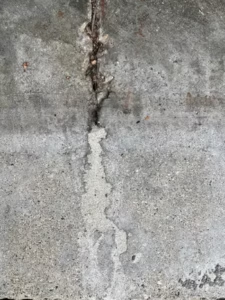
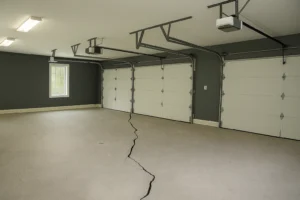
Visible Cracks
The most obvious sign is visible cracking between tiles.
Cracks may appear as:
- Hairline fractures
- Long continuous cracks
- Multiple intersecting cracks
Any visible crack deserves attention.
Missing Grout
Pieces of grout may begin breaking away from joints.
Missing sections create pathways for moisture infiltration.
Loose Tiles
A professional cracked grout repair guide identifies loose tiles as a warning sign.
When grout weakens, tiles may lose support and begin shifting.
Discoloration
Cracked grout often traps:
- Dirt
- Moisture
- Mold
- Bacteria
This can result in staining and discoloration.
Persistent Moisture
Moisture remaining around grout lines may indicate damage beneath the surface.
Why Ignoring Cracked Grout Is Risky
Many homeowners delay repairs because cracked grout initially appears to be a cosmetic issue.
In reality, untreated grout damage can lead to serious consequences.
Water Penetration
Cracks allow water to travel beneath tiles.
This may affect:
- Subfloors
- Wall structures
- Backer boards
- Adjacent materials
Mold and Mildew Growth
Moisture trapped beneath tiles creates ideal conditions for mold development.
Tile Instability
As grout deteriorates, tiles become increasingly vulnerable to movement.
Increased Repair Costs
Small grout repairs are generally affordable.
Ignoring problems often leads to:
- Regrouting
- Tile replacement
- Waterproofing repairs
- Structural restoration
A complete cracked grout repair guide emphasizes early intervention.
Areas Most Vulnerable to Grout Cracking
Some locations experience higher risks than others.
Bathroom Showers
Showers combine:
- Constant moisture
- Temperature changes
- Daily use
These conditions make grout deterioration more likely.
Bathroom Floors
Frequent water exposure can weaken grout over time.
Kitchen Floors
Heavy foot traffic and spills increase wear.
Kitchen Backsplashes
Temperature fluctuations and cleaning products may affect grout.
Entryways
Seasonal moisture, dirt, and foot traffic contribute to deterioration.
Types of Grout Damage
Understanding damage severity helps determine repair requirements.
Hairline Cracks
Hairline cracks are often the earliest warning sign.
Although small, they should not be ignored.
Surface Cracking
Surface cracks may affect only the visible grout layer.
Professional evaluation can determine whether deeper issues exist.
Deep Cracks
Deep cracks often indicate structural movement or installation deficiencies.
Crumbling Grout
Grout that breaks apart easily may require extensive repair.
Missing Sections
Large missing areas increase moisture infiltration risks significantly.

Cracked Grout Repair Guide: Initial Inspection Process
Every professional cracked grout repair guide begins with a detailed inspection.
Evaluate Crack Patterns
Crack patterns help identify root causes.
For example:
- Isolated cracks may indicate localized damage.
- Repeated cracking may suggest structural movement.
Check Tile Stability
Loose tiles often accompany grout failure.
Inspect for Moisture
Signs include:
- Dampness
- Mold growth
- Water stains
- Musty odors
Assess Previous Repairs
Improper past repairs may contribute to ongoing issues.
Cracked Grout Repair Guide: Cleaning Before Repairs
Repair work should never begin on dirty surfaces.
Remove Surface Debris
Dust and dirt interfere with grout adhesion.
Eliminate Mold and Mildew
Contaminants should be addressed before repairs.
Deep Clean Grout Lines
Professional cleaning improves repair quality and longevity.
A proper cracked grout repair guide always includes thorough preparation.
Cracked Grout Repair Guide: Repair Options
Different damage levels require different solutions.
Spot Repairs
Minor isolated cracks may be repaired locally.
Benefits include:
- Lower cost
- Faster completion
- Minimal disruption
Partial Regrouting
Moderate damage may require removal and replacement of affected sections.
Full Regrouting
Extensive deterioration often requires complete grout replacement.
A professional cracked grout repair guide evaluates the most effective approach based on overall condition.
Importance of Proper Grout Selection
Not all grout products perform equally.
Cement-Based Grout
Traditional cement grout remains widely used.
Advantages include:
- Cost-effectiveness
- Versatility
- Availability
Polymer-Modified Grout
Enhanced formulations improve flexibility and durability.
Epoxy Grout
Epoxy offers superior:
- Stain resistance
- Moisture resistance
- Durability
Professional recommendations depend on installation conditions.
Why Grout Sealing Matters
Sealing is a critical component of long-term protection.
Benefits of Grout Sealing
Sealing helps:
- Reduce moisture penetration
- Minimize staining
- Improve cleanability
- Extend grout lifespan
Signs Sealing Is Needed
Indicators include:
- Water absorption
- Difficult cleaning
- Increased staining
Every effective cracked grout repair guide includes sealing recommendations.
Preventing Future Grout Cracks
Prevention is often more cost-effective than repair.
Maintain Proper Ventilation
Reducing humidity helps protect grout.
Address Leaks Promptly
Even small leaks can weaken grout over time.
Schedule Regular Inspections
Routine evaluations help identify early problems.
Use Professional Cleaning Methods
Harsh cleaning techniques may contribute to grout deterioration.
Maintain Sealers
Regular resealing helps preserve grout integrity.
Cracked Grout Repair Guide for Showers
Showers require specialized attention.
Control Moisture
Proper waterproofing is essential.
Monitor Caulking
Damaged caulking increases moisture risks.
Clean Grout Regularly
Routine maintenance reduces contaminant buildup.
Repair Damage Quickly
Shower environments accelerate grout deterioration when repairs are delayed.
Cracked Grout Repair Guide for Kitchen Tile
Kitchen installations face unique challenges.
Address Food Spills
Spills can stain and weaken grout.
Prevent Grease Accumulation
Grease buildup complicates cleaning and maintenance.
Inspect High-Traffic Zones
Kitchen walkways often experience accelerated wear.
Cracked Grout Repair Guide for Natural Stone Tile
Natural stone installations require specialized care.
Marble
Sensitive to acidic cleaners.
Travertine
Requires regular sealing.
Limestone
Highly porous and vulnerable to moisture.
Slate
Durable but still requires maintenance.
Professional expertise is especially important when following a cracked grout repair guide for natural stone surfaces.
Common DIY Grout Repair Mistakes
Many homeowners attempt repairs without proper preparation.
Repairing Over Damaged Grout
Applying new grout over failing material rarely succeeds.
Ignoring Underlying Causes
Structural or moisture issues must be addressed.
Using Incorrect Products
Improper grout selection reduces durability.
Skipping Sealing
Unsealed grout remains vulnerable to moisture and stains.
Benefits of Professional Grout Repair
Professional services provide advantages that often exceed DIY results.
Accurate Diagnosis
Experts identify root causes rather than treating symptoms.
Proper Surface Preparation
Preparation directly affects repair longevity.
Quality Materials
Professional-grade products offer superior performance.
Long-Term Protection
Professional repairs often include sealing and preventive recommendations.
Why Homeowners Choose KK Cleaning and Restoration
KK Cleaning and Restoration provides specialized grout repair and restoration services throughout Toronto.
Services include:
- Grout cleaning
- Grout sealing
- Regrouting
- Tile cleaning
- Tile restoration
- Shower restoration
- Caulking replacement
- Silicone replacement
- Natural stone maintenance
Their experienced technicians understand the causes of grout failure and use proven repair techniques designed for long-lasting results.
Long-Term Benefits of Following a Cracked Grout Repair Guide
Consistent maintenance and timely repairs provide numerous advantages.
Reduced Moisture Damage
Protected grout limits water infiltration.
Improved Appearance
Fresh grout enhances the overall look of tiled surfaces.
Extended Tile Lifespan
Stable grout supports long-term tile performance.
Better Hygiene
Clean, intact grout reduces mold and bacteria accumulation.
Lower Ownership Costs
Preventive care helps avoid expensive restoration projects.
Conclusion
Grout may seem like a small component of a tile installation, but its condition directly affects the durability, appearance, and protection of the entire surface. Cracked grout should never be ignored because even minor damage can allow moisture to penetrate beneath tiles, leading to mold growth, structural deterioration, and costly repairs.
A professional cracked grout repair guide provides homeowners and property managers with the knowledge needed to identify damage early, understand its causes, choose appropriate repair solutions, and implement preventive maintenance strategies. From showers and bathroom floors to kitchens and commercial spaces, proper grout care is essential for preserving tile installations.
KK Cleaning and Restoration offers professional grout cleaning, grout repair, regrouting, sealing, and restoration services throughout Toronto. By following a proven cracked grout repair guide and working with experienced professionals when necessary, property owners can protect their tiled surfaces, improve appearance, and maximize long-term value.
Contact us now:
 Call us now at +16479163093
 Email: info@kkcleaningandrestoration.ca
 Visit: https://kkcleaningandrestoration.ca/
Cracked Grout Repair Guide – Detailed FAQs
1. What is cracked grout?
Cracked grout refers to grout lines between tiles that have developed visible fractures, breaks, or separations. These cracks can range from tiny hairline fractures to larger gaps where grout is missing entirely. Cracked grout affects both the appearance and functionality of a tiled surface. If left unrepaired, it can allow moisture and dirt to penetrate beneath the tiles.
2. Why does grout crack?
Grout can crack due to structural movement, improper installation, heavy foot traffic, moisture exposure, or aging materials. Buildings naturally expand and contract over time, which places stress on grout joints. In some cases, the underlying surface may shift or flex, causing the grout to fail. Understanding the cause is essential for selecting the correct repair solution.
3. Is cracked grout a serious problem?
Yes, cracked grout can become a serious issue if it is not repaired promptly. While small cracks may initially seem cosmetic, they often allow water to penetrate behind tiles. This can lead to mold growth, loose tiles, damaged subfloors, and expensive repairs. Addressing grout damage early helps prevent larger problems.
4. Can cracked grout cause water damage?
Absolutely. Grout helps protect the area beneath the tile from moisture intrusion. When cracks develop, water can seep through the damaged joints and reach the substrate below. Over time, this moisture can cause deterioration, mold growth, and structural damage. Water damage is one of the most common consequences of neglected grout repairs.
5. What causes grout to crack in showers?
Showers are constantly exposed to moisture, temperature fluctuations, and daily use. Water penetration, poor ventilation, deteriorating caulking, and natural structural movement can all contribute to grout cracking. The humid environment accelerates deterioration compared to many other areas of the home. Regular maintenance helps reduce these risks.
6. Can cracked grout lead to mold growth?
Yes, cracked grout creates pathways for moisture to become trapped beneath tile surfaces. Damp environments are ideal conditions for mold and mildew development. Mold may spread behind walls or beneath flooring where it is not immediately visible. Prompt grout repairs help minimize moisture-related issues.
7. How can I tell if grout needs repair?
Signs include visible cracks, missing grout sections, discoloration, loose tiles, water stains, and recurring mold growth. Damaged grout may also feel loose or crumble when touched. Any of these symptoms indicate that the grout system requires attention. Early repairs are generally simpler and more affordable.
8. What are hairline grout cracks?
Hairline cracks are very small, narrow fractures that appear in grout joints. Although they may seem minor, they can still allow moisture to penetrate over time. Hairline cracks often serve as an early warning sign of larger issues. They should be monitored and repaired before they worsen.
9. Are hairline grout cracks normal?
Minor hairline cracks can occasionally occur due to natural settling or shrinkage during curing. However, they should not be ignored, especially in moisture-prone areas like bathrooms and showers. Persistent or expanding cracks may indicate a larger issue. Professional evaluation can help determine the cause.
10. Why does grout crack repeatedly in the same location?
Repeated cracking often indicates an underlying issue that has not been addressed. Common causes include structural movement, subfloor flexing, poor installation, or inadequate support beneath the tile. Simply replacing the grout without correcting the root cause may result in recurring damage. Identifying the source is essential for long-term success.
11. Can loose tiles be related to cracked grout?
Yes, cracked grout and loose tiles frequently occur together. When grout deteriorates, tiles lose some of the support that helps keep them stable. Conversely, moving tiles can place additional stress on grout lines and cause cracking. Both issues should be evaluated together during repairs.
12. What is the difference between cracked grout and missing grout?
Cracked grout still occupies the joint but contains fractures or separations. Missing grout occurs when portions of the grout have broken away completely. Missing grout creates larger pathways for water and contaminants to enter. Both conditions require repair to maintain proper protection.
13. Can cracked grout be repaired without replacing tiles?
In many cases, yes. If the tiles themselves remain intact and stable, grout can often be repaired or replaced independently. Professional regrouting services can restore functionality and appearance without disturbing the tile installation. However, loose or damaged tiles may require additional work.
14. What is regrouting?
Regrouting involves removing old, damaged grout and replacing it with new grout. This process restores the integrity and appearance of the tiled surface. Regrouting is often recommended when cracks, discoloration, or widespread deterioration are present. It can significantly extend the life of a tile installation.
15. When is full regrouting necessary?
Full regrouting is typically recommended when grout damage is extensive throughout the installation. Widespread cracking, severe discoloration, moisture issues, or deteriorating grout often justify complete replacement. Full regrouting provides a fresh and uniform appearance. It also offers improved protection against future damage.
16. Can grout repairs stop leaks?
If the leak originates from cracked or missing grout, repairs can help restore waterproof protection. However, leaks may also result from plumbing problems, failed waterproofing membranes, or damaged caulking. A thorough inspection is necessary to identify the true source. Proper diagnosis ensures effective repairs.
17. Why does grout crumble?
Grout may crumble due to age, improper mixing, excessive moisture, poor installation, or heavy wear. Over time, weakened grout loses its structural integrity and begins to break apart. Crumbling grout should be addressed quickly to prevent further deterioration. Professional assessment can determine the cause.
18. Can grout crack because of foundation settling?
Yes, foundation settling can place stress on tile installations and grout joints. As structures shift, even slightly, grout may crack in response to movement. While some settling is normal, significant movement should be evaluated. Structural issues may require additional attention beyond grout repairs.
19. Does moisture weaken grout?
Moisture can gradually weaken grout, especially if it remains unsealed or exposed to water frequently. Water penetration may cause deterioration, staining, and mold growth. Repeated moisture exposure can shorten grout lifespan significantly. Proper sealing helps reduce these risks.
20. Why is grout sealing important after repairs?
Sealing helps protect grout from moisture, dirt, stains, and contaminants. Fresh grout is particularly vulnerable to absorption if left unsealed. A quality sealer extends grout lifespan and simplifies maintenance. Sealing is an important part of long-term grout protection.
21. How often should grout be sealed?
The frequency depends on the grout type, sealer used, and environmental conditions. High-moisture areas such as showers may require more frequent inspections. Professional-grade sealers often provide longer-lasting protection. Regular evaluations help determine when resealing is needed.
22. What types of grout are available?
Common grout types include cement-based grout, polymer-modified grout, epoxy grout, and specialty formulations. Each offers different levels of durability, flexibility, and stain resistance. The best choice depends on the specific application. Professional recommendations help ensure optimal performance.
23. Is epoxy grout less likely to crack?
Epoxy grout is generally more resistant to cracking, staining, and moisture than traditional cement grout. Its flexibility and strength help it withstand challenging conditions. However, proper installation remains essential. No grout product is completely immune to damage.
24. Can temperature changes cause grout cracks?
Yes, temperature fluctuations cause materials to expand and contract. Over time, these movements can place stress on grout joints. Areas exposed to significant temperature variation may be more susceptible. Proper installation and flexible materials help reduce this risk.
25. What are the risks of ignoring cracked grout in a shower?
Ignoring cracked grout in a shower increases the likelihood of moisture penetration behind tiles. This can lead to mold growth, tile instability, structural damage, and costly repairs. The humid environment accelerates deterioration. Prompt repairs are highly recommended.
26. Can cracked grout affect indoor air quality?
Yes, if moisture intrusion leads to mold or mildew growth, indoor air quality may be affected. Hidden mold colonies behind walls or beneath flooring can release airborne spores. Addressing grout issues helps reduce this risk. Maintaining dry, protected surfaces supports a healthier environment.
27. Why do newly installed grout lines sometimes crack?
New grout may crack if it was mixed improperly, cured too quickly, applied incorrectly, or subjected to movement before curing. Environmental factors can also contribute. Professional installation reduces these risks. Identifying the cause helps prevent future problems.
28. What should homeowners inspect regularly?
Homeowners should inspect grout lines, caulking, tile stability, signs of moisture, discoloration, mold growth, and water stains. Monthly inspections are often sufficient for most areas. Early detection allows for timely repairs. Preventive maintenance helps avoid expensive restoration work.
29. How often should grout be professionally inspected?
Professional inspections are beneficial every few years or whenever signs of damage appear. High-moisture environments may require more frequent evaluations. Experts can identify hidden problems that homeowners may overlook. Early intervention often reduces repair costs.
30. Can professional cleaning help damaged grout?
Professional cleaning can improve the appearance of grout and remove embedded contaminants. However, cleaning alone will not repair structural cracks. In many cases, cleaning is performed before repairs or regrouting. Proper evaluation determines the best approach.
31. What causes grout discoloration?
Grout discoloration can result from dirt, moisture, mold, mildew, stains, cleaning residues, and normal wear. Porous grout absorbs contaminants over time. Regular cleaning and sealing help preserve appearance. Severe discoloration may require restoration or replacement.
32. How long does grout typically last?
Properly installed and maintained grout can last many years. Lifespan varies depending on environmental conditions, traffic levels, maintenance practices, and grout type. Routine care significantly extends durability. Neglected grout tends to deteriorate more quickly.
33. Can cracked grout damage subfloors?
Yes, moisture entering through damaged grout can reach underlying materials and cause deterioration. Subfloors exposed to prolonged moisture may weaken, warp, or develop mold issues. Repair costs increase significantly once structural materials are affected. Early grout repair helps prevent this.
34. Is grout maintenance important for natural stone tile?
Absolutely. Natural stone installations often rely heavily on grout for protection and stability. Moisture penetration can affect both the grout and the stone itself. Proper maintenance, sealing, and inspections are especially important. Professional care helps preserve these valuable surfaces.
35. What are the most common DIY grout repair mistakes?
Common mistakes include applying new grout over damaged material, ignoring moisture issues, using the wrong grout type, skipping sealing, and failing to prepare surfaces properly. These errors often lead to short-lived repairs. Professional methods typically provide better long-term results.
36. How can homeowners prevent grout cracks?
Preventive measures include maintaining proper ventilation, repairing leaks promptly, sealing grout regularly, scheduling inspections, and avoiding harsh cleaning products. Addressing structural issues is also important. Consistent maintenance helps preserve grout integrity.
37. What are the benefits of professional grout repair?
Professional repairs provide accurate diagnosis, proper preparation, high-quality materials, and long-lasting results. Experts address underlying causes rather than only visible symptoms. Professional services often include sealing and preventive recommendations. This comprehensive approach helps protect the entire tile system.
38. When should homeowners call a grout repair specialist?
Professional assistance is recommended when cracks are widespread, recurring, accompanied by loose tiles, or associated with moisture problems. Specialists can assess the full scope of the issue. Early intervention often prevents larger repairs. Professional expertise helps ensure effective solutions.
39. What services does KK Cleaning and Restoration provide for grout repair?
KK Cleaning and Restoration offers grout cleaning, grout sealing, regrouting, tile cleaning, tile restoration, shower restoration, caulking replacement, silicone replacement, and natural stone maintenance services. Their technicians evaluate grout conditions and recommend the most appropriate repair solutions. They focus on restoring both appearance and functionality. Their services help protect tile installations throughout Toronto.
40. Why choose KK Cleaning and Restoration for cracked grout repair?
KK Cleaning and Restoration has extensive experience working with residential and commercial tile surfaces. Their team understands the causes of grout deterioration and uses professional repair methods designed for long-term durability. They combine grout repair with cleaning, sealing, restoration, and preventive maintenance solutions. Their commitment to quality workmanship helps property owners protect their investment and extend the life of their tiled surfaces.
Contact us now:
Call us now at +16479163093
Email: info@kkcleaningandrestoration.ca
Visit: https://kkcleaningandrestoration.ca/