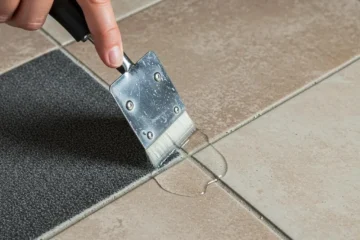
Best Way to Clean Tile Shower: A Complete Guide to Cleaner Tile and Grout
Introduction: Best Way to Clean Tile Shower
Best Way to Clean Tile Shower: A spotless tile shower instantly brightens up a bathroom and gives it a fresher, better-kept look. But keeping shower tile and grout looking their best isn’t as simple as just spraying a bathroom cleaner and wiping everything down. Showers are constantly battling water, soap, shampoo, body oils, minerals, dirt, and all that humidity—plus, grout tends to soak up a lot of it thanks to its porous nature.
The key is to match your cleaning method to your tile, grout, and whatever’s built up on the surface. Porcelain and ceramic tiles can usually handle a lot more than marble, limestone, travertine, or other natural stones. And dealing with basic soap scum isn’t the same as tackling hard-water spots, mildew stains, or layers of deep grime.
If you want long-lasting results, you’ve got to mix regular maintenance with a deeper clean now and then. When things get really stained, calling in professional tile and grout cleaners like KK Cleaning and Restoration does more than just restore your shower’s appearance—they’ll also let you know if your shower needs extra work like grout sealing, regrouting, caulking, or even a full restoration.
Why Tile Showers Get Dirty and Discolored
Tile showers deal with plenty of moisture and stuff that can dirty them up every single day. Soap, shampoo, conditioner, oils, minerals from hard water, and loose dirt slowly combine into a layer that sticks to the tile and settles in the grout lines. Soap scum is the usual mix of leftover soap, body oils, and minerals, and once it sits for a while, it can be really stubborn.
Grout is even trickier because it’s usually more porous than the tile itself. Sometimes the tile still looks okay while the grout has gone dark, yellow, grey, or brown from all the gunk that’s built up. Dampness also helps mildew spread, especially if shower surfaces stay wet too long.
Bad ventilation just adds to the problem. If steam and damp air stick around after a shower, everything dries slowly and you end up with more buildup. That’s why the best approach combines good cleaning with habits that keep moisture and leftover residue in check.

The Best Way to Clean Tile Shower Surfaces: Start by Identifying Your Tile
Before you grab a cleaner, find out what kind of tile you’ve got. Most showers use ceramic or porcelain, which are tough and resist a good deal, but natural stone—marble, limestone, travertine, and the like—needs more careful handling. Acidic or harsh cleaners can ruin these stones.
Use cleaners made for your specific natural stone. Steam cleaning’s fine for some non-porous tile and grout, but don’t just assume it’s safe for everything.
Grout types matter too—cement-based, epoxy, sanded, or unsanded grouts each have their quirks. If you’re not sure what yours is, test your chosen cleaner in a tucked-away spot before doing the whole shower.
Picking the right cleaner from the start is essential. Using the wrong one can do more damage than leaving things dirty.
Get Rid of Loose Dirt Before the Deep Clean
A lot of people skip this, but it’s worth saying: always get rid of any loose dirt before you start with cleaners. Hair, soap flakes, and dust can just make your job harder, and you won’t know if your cleaner is working if you’re pushing around a mess.
Rinse everything with clean water first. Wipe down the tile with a microfiber cloth or sponge. Check the corners, niches, ledges, shower floor, and around any fixtures—those are prime places for extra gunk.
In really neglected showers, even just rinsing can show you what you’re really up against. Plus, loose dirt won’t keep spreading when you start the deep clean.
Once that’s done, you’re ready to target whatever’s actually stuck on the tile and grout.
Choosing the Right Cleaner for Tile and Grout
No single cleaning product will be perfect for every shower—there’s just too much variety. The right cleaner depends on whatever’s dirtying your shower and the kind of tile and grout you’ve got.
For routine cleaning and light dirt, a mild or pH-neutral cleaner usually does the job. Cement-based grout prefers alkaline or neutral cleaners—acidic stuff can eat away at it over time.
Soap scum often needs something that can cut through oily and soapy film. For hard-water deposits, you’ll need a cleaner that targets mineral buildup. Mold and mildew stains? Go for something made for those problems.
If you’ve got natural stone, you have to be extra careful. What works on porcelain might ruin marble or limestone. Always read the manufacturer’s instructions and know your surface before trying a chemical.

How to Clean Shower Tile Step by Step
First, figure out your tile and pick a suitable cleaner. Don’t pour on too much—more product isn’t better and can just cause leftover residue or damage.
Let the cleaner sit as long as the instructions say. That extra time helps the product loosen up soap scum, dirt, and whatever else might be stuck there. Wiping the cleaner right away sometimes means you’re not letting it do its thing.
Use a soft sponge or a non-abrasive brush for the tile. Grout usually needs more focused attention because it collects debris in its grooves. A nylon grout brush gets into those spots without scratching things up, which can happen with metal or rough brushes.
Rinse everything thoroughly with clean water after scrubbing. Don’t leave any cleaner behind—leftover chemicals can make a film or damage sensitive tile and grout.
This method keeps things under control and can clean really well without tearing up your shower with harsh scrubbing.
The Best Way to Clean Shower Grout Without Damage
Grout always demands more work than the tile. Because it absorbs dirt, the right cleaner and a good brush are your best tools.
Only cover small sections at once—don’t try to tackle all the grout lines in one go. Let your cleaner sit as recommended, scrub gently with your brush, and avoid anything too rough.
Wire brushes or anything way too abrasive just wear down your grout, ruin the edges of your tile, and can cause scratches.
With most cleaning, some gentle brushing and a good cleaner make a big difference. But if your grout is really stained, cracked, or falling apart, it’s time for a professional to restore or regrout instead of just scrubbing harder.
How to Remove Soap Scum From Shower Tile
Soap scum is the main culprit when showers look dull even after basic cleaning. It builds up in a sticky or gritty layer, catching soap, oils, minerals, and dirt.
Start by rinsing away loose stuff. Spray on your chosen soap-scum or bathroom cleaner and let it sit for the time listed on the label. Use a soft sponge or a brush to break down the build-up, especially wherever the scum is thickest.
Once you’re done, rinse well. If years of soap scum won’t come off in one go, repeat the gentle cleaning instead of grabbing something harsher right away.
Getting rid of soap scum regularly keeps everything looking better and makes cleaning less of a pain later. The longer you wait, the tougher it is to remove.

How to Clean Shower Tile With Mold and Mildew Stains
Dark stains in the shower can happen from mildew, mold, dirt, leftover soap, or just worn-out materials. Not every dark spot comes from the same problem, so check what you’re dealing with.
For surface mildew stains, use a cleaner made for your kind of tile and follow the directions. Open a window or run a fan—ventilation helps stop mildew from coming right back.
Never, ever mix cleaning products. Especially avoid mixing bleach with anything acidic or ammonia-based—dangerous fumes can form.
If dark stains return quickly after cleaning, the issue might go beyond what chemicals can fix. Crumbling grout, bad caulk lines, ongoing dampness, or leaks might call for professional repair.
Should You Try Vinegar, Baking Soda, or Homemade Cleaners?
People love DIY cleaners, and ingredients like vinegar or baking soda are cheap and easy to find. But just because it’s natural or homemade doesn’t mean it’s safe for all tile and grout.
Vinegar, for example, is acidic and not a great idea on cement-based grout over time. It can also wreck natural stone that’s sensitive to acid. Most current advice says stick with neutral or alkaline cleaners for everyday grout cleaning.
Baking soda is only good for light, careful scrubbing—don’t go overboard on anything delicate. Hydrogen peroxide works for some ceramic or porcelain, but not for every colored grout or any natural stone.
Your safest move? Figure out what materials you have first, then use a product that fits. When in doubt, bring in professionals so you’re not risking damage.
How to Clean Shower Floors, Corners, and Tricky Areas
The shower floor often collects most of the mess—water, hair, soap, oils, minerals, the works. If your floor is textured, it’ll need even more attention because dirt can hide in every nook.
Start with removing hair and loose stuff. Use a cleaner and a brush that can get into the textures without scratching anything up. Don’t ignore corners, edges, or where the floor meets the wall.
Corners and vertical seams stay damp longer and might end up with more soap or mildew stains. The niches and ledges are also hotspots for gunk, especially under shampoo bottles. Move things around and clean underneath every now and then to keep residue from building up.
A full shower cleaning covers every part, not just the most obvious walls.
Mistakes to Avoid When Cleaning a Tile Shower
Don’t assume a stronger chemical is always going to do a better job. Harsh cleaners can damage grout, tile finishes, sealants, caulking, and sensitive stone.
Don’t scrub too hard, either. Pressing harder isn’t the answer for stubborn stains—sometimes the issue is deeper, like failing grout or persistent moisture, and you could end up damaging the surface.
Never use the wrong cleaner on natural stone. Acidic products can etch things like marble and limestone. Abrasives can scratch and dull delicate finishes.
Don’t mix cleaning chemicals. If you don’t rinse one off before using another, you can get dangerous reactions.
Don’t seal dirty or damp grout. Make sure grout is clean and completely dry before you apply a sealer.
How to Keep Your Tile Shower Looking Great for Longer
A deep clean is just one part of the routine. Small daily habits really help cut down on buildup between heavy-duty cleaning.
After you shower, use a squeegee or microfiber towel to wipe off excess water. This helps keep moisture and minerals from sticking to the surface.
Ventilation is critical too. Run the bathroom’s exhaust fan while and after you shower—less humidity dries things out faster.
Quick, regular cleaning works better than scrubbing away months of grime. Depending on how often you shower, a set routine stops soap scum and dirt from getting too established.
Where it makes sense, seal your grout to give it more protection, but remember, sealing doesn’t mean you’ll never have to clean it—sealed grout still needs care.
Good habits mean less hard work the next time around.
When Professional Tile and Grout Cleaning Makes Sense
DIY works when you’re dealing with light messes or mild stains. But for years of grime or stubborn discoloration, professional cleaning is a huge help. A pro can figure out exactly what your shower needs—what kind of tile, grout, stains, and overall condition—then pick the right treatment.
This is great if you’ve already tried different products and nothing seems to work. If you keep switching chemicals, you could harm your surfaces and still not solve the actual problem.
Professional cleaners often spot issues you might miss, like cracked or missing grout, old silicone, ongoing moisture, or a leak. These problems usually need more than just a new cleaner or harder scrubbing.
KK Cleaning and Restoration can clean tile and grout, seal grout, do regrouting, restore showers, handle caulking, and more. Their goal is not just to get things looking good for a little while, but to recommend real solutions for your bathroom.
If you’ve reached the point where standard cleaning isn’t enough, calling the pros really pays off.
Professional Tile Shower Cleaning From KK Cleaning and Restoration
A clean tile shower makes a big difference in how a bathroom looks and feels. Getting those results, though, comes down to knowing your surfaces, using the right products, cleaning carefully, rinsing and drying properly, and sticking with regular upkeep.
The best way to clean tile showers doesn’t have to mean harsh chemicals or furious scrubbing. It’s about removing buildup effectively—while keeping your tile, grout, sealers, and everything else in good condition.
KK Cleaning and Restoration can help with professional cleaning and restoration if your shower is full of dirt, soap scum, stains, discoloration, or heavy wear. If cleaning alone isn’t enough, they offer grout sealing, regrouting, shower restoration, and caulking to tackle deeper issues.
With good pro cleaning and consistent care, you’ll keep your shower bright and easy to maintain. A well-kept tile shower isn’t just more attractive—it makes every cleaning job easier down the line.
Contact us now:
 Call us now at +16479163093
 Email: info@kkcleaningandrestoration.ca
 Visit: https://kkcleaningandrestoration.ca/
Faqs on Best Way to Clean Tile Shower:-
1. What’s the best way to clean tile shower surfaces?
Start by figuring out what kind of tile and grout you have, then pick a cleaner that fits. Brush off any loose dirt, put on the right cleaning solution, let it sit as directed, and gently scrub the tile and grout. Finish with a good rinse. Ceramic and porcelain usually handle cleaners better than natural stone, which needs a pH-neutral, stone-safe cleaner. Matching the cleaning method to the surface helps you clear off buildup and avoid stains, etching, or grout damage.
2. Why does my tile shower get dirty so quickly?
Tile showers pick up dirt fast because they’re constantly bombarded with water, soap, shampoo, conditioner, body oils, minerals, and humidity. All those things mix together and create sticky soap scum that settles on tiles and grout. Porous grout soaks up moisture and grime more than smooth, glazed tile, making grout lines darken over time. Regular rinsing, drying, good airflow, and cleaning help keep this mess from piling up.
3. What’s the best way to clean tile shower grout?
Grab a cleaner made for your grout type and lightly scrub with a soft-bristle or nylon brush. Focus on grout lines—they’re recessed and textured, so they trap dirt, soap, and moisture. Skip overly abrasive tools or harsh scrubbing; those just ruin grout or damage nearby tile. If your grout looks stained, cracked, or worn after cleaning, it’s probably time for professional grout restoration or regrouting.
4. What’s the best cleaner for shower tile and grout?
There’s no universal cleaner that works for every tile shower. Different buildups need different approaches. Mild or pH-neutral cleaners are good for routine cleaning, but you’ll need special products for soap scum, minerals, or mildew stains. Natural stone needs extra care since acidic products can ruin the finish. Choose your cleaner based on the tile, grout, and the type of contamination.
5. Can I use vinegar to clean a tile shower?
Vinegar isn’t always a good option because its acidity can damage certain types of grout and natural stone. Cement grout and stones like marble or limestone don’t handle acids well. It’s safer to use a pH-neutral or manufacturer-approved cleaner, especially if you’re unsure about your tile. When in doubt, professional cleaning helps avoid accidental damage.
6. What’s the best way to clean tile shower soap scum?
For soap scum, grab a cleaner designed for it, let it sit long enough, and then gently scrub the affected areas. Soap scum is a sticky mix of soap, body oils, and minerals that’s tough to remove. Rinsing the shower after use and wiping off water helps keep it from building up. If soap scum is thick or old, a professional cleaning might be the way to go.
7. What’s the best way to clean tile shower grout that’s turned black?
Black grout is usually a sign of mildew, dirt, soap residue, moisture, or breakdown. Figure out why it’s stained before you treat it. Use the right cleaner and gently brush—no need to pull out the super-strong chemicals right away. If black stains stick around or keep coming back, it might be damaged grout, failing silicone, or persistent moisture. A pro can tell you if deep cleaning, regrouting, or another repair is needed.
8. Can I use steam cleaning for tile showers?
Steam cleaning works well for many non-porous tile and grout surfaces, since heat and moisture loosen up buildup. But steam isn’t right for every tile, grout, sealant, or stone. Sensitive materials like marble or limestone need gentle, pH-neutral cleaning. Always check the tile and grout manufacturer’s care instructions before you steam.
9. How often should I clean my tile shower?
How often depends on how much your shower gets used, ventilation, water quality, grout condition, and how much soap builds up. Do light maintenance regularly so dirt and scum don’t get a chance to settle deep in the grout. Most cleaning guides recommend frequent light cleaning and quick drying, not waiting for buildup to set in. Schedule a professional deep clean when regular cleaning can’t bring back the shine.
10. What’s the best way to clean tile shower floors?
Start by sweeping up hair and loose debris, then use a cleaner fit for the tile and grout on your floor. Shower floors collect soap, oils, minerals, and moisture, and textured surfaces hold more dirt than smooth walls. Use a non-abrasive brush for textured spots and grout joints, and rinse well. Pay special attention to corners, the drain, and where the floor meets the walls.
11. How do I clean shower tile without damaging it?
Stick to products and tools that suit your tile material. Avoid harsh chemicals, hard scrubbing, metal brushes, and abrasive items, especially with delicate or natural stone finishes. Test any new cleaner in a hidden spot first. The manufacturer’s care instructions are your safest bet for keeping tile looking good.
12. What’s the best way to clean a tile shower with natural stone?
For marble, travertine, limestone, or any natural stone, use a cleaner specially made for that material. Many stones are sensitive to acids, so regular household cleaners could cause dull spots or etching. A pH-neutral, stone-safe cleaner and soft tools work best. For heavy stains or high-value stone, bring in professionals to avoid damage.
13. How do I remove mildew from shower tile and grout?
Use a cleaner that’s fit for your specific tile and grout—don’t just reach for the strongest chemical. Apply the treatment, gently scrub, and rinse as the directions say. Good ventilation and drying matter since humidity fuels mildew growth. If dark spots return often, get a pro to check for grout or silicone issues, or moisture problems.
14. Can I use baking soda for cleaning shower tile and grout?
Baking soda gives you gentle abrasive action and can loosen surface grime if used right. But it’s not always the best go-to because the tile finish and grout condition matter. Too much scrubbing with abrasive stuff can damage polished or sensitive surfaces. Test a small spot first and use a milder cleaner, especially on natural stone.
15. Why does my shower grout stay dirty after cleaning?
Stains often sink below the surface in porous grout, making cleaning less effective. It could also be due to worn grout, minerals, moisture, soap buildup, or stubborn stains ordinary cleaning won’t fix. Scrubbing harder won’t help and could damage grout. If even pros can’t restore the look, regrouting or grout restoration is your best long-term fix.
16. What tools do I need to clean a tile shower well?
Get yourself microfiber cloths, non-abrasive sponges, a nylon grout brush, a soft or medium cleaning brush, and proper protective gear. The grout brush is key—it fits into narrow joints where grime builds up. Steam equipment can help for compatible surfaces, while natural stone needs gentler tools. Always pick your tools based on what’s in your shower, not just what scrubs hardest.
17. Should I clean tile before cleaning the grout?
Yes—get rid of loose dirt before focusing on the grout. Rinsing or wiping away debris keeps it from spreading and lets your cleaner get to the real mess. After treating tile and grout, rinse thoroughly to remove leftover grime and cleaner. Work section by section so you spot areas needing extra TLC.
18. How can I keep shower tile and grout from getting dirty again?
Prevent buildup by drying off excess water and residue after every shower. Squeegees or microfiber cloths help clear water and soap from tile, and good ventilation speeds up drying. Regular light cleaning is quicker and more effective than letting scum and minerals pile up. Proper grout sealing, when the grout calls for it, also limits moisture and stains.
19. Is grout sealing necessary after cleaning a tile shower?
For porous grout, sealing helps cut down absorption and makes cleaning easier next time. Make sure grout is ultra-clean and fully dry before sealing. It doesn’t mean you can skip regular cleaning—dirt and soap still stick to the surface. If your grout is deeply stained or damaged, get a pro to clean and assess before deciding on sealing or regrouting.
20. When should I hire a professional for tile and grout cleaning?
If you’re dealing with years of buildup, stubborn stains, mildew, or thick soap scum that won’t budge, it’s time to call in the pros. Also, if you’re unsure which cleaner is safe for your tile, grout, or stone, professionals can check the surface and figure out if cleaning, sealing, regrouting, caulking, or full restoration is needed. They help you avoid wasting time experimenting with the wrong products and deliver a precise solution.
21. What are signs my tile shower needs restoration, not just cleaning?
If you spot cracked, crumbling, or missing grout, loose tiles, beat-up silicone, leaks, or constant moisture, cleaning alone isn’t going to fix it. Dark stains that quickly come back point to bigger moisture or material issues. Regular cleaning can’t repair broken grout or waterproofing issues. In these cases, you’ll need professional restoration, regrouting, caulking, or repair.
22. Why choose KK Cleaning and Restoration for tile shower cleaning?
KK Cleaning and Restoration offers professional tile and grout cleaning plus shower restoration for homeowners facing dirt, soap scum, stains, discoloration, and bad grout. Their cleaning adapts to the condition of your tile, grout, and shower—they don’t rely on one-size-fits-all methods. When cleaning isn’t enough, they’ve got sealing, regrouting, caulking, and restoration cover. If you want the best way to clean your tile shower for longer-lasting results, professional care is the smart, thorough, and practical solution.
Contact us now:
Call us now at +16479163093
Email: info@kkcleaningandrestoration.ca
Visit: https://kkcleaningandrestoration.ca/