Shower Tile and Grout Cleaning: Professional Guide for a Cleaner, Healthier Bathroom
Introduction: Shower Tile and Grout Cleaning
Shower Tile and Grout Cleaning: Keeping your shower tile and grout clean is key if you want a bathroom that looks good, feels fresh, and holds up over time. Shower walls and floors take a beating—water, soap, shampoo, body oils, minerals, dirt, and humidity hit them every single day. Tiles, especially glazed ones, are usually pretty simple to wipe down. Grout, though, is a different story. It’s porous, so it sucks up stains, residue, and moisture, which means it’s often the toughest part of your shower to clean.
Really getting tile and grout clean takes more than just spraying a bathroom cleaner and wiping things down. How you clean depends on your tile, the type of grout you have, and what kind of grime you’re dealing with. Ceramic and porcelain tiles can usually handle tougher cleaning products than marble, travertine, limestone, and other natural stones. Grout made from cement needs extra caution, since acids can eat away at cement-based materials. The Tile Council of North America suggests using alkaline cleaners on cement grout instead of acidic ones.
KK Cleaning and Restoration offers professional tile and grout cleaning, grout sealing, regrouting, shower restoration, caulking, and other related services. Getting the pros in can clear up stubborn soap scum, discoloration, mold stains, hard water buildup, and deep grime—plus, they can spot problems that simple cleaning won’t fix.
Why Shower Tile and Grout Get Dirty
Your shower is one of the harshest spots for tile and grout. All that moisture and constant exposure to bath products does a number on surfaces. Soap, shampoo, conditioner, body oils, mineral-heavy water, and dirt slowly leave a film on your tiles and pack themselves into grout lines.
Grout, especially cement-based, is particularly stubborn because its surface area soaks up stains. According to the Tile Council of North America, grout’s porosity is a big reason it turns darker and becomes harder to clean than the tile next to it.
Soap scum just makes things worse by creating a sticky surface for dirt to cling to. Hard water leaves behind white or cloudy buildup. If moisture hangs around, mold and mildew can start to show.
That’s why cleaning your shower tile and grout regularly works better than waiting until everything looks grimy. Routine cleaning gets rid of gunk before it really settles in.
Understanding Different Types of Shower Tile and Grout
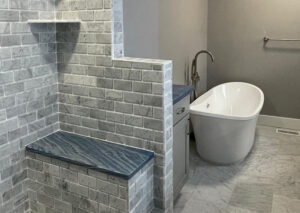
Before you start cleaning, you need to know what you’re dealing with. Most homes use ceramic or porcelain tile in showers—they’re tough and fairly low maintenance. But natural stone, like marble, limestone, or travertine, is more delicate, especially when it comes to acidic cleaners.
Grout styles are different, too. Cement-based grout is porous and benefits from sealing, while epoxy grout is less absorbent and needs a different approach. The grout’s age and condition matter, too, when you’re deciding how to clean.
Don’t just assume a cleaner that works on one surface is fine for everything. Acidic cleaners that help with mineral deposits, for example, can damage natural stone. Picking the right product ahead of time keeps your shower safer.
If you’re not sure what your surfaces are, or you have a mix of materials, call in a professional. They know how to avoid accidental damage.
Preparing for Shower Tile and Grout Cleaning
Prepping makes cleaning faster and stops you from just moving dirt around. Take out all the shampoo bottles, soap, bath mats, and anything else, so you can reach every part of the tile and grout.
Give the whole shower a rinse with clean water to knock off loose dirt, hair, and surface gunk, and pay close attention to floors, corners, niches, ledges, drains, and where walls meet floors.
Crack a window or turn on the bathroom fan for airflow and to keep humidity down while you clean.
Always follow the instructions on cleaning products and don’t mix chemicals. That’s not just about safety—it also protects your surfaces.
Starting with good prep means you can tackle the real buildup, not just the crumbs.
Choosing the Right Cleaner for Tile and Grout
There’s no perfect cleaner for every job. What you use depends on whether you’re fighting regular dirt, soap scum, minerals, mold, body oils, or something else.
For cement-based grout, stick with alkaline or neutral cleaners—not acids. The Tile Council of North America makes it clear: acids can mess up cement grout, so go with alkaline products.
Soap scum calls for a cleaner that can cut through oily, soapy buildup. Mineral deposits need a different approach, and mold or mildew means you’ll need something targeted for that issue.
Be extra careful with natural stone. A product that’s fine on ceramic doesn’t automatically mean it’s safe on marble or other stones.
Going with professional cleaning means you’re getting someone who’ll match the cleaner to the surface, not just guess and hope for the best.
How Professional Shower Tile and Grout Cleaning Works
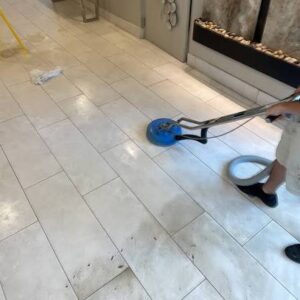
A good pro starts by checking out your shower. They’ll look at the tile, grout, caulking, stains, buildup—everything—before deciding what method makes sense.
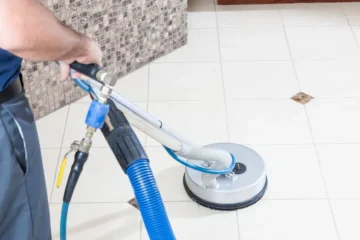
First, they clear out all the dirt and loose debris. Next, they apply the right cleaning solution and let it sit so it can loosen grime. Then they get in there with the right brush or tool, scrubbing grout lines with a nylon brush or professional gear—enough to clean, not enough to damage.
Once the gunk is loosened, they’ll give it a thorough rinse so no dirty water or cleaning residue gets left behind. That’s important because leftover cleaner can make the surface sticky and attract more dirt. According to the Tile Council of North America, not rinsing out alkaline cleaners properly leaves a residue that just brings the dirt back.
Finally, they dry everything off so they can see how well it worked.
Removing Soap Scum From Shower Tile and Grout
Soap scum is one of the biggest reasons people call in pros. It builds up when soap mixes with body oils, minerals, and other shower leftovers.
Tiles might start to look cloudy, grout turns gray, yellow, or brown, and you’ll spot the worst of it in corners, shower floors, and behind bottles.
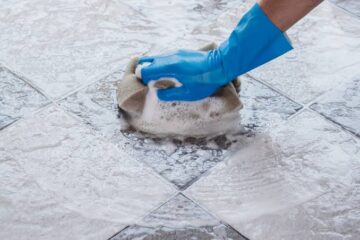
Spray on the right cleaner, let it sit, and then get scrubbing. Once the residue softens up, it comes off much easier.
Always do a full rinse after to keep new scum and dirt from sticking. Knock out soap scum regularly, and you’ll keep that clean look.
Removing Mold, Mildew, and Dark Grout Stains
Not every dark grout line is mold—sometimes it’s just dirt, soap residue, minerals, stains, or even just old grout. But when you’re dealing with mold or mildew, controlling moisture is just as important as cleaning. If you scrub off mold but leave the moisture problem, the stain will just come back.
Ventilate your bathroom as much as you can and wipe excess water from shower surfaces after use. If mold keeps returning to the same spot, you might have a damaged silicone joint, a leak, or bad grout.
A pro can tell if the stains can be cleaned out or if your shower needs more serious repair. If grout is cracked, missing, or crumbling, cleaning won’t solve the problem—you might need regrouting after clearing out the bad material.
Removing Hard-Water and Mineral Deposits
Hard water leaves grout and tile looking chalky, cloudy, white, or just dull, especially around fixtures, corners, and spots where water evaporates.
Once mineral deposits set in, they’re tough to get out. And using an acid cleaner without double-checking if your tile can handle it can do serious damage, particularly to natural stone.
Always match the cleaning solution to both the deposit and the surface. Ceramic and porcelain can handle some treatments that marble, limestone, or travertine can’t.
A professional knows which products are safe and exactly how to tackle mineral buildup. This extra care is even more important in bathrooms with pricey or delicate stonework.
After you’ve cleared deposits, keeping things dry and handled with regular cleaning will help keep them away.
Cleaning Shower Floors, Corners, Niches, and Tough Areas
A real cleaning job means hitting more than just the main walls. Shower floors are magnets for water, hair, soap, body oils, and stubborn minerals. Textured tiles quietly collect dirt, too.
Check corners and where the floor meets the walls—moisture hangs on there longer, so they’re more at risk for stains and damage.
Give shelves and niches a once-over by actually moving those bottles out of the way so you can clean underneath.
Don’t forget the drain and the grout around it—those spots can get pretty gross and dark.
Getting into all these areas keeps the whole shower looking even and prevents little pockets of grime from turning into major problems.

Common Shower Tile and Grout Cleaning Mistakes
One big mistake people make is thinking stronger chemicals mean better cleaning. Going too aggressive can wreck grout, tile finishes, sealers, stone, and caulking fast.
Many folks use vinegar on cement-based grout, but that’s a problem. Cement doesn’t mix well with acids—stick to alkaline products, as the Tile Council of North America recommends.
Avoid metal brushes, too. A good nylon brush gives enough scrub without the risk of scratching or wearing things down.
Don’t use oil-based cleaners on porous grout. They leave a film inside the grout and attract dirt.
And remember, cleaning isn’t a substitute for repairs. If you’ve got bad grout, leaking fixtures, or shot caulking, you need to fix the real problem. Cleaning alone won’t cut it.
Grout Sealing and Long-Term Shower Maintenance
Cleaning gets rid of grime, but sealing grout helps stop stains before they start and makes cleaning easier next time. The Tile Council of North America points out that sealing cement grout protects it.
Make sure grout is clean and totally dry before you seal. Trapping dirt or moisture under a sealer just makes things worse.
Sealed grout still needs care—soap, dirt, and minerals will pile up on the surface, so regular cleaning is part of the deal.
Simple daily habits help. After you shower, swipe everything down with a squeegee or microfiber cloth and make sure the room’s well-ventilated.
With the right combo of professional cleaning, good drying, regular upkeep, and grout sealing, your shower will stay cleaner and look better longer.
When Professional Shower Tile and Grout Cleaning Is Necessary
DIY can work for light messes, but once you’re dealing with heavy stains, deep soap scum, chronic mold, or tough hard water marks, it’s time for the pros.
Professional cleaning also helps when previous tries have left the shower uneven or patchy. Instead of dousing everything in harsher chemicals, they actually figure out what the problem is and treat it right.
Sometimes, you discover that cleaning isn’t enough—cracking grout might need replacing, worn caulking could need to be redone, and a neglected shower might call for serious restoration.
KK Cleaning and Restoration handles not just cleaning, but also grout sealing, regrouting, shower restoration, caulking, and overall tile repair.
It’s all about matching the fix to the actual problem in your shower—not just scrubbing everything the same way.
Professional Shower Tile and Grout Cleaning by KK Cleaning and Restoration
A well-maintained shower should look spotless, feel fresh, and be easier to keep up between big cleans. Wiping the tiles isn’t enough—grout lines, corners, floors, and joints hold onto grime regular cleaning can’t touch.
Professional cleaning clears out the deep dirt, soap scum, minerals, discoloration, mold stains, and everyday leftovers. The process is matched to your tile and grout, so everything gets clean without taking damage.
KK Cleaning and Restoration offers all the tile and grout cleaning and restoration you need, from deep cleaning and sealing to regrouting, shower restoration, and caulking or silicone replacement.
If you’re fighting stubborn buildup, calling in the pros gets you better results than endless household scrubbing. Paired with daily care, good ventilation, squeegeeing, and proper grout care, professional service keeps your shower tile and grout cleaner, brighter, and in better shape for the long term.
Contact us now:
 Call us now at +16479163093
 Email: info@kkcleaningandrestoration.ca
 Visit: https://kkcleaningandrestoration.ca/
Faqs on Shower Tile and Grout Cleaning:-
1. What’s Shower Tile and Grout Cleaning?
Shower tile and grout cleaning means getting rid of dirt, soap scum, body oils, mineral deposits, stains, and anything else that builds up on your shower tile surfaces and grout joints. You have to pick the right cleaning method based on your type of tile, grout, and what kind of mess you’re dealing with—not just grab any old product for every surface. Cement-based grout is porous and soaks up stains easily, so it’s harder to keep looking nice than most shiny tile surfaces. A complete cleaning, plus good rinsing and drying, really makes a difference in how your shower looks and how easy it is to clean next time.
2. Why Does Shower Tile and Grout Cleaning Matter?
If you clean your shower tile and grout regularly, you stop everyday gunk from seeping deep into the grout and making a huge mess that’s tough to clean later. Soap scum, shampoo, body oils, dirt, and minerals can slowly discolor your grout and give your whole shower a dull, uncared-for look. Cleaning also helps you spot damaged grout, old caulk, cracks, or other problems before they turn serious. It’s always easier to clean a little at a time instead of waiting until everything’s so dirty you need to scrub for hours.
3. How Often Should You Clean Shower Tile and Grout?
How often you need to clean depends on how much you use the shower, how well it’s ventilated, the quality of your water, the type of tile and grout, and how quickly soap and minerals build up. Regular light cleaning stops buildup from settling in. Go for a deeper clean whenever your routine cleaning just doesn’t seem to bring back that fresh look. Showers that see heavy use or have poor ventilation usually need cleaning more often than bathrooms used less frequently.
4. What’s the Best Cleaner for Shower Tile and Grout?
The best cleaner depends on whether you’re dealing with just everyday dirt, soap scum, mineral deposits, mold, or something else. For cement-based grout, stick with alkaline or neutral cleaners instead of acidic ones—acids can mess up cement. The Tile Council of North America says skip oil- or wax-based cleaners for grout; they just make grout sticky and attract more dirt. Picking the right cleaner for your specific tile and grout material is key to getting good results.
5. Is Vinegar Safe for Shower Tile and Grout?
Don’t assume vinegar’s safe for every shower—it’s acidic, which can harm cement-based grout and natural stone that’s sensitive to acids. Cement grout can actually dissolve if you clean it with acid. Vinegar is also especially bad for marble, limestone, and certain natural stones. If you’re not sure what your shower’s made of, you’re better off with a compatible pro-grade cleaner instead of experimenting with acids.
6. How Do You Remove Soap Scum from Shower Tile and Grout?
Tackle soap scum by putting on the right cleaner, letting it sit, and then gently scrubbing the tile and grout with a good brush or cleaning tool. If the soap scum is really thick, you might need to go over it more than once—don’t go crazy with hard scrubbing. Rinse really well after cleaning because leftover cleaner can leave its own residue that just attracts more dirt. When soap scum’s been building up for years, it’s usually a job for professional cleaners.
7. Does Shower Tile and Grout Cleaning Get Rid of Mold and Mildew?
Professional shower tile and grout cleaning can handle mold or mildew on the surface—if the grout and tile are still in good shape. But if mold keeps coming back, there’s usually an underlying problem like too much moisture, bad ventilation, or damaged grout. Cleaning alone won’t solve it unless you fix what’s causing the moisture. If you keep seeing mold in the same spots, you should check for root issues in the shower.
8. What’s the Best Way to Clean Shower Grout?
Use a good grout cleaner, scrub the joints gently, and get all the dirty cleaner and residue out. Cement grout’s porous, so just wiping tile won’t take care of the dirt in the grout. The Tile Council of North America says extracting the dirty water—as in actually lifting it out—works better because it keeps contaminants from staying behind. Pros use special agitation and extraction methods when needed.
9. Can You Use Steam Cleaning for Shower Tile and Grout?
Steam works on some kinds of tile and grout because the heat and pressure can loosen stubborn grime. The Tile Council of North America says steam might help when ordinary cleaning doesn’t do the trick. But steam isn’t good for every surface; you really need to check your tile, grout, stone, sealant, and whole shower setup first. Make sure the materials can handle it before you bring out the steam cleaner.
10. How Do You Clean Hard-Water Deposits from Shower Tile?
Hard-water deposits show up as white, cloudy, chalky, or dull patches where mineral-rich water dries up. The right way to remove them depends on what’s causing the buildup and what your tile is made of—some acid-based cleaners for minerals can actually damage cement grout or natural stone. Pros start by figuring out what they’re working with, then pick the treatment. Once you get rid of the deposits, drying the shower after you use it slows down new buildup.
11. Is Shower Tile and Grout Cleaning Safe for Natural Stone?
Natural stone needs extra care—stuff like marble, limestone, and travertine gets damaged by acidic or overly harsh cleaners. Always use cleaning products that are made for your specific stone. Avoid abrasive tools that could scratch or dull the surface. Professional cleaners help a lot here, since they’ll tailor the method to your stone and its finish.
12. Why Does My Grout Still Look Dirty After Cleaning?
Sometimes grout stays stained because the dirt has soaked deep into the porous cement grout, or the stains are permanent and not just on the surface. If you don’t rinse well enough, leftover cleaner can leave a sticky film that actually attracts dirt. The Tile Council of North America says to rinse thoroughly and explains that badly rinsed cleaners can leave a residue. If even pros can’t get your grout looking clean, you might need to regrout.
13. Should Grout Be Sealed After Cleaning?
Sealing cement-based grout is a good idea—it’s porous and picks up stains. The Tile Council of North America recommends sealing to help protect it, and there are both penetrating and topical options. Just remember, grout needs to be cleaned well and completely dry before sealing. Sealing helps, but you still need regular maintenance because dirt and soap still collect on top.
14. How Can I Keep Shower Tile and Grout from Getting Dirty Again?
Keeping your shower clean between deep cleans starts with reducing water and residue after every use. A quick swipe with a squeegee or microfiber cloth helps a lot, and good ventilation dries things out faster. Regular basic cleaning keeps soap scum and minerals from building up. Combining these habits with an occasional professional clean makes shower upkeep way easier in the long run.
15. What Are Some Common Mistakes with Shower Tile and Grout Cleaning?
A big mistake is thinking stronger chemicals always clean better. Using acidic products on cement grout, abrasives on delicate surfaces, or oily/waxy cleaners on porous grout usually just causes more problems. Another common problem: not rinsing thoroughly, which leaves residue that attracts even more dirt. The Tile Council of North America says to use alkaline cleaners for cement-based grout and avoid oil- or wax-based products.
16. Can Shower Tile and Grout Cleaning Remove Black Grout Stains?
Black stains can come from mold, mildew, dirt, soap, minerals, or just plain permanent discoloration. Start by figuring out what caused the stain. With proper cleaning and the right brush, you can get rid of most surface stains. If black stains don’t go away even after pro cleaning, then the grout’s probably permanently stained or broken down, and regrouting or restoring it is the better fix—not just using harsher cleaners.
17. How Do You Clean Shower Floor Tile and Grout?
Shower floors get the worst of it—they collect water, soap, hair, oils, and mineral residue. Textured tile is even trickier because dirt hides in the patterns and between the grout. Focus on cleaning the whole floor: corners, drains, where the wall meets the floor, and especially the grout lines. Use the right brush and cleaner, rinse well, and always dry the surface for a spotless look.
18. When Should You Call Pros for Shower Tile and Grout Cleaning?
Call in professionals when home methods can’t get rid of heavy soap scum, tough grout stains, mineral buildup, or repeated discoloration. It’s also smart if you have natural stone or materials that need special care. Pros can figure out if your shower just needs cleaning or if it also needs repairs, like regrouting or caulking. KK Cleaning and Restoration does both cleaning and repair services.
19. When Should Grout Be Replaced, Not Just Cleaned?
Replace the grout when it’s cracked, crumbling, missing in places, badly deteriorated, or it’s just not keeping the tiles together. Cleaning only removes surface gunk—it can’t fix physical damage. The Tile Council of North America points out that you sometimes have to dig out and replace stubbornly stained or damaged grout when cleaning doesn’t work anymore. A professional can tell you whether a deep clean or a full regrout is the right move. (Tile Council of North America)
20. How Long Does Professional Shower Tile and Grout Cleaning Take?
How long it takes comes down to the size of your shower, how much buildup there is, the grout’s shape, what kind of tile you have, and which cleaning methods are used. If your shower’s just a little dirty, it goes fast; years of buildup, hard-water stains, or mold make it a bigger project. If you add services like sealing, regrouting, or replacing caulk, that’ll add time too. A pro needs to see the shower to give the best estimate.
21. Does Cleaning Fix Damaged Grout or Caulking?
Cleaning will make dirty grout look fresh, but it won’t fix grout that’s cracked, missing, or crumbling. Same goes for silicone caulking—if it’s damaged, it needs to be replaced, not just cleaned. If you spot these issues during a cleaning, you might need regrouting, new caulk, or even further shower restoration. That’s why a solid assessment checks the whole shower, not just the surfaces.
22. Why Pick KK Cleaning and Restoration for Shower Tile and Grout Cleaning?
KK Cleaning and Restoration offers professional shower tile and grout cleaning for showers dealing with dirt, soap scum, stains, minerals, mold, and daily buildup. They don’t just use one harsh product on everything—they choose the right method for your tile, grout, and your shower’s current state. If cleaning alone isn’t enough, they can also seal grout, regrout, restore showers, and replace caulk so you don’t have to call multiple services. Professional cleaning plus good upkeep helps keep your shower tile and grout looking brighter, cleaner, and protected for a lot longer.
Contact us now:
Call us now at +16479163093
Email: info@kkcleaningandrestoration.ca
Visit: https://kkcleaningandrestoration.ca/