Cleaner for Grout in Shower: How to Choose and Use the Right Grout Cleaner
Introduction: Cleaner for Grout in Shower
Cleaner for Grout in Shower: Finding the right cleaner for shower grout isn’t just about grabbing the most powerful bathroom product you see. Shower grout gets hit with water, soap scum, shampoo, body oils, minerals, dirt, and humidity day after day. Over time, that’s what turns grout dull or discolored—grey, yellow, brown, even black. Grout itself is usually more porous than the tiles around it, so all those messes work their way deep inside, making them tough to wash out.
The right cleaner needs to match your grout and tiles, but also has to tackle whatever’s actually causing the buildup. Dirt, soap scum, hard water, mold, and stubborn stains—those don’t all come out the same way. Pick the wrong product and you’ll end up with residue, damaged grout, dull tile, or a problem that just gets worse.
Honestly, the smartest way to clean grout starts with figuring out what your shower is made of and what’s making it dirty. Choose a cleaner that fits, give it the right amount of time to do its job, scrub gently, rinse everything well, and dry the shower when you’re done. If the grout is really neglected or you see cracks, crumbles, or gaps, it’s best to call in a pro. Sometimes you need more than a bottle of cleaner.
KK Cleaning and Restoration can handle tile and grout cleaning, sealing, regrouting, caulking, and full shower restoration. Professionals are a lifesaver when your regular products just aren’t enough.
Why You Need the Right Cleaner for Grout in Shower Areas
Shower grout isn’t like other surfaces in your house—it faces a barrage of moisture every time you step in. Each shower pushes water right into those grout lines, and all the soap, shampoo, skin oils, and dirt settle in.
Cement grout is porous, plain and simple. It soaks up water and anything else that lands on it, which is why the grout starts to look filthy even when the tiles seem okay.
Your basic bathroom spray might clear off a little surface grime but won’t fix heavy buildup. On the other hand, something super harsh can damage grout, fade the color, strip off sealers, or mess with sensitive tiles.
The key is matching the cleaner to your grout, your tile, and the actual problem. Something great for soap scum won’t necessarily do much for hard-water stains, mold, grease, or old stains.
According to the Tile Council of North America, cement grout is porous, so they suggest using alkaline cleaners—not acid-based—for regular cleaning, since acid reacts badly with cement.
Identify Your Shower Tile and Grout Before Choosing a Cleaner
Before you reach for a cleaner, figure out exactly what type of tile and grout you have in your shower. Ceramic and porcelain tiles are pretty tough, but the grout between them can be a lot more delicate.
Natural stone needs special attention. Marble, limestone, travertine, and similar stones can get etched or damaged by acidic cleaners you shouldn’t use.
Grout type matters, too. Old-school cement grout needs sealing and gentle cleaning, while epoxy grout isn’t as porous and has its own requirements.
Colored grout can be tricky—some cleaners will change the color or ruin the pigment. When in doubt, try your cleaner in an out-of-the-way spot first.
Nailing down your shower materials means you’ll actually clean the grout—without wrecking the tile or making things worse.
Choose a Cleaner Based on the Type of Shower Grime
There’s no magic cleaner that works for every bit of shower mess. Start by figuring out what you’re up against.
With regular dirt and light soap scum, you probably only need a mild or pH-neutral cleaner. Tougher, organic buildup calls for something alkaline.
Hard-water stains are different—they’re mainly mineral buildup. Acidic cleaners can dissolve minerals but also damage cement grout and most stone tiles, so don’t reach for acid before checking your surfaces.
If you’ve got mold or mildew, it’s more than a cleaning job—it means you have a moisture problem, not just dirty grout. Swapping cleaners won’t help if the environment stays damp.
The Tile Council of North America warns against oil- and wax-based cleaners, too; those can leave sticky film inside grout that attracts even more dirt.

Best Cleaner for Everyday Shower Grout Maintenance
For routine upkeep, use a cleaner that lifts dirt and soap scum without leaving behind heavy residue. A neutral or mild alkaline tile-and-grout cleaner usually works.
Don’t go for brute force when you clean. Let the cleaner loosen the gunk, then gently scrub to finish the job.
Regular cleaning is just easier than trying to get years of grime out later. Wipe things down before the mess sets in.
A bit of warm water helps lift residue before you spray on cleaner, but always follow the product directions. More water or extra-strong mixes won’t clean any better—and can backfire.
Consistent upkeep keeps grout looking good so you don’t have to scrub like mad or bring in the harsh stuff later.
Best Cleaner for Soap Scum and Body Oil
Soap scum is the usual villain on shower grout. It’s a cocktail of soap, shampoo, skin oils, minerals, and dirt, all mixed together into a sticky, stubborn mess.
A cleaner that breaks down organics—without hurting the grout or tile—is what you need. Let it sit for the time the label recommends, then scrub.
Work in small sections, not the whole shower at once. Keep everything wet for the recommended amount of time and don’t let cleaner dry out.
Use a nylon grout brush to gently work the joints. Once done, rinse away soap and cleaner—don’t leave leftovers behind.
And if one round doesn’t cut it, repeat the process. Don’t leap to a stronger chemical right away.
Best Cleaner for Hard-Water and Mineral Deposits
Hard-water deposits leave grout cloudy, white, grey, or chalky. These streaks show up when minerals hang around after water evaporates.
Most mineral removers are acidic, but those can damage cement grout or sensitive stone tiles. So, vinegar and other acids aren’t safe bets unless you know your tile and grout can handle them.
Again, the Tile Council of North America warns acids can hurt grout, so alkaline cleaners are safer for routine care.
If your hard-water problem is stubborn, get a pro to help—there are safer ways to clean without wrecking your shower.
And once you’ve cleaned up, dry the shower thoroughly so minerals don’t come right back.

Cleaner for Grout in Shower With Mold or Mildew
Dark spots in your shower grout don’t always mean mold—dirt, soap, minerals, or stains can look the same.
If you do have mold or mildew, plain cleaning isn’t the whole answer. High humidity, poor air flow, leaks, or bad caulking let mold keep coming back.
Go by your tile and grout manufacturer’s recommendations. Never mix cleaning chemicals—especially bleach and acid-based stuff.
Small mold patches you can handle if you clean well and dry the area. Persistent, spreading, or hidden mold? Call a pro.
The only way to keep mold gone for good is to manage moisture, not just use stronger cleaners over and over.
How to Use a Cleaner for Grout in Shower Properly
Using the right cleaner only works if you apply it right. How you do the job makes a difference.
First, clear out bottles, soap, mats, and any extras from the shower. Get rid of dust or debris before cleaning.
Apply your cleaner in sections—don’t bite off more than you can handle at once. Check the label and stick to the recommended contact time so it doesn’t dry out.
Scrub gently with a good grout brush. Short strokes work better than brute force.
Rinse everything well with clean water. Make sure you flush out the dirty cleaner.
Finish by drying everything with a clean towel and letting the shower air out. Once it’s dry, you can actually see how clean the grout is.
Avoid Harsh Chemicals and Incorrect Cleaning Methods
People think the strongest cleaner equals the cleanest grout, but harsh stuff can damage grout, fade the color, mess up sealers, or hurt tile.
Acids are especially risky on cement grout or natural stone. Oil- and wax-based products can make things worse by leaving sticky residue behind, which makes grout get dirty again faster.
Don’t use rough brushes or metal tools. Those can scratch tile or wear away grout.
Stick to a grout-appropriate cleaner and a nylon brush. There’s no need for dangerous chemicals or rough scrubbing to get clean results.
Rinse and Dry the Shower After Cleaning
Rinsing is just as important as scrubbing. Cleaners loosen dirt, but if you don’t rinse, that mess dries back on.
Leftover solution dries into a film that attracts more grime. Rinse everything with clear water until it’s gone.
The Tile Council of North America says repeated rinses and gentle brushing lift sticky dirt best, and water extraction works especially well.
After rinsing, dry the shower completely with fresh towels and use the fan. Keeping grout dry cuts down on mold, staining, and damage.
When a Grout Cleaner Is Not Enough
Sometimes, the problem isn’t just filthy grout. If it’s cracked, crumbling, missing, or super discolored, you’ve reached the limit of what cleaning can do.
Cleaners are for contamination, but they don’t fix physical damage. If your grout is falling apart, scrubbing only makes things worse.
Persistent dark stains might be warning you about a moisture issue behind the tiles. Leaks, bad caulk, or standing water need fixing before the grout will stay clean.
When things get this bad, get a professional opinion—maybe you need regrouting, caulking replacement, or a bigger shower restoration.
KK Cleaning and Restoration can check your shower and suggest the right service rather than just throwing stronger cleaners at it.
Professional Tile and Grout Cleaning by KK Cleaning and Restoration
Picking the right shower grout cleaner is just the start. The best results come when you match the product to the mess and the material, apply it properly, scrub carefully, rinse well, and dry everything out.
KK Cleaning and Restoration handles deep cleaning for showers and tiled surfaces—clearing out soap scum, dirt, stains, minerals, and the usual buildup. Professionals go further than regular household cleaning can, and they spot issues you might miss.
Grout sealing is also an option for cement grout after cleaning. Sealing helps block stains so future cleanup is easier.
If your grout’s too far gone for cleaning, regrouting brings back the strength and looks. If the caulking is cracked, split, or full of grime, replacing it might be necessary.
Shower restoration can tackle multiple problems at the same time if cleaning isn’t enough anymore
At the end of the day, the best grout cleaner for your shower isn’t the strongest—it’s the one that matches your grout, doesn’t hurt your tile, targets the real mess, and is used the right way.
After deep cleaning, keep things up. Dry off the shower after each use, keep the bathroom ventilated, clean off soap scum regularly, fix leaks fast, and check grout and caulk for damage.
Stick to the right cleaning habits and call in experts when needed—your shower grout will stay cleaner, brighter, and in better shape, keeping the whole shower looking new.
Faqs on Cleaner for Grout in Shower:-
1. What’s the Best Cleaner for Grout in a Shower?
The right cleaner for shower grout depends on the type of grout, the kind of tile, and the stuff you’re trying to get rid of. For everyday cleaning of cement grout, an alkaline or neutral cleaner is usually a safer bet than using acidic products over and over. You want something that can break up soap scum, dirt, oils, and any other residue so you can scrub it away with a little agitation. Always test out a new cleaner on a small spot first, and follow the directions on the label.
2. What Should I Look for in a Shower Grout Cleaner?
Pick something that’s designed for tile and grout and works with the materials in your shower. Think about the kind of mess you’re dealing with, too—soap scum, mineral stains, regular grime, and mold all need different approaches. Don’t assume the harshest chemical is the best; the wrong product can damage grout or tile. Usually, a cleaner that matches your materials, combined with scrubbing and rinsing well, gets the job done.
3. Is an Alkaline Cleaner Good for Shower Grout?
Alkaline cleaners work well for a lot of cement-based grout cleaning, especially for everyday gunk like dirt, soap, and organic stuff. Because cement grout is alkaline, acids can wear it down if you use them a lot. So an appropriate alkaline cleaner can loosen up the grime without causing damage, making it a good choice for regular cleaning. Just make sure to choose something based on your specific tile, grout, and sealer—always check the recommendations.
4. Can I Use Vinegar to Clean Grout in the Shower?
Vinegar isn’t always the best pick for shower grout, especially if you’ve got cement grout or natural stone in your shower. The acid in vinegar can react with cement grout and cause trouble with repeated use. It also damages acid-sensitive stones like marble and limestone. For everyday cleaning, a neutral or alkaline cleaner that’s compatible with your materials is usually a better way to go.
5. What’s the Best Cleaner for Soap Scum on Shower Grout?
Soap scum is usually a mix of soap, shampoo, body oils, minerals, and dirt, so you’ll need something that can break all that down. Pick a cleaner that’s suitable for grout in showers, let it sit for the recommended time, and scrub gently with a nylon grout brush. Rinse thoroughly with clean water. If you tackle the soap scum before it gets bad, you won’t have to deep clean as often.
6. What Cleaner Should I Use for Black Grout in a Shower?
Black grout can mean mold, mildew, soap scum, dirt, mineral deposits, or even permanent stains—just seeing the color doesn’t tell you the whole story. Figure out whether it’s surface grime or a moisture issue first. Use a cleaner that’s safe for your grout type and never mix chemicals, especially bleach and acids. If the dark stains keep coming back, professional cleaning and maybe an inspection are a good idea.
7. What’s the Best Cleaner for Mold on Shower Grout?
There’s no one-size-fits-all cleaner for moldy grout. The best option depends on your tile, grout, sealer, and how bad the mold is. Pick something that’s a good fit for your surfaces, follow the instructions, rinse well, and dry everything. If you just clean the surface mold but don’t fix moisture problems or leaks, the mold will be back. If it keeps coming back or covers a lot of the shower, getting a pro to check it out is a smart move.
8. Can a Shower Grout Cleaner Remove Hard-Water Stains?
Some grout cleaners help with hard water stains, but mineral buildup usually needs something different from a regular soap or dirt remover. The treatment depends on the type of minerals and your tile and grout materials. Acidic descalers can mess up cement grout and natural stone, so always check they’re safe before using them. For tough buildup, let professionals figure out the best cleaning method.
9. How Long Should Grout Cleaner Sit Before Scrubbing?
There’s no universal answer—it depends on the product and what you’re cleaning. Go by what’s on the label, not just the idea that longer is better. The key is keeping the surface wet long enough for the cleaner to loosen the buildup, but don’t let it dry out unless the product says you should.
10. What’s the Best Brush to Use with Shower Grout Cleaner?
A nylon grout brush works well because it gets into the grooves without being too rough. A soft toothbrush is handy for small spots, corners, or delicate areas. Avoid metal brushes—they can scratch tiles and chew up grout. The point is to loosen softened grime, not grind the grout away.
11. Can I Use a Power Scrubber with Grout Cleaner?
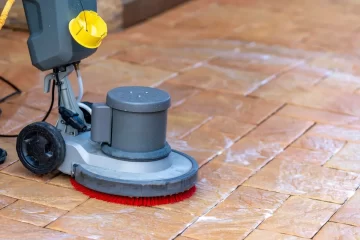
A power scrubber can speed up the cleaning, but go easy. Pick the right brush head and don’t press too hard—don’t let the tool chew into the grout. Weak or damaged grout could get worse from rough handling. If you’re unsure about the grout’s condition, stick with manual cleaning or call in a pro.
12. Should I Rinse Shower Grout After Using Cleaner?
Absolutely—rinsing is crucial. Cleaners loosen up the dirt, but you need to physically remove it, not let it settle back on the grout. Any leftover cleaner can dry as a film, making the surface dull or sticky and attracting more dirt. Rinse with clean water until everything’s gone.
13. Can a Grout Cleaner Damage Shower Tile?
Yes—if the product isn’t a good match for your materials, it can harm the tile, finishes, sealers, or nearby surfaces. Natural stone is especially sensitive to acidic cleaners, and abrasive products can scratch delicate or polished tiles. Always check what your tile is made of and read the compatibility notes. Testing a hidden spot first is a smart move with anything new.
14. Is Bleach the Best Cleaner for Grout in Shower Areas?
Bleach isn’t automatically the best choice. Whether it works depends on your tile, grout, color, sealer, and what you’re trying to clean up. It might help with surface stains, but it can’t replace real cleaning or control moisture. And never, ever mix bleach with vinegar, ammonia, or other chemicals—serious reactions can happen. For regular upkeep, go with a cleaner that fits your materials and scrub properly.
15. Can a Grout Cleaner Get Rid of Years of Built-Up Dirt?
A pro-grade cleaning can remove a lot of built-up grime, soap, oils, and residue if the grout’s still in good shape. You might need to let the cleaner sit, scrub, rinse (maybe more than once), and sometimes extract the mess. But if there are permanent stains or the grout is badly discolored or crumbling, cleaning alone probably won’t get it back to looking new. In those cases, a professional restoration or regrouting might be what you need.
16. Why Does My Grout Look Dirty Again After Using Cleaner?
Your grout can get dirty quickly if moisture, soap, minerals, or other stuff keep building up. Cement grout is porous and can soak up gunk, so regular care is especially important. Problems with airflow, standing water, bad caulking, or not rinsing enough can make things worse. The best results come from using the right cleaner, keeping up with maintenance, making sure things dry out, and sealing if appropriate.
17. Should I Use an Oil-Based Cleaner on Shower Grout?
No, oil-based cleaners aren’t ideal for cement-based grout—they can leave a greasy or waxy film that attracts dirt and makes the grout look dirty again, fast. Stick to neutral or alkaline cleaners made for tile and grout. And always rinse well, since even the right cleaners can leave residue if not properly removed.
18. Can Steam Cleaning Replace Grout Cleaner?
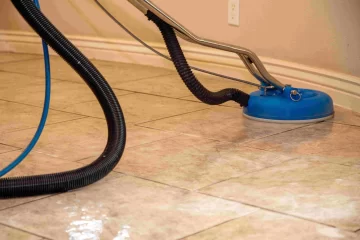
Steam cleaning works for some tile and grout setups because heat and moisture can loosen grime. But steam isn’t always safe for every grout, tile, sealer, silicone, or shower design. High heat or pressure can damage sensitive or failing materials, so check your surfaces first. Professionals can use steam and other tools safely if that’s the right method for your shower.
19. When Should I Stop Using Grout Cleaner and Consider Regrouting?
If your grout is cracked, crumbling, missing, loose, or just worn out, it’s time to rethink cleaning. Cleaners can’t rebuild grout that’s structurally gone, and scrubbing can just make things worse if it’s already falling apart. Call a pro to see if you need deep cleaning, sealing, regrouting, new caulking, or a full shower restoration.
20. Should I Seal Shower Grout After Cleaning?
Cement-based grout often benefits from sealing once it’s been cleaned and totally dried. A good sealer soaks in and makes the grout less absorbent, which can make future stains easier to clean off. Sealing isn’t a substitute for regular cleaning, though—soap and residue can still pile up on the surface. Always make sure grout is completely clean and dry before sealing so you don’t trap moisture or dirt underneath.
21. How Do I Keep Shower Grout Clean After Deep Cleaning?
Squeegee or wipe down the shower after you’re done to get rid of extra water. Keep the bathroom ventilated, and regularly wipe off soap and shampoo before they can really stick. Light, frequent cleaning works a lot better than waiting until things get out of control. If it’s suitable, seal your grout, and keep up with routine cleaning to help maintain its look.
22. When Should I Call KK Cleaning and Restoration for Shower Grout Cleaning?
Get the pros involved if your shower grout has heavy soap scum, tough stains, mineral deposits, constant discoloration, or years of buildup. KK Cleaning and Restoration doesn’t just clean—they can seal, regrout, replace caulking, or restore the whole shower, depending on what your setup needs. They’re especially helpful if you’re not sure what cleaner is safe for your tile and grout. When DIY cleaning just isn’t cutting it, let the professionals figure out the best way to bring your shower back to life.
Contact us now:
 Call us now at +16479163093
 Email: info@kkcleaningandrestoration.ca
 Visit: https://kkcleaningandrestoration.ca/