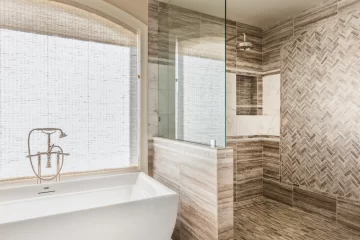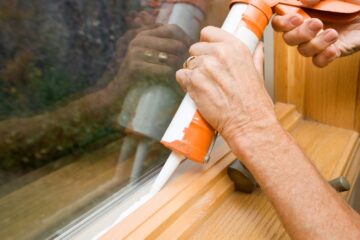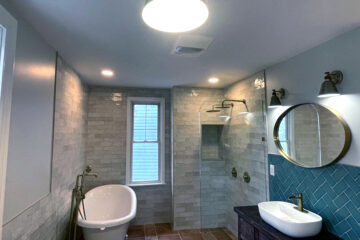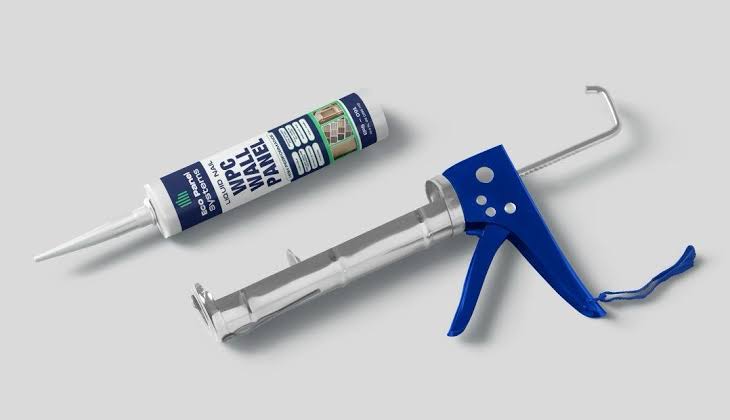
Maintaining high-quality bathroom silicone caulking is the single most critical defense line protecting your home against hidden subfloor moisture damage. In Greater Toronto Area homes and condominiums, that flexible waterproof joint along your bathtub, shower pan, and vanity takes constant punishment from hot water, steam, building movement, and chemical cleaning products.
Unfortunately, many general handymen and homeowners treat caulking as an afterthought, using cheap painter’s caulk or applying fresh sealant over moldy old lines. In this comprehensive guide, our certified Toronto restoration specialists break down the 5 essential rules of professional bathroom silicone caulking so your wet zones stay 100% waterproof and mold-free for years.
Rule 1: Never Apply Fresh Silicone Over Old Caulking
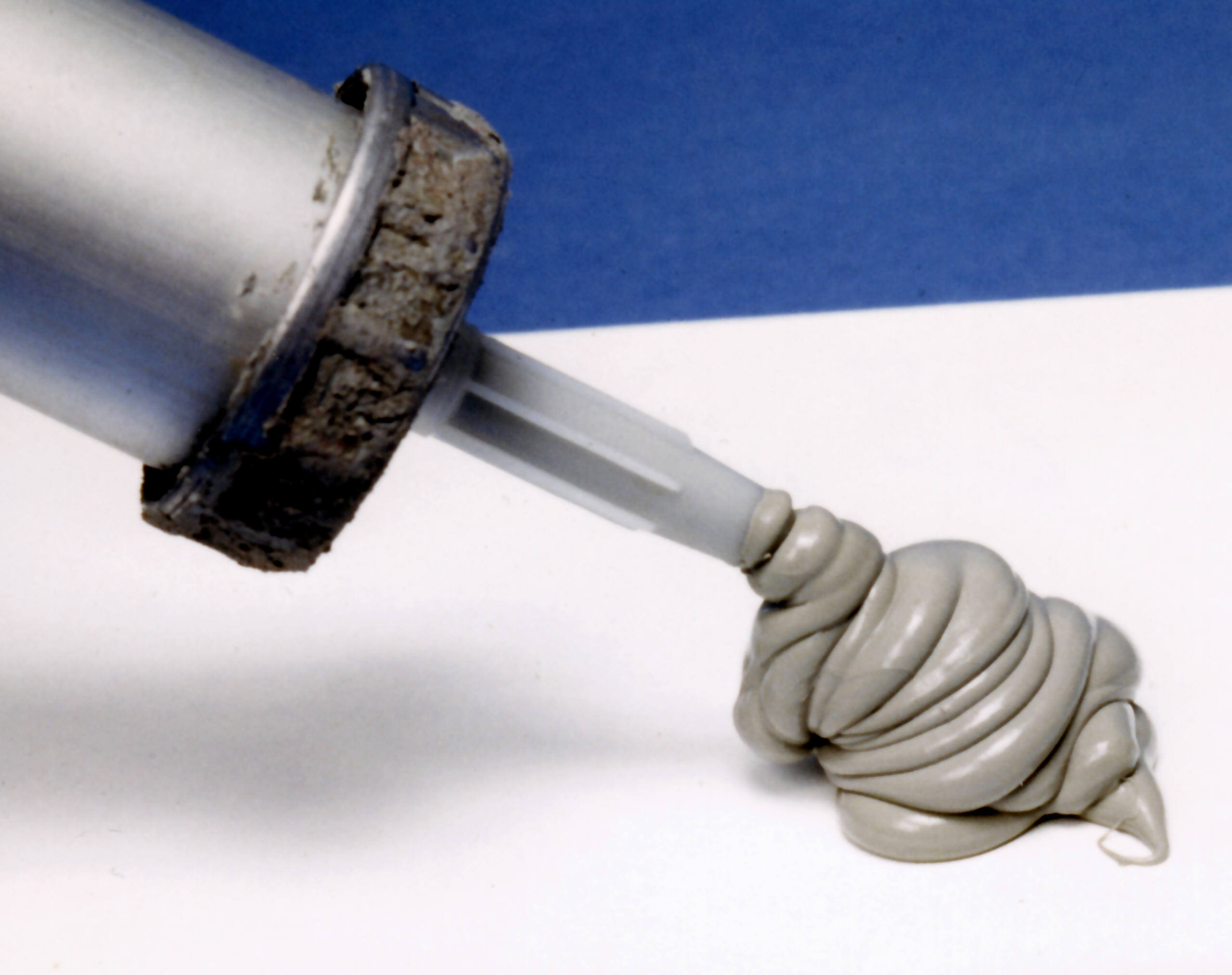
The most common DIY shortcut is “capping”—smearing a new layer of sealant over aged, blackened caulking. Fresh silicone will never form a vulcanized molecular bond with cured, oxidized silicone. Instead, capping creates a microscopic sandwich that traps shower water and soap residue directly against the bathtub enamel.
Within 30 to 60 days, dark mold colonies breed aggressively beneath the new bead. Professional bathroom silicone caulking requires 100% mechanical excision using specialized surgical scraper tools down to the bare ceramic tile and acrylic tub flange without scratching surface finishes.
Rule 2: Choose 100% RTV Neutral-Cure Silicone Over Acrylic Latex
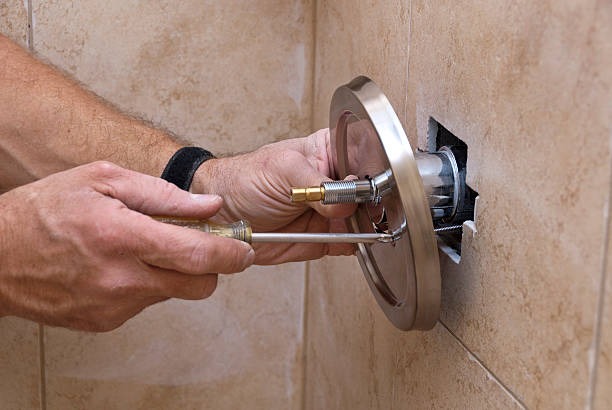
Big-box home improvement stores sell dozens of inexpensive “tub and tile” acrylic latex tubes. Acrylic caulks are water-based formulations that lose up to 25% of their volume through evaporation as they cure. As a result, the bead shrinks, hardens into a rigid plastic, and cracks the moment someone steps into the bathtub.
In contrast, commercial-grade bathroom silicone caulking relies on 100% Room Temperature Vulcanizing (RTV) neutral-cure silicone compliant with ASTM C920 standards for Class 25 joint movement. Pure silicone retains elasticity across decades of structural thermal expansion and building settling common in Toronto high-rise condos.
Rule 3: Decontaminate Joint Voids with Isopropyl Alcohol
Scraping away visible caulk is only half the battle. Mineral scale, body wash tallow, and microscopic mold spores remain invisible inside the joint cavity. Bleach should never be used here because its high water content seeps into drywall paper backing.
Following Health Canada air quality remediation guidelines, technicians treat the joint cavity with a broad-spectrum antimicrobial biocide, followed by a thorough flash-dry wipe using 99% pure isopropyl alcohol. This strips surface oils and guarantees maximum chemical adhesion for the new silicone bead.
Rule 4: Tool with Dedicated Profiling Tools (Never Fingers)
Smoothing silicone with an unwashed fingertip or spit is a guaranteed recipe for premature failure. The human finger deposits natural body oils, saliva bacteria, and uneven pressure into wet silicone, creating surface ripples where water pools and spores germinate.
Professional technicians utilize ergonomic silicone contour tools calibrated to a crisp 45-degree concave angle. This geometric profile forces water droplets to shed instantly toward the tub drain rather than sitting stationary on the silicone bead.
Rule 5: Respect the 24-Hour Vulcanization Window
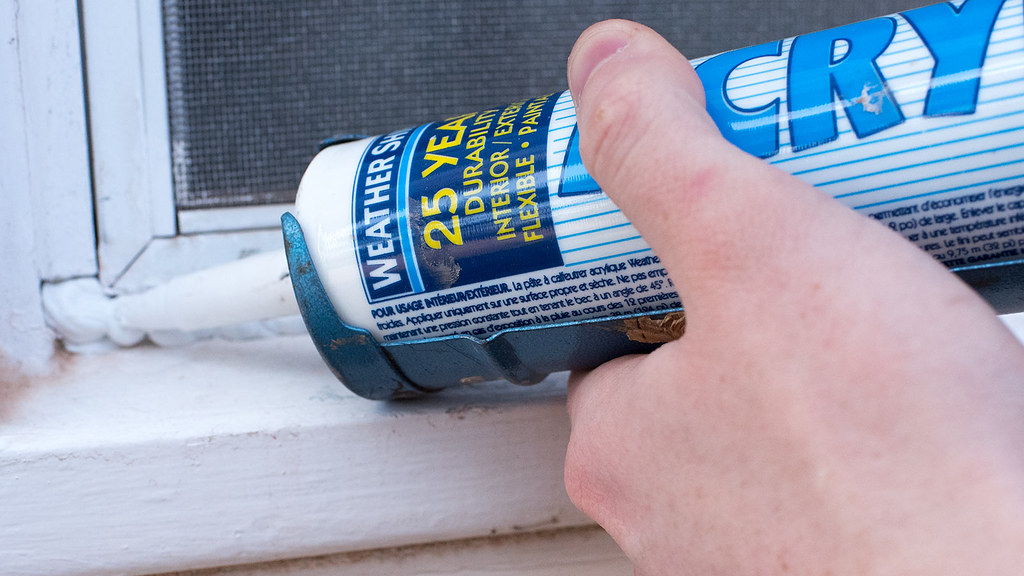
While marketing labels claim “30-minute water-ready,” chemical cross-linking requires 24 hours of ambient exposure to reach full tensile strength and maximum waterproof adhesion. Subjecting fresh silicone to high-temperature steam and soap surfactants within the first few hours degrades the outer skin, leading to premature delamination.
Acrylic Caulk vs. Professional Silicone Comparison
| Performance Attribute | Hardware Store Acrylic Caulk | KK 100% Pure Silicone |
|---|---|---|
| Elasticity & Movement | Brittle (cracks easily under load) | High elasticity (±25% joint movement) |
| Waterproofing Level | Moisture permeable over time | 100% impermeable waterproof barrier |
| Mildew Resistance | Black mold colonizes within 6–12 months | Active fungicide additive prevents spore growth |
| Expected Lifespan | 1 to 2 years | 5 to 8+ years guaranteed |
Schedule Your Professional Bathroom Caulking in Toronto
Don’t risk thousands of dollars in hidden subfloor rot from peeling caulk. Explore our specialized shower and bathroom caulking services, or read our guide on why shower grout turns orange in GTA homes.
Discover more about our team, or request a fast quote today. Simply send 2 or 3 photos of your shower or bathtub seams to our dispatch technicians:
- 📞 Direct Phone: +1 647 916 3093
- ✉️ Email: info@kkcleaningandrestoration.ca
- 📍 Service Area: Toronto, Scarborough, North York, Etobicoke, Mississauga, Vaughan, Markham, and communities within 150 KM.
- ⭐ Reputation: 4.6 Stars across 100+ verified customer reviews!