Bathtub Glazing for Old Tubs
Introduction: Bathtub Glazing for Old Tubs
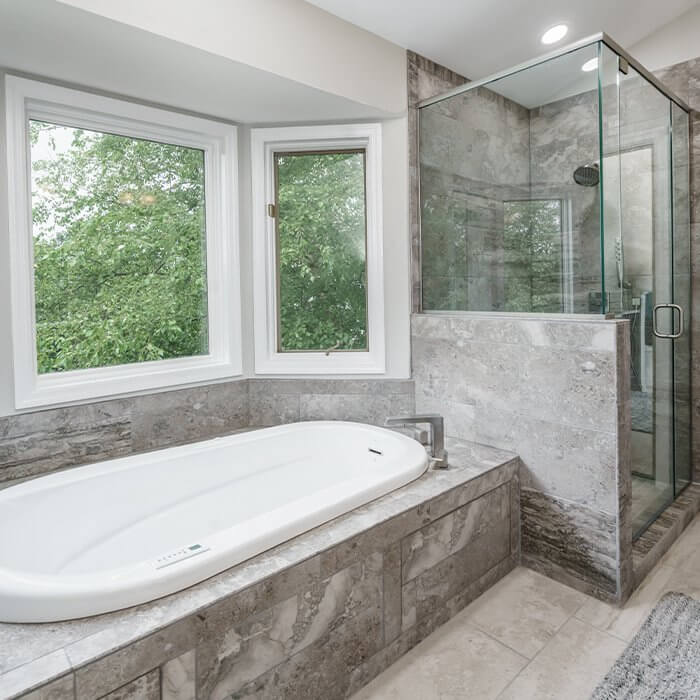
Bathtub Glazing for Old Tubs: An old bathtub can remain structurally useful for many years while its surface gradually becomes stained, scratched, faded, dull, chipped, or difficult to keep clean. Years of exposure to water, soap residue, mineral deposits, cleaning products, moisture, and daily use can significantly change the appearance of an otherwise functional bathtub. When the underlying fixture is still suitable for restoration, bathtub glazing for old tubs can provide a practical way to renew the surface without immediately removing and replacing the entire fixture.
For homeowners in Toronto and the Greater Toronto Area, restoring an existing bathtub can be an effective way to refresh an aging bathroom while preserving the existing layout. Bathtub replacement can involve demolition, disposal, plumbing work, tile or drywall repairs, flooring adjustments, and other renovation tasks. Professional glazing focuses primarily on the existing tub surface, making it possible to address many cosmetic and minor surface problems without turning the project into a complete bathroom renovation.
KK Cleaning and Restoration provides professional bathtub restoration and glazing services for homeowners, condominiums, rental properties, landlords, property managers, and commercial spaces. Our process emphasizes careful inspection, deep cleaning, surface preparation, appropriate repairs, professional coating application, protection of surrounding areas, and detailed finishing. When an old tub is a suitable candidate for restoration, professional glazing can give it a cleaner, smoother, and more refreshed appearance.
What Is Bathtub Glazing for Old Tubs?
Bathtub glazing for old tubs is a surface restoration process designed to renew the visible finish of an existing bathtub. Instead of removing the bathtub, the existing surface is thoroughly cleaned, prepared, repaired where appropriate, and professionally coated with a suitable refinishing material. The objective is to create a smooth, consistent, attractive finish while preserving the original bathtub.
An old tub may look beyond repair simply because years of staining and surface wear have changed its appearance. However, cosmetic deterioration does not necessarily mean that the bathtub has reached the end of its useful life. If the structure remains suitable and the problems are primarily related to the surface, restoration can be considered before replacement.
The glazing process involves considerably more than applying a new coating. Proper preparation is essential because soap residue, oils, mineral deposits, dirt, old cleaning products, and loose material can interfere with the new finish. Surface imperfections may also need to be repaired and smoothed before the glazing material is applied.
A professional approach considers the bathtub’s material, age, condition, existing finish, previous repairs, and type of damage. This helps determine whether glazing is appropriate and what preparation may be necessary. The result is intended to provide a refreshed bathtub surface while retaining the existing fixture.
Signs Your Old Bathtub May Need Glazing
One of the clearest signs that an old bathtub may benefit from glazing is persistent discoloration. Over many years, a bathtub can develop yellowing, staining, faded areas, mineral marks, and uneven colour that ordinary cleaning cannot fully improve. These changes can make the bathroom appear older even when other fixtures remain in good condition.
Scratches are another common problem. Repeated use, abrasive cleaning products, dropped objects, and general wear can gradually affect the original surface. Numerous light scratches can make a bathtub look dull and can create a less uniform appearance across the tub.
Chips and minor surface imperfections can also make an older bathtub look neglected. Small damaged areas may collect dirt and become more noticeable over time. Where appropriate, these imperfections can be repaired and smoothed before the new finish is applied.
A bathtub that has become unusually difficult to clean may also require professional attention. Deteriorated surfaces can hold onto soap residue, mineral deposits, and other buildup more readily than a smooth, well-maintained finish. Restoring the surface can improve its appearance and make routine cleaning more manageable.
Fading and loss of shine are additional indicators. An old bathtub may still function perfectly while its finish has become visibly tired. Professional bathtub glazing can address the surface appearance and help the fixture look significantly cleaner and more contemporary.
Why Glazing Can Be Better Than Replacing an Old Bathtub
Bathtub replacement may appear straightforward, but it can involve considerably more work than removing one fixture and installing another. The existing tub may be connected to plumbing, surrounded by tile, integrated with walls, sealed with caulking, or installed in a way that makes removal complicated. Once the old tub is removed, additional repairs may become necessary.
Bathtub glazing for old tubs takes a restoration approach instead. The existing fixture remains in place while the surface is prepared and renewed. This can reduce the need for demolition and help preserve the bathroom’s existing configuration.
Preserving the current layout can be particularly useful when the homeowner is satisfied with the bathtub’s size, shape, position, and functionality. Finding a replacement bathtub with identical dimensions may not always be simple. Restoring the existing fixture avoids the need to redesign the bathroom around a new tub.
Glazing can also be useful for condominiums and rental properties where minimizing disruption is important. Landlords may want to refresh a bathroom between tenants without undertaking a major renovation. Condominium owners may also prefer to improve an existing bathtub without creating extensive construction work.
This does not mean glazing is appropriate for every old bathtub. Severe structural damage, major deterioration, extensive leakage, or other significant problems may require replacement or another restoration solution. A professional assessment should be used to determine whether the existing fixture is suitable for glazing.
The Professional Bathtub Glazing Process for Old Tubs
The first stage of bathtub glazing for old tubs is a careful inspection. The bathtub is evaluated for stains, scratches, chips, cracks, discoloration, previous coatings, uneven areas, and other visible problems. Its overall structural condition and material are also considered before restoration begins.
Thorough cleaning is then performed to remove accumulated contaminants. An old bathtub can contain layers of soap scum, body oils, mineral deposits, dirt, grease, and cleaning-product residue. These materials need to be properly addressed because a new finish requires a properly prepared surface.
The surface is prepared according to its condition and material. Appropriate preparation may involve sanding, smoothing, treating damaged sections, removing loose material, and creating a suitable foundation for the restoration coating.
Minor damage can be repaired before glazing. Small chips, holes, scratches, or uneven sections may be filled and smoothed where appropriate. This helps prevent existing imperfections from unnecessarily affecting the appearance of the finished surface.
The surrounding bathroom is carefully protected before coating begins. Tiles, walls, flooring, fixtures, drains, caulking, and other nearby areas need appropriate protection during the restoration process. Controlled preparation helps minimize unnecessary mess and supports a cleaner finished project.
The professional glazing material is then applied to the prepared bathtub. Consistent application and appropriate technique are important for creating an even, attractive finish. After application, the surface needs sufficient curing time before normal use.
The final stage includes inspection and cleanup. The restored bathtub is checked for overall consistency and appearance, protective coverings are removed, and the surrounding work area is cleaned. Proper aftercare guidance is also important for helping the renewed surface remain in good condition.
Benefits of Bathtub Glazing for Old Tubs
One of the biggest benefits of bathtub glazing for old tubs is the ability to improve the appearance of an aging fixture without removing it. A stained, faded, scratched, or dull bathtub can make an entire bathroom look outdated. Renewing the surface can create a noticeable visual improvement.
Glazing can also help preserve the existing bathroom layout. Homeowners who like the current position and dimensions of their bathtub can retain those features while improving the visible surface. This can be particularly useful when the bathroom already has matching tiles, fixtures, flooring, and other finished elements.
Another benefit is reduced renovation disruption. A bathtub replacement project can involve demolition and additional construction around the fixture. Surface restoration focuses on the bathtub itself, making it a more targeted approach when the structure remains suitable.
Professional restoration can also address multiple surface concerns during one project. Stains, discoloration, dullness, minor chips, scratches, and other imperfections can be evaluated and treated as part of the preparation process.
An old bathtub may also become easier to maintain when its deteriorated surface has been professionally restored. A smooth, properly finished surface can support more straightforward routine cleaning when appropriate non-abrasive cleaning methods are used.
Bathtub Glazing for Different Types of Old Tubs
Old bathtubs can be made from different materials, including porcelain, fiberglass, acrylic, cast iron, and enamel-coated surfaces. Because these materials have different characteristics, professional bathtub glazing for old tubs should not be approached as a one-size-fits-all process.
Older cast iron tubs can have substantial character and may be worth preserving when their underlying structure remains suitable. Many homeowners appreciate the size, shape, weight, and traditional appearance of older fixtures and may prefer restoration over replacement.
Fiberglass and acrylic tubs can also develop scratches, dullness, stains, fading, and general surface wear. Their condition needs to be assessed before selecting an appropriate restoration approach.
Porcelain and enamel-coated tubs can similarly experience chips, discoloration, scratches, and loss of surface appearance over time. Proper preparation is important for creating a suitable foundation for refinishing.
Previous refinishing work should also be considered. If an old tub has already been coated or restored, the condition and adhesion of the existing finish need to be assessed before applying another restoration system.
The objective is always to match the restoration process to the actual bathtub. A professional inspection helps determine whether glazing is suitable and what preparation is necessary to achieve a consistent result.
Bathtub Glazing for Old Tubs in Homes, Condos, and Rental Properties
Residential bathrooms are among the most common settings for bathtub glazing for old tubs. Homeowners may want to refresh an aging bathroom without changing its layout or undertaking a complete renovation.
A bathtub with years of stains, scratches, and discoloration can make a bathroom appear older than it really is. Restoring the tub can improve the overall appearance of the space while allowing other fixtures and finishes to remain in place.
Condominium bathrooms can also benefit from targeted bathtub restoration. Condo owners may prefer to avoid extensive demolition because of building requirements, limited access, or the disruption associated with larger renovation projects.
Rental property owners and landlords can use bathtub glazing as part of property turnover and maintenance. A worn bathtub can negatively affect the presentation of an otherwise clean rental unit. Restoring a suitable existing tub can provide a practical way to refresh the bathroom before new occupants move in.
Property managers can also consider glazing when maintaining multiple units. A consistent restoration process can help address aging tubs without automatically replacing every fixture that develops cosmetic surface problems.
Commercial and hospitality properties may also require bathtub restoration when maintaining guest or tenant bathrooms. The appropriate approach depends on the property’s requirements and the condition of the existing fixtures.
Bathtub Glazing Versus Refinishing, Resurfacing, and Reglazing
The terms glazing, refinishing, resurfacing, and reglazing are often used to describe closely related bathtub restoration processes. Each generally focuses on renewing the existing bathtub surface rather than removing the entire fixture.
The terminology can vary between service providers, but the important consideration is the actual restoration process. Professional work should involve proper cleaning, preparation, repairs where appropriate, coating application, curing, and final inspection.
Bathtub glazing for old tubs is particularly focused on restoring the visible finish of an aging fixture. Refinishing may be used as a broader term for renewing a worn bathtub surface. Resurfacing can refer to the process of restoring the surface layer, while reglazing commonly describes applying a renewed finish over the existing bathtub.
Regardless of terminology, preparation is one of the most important factors. Applying a coating over dirt, grease, loose material, or an unstable existing finish can compromise the final result.
Homeowners should therefore focus less on the label and more on the quality of the restoration process. Proper assessment, preparation, repair, application, curing, and aftercare are important elements of professional bathtub restoration.
Maintaining an Old Tub After Professional Glazing
After bathtub glazing for old tubs has been completed, appropriate maintenance is important. The newly restored surface should be treated carefully and cleaned according to the recommended aftercare instructions.
Non-abrasive cleaning products are generally preferable for maintaining a restored bathtub surface. Harsh chemicals, aggressive scrubbing pads, abrasive powders, and unsuitable cleaning methods can damage or prematurely wear the renewed finish.
Routine cleaning should be performed regularly rather than allowing heavy soap residue and mineral buildup to accumulate. Wiping the surface appropriately after use can also help reduce the amount of residue that remains on the bathtub.
Good bathroom ventilation can help control excess moisture. Proper ventilation is especially useful in bathrooms where humidity remains high for extended periods.
Homeowners should also address new chips, scratches, or other damage promptly. Avoiding dropped heavy objects and unnecessary impact can help protect the restored surface.
The goal of maintenance is not complicated. Gentle routine cleaning, suitable products, reasonable care, and prompt attention to new problems can help preserve the appearance of a professionally restored bathtub.

Why Choose KK Cleaning and Restoration for Bathtub Glazing for Old Tubs?
KK Cleaning and Restoration provides professional bathtub restoration and glazing services for properties throughout Toronto and the Greater Toronto Area. Our approach begins by assessing the existing bathtub rather than automatically recommending replacement.
An old bathtub can have years of accumulated wear, and every fixture can have different restoration requirements. Our process considers surface condition, visible damage, existing finishes, bathtub material, and the overall suitability of the fixture for restoration.
Preparation receives careful attention. The bathtub is cleaned and prepared, suitable minor imperfections are addressed, surrounding bathroom surfaces are protected, and the restoration coating is professionally applied.
KK Cleaning and Restoration also provides related bathroom cleaning and restoration services, including tile and grout cleaning, grout sealing, regrouting, shower restoration, caulking, silicone replacement, and other surface restoration solutions. This allows homeowners and property managers to address multiple bathroom maintenance requirements through a coordinated restoration approach.
For old tubs that remain structurally suitable, professional glazing can provide a practical alternative to complete replacement. The focus is on careful workmanship, appropriate preparation, a clean finished appearance, and professional restoration practices.
Restore Your Old Bathtub With Professional Glazing
An aging bathtub does not automatically need to be removed simply because its surface looks worn. Years of stains, scratches, fading, discoloration, mineral deposits, and daily use can make a functional bathtub appear outdated, but many surface-related problems can be addressed through professional restoration when the fixture is suitable.
Bathtub glazing for old tubs provides a focused way to renew the visible surface while preserving the existing bathtub and bathroom configuration. The process involves much more than applying a new coating, with inspection, deep cleaning, surface preparation, minor repairs, protection, professional glazing, curing, and final inspection all contributing to the finished result.
For homeowners, condominium owners, landlords, property managers, and commercial property owners, restoring an old bathtub can be a practical option when complete replacement is unnecessary. It can improve the appearance of the bathroom while reducing the demolition and construction associated with a larger bathtub replacement project.
KK Cleaning and Restoration provides professional bathtub glazing and restoration services throughout Toronto and the GTA. When an old tub is structurally suitable for restoration, our careful approach can help transform a stained, scratched, faded, or dull bathtub into a cleaner-looking and professionally renewed bathroom feature.
With proper preparation and appropriate ongoing maintenance, bathtub glazing for old tubs can give an aging fixture a refreshed appearance while allowing property owners to preserve the bathtub they already have.
Contact us now:
 Call us now at +16479163093
 Email: info@kkcleaningandrestoration.ca
 Visit: https://kkcleaningandrestoration.ca/
FAQs on “Bathtub Glazing for Old Tubs”
1. What is Bathtub Glazing for Old Tubs?
Bathtub Glazing for Old Tubs is a professional surface restoration process that renews the appearance of an existing bathtub without necessarily removing and replacing the fixture. The process typically includes detailed cleaning, surface preparation, minor repairs, professional coating application, and curing. It can address suitable surface problems such as stains, discoloration, scratches, chips, fading, and dullness. KK Cleaning and Restoration provides professional bathtub glazing and restoration services for suitable old tubs in Toronto and the GTA.
2. Why should I consider Bathtub Glazing for Old Tubs?
Bathtub Glazing for Old Tubs can be considered when an existing bathtub remains functional but its surface has become worn, stained, scratched, faded, or dull. Restoring the surface can improve the appearance of the bathroom without automatically requiring extensive demolition and replacement work. It can also help preserve the existing bathtub shape, size, position, and bathroom layout. Professional assessment is important to determine whether the old tub is suitable for glazing.
3. What bathtub problems can Bathtub Glazing for Old Tubs address?
Bathtub Glazing for Old Tubs can address many suitable surface problems, including discoloration, stains, scratches, dull finishes, fading, and minor chips. Small surface imperfections may be repaired and smoothed before the new finish is applied. The effectiveness of restoration depends on the severity of the damage, bathtub material, previous treatments, and overall condition. Major structural problems may require a different restoration solution or complete replacement.
4. Is Bathtub Glazing for Old Tubs better than replacing a bathtub?
Bathtub Glazing for Old Tubs can be an alternative to replacement when the existing bathtub is structurally suitable but has primarily cosmetic or surface-level deterioration. Keeping the existing tub can avoid some of the demolition, disposal, plumbing adjustments, tile work, and other disruption associated with replacement. It can also preserve the bathroom’s existing configuration and the dimensions of the current bathtub. However, replacement may be necessary when the bathtub has severe structural deterioration, significant leakage, or damage that cannot be appropriately restored.
5. How does Bathtub Glazing for Old Tubs work?
Bathtub Glazing for Old Tubs begins with an inspection to evaluate the bathtub material, surface condition, damage, stains, and previous coatings. The surface is then thoroughly cleaned and prepared, while suitable chips, scratches, holes, or uneven areas may be repaired and smoothed. A professional glazing coating is applied carefully to the prepared surface and allowed to cure appropriately. The finished bathtub is then inspected and the surrounding work area is cleaned.
6. Why is surface preparation important for Bathtub Glazing for Old Tubs?
Surface preparation is one of the most important stages of Bathtub Glazing for Old Tubs because the new coating needs a properly prepared foundation. Soap residue, grease, mineral deposits, dirt, loose material, and previous cleaning-product residue can interfere with the restoration process if they are not properly addressed. Preparation can include cleaning, sanding, smoothing, and repairing appropriate surface imperfections. Thorough preparation supports a more consistent and durable-looking finished surface.
7. Can Bathtub Glazing for Old Tubs make an old bathtub look new?
Bathtub Glazing for Old Tubs can significantly refresh the appearance of a suitable aging bathtub. Stains, discoloration, dullness, scratches, and minor surface imperfections can be addressed as part of the restoration process. A professionally glazed surface can give the bathtub a cleaner, smoother, and more uniform appearance. The final result depends on the original condition, material, previous repairs, and extent of existing damage.
8. Can Bathtub Glazing for Old Tubs repair scratches and chips?
Yes, Bathtub Glazing for Old Tubs can address many minor scratches and chips when the underlying bathtub remains suitable for restoration. Damaged areas can be prepared, filled where appropriate, sanded, and smoothed before the glazing coating is applied. This preparation helps create a more consistent surface and reduces the visibility of suitable minor imperfections. Severe structural cracks or extensive damage may require a different repair method or replacement.
9. Can Bathtub Glazing for Old Tubs remove stains and discoloration?
Bathtub Glazing for Old Tubs can address many stains and areas of discoloration that have made an older bathtub look worn. Thorough cleaning and surface preparation help remove accumulated residue before the new finish is applied. Where staining has permanently affected the original surface, restoration can cover and renew the visible finish rather than simply relying on cleaning alone. The final result depends on the type, depth, and severity of the existing discoloration.
10. What types of old bathtubs can receive Bathtub Glazing for Old Tubs?
Bathtub Glazing for Old Tubs may be suitable for various bathtub materials, including porcelain, fiberglass, acrylic, cast iron, and enamel-coated surfaces. Each material has different characteristics that can influence preparation and coating requirements. The condition of the existing surface and any previous refinishing work must also be considered. A professional inspection can determine whether the specific bathtub is appropriate for glazing and what preparation it requires.
11. Can Bathtub Glazing for Old Tubs be used during a bathroom renovation?
Bathtub Glazing for Old Tubs can be incorporated into a bathroom renovation when the existing bathtub is suitable for restoration. Instead of replacing a functional tub, homeowners can renew its surface while updating other elements of the bathroom. This approach can help preserve the existing bathtub dimensions and layout while improving its appearance. It can be particularly useful when the goal is to refresh the bathroom without turning the project into a complete fixture replacement.
12. Can Bathtub Glazing for Old Tubs reduce bathroom renovation disruption?
Bathtub Glazing for Old Tubs can reduce disruption when it is used instead of removing an otherwise suitable existing bathtub. Replacement may involve demolition, removal of the old fixture, disposal, plumbing adjustments, and possible repairs to surrounding walls, tiles, or flooring. Glazing focuses primarily on restoring the bathtub surface while leaving the existing fixture in place. The actual level of disruption depends on the bathtub’s condition and the scope of the surrounding bathroom work.
13. Is Bathtub Glazing for Old Tubs suitable for rental properties?
Bathtub Glazing for Old Tubs can be suitable for rental properties when the existing bathtub is functional but has developed cosmetic surface problems. Landlords and property managers can use restoration as part of tenant turnover, particularly when stains, scratches, discoloration, or dullness affect the bathroom’s presentation. Restoring a suitable tub can refresh the unit without necessarily requiring a major bathroom renovation. The bathtub should be professionally assessed before glazing to confirm that surface restoration is appropriate.
14. Is Bathtub Glazing for Old Tubs suitable for condominium bathrooms?
Yes, Bathtub Glazing for Old Tubs can be suitable for many condominium bathrooms where the existing fixture remains structurally sound. Condo owners may prefer a targeted restoration approach when they want to improve an aging bathtub without extensive demolition or changes to the existing bathroom layout. Glazing can preserve the current bathtub dimensions, position, and surrounding design. Building requirements and access considerations should still be reviewed before any restoration project begins.
15. Is Bathtub Glazing for Old Tubs the same as bathtub refinishing?
Bathtub Glazing for Old Tubs, bathtub refinishing, resurfacing, and reglazing are terms that are often used for closely related surface restoration processes. These services generally focus on preparing and renewing an existing bathtub rather than removing the entire fixture. The exact terminology can vary between contractors, so homeowners should consider the actual preparation, repair, coating, and curing process being provided. Proper surface preparation and professional application are important regardless of which term is used.
16. Can Bathtub Glazing for Old Tubs change the bathtub colour?
Bathtub Glazing for Old Tubs can potentially change the visible colour or finish of a suitable bathtub as part of the restoration process. This can be useful when an old colour looks dated or when homeowners want a cleaner, more coordinated bathroom appearance. Colour and finish options depend on the restoration system and the specific project requirements. The desired finish should be discussed before the glazing process begins so the appropriate approach can be determined.
17. How should I clean my bathtub after Bathtub Glazing for Old Tubs?
After Bathtub Glazing for Old Tubs, the restored surface should be cleaned using appropriate non-abrasive cleaning products and gentle methods. Harsh chemicals, abrasive powders, rough scouring pads, and aggressive scrubbing can damage or prematurely wear the renewed finish. Regular cleaning helps prevent soap residue and mineral buildup from accumulating on the surface. Following the recommended aftercare instructions can help maintain the bathtub’s appearance for longer.
18. Can harsh cleaning chemicals damage a bathtub after Bathtub Glazing for Old Tubs?
Yes, harsh cleaning chemicals can potentially damage or prematurely deteriorate a surface restored through Bathtub Glazing for Old Tubs. Strong chemicals, abrasive products, and unsuitable cleaning agents can affect the appearance and integrity of the renewed finish. Homeowners should choose cleaning products that are appropriate for professionally restored bathtub surfaces. Gentle routine cleaning and proper maintenance are important for protecting the finished surface.
19. Can Bathtub Glazing for Old Tubs address dull and faded finishes?
Bathtub Glazing for Old Tubs can address dull and faded surfaces when the bathtub is suitable for restoration. Years of cleaning, water exposure, mineral buildup, and regular use can cause the original finish to lose its visual appeal. Professional preparation and a new surface coating can create a cleaner and more consistent appearance. The degree of improvement depends on the condition of the existing bathtub and the extent of surface deterioration.
20. Can a previously refinished bathtub receive Bathtub Glazing for Old Tubs?
A previously refinished bathtub may be able to receive Bathtub Glazing for Old Tubs, but its existing coating must first be assessed. The condition, adhesion, age, type, and stability of the previous finish can affect whether another restoration layer is appropriate. Loose, peeling, damaged, or unstable coatings may require additional preparation before a new finish can be considered. Professional evaluation helps determine the safest and most suitable restoration approach.
21. When should an old bathtub be replaced instead of using Bathtub Glazing for Old Tubs?
An old bathtub may require replacement when it has severe structural deterioration, major cracking, significant leakage, extensive corrosion, or other problems that cannot reasonably be addressed through surface restoration. Bathtub Glazing for Old Tubs is primarily intended for suitable surface-level deterioration and minor repair requirements. A professional inspection can distinguish cosmetic problems from structural concerns. If the underlying fixture is no longer suitable for restoration, replacement or another repair solution may be more appropriate.
22. Can Bathtub Glazing for Old Tubs preserve my existing bathroom layout?
Yes, one of the practical advantages of Bathtub Glazing for Old Tubs is that the existing bathtub remains in its current location. Homeowners can potentially preserve the tub’s dimensions, position, surrounding tile arrangement, and other elements of the existing bathroom design. This can be useful when the current layout is functional and there is no desire to undertake a larger renovation. The exact scope of preservation depends on the bathtub’s condition and any other repairs required in the bathroom.
23. Why choose professional Bathtub Glazing for Old Tubs instead of DIY coating?
Professional Bathtub Glazing for Old Tubs involves detailed surface assessment, preparation, repair, application, curing, and finishing that can be difficult to reproduce with basic DIY products. Inadequate preparation or incorrect coating application can lead to uneven finishes, poor adhesion, premature deterioration, or other surface problems. Professionals can also determine whether the existing bathtub is actually suitable for restoration before work begins. Choosing professional service can provide a more controlled restoration process for homeowners who want their old bathtub professionally renewed.
24. Why choose KK Cleaning and Restoration for Bathtub Glazing for Old Tubs?
KK Cleaning and Restoration provides professional bathtub glazing and restoration services for homeowners, condominiums, rental properties, and commercial spaces throughout Toronto and the GTA. Our process focuses on careful assessment, thorough cleaning, surface preparation, suitable minor repairs, professional coating application, and detailed finishing. We also provide related services such as tile and grout cleaning, regrouting, shower restoration, caulking, silicone replacement, and other bathroom restoration solutions. For a suitable old bathtub, our professional approach can help create a cleaner, smoother, and refreshed surface while preserving the existing fixture.
Contact us now:
Call us now at +16479163093
Email: info@kkcleaningandrestoration.ca
Visit: https://kkcleaningandrestoration.ca/